Lund Cathedral, Zealand Travel Guide
Sweden’s most visited church, Lund Cathedral blends Romanesque stone, medieval legends and a living spiritual life in the historic heart of this university city.
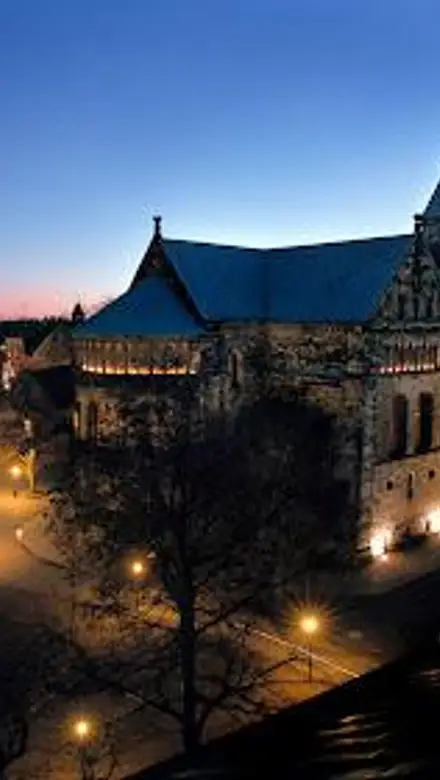
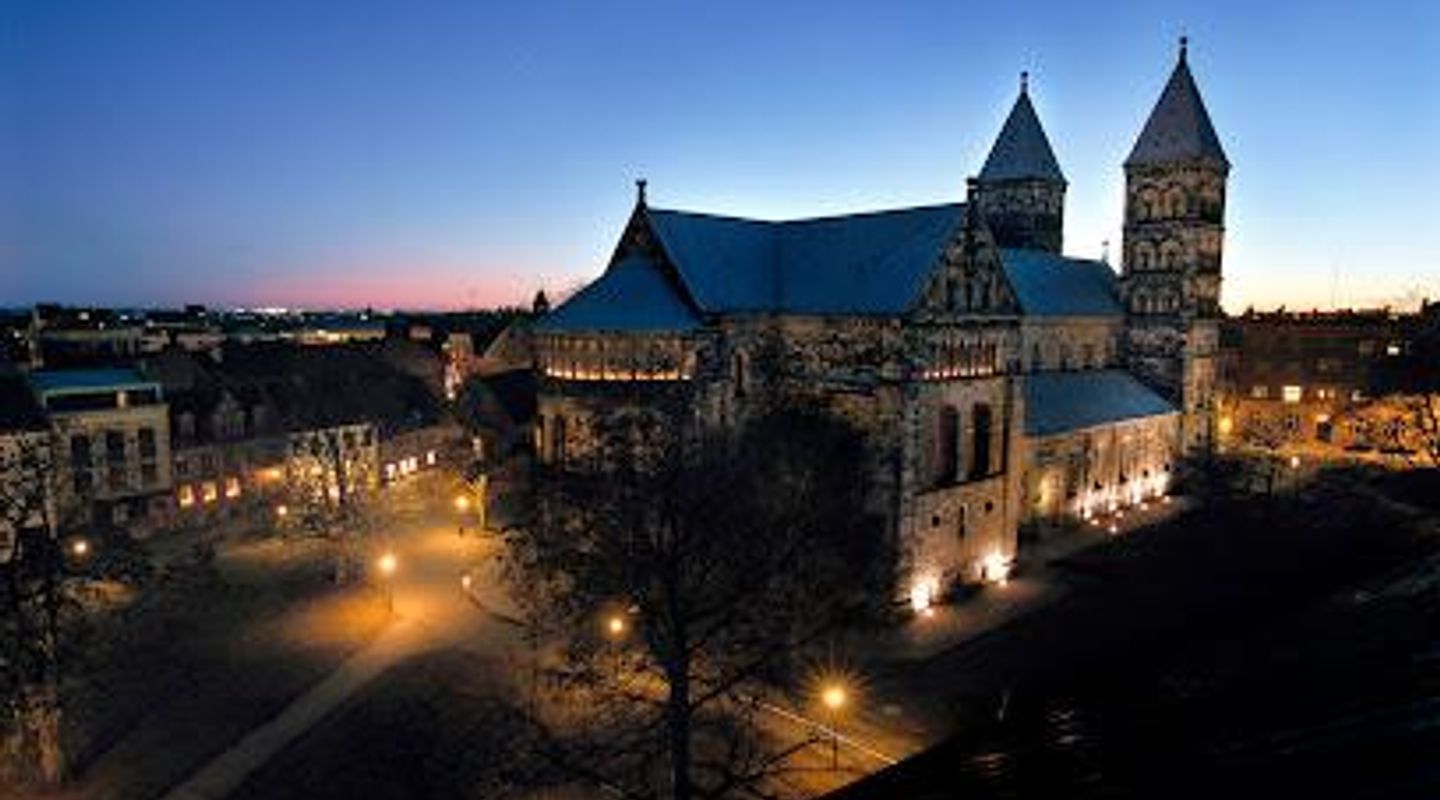
Lund Cathedral, rising over the cobbled heart of Lund, is Sweden’s most visited church and one of the finest Romanesque buildings in Northern Europe. Consecrated in 1145 and once the spiritual centre of all Scandinavia, it is famed for its austere sandstone façade, twin towers, atmospheric 12th‑century crypt, legendary Giant Finn, and a remarkable 15th‑century astronomical clock that still performs daily.
A brief summary to Lund Cathedral
- Lunds domkyrka, Kyrkogatan 6, Lund, 222 22, SE
- Click to display
- Click to display
- Duration: 1 to 2 hours
- Free
-
 Indoor
- Mobile reception: 5 out of 5
- Monday 8 am-6 pm
- Tuesday 8 am-6 pm
- Wednesday 8 am-6 pm
- Thursday 8 am-6 pm
- Friday 8 am-6 pm
- Saturday 9:30 am-5 pm
- Sunday 9:30 am-6 pm

Know before you go
Hi, I'm Eve. Here are a few practical things to know before exploring Lund Cathedral.
- Time your visit to see the astronomical clock performance around midday or mid‑afternoon; arrive 10–15 minutes early to secure a good view in front of the south transept.
- Do not miss the crypt: look for the Giant Finn sculpture and take a slow walk among the pillars to appreciate the 12th‑century stonework and cool, subdued atmosphere.
- Combine the cathedral with a stop at the nearby Domkyrkoforum visitor centre for exhibits, information, and a quiet place to reflect over a coffee after your visit.
- Dress in layers and bring a light cover; the thick stone walls can make the interior feel noticeably cooler than the streets outside, even in summer.
- Be mindful of ongoing services and concerts; photography is usually allowed, but keep noise low and avoid flash during religious activities.
Do you manage this location?
Take control to get all the benefits, like improved information, better appearance, and stronger visibility across AI-powered discovery. Learn more about listing your business on Evendo
Activate your presenceOther nearby places you may find interesting
The closest places of the same kind, if this one is not quite what you had in mind.

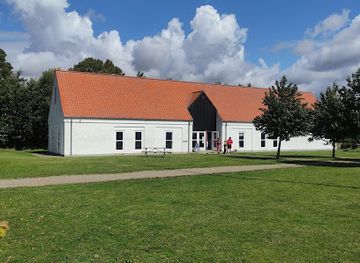

Explore Lund Cathedral on the Map
A handpicked selection of must-see spots near Lund Cathedral, mapped for you.
Unlock the Best of Lund Cathedral
Buy tickets
-
No tickets available
Book tours with entry


Getting There
-
Train and short walk from Malmö
From Malmö central area, take the Öresundståg or Pågatåg regional train to Lund C; services typically run every 10–20 minutes during the day and the journey takes about 10–15 minutes. A standard adult single ticket usually falls in the range of 40–60 SEK within Skåne. From Lund C, it is roughly a 10–15 minute walk on mostly flat, paved streets through the historic centre to reach the cathedral. Trains run all year, with reduced frequency late at night and on some holidays.
-
Train from Copenhagen via Øresund Bridge
From central Copenhagen, board an Öresundståg train towards Malmö and Lund; travel time to Lund C is typically 50–70 minutes, including the crossing of the Øresund Bridge. A one‑way adult ticket generally costs around 150–220 SEK depending on time and provider. Lund Cathedral lies within a comfortable 10–15 minute walk from the station through the old town. Passport or ID checks may occur on some services, so keep documents handy.
-
City bus within Lund
If you are elsewhere in Lund, city buses operated within Skåne’s public transport network connect residential districts with the central area around Lund C and nearby stops. Typical travel time is 10–20 minutes depending on distance and traffic. Single tickets purchased via app or card are usually in the 25–40 SEK range. Most buses have low‑floor access, but final access to the cathedral involves short stretches of cobblestones.
-
Bicycle in Lund
Lund is a compact and bike‑friendly city with dedicated lanes on many streets. From most university areas and neighbourhoods you can reach the cathedral in about 5–20 minutes by bicycle. If you rent a bike, expect daily prices in the range of 80–150 SEK. Bike racks are available close to the cathedral, but avoid locking bikes to railings or historic structures. Cobblestones in the immediate surroundings can be uneven, so walk your bike for the last stretch if needed.
For the on-the-go comforts that matter to you
-
 Restrooms
-
 Drink Options
-
 Food Options
-
 Seating Areas
-
 Sheltered Areas
-
 Trash Bins
-
 Information Boards
-
 Visitor Center
Discover more about Lund Cathedral
A Romanesque giant at the heart of Lund
Lund Cathedral dominates the compact medieval core of Lund with its dark, weathered sandstone and unmistakable twin towers. Begun in the late 11th century when Lund was part of Denmark, the cathedral was consecrated in 1145 and soon became the religious centre for a vast archdiocese that once covered much of Christian Scandinavia. Its simple, solid massing and rounded arches make it a textbook example of Romanesque architecture in the Nordic region.Step inside and the contrast with the busy square outside is immediate. A long, barrel‑vaulted nave leads the eye towards the elevated choir and semi‑circular apse, while narrow high windows let in filtered shafts of light. The space feels both heavy and serene, a reminder that this has been a place of worship and ceremony for nearly nine centuries.Crypt legends and medieval stonework
Beneath the main floor lies the cathedral’s oldest and most atmospheric space: the 12th‑century crypt, dedicated in 1123. Forests of squat stone pillars support low Romanesque vaults, their surfaces softened by time and candle smoke. Here you find tomb slabs, worn carvings and one of Lund’s most famous figures, the stone giant known as Finn.According to local legend, Finn was the supernatural builder of the cathedral who, after being cheated of his reward, tried to pull the church down and was turned to stone mid‑embrace of a pillar. Whether you take the story literally or see in the figure echoes of biblical Samson, the sculpture gives the crypt an almost mythic presence and is a highlight for many visitors.Clockwork cosmos and sacred treasures
Back in the main church, the south transept houses the astronomical clock, a late medieval masterpiece dating from the early 1400s. Its upper dial maps the movement of sun and moon around the Earth, while the lower section is an elaborate calendar. Twice a day, figures of the Three Wise Men process past a seated Virgin and Child as chimes ring out, turning the whole façade into a small theatrical performance.Elsewhere in the choir, finely carved oak stalls from the 14th century line the walls, crowded with biblical scenes and imaginative creatures. The high altar, dating from 1398, anchors the eastern end of the church, while a luminous mosaic of Christ in glory, added in the 1920s, fills the apse vault with colour and light. Together these elements trace a continuous story from the Middle Ages to the modern era.From Danish archbishopric to Swedish landmark
The history of Lund Cathedral mirrors the shifting borders of the region. When construction began, Lund was a flourishing Danish town; only in the 17th century did it become Swedish. The cathedral weathered the Reformation, periods of war and long stretches of neglect. In the 1500s the German builder Adam van Düren carried out critical repairs, enlarging windows and stabilising the fabric at a time when collapse was a real risk.In the 19th century, architects Carl Georg Brunius and later Helgo Zettervall undertook sweeping restorations. Zettervall’s vision led to the complete rebuilding of the western front and towers in a Neo‑Romanesque style, giving the cathedral its current skyline profile. Careful conservation in the 20th century refined the interior while preserving its medieval core, resulting in the harmonious mix of old and new seen today.Experiencing the cathedral today
Today Lund Cathedral remains both an active Lutheran parish church and a major cultural monument, drawing hundreds of thousands of visitors each year. At almost any time of day you may encounter quiet individual prayer, organ music drifting from the loft, or the low murmur of a guided group gathering beneath the clock. The surrounding streets, universities and cafés underline how closely the building is woven into city life.A thoughtful visit rewards unhurried wandering: descend to the crypt to meet Giant Finn, return to watch the astronomical clock perform, then sit for a while in the nave and let your eyes adjust to the subdued light. More than a single attraction, Lund Cathedral is a layered place where architecture, legend, scholarship and worship continue to intersect in the heart of Skåne.












Your all‑in‑one travel companion app
Explore expert travel guides, compare and book tours, experiences, hotels, and more—all from the palm of your hand. Download now for seamless trip planning wherever your wanderlust takes you.


Explore More of Zealand
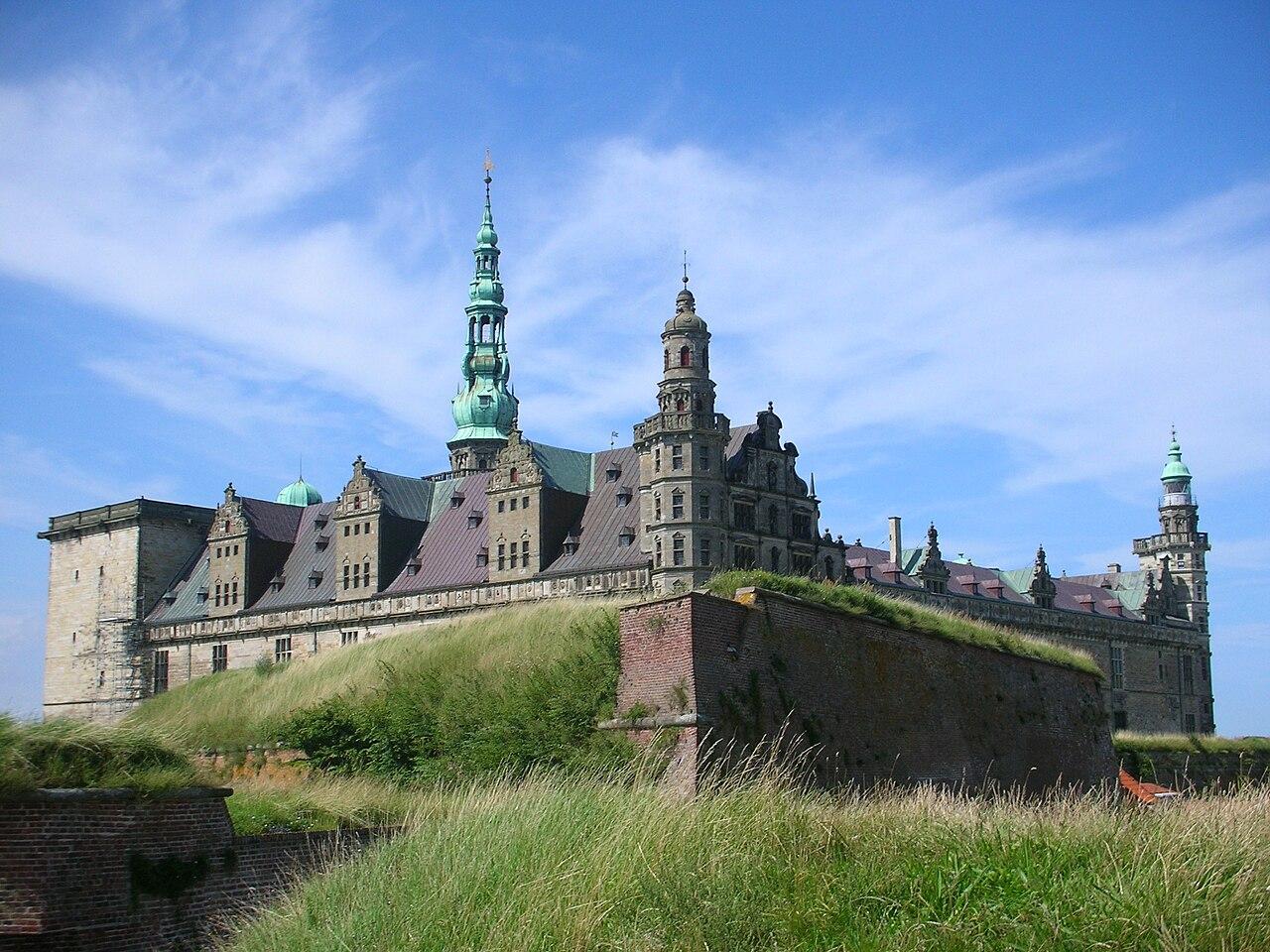
Looking beyond Lund Cathedral? Discover Zealand for broader travel guides, local hot-spots, and regional highlights.
Explore Zealand