Background

Botaniska trädgården, Lund

A historic university garden in central Lund where 7,000 plant species, classic greenhouses and calm lawns create a quietly scholarly green escape with free entry.

4.6

Lund’s Botaniska trädgården is an 8-hectare green sanctuary in the heart of the city, run by Lund University and home to around 7,000 plant species from Sweden and across the globe. Laid out in the 1860s by botanist Jacob Georg Agardh and designated a national historic landmark in 1974, it blends formal beds, sweeping lawns, ponds and grand specimen trees with research plots, a university-linked greenhouse complex and a seasonal garden café, offering both quiet contemplation and low-key discovery.

A brief summary to Botaniska trädgården

  • Ö:a Vallgatan 20, Lund, 223 61, SE
  • +46462227320
  • Visit website
  • Duration: 1.5 to 3 hours
  • Free
  • Environment icon Outdoor
  • Mobile reception: 5 out of 5
  • Monday 6 am-8 pm
  • Tuesday 6 am-8 pm
  • Wednesday 6 am-8 pm
  • Thursday 6 am-8 pm
  • Friday 6 am-8 pm
  • Saturday 6 am-8 pm
  • Sunday 6 am-8 pm

Local tips

  • Plan at least two hours to explore both the formal beds and quieter corners; the garden rewards slow walking and repeated loops rather than a single circuit.
  • Check current information on the greenhouse renovation schedule; exterior views are atmospheric, but indoor collections may be closed during works.
  • Visit in spring or early summer for blossom and peak borders, or in autumn when foliage colour and seed heads make the plant structures especially striking.
  • If you enjoy learning, take time to read the plant labels and information boards; they reveal how the beds are organised by plant family and habitat.
  • Use the garden café as a base in warmer months, combining a coffee break with short forays into nearby sections of the collection.
widget icon

Getting There

  • Public transport from Lund Central Station

    From Lund Central Station, take city bus line 1 toward the university area and alight at the stop near Sölvegatan, which is a short walk from the Botanical Garden. Buses typically run every 10–15 minutes during the day, and the ride takes about 10–20 minutes depending on traffic. A single adult ticket on local buses in Skåne usually costs around 25–35 SEK when bought with a regional travel app or card.

  • Walking from central Lund

    From the main streets and squares in central Lund, the Botanical Garden lies roughly 1–1.5 km to the east, making it a comfortable 10–20 minute walk for most visitors. The route passes through largely flat, paved city streets and older neighbourhoods, and is generally suitable for wheelchairs and prams. Weather can change quickly, so bring a rain jacket or umbrella outside the summer months.

  • Cycling within Lund

    Lund is well known for its extensive cycle paths, and many visitors choose to reach the Botanical Garden by bicycle from other parts of the city. Typical cycling times from residential districts range between 5 and 20 minutes depending on distance. City bikes and rentals are available from various providers, with daily rental often starting around 80–150 SEK; remember that some providers require advance booking and helmets may not be included.

  • Car or taxi within Lund

    If you arrive by car or taxi from within Lund, travel times are usually 5–15 minutes from most city districts in normal traffic. Street parking in the surrounding area is limited and subject to local regulations and fees, so allow extra time to find a legal space, and avoid relying on parking directly at the garden. A short taxi ride within central Lund generally costs in the range of 100–200 SEK depending on distance and time of day.

Botaniska trädgården location weather suitability

  • Weather icon Any Weather
  • Weather icon Clear Skies
  • Weather icon Mild Temperatures
  • Weather icon Rain / Wet Weather
  • Weather icon Cold Weather
  • Weather icon Hot Weather

Unlock the Best of Botaniska trädgården

Buy tickets

    No tickets available

Book tours with entry

    No tours available

Book tours without entry

    No tours available

Discover more about Botaniska trädgården

A historic university garden in the heart of Lund

Lund’s Botanical Garden is both a living museum and a beloved urban park, occupying eight hectares in the eastern part of the city centre. Founded as a university garden in 1690, it moved to its current site along Östra Vallgatan in the 1860s, when botanist Jacob Georg Agardh designed a new layout that balanced aesthetics with scientific function. Today the garden remains part of Lund University, recognised since 1974 as a national historic landmark and carefully maintained as a place where academic life and everyday leisure overlap. Walking the main axis you sense the 19th‑century structure in the broad lawns, curved paths and framed vistas. Older trees hint at the garden’s long continuity, while information boards and discreet labels reveal its ongoing role as an open-air classroom for botany, ecology and horticulture.

Living collections from Scandinavia and beyond

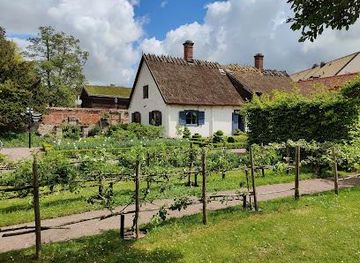
Around 7,000 plant species are cultivated here, arranged in distinct outdoor sections that reward slow wandering. Beds organised by plant families reflect Agardh’s interest in relationships between species, letting you compare closely related forms side by side. Other areas highlight useful and medicinal plants, rock and alpine species, and a generous assortment of perennials that change character with the seasons. You pass richly planted borders, demonstration plots and carefully pruned shrubs, then emerge into calmer lawns edged by venerable specimen trees. The collection mixes familiar Nordic flora with exotics hardy enough for Skåne’s mild climate, so even a short stroll can move from birches and beeches to unusual magnolias, tulip trees and other curiosities with detailed labels for the botanically inclined.

Greenhouses, climate zones and current renovations

On one side of the garden stand the historic greenhouses, long central to its scientific and educational work. Traditionally these have housed around 2,000 species in nine different climate zones, from humid tropical forest and desert succulents to Mediterranean landscapes. Classic features include towering cycads that have grown here for more than a century, symbolising the garden’s deep botanical heritage. At present, the greenhouse complex is undergoing a major renovation programme, with reopening planned in the coming years. From the outside you can still appreciate the 19th‑century glass-and-iron silhouette and its relationship to the surrounding beds. The works underline how the garden continues to evolve, upgrading facilities while preserving historic fabric for future generations.

Everyday rhythms, seasonal moods and café life

The outdoor garden is open daily from early morning to evening, with slightly longer hours in late spring and summer. Opening times allow for different rhythms: early visitors often find quiet paths, birdsong and soft light on dew‑damp lawns; later in the day the park becomes more sociable, with people picnicking, reading and meeting on benches and grassy slopes. In the milder months a small garden café operates close to the central lawns, serving simple refreshments with views over flowerbeds and mature trees. Paths are mostly level and well maintained, making large parts of the garden accessible for wheelchairs and prams. Even on busy days there is usually a corner of calm to be found among the trees, ponds and tucked‑away side paths.

Architecture, art and traces of scientific history

Scattered around the grounds are buildings and structures that tell of the garden’s academic past. The historic greenhouse ranges and adjoining wings recall the era when botany, medicine and natural history were closely intertwined. Near them, the Agardhianum building and other university facilities anchor the site firmly in the campus landscape, underscoring its role as both research infrastructure and public amenity. Sculptures and small artworks appear between beds and along paths, adding another layer to the experience. They connect living plant collections with cultural reflection, turning a walk into a gentle dialogue between science and art. For many visitors, this mix of greenery, architecture and quiet corners makes the garden as much a place for thought as for sightseeing.

Planning a visit and making the most of your time

There is no admission fee to the garden, and a typical visit lasts between two and three hours, though it easily supports shorter pauses or longer explorations. Spring brings bulbs, blossom and fresh foliage; summer fills the borders with colour; autumn focuses attention on leaf shapes, fruit and seed; even in winter the structure of trees and evergreens offers interest. Weather in Skåne is generally mild, so the garden works in most conditions, though clear days show off the long vistas best. Whether you come with a botany notebook, a camera, or simply a desire for a quiet walk, the garden’s design makes it easy to follow your own pace. You can move quickly between highlights or linger on a single bench watching light change across the lawns, always with the sense that this is a working, evolving landscape rather than a static display.

Busiest months of the year

Busiest hours of the day

Popular Experiences near Botaniska trädgården

Popular Hotels near Botaniska trädgården

Select Currency