
Kulturen, Zealand Travel Guide
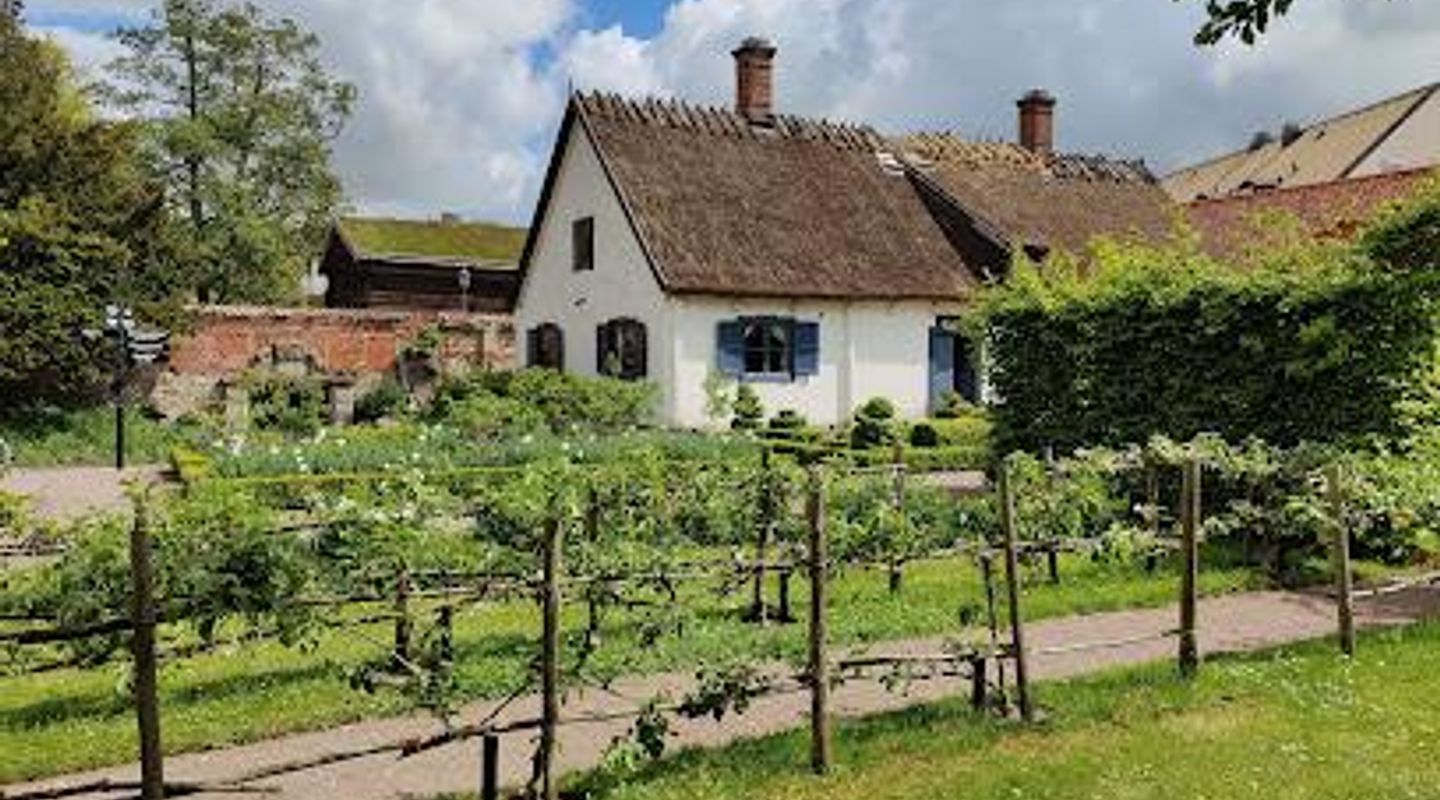
Open‑air streets, historic houses and thoughtful exhibitions come together at Kulturen in Lund, a living museum village tracing everyday life in southern Sweden.
Kulturen in Lund is a remarkable blend of open‑air museum and cultural history museum spread across two city blocks in the heart of Lund. Historic houses from the late Middle Ages to the 1930s, cobbled lanes and leafy gardens create a miniature townscape that traces life in southern Sweden across social classes. Indoors, thoughtfully curated exhibitions draw on vast archaeological and cultural collections, exploring everything from medieval Lund and university life to design, democracy and children’s play.
A brief summary to Kulturen
- Tegnérsplatsen 6, Lund, 223 50, SE
- Click to display
- Click to display
- Duration: 2 to 4 hours
- Mid ranged
-
 Mixed
Mixed
- Mobile reception: 5 out of 5
- Tuesday 10 am-4 pm
- Wednesday 10 am-4 pm
- Thursday 10 am-8 pm
- Friday 10 am-4 pm
- Saturday 10 am-4 pm
- Sunday 10 am-4 pm

Know before you go
Hi, I'm Eve. Here are a few practical things to know before exploring Kulturen.
- Allow at least half a day so you can both stroll the open‑air grounds and explore several indoor exhibitions without rushing.
- Check current opening hours and any temporary exhibitions in advance, as hours and gallery access vary by season.
- Dress in layers and bring a rainproof layer; much of the experience is outdoors and the weather in Skåne can change quickly.
- Only assistance dogs are permitted; if you are travelling with pets, plan to visit when someone can stay with them outside the museum.
- Look out for seasonal events such as midsummer celebrations or Christmas programs, which add extra atmosphere to the historic settings.
Do you manage this location?
Take control to get all the benefits, like improved information, better appearance, and stronger visibility across AI-powered discovery. Learn more about listing your business on Evendo
Activate your presenceOther nearby places you may find interesting
The closest places of the same kind, if this one is not quite what you had in mind.

Explore Kulturen on the Map
A handpicked selection of must-see spots near Kulturen, mapped for you.
Unlock the Best of Kulturen
Buy tickets
-
No tickets available
Book tours with entry


Getting There
-
Train and short walk from Malmö
From Malmö, take the Öresundståg or Pågatåg regional train to Lund C, a frequent service that usually takes 10–15 minutes and typically costs about 40–70 SEK one way in second class. From Lund C it is an easy 10–15 minute walk through the compact city centre on mostly flat, paved streets that are suitable for wheelchairs and strollers. Trains run throughout the day, but evening services are less frequent, so check return times if you plan a late visit.
-
Regional bus within Lund
Several Skånetrafiken city and regional bus lines connect residential areas and nearby towns to central Lund in about 10–25 minutes, depending on where you start. A single adult ticket within the local zone usually costs around 25–35 SEK and can be paid with a travel card or mobile ticket. Buses generally stop within a few hundred metres of Kulturen on mostly level streets, but note that weekend and evening timetables have reduced frequency, so allow extra time outside peak hours.
-
Car or rental car from greater Skåne
If you are driving from elsewhere in Skåne, expect a travel time of roughly 20–40 minutes from Malmö or 45–70 minutes from Helsingborg, depending on traffic. There is no large dedicated car park at Kulturen itself, so you will need to use paid street parking or public garages in central Lund, where typical fees range from about 15–35 SEK per hour and spaces can be limited on weekday mornings. The streets near the museum are narrow and often busy with pedestrians and cyclists, so allow time for slow traffic and walking from your parking spot.
-
Bicycle within Lund
Lund is a highly bicycle‑friendly city with extensive lanes and a largely flat profile, so cycling from most central neighbourhoods to Kulturen takes about 5–15 minutes. You can use a personal bike or a local rental; prices for short‑term rental typically start around 80–150 SEK per day depending on the provider. Bike racks are usually available close to the museum, but bring a sturdy lock, as you will need to leave your bicycle outside the grounds while you explore on foot.
For the on-the-go comforts that matter to you
-
 Restrooms
-
 Drink Options
-
 Food Options
-
 Seating Areas
-
 Sheltered Areas
-
 Trash Bins
-
 Information Boards
-
 Visitor Center
Discover more about Kulturen
A museum village in the heart of Lund
Kulturen in Lund feels like stepping into a self‑contained historic quarter in the middle of the city. Spread across two adjoining blocks just a short stroll from the cathedral, its lanes twist between timbered houses, brick townhomes and barns that together form a complete small-scale neighbourhood. Some buildings still stand where they were first built; others have been carefully moved here from across Skåne to be preserved as a living streetscape.As you wander, the shift from medieval gables to 19th‑century facades tells a story of centuries in only a few minutes’ walk. Gravel paths, small courtyards and tucked‑away gardens soften the museum’s edges so it feels more like a lived‑in district than a static showcase. Even before you’ve stepped indoors, the architecture itself introduces you to southern Sweden’s past.Everyday life across four estates
One of Kulturen’s core ideas is to show how different groups once lived side by side in an agrarian society structured around nobility, clergy, burghers and peasants. You might step from a grand town house with painted parlours and tiled stoves into a modest worker’s cottage with creaking floors and simple furnishings. Farmhouses with enclosed courtyards evoke village life, while the Bosebo wooden church and other sacred spaces hint at rural spirituality.Rooms are arranged with household objects, tools, textiles and tableware that make it easy to imagine daily routines: bread being baked, candles dipped, children huddled by the stove on winter evenings. Rather than focusing on rare treasures, much of the collection highlights the ordinary things that shaped people’s lives, from glass and silver to regional costumes.Exhibitions from archaeology to outsider art
Beyond the historic interiors, Kulturen hosts a wide range of permanent and temporary exhibitions. Cultural history and archaeology are central themes, with displays on medieval Lund, university traditions, craftsmanship and the evolution of domestic design. Glass, weapons, toys and folk art each get their moment, revealing how tastes and technologies shifted over time.More contemporary subjects appear as well. One exhibition explores the transformative 1920s and its echoes in today’s world, while another presents powerful works created by patients at the former Sankt Lars psychiatric hospital, often described as outsider art. Other galleries tackle democracy, human rights and social change, underlining that cultural history is a living, ongoing story rather than a closed chapter.Gardens, seasons and family-friendly spaces
Between the buildings, period gardens and leafy lawns give the museum a relaxed, almost park‑like feel. Flower beds are often planted to match the eras of nearby houses, so you can see how kitchen plots, decorative borders and fruit trees might have looked a century or more ago. In summer the greenery turns the grounds into a pleasant refuge, with shaded benches and quiet corners.Families find plenty to engage younger visitors, from play areas inspired by traditional village structures to hands‑on elements in several exhibitions. Seasonal programs give extra layers of atmosphere: midsummer poles and folk music in June, the national day marked in the open air, and richly decorated rooms that showcase Swedish Christmas traditions in December.A living institution with deep roots
Founded in the late 19th century, Kulturen was among the pioneers of the open‑air museum idea, conceived at a time when rapid change threatened older ways of life. Over time, its collections have grown to encompass hundreds of thousands of objects, photographs and archaeological finds from Lund and the wider region. This depth allows curators to shift focus between centuries and themes while remaining firmly rooted in place.Today the museum continues to balance preservation with reflection, using historic settings to spark questions about identity, memory and community. Whether you come for the architecture, the exhibitions or simply a few quiet hours in beautiful surroundings, Kulturen offers a rich, layered introduction to southern Sweden’s cultural fabric.












Your all‑in‑one travel companion app
Explore expert travel guides, compare and book tours, experiences, hotels, and more—all from the palm of your hand. Download now for seamless trip planning wherever your wanderlust takes you.


Explore More of Zealand
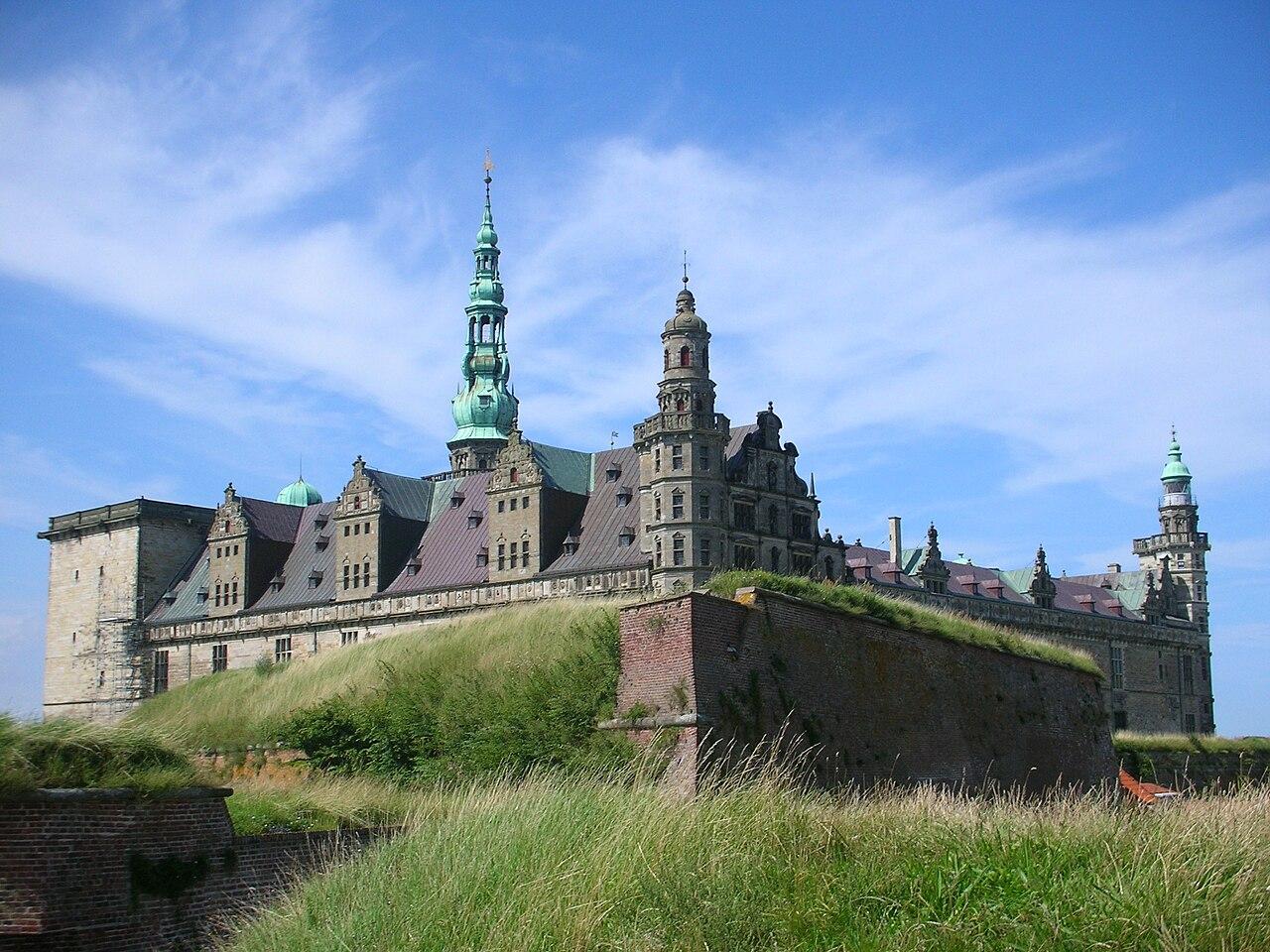
Looking beyond Kulturen? Discover Zealand for broader travel guides, local hot-spots, and regional highlights.
Explore Zealand