Medicinsk Museion, Copenhagen Travel Guide
Historic surgical academy turned medical museum, where atmospheric 18th‑century interiors, anatomy collections and contemporary medical stories meet in central Copenhagen.
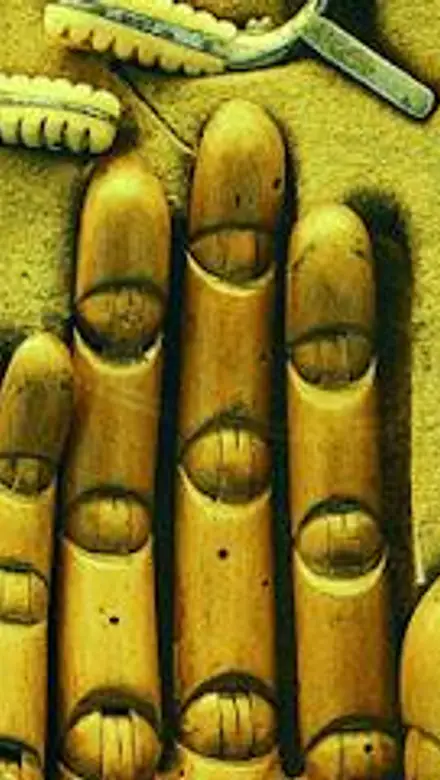
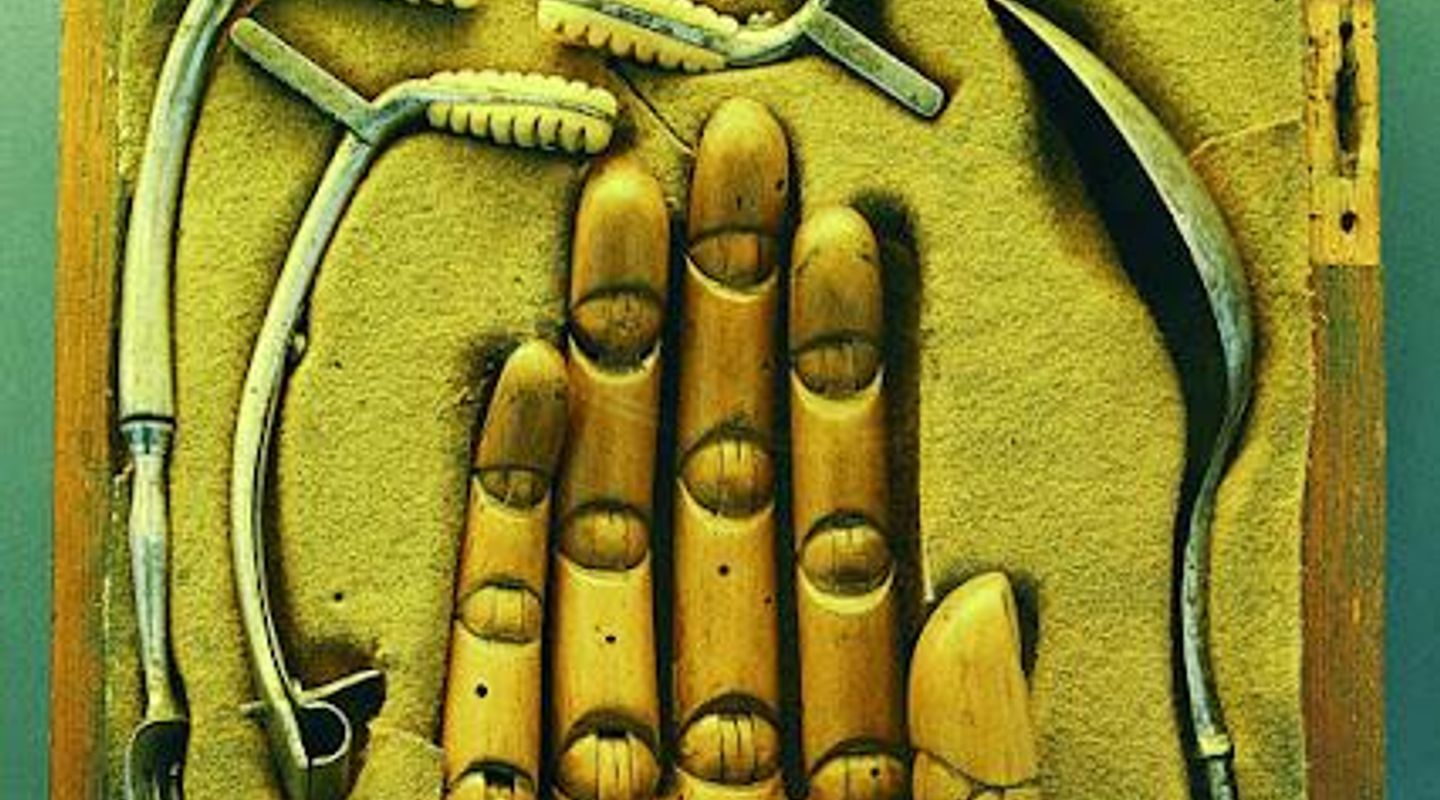
Housed in Copenhagen’s former Royal Academy of Surgeons, Medicinsk Museion is a university museum where medical history, cutting‑edge science and atmospheric 18th‑century architecture meet. Exhibitions explore bodies, health and disease through surgical instruments, anatomical specimens, early X‑ray and psychiatric treatments, alongside contemporary installations that consider modern biomedicine. The preserved anatomical auditorium, where generations of doctors once trained, is a striking highlight that captures the drama of historical surgery.
A brief summary to Medicinsk Museion
- Bredgade 62, Copenhagen, Indre By, 1260, DK
- Click to display
- Click to display
- Duration: 1.5 to 3 hours
- Mid ranged
-
 Indoor
- Mobile reception: 5 out of 5
- Tuesday 10 am-4 pm
- Wednesday 10 am-4 pm
- Thursday 10 am-4 pm
- Friday 10 am-4 pm
- Saturday 12 pm-4 pm
- Sunday 12 pm-4 pm

Know before you go
Hi, I'm Eve. Here are a few practical things to know before exploring Medicinsk Museion.
- Plan at least 1.5–2 hours to explore; the galleries are compact but information‑rich and the historic auditorium rewards taking time to absorb details.
- Be prepared for stairs and uneven floors; the listed 18th‑century building has no elevator and some staircases lack handrails, so good footwear is helpful.
- Photography without flash is allowed and the anatomical auditorium is especially photogenic, but respect any restrictions around sensitive objects or human remains.
- There is no café; bring a bottle of water and, in summer, a snack to enjoy in the courtyard, as food and drink are not allowed in the exhibitions.
- Content related to surgery, specimens and disease can be intense; consider this when visiting with younger children or anyone sensitive to medical imagery.
Do you manage this location?
Take control to get all the benefits, like improved information, better appearance, and stronger visibility across AI-powered discovery. Learn more about listing your business on Evendo
Activate your presenceOther nearby places you may find interesting
The closest places of the same kind, if this one is not quite what you had in mind.


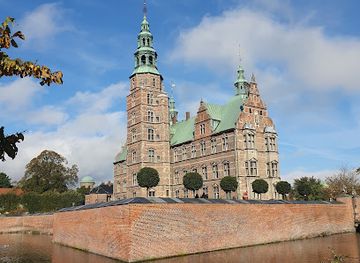
Explore Medicinsk Museion on the Map
A handpicked selection of must-see spots near Medicinsk Museion, mapped for you.
Unlock the Best of Medicinsk Museion
Buy tickets
-
No tickets available
Book tours with entry

Book tours without entry
-
No tours available
Getting There
-
Metro
From central Copenhagen, take the M3 or M4 line to Marmorkirken Station, which serves the inner city ring. The ride from Copenhagen Central Station typically takes around 5–10 minutes and a single zone‑2 adult ticket costs about 20–25 DKK. Trains run every few minutes throughout the day. From Marmorkirken, allow roughly 5 minutes on foot along level city pavements to reach Bredgade, suitable for most visitors but with some cobblestones near the museum.
-
City bus
Several inner‑city bus routes connect key hubs such as Nørreport, Kongens Nytorv and Østerport with the Frederiksstaden district near Bredgade. Typical journey times within the city centre range from 10–20 minutes, depending on traffic. A cash or card ticket purchased on board or via travel apps usually costs around 20–30 DKK for short trips. Buses stop within a few hundred metres of the museum; expect a short walk on mostly flat streets, with occasional cobblestones.
-
Bicycle
Copenhagen’s extensive cycle lanes make reaching Bredgade by bike straightforward from most central neighbourhoods, often in 10–20 minutes. Standard city bike rentals or public bike‑share schemes generally cost from about 50–100 DKK for a few hours of use. While cycling infrastructure is excellent, be prepared for busy intersections at peak times and always park only in designated stands near the museum entrance to avoid fines or removal.
-
Taxi or rideshare
A taxi from central areas such as Copenhagen Central Station or City Hall Square typically takes 10–20 minutes, longer in rush hour. Fares usually fall in the 120–200 DKK range one way, depending on distance and traffic. Vehicles can drop passengers on Bredgade close to the museum entrance, which is convenient for those who prefer to minimise walking, though short stretches of uneven pavement remain unavoidable.
For the on-the-go comforts that matter to you
-
 Restrooms
-
 Lockers
-
 Seating Areas
-
 Trash Bins
-
 Information Boards
-
 Visitor Center
Discover more about Medicinsk Museion
Anatomy, science and stories on Bredgade
Medicinsk Museion occupies a grand 18th‑century building in Frederiksstaden, once home to the Royal Academy of Surgeons. Crossing the threshold, you move from elegant boulevard into a world built around the human body. Corridors lined with cabinets, creaking staircases and tall sash windows frame a museum that is as much about atmosphere as it is about objects.Here, medicine is presented as part of everyday life rather than a distant specialist discipline. Displays tie familiar experiences – vaccination, X‑rays, pregnancy scans, mental health treatment – to the tools, theories and technologies that made them possible. It is a place that turns abstract medical progress into tangible, sometimes unsettling, stories.From royal academy to medical museum
The main building was inaugurated in 1787, at a time when surgery was emerging from the realm of barber‑surgeons into a learned profession. For more than 150 years these rooms served as a training ground for doctors, until the medical faculty moved to new facilities in the 20th century and the collections evolved into a dedicated museum.As part of the University of Copenhagen, Medicinsk Museion operates both as a research unit and a public museum. Its collections, begun in the early 1900s by Copenhagen physicians, grew into one of the world’s most significant holdings of medical instruments, apparatus and anatomical material. The focus today is not only to preserve them, but to use them to ask how ideas about bodies, illness and care have changed – and where they may be heading.A vast collection of bodies and technologies
Galleries move from glass jars of preserved organs and wax models to early stethoscopes, microscopes and diagnostic devices. Surgical kits trace the shift from brutal pre‑anaesthetic procedures to more controlled, specialised operations. Displays on epidemics, vaccination and antibiotics reveal how societies have grappled with infectious disease, while exhibits on psychiatry highlight changing approaches to the mind.Rather than hiding the more confronting aspects of medicine, the museum presents them thoughtfully. Labels and thematic rooms encourage you to consider ethics, power and patient experience alongside scientific breakthroughs. Contemporary art interventions and temporary exhibitions often take recent developments – genetic testing, digital health data, organ transplantation – and set them against the longer arc of medical history.The dramatic surgical auditorium
At the heart of the complex is the historic anatomical auditorium, an oval, tiered space inspired by Europe’s anatomical theatres. Wooden benches rise steeply around a central demonstration table where dissections and operations were once performed before rows of students. Standing here, it is easy to imagine the smell of wax and chemicals, the rustle of notebooks and the tense silence before a procedure.This room has hosted many notable figures in Danish science and medicine, and today it remains remarkably intact. It is used for talks and events, but even when empty it offers a powerful sense of the performance of surgery, when learning often depended on witnessing the opened body. Photographers are especially drawn to the play of light on wood and plaster, though flash is not permitted.Visiting practicalities and atmosphere
Medicinsk Museion is an indoor experience spread across several floors, and the historic fabric is very present: narrow staircases, uneven steps and the absence of elevators reflect its listed status. This creates an evocative setting but also means access can be challenging for those with limited mobility or with strollers and large bags, which must be stored rather than taken into the galleries.There is no café or lunchroom, but a small shop offers books, posters and postcards related to medicine and the body. In the warmer months, the courtyard provides a quiet spot for a break with your own refreshments. Most visitors spend around two hours exploring, though enthusiasts of science, history or design often stay longer, following the dense displays from early anatomy to contemporary biomedicine at a slower pace.A thoughtful stop in central Copenhagen
Located on elegant Bredgade among embassies, churches and galleries, the museum fits naturally into a day exploring central Copenhagen. It offers a marked contrast to larger, more general museums: rooms are intimate, themes are focused and you are invited to reflect as much as to look.Whether you are interested in the evolution of surgery, curious about old hospital equipment or simply drawn to atmospheric historic interiors, Medicinsk Museion provides a distinctive lens on the city’s academic and medical heritage. It is a place where the past of the body is on display, yet the questions it raises – about health, technology and what it means to care – feel strikingly current.












Your all‑in‑one travel companion app
Explore expert travel guides, compare and book tours, experiences, hotels, and more—all from the palm of your hand. Download now for seamless trip planning wherever your wanderlust takes you.


Explore More of Copenhagen
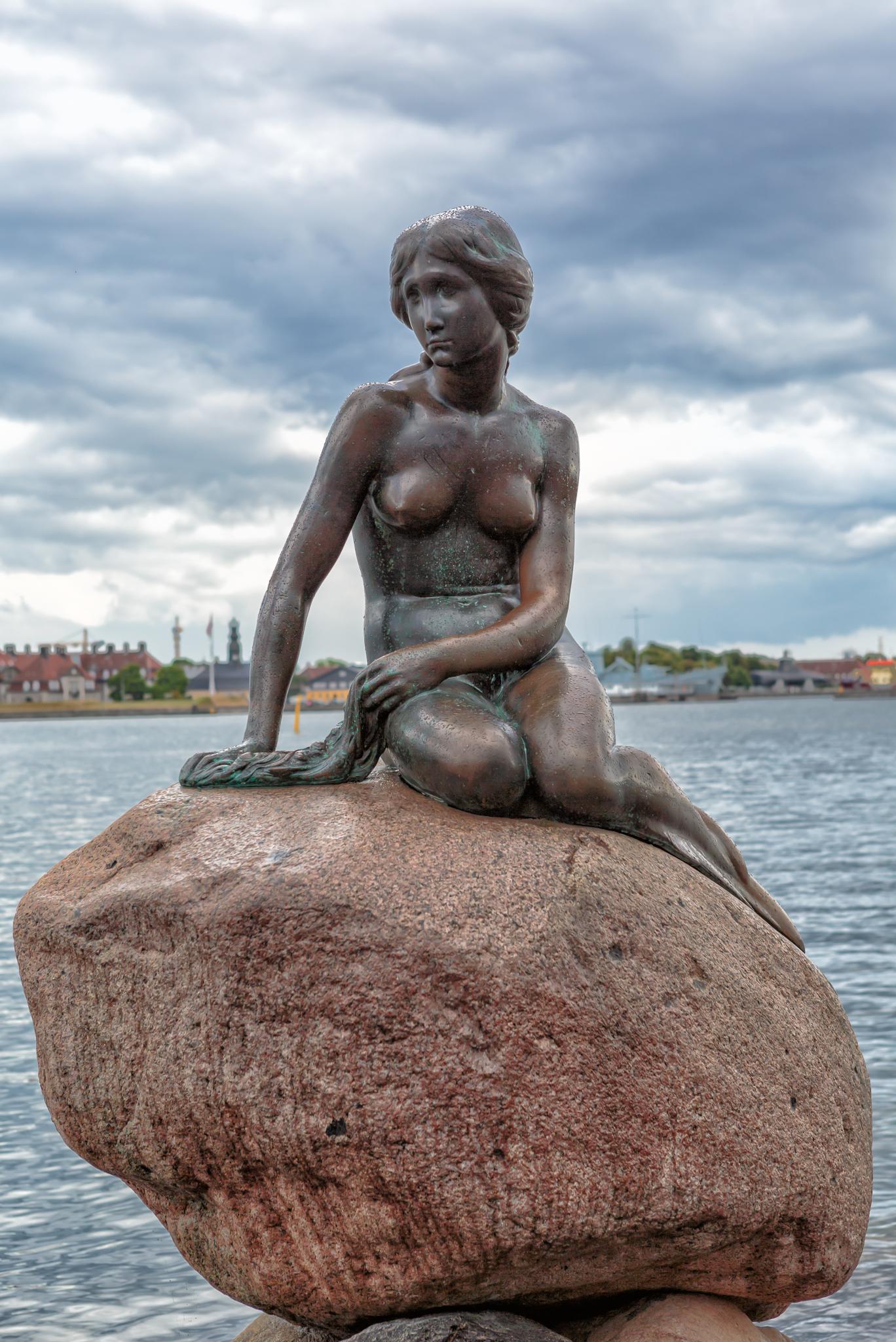
Looking beyond Medicinsk Museion? Discover Copenhagen for broader travel guides, local hot-spots, and regional highlights.
Explore Copenhagen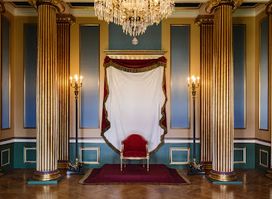
Step inside Christian VIII’s Palace to explore 150 years of Danish royal life, from intimate apartments and Fabergé treasures to gala halls still used today.
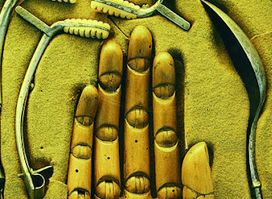
A historic surgeons’ academy turned cutting‑edge medical museum, where anatomical theatres, preserved bodies and artful exhibits reveal how we understand health and disease.