
Botanisk Have
A verdant sanctuary preserving rare plants and tropical wonders in the heart of Copenhagen since 1600.
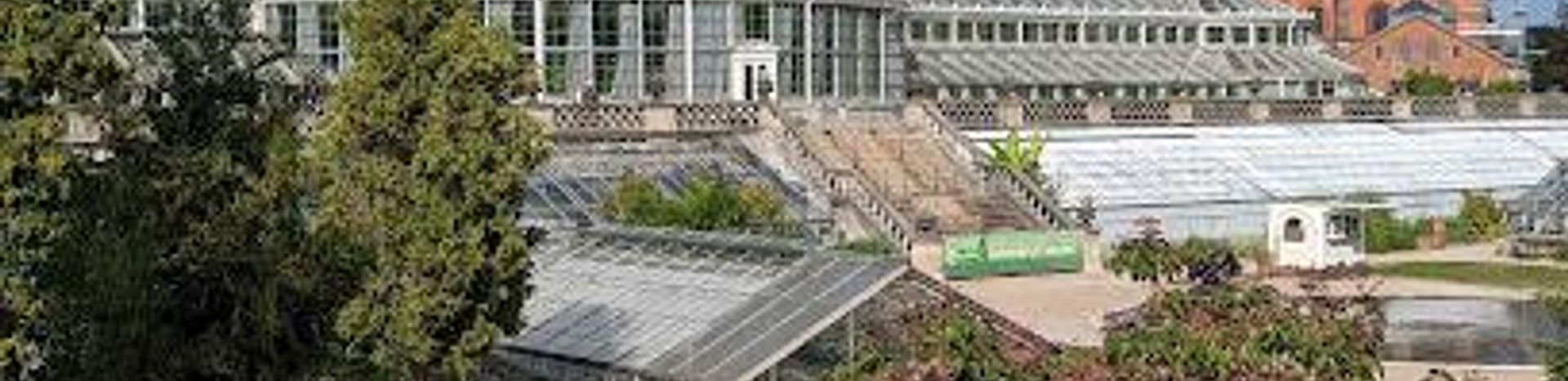
Botanisk Have is a living museum spanning 10 hectares in central Copenhagen, home to Denmark's largest collection of rare and endangered plants from around the world. Founded in 1600 by royal decree, the garden was relocated to its current location on the former Østervold fortress grounds in 1874. The iconic Palmehuset, inspired by London's Crystal Palace, showcases spectacular tropical plants, while the Butterfly House offers seasonal encounters with live butterflies among orchids. Free admission to the gardens; the Palmehuset requires a small entrance fee. Perfect for peaceful exploration, botanical discovery, and enjoying views of Copenhagen's spires from the elevated Stenhøjen area.
A brief summary to Botanical Garden
- Gothersgade 128, København K, København K, 1123, DK
- Click to display
- Click to display
- Duration: 1.5 to 3.5 hours
- Free
-
 Outdoor
- Mobile reception: 5 out of 5
- Monday 8:30 am-4 pm
- Tuesday 8:30 am-4 pm
- Wednesday 8:30 am-4 pm
- Thursday 8:30 am-4 pm
- Friday 8:30 am-4 pm
- Saturday 8:30 am-4 pm
- Sunday 8:30 am-4 pm

Know before you go
Hi, I'm Eve. Here are a few practical things to know before exploring Botanical Garden.
- Visit the Palmehuset in late morning when natural light illuminates the tropical plants most beautifully, and arrive before 16:45 (or 15:15 in winter) when ticket sales close.
- Climb Stenhøjen during clear weather for unobstructed views of Copenhagen's spires and skyline—an ideal spot for photography and orientation.
- Time your visit to summer months (June–August) to experience the Sommerfuglehuset (Butterfly House), which operates only from March through October.
- Bring a camera or sketchbook; the garden's diverse plantings, heritage roses, and architectural features offer endless subjects for creative documentation.
- Arrange a guided tour in advance if you wish to explore specialized collections or visit outside standard hours; email rundvisning@snm.ku.dk.
Do you manage this location?
Take control to get all the benefits, like improved information, better appearance, and stronger visibility across AI-powered discovery. Learn more
Activate your presence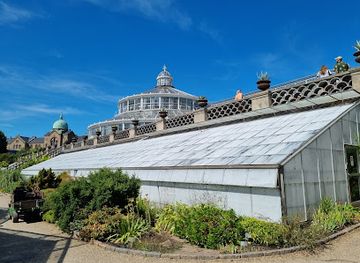


Getting There
-
Metro and Walking
Take the Copenhagen Metro (Lines M1 or M2) to Nørreport Station, approximately 5–10 minutes from central Copenhagen. Exit toward Gothersgade and walk 2–3 minutes to the garden entrance at Gothersgade 128. Service runs every 3–6 minutes during peak hours. No additional cost if you hold a Copenhagen Card or city transport pass; single journey tickets cost approximately 24–36 DKK depending on zones.
-
Bicycle
Copenhagen's extensive cycle network makes cycling the most popular local option. From Nørreport or central areas, the journey takes 10–15 minutes depending on your starting point. Bike lanes are clearly marked and well-maintained year-round. Bicycle parking is available at the garden entrance. No cost beyond standard bike rental (approximately 80–150 DKK per day from city bike-share systems).
-
Bus
Multiple bus routes serve the Nørreport area, including lines 1A, 6A, 14, 42, 43, 184, and 185. Journey times from central Copenhagen range from 10–20 minutes depending on route and traffic. Buses run every 5–15 minutes during daytime hours. Single tickets cost approximately 24–36 DKK; day passes offer better value for multiple journeys.
-
Walking
From central Copenhagen (Strøget or Kongens Nytorv), the walk takes approximately 25–35 minutes depending on your exact starting point. The route is flat and passes through pleasant urban neighborhoods. Walking is free and allows you to experience the city's character, though it is less practical in winter weather or if carrying heavy bags.
For the on-the-go comforts that matter to you
-
 Restrooms
-
 Drink Options
-
 Food Options
-
 Seating Areas
-
 Information Boards
-
 Visitor Center
-
 Trash Bins
Discover more about Botanical Garden
A Royal Legacy Spanning Four Centuries
Botanisk Have traces its origins to August 2, 1600, when Christian IV established the first botanical garden through a royal decree near present-day Fiolstræde and Krystalgade. Over the centuries, the garden relocated four times, adapting to Copenhagen's changing urban landscape. The current iteration, completed in 1874, emerged from the transformation of a section of the Østervold fortress grounds and its surrounding glacis. Landscape architect H.A. Flindt designed the romantic layout that visitors experience today, creating a harmonious blend of horticultural science and aesthetic beauty. The garden was protected as a heritage site in 1969, ensuring its preservation for future generations.The Iconic Palmehuset and Tropical Wonders
The most striking feature of Botanisk Have is the magnificent Palmehuset, a glass palace modeled after London's Crystal Palace. This architectural marvel was championed by J.C. Jacobsen, the renowned Carlsberg brewer, and stands as a testament to 19th-century horticultural ambition. Within its climate-controlled environment thrives a spectacular collection of tropical plants, ferns, and exotic species that transport visitors to distant ecosystems. During summer months, the adjacent Sommerfuglehuset (Butterfly House) opens its doors, allowing visitors to walk among thousands of live butterflies fluttering freely among orchids, vanilla plants, and flowering vines—an immersive sensory experience that appeals to both children and adults.Diverse Botanical Collections and Garden Quarters
The 10-hectare garden encompasses distinct botanical zones, each showcasing different plant communities and horticultural traditions. An arboretum features trees over 100 years old, providing shade and historical depth. Visitors discover heritage rose varieties, perennial borders, native Danish flora, and international plant collections. The Stenhøjen (Stone Hill) area offers elevated vantage points where visitors can pause to admire views across Copenhagen's historic skyline, with church spires and rooftops creating a picturesque urban backdrop. Beneath glass structures, approximately 5,000 square meters of protected growing space houses rare and endangered species, making the garden a living seed bank for global botanical conservation.A Museum of Natural History and Living Science
Botanisk Have functions as part of the State Natural History Museum, affiliated with the University of Copenhagen. Rather than a static display, the garden operates as a dynamic research and conservation institution, actively preserving threatened plant species from around the world. The museum building, located at the garden's eastern end, houses rotating exhibitions, the Mineral Hall, and educational resources. Visitors can engage with both the outdoor botanical landscape and indoor scientific collections, creating a comprehensive understanding of plant diversity, evolution, and human relationships with the natural world.Seasonal Rhythms and Visitor Amenities
The garden transforms dramatically with the seasons. Summer brings lush growth, flowering displays, and extended daylight hours ideal for exploration. Winter reveals the structural beauty of bare trees and evergreen plantings, while the Palmehuset provides a warm refuge. An outdoor café operates during warmer months, serving refreshments from a charming 1970s Citroën van. A well-stocked shop offers plants, seeds, botanical books, posters, and gardening supplies for visitors inspired to cultivate their own green spaces. Guided tours can be arranged outside regular opening hours, accommodating groups and specialized interests.Accessibility and Urban Integration
Located at Gothersgade 128 near Nørreport Station, Botanisk Have sits within Copenhagen's cultural quarter, adjacent to Rosenborg Castle and the National Gallery of Denmark. The central location makes it easily accessible by public transport, bicycle, or foot from most parts of the city. The garden's position on reclaimed fortress grounds represents Copenhagen's transformation from military stronghold to cultural capital, with nature reclaiming space once devoted to defense. Free admission to the gardens themselves ensures accessibility regardless of budget, while modest fees for the Palmehuset support conservation and maintenance efforts.Explore the best of what Botanical Garden has to offer













More about North Zealand
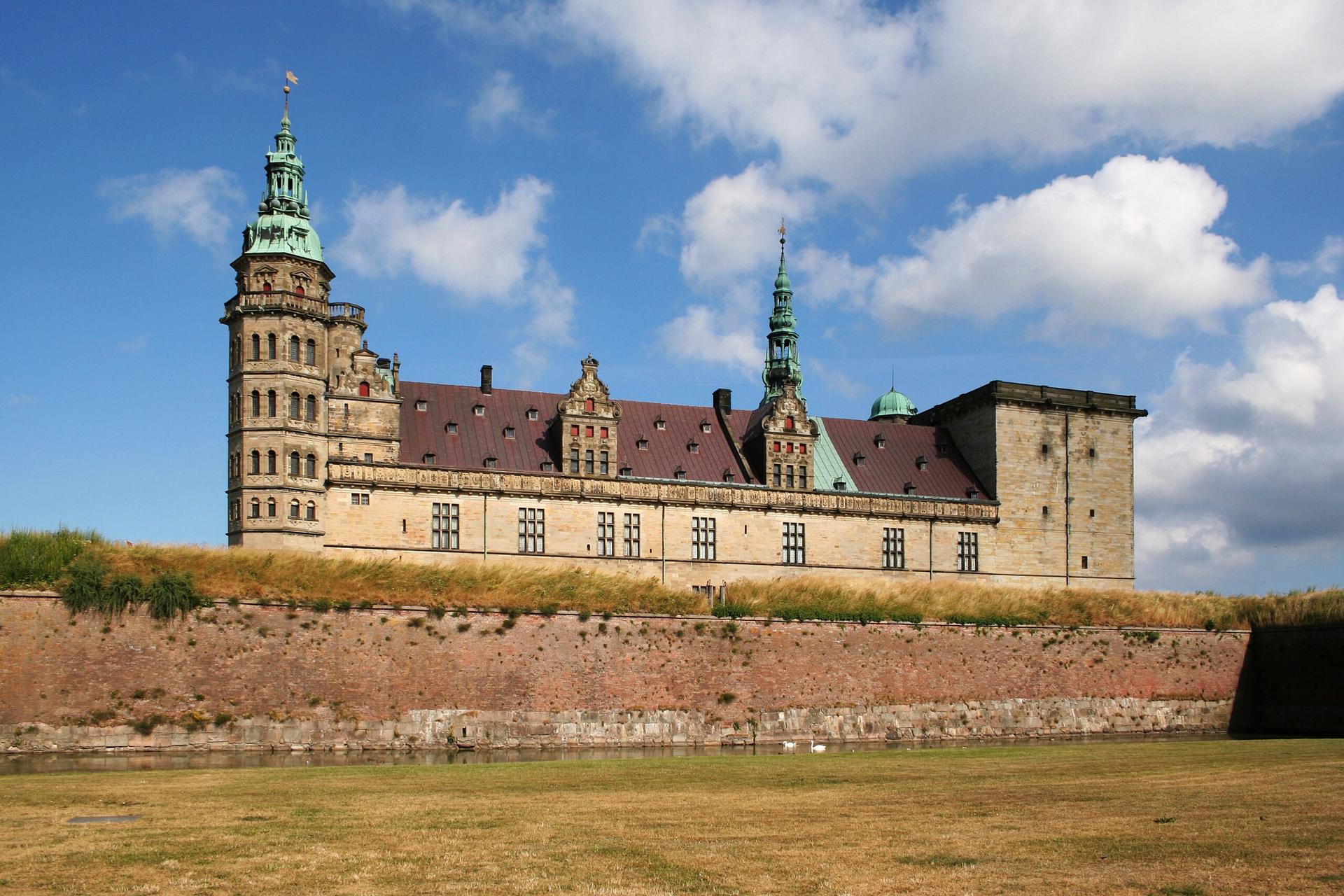
Explore North Zealand, Denmark's enchanting region of castles, beaches, and royal estates, perfect for history buffs, nature enthusiasts, and seaside lovers.
Tell me more about North Zealand
Discreetly tucked into Krystalgade, Copenhagen’s Great Synagogue blends neoclassical calm with Egyptian revival detail, embodying centuries of Jewish life in Denmark.
Explore Denmark's royal heritage at Rosenborg Castle, home to the crown jewels and set amidst the historic King's Garden in Copenhagen.
