Dragør Havn
Denmark's best-preserved medieval harbor where centuries of maritime heritage meet authentic seaside charm.
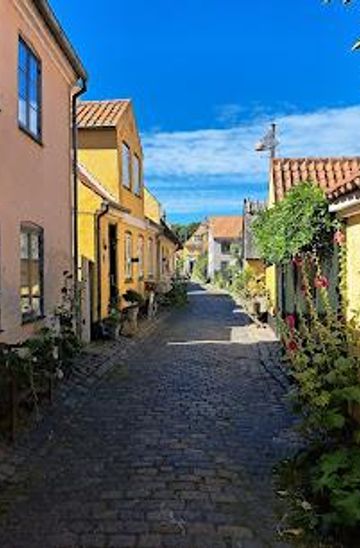
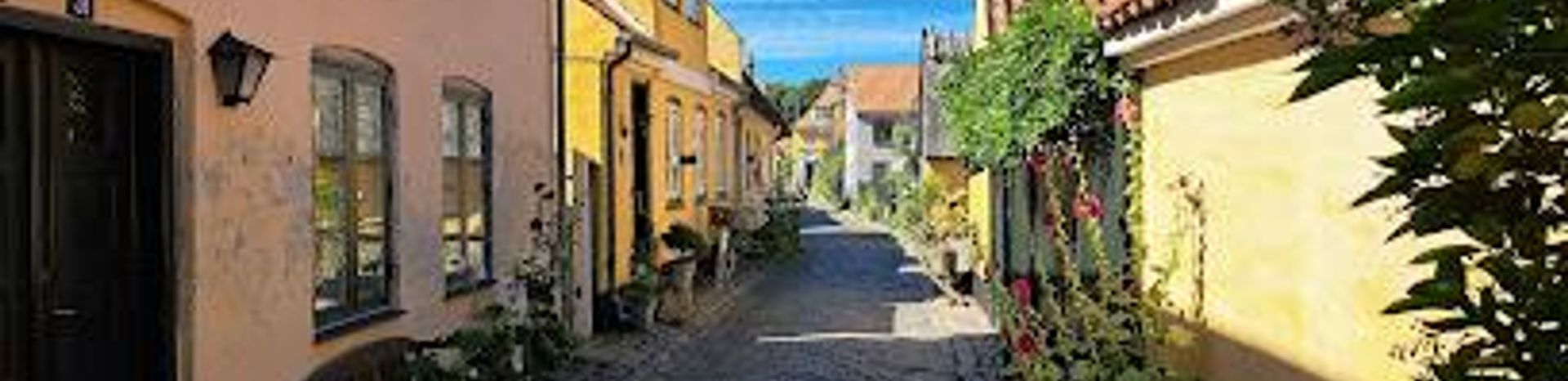
Dragør Havn is a beautifully preserved medieval harbor in Denmark's oldest fishing village, located just 12 km south of Copenhagen. With its picturesque cobblestone streets, 18th-century yellow-painted houses, and active maritime traditions, the harbor remains the cultural and historical heart of Dragør. Today it blends working fishing operations, museums, restaurants, and recreational activities while maintaining its authentic character from centuries past.
A brief summary to Dragør havn
- Vestgrønningen 4, Dragør, 2791, DK
- Click to display
- Duration: 1.5 to 4 hours
- Free
-
 Outdoor
- Mobile reception: 5 out of 5
- Monday 12 am-12 am
- Tuesday 12 am-12 am
- Wednesday 12 am-12 am
- Thursday 12 am-12 am
- Friday 12 am-12 am
- Saturday 12 am-12 am
- Sunday 12 am-12 am

Know before you go
Hi, I'm Eve. Here are a few practical things to know before exploring Dragør havn.
- Visit early morning or late afternoon to experience the harbor with fewer crowds and optimal light for photography. The narrow streets and harbor views are most atmospheric during golden hour.
- Look for the porcelain dogs displayed in windows of old houses—a unique maritime tradition where sailors' wives positioned them to signal whether their husbands were home or away at sea.
- Combine your harbor visit with the Pilot Museum and Dragør Museum to understand the full maritime history. Both are located directly on the harbor and housed in historic buildings.
- Summer is ideal for swimming at Dragør Søbad, the wooden pier extending into Øresund where locals swim in clear water 60-80 cm deep with sandy-free sundecks.
- Walk to Store Magleby village to see the Dutch farming heritage and traditional architecture that influenced Dragør's character for 300 years.
Do you manage this location?
Take control to get all the benefits, like improved information, better appearance, and stronger visibility across AI-powered discovery. Learn more
Activate your presenceOther nearby places you may find interesting


Getting There
-
Bus from Copenhagen
Take bus line 350S from Christianshavn Station (Torvegade stop) toward Dragør Skole (Vestgrønningen stop). Journey time is approximately 30 minutes. Buses run regularly throughout the day with reduced frequency in early morning and late evening. This is the most direct public transport option and drops you within walking distance of the harbor.
-
Metro and Bus Combination
Take the Copenhagen Metro to Vestamager Station, then transfer to local bus service toward Dragør. Total journey time is approximately 35-40 minutes depending on connections. This option works well if you're combining Dragør with visits to nearby Amager Strandpark or Kongelunden nature areas.
-
Bicycle from Copenhagen
Cycle from central Copenhagen via the dedicated bike paths toward Amager. The route is approximately 12 km and takes 30-45 minutes depending on your pace and exact starting point. Copenhagen's flat terrain and extensive cycling infrastructure make this a popular option for visitors comfortable on bikes. Bike rental is widely available throughout Copenhagen.
-
Car from Copenhagen
Drive south from Copenhagen toward Kastrup and Dragør via Route 2 and local roads. Journey time is approximately 20-25 minutes depending on traffic. Limited street parking is available near the harbor; a paid parking area exists at Vestgrønningen. Note that the Old Town's narrow cobblestone streets are pedestrian-only, so park at the harbor entrance or designated lots.
For the on-the-go comforts that matter to you
-
 Restrooms
-
 Food Options
-
 Drink Options
-
 Seating Areas
-
 Information Boards
-
 Visitor Center
Discover more about Dragør havn
A Harbor Born from Medieval Trade
Dragør Havn traces its origins to 1342, when Danish King Valdemar Atterdag granted trading privileges to Hanseatic merchants, transforming the settlement into a major international market. During autumn herring season, up to 20,000 traders and merchants gathered annually at what became known as a 'Champagne market' of the Baltic. The harbor's strategic position on the Øresund strait made it essential for commerce across Northern Europe, and the Danish crown maintained tight control over this lucrative trading post. Archaeological investigations reveal that the medieval settlement extended far beyond today's Old Town, with cultural layers reaching approximately 2 meters in depth beneath current street levels.The Golden Age of Sail and Seamanship
The 18th and 19th centuries marked Dragør Havn's greatest prominence as a maritime power. By the 1700s, Dragør ranked as Denmark's second-largest harbor by ship tonnage, surpassed only by Copenhagen itself. In the 1800s it held third place nationally. The town became renowned as a 'skipper town'—a settlement built entirely around entrepreneurial maritime enterprise and the culture of tall ships. The harbor's significance extended beyond commerce: in 1684, Dragør established one of Europe's first official pilot services to navigate the treacherous shallow waters of Øresund, where countless vessels ran aground. Local salvage associations developed to rescue imperiled ships, cementing the harbor's role as a center of maritime expertise and cooperation.Architectural Authenticity and Urban Design
The buildings surrounding Dragør Havn today represent an exceptionally well-preserved snapshot of 18th and 19th-century maritime life. The homogeneous architecture and authentic street pattern remain largely unchanged since 1850, creating a compact maze of narrow cobblestone lanes lined with traditional yellow-painted houses featuring red-tiled roofs. These structures were built during the harbor's peak commercial period and have been meticulously maintained, making Dragør one of Denmark's best-preserved village environments. The harbor buildings themselves retain their maritime associations: former warehouses and pilot stations now house the Dragør Museum, the Pilot Museum of Denmark, and local maritime clubs, ensuring the waterfront remains a living center of cultural activity.Modern Harbor Life and Cultural Heritage
Today Dragør Havn balances historical preservation with contemporary vitality. A small fleet of working fishermen still operates from the harbor, maintaining traditions that stretch back centuries. The unique 'shed town' with its buoys, fishing nets, and crates creates an authentic maritime atmosphere that sailors and visitors find captivating. Museums, restaurants, and cultural venues occupy historic buildings, while recreational activities—swimming from the wooden pier, sailing, kayaking, and fishing—draw both locals and visitors. The harbor hosts seasonal celebrations and maintains Dutch cultural traditions dating from the 16th century, when Dutch farmers settled the nearby village of Store Magleby and influenced the region's character for three centuries.Gateway to Broader Amager Heritage
Dragør Havn serves as the natural starting point for exploring the wider Amager region. The harbor's position connects visitors to the Old Town's narrow streets, Dragør Fort with its panoramic views across Øresund, the Amager Museum's open-air exhibits of Dutch farming heritage, and the extensive natural areas of Kongelunden and Amager Strandpark. This integration of harbor, historic town, military fortification, and natural landscape creates a multifaceted destination where maritime history, architectural beauty, and outdoor recreation converge within walking distance.Explore the best of what Dragør havn has to offer















More about North Zealand
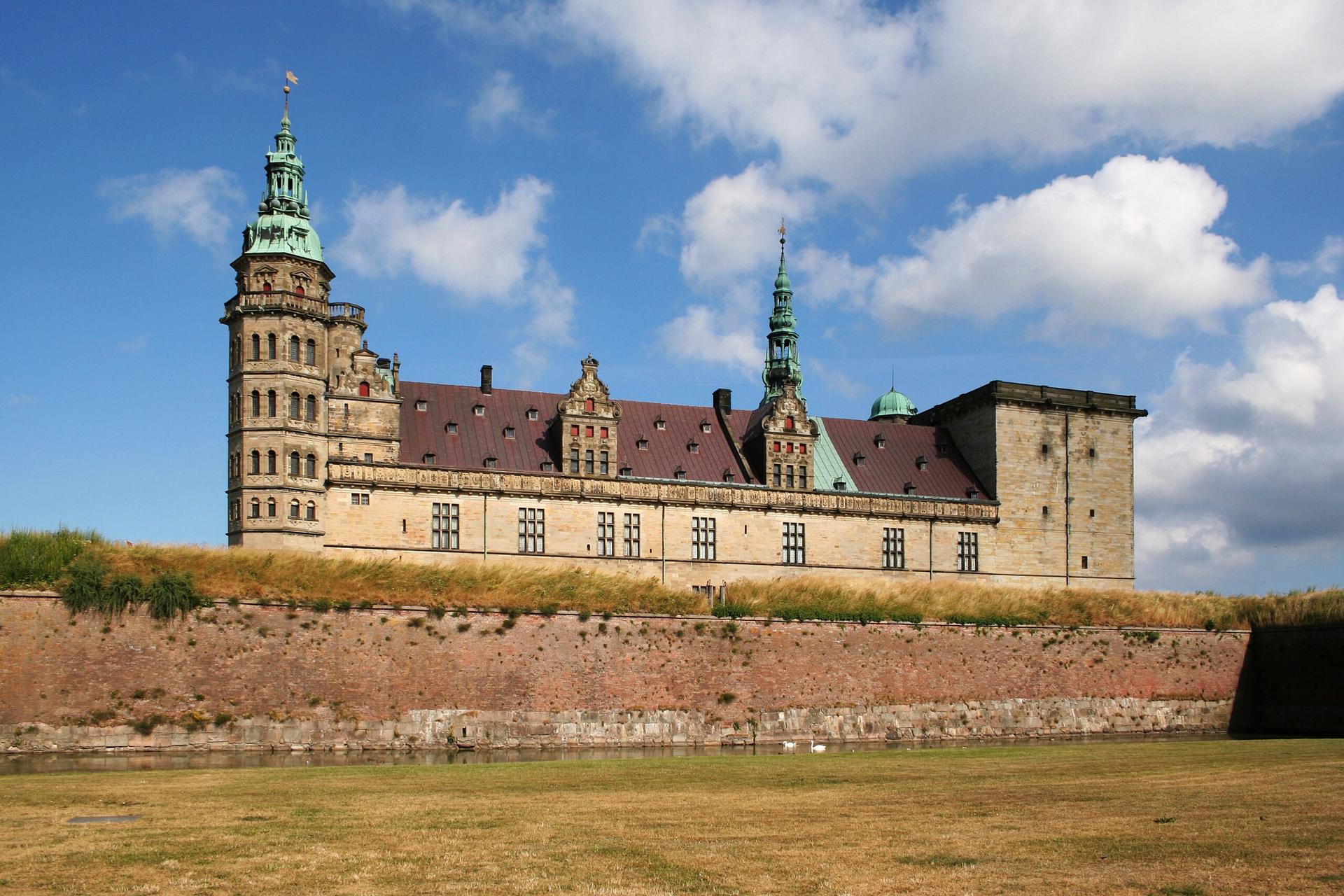
Explore North Zealand, Denmark's enchanting region of castles, beaches, and royal estates, perfect for history buffs, nature enthusiasts, and seaside lovers.
Tell me more about North Zealand