Stork Fountain
Bronze storks frozen mid-flight at Copenhagen's historic heart, where royalty, commerce, and tradition dance together.
The Stork Fountain stands at the heart of Amagertorv, Copenhagen's second-oldest square and a vibrant hub of commerce and culture. This iconic bronze sculpture, created in 1894 as a wedding gift to Crown Prince Frederik and Crown Princess Louise, depicts three graceful storks poised for flight. Surrounded by historic architecture, high-end boutiques, and the energy of Strøget—Europe's longest pedestrian shopping street—the fountain remains a beloved gathering point where newly graduated midwives celebrate with a traditional dance each year.
A brief summary to Stork Fountain
- Amagertorv 6, Copenhagen, Indre By, 1160, DK
- Click to display
- Click to display
- Duration: 0.5 to 2 hours
- Free
-
 Outdoor
- Mobile reception: 5 out of 5
- Monday 12 am-12 am
- Tuesday 12 am-12 am
- Wednesday 12 am-12 am
- Thursday 12 am-12 am
- Friday 12 am-12 am
- Saturday 12 am-12 am
- Sunday 12 am-12 am

Know before you go
Hi, I'm Eve. Here are a few practical things to know before exploring Stork Fountain.
- Visit at different times of day to experience the square's shifting character—daytime reveals architectural details and shopping vitality, while evening creates an enchanting, quieter atmosphere perfect for photography.
- Time your visit to coincide with local events or festivals if possible; Amagertorv regularly hosts open-air performances and cultural gatherings that offer deeper insight into Danish traditions.
- Explore the surrounding historic buildings and boutiques, including the Royal Copenhagen Porcelain Manufactory and Georg Jensen, to appreciate Denmark's design heritage.
- Use the square as a central navigation point on Strøget; most major Copenhagen attractions are within 30–45 minutes' walk from this location.
- If visiting in early summer, watch for newly graduated midwives celebrating the traditional dance around the fountain—a uniquely Danish ritual dating back to 1950.
Do you manage this location?
Take control to get all the benefits, like improved information, better appearance, and stronger visibility across AI-powered discovery. Learn more
Activate your presenceOther nearby places you may find interesting
Getting There
-
Metro & Walking
Take the Copenhagen Metro (Lines M1 or M2) to Nørreport Station, approximately 8 minutes from the airport. Exit and walk south through the city center along Strøget pedestrian street for about 10 minutes to reach Amagertorv. The route is flat, well-marked, and passes through the heart of Copenhagen's shopping district. No ticket required once you reach the pedestrian area.
-
Bicycle
Rent a bicycle from one of Copenhagen's many bike-sharing stations (Bycyklen or similar services cost approximately 30–80 DKK per trip). Cycle toward the city center and follow signs for Strøget or the inner city. Journey time is 15–25 minutes depending on starting location. Amagertorv has bike parking facilities nearby. This is the most popular local transport method.
-
Taxi or Rideshare
Use a taxi or rideshare app (Uber, Bolt, or local Danish services) to reach Amagertorv directly. Expect fares of 80–150 DKK from central locations, with journey times of 5–15 minutes depending on traffic. Note that central Copenhagen has limited car access; your driver will drop you at the nearest permitted point, typically a 2–3 minute walk away.
-
Walking from Rådhuspladsen
If already in central Copenhagen, walk from Rådhuspladsen (Town Hall Square) northeast along Nygade, which becomes Vimmelskaftet, then Amagertorv. The walk takes approximately 8–10 minutes and is entirely on pedestrian streets lined with shops and historic buildings. This route is flat and accessible year-round.
For the on-the-go comforts that matter to you
-
 Restrooms
-
 Drink Options
-
 Food Options
-
 Seating Areas
-
 Information Boards
Discover more about Stork Fountain
A Medieval Marketplace Transformed
Amagertorv emerged in the Middle Ages as Copenhagen's vital commercial heart, though its name evolved with its purpose. Originally known as Fiskertorv (Fish Market) due to the concentration of fish merchants, the square was officially renamed Amagertorv in 1472 to reflect the farmers from the nearby island of Amager who sailed daily across the water to sell their produce. In 1684, Copenhagen's city council formalized the square's importance by decreeing that all fresh produce trading must occur within its boundaries, establishing Amagertorv as the premier marketplace in the city. Farmers arrived with horse-drawn carts laden with vegetables, dairy, and other goods, creating a bustling, crowded atmosphere that defined daily life for centuries.Rebuilding After Fire and Redesign
The square's character shifted dramatically following two devastating fires, particularly the second in 1795, which caused severe damage to surrounding buildings. Rather than simply restoring what was lost, city planners seized the opportunity to redesign and expand the square. The curved street layout that characterizes Amagertorv today was intentionally engineered to allow fire trucks to navigate corners more swiftly—a practical consideration disguised as aesthetic refinement. As Copenhagen's commercial center gradually shifted, Amagertorv evolved from a pure farmers' market into a major traffic artery connecting different parts of the city, though its historical identity as a marketplace never entirely faded.The Iconic Stork Fountain and Royal Commemoration
In 1894, the square received its most recognizable landmark when the Stork Fountain was unveiled as a silver wedding anniversary gift to Crown Prince Frederik (later King Frederik VIII) and Crown Princess Louise. Designed by sculptor Edvard Petersen and cast by Vilhelm Bissen, the fountain depicts three storks in dynamic poses, appearing ready to take flight. The composition conveys movement and grace, while frogs positioned around the pedestal spout water in complementary jets. The stork itself carries deep symbolic meaning in Danish culture, traditionally representing happiness, family devotion, faithfulness, and fertility—qualities the royal couple embodied. The fountain quickly became beloved by both residents and visitors, transforming into an enduring symbol of Copenhagen itself.Controversy, Vandalism, and the Bird Cage Era
The fountain's early years were marked by unexpected turmoil. In the late 19th century, the square became a flashpoint for social unrest, with groups literally rioting around the fountain and engaging in persistent vandalism. The water was dyed red, turned black, and on one memorable occasion filled with live fish—pranks that reflected deeper tensions in the city. The situation escalated to such a degree that authorities erected a giant lattice fence around the fountain in an attempt to control the chaos. The protective barrier became the subject of ridicule, with Copenhageners joking that their city now housed the world's largest bird cage. Over time, the vandalism subsided and the fence was removed, allowing the fountain to reclaim its dignity and become the cherished landmark it remains today.Modern Hub of Commerce and Culture
Today, Amagertorv functions as one of Copenhagen's most dynamic public spaces, seamlessly blending history with contemporary vitality. The square sits directly on Strøget, Europe's longest pedestrian shopping street at approximately 1.1 kilometers, making it a natural convergence point for both shoppers and sightseers. Surrounding the fountain are prestigious retailers including the Royal Copenhagen Porcelain Manufactory's flagship store and the renowned Danish design house Georg Jensen, establishments that showcase Denmark's continued excellence in craftsmanship and design. Historic buildings like Højbrohus frame the square, their facades telling stories of centuries past.A Living Tradition and Gathering Place
Beyond its commercial and architectural significance, Amagertorv pulses with cultural energy throughout the year. Since 1950, a cherished tradition has seen newly graduated midwives dance around the fountain in celebration—a custom that connects the square to themes of new life, hope, and community. The square regularly hosts open-air performances, public exhibitions, and seasonal events that draw locals and tourists alike. Whether visited in bright daylight when architectural details shine clearly, or at night when ambient lighting creates an enchanting atmosphere, Amagertorv remains the true heart of Copenhagen's inner city, a place where medieval history, royal legacy, and modern urban life converge.Explore the best of what Stork Fountain has to offer















More about North Zealand
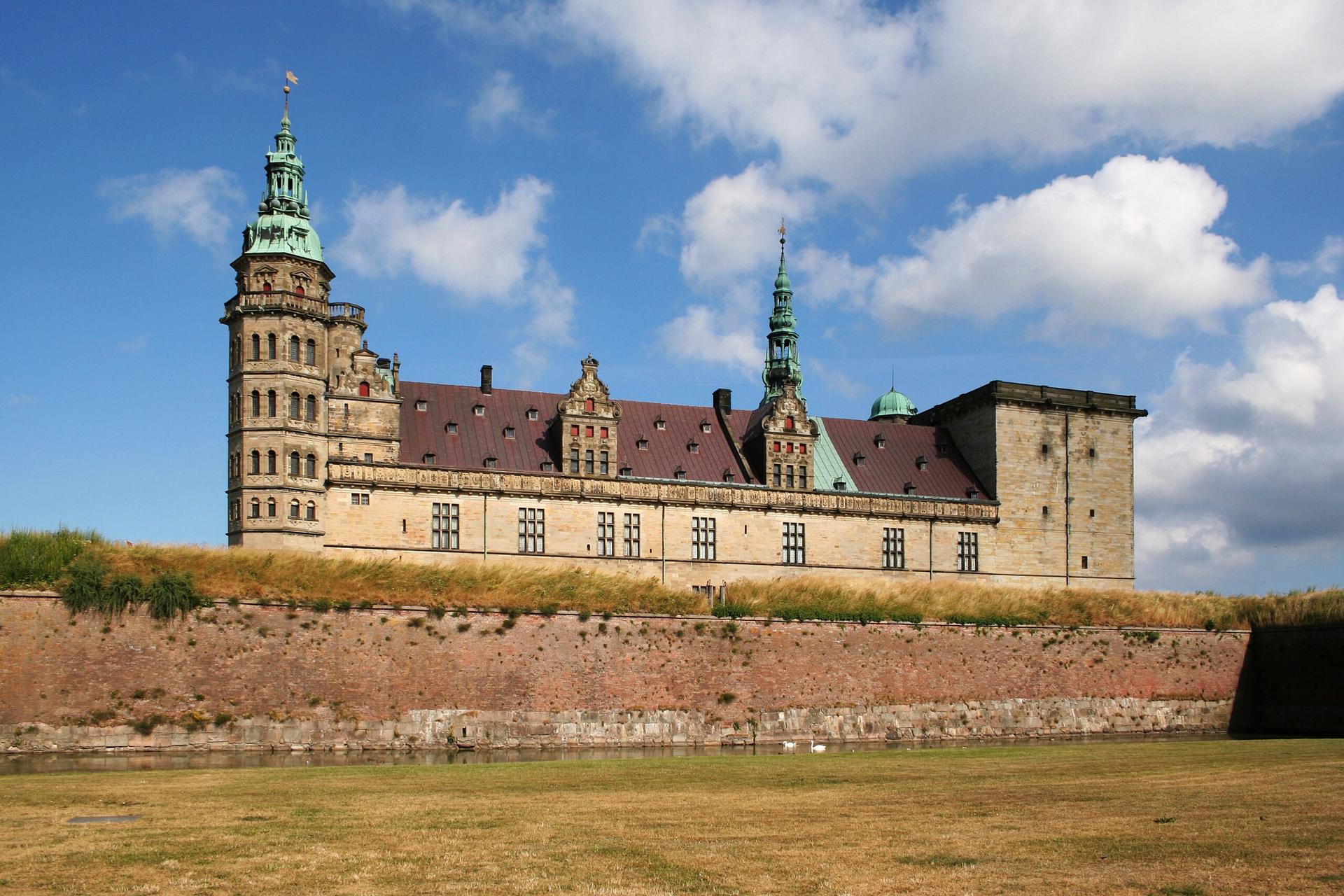
Explore North Zealand, Denmark's enchanting region of castles, beaches, and royal estates, perfect for history buffs, nature enthusiasts, and seaside lovers.
Tell me more about North Zealand