Copenhagen Opera House (The Royal Danish Opera)
A dramatic harborfront opera house where bold Danish architecture, world-class acoustics, and waterfront city views create Copenhagen’s ultimate cultural stage.
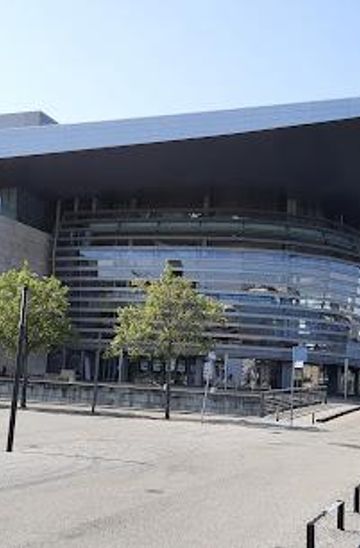
Commanding the edge of Copenhagen’s inner harbor on Holmen, the Copenhagen Opera House is a striking feat of contemporary design and the prestigious home of the Royal Danish Opera. Designed by Henning Larsen and inaugurated in 2005, this 41,000 m² cultural landmark pairs a dramatic cantilevered roof and glass-fronted foyer with a warm maple-clad auditorium famed for its superb acoustics. Beyond grand opera, the complex hosts ballet, concerts, backstage tours, and experimental performances in its intimate black-box stage.
A brief summary to Copenhagen Opera House
- Ekvipagemestervej 10, København K, København K, 1438, DK
- Click to display
- Click to display
- Duration: 1.5 to 4 hours
- Mid ranged
-
 Mixed
Mixed
- Mobile reception: 5 out of 5

Know before you go
Hi, I'm Eve. Here are a few practical things to know before exploring Copenhagen Opera House.
- Book performance tickets well in advance for major operas and ballets, especially on weekends and during winter and spring cultural seasons.
- Arrive at least 30–45 minutes before curtain to explore the foyer, art installations, and panoramic harbor views from the upper balconies.
- Consider a daytime guided tour if you want architectural and backstage insight without committing to a full evening performance.
- Dress is generally smart casual, but bring an extra layer in cooler months as the glass-fronted foyer can feel breezy near the harbor.
- Combine your visit with a stroll through nearby Opera Park or along the waterfront for additional photo opportunities of the building’s profile.
Do you manage this location?
Take control to get all the benefits, like improved information, better appearance, and stronger visibility across AI-powered discovery. Learn more
Activate your presenceOther nearby places you may find interesting
Getting There
-
Metro and walk
From central Copenhagen, take the M1 or M2 metro to Kongens Nytorv, then allow about 20–25 minutes on foot via the harborfront and pedestrian bridge toward Holmen. The walk is flat and fully paved but exposed to wind and rain, so bring appropriate clothing in bad weather. Metro tickets within the city center typically cost around 20–30 DKK for a single adult journey.
-
City bus
Use a city bus such as line 2A toward Refshaleøen and alight at a stop near Holmen, from where it is roughly a 10–15 minute level walk to the opera district. Buses generally run every 5–10 minutes during the day and early evening, with less frequent night services. A standard single bus ticket within the central zones is usually 20–30 DKK; the same tickets work across buses, metro, and harbor buses within the time limit.
-
Harbor bus by water
For a scenic arrival, take one of the inner-harbor ferry buses serving the stop closest to the opera on Holmen. From central quays, the crossing normally takes 10–20 minutes depending on the route and intermediate stops. Services can be reduced in late evenings or during severe weather, so check timings in advance. Fares are integrated with the regular public transport system and typically fall in the 20–30 DKK single-ticket range.
-
Bicycle or car
Copenhagen’s cycle lanes make biking from the city center to Holmen straightforward in about 10–20 minutes on mostly flat terrain, with bridges providing direct harbor crossings. For drivers, underground and nearby parking facilities serve the opera area, but spaces are limited around peak performance times and usually subject to hourly fees; budget roughly 20–40 DKK per hour and allow extra time to navigate evening traffic before major shows.
For the on-the-go comforts that matter to you
-
 Restrooms
-
 Drink Options
-
 Drinking Water
-
 Food Options
-
 Seating Areas
-
 Sheltered Areas
-
 Trash Bins
-
 Information Boards
-
 Visitor Center
Discover more about Copenhagen Opera House
Harborfront Icon of Modern Danish Design
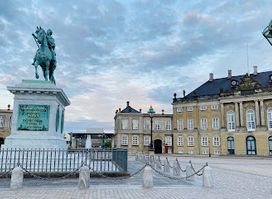
Perched on the island of Holmen directly opposite Amalienborg Palace, the Copenhagen Opera House dominates the inner harbor with one of Scandinavia’s most recognizable silhouettes. Completed in 2004 and opened in 2005, the building was donated to the Danish people by the A.P. Møller and Chastine Mc-Kinney Møller Foundation, conceived from the outset as a new national stage for opera and ballet. Its position completes a grand urban axis that runs from the Marble Church through the royal square and across the water to the opera’s broad forecourt.From afar, the most dramatic gesture is the immense cantilevered roof, projecting far beyond the glass façade like an oversized visor hovering above the harbor. This floating eave shelters the arrival plaza and gives the opera an unmistakable profile, earning engineering accolades as one of Denmark’s most ambitious contemporary structures. By day it reads as a cool, horizontal plane over pale stone; at night, it becomes a dark frame for the glowing interior shell.Architecture That Blends Precision and Drama
The opera was designed by Danish architect Henning Larsen as a study in contrasts: solid limestone walls sliced with thin bands of windows versus a transparent foyer that opens fully to the harbor. Clad in Jura Gelb limestone from southern Germany, the main body of the building feels monolithic and calm, grounded firmly on its man‑made island. In front, a soaring glass curtain wall reveals a spectacular interior: a curving wooden form that cradles the main auditorium like a golden instrument case.That inner shell, crafted from stained maple, is often compared to a conch or the body of a stringed instrument. Its smooth, flowing surface is visible from the waterfront, especially as evening light deepens and the foyer glows. Inside the hall, the same warm woods continue across balconies and walls, where subtle recesses and reliefs are carefully tuned to shape the acoustics. Overhead, the ceiling shimmers with tens of thousands of sheets of 24‑carat gold leaf, lending a soft, amber light to performances.Inside the Heart of Denmark’s National Opera
Beyond the architectural spectacle, the opera is first and foremost a highly sophisticated performance machine. Across 14 floors, five of them underground, the complex spans around 41,000 square meters and more than a thousand rooms. The main auditorium seats roughly 1,400–1,700 spectators depending on the configuration of its flexible orchestra pit, maintaining an intimate relationship between stage and audience despite its grand scale.Behind the scenes, a warren of rehearsal studios, workshops, costume departments, and offices supports the Royal Danish Theatre’s opera and ballet companies. Deep below harbor level, full orchestras rehearse while sets are built, painted, and moved through a maze of stage machinery. A separate black-box space, Takkelloftet, accommodates experimental work for around 200 guests, giving the institution a laboratory for new ideas alongside the main stage’s classic repertoire.Art, Light, and the Ritual of an Evening Out
Stepping into the foyer is designed to feel like entering a civic living room as much as a theater. Suspended stairways and walkways crisscross the glass volume, encouraging guests to wander, people‑watch, and pause at the railings. The maple shell becomes a vast backdrop for silhouettes and reflections, turning pre‑show intermissions into a kind of social performance.Integrated art plays a crucial role. Bronze reliefs by Per Kirkeby and three large light sculptures by Danish‑Icelandic artist Olafur Eliasson animate the interior, echoing the harbor’s shifting reflections and the city’s muted Nordic palette. From the upper balconies, sweeping 180‑degree views take in the fairway, bridges, church towers, and the Øresund horizon, underscoring the building’s role as both cultural stage and urban vantage point.Holmen’s Waterfront Campus and Opera Park
The opera stands within a broader harbor landscape that has evolved from naval yards into one of Copenhagen’s key recreational districts. Canals cut around the building, giving it the appearance of an island and reinforcing its maritime character. Low bridges built with historic oak honor the area’s naval past while guiding today’s pedestrians and cyclists across the water.Next to the opera, the recently developed Opera Park offers a green counterpart to the stone and glass. This landscaped area layers gardens, a greenhouse café, and a subterranean car park into a compact waterfront site. For many visitors, an evening at the opera begins with a stroll through this park or along the wide harbor promenade, framing the building not just as a performance venue, but as the centerpiece of a lively, lived‑in waterfront.Experiencing Performances and Behind-the-Scenes Life
Most evenings, the house comes alive with opera, ballet, symphonic concerts, and contemporary productions. International and Danish artists share the stage in works ranging from Verdi and Wagner to new commissions, while the flexible orchestra pit allows scale to shift between chamber intimacy and full grand opera. The smaller Takkelloftet space pushes boundaries through experimental staging and modern music theater.Even without a ticket to a show, guided tours open the building’s inner workings. These walks typically lead through the foyer, main hall, side stages, and rehearsal areas, often pointing out the Queen’s private balcony and the complex machinery that moves sets and lighting. Combined with the harbor views and the building’s bold forms, they offer a rich introduction to one of the world’s most advanced opera houses and to Copenhagen’s ongoing transformation as a waterfront cultural capital.Explore the best of what Copenhagen Opera House has to offer













More about North Zealand
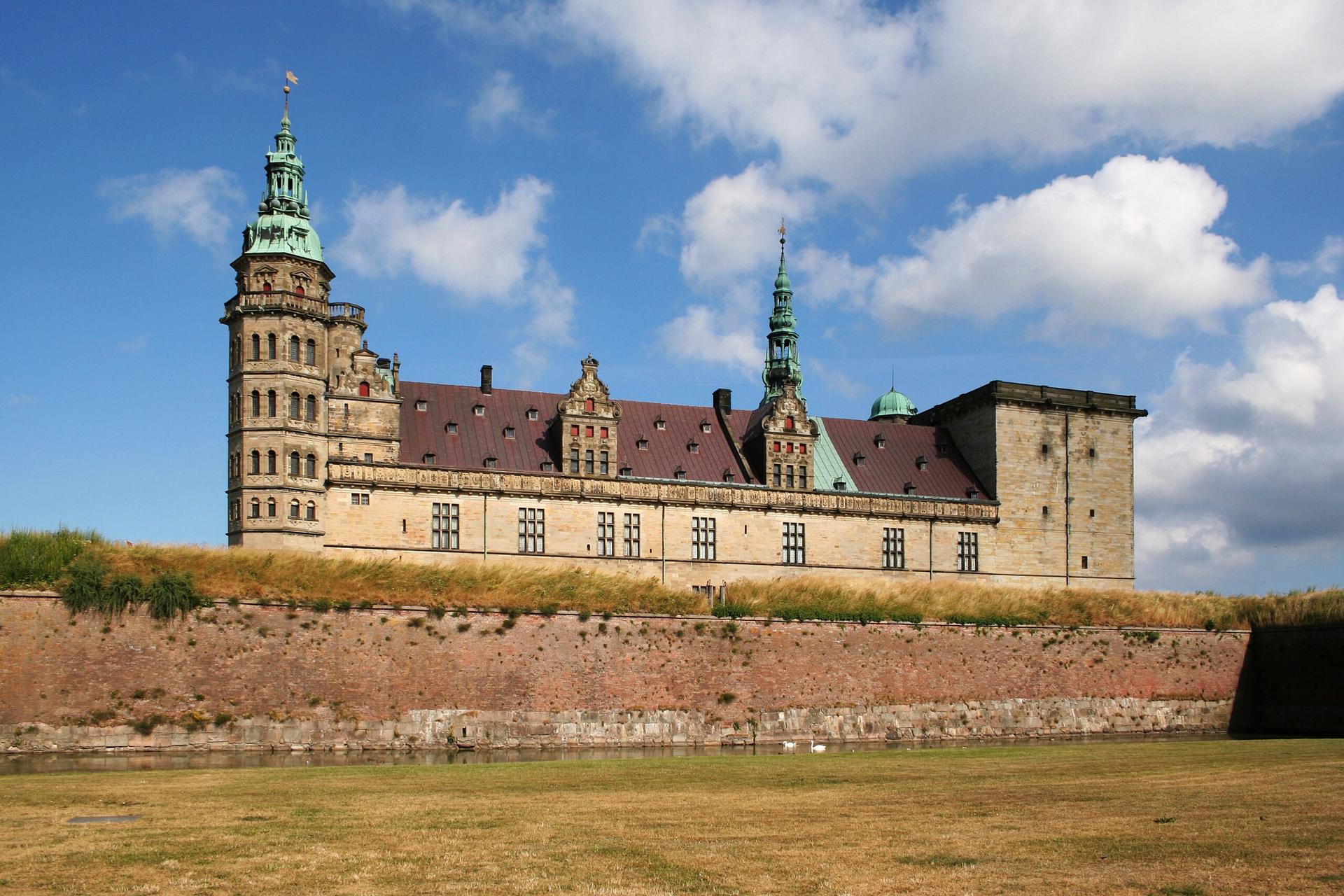
Explore North Zealand, Denmark's enchanting region of castles, beaches, and royal estates, perfect for history buffs, nature enthusiasts, and seaside lovers.
Tell me more about North Zealand