
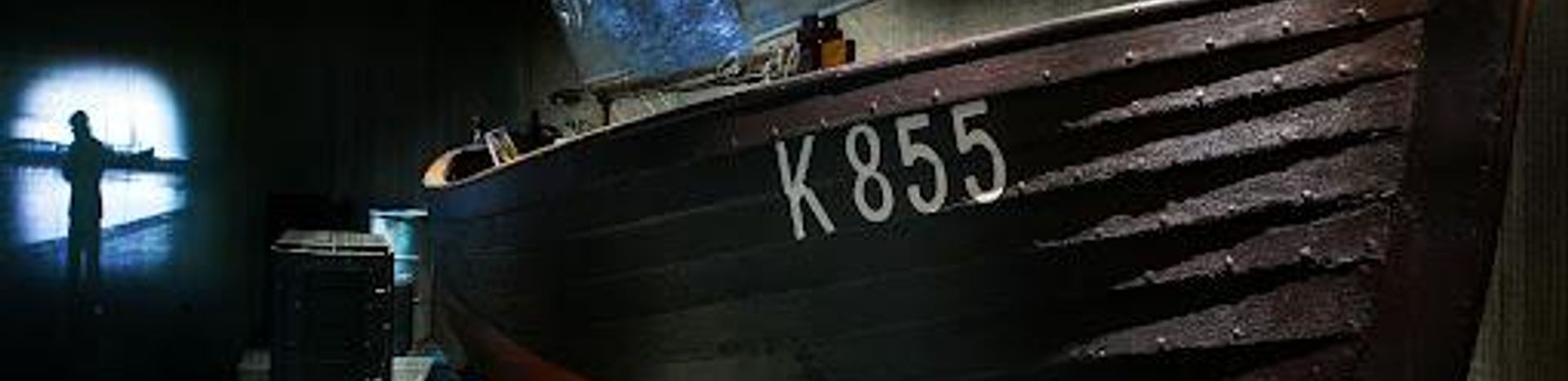
Museum of Danish Resistance
An immersive underground journey through Denmark’s World War II occupation, where personal stories, sabotage and secret codes bring the resistance movement to life.
Set just beside Copenhagen’s star-shaped Citadel, the Museum of Danish Resistance plunges you underground into the dark years of 1940–45. Atmospheric streetscapes, soundscapes and multimedia tell the story of occupation, sabotage and everyday dilemmas, guided by five real historical figures. Interactive stations let you print illegal newspapers, intercept calls and crack German codes, making this compact museum a vivid, immersive introduction to Denmark’s World War II resistance.
A brief summary to Museum of Danish Resistance
- Esplanaden 13, Copenhagen, Indre By, 1263, DK
- +4541206080
- Visit website
- Duration: 1.5 to 2 hours
- Mid ranged
-
 Indoor
- Mobile reception: 5 out of 5
- Tuesday 10 am-5 pm
- Wednesday 10 am-5 pm
- Thursday 10 am-5 pm
- Friday 10 am-5 pm
- Saturday 10 am-5 pm
- Sunday 10 am-5 pm
Local tips
- Plan at least 1.5–2 hours to follow the full audio-guided route and try the interactive activities without rushing.
- Arrive before mid-afternoon; last entry is about 1.5 hours before closing and the exhibition deserves unhurried time.
- Use the audio guide from the start; it is central to the experience and ties together the five historical characters’ stories.
- Combine your visit with a stroll around Kastellet and Churchillparken just outside for a wider sense of the historic setting.
- Families with sensitive children may want to briefly explain the wartime context in advance, as themes include persecution and danger.

For the on-the-go comforts that matter to you
- Restrooms
- Drink Options
- Food Options
- Seating Areas
- Trash Bins
- Information Boards
- Visitor Center
Getting There
-
Metro
From central Copenhagen, take the M3 or M4 metro line to Marmorkirken Station. The ride from Nørreport or København H typically takes 3–8 minutes, with frequent departures throughout the day. From Marmorkirken, allow about 10–15 minutes on foot along mostly level pavements suitable for wheelchairs and strollers. A standard single metro ticket within the city zones usually costs around 20–30 DKK, and tickets can be bought at station machines or via local transport apps.
-
Train and bus
If you are staying near regional or S-train lines, travel to Østerport Station, a major hub roughly 3–6 minutes by S-train from Nørreport. From Østerport, local buses such as lines serving Esplanaden and the Citadel area run regularly during the day, with travel times of around 5–10 minutes depending on traffic. A combined train and bus journey within the central zones generally falls in the 20–30 DKK range, with integrated tickets valid across both modes.
-
Bicycle
Cycling is one of the most practical ways to reach the museum from inner Copenhagen, with typical riding times of 10–20 minutes from most central districts. The route follows well-marked cycle lanes and is mostly flat, making it accessible even for less experienced cyclists. You can use city bikes or rental shops; expect regular city bike rentals to cost from about 20–40 DKK for a short session, with daily caps or passes available.
-
Taxi
Taxis are widely available across central Copenhagen and offer a convenient door-to-door option, especially in bad weather or for visitors with limited mobility. A ride from the main train station or City Hall area to Esplanaden generally takes 10–20 minutes, depending on traffic around the harbour and royal district. Typical fares fall in the 120–200 DKK range, with supplements possible in evenings, on weekends or for larger vehicles.
Museum of Danish Resistance location weather suitability
-
 Any Weather
-
 Rain / Wet Weather
-
 Cold Weather
-
 Mild Temperatures
Discover more about Museum of Danish Resistance
Underground stories beneath Churchill Park
Hidden partly below ground at Esplanaden on the edge of Churchillparken, the Museum of Danish Resistance feels more like entering a secret headquarters than a traditional gallery. A modest glass entrance leads you down into a dimly lit, purpose-built space that evokes the claustrophobic atmosphere of occupied Copenhagen. The proximity to the ramparts of Kastellet and the Little Mermaid outside contrasts sharply with the tense wartime world you step into inside. The museum is part of Denmark’s National Museum network and focuses entirely on the German occupation from 1940 to 1945. Rather than overwhelming you with objects, it uses carefully chosen artefacts, film, sound and scenography to recreate streets, safe houses and meeting points where resistance work unfolded in shadows.Lives in the shadow of occupation
The core of the exhibition follows five real historical individuals whose lives were shaped by the occupation. As you move through the galleries, an included audio guide introduces you to their personal perspectives: young resisters, ordinary citizens and people who faced morally complex decisions about whether to oppose, adapt to or cooperate with the occupying forces. Their intertwined stories illuminate key turning points of the war years, from the first cautious protests to organized sabotage and the dramatic events of 1943, when persecution of Danish Jews intensified and escape routes to Sweden became a lifeline. Rather than presenting a simple tale of heroes and villains, the museum highlights grey zones, compromises and the risks people took to act according to their conscience.Sabotage, secrecy and codebreaking
Interactive elements are woven throughout the exhibition, encouraging you to step briefly into the role of a resister. You can try operating a clandestine press to produce illegal newspapers, listen in on tapped telephone lines or attempt to crack coded messages inspired by wartime communications. Original objects such as weapons, leaflets, forged papers and everyday items sit beside projections and sound installations. Together they show how resistance activities were hidden within ordinary routines: bicycles used for courier work, shops doubling as meeting points, apartments turned into radio rooms. The design keeps you moving through tight passages and street-like settings, echoing the feeling of always being watched.Daily life under German rule
Beyond the dramatic acts of sabotage, the museum also explores how occupation reshaped daily life for people across Denmark. Rationing, censorship, curfews and propaganda are presented through simple but effective displays that make it easy to imagine queuing for scarce goods or hearing news through controlled channels. Sections on persecution and escape routes add a sober layer to the narrative, explaining how Danish Jews were targeted and how networks helped many flee across the Øresund to Sweden. Personal objects, photographs and testimonies convey the fear, courage and uncertainty that marked these journeys and the consequences for those who were caught.A compact, accessible visit in central Copenhagen
The museum’s layout is linear and easy to follow, with level floors and step-free access making it practical for visitors with limited mobility. Most interpretation is available in both Danish and English, and the audio guide supports a focused experience at your own pace. Subdued lighting and soundscapes create atmosphere without becoming overwhelming. Because the museum is relatively compact, it fits well into a wider day exploring the Citadel, waterfront and royal residences nearby. A small shop offers books and materials about the resistance, occupation history and related themes for those who want to delve deeper after the exhibition.Planning your time and expectations
A typical visit takes around one and a half to two hours, allowing time to follow the full audio narrative and engage with the interactive stations without rushing. It is an indoor, all-weather attraction, making it a reliable choice in Copenhagen’s variable climate. Content is thoughtful rather than graphic, which helps it work for older children and teenagers with an interest in history, as well as adults. The emphasis on individual stories and moral choices gives the museum a reflective tone, inviting you to consider how you might have acted under similar pressure and what resistance can mean in different times and places.Iconic landmarks you can’t miss

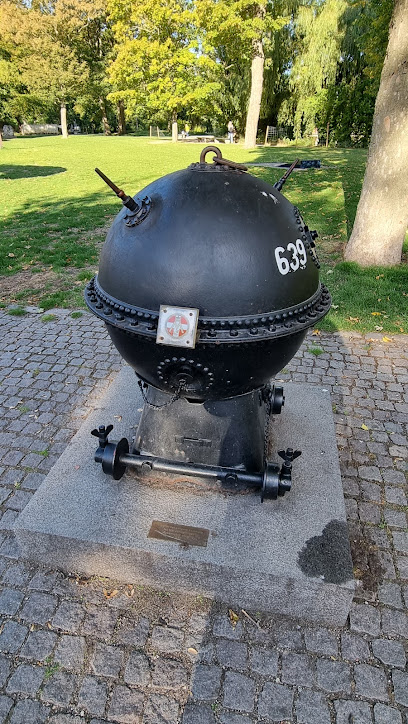
Horn mine
0.0 km
A disarmed World War II naval mine displayed in Churchill Park, turning a former weapon of the sea into a quiet reminder of conflict amid central Copenhagen’s greenery.
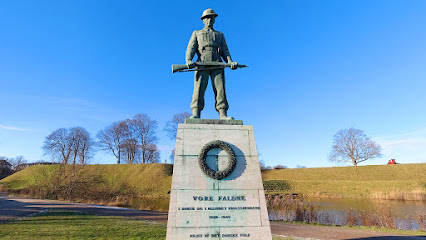
Our Fallen
0.1 km
A bronze tribute to World War II sacrifice, standing sentinel at Kastellet's gate since 1957.
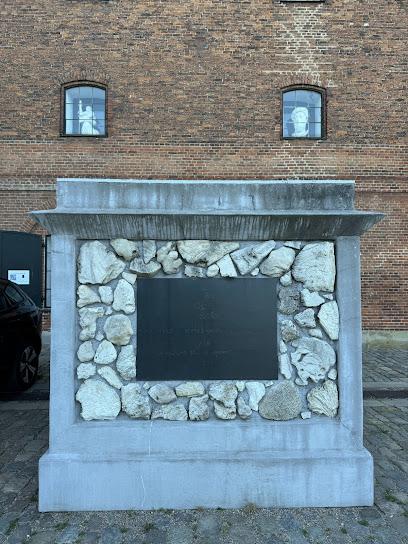
I am Queen Mary
0.2 km
A powerful harborfront monument honoring rebel leader Mary Thomas, confronting Copenhagen’s colonial past beside the historic West Indian Warehouse.
Iver Huitfeldt Memorial
0.3 km
A towering tribute to Admiral Huitfeldt's heroic last stand at sea, crowned with Victory.
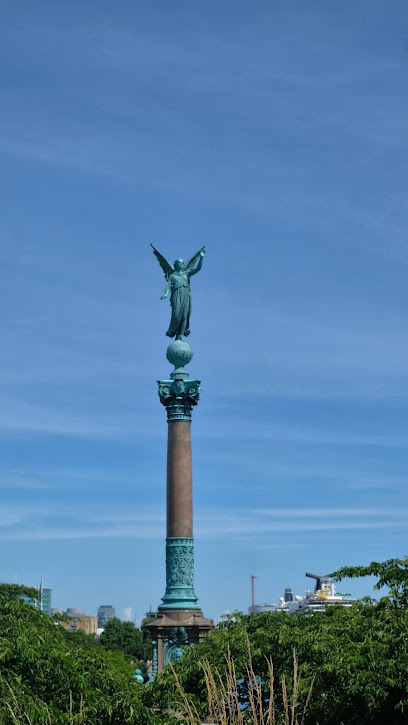
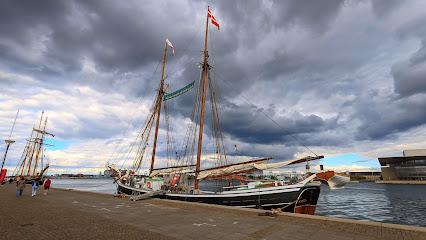
Larsens Pl.
0.4 km
Historic waterfront where Scandinavian dreams embarked for America, now a refined promenade of heritage and harbour views.
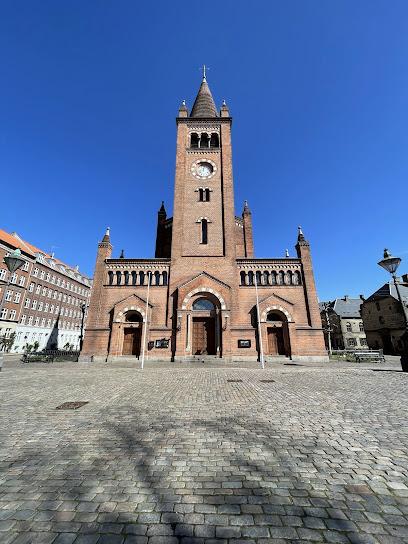
St. Paul's Church
0.6 km
Neo‑Romanesque red brick meets ochre-yellow naval housing at this calm parish church, giving Nyboder a quiet spiritual heart amid central Copenhagen.
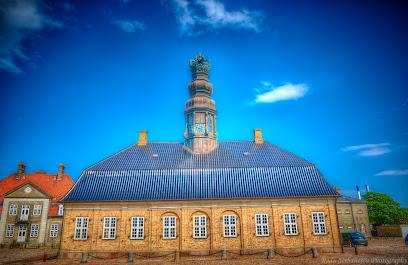
Nyholm Central Guardhouse
0.6 km
Discover Aarhus’s Latin Quarter, where historic charm meets a lively cultural scene, bustling cafés, artisan shops, and rich Danish heritage in the city’s oldest district.
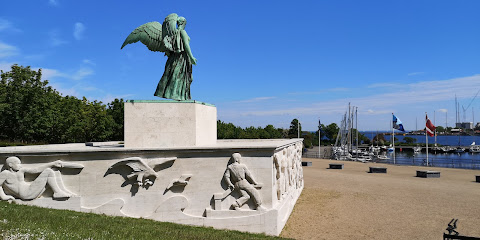
Maritime Monument
0.7 km
Honoring Denmark’s seafaring legacy, the Maritime Monument in Østerbro is a striking, evocative memorial nestled in the heart of Copenhagen’s leafy cityscape.
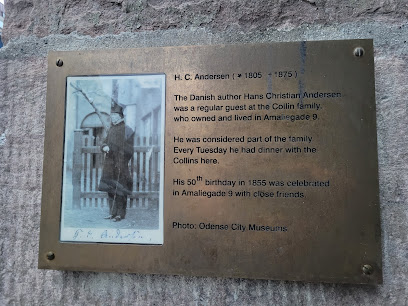
Hans Christian Andersen plaque
0.7 km
A modest plaque on elegant Amaliegade quietly marks Hans Christian Andersen’s presence amid the formal mansions and palace axis of Copenhagen’s Frederiksstaden.
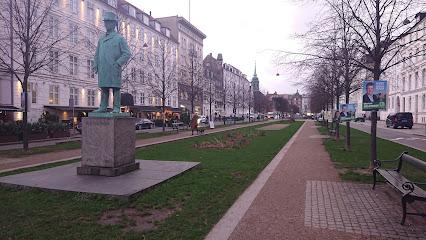
Sankt Annæ Pl.
0.8 km
Historic square blending royal heritage, climate innovation, and urban livability in central Copenhagen.
The Kissing Stairs
0.8 km
Copenhagen's beloved waterfront amphitheatre where culture, community, and harbour views converge.
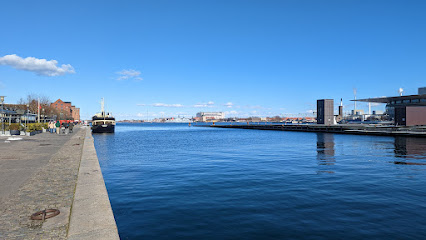
Ofelia Plads
0.8 km
Copenhagen's iconic waterfront plaza where culture, harbor views, and the famous kissing stairs meet the sea.
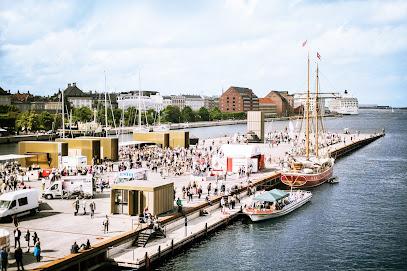
Bredgade 18
0.9 km
Explore the architectural elegance of Bredgade 18 in Copenhagen's historic Frederiksstaden district.
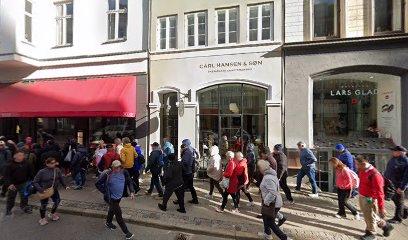
Nyhavn
1.0 km
Copenhagen's iconic 17th-century harbor where colorful townhouses, maritime history, and vibrant waterfront culture converge.
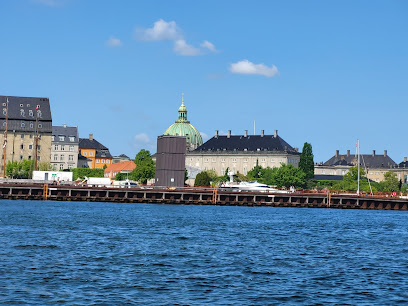
Nyhavnsbroen & Nyhavn
1.0 km
Copenhagen’s only Russian Orthodox church, famed for its golden onion domes, rich history, and unique architectural style rooted in Danish-Russian royal ties.
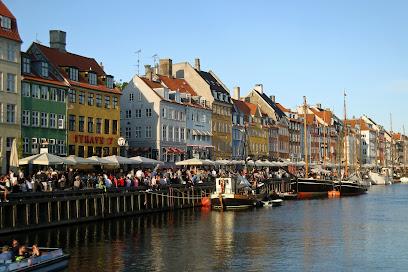
Unmissable attractions to see

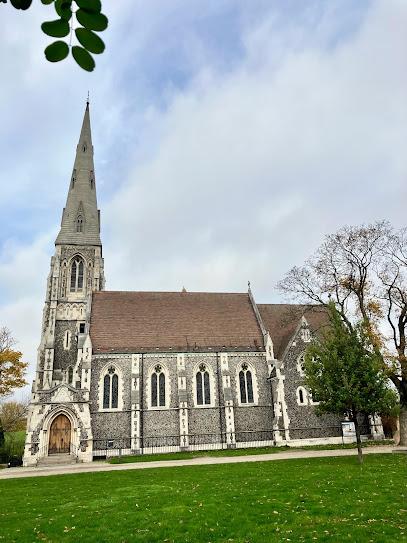
St Alban's Church
0.1 km
Step into history and legend at Kronborg Castle, a UNESCO World Heritage site famed as Hamlet’s ‘Elsinore,’ overlooking the spectacular Øresund Strait.
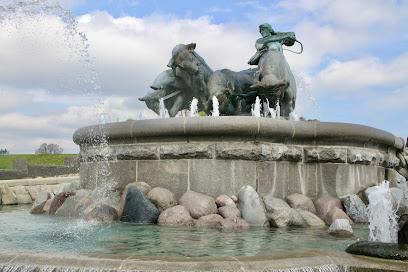
Gefion Fountain
0.2 km
Copenhagen’s creation myth cast in bronze, the Gefion Fountain hurls goddess, oxen and water into a powerful tableau beside the harbour and Churchillparken.
Designmuseum Danmark
0.3 km
Copenhagen’s temple of design, where rococo halls, iconic Danish chairs and a tranquil garden reveal how beautifully made objects shape everyday life.

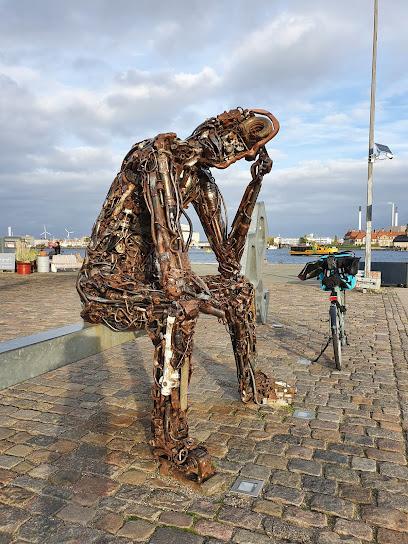
ZinkGlobal by Kim Michael
0.3 km
A contemplative scrap-metal thinker on Copenhagen’s harborfront, ZinkGlobal fuses recycled machinery with big ideas about the future and our industrial past.
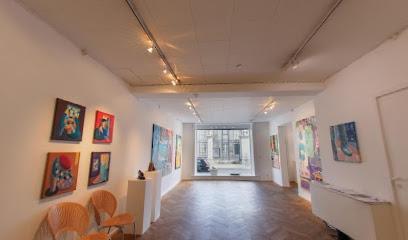
Bredgade Kunsthandel
0.3 km
Refined contemporary art gallery on Copenhagen’s Bredgade, where Danish and international works unfold in bright, minimalist rooms just steps from royal and design landmarks.
Medicinsk Museion
0.4 km
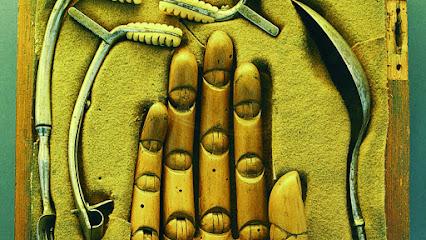
Historic surgical academy turned cutting‑edge medical museum, where preserved bodies, instruments and contemporary science exhibitions reveal how we understand health and disease.
Langelinieparken
0.4 km
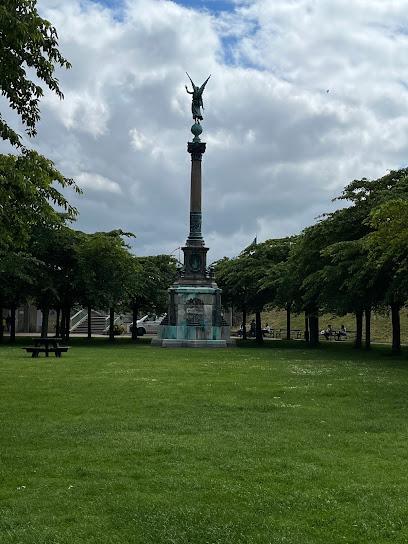
Leafy waterfront lawns, sculptures and sea views where cruise ships, mythic fountains and Copenhagen’s Little Mermaid all meet along a single harbourfront walk.
Langelinie Park
0.4 km
Explore Denmark's first public museum, showcasing the neoclassical masterpieces of Bertel Thorvaldsen in the heart of Copenhagen.
Kastellet
0.4 km
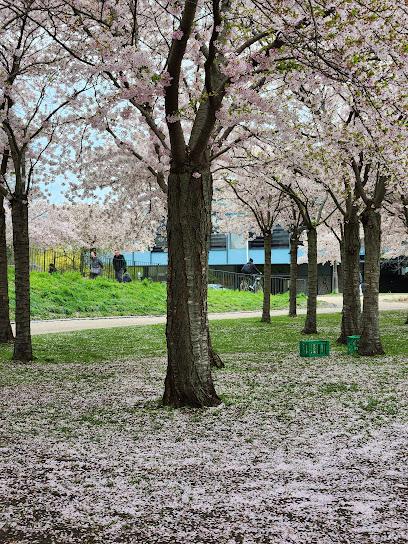
Explore Rosenborg Castle, Copenhagen's Renaissance masterpiece housing Denmark's crown jewels and royal regalia.
Amaliegade
0.4 km
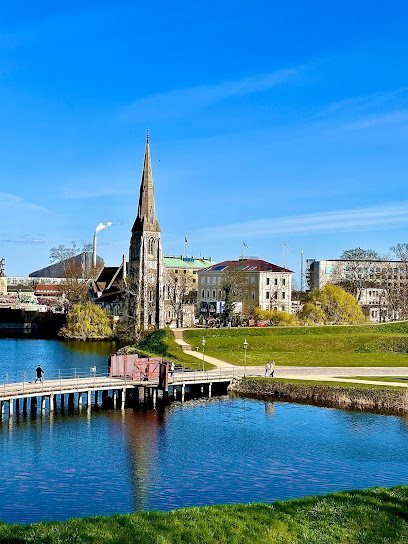
A stately Copenhagen street where Rococo townhouses, royal colonnades and diplomatic mansions line a calm axis through the heart of Frederiksstaden.
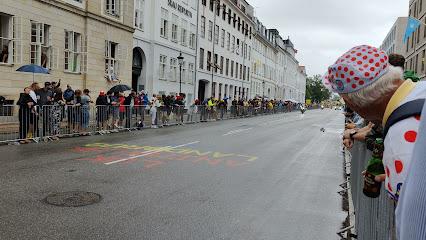
Langelinie Pavillonen
0.4 km
Experience modernist elegance and panoramic harbor views at Copenhagen's iconic Langelinie Pavillonen.
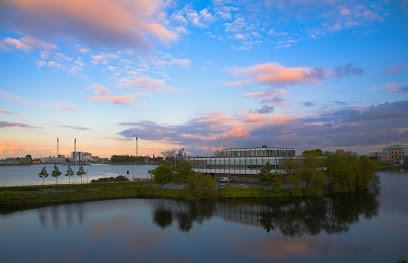
Kongeskibet Dannebrog
0.5 km
An elegant white royal yacht moored in Copenhagen’s harbour, Kongeskibet Dannebrog is a floating palace, naval vessel and living symbol of modern Danish monarchy.
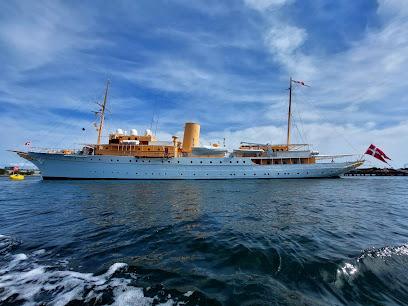
Monument to Denmark's international activities after 1948
0.5 km
A quiet, contemporary memorial within Copenhagen’s star-shaped fortress, honoring Denmark’s post‑1948 international missions with flame, stone and thoughtful space.
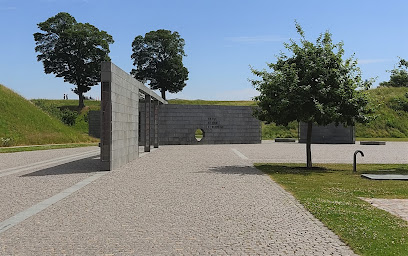
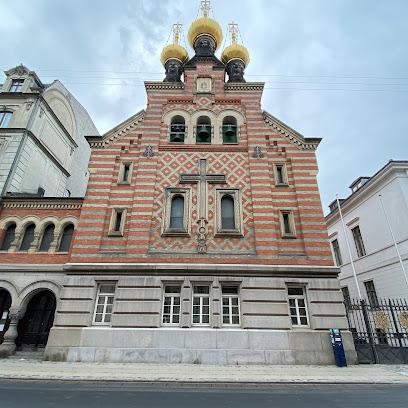
St. Alexander Nevsky Church
0.5 km
Explore the evolution of design at Copenhagen's premier museum, housed in a historic rococo building.
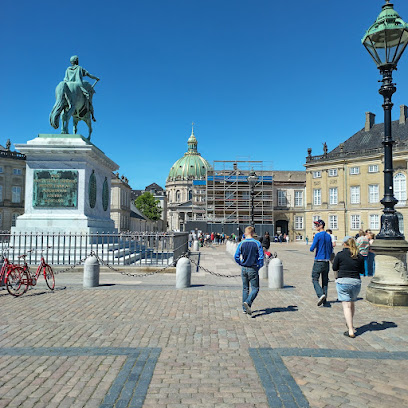
Amalienborg Palace Museum
0.5 km
Step behind the facades of Copenhagen’s royal square to explore intimate apartments, glittering gala halls and Fabergé treasures at Amalienborg Palace Museum.
Essential places to dine

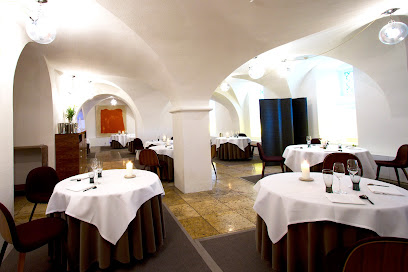
Kokkeriet
0.7 km
Intimate Michelin-starred townhouse in central Copenhagen, reimagining classic Danish cuisine as elegant modern tasting menus with curated wines and juices.
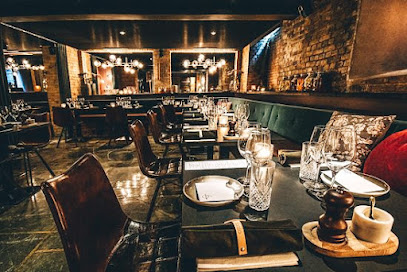
Aoc
0.7 km
Two Michelin stars of bold Nordic flavors in a historic 17th-century cellar.
Restaurant Rebel
0.8 km
Seasonal Danish produce meets French technique at this relaxed, MICHELIN-recommended bistro on Store Kongensgade, where an open kitchen and inventive plates define the mood.
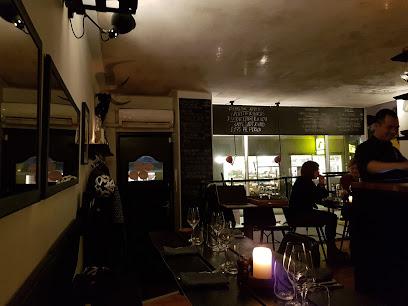
Restaurant Vita
0.9 km
Historic Danish dining in a former royal pharmacy, serving traditional smørrebrød and national classics.
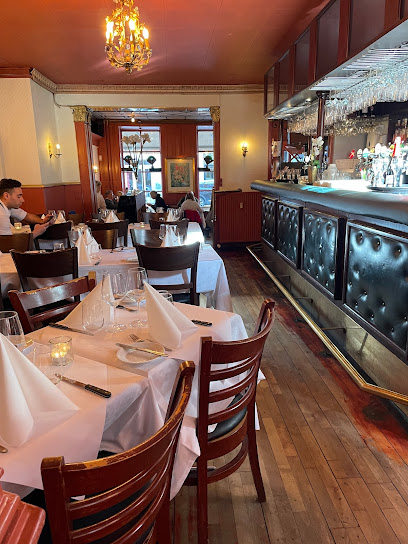
Restaurant Koefoed
0.9 km
Fine dining in a historic coal cellar celebrating Bornholm's culinary traditions and Danish gastronomy.
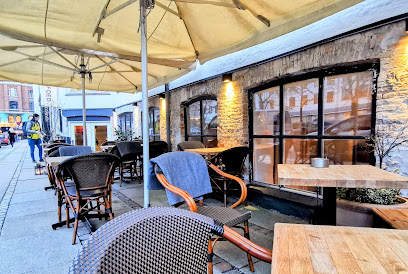
Den Lille Fede
0.9 km
Cosy, candlelit tasting-menu restaurant near Kongens Nytorv, where playful Nordic-inspired courses and thoughtful wine pairings turn dinner into an unhurried evening event.
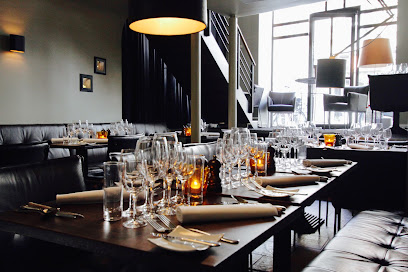
La Banchina
0.9 km
Tiny blue harbour house on Refshaleøen blending seasonal pescatarian cooking, natural wines, sauna culture and swims into one uniquely Copenhagen experience.
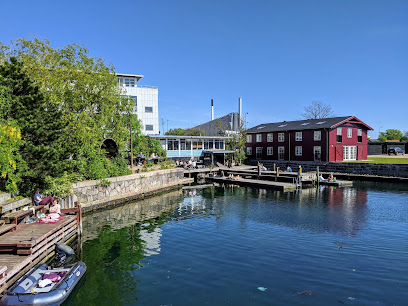
Khun Juk
1.0 km
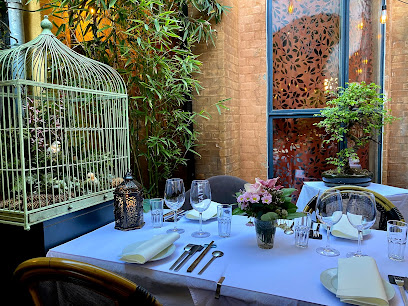
Refined Thai dining tucked into Copenhagen’s iconic Nyhavn, where candlelit tables, fresh flowers and layered flavors turn dinner into an intimate evening event.
Skipperkroen
1.0 km
Harbourfront smørrebrød and seafood in an 18th‑century Nyhavn house, pairing classic Danish flavours with canal views from cosy rooms and a lively terrace.
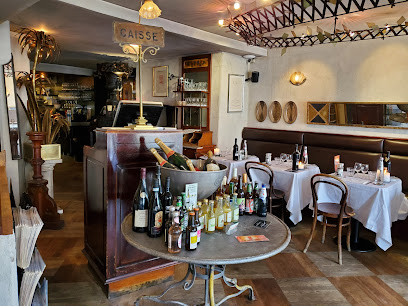
Cap Horn
1.0 km
Candlelit Nordic bistro in a historic Nyhavn townhouse, blending classic Danish seafood, canal views and cosy hygge from late morning to late evening.
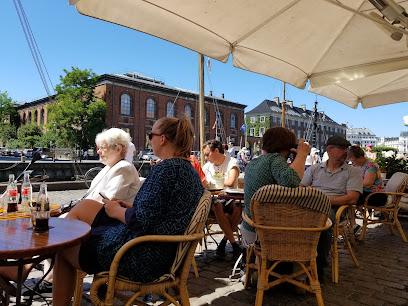
Nyhavns Færgekro
1.0 km
Classic Danish cooking and a famed herring buffet in a cozy canal-side tavern, set within one of Nyhavn’s colorful townhouses overlooking Copenhagen’s historic harbor.
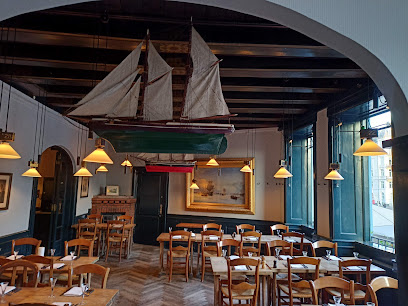
Goldfinch
1.0 km
Stylish Cantonese-inspired dining and cocktails on historic Kongens Nytorv, pairing shareable plates with a moody interior in the heart of Copenhagen.
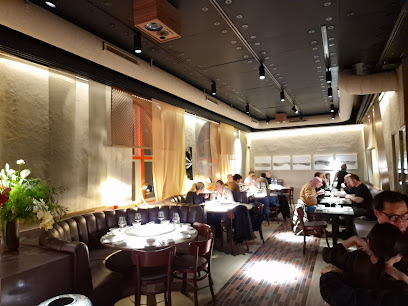
Reffen - Skøjteøen
1.0 km
Copenhagen’s dynamic hub for global street food, creative pop-ups, and urban harbor vibes in a repurposed shipyard setting with a seasonal ice skating rink.
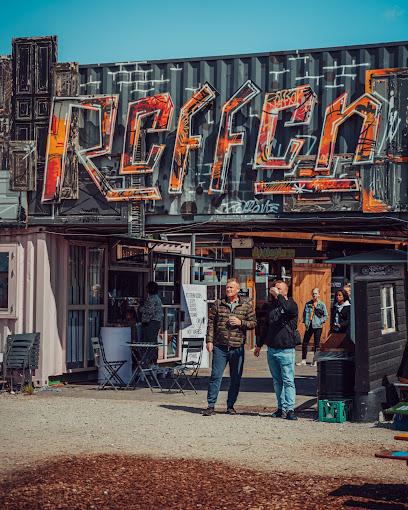
Veve
1.0 km
A destination for innovative, plant-based fine dining in Østerbro, where Nordic purity meets global flavors for an unforgettable vegetarian tasting menu experience.
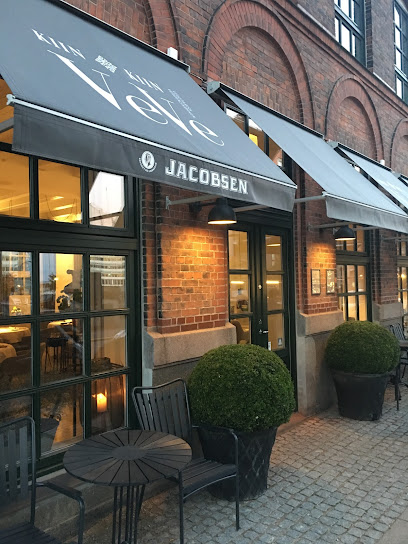
Bistro Royal
1.0 km
Elegant all‑day French‑Danish bistro on Kongens Nytorv, pairing brasserie classics with prime people‑watching and a lively, chandelier‑lit atmosphere.
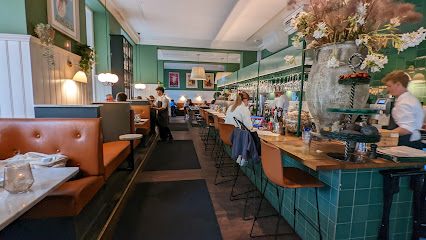
Markets, malls and hidden boutiques

The Crown souvenir
0.1 km
Compact, colorful souvenir stop on elegant Amaliegade, perfect for picking up Danish flags, Little Mermaid trinkets and royal-themed keepsakes near Amalienborg.
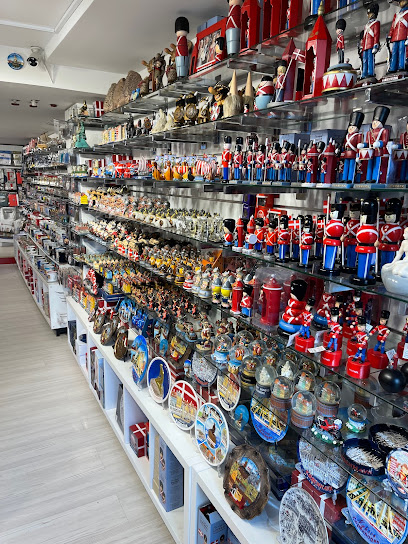
Royal Souvenir Shop
0.6 km
Compact and colourful, Royal Souvenir Shop on Bredgade distils Copenhagen into easy‑to‑pack gifts, from royal guards and Vikings to flags, mugs and playful keepsakes.
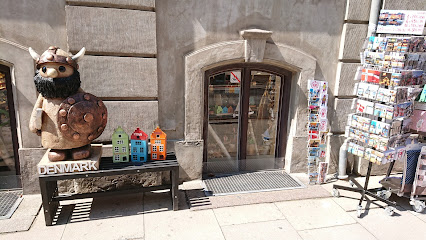
Maritime Antiques &
0.9 km
Atmospheric basement shop near Nyhavn where genuine maritime antiques share space with heritage-inspired clothing and rugged knitwear in a cosy, ship-like setting.
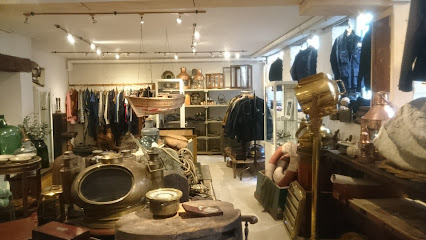
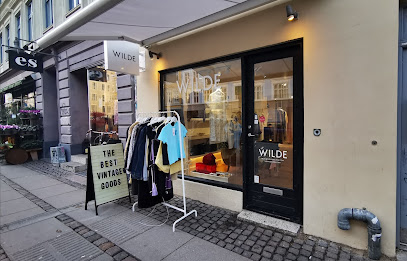
The Wilde Shop
0.9 km
A boutique vintage shop in Indre By, Copenhagen bringing together handpicked retro clothing, sustainable fashion, and curated Scandinavian style in a welcoming setting.
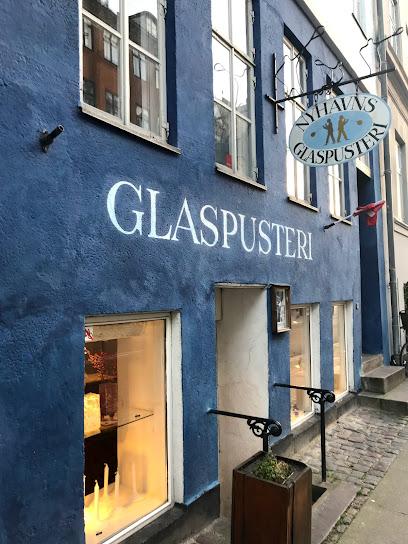
Copenhagenglass
0.9 km
Intimate glassblowing studio and shop near Nyhavn, where Danish maritime-inspired designs and hands-on sessions turn molten glass into memorable Copenhagen souvenirs.
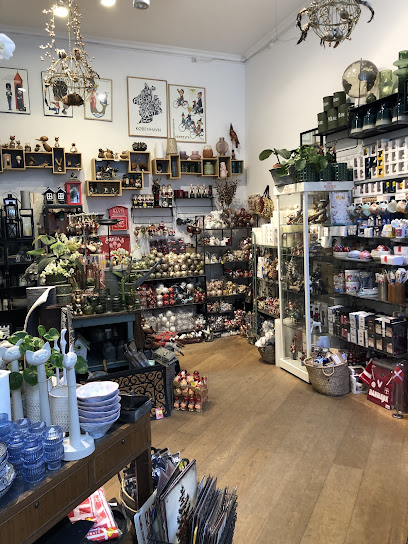
Zane
0.9 km
Intimate Copenhagen florist and design boutique on stylish Bredgade, blending seasonal blooms, Nordic homeware and thoughtful gifts in a cosy, lived-in space.
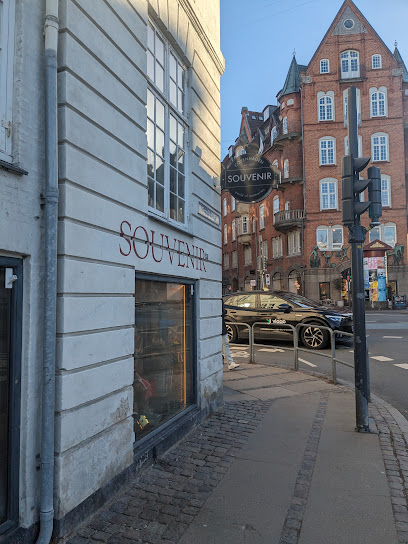
Copenhagen Souvenir & Design World of Memories
1.1 km
Denmark's largest souvenir chain with 14 locations offering over 2,000 authentic Danish keepsakes and contemporary design pieces.
Viking Souvenirs
1.1 km
Authentic Danish and Viking-themed souvenirs in Copenhagen's historic city center.
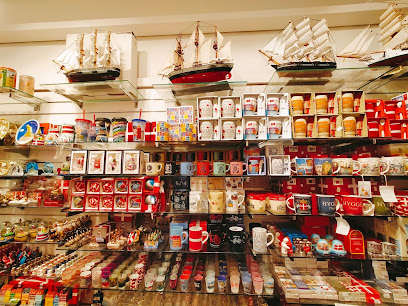
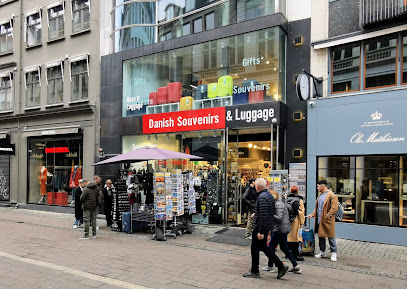
Danish Souvenirs & luggages
1.2 km
Central Strøget souvenir and luggage shop combining classic Danish mementos with practical travel gear, open long hours for convenient, last‑minute Copenhagen gifts.
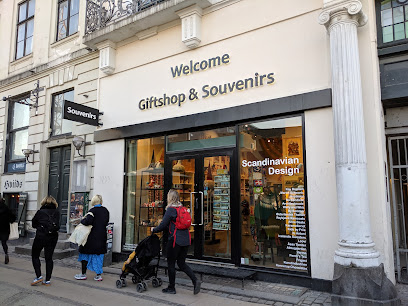
Welcome Giftshop & Souvenirs
1.2 km
Central Copenhagen’s cosy hygge boutique for Danish design, classic souvenirs, and easy last-minute gifts just off bustling Kongens Nytorv square.
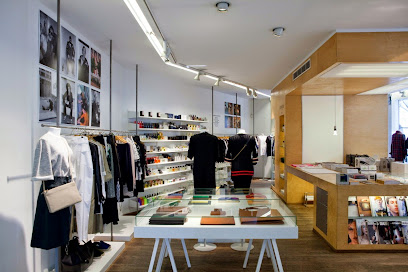
Storm - design art fashion
1.2 km
A pioneering Copenhagen concept store where avant-garde fashion, art, design objects and niche fragrances meet in a minimalist, gallery-like space on Store Regnegade.
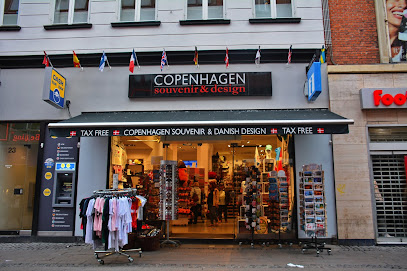
Copenhagen Souvenir & Design
1.2 km
Denmark's premier souvenir destination offering authentic Danish heritage, contemporary design, and quality gifts across seven city-center locations.
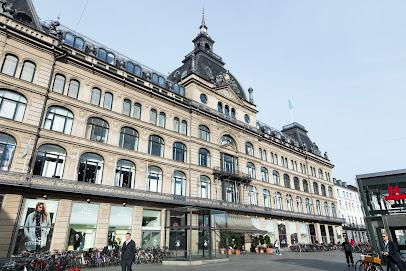
Magasin du Nord
1.2 km
Copenhagen’s classic department store: historic architecture, Nordic style, gourmet treats and relaxed cafés gathered under one elegant roof on Kongens Nytorv.
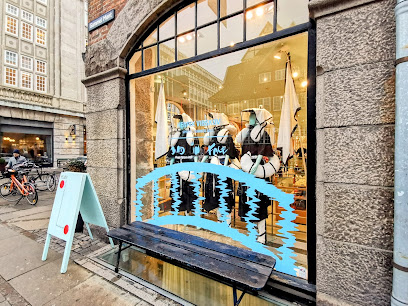
Henrik Vibskov Boutique
1.2 km
Step off the cobblestones of Gammel Mønt into Henrik Vibskov’s offbeat fashion laboratory, where avant‑garde silhouettes, artful interiors and curated design collide.
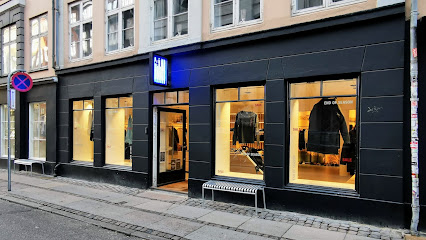
Norse Projects
1.3 km
Scandi-cool flagship store pairing minimalist Nordic design with functional, all-season clothing in a calm, gallery-like space in central Copenhagen.
Essential bars & hidden hideouts

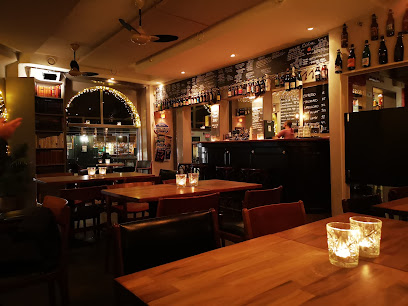
Black Swan
0.6 km
Craft-forward, cosy and unpretentious, Black Swan is Copenhagen’s inner-city local where rotating taps, serious cider and good conversation flow late into the night.
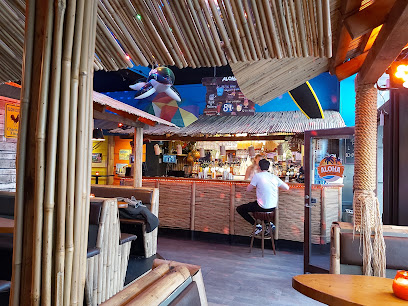
Aloha Beach Bar
1.0 km
Island-inspired cocktails, neon glow and late-night party vibes packed into a compact tropical bar just off Gothersgade in central Copenhagen.
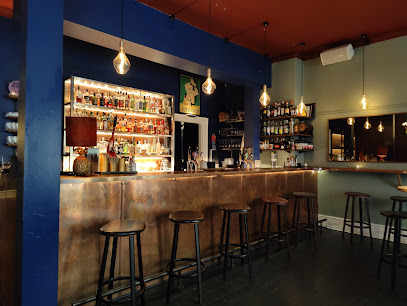
Bar Deco
1.1 km
Intimate Art Deco–inspired cocktail bar near Kongens Nytorv, pairing crafted drinks with moody lighting and a relaxed, grown‑up Copenhagen atmosphere.
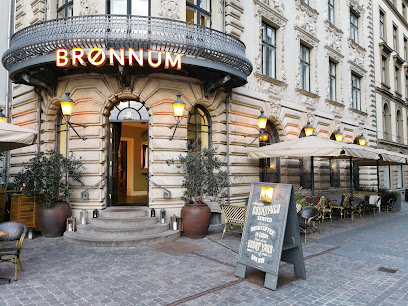
Brønnum
1.1 km
An opulent, multi‑room cocktail bar steps from Kongens Nytorv, where historic townhouse elegance meets contemporary mixology and candlelit late‑night conversation.
Balthazar
1.2 km
A luxurious Champagne bar at Hotel d’Angleterre, pairing an extensive bubbles list and crafted cocktails with velvet-luxe interiors and a lively DJ-backed ambience.
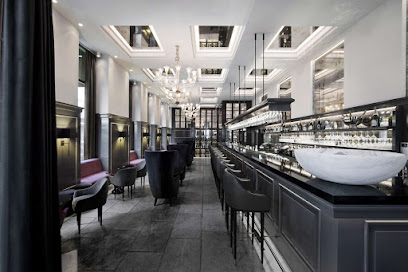
Trykbar
1.2 km
Cosy, central Copenhagen bar with a strong beer list, warm lighting and a laid-back, inclusive atmosphere that blends hygge with lively late-night energy.
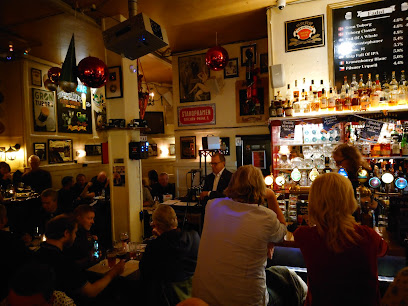
1105
1.2 km
Intimate, dimly lit cocktail bar in Copenhagen’s 1105 postcode, pairing dark, elegant interiors with carefully crafted Nordic-inspired drinks and classic mixes.
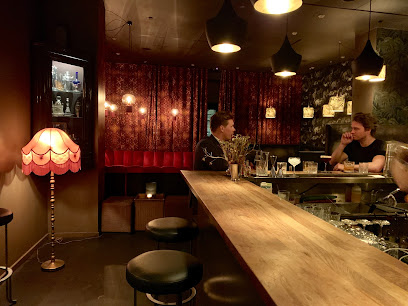
TATA Cocktail Bar
1.2 km
A velvet-draped, fireplace-warmed cocktail hideaway inside Hotel Sanders, where classic mixology, Danish design and theatre-inspired charm blend seamlessly.
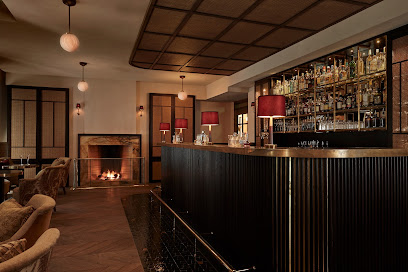
The Moose
1.2 km
Graffiti-plastered walls, infamous moose murals and cheap late-night beers make this smoky Indre By dive bar a gritty, unpolished slice of Copenhagen nightlife.
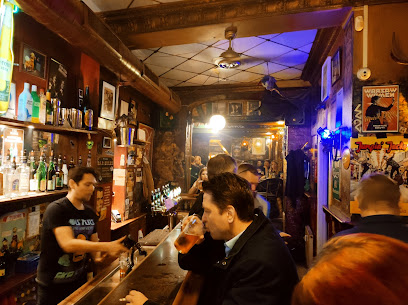
Charlie's Bar
1.3 km
Discover the enchanting atmosphere of Charlie's Bar, a cozy haven in Copenhagen offering a diverse drink selection and a vibrant local vibe.
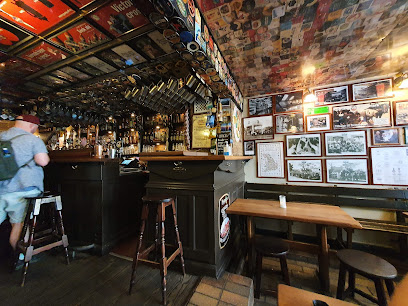
Bo-Bi Bar
1.3 km
Experience the vibrant nightlife of Copenhagen at Bo-Bi Bar, where delightful drinks and a welcoming atmosphere await.
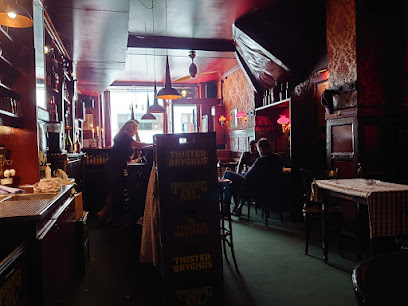
Gejser Bar
1.4 km
Craft cocktails and Mediterranean cuisine in Copenhagen's most welcoming sophisticated bar.
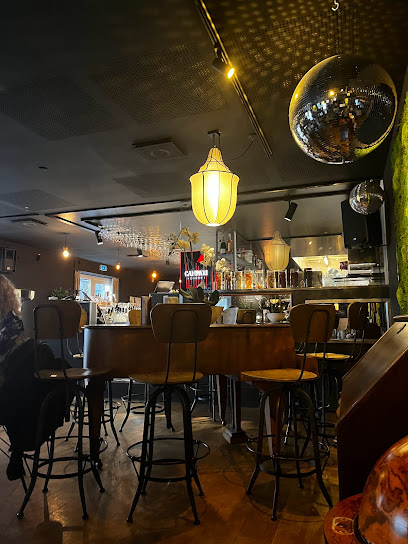
Balderdash
1.5 km
Copenhagen’s candlelit cocktail laboratory in a 1732 townhouse, where hygge, art and daring seasonal drinks turn a quiet side street into an unforgettable night out.
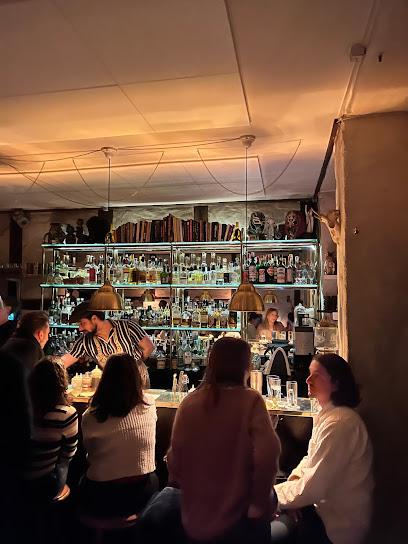
K-Bar
1.5 km
Intimate harbourfront cocktail den in central Copenhagen, known for monochrome style, inventive infusions and quietly confident classics poured with real care.
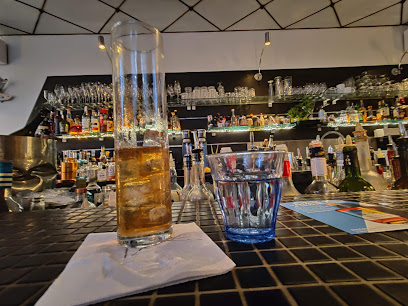
Bar'Vin
1.5 km
Discover the charm of Bar'Vin, a cozy restaurant and wine bar in Copenhagen, offering exquisite wines and delicious Danish cuisine.
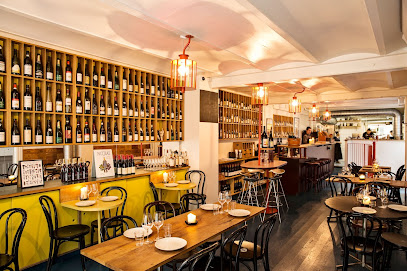
Nightclubs & after hour spots

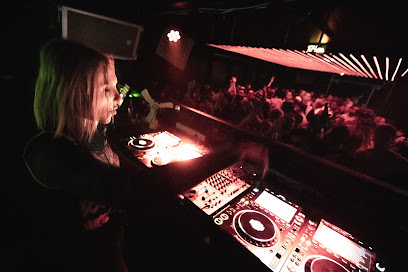
Culture Box
0.8 km
Discover the heartbeat of Copenhagen's nightlife at Culture Box, where music, art, and dance create an unforgettable experience.
Mini Bar
1.1 km
Discover the vibrant nightlife of Copenhagen at Mini Bar, a premier night club offering eclectic tunes and a lively atmosphere for unforgettable nights.
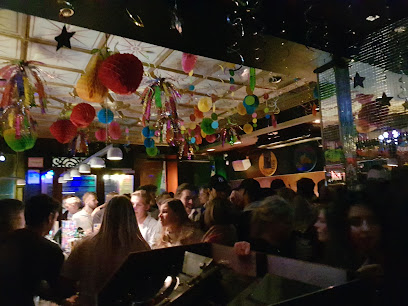
Lusso
1.1 km
A compact, high-end Copenhagen nightclub with champagne-forward table service, dim lighting and a stylish late-night crowd just steps from Kongens Nytorv.
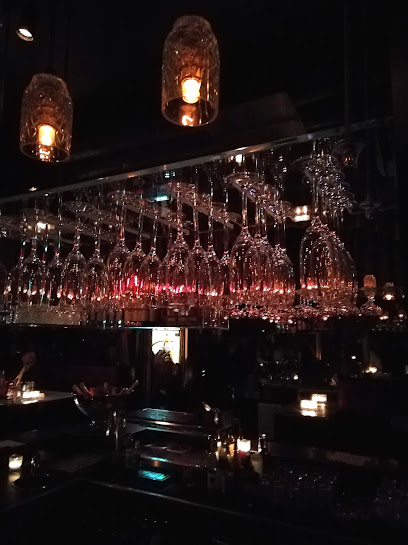
The Zoo
1.2 km
Intimate late-night nightclub on Sværtegade in Copenhagen’s historic center, blending a compact dance floor, DJ-driven beats and a casual, social bar atmosphere.
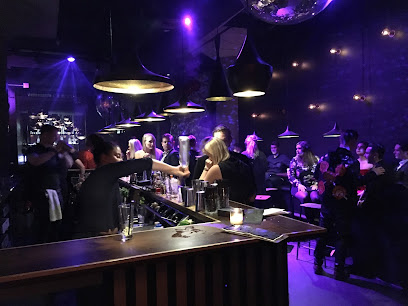
Operaen
1.6 km
Compact harbourfront nightclub near Copenhagen’s modern opera house, mixing DJ-driven beats, local crowds and late-night energy by the inner-city waterfront.
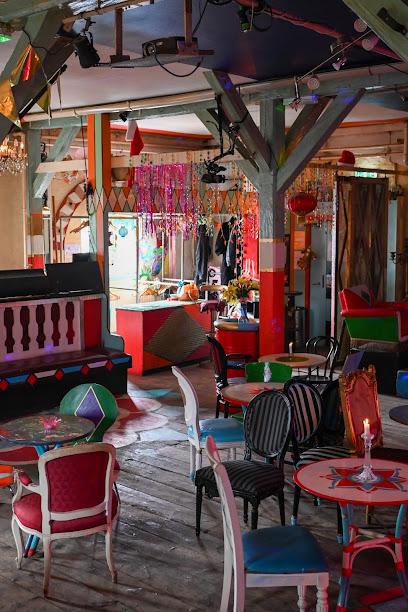
Mirage
1.7 km
Dive into the electrifying nightlife at Mirage, Copenhagen's premier night club for an unforgettable evening of music, dancing, and entertainment.

Arch
1.7 km
Discover the vibrant nightlife of Copenhagen at Arch, a premier night club offering electrifying music and an unforgettable atmosphere.
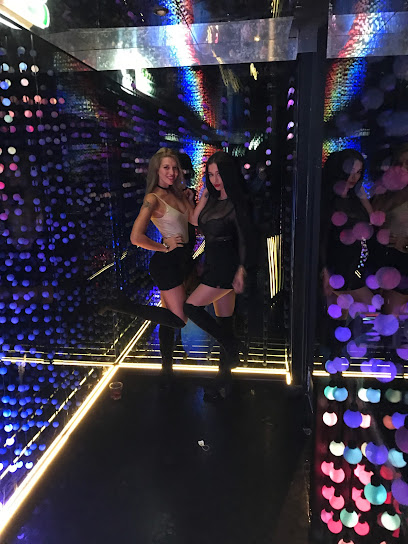
Chateau Motel
1.8 km
Discover the lively nightlife of Copenhagen at Chateau Motel, a top destination for cocktails and dancing in a vibrant atmosphere.
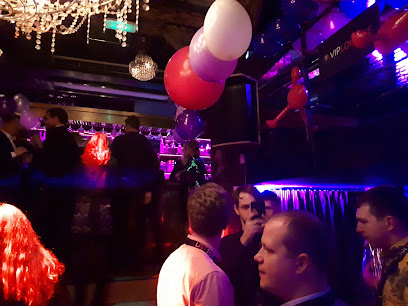
Hive
1.8 km
Copenhagen's premier high-end nightclub with cutting-edge design, VIP service, and immersive themed experiences.
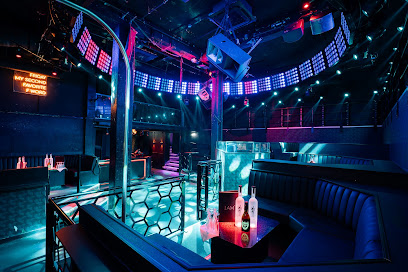
Rumors
1.8 km
Discover the heart of Copenhagen's nightlife at Rumors, where energetic vibes and unforgettable nights await you.
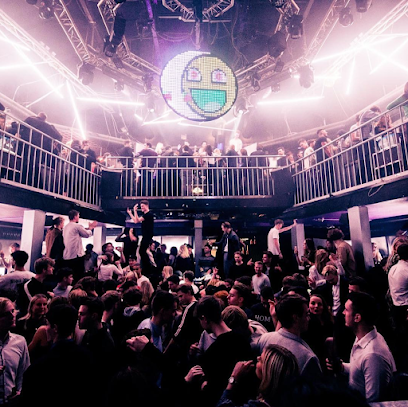
Mirror
1.8 km
Dive into the heart of Copenhagen's nightlife at Mirror, where the rhythm never stops and unforgettable memories are made.
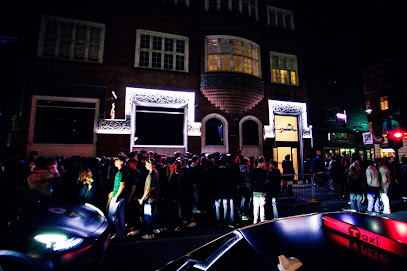
La Terraza
1.9 km
Compact nightclub on Studiestræde in Copenhagen’s old town, offering loud beats, straightforward drinks and an unpretentious late-night dance floor.
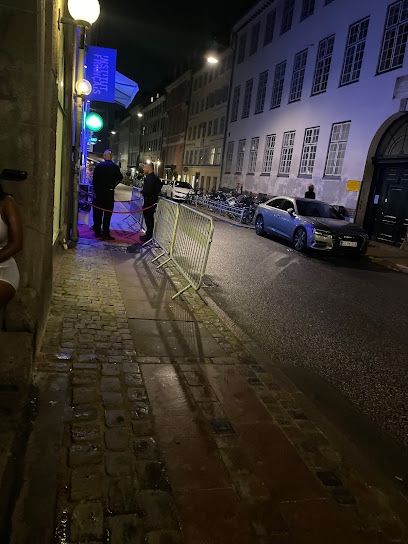
Miami Bar
1.9 km
Discover Copenhagen's nightlife at Miami Bar, where cocktails and dancing create unforgettable nights in a vibrant atmosphere.
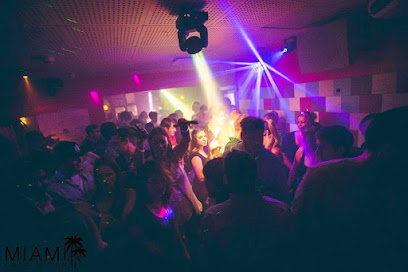
Zefside
1.9 km
Intimate cocktail den turned late-night dance spot, Zefside blends crafted drinks, DJ beats and canal-side charm in the heart of central Copenhagen.
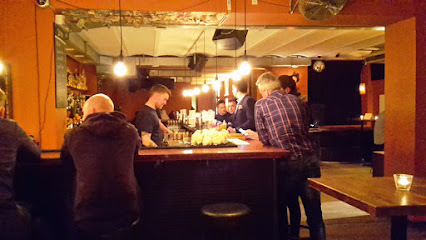
Dorsia
2.0 km
Central Copenhagen nightclub with late‑night DJs, cocktails and an image‑conscious crowd packed into a dark, modern interior off busy Kattesundet.
For the vibe & atmosphere seeker
- Scenic
- Tranquil
- Unique
- Casual
For the design and aesthetic lover
- Modern Designs
- Minimalist Designs
For the architecture buff
- Historic
- Art & Design
- Landmarks
For the social media creator & influencer
- Photo Spots
- Architectural Shots
- Reel-Friendly
For the eco-conscious traveler
- Public-Transport Accessible
- Low Impact
For the kind of experience you’re after
- Cultural Heritage
- Photowalk
- Day Trip
- Mindfulness
For how adventurous you want the journey to be
- Easy Access
Location Audience
- Family Friendly
- Senior Friendly
- Child Friendly
- Teen Friendly
- Wheelchair Access
- Solo Friendly
- Couple Friendly
- Solo Female Friendly
- Business Friendly


