

St. Paul's Church, Køge Travel Guide
Free Guide: Red-brick Romanesque revival in Copenhagen’s historic Nyboder, St. Paul’s Church marries naval heritage, serene worship and quietly striking architecture.


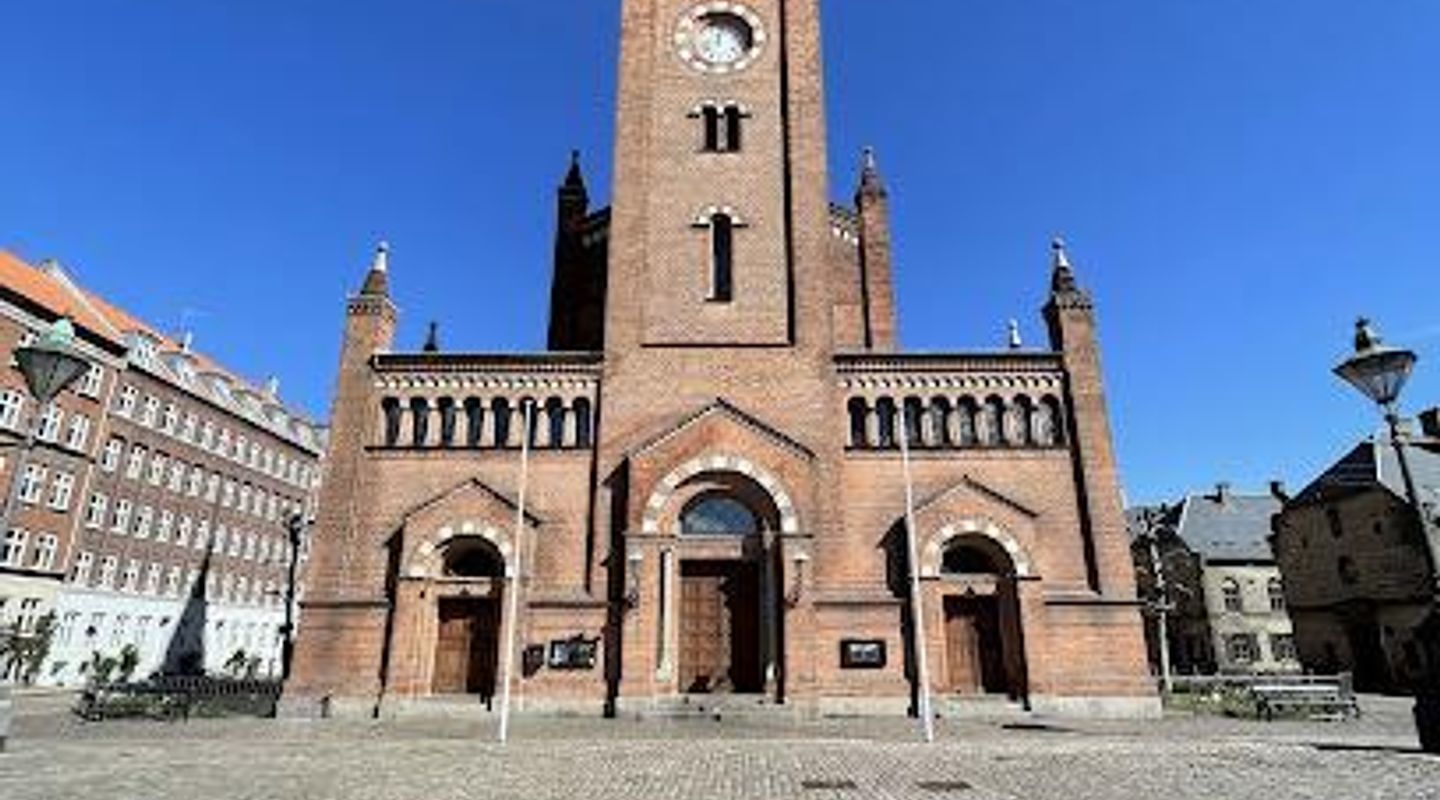
A brief summary of St. Paul's Church
Red-brick Romanesque revival in Copenhagen’s historic Nyboder, St. Paul’s Church marries naval heritage, serene worship and quietly striking architecture.
St. Paul’s Church rises in red brick at the heart of Copenhagen’s historic Nyboder district, long known for its regimented yellow naval housing. Completed in 1877 and designed by Johannes Emil Gnudtzmann, this Neo‑Romanesque Lutheran church blends Italian Renaissance inspirations with Danish brickwork, a tall spire and rounded arches. Step inside for calm light, sculptural details and an active parish life of services, organ music and cultural events just a short stroll from central city sights.
On-site amenities
 Restrooms
 Seating areas
 Trash bins
 Information boards
- Address
- Gernersgade 33, 1319 København
- Phone
- Website
Getting there
Metro and walking
City bus
Bicycle
Taxi or rideshare
Discover more about St. Paul's Church
A red-brick landmark in the sailors’ quarter
St. Paul’s Church stands where regimented rows of yellow houses meet a sudden burst of red brick and stone. Raised between 1872 and 1877 as Nyboder’s long-awaited parish church, it gave Copenhagen’s naval families their own spiritual home after more than two centuries without a local sanctuary. The church quickly earned the nickname “Nyboder’s Church”, anchoring the neighbourhood with its tower, gables and confident silhouette.From a distance, the building reads as a classic 19th‑century statement of faith in brick. Up close, you notice the robust walls, the carefully patterned masonry and a composition that terminates the visual axis of surrounding streets, making the church a natural focal point in the urban landscape.
Brick, arches and the Neo-Romanesque vision
Johannes Emil Gnudtzmann’s design blends Neo‑Romanesque solidity with Italian Renaissance influences, all interpreted through Danish brick traditions. The exterior is dominated by warm red brick, rounded arch windows and arcades, and a tower that rises above Nyboder’s low rooflines. String courses, blind arcades and subtle ornamentation give rhythm to the façades without overwhelming them.Step inside and the same language of rounded arches continues in the nave arcades and chancel. The relatively simple, spacious interior draws your eye towards the altar and up into the roof structure. Light filters through high-set windows, catching carved details, the crucifix and other liturgical furnishings. The overall impression is one of measured harmony: devotional without being dark or heavy.
Nyboder, the navy and a changing city
The story of St. Paul’s is tightly bound to Nyboder. This district was founded in the 17th century under King Christian IV as housing for the professional Danish navy, and its distinctive yellow terraces once housed generations of seafaring families. By the late 1800s, Copenhagen’s population boom created pressure for new churches, and Nyboder finally received one of its own.Over the decades, demographic shifts meant the parish population shrank, and at one point St. Paul’s even appeared on lists of churches proposed for closure. Instead, the decision was taken to restore and reinvigorate the building. Today it stands as a reminder of how the city has repeatedly reinvented itself while preserving key pieces of its military and social heritage.
Inside the sanctuary: art, organ and atmosphere
Within the church, liturgical art and music play a central role. A gilded crucifix above the altar focuses the interior, replacing an earlier painted altarpiece. Sculptural details and modest stained glass add quiet colour rather than spectacle. The organ, whose origins date back to the late 19th century, has been rebuilt and expanded over time and now underpins services, concerts and special events with a rich, resonant sound.The atmosphere on non‑service days is hushed and contemplative. Wooden pews, stone floors and the faint scent of wax create a sense of continuity, while changing exhibitions or artistic installations occasionally animate side chapels and walls. It is a space where everyday parish life and cultural programming coexist under the same vaulted ceiling.
Visiting amid Copenhagen’s central sights
St. Paul’s Church occupies a particularly convenient corner of central Copenhagen, within walking distance of the King’s Garden, major museums and the harbour fortifications. Yet the Nyboder streets around it feel calmer than nearby boulevards, with long rows of yellow houses framing the church tower in unexpected vistas.Most visitors drop in briefly to admire the architecture, enjoy a moment of quiet or listen in on organ practice. Others plan a longer stop to attend a service or concert. Whether you stay ten minutes or an hour, the church offers an illuminating counterpoint to the city’s palaces and galleries: a working parish in a historic military neighbourhood, where brick, faith and everyday life continue to meet.
Evendo Review Centre
 Google
Guest reviews
Best time to go
Quietest: Jan, Feb & Mar · before 7am or from 10pm
Busy times are Evendo estimates for a typical year, to help you plan. Actual crowds vary with events, school holidays and the weather.
Explore St. Paul's Church on the map
A handpicked selection of must-see spots near St. Paul's Church, mapped for you.
Get your free copy of our complete guide to St. Paul's Church, delivered straight to you.
Everything on this page, from opening hours and how to get there to Eve’s tips and the best time to go, in one PDF you can read offline, print or share.
Already have an account? Sign in
Your St. Paul's Church guide is ready.
We'll send it to · Not you? Sign out

Getting your guide ready…
We are putting together a fresh copy of the St. Paul's Church guide. This can take up to a minute.
This can take a few moments. If your browser asks, choose Allow so the download can start. You'll find the guide in your Downloads folder.
Nothing happened? Download it again
Sorry, the guide is taking longer than usual. Please try again in a minute, or get it by email instead.
Other nearby places you may find interesting
The closest places of the same kind, if this one is not quite what you had in mind.
-
-
-
-
-


Swipe for more places
More to explore near St. Paul's Church

 Best experiences near St. Paul's Church
 Best hotels near St. Paul's Church
 Best landmarks near St. Paul's Church
 Best attractions near St. Paul's Church
 Best shops near St. Paul's Church
 Best restaurants near St. Paul's Church
 Best bars near St. Paul's Church
Do you manage this location?
Take control to get all the benefits, like improved information, better appearance, and stronger visibility across AI-powered discovery.
Explore more
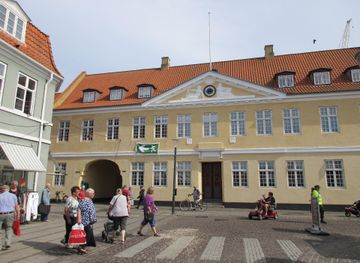
Explore more of Køge
Explore Køge, Denmark's coastal gem, with its medieval charm, beautiful marina, and close proximity to the stunning Stevns Klint UNESCO World Heritage site.
Explore Køge
Explore more of Denmark
Discover Denmark: A perfect blend of history, modern design, and the cozy concept of hygge. Explore vibrant cities, serene landscapes, and world-class cuisine.
Explore Denmark
