

Best Landmarks Near The Lakes (Køge)
Planning a trip to The Lakes? Discover the best landmarks nearby with history, expert tips, and routes. Free on web or the Evendo app.


The best landmarks near The Lakes
- Top rated
- Closest to The Lakes
- Price level: low to high
- Time to spend: shortest first
- A–Z
46 landmarks
-
Observatory4.5★23,445 reviews
The Round Tower
Rising above Copenhagen's Latin Quarter since 1642, the Round Tower (Rundetaarn) is a living monument to Danish royal ambition and scientific curiosity. Built by King Christian IV as an astronomical observatory, this iconic landmark features a unique 200-metre spiral ramp, a former university library hall now hosting contemporary exhibitions, and a panoramic viewing platform offering 360-degree views across Copenhagen's spires and rooftops. The active observatory remains staffed during winter evenings, and the tower welcomes over 650,000 visitors annually.
Daily 10:00–20:00Price level $Time to spend 1–2.5 hrs
-
Plaza4.4★20,129 reviews
City Hall Square
City Hall Square (Rådhuspladsen) is Copenhagen’s grand civic stage—a bustling urban plaza framed by striking architecture and brimming with Danish history. Anchored by the ornate City Hall, this iconic gathering place sits at the crossroads of tradition and contemporary life, offering visitors sweeping views, historical monuments, and a pulse on the city’s vibrant street scene.
-
Castle4.6★18,989 reviews
Rosenborg Castle
Rosenborg Castle is a spectacular Renaissance palace in central Copenhagen, famed for its elegant gardens, lavish interiors, and the Danish Crown Jewels. Built by King Christian IV in the early 17th century, its regal rooms, grand halls, and royal collections offer a captivating glimpse into Denmark’s royal heritage. The castle sits within the scenic King’s Garden, inviting travelers to step into history, marvel at ornate treasures, and explore beautifully preserved architecture.
Daily 10:00–17:00
-
Castle4.5★17,960 reviews
Christiansborg Palace
Commanding the heart of Copenhagen’s Indre By, Christiansborg Palace is a grandiose former royal residence now housing Denmark’s parliament, Supreme Court, and state rooms. Visitors are drawn to opulent halls, resplendent royal tapestries, hidden medieval ruins, and panoramic tower views, all layered with over 800 years of monarchical drama and national intrigue.
Daily 10:00–17:00
-
Plaza4.4★17,291 reviews
Kongens Nytorv
Kongens Nytorv, or 'The King's New Square,' is Copenhagen's most iconic public plaza and a vital cultural hub in the heart of the old town. Dating back to the 17th century, this grand square is surrounded by prestigious institutions including the Royal Danish Theatre, the elegant Hotel D'Angleterre, and Kunsthal Charlottenborg art gallery. At its center stands an equestrian statue of King Christian V from 1688—Denmark's oldest royal equestrian sculpture. The square serves as a major transport hub with metro access and is steps away from the colorful Nyhavn canal and Strøget, Europe's longest pedestrian shopping street. Whether exploring world-class architecture, enjoying seasonal markets, or simply soaking in Copenhagen's historic atmosphere, Kongens Nytorv offers an unforgettable introduction to the city's character and charm.
Time to spend 0.5–3 hrs
-
Garden4.6★11,940 reviews
The King's Garden
The King's Garden, also known as Kongens Have, is Denmark’s oldest and most-visited public park, located around the stately Rosenborg Castle in the heart of Indre By, Copenhagen. With its manicured Renaissance lawns, blooming flowerbeds, and romantic pavilions, the garden offers both tranquil beauty and a glimpse into royal history, attracting locals and tourists for leisurely strolls, picnics, and open-air events.
Daily 7:00–22:00
-
Church4.6★7,670 reviews
Frederik's Church
Frederik's Church, commonly known as the Marble Church, is Copenhagen's most iconic Baroque landmark featuring Scandinavia's largest copper dome. Located in the elegant Frederiksstaden district adjacent to Amalienborg Palace, this stunning 79-meter-high church offers free entry to its serene interior and paid dome tours with panoramic city views. The church's remarkable 145-year construction journey—from 1749 to 1894—reflects Denmark's architectural ambition and resilience.
Mon–Sat 10:00–17:00 · Sun 12:30–17:00Time to spend 0.5–2.5 hrs
-
Park4.4★5,690 reviews
Fælledparken
Fælledparken, located in Østerbro, is Copenhagen’s largest public park—a lush expanse of meadows, lakes, sports facilities, and playgrounds. Opened in 1908, this vast green retreat is a hub for community life, major city events, and peaceful escapes. Locals and visitors alike come here to picnic under grand old trees, jog by the ponds, catch open-air concerts, or join in on festival fun. Whether it’s a quiet weekday afternoon or a lively May Day gathering, Fælledparken is the living backyard of central Copenhagen.
-
Cathedral4.5★3,193 reviews
Church of Our Lady
Rising above the old streets of central Copenhagen, the Church of Our Lady is the city’s serene Neoclassical cathedral and spiritual heart. Rebuilt and consecrated in 1829 after the British bombardment of 1807, it combines clean, temple-like lines by architect C.F. Hansen with world‑famous sculptures by Bertel Thorvaldsen, including the iconic Christus statue and the twelve apostles. Inside, a calm, pale interior, soft organ music, and a long history of royal ceremonies and national milestones make this a quietly powerful stop between shopping streets and student hangouts.
Time to spend 0.5–2 hrs
-
Bridge4.5★2,881 reviews
Dronning Louises Bro
Queen Louise's Bridge is an iconic 1887 granite landmark spanning Copenhagen's central lakes, connecting the city centre with the vibrant Nørrebro district. Designed by architect Vilhelm Dahlerup in French Empire style, this beloved crossing features elegant arches, cast-iron railings decorated with bronze cartouches, and integrated lampposts. The bridge serves as both a vital urban artery and a cherished social gathering space, offering evening views of Nørrebro's famous neon lights and providing access to nearby cultural attractions.
Open 24 hoursTime to spend 0.5–2 hrs


Stork Fountain
Set at the heart of Copenhagen’s Amagertorv square on Strøget, the Stork Fountain is a graceful bronze landmark and classic meeting point in the old town. Unveiled in 1894 as a gift in honor of Crown Prince Frederik and Crown Princess Louise’s silver wedding anniversary, its trio of storks rises above a circular basin amid elegant historic façades, busy cafés, and flagship shops. Today it is free to visit around the clock and is famed for the joyful tradition of newly graduated midwives dancing around the fountain each spring.
Open 24 hoursTime to spend 0.5–1.5 hrs

Memorial Anchor
Set at the landward end of Copenhagen’s postcard‑perfect Nyhavn canal, the Memorial Anchor is a powerful open‑air monument to Danish civilian sailors who died at sea during the Second World War. The massive 19th‑century anchor from the frigate Fyn rests on a cobbled plinth with commemorative plaques and a buried capsule listing the names of the dead. Surrounded by colourful 17th‑century townhouses and historic wooden ships, it combines maritime history, quiet remembrance and one of the city’s most photogenic urban scenes.
Open 24 hoursTime to spend 0.5–1.5 hrs

Copenhagen City Hall
Copenhagen City Hall is a striking National Romantic masterpiece completed in 1905, dominating Rådhuspladsen with its red-brick façade and 105.6-metre clock tower. The building houses the world-renowned Jens Olsen's World Clock, an astronomical marvel that took 27 years to construct, alongside ornate public halls, a peaceful interior garden, and a library. Free entry to public areas makes it an essential stop for understanding Danish civic heritage and architectural craftsmanship.
Mon–Fri 9:00–16:00 · Sat 9:30–13:00Time to spend 1–3 hrs

Bishop Absalon
Rising above Copenhagen’s central Højbro Plads, the equestrian statue of Bishop Absalon honors the warrior-bishop traditionally regarded as the city’s founder. Unveiled in 1902 on the 700th anniversary of his death, the bronze figure shows Absalon in armor on a rearing horse, facing Christiansborg where his medieval fortress once stood. Its richly detailed brick-and-granite plinth weaves in symbols of herring, the Øresund, and ecclesiastical heraldry, making this compact monument a vivid lesson in how a fishing hamlet grew into Denmark’s capital.
Open 24 hoursTime to spend 0.5–1.5 hrs

Strøget
Strøget is one of Europe's longest pedestrian shopping streets, stretching 1.1 kilometers through the heart of Copenhagen. This iconic thoroughfare connects City Hall Square to Kongens Nytorv, offering an eclectic mix of luxury designer boutiques, high street chains, and local Danish shops. Beyond retail, the street pulses with street performers, historic architecture, and charming squares, making it a vibrant cultural hub where shopping, dining, and people-watching converge.
Price level $$Time to spend 1.5–4 hrs

Hans Tavsens Park
Hans Tavsens Park is a tranquil oasis in the heart of Copenhagen, offering a peaceful retreat for tourists and locals alike. With its lush greenery and serene atmosphere, it serves as an ideal spot for relaxation, picnics, and leisurely strolls.
Open 24 hours

The Tower Playground
Located in the heart of Østerbro’s Fælledparken, The Tower Playground (Tårnlegepladsen) is Copenhagen’s most imaginative play destination. Inspired by the city's famous architectural towers, this unique playground invites children to scale, explore, and slide down miniatures of Copenhagen icons. Its creative design, free entry, and central park setting make it an ideal urban escape for families, blending recreational fun with a touch of local history.
Mon–Thu 9:30–17:00 · Fri 10:00–17:00

Assistens Cemetery
A tranquil oasis in bustling Nørrebro, Assistens Cemetery blends history, culture, and nature. Not only the final resting place of famous Danes like Hans Christian Andersen and Søren Kierkegaard, it’s also a peaceful retreat for locals to reflect, stroll among century-old trees, and discover poetic corners sprinkled with art and wildflowers. Entry is free, and the gates welcome visitors daily.
Daily 7:00–22:00

Statue of Andersen
Set on bustling Rådhuspladsen beside Copenhagen City Hall, the bronze statue of Hans Christian Andersen shows Denmark’s beloved fairy‑tale writer seated with a book in his lap, gazing across H.C. Andersens Boulevard toward Tivoli Gardens. Created by sculptor Henry Luckow‑Nielsen and unveiled in 1965, it has become a central city landmark and a favourite photo stop, inviting visitors to pause amid the traffic and plazas and connect the modern capital with the imaginative worlds of Andersen’s stories.
Open 24 hoursTime to spend 0.5–1 hr

St. Alexander Nevsky Church
St. Alexander Nevsky Church brings a striking touch of Russia to central Copenhagen, its golden onion domes rising above elegant Bredgade near Amalienborg Palace. Built in the early 1880s as a Russian Orthodox church linked to the Danish royal family, it is known for its richly decorated iconostasis, frescoes and candlelit interior. Visitors step from the orderly streets of Frederiksstaden into a world of incense, chanted liturgy and intricate Orthodox art, discovering one of the city’s most atmospheric sacred spaces.
Time to spend 0.5–1.5 hrs

Folkets Park
Folkets Park, situated in the vibrant Nørrebro district of Copenhagen, is a beloved community park known for its lively atmosphere and grassroots spirit. Established in the late 1970s by local residents, the park features open lawns, playful installations, murals, a much-loved playground, and spaces for cultural activities. It's a meeting point for families, creatives, and anyone seeking a green oasis amid the city's urban pulse.
Open 24 hours

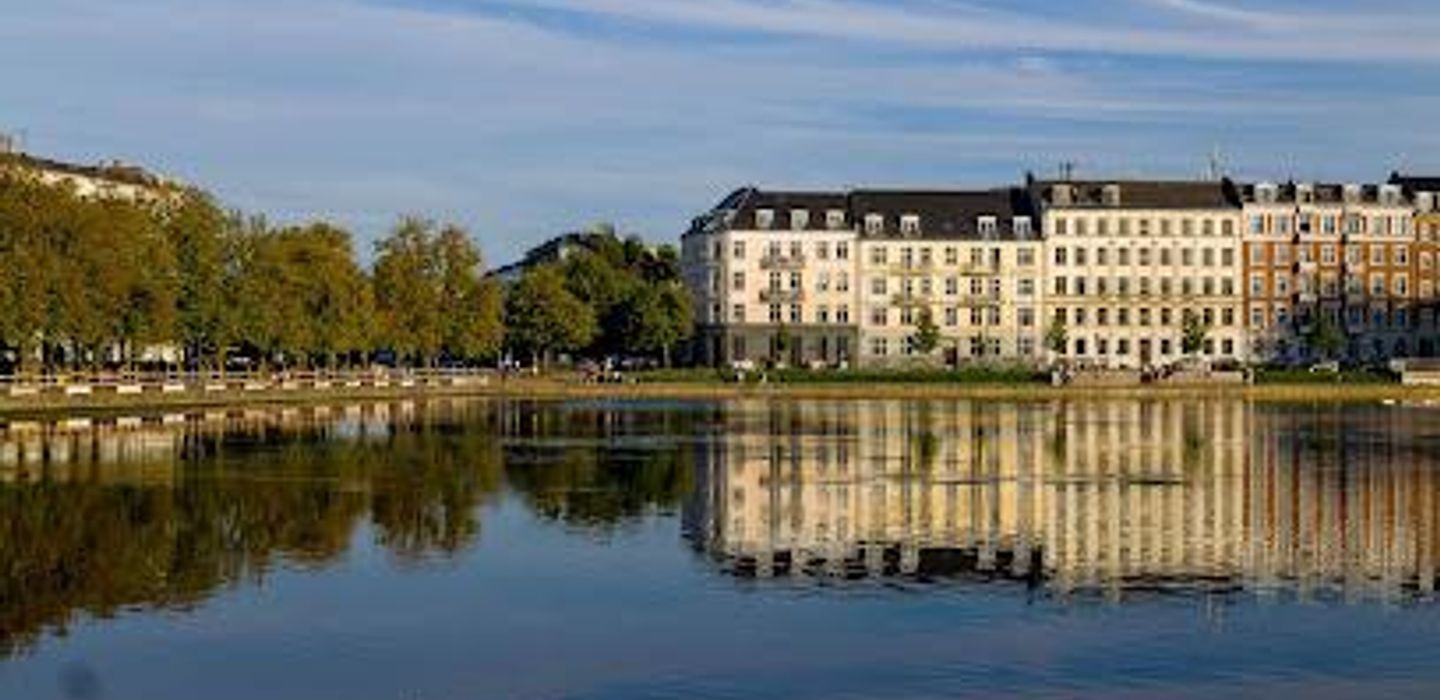
The Lakes
The Lakes, known locally as Søerne, form a captivating chain of three rectangular lakes curving around Copenhagen's western city center. This 6.35-kilometre recreational area features well-maintained walking and cycling paths, abundant birdlife, and seasonal activities from summer boat rentals to winter ice skating. Lined with cafés, restaurants, and abundant seating, the lakes offer a peaceful urban escape perfect for strolling, jogging, picnicking, and people-watching.
Time to spend 1–3 hrs

Jens Olsen's World Clock
A masterpiece of mechanical engineering housed in Copenhagen's City Hall, Jens Olsen's World Clock is one of the world's most precise astronomical timepieces. With 15,448 working parts, this gilded marvel displays not only local and solar time but also planetary positions, celestial events, and a perpetual calendar. Completed in 1955 after decades of meticulous calculation and craftsmanship, the clock requires winding just once weekly and will function accurately for the next 2,500 years.
Mon–Fri 9:30–16:00 · Sat 9:30–13:00Time to spend 0.3–1 hr

The Lakes in Copenhagen
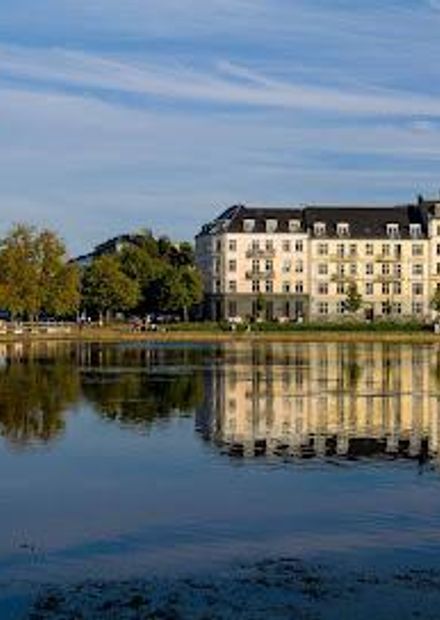
Stretching through the heart of Copenhagen, The Lakes—three interconnected urban basins—offer a tranquil escape from city bustle. Originally medieval moats, they now form a scenic ring on the edge of Nørrebro, perfect for walking, jogging, and relaxing amid swans and city vistas. The broad paths and historic bridges attract both locals and visitors year-round, blending natural beauty with Copenhagen’s vibrant urban energy.
Open 24 hours

Højbro Plads
Højbro Plads, nestled at the edge of Copenhagen's historic center, is a lively public square known for its striking equestrian statue of Bishop Absalon, founder of the city. Framed by classic 18th-century merchant houses and bustling with café culture, the square offers both a window into Denmark’s royal urban history and a convivial meeting spot where locals and visitors cross paths. Beyond its central role in civic life, the square provides a gateway to many of Copenhagen’s greatest sights.

St. Paul's Church
St. Paul’s Church rises in red brick at the heart of Copenhagen’s historic Nyboder district, long known for its regimented yellow naval housing. Completed in 1877 and designed by Johannes Emil Gnudtzmann, this Neo‑Romanesque Lutheran church blends Italian Renaissance inspirations with Danish brickwork, a tall spire and rounded arches. Step inside for calm light, sculptural details and an active parish life of services, organ music and cultural events just a short stroll from central city sights.
Time to spend 0.5–1.5 hrs

Agnete and the Merman Statue
Half-hidden beneath the surface of Copenhagen’s Slotsholm Canal by Højbro Bridge, the bronze group "Agnete and the Merman" is one of the city’s most atmospheric sculptures. Created in 1992 by Danish artist Suste Bonnén, the underwater figures depict a merman and his seven sons reaching longingly toward the world above, inspired by a centuries-old folk ballad about love, faith, and abandonment. Subtle by day and theatrically lit after dark, it rewards those who pause on the bridge and really look into the water.
Open 24 hoursTime to spend 0.5–1 hr

Jorcks Passage
A historic covered shopping arcade in central Copenhagen, Jorcks Passage connects the famous Strøget pedestrian street to Skindergade. Built between 1893 and 1895 by confectionary manufacturer Reinholdt W. Jorck, this four-story Historicist building features distinctive architectural details including ornamental columns topped with statues of toddlers, decorative floor mosaics, and a bust of its founder. Today it houses boutique shops, children's clothing stores, and cafés, making it both a shopping destination and an architectural landmark in Copenhagen's Inner City.
Mon–Fri 10:00–19:00 · Sat–Sun 10:00–16:00Price level $$Time to spend 0.5–2 hrs

Højbro Pl.
Højbro Plads is Copenhagen's vibrant central square, anchored by an iconic equestrian statue of Bishop Absalon, the city's legendary founder. Connecting the bustling Strøget shopping street to Slotsholmen island, this historic gathering space offers stunning views of the Højbro Bridge, Christiansborg Palace, and the picturesque canal. The square pulses with local life year-round, transforming into a festive Christmas market during the holidays and hosting major cultural events like the Copenhagen Jazz Festival.
Time to spend 0.5–2 hrs

Magstræde
Magstræde is one of Copenhagen’s oldest and most atmospheric streets, famed for its cobblestones and centuries-old colorful houses. Winding quietly through the heart of Indre By, it offers a glimpse into historical Copenhagen, untouched by modern redevelopment. The street’s medieval charm and diverse architecture make it a must-see for both history enthusiasts and photographers.
Open 24 hours

Lur Blowers
Towering above Copenhagen’s busy City Hall Square, the Lur Blowers monument is a 20m‑high bronze-and-brick column topped by two caped figures playing ancient-style lurs, the curved Bronze Age horns of Scandinavia. Gifted by the Carlsberg foundations in 1914 to mark brewer J. C. Jacobsen’s centenary, it has become one of the city’s most recognisable silhouettes. Up close, the red-brick column, circular bench and finely modelled musicians reward a lingering look amid the urban bustle of Rådhuspladsen.
Open 24 hoursTime to spend 0.5–1 hr

Amagertorv
Amagertorv is Copenhagen's most central public square and the vibrant heart of the Strøget pedestrian zone. Named after medieval Amager farmers who sold produce here, this historic triangular square has anchored Copenhagen's commercial and social life for nearly 1,000 years. Today it's dominated by the iconic Stork Fountain and surrounded by prestigious shops, historic Renaissance buildings, and constant street entertainment, making it an essential stop on any Copenhagen visit.
Time to spend 0.5–2 hrs

Vandkunsten Springvand
Tucked into the intimate cobbled square of Vandkunsten in Copenhagen’s Old Town, Vandkunsten Springvand is a compact 1910 fountain that quietly anchors centuries of urban history. Its granite stele, fish‑scale reliefs and bronze fish heads recall the square’s past as a fish market and as a vital water supply site connected to the royal castle. Today it offers a calm, atmospheric pause amid historic facades, inviting you to linger, watch the play of water and imagine medieval Copenhagen life flowing around this spot.
Open 24 hoursTime to spend 15–45 min

Sankt Hans Torv
Sankt Hans Torv is a lively triangular square at the center of Nørrebro, Copenhagen’s most multicultural neighborhood. Known for its buzzing cafés, street art, and history as a gathering point for locals, this urban plaza offers an authentic slice of city life, where students, creatives, and families mingle amid historic architecture and a relaxed atmosphere.

Wilhelm Hansens Hus
Tucked into central Copenhagen’s Gothersgade, Wilhelm Hansens Hus is the former headquarters of the influential music publisher Wilhelm Hansen, once a powerhouse in Danish and European music life. Behind a modest historic facade near Kongens Nytorv, this house evokes an era when sheet music, composers and copyright deals shaped the city’s cultural scene. Today it is primarily an architectural and historic point of interest, best appreciated as a quick cultural stop on a wider stroll through the elegant streets between Kongens Nytorv, Rosenborg Castle and the city’s inner canals.
Time to spend 15–30 min
Varehuset Messen
Varehuset Messen is a former grand department store at Købmagergade 42 in the heart of Copenhagen’s Old Town. Completed in 1895 and designed by architect Emil Blichfeldt, the five‑storey corner building combines richly detailed historicist architecture with large display windows and a striking rooftop statue of Hermes by sculptor Julius Schultz. Once a pioneering modern emporium, it now houses Niels Brock Copenhagen Business College, with a memorial plaque recalling scientist Niels Steensen’s connection to the site.
Open 24 hoursTime to spend 0.5–1 hr

Søtorvet 2
Søtorvet 2 occupies one of the prime corners of the historic Søtorvet ensemble, a late‑19th‑century residential complex fronting the Copenhagen Lakes at the city‑side end of Queen Louise Bridge. Raised between 1873 and 1876 in an ornate neo‑Renaissance style inspired by French historicism, the building combines corner towers, mansard roofs and richly detailed façades. Today it forms part of a photogenic urban gateway between the inner city and lively Nørrebro, with café life, water views and constant city bustle on its doorstep.
Time to spend 0.5–1.5 hrs

Sankt Hans Torv
Sankt Hans Torv is a vibrant public square in Copenhagen's Nørrebro district, transformed through urban renewal into a beloved gathering space. Dominated by a striking granite sculpture and lined with inviting cafés, the square blends rich history—from its origins as part of Blegedam Common to its role as a cattle market—with contemporary urban life. The adjacent St. John's Church, the oldest in Nørrebro, anchors the area's cultural significance.
Time to spend 0.5–3 hrs

Gråbrødretorv
Gråbrødretorv is a charming medieval square nestled in Copenhagen's historic Latin Quarter, surrounded by colorful 17th-century townhouses and lively cafés. This pedestrian-friendly plaza serves as a cultural hub where locals and visitors gather to dine, shop, and soak in authentic Danish atmosphere. The square's intimate setting, lined with independent boutiques and cozy eateries, makes it an ideal spot for leisurely exploration of one of Europe's most walkable cities.
Price level $$Time to spend 1–3 hrs

Nørrebrogade
Nørrebrogade is Copenhagen's principal shopping street and the vibrant heart of the alternative Nørrebro neighbourhood. Stretching approximately 2.15 km from The Lakes to Nørrebro Station, this bustling thoroughfare blends international fashion chains with independent boutiques, vintage shops, and design galleries. The street pulses with multicultural energy, lined with cafés, restaurants, and bars that reflect the area's creative character. Side streets like Elmegade, Jægersborggade, and Blågårdsgade offer curated design finds, artisanal goods, and some of Copenhagen's best gastronomy. Once a gritty district, Nørrebro has transformed into one of Europe's coolest neighbourhoods, attracting visitors seeking authentic Copenhagen culture beyond mainstream tourist zones.
Price level $$Time to spend 2–5 hrs

Nytorv 2
Nytorv (New Square) is a historic public square in central Copenhagen, Denmark, forming a unified space with the adjoining Gammeltorv as part of the Strøget pedestrian zone. Created by Christian IV in 1610, the square is dominated by the imposing Neoclassical façade of the Copenhagen Court House, designed by Christian Frederik Hansen and completed in 1815. Once a bustling marketplace where butchers worked and executions took place, Nytorv has transformed into a vibrant cultural hub hosting jazz festivals and public gatherings. Today it stands as a lively centerpiece of Copenhagen's medieval old city.
Time to spend 0.5–2 hrs
Nørrebro
Nørrebro is Copenhagen's most vibrant and culturally diverse neighbourhood, transformed from a working-class district into a creative hub brimming with independent shops, street art, and multicultural cuisine. Located north of the city centre across the iconic Dronning Louise's Bridge, this densely populated area pulses with café culture, vintage boutiques, and a distinctly local atmosphere that attracts young professionals, creatives, and community-minded visitors seeking authentic Copenhagen.
Price level $$Time to spend 2–4 hrs

Indre By
Indre By, Copenhagen's inner city, is the historic heart of Denmark's capital and home to most of the city's major attractions. Bounded by lakes and the harbor, this medieval district features cobblestone streets, iconic landmarks like Christiansborg Palace and Amalienborg Palace, world-class museums, and Strøget—one of Europe's longest pedestrian shopping streets. The area blends centuries-old architecture with vibrant cafés, restaurants, and galleries, making it essential for any Copenhagen visit.
Price level $$Time to spend 4–8 hrs

Højbro
Højbro is an elegant 19th‑century arch bridge in the heart of Copenhagen, linking the city centre at Højbro Plads with the island of Slotsholmen and Christiansborg Palace. Designed in 1878 by Vilhelm Dahlerup and later widened, its steel arches rest on granite plinths above the calm Slotsholmens Kanal. Today it carries a steady flow of cyclists, cars and pedestrians, and hides a haunting underwater sculpture, Agnete and the Merman, just below its railing.
Time to spend 0.2–1 hr

Bredgade 18
Bredgade 18 sits on one of Copenhagen’s most prestigious streets, a short stroll from the royal quarter of Frederiksstaden. Behind its classically proportioned facade, the building mirrors the grand architectural rhythm that defines Bredgade, a boulevard lined with mansions, churches and cultural institutions. While not a headline attraction itself, Bredgade 18 offers a quiet, authentic glimpse of Copenhagen’s urban fabric, ideal for architecture fans exploring the street’s elegant streetscape on foot.
Time to spend 0.5–1 hr

H. C. Andersens Blvd.
H. C. Andersens Boulevard is one of Copenhagen’s main thoroughfares, slicing past City Hall Square and Tivoli Gardens in the heart of the city. Named after Denmark’s beloved fairy-tale writer, it pairs heavy traffic with grand civic buildings, the famous bronze statue of Hans Christian Andersen, and easy access to key sights. This broad avenue is less a single attraction than a vivid urban corridor where Copenhagen’s literary heritage meets its everyday bustle.
Time to spend 0.5–2 hrs
Explore The Lakes on the map
A handpicked selection of must-see spots near The Lakes, mapped for you.
More about The Lakes
The Lakes travel guide
Copenhagen's peaceful inner lakes: a 6.35-km loop of tranquility, birdlife, and authentic local culture.
Tell me more about The LakesMore to explore near The Lakes

 Best experiences near The Lakes

 Best hotels near The Lakes

 Best attractions near The Lakes

 Best shops near The Lakes

 Best bars near The Lakes

 Best restaurants near The Lakes
Explore more
Explore more of Køge
Explore Køge, Denmark's coastal gem, with its medieval charm, beautiful marina, and close proximity to the stunning Stevns Klint UNESCO World Heritage site.
Explore Køge
Getting your guide ready…
We are putting together a fresh copy of the The Lakes guide. This can take up to a minute.
This can take a few moments. If your browser asks, choose Allow so the download can start. You'll find the guide in your Downloads folder.
Nothing happened? Download it again
Sorry, the guide is taking longer than usual. Please try again in a minute, or get it by email instead.

