

Agnete and the Merman Statue, Køge Travel Guide
Free Guide: A hidden underwater drama in Copenhagen’s Slotsholm Canal, where a merman and his sons reach eternally toward the world above in a haunting folk-tale tableau.


A brief summary of Agnete and the Merman Statue
A hidden underwater drama in Copenhagen’s Slotsholm Canal, where a merman and his sons reach eternally toward the world above in a haunting folk-tale tableau.
Half-hidden beneath the surface of Copenhagen’s Slotsholm Canal by Højbro Bridge, the bronze group "Agnete and the Merman" is one of the city’s most atmospheric sculptures. Created in 1992 by Danish artist Suste Bonnén, the underwater figures depict a merman and his seven sons reaching longingly toward the world above, inspired by a centuries-old folk ballad about love, faith, and abandonment. Subtle by day and theatrically lit after dark, it rewards those who pause on the bridge and really look into the water.
On-site amenities
 Restrooms
 Drink options
 Food options
 Seating areas
 Trash bins
 Information boards
Opening hours
- Every dayOpen 24 hours
Opening hours as listed on the venue’s Google Business Profile. Hours can change for services and special events, so check with the venue before you go.
- Address
- Højbro, 1061 København
- Website
Getting there
Metro and short walk
Bus from central Copenhagen
Walking from City Hall Square
Discover more about Agnete and the Merman Statue
A submerged tale beneath Højbro Bridge
Concealed just below the surface of the Slotsholm Canal, beside busy Højbro Bridge in central Copenhagen, the bronze sculpture group "Agnete and the Merman" reveals itself only to those who take the time to peer into the water. At first you may see just a hint of a face or an outstretched arm, then gradually the whole tragic tableau appears: a merman and his seven sons, stranded on the canal bed and reaching upwards in eternal longing.Placed here in 1992, the work is striking precisely because it sits in such a visible yet easily overlooked location. Around it swirl canal boats, commuters and cyclists, while the figures below remain silent and unmoving, like a private drama playing out beneath everyday city life.
Folklore of Agnete and her forsaken family
The sculpture is rooted in a traditional Danish ballad about Agnete, a young woman who leaves the land to marry a merman and live with him beneath the sea. Over time she bears him seven sons and settles into an underwater life far removed from her village origins. One day, hearing church bells from the shore, she is drawn back to visit the world she left behind. Once on land, Agnete chooses not to return to her husband and children, leaving them to wait for her in vain.Bonnén’s figures capture the moment after her abandonment. The merman stands with arms uplifted, his expression poised between hope and despair, while the sons show different shades of grief: a face buried in hands, a body twisted upward, fingers straining toward the surface they cannot cross. The missing figure of Agnete herself is what makes the group so poignant; her absence is the sculpture’s central presence.
Suste Bonnén’s underwater composition
Danish sculptor, photographer and author Suste Bonnén chose bronze and an underwater setting to underline the feeling of separation in the story. The figures stand on a submerged platform, their greenish patina blending with reeds, algae and the shifting reflections from the canal. Ripples can distort their shapes, so the scene appears to flicker and move, as if the family were still alive beneath the water.At low, calm water the details are surprisingly clear: muscular torsos, expressive hands, and the individual postures of each child. When the surface is choppy, the group becomes ghostlike, emerging and vanishing as boats pass. At night, underwater lighting casts them in blue or golden tones, turning the canal into an impromptu stage set.
Between grand monuments and hidden art
Just a glance away rise the imposing facades of Christiansborg Palace and historic houses lining the canal, yet "Agnete and the Merman" feels intimate and almost secret. There are no grand plinths or wide viewing terraces here; instead you lean over the railings of Højbro or stand by the canal edge, sharing the same water level as the figures below.Because the sculpture sits slightly off typical sightlines, it often registers as a personal discovery. You may find yourself pointing it out to others on the bridge, tracing the shapes underwater and recounting the legend. It offers a quiet counterpoint to the more famous mermaid on Copenhagen’s waterfront, expanding the city’s world of sea-born myths beyond a single image.
Experiencing the mood of the canal
The best way to appreciate the work is to linger and watch how the canal changes the scene. On bright mornings the water can be almost transparent, turning the figures into a clear, three-dimensional frieze. In overcast weather they appear darker and more melancholy, while at dusk the reflections of streetlamps, bicycles and passing boats mingle with the underwater lights.Even if you know the legend, the installation invites multiple readings: a story about migration between worlds, a meditation on promises broken, or simply a reminder that the city holds layers of history and narrative beneath its polished surface. For a brief moment on the bridge, Copenhagen’s mythic past and its everyday present overlap in the depths below your feet.
Evendo Review Centre
 Google
Guest reviews
Best time to go
Quietest: Jan, Feb & Mar · before 7am
Busy times are Evendo estimates for a typical year, to help you plan. Actual crowds vary with events, school holidays and the weather.
Explore Agnete and the Merman Statue on the map
A handpicked selection of must-see spots near Agnete and the Merman Statue, mapped for you.
Get your free copy of our complete guide to Agnete and the Merman Statue, delivered straight to you.
Everything on this page, from opening hours and how to get there to Eve’s tips and the best time to go, in one PDF you can read offline, print or share.
Already have an account? Sign in
Your Agnete and the Merman Statue guide is ready.
We'll send it to · Not you? Sign out

Getting your guide ready…
We are putting together a fresh copy of the Agnete and the Merman Statue guide. This can take up to a minute.
This can take a few moments. If your browser asks, choose Allow so the download can start. You'll find the guide in your Downloads folder.
Nothing happened? Download it again
Sorry, the guide is taking longer than usual. Please try again in a minute, or get it by email instead.
Unlock the best of Agnete and the Merman Statue
Skip-the-line tickets, guided tours with entry, and walking tours of the area, booked in a few clicks.


Other nearby places you may find interesting
The closest places of the same kind, if this one is not quite what you had in mind.
-
Mindesmærke for slagene i Køge Bugt Harbourfront monument where stone, sea breeze and maritime symbols keep the naval battles of Køge Bugt and their admirals alive on Køge’s working waterfront.
-
Vallø Castle A Renaissance castle reborn: where Danish nobility found refuge and history survived the flames.
-
Køge Church Medieval tower, Denmark's first lighthouse, baroque treasures in a historic port town.
-
Køge bølgebryder Industrial waterfront landmark offering sweeping sea vistas and authentic coastal atmosphere.
-
Køge Torv Denmark's largest medieval town square, where seven centuries of history unfold on cobblestones.
Swipe for more places
More to explore near Agnete and the Merman Statue
-
 Best experiences near Agnete and the Merman Statue
-
 Best hotels near Agnete and the Merman Statue
-
 Best landmarks near Agnete and the Merman Statue
-
 Best attractions near Agnete and the Merman Statue
-
 Best shops near Agnete and the Merman Statue
-
 Best restaurants near Agnete and the Merman Statue
-
 Best bars near Agnete and the Merman Statue







Do you manage this location?
Take control to get all the benefits, like improved information, better appearance, and stronger visibility across AI-powered discovery.
Explore more
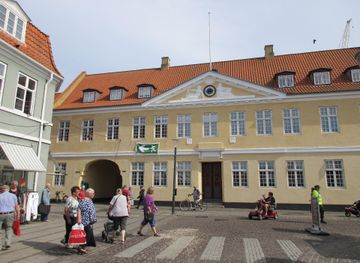
Explore more of Køge
Explore Køge, Denmark's coastal gem, with its medieval charm, beautiful marina, and close proximity to the stunning Stevns Klint UNESCO World Heritage site.
Explore Køge
Explore more of Denmark
Discover Denmark: A perfect blend of history, modern design, and the cozy concept of hygge. Explore vibrant cities, serene landscapes, and world-class cuisine.
Explore Denmark
