Leuchtturm, Langeland Travel Guide
A modest 1897 lighthouse at the quiet end of Bukkeskovvej, Tranekær Fyr offers big sea views, maritime history and island solitude rather than formal attractions.
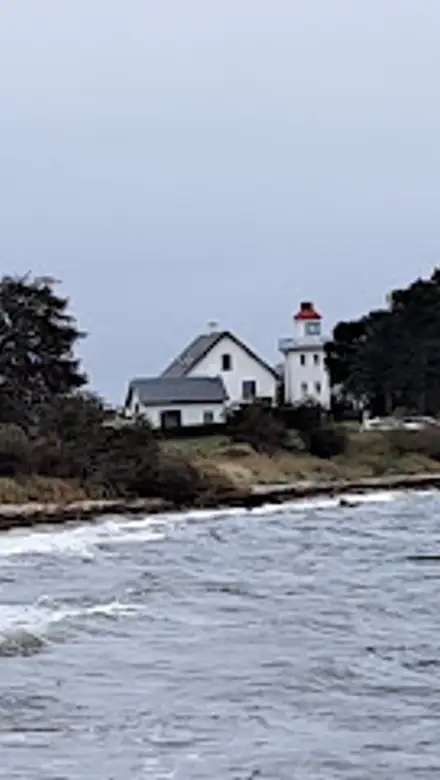
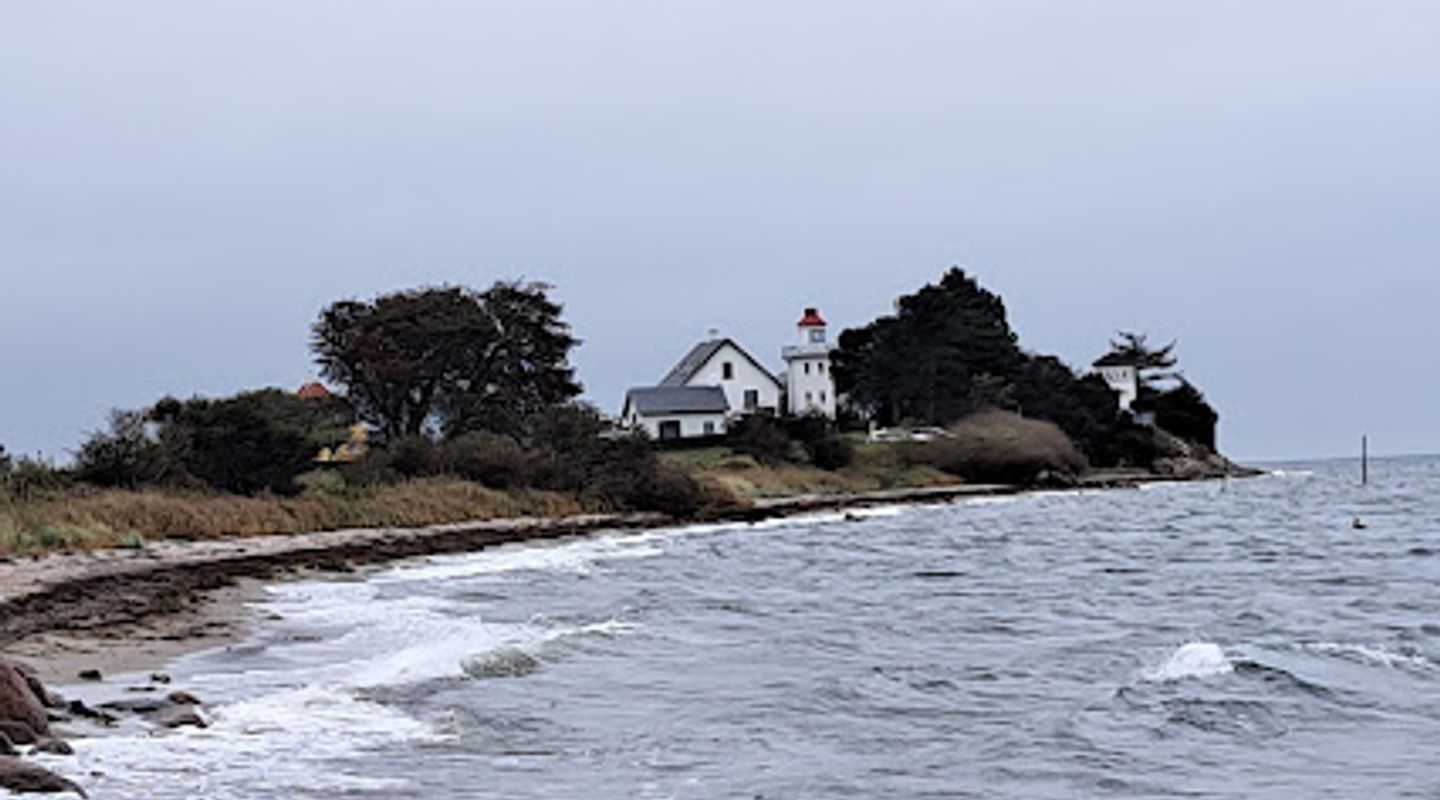
Set on the quiet north coast of Langeland, Tranekær Lighthouse is a modest 9‑metre coastal beacon standing at the end of Bukkeskovvej, about 4 km east of Tranekær village. Built in 1897 and decommissioned in 1977, it now serves as a nostalgic maritime landmark overlooking the Langelandsbælt strait. You come here for the windswept sea views, the sense of solitude and the glimpse into the island’s seafaring past rather than for facilities or tours.
A brief summary to Leuchtturm
- Bukkeskovvej 9, Tranekær, 5953, DK
- Duration: 0.5 to 1 hours
- Free
-
 Outdoor
- Mobile reception: 4 out of 5

Know before you go
Hi, I'm Eve. Here are a few practical things to know before exploring Leuchtturm.
- Plan your stop as part of a wider tour of northern Langeland, combining the lighthouse with Tranekær village and castle for a fuller sense of the area.
- Bring layers and a windproof jacket; the exposed north‑coast location can feel significantly cooler and windier than inland, even on clear days.
- Do not expect access inside the tower or its compound; enjoy the views and photos from outside without crossing fences or closed boundaries.
Do you manage this location?
Take control to get all the benefits, like improved information, better appearance, and stronger visibility across AI-powered discovery. Learn more about listing your business on Evendo
Activate your presenceOther nearby places you may find interesting
The closest places of the same kind, if this one is not quite what you had in mind.
Explore Leuchtturm on the Map
A handpicked selection of must-see spots near Leuchtturm, mapped for you.
Getting There
-
Car from Rudkøbing
From Rudkøbing on Langeland, reaching Tranekær Lighthouse by car typically takes 25–30 minutes, following main island roads north and then east toward Tranekær and the coast. The last stretch is along a narrow country road with limited passing places but normal passenger cars are sufficient. There is informal roadside space near the end of Bukkeskovvej rather than a marked car park, and access can feel exposed in strong winds, especially in winter. No road tolls apply, and the journey is free aside from fuel costs.
-
Bus plus short walk from Tranekær village
Regional buses connect Rudkøbing with Tranekær village in around 25–35 minutes, running several times a day on weekdays and less frequently at weekends. From Tranekær, allow roughly 45–60 minutes on foot along lightly trafficked rural roads to reach the end of Bukkeskovvej, where the lighthouse becomes visible. Surfaces are generally paved but lack continuous pavements, so this option is best in daylight and fair weather. A single bus ticket on Langeland typically costs in the range of 30–40 DKK depending on zones.
-
Cycling from Tranekær area
Confident cyclists can reach the lighthouse from Tranekær and nearby country accommodations in about 20–30 minutes, using quiet rural roads that gently roll through open farmland. The route has no dedicated cycle lanes, so you share space with local traffic, but vehicle volumes are usually low. Coastal winds can strongly affect effort, particularly on the return leg. There is no formal bike parking at the end of Bukkeskovvej; you simply leave your bicycle off the roadside while you enjoy the views.
Discover more about Leuchtturm
A quiet beacon on Langeland’s north shore
Tranekær Lighthouse stands where the fields of northern Langeland meet the sea, at the very end of a country road east of Tranekær village. The tower is relatively small by lighthouse standards – just 9 metres from base to lantern – yet its white silhouette and simple lines make it an unmistakable landmark against the low coastline. It marks a stretch of water that has long been important for ships passing through the Langelandsbælt strait between Fyn and Lolland.The setting is deliberately understated. There is no grand visitor centre, only the exposed coastal landscape, the sound of wind and waves, and the structure itself set back from the shoreline. The lighthouse is best appreciated as part of the wider seascape: a quiet place to pause on a tour of northern Langeland, linking Tranekær’s castle and village with the open water beyond.From 1897 workhorse to retired coastal landmark
The present lighthouse was completed in 1897, replacing earlier navigational aids that had served this coast. It was built at a practical height to lift the light beam just enough above sea level to be seen by vessels navigating the strait, without the need for a massive tower on this relatively flat shore. For decades, its revolving light was part of the nightly rhythm for mariners threading between the islands.Tranekær Lighthouse’s working life ended in the late 20th century when modern navigation technology and changing shipping routes reduced the need for its beam. The light was finally switched off in 1977, closing an era in which keepers and technical staff maintained the installation through winter storms and long dark seasons. Today, the structure remains as an intact relic of that period, its exterior still clearly legible as a piece of functional maritime architecture.Architecture in miniature and a sense of seclusion
Architecturally, the lighthouse is a study in Danish restraint. The tower is compact and geometric, attached to a low keeper’s building typical of smaller coastal lights. Details are few: simple window openings, a modest gallery below the former lantern, and a clean profile that makes the building photogenic from several angles. It is an example of late 19th‑century utility design, where durability and clarity of form mattered more than ornament.What gives the place its character, however, is less the structure itself and more the feeling of being almost at the edge of the island. The road simply ends, yielding to the open sea. On clear days you can scan the horizon for passing ships and distant islands; in rougher weather the site feels exposed, the wind carrying the smell of salt and seaweed. It is this combination of modest building and wide horizon that makes a short stop here memorable.Visiting a closed but visible site
Both the tower and the immediate compound are closed to the public, so visits are about viewing rather than entering. The lighthouse can be seen from near the end of Bukkeskovvej, where the coastal panorama opens up. This means there is no climbing of stairs or access to the lantern gallery; instead you experience the lighthouse from ground level, using it as a focal point in the landscape.Because there are no on‑site services, you should not expect restrooms, cafés or formal picnic areas here. The appeal is its simplicity: a quick detour to stretch your legs, take a few photographs and enjoy the coastal atmosphere. Combined with a walk or cycle through Tranekær’s gently rolling countryside, the lighthouse becomes a low‑key highlight on a broader exploration of northern Langeland.Link in Langeland’s maritime story
Tranekær Lighthouse forms part of a network of lights around Fyn and the surrounding islands that once worked together to guide vessels safely through Danish coastal waters. Seen in that context, this small tower is one chapter in a longer maritime narrative that includes larger lighthouses, harbour lights and buoys across the region. Its continued presence helps keep that story visible in the landscape.For travelers, stopping here adds depth to an itinerary that may otherwise focus on Tranekær Castle and the island’s rural villages. It connects the inland history of noble estates and farmland with the sea that shaped trade, communication and livelihoods for centuries. Even without access inside, the lighthouse stands as a crisp visual reminder of how closely tied Langeland has always been to the water surrounding it.












Your all‑in‑one travel companion app
Explore expert travel guides, compare and book tours, experiences, hotels, and more—all from the palm of your hand. Download now for seamless trip planning wherever your wanderlust takes you.


Explore More of Langeland
Looking beyond Leuchtturm? Discover Langeland for broader travel guides, local hot-spots, and regional highlights.
Explore Langeland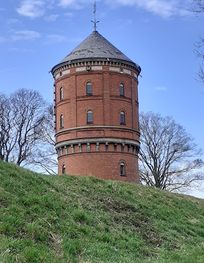
Medieval bulwark crowned with a 1899 water tower, offering rampart walks through Nyborg's fortified heritage.
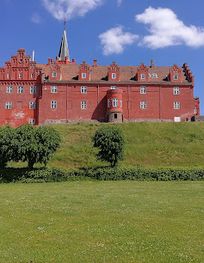
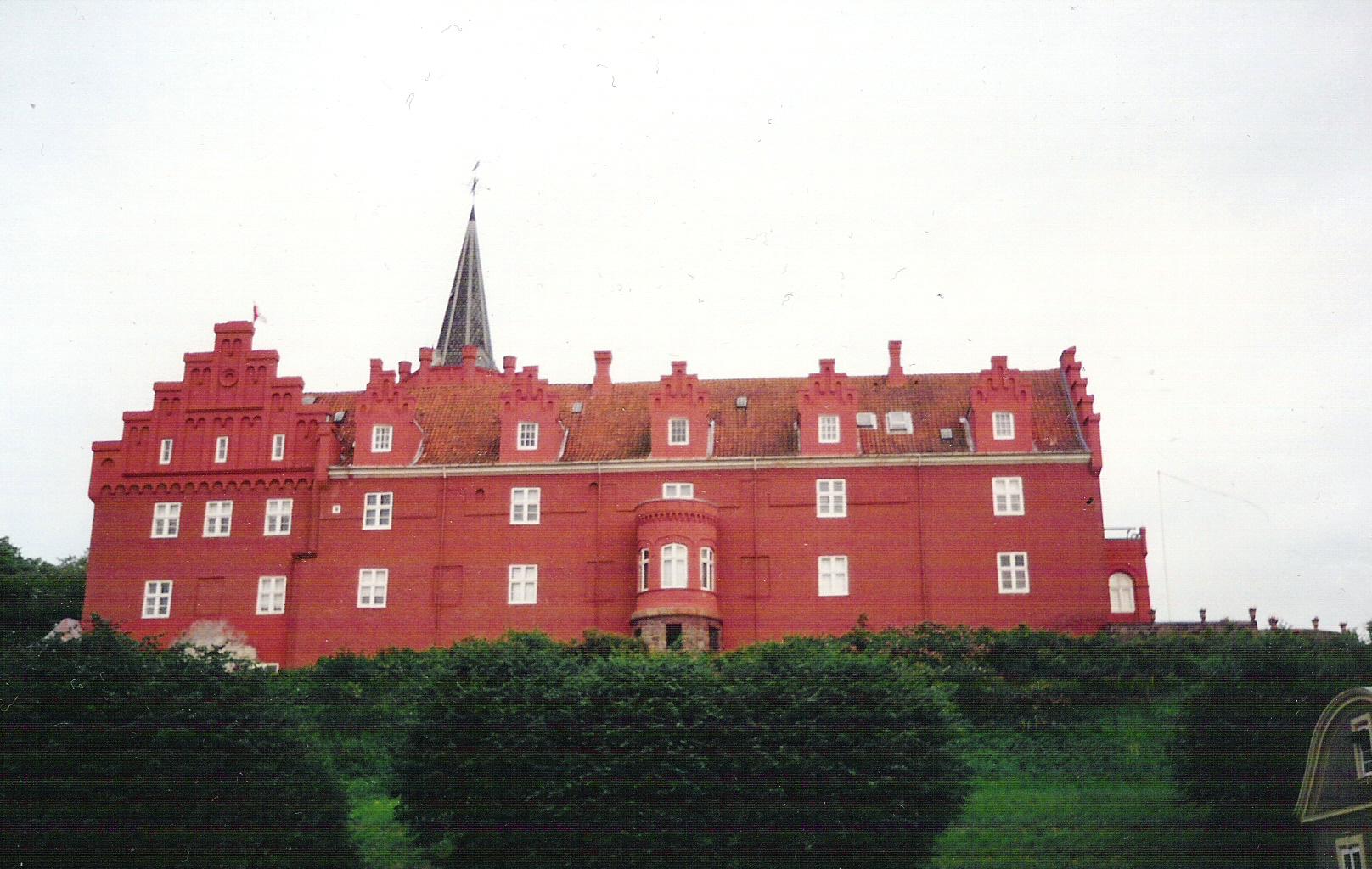
A red-plastered island fortress turned noble family home, Tranekær Castle crowns a hat-shaped hill on Langeland, blending medieval power, romance and working estate life.