

Læsø Vestkyst Travel Guide
Free Guide: Wind-shaped dunes, wide sand and big Kattegat horizons make Læsø Vestkyst a quietly spectacular, protected stretch of wild Danish west coast.


A brief summary of Læsø Vestkyst
Wind-shaped dunes, wide sand and big Kattegat horizons make Læsø Vestkyst a quietly spectacular, protected stretch of wild Danish west coast.
Læsø Vestkyst is a protected stretch of wild west coast on the small Kattegat island of Læsø, where broad beaches, shifting dunes and low, salt-tolerant vegetation meet the open sea. This 160-hectare nature reserve preserves a classic Danish coastal landscape shaped by wind, waves and ongoing land uplift, offering big skies, unspoiled horizons and a strong sense of remoteness just a short distance from the island’s villages.
On-site amenities
 Trash bins
 Information boards
- Address
- 9940 Læsø Municipality
- Website
Getting there
Ferry and bicycle
Ferry and car
Ferry and local bus with walking
Discover more about Læsø Vestkyst
Where the island meets the open Kattegat
Læsø Vestkyst is the island’s raw, westerly edge, facing straight into the winds and waves of the Kattegat. Here the land narrows into a ribbon of pale sand and low dunes, with the sea on one side and a quieter, flatter inland landscape on the other. The coast feels elemental: long, almost empty beaches, the rhythmic roar of surf on days with wind, and a soft hush when the sea lies calm.The area has been legally protected since the 1960s, part of a wider effort to safeguard around a quarter of Læsø’s most valuable natural environments. That early protection kept the shoreline largely free of development, allowing the coast to continue shifting, breathing and reshaping itself in response to storms and currents.
Dunes, heaths and living coastal sandscapes
Behind the beach, rows of sand dunes run parallel to the sea, tufted with tough grasses that anchor the sand. In more stable patches, heather and low shrubs begin to take hold, forming a mosaic of dune heath and open sandy hollows. The transition from wave-washed foreshore to dry, silvered dune ridges happens over just a few steps, but within that short distance the character of the landscape changes completely.These coastal habitats connect visually and ecologically with Læsø Klitplantage and other protected areas further north, creating a broad belt of sandy terrain, heathland and light woodland across the island’s western and northern flank. Together they form important refuges for specialized plants and invertebrates adapted to wind, salt and shifting ground.
Birdlife, marine visitors and subtle seasonal changes
Along the waterline, you are likely to see waders probing the wet sand, gulls riding the breeze and, in the right seasons, migrating birds using the coast as a guiding line. Out at sea, common eiders and other seabirds ride the waves, sometimes joined by the dark silhouettes of cormorants heading to and from offshore feeding grounds.Læsø’s waters are known for their healthy seal populations, and although they are more regularly associated with certain headlands and skerries, the west coast offers the chance of a distant glimpse of resting animals on exposed stones or curious heads breaking the surface beyond the breakers. Seasonal shifts in light, temperature and vegetation growth alter the atmosphere markedly, from bright, wind-scoured winter days to soft summer evenings with long, lingering twilight.
A quiet coast for walking and reflection
For visitors, Læsø Vestkyst is less about facilities and more about the experience of open space. Long, level stretches of firm sand invite unhurried walks, whether you choose a short stroll or follow the shoreline for several kilometres. The soundscape is dominated by natural elements: waves, wind in the dune grasses and the occasional call of seabirds.The simplicity of the setting lends itself to unstructured time outdoors. Many people come here to clear their heads, beachcomb along the wrack line or simply sit in the lee of a dune to watch cloud formations roll in from the west. The broad horizon and ever-changing sky make the coast equally appealing to photographers, sketchers and anyone drawn to big, uncluttered views.
Fragile nature and a landscape still rising
Læsø itself is a raised seabed, slowly emerging from the Kattegat over thousands of years. The west coast is part of this ongoing story of land uplift, where flat shore platforms, beach ridges and low dunes quietly document the island’s growth. Subtle height differences in the terrain show former shorelines now stranded inland, while new sand accumulates at the current water’s edge.Because the area is both geologically active and ecologically sensitive, it benefits from its protected status. Remaining on paths where they exist, avoiding disturbance of nesting birds in spring and early summer, and leaving driftwood, stones and plants in place all help keep the coastal ecosystem intact. Læsø Vestkyst offers a powerful sense of wildness on a small scale, best appreciated with time, patience and a light footprint.
Part of Læsø’s wider natural tapestry
Although the reserve itself focuses on the immediate coastal strip, it is woven into a larger network of beaches, heaths, wetlands and light forests across the island. To the north and east lie dune plantations, high sandy ridges and viewpoints with sweeping panoramas over land and sea. To the south, shallow coastal areas and bird-rich wetlands add further variety.Experiencing Læsø Vestkyst in the context of this broader landscape highlights how diverse the island is despite its modest size. A day that begins with a windblown walk along the west coast can continue inland through young forest or open heath, revealing how closely bound together the different elements of Læsø’s nature really are.
Evendo Review Centre
 Google
Guest reviews
Best time to go
Quietest: Jan, Feb & Dec · before 6am or from 9pm
Busy times are Evendo estimates for a typical year, to help you plan. Actual crowds vary with events, school holidays and the weather.
Explore Læsø Vestkyst on the map
A handpicked selection of must-see spots near Læsø Vestkyst, mapped for you.
Get your free copy of our complete guide to Læsø Vestkyst, delivered straight to you.
Everything on this page, from opening hours and how to get there to Eve’s tips and the best time to go, in one PDF you can read offline, print or share.
Already have an account? Sign in
Your Læsø Vestkyst guide is ready.
We'll send it to · Not you? Sign out

Getting your guide ready…
We are putting together a fresh copy of the Læsø Vestkyst guide. This can take up to a minute.
This can take a few moments. If your browser asks, choose Allow so the download can start. You'll find the guide in your Downloads folder.
Nothing happened? Download it again
Sorry, the guide is taking longer than usual. Please try again in a minute, or get it by email instead.
Other nearby places you may find interesting
The closest places of the same kind, if this one is not quite what you had in mind.
-
-
-
-
-


Swipe for more places
More to explore near Læsø Vestkyst

 Best experiences near Læsø Vestkyst
 Best hotels near Læsø Vestkyst
 Best landmarks near Læsø Vestkyst
 Best attractions near Læsø Vestkyst
 Best shops near Læsø Vestkyst
 Best restaurants near Læsø Vestkyst
 Best bars near Læsø Vestkyst
Do you manage this location?
Take control to get all the benefits, like improved information, better appearance, and stronger visibility across AI-powered discovery.
Explore more
Explore more of Læsø
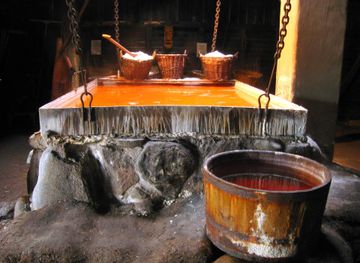
Læsø: Discover Denmark's serene island escape with its tranquil beaches, rich cultural heritage, unique saltworks, and delicious seafood cuisine.
Explore Læsø
Explore more of Denmark
Discover Denmark: A perfect blend of history, modern design, and the cozy concept of hygge. Explore vibrant cities, serene landscapes, and world-class cuisine.
Explore Denmark
