Rønnerne Travel Guide
Free Guide: A wide, wind-brushed salt meadow on southern Læsø where sea, sky, birdlife and centuries of saltmaking history meet in a quietly dramatic landscape.


A brief summary of Rønnerne
A wide, wind-brushed salt meadow on southern Læsø where sea, sky, birdlife and centuries of saltmaking history meet in a quietly dramatic landscape.
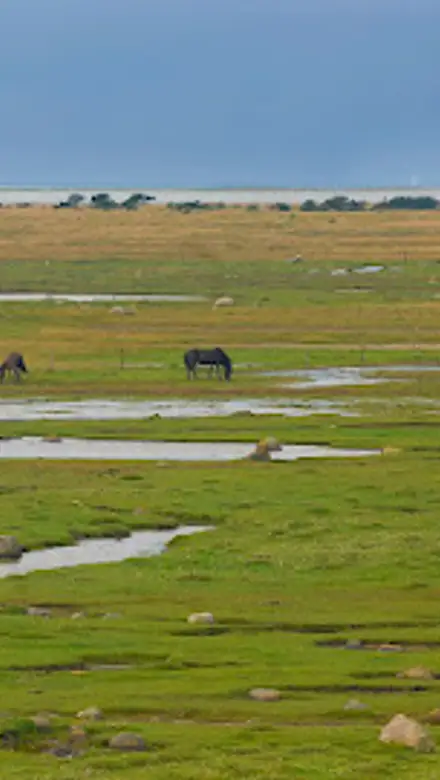
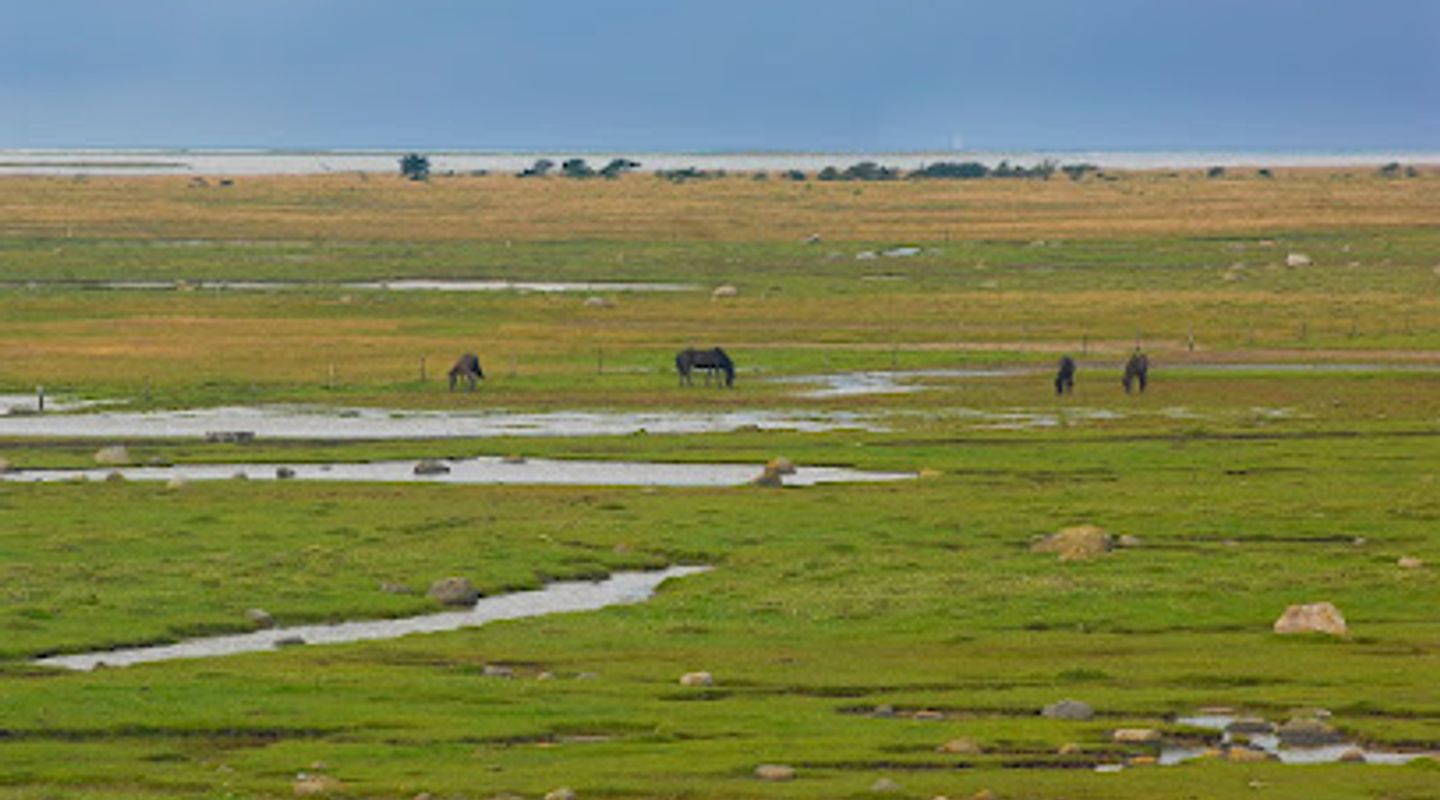
Rønnerne is a wide, windswept tidal salt meadow stretching across southern Læsø, where sea, sky and grasslands blend into a shimmering horizon. Shallow lagoons, creeks and salt-encrusted turf create a unique habitat for wading birds, wildflowers and hardy grazing animals. Long associated with Læsø’s historic salt production, the area combines raw coastal nature with traces of traditional salt huts and information boards. It is a tranquil, low-lying landscape best explored slowly on foot, with waterproof shoes and a watchful eye for birdlife.
On-site amenities
 Information boards
- Address
- 9940 Læsø Municipality
- Website
Getting there
Car or rental car on Læsø
Bicycle from Byrum or nearby villages
Walking from central Læsø
Taxi from ferry terminal or Byrum
Discover more about Rønnerne
Salt-Washed Landscape at the Edge of the Sea
Rønnerne sprawls across the southern side of Læsø as an immense, low-lying salt meadow where the sea has shaped every contour of the land. At high water the flat fields can glisten with temporary pools, and at low tide the surface dries to pale, salt-flecked turf. The horizon feels unusually distant here, with only the faint outline of dunes, farms and salt huts to break the meeting of sea and sky.The ground underfoot tells the story of centuries of flooding and retreat, layered with marine sediments and salt crystals. Grasses and halophytic plants, adapted to brackish conditions, form a patchwork of subtle greens, greys and purples. On still days the shallow water mirrors the clouds; when the wind picks up, ripples chase each other across the flooded hollows, making the entire meadow seem to move.
Birdlife and a Living Coastal Ecosystem
Rønnerne is best known for its rich birdlife. The network of creeks, mudflats and ponds provides feeding grounds for waders probing the soft sediment for invertebrates, while ducks and geese graze the short grass. During migration periods, flocks gather in impressive numbers, using the meadows as a crucial stopover on longer journeys along the North Sea flyway.The open character of the landscape makes spotting wildlife surprisingly easy. Marsh harriers quarter low over the reeds, terns call overhead, and in quieter corners you may see small passerines sheltering among the tussocks. Grazing livestock, often used as a natural management tool, help keep the vegetation low and varied, maintaining a mosaic of habitats that support insects, birds and small mammals.
Salt, Island Life and Historic Traditions
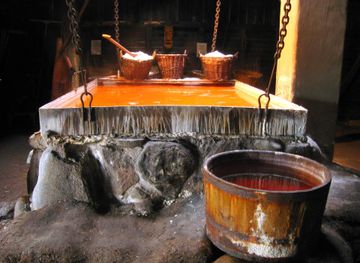
Rønnerne is closely linked to Læsø’s long history of salt production, a practice that once shaped the island’s economy and identity. The briny groundwater beneath these meadows, enriched by centuries of seawater infiltration, provided the basis for boiling and crystallising the island’s famed sea salt. Traditional salt huts near the area demonstrate the old techniques and connect the landscape to the people who worked it.Walking across the meadows, it is easy to imagine earlier centuries when the smell of woodsmoke and boiling brine would have drifted over the flatlands. Today, interpretive signs and restored structures help explain how salt shaped settlement patterns, land ownership and daily life. The combination of cultural history and fragile nature turns Rønnerne into more than a scenic wetland: it is a record of how island communities have adapted to and harnessed the sea.
Experiencing the Measured Calm of the Rønnerne
For visitors, Rønnerne offers a quietly immersive experience rather than dramatic viewpoints. Paths and informal tracks lead out into the meadows, where the main attractions are space, silence and the ever-changing light. The terrain is predominantly flat but can be soft, muddy or waterlogged, especially after rain or high tides, so sturdy, waterproof footwear is essential.Wind is a constant companion; layers and a windproof jacket make even breezy days comfortable. There is little natural shelter, which enhances the sense of openness but also means the weather feels immediate and unfiltered. Many travellers bring binoculars, a thermos and time to simply sit and watch clouds, birds and the subtle movement of the tide across the landscape.
Practical Nature Reserve with a Gentle Footprint
Despite its wild feel, Rønnerne is a managed protected area with discreet infrastructure. Simple information boards help you understand the ecology, and basic amenities may be found near main access points or nearby farmsteads, rather than across the meadows themselves. Wayfinding is relatively straightforward in clear weather, but the flatness can be disorienting in mist, making it wise to stay on recognizable paths.The reserve’s low, fragile vegetation and birdlife benefit from considerate behaviour. Staying on marked routes where indicated, keeping noise down and avoiding disturbance of grazing animals all help preserve the area’s character. With thoughtful preparation and respect for the conditions, Rønnerne rewards slow exploration with an intimate sense of northern coastal nature and a strong impression of Læsø’s bond with salt and sea.
Evendo Review Centre
 Google
Guest reviews
Best time to go
Quietest: Jan, Feb & Dec · before 7am or from 8pm
Busy times are Evendo estimates for a typical year, to help you plan. Actual crowds vary with events, school holidays and the weather.
Explore Rønnerne on the map
A handpicked selection of must-see spots near Rønnerne, mapped for you.
Get your free copy of our complete guide to Rønnerne, delivered straight to you.
Everything on this page, from opening hours and how to get there to Eve’s tips and the best time to go, in one PDF you can read offline, print or share.
Already have an account? Sign in
Your Rønnerne guide is ready.
We'll send it to · Not you? Sign out

Getting your guide ready…
We are putting together a fresh copy of the Rønnerne guide. This can take up to a minute.
This can take a few moments. If your browser asks, choose Allow so the download can start. You'll find the guide in your Downloads folder.
Nothing happened? Download it again
Sorry, the guide is taking longer than usual. Please try again in a minute, or get it by email instead.
Other nearby places you may find interesting
The closest places of the same kind, if this one is not quite what you had in mind.
-
-
-
-
-


Swipe for more places
More to explore near Rønnerne

 Best experiences near Rønnerne
 Best hotels near Rønnerne
 Best landmarks near Rønnerne
 Best attractions near Rønnerne
 Best shops near Rønnerne
 Best restaurants near Rønnerne
 Best bars near Rønnerne
Do you manage this location?
Take control to get all the benefits, like improved information, better appearance, and stronger visibility across AI-powered discovery.
Explore more
Explore more of Læsø
Læsø: Discover Denmark's serene island escape with its tranquil beaches, rich cultural heritage, unique saltworks, and delicious seafood cuisine.
Explore Læsø
Explore more of Denmark
Discover Denmark: A perfect blend of history, modern design, and the cozy concept of hygge. Explore vibrant cities, serene landscapes, and world-class cuisine.
Explore Denmark