Museum Odense, Odense Travel Guide
An intimate city museum in Odense’s old town, blending Viking stories, historic homes and hands-on family exhibits across courtyards and centuries.
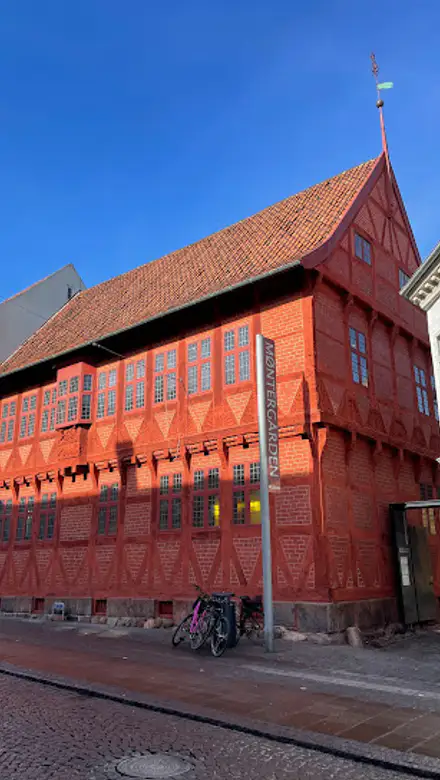
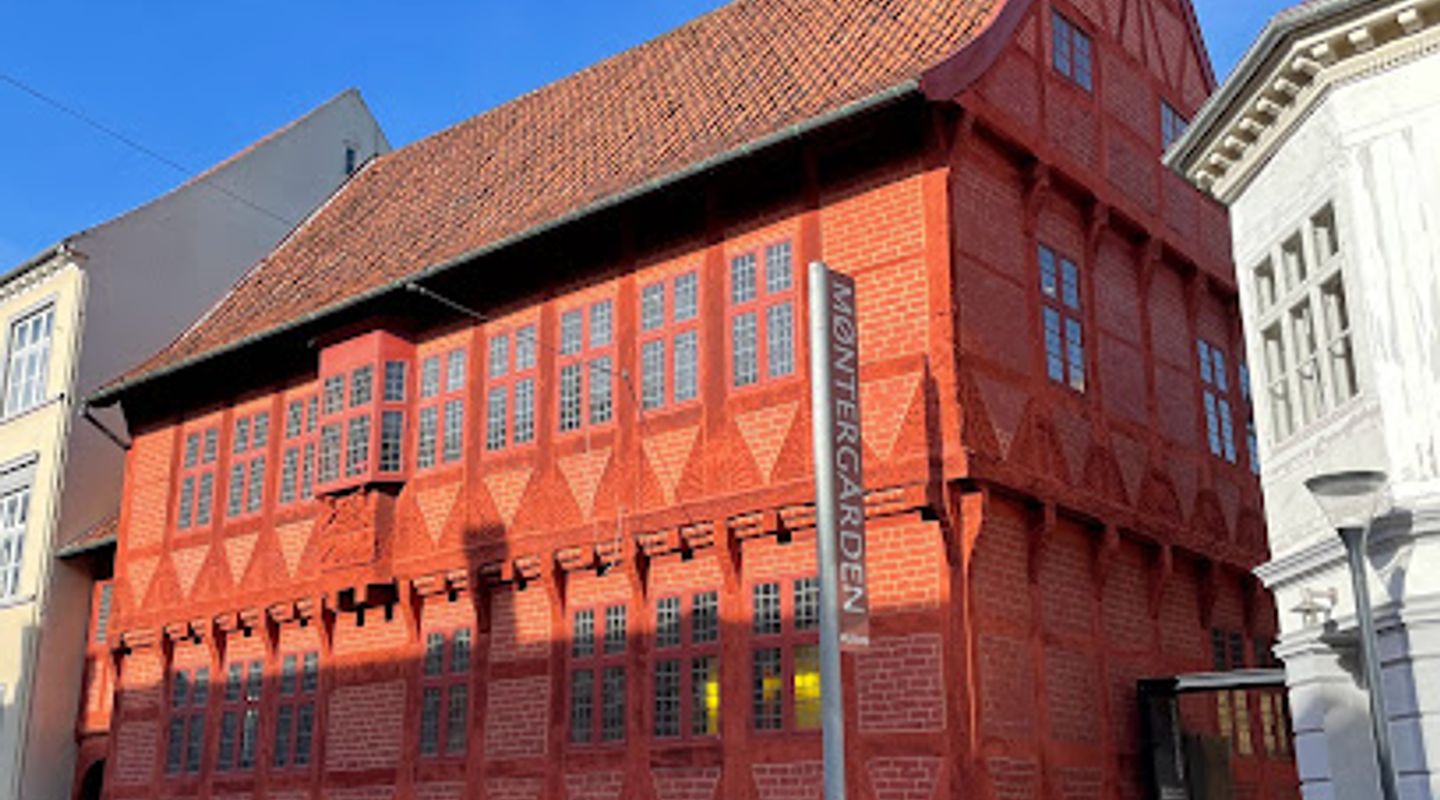
Set in a cluster of historic timbered houses and contemporary galleries in Odense’s old town, Museum Odense (TID City Museum) explores the city’s story from Viking stronghold to modern hub. Wander atmospheric courtyards, step inside recreated interiors from centuries past, and follow immersive exhibitions that link Funen’s local history to wider Danish and global events. With a hands-on children’s museum and a leafy urban oasis feel, it’s a rewarding stop for culture‑hungry visitors and families alike.
A brief summary to Museum Odense
- Overgade 48, Odense, Odense C, 5000, DK
- Click to display
- Click to display
- Duration: 1.5 to 3 hours
- Mid ranged
-
 Mixed
Mixed
- Mobile reception: 5 out of 5
- Monday 8 am-4 pm
- Tuesday 8 am-4 pm
- Wednesday 8 am-4 pm
- Thursday 8 am-4 pm
- Friday 8 am-1 pm

Know before you go
Hi, I'm Eve. Here are a few practical things to know before exploring Museum Odense.
- Allow at least two to three hours to move between the different buildings, historic interiors and children’s areas without feeling rushed.
- Combine your visit with other Odense museums; combined or discounted tickets are sometimes available, so check current offers before you go.
- Wear comfortable shoes, as floors can be uneven in the older houses and you will move frequently between indoor galleries and outdoor courtyards.
- Bring a light layer or umbrella; much of the charm lies in wandering the open-air courtyards, which are exposed in changeable weather.
- If visiting with children, look up current family activities in advance so you can time your arrival to match workshops or special events.
Do you manage this location?
Take control to get all the benefits, like improved information, better appearance, and stronger visibility across AI-powered discovery. Learn more about listing your business on Evendo
Activate your presenceOther nearby places you may find interesting
The closest places of the same kind, if this one is not quite what you had in mind.
Explore Museum Odense on the Map
A handpicked selection of must-see spots near Museum Odense, mapped for you.
Unlock the Best of Museum Odense
Buy tickets
-
No tickets available
Book tours with entry
-
No tours available
Book tours without entry

Getting There
-
Local bus
From Odense Banegård Center, most city buses stop at or near the city centre within about 5–10 minutes. From the central stops by the pedestrian streets, it is an easy additional walk to Overgade where the museum is located. A single city bus ticket typically costs around 24–30 DKK for an adult and can be bought via ticket machines or mobile apps. Buses run frequently during the day but less often in evenings and on Sundays.
-
Walking from Odense train station
Odense C is compact and Museum Odense lies within typical walking distance of the main railway station. Expect a 10–15 minute stroll through the central streets on mostly level, paved surfaces. The route passes through busy shopping areas and partly cobbled old-town lanes, which are generally accessible but may feel uneven for users of wheelchairs or strollers.
-
Bicycle within Odense
Odense is known for its cycling infrastructure, with dedicated bike lanes on many main roads. From most central neighbourhoods you can reach the museum in 5–15 minutes by bike, following signposted routes toward the old town. Standard city bikes can be rented from local shops or shared bike schemes, usually from about 80–120 DKK per day, and there are places nearby where you can lock a bike while you visit.
-
Taxi from central Odense
Taxis are readily available around Odense Banegård Center and central hotels. A short ride to the museum area typically takes 5–10 minutes depending on traffic. Fares within the central zone generally fall in the range of 80–140 DKK, with higher prices in the evening and at weekends. Taxis can be a convenient option for visitors with limited mobility or in poor weather.
For the on-the-go comforts that matter to you
-
 Restrooms
-
 Drink Options
-
 Drinking Water
-
 Food Options
-
 Seating Areas
-
 Sheltered Areas
-
 Trash Bins
-
 Information Boards
-
 Visitor Center
Discover more about Museum Odense
City stories in the heart of old Odense
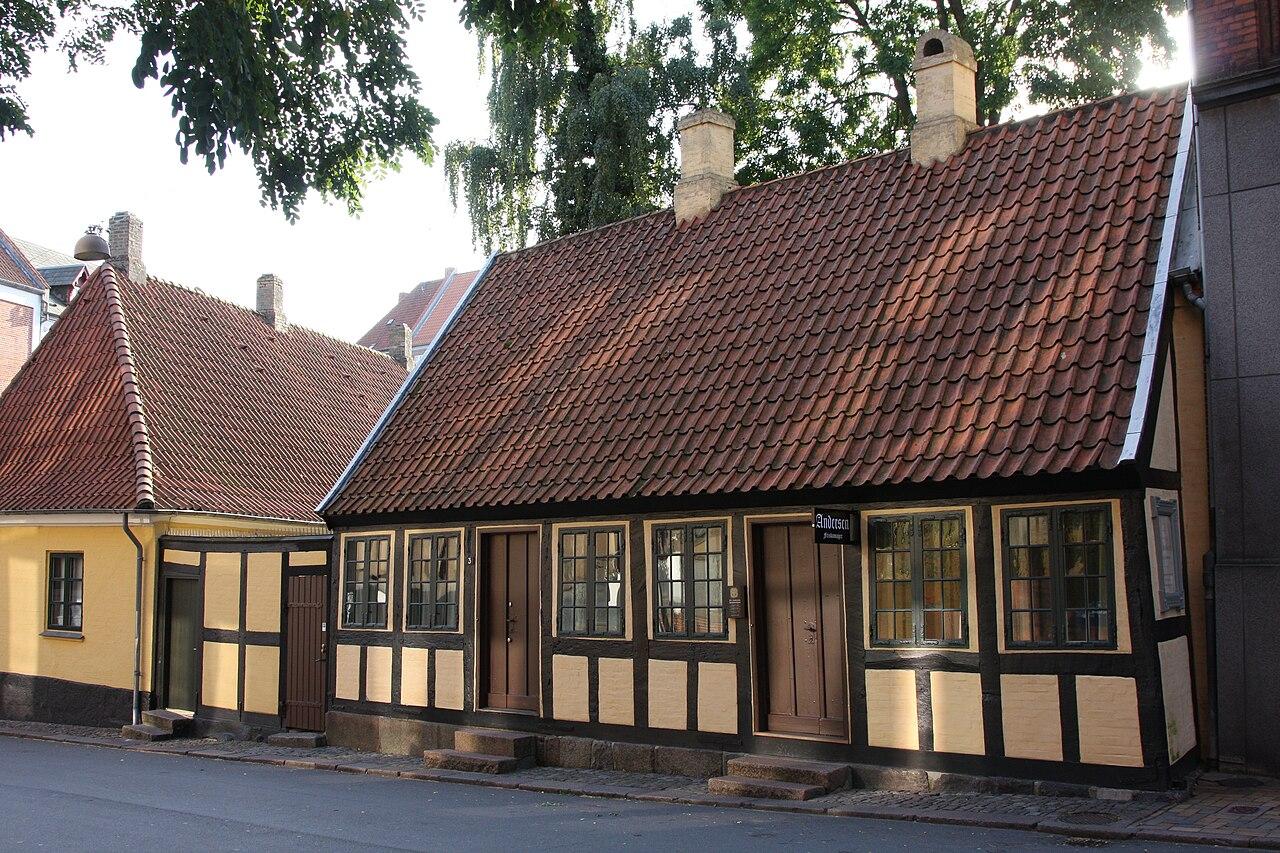
Museum Odense, today branded as TID City Museum, unfolds across a block of historic buildings tucked into the cobbled streets of Overgade in the old town. Here, half-timbered merchants’ houses, former almshouses and discreet courtyards tell of Odense’s days as a prosperous market town. The museum acts as a gateway to the city’s past, present and future, placing local stories from Funen in dialogue with wider Danish and European history.As you step inside the complex, the bustle of the modern city slips away. Low eaves, crooked beams and small-paned windows frame glimpses of courtyards, galleries and playful outdoor spaces. The sense of walking through a living neighbourhood, rather than a single building, is part of the museum’s charm and gives you a tangible feel for how Odense has grown and reinvented itself over the centuries.From Vikings to modern times under one roof
One of the museum’s strengths is the way it compresses long spans of time into vivid, accessible narratives. Exhibitions on Odense’s Viking-age fortress at Nonnebakken, the medieval river port and the later industrial city use models, artefacts and multimedia to show how power, trade and everyday life shifted through the ages. Objects like weapons, tools and religious items sit beside maps, projections and soundscapes that bring archaeological finds to life.In newer galleries, Funen’s story is tied to global events: you encounter local responses to world wars, social change and technological innovation, always grounded in the people who lived here. Rather than presenting history as distant, the museum highlights recurring themes – migration, conflict, innovation – that still shape Odense today, inviting you to see the city around you with fresh eyes.Historic houses and recreated interiors
Beyond the main galleries, several preserved houses within the complex provide a more intimate window onto daily life. In former almshouses, small rooms are furnished as they might have appeared in the 17th century and again in the 1930s–40s, allowing you to compare sparse early modern interiors with the more familiar comforts of the 20th century.Details such as tiled stoves, simple bedsteads, enamel kitchenware and period textiles create a strong sense of stepping into someone’s home. Interpretation focuses on the people who would have lived here – working families, widows and craftsmen – and how class, gender and religion shaped their opportunities. Walking from house to house, you experience how architecture, light and materials changed with each era, yet many everyday concerns remained recognisably human.A museum designed for curious children
Families find plenty of scope for exploration in the children’s museum and the so‑called children’s backyard. These areas invite younger visitors to handle replica objects, dress up, role‑play trades and try out games from earlier times. A miniature townscape evokes around 1890, complete with tiny workshop, home interiors, pump and even chickens, turning history into an open-ended playground.This focus on tactile, imaginative learning means adults can also enjoy seeing familiar stories from a different angle. Instead of only reading labels, you watch how children use tools, costumes and props to build their own narratives about the past. On many weekends and during school holidays, extra activities and workshops add another layer of discovery, making the museum an easy choice for a half-day cultural outing.Cobblestone courtyards and quiet corners
Between the galleries and houses, a network of courtyards softens the museum’s urban setting. Benches under old trees, patches of lawn and sheltered corners offer space to rest with a picnic or simply to absorb the surroundings. From here you can study the patchwork of building styles, from 17th‑century timber framing to sleek modern extensions in glass and brick.These outdoor spaces also reveal the museum’s role as a local cultural oasis: somewhere to pause between other sights in the old town, or to linger after an exhibition visit. Subtle signs highlight sustainable practices and green initiatives, reflecting the museum’s efforts to manage its historic buildings responsibly while welcoming today’s visitors.Planning your time at the museum
With its layered exhibitions and multiple buildings, Museum Odense rewards an unhurried visit. Many visitors devote two to three hours to explore the main historical displays, step into the historic homes and give children enough time in the interactive areas. The layout is compact but multi-level, with some uneven floors and staircases in the older houses, balanced by more accessible spaces in the modern gallery wings.A visit here pairs naturally with other cultural sites in Odense’s centre, but the museum stands firmly on its own as a comprehensive introduction to the city. Whether you are tracing Viking-era footprints, studying everyday objects from another century or simply enjoying the atmosphere of the courtyards, the experience offers a grounded, place-specific understanding of Odense that complements its more famous literary and artistic attractions.












Your all‑in‑one travel companion app
Explore expert travel guides, compare and book tours, experiences, hotels, and more—all from the palm of your hand. Download now for seamless trip planning wherever your wanderlust takes you.


Explore More of Odense
Looking beyond Museum Odense? Discover Odense for broader travel guides, local hot-spots, and regional highlights.
Explore Odense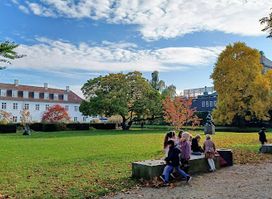
Odense’s historic royal garden – a formal yet welcoming green gateway of lawns, sculptures and summer concerts beside the city’s castle.
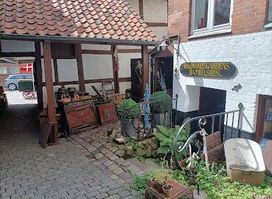
Gothic grandeur and royal history meet in the heart of Odense at St. Canute's Cathedral, a landmark of spiritual and architectural significance on Funen.