

Hans Christian Andersen's Childhood Home
Step into the tiny yellow house on Munkemøllestræde where a poor shoemaker’s son began the journey to becoming the world’s great master of fairytales.
Tucked along the cobbled lane of Munkemøllestræde in central Odense, Hans Christian Andersen's Childhood Home is a small yellow half‑timbered house where the famed storyteller lived from age two to fourteen. Inside, three modest rooms evoke early‑19th‑century working‑class life with cobbler’s tools, sparse furnishings and exhibits based on Andersen’s own descriptions. A tiny walled garden planted with flowers from his tales offers a quiet, contemplative escape just steps from the city’s bustle.
A brief summary to Hans Christian Andersen's Childhood Home
- Munkemøllestræde 3, Odense, Odense C, 5000, DK
- +4565514601
- Visit website
- Duration: 0.5 to 1.5 hours
- Mid ranged
-
 Indoor
- Mobile reception: 5 out of 5
- Tuesday 11 am-4 pm
- Wednesday 11 am-4 pm
- Thursday 11 am-4 pm
- Friday 11 am-4 pm
- Saturday 11 am-4 pm
- Sunday 11 am-4 pm
Local tips
- Combine your visit with H.C. Andersen’s House and birthplace nearby; a ticket for the main museum typically includes same‑day entry to the Childhood Home.
- Arrive early in the morning to enjoy the small rooms and garden before group tours make the space feel crowded.
- Bring or download background information on Andersen’s life; the exhibits are compact, and a bit of context helps you appreciate how closely they follow his own descriptions.
- Mind the low doorways and uneven cobblestone surfaces at the entrance and in the street, especially if you have limited mobility.
- Check seasonal opening hours in advance, as times vary between summer and the rest of the year and can change on holidays.

For the on-the-go comforts that matter to you
- Restrooms
- Trash Bins
- Information Boards
Getting There
-
Train and short walk from Odense Station
From Odense Station, allow 10–15 minutes on foot through the compact city centre to reach Munkemøllestræde. The route is flat and paved but includes cobblestones near the house, which can be bumpy for wheelchairs and strollers. Trains to Odense from Copenhagen or Aarhus typically take 1.5–2 hours, with one‑way standard tickets usually ranging from 200–400 DKK depending on time and booking conditions.
-
City bus within Odense
Several local bus lines run between residential districts and the central area around Odense Cathedral, a short 5–7 minute walk from the Childhood Home. Journey times within the city are usually 10–20 minutes, and a single adult ticket on city buses generally costs around 25–30 DKK. Buses run frequently during the day but less often in the evening and on weekends; check timetables if travelling late.
-
Car or taxi within Funen
If you arrive by car from elsewhere on Funen, typical driving times are about 30–40 minutes from Nyborg and 20–30 minutes from Middelfart, depending on traffic. Public parking in central Odense is available in garages and marked zones within walking distance of Munkemøllestræde and is usually paid by the hour, often in the range of 15–25 DKK per hour. Taxis from within the city centre cover the short distance in around 5–10 minutes, with fares commonly starting near 50–60 DKK and increasing with time and distance.
Hans Christian Andersen's Childhood Home location weather suitability
-
 Any Weather
-
 Mild Temperatures
-
 Cold Weather
-
 Hot Weather
-
 Rain / Wet Weather
Discover more about Hans Christian Andersen's Childhood Home
A modest doorway into a legendary childhood
Step through the low entrance on Munkemøllestræde and you enter the home where Hans Christian Andersen spent the formative years of his life. The little yellow, half‑timbered building once housed his shoemaker father, his washerwoman mother and their only child in just a few cramped rooms. Here, between 1807 and 1819, the future author first listened to stories, watched his father work leather at the bench and gazed out toward a world that seemed far beyond the narrow street. The cobbled lane outside and the house’s sloping rooflines preserve something of the scale of Odense in Andersen’s day. Unlike the larger, immersive H.C. Andersen museum nearby, this is an unassuming dwelling, more home than exhibition hall, which makes the leap from poverty to world fame feel especially striking.Rooms shaped by poverty and imagination
Inside, the interiors are deliberately sparse. Whitewashed walls, simple wooden furniture and basic household objects recreate the working‑class conditions Andersen described in his writings. One room focuses on the family’s combined living and sleeping space, where cooking, mending and storytelling all unfolded within arm’s reach. Another displays cobbler’s tools and materials, a reminder that his father’s craft helped inspire Andersen’s fascination with the lives of ordinary people. Exhibition panels and carefully chosen objects draw on passages from Andersen’s autobiography, echoing his own memories of cold winters, limited schooling and a household short on money but rich in affection. The scale of the rooms—low ceilings, narrow floorboards and tiny windows—gives a physical sense of how small his world once was.Traces of a future storyteller
Scattered through the house are references to the tales that would later travel far beyond Odense. Short quotations, reproductions of paper cuttings and illustrations connect specific episodes from his youth to themes in stories such as “The Little Match Girl” and “The Ugly Duckling.” Biographical displays outline the moment when, at fourteen, he left this address for Copenhagen, convinced that he was destined for the stage and, ultimately, for writing. Rather than overwhelming you with manuscripts and artefacts, the narrative here stays focused on the boy: his ambitions, the death of his father, and the way hardship sharpened both his sensitivity and his imagination. Taken together, these details make the house feel like the prologue to his later life, rather than a full biography.A secret garden behind brick walls
Beyond the back door lies a tiny enclosed garden, laid out in 2018 as a tribute to the plants and flowers that appear in Andersen’s work. Elder, docks and other species mentioned in his stories grow within brick walls that screen off the surrounding streets. Benches invite you to linger among the greenery, in a space that feels almost like a living illustration from one of his tales. The garden underlines a curious fact: the family did not have such a refuge during Andersen’s childhood. It is instead a gentle homage to the inner landscapes he carried with him, an oasis of calm that encourages quiet reading, reflection or simply listening to the sounds of the city muted beyond the walls.Link in a wider Odense fairytale trail
Today, the Childhood Home forms part of a cluster of Andersen‑related sites in Odense that also includes his presumed birthplace and the contemporary museum devoted to his universe. Its location near the cathedral, the river and the Fairytale Garden makes it easy to weave into a broader walk through the historic quarter. Because the house itself is compact—essentially three small rooms and the garden—you can explore it at a gentle pace, pausing over details without feeling rushed. Combined with the other museums, it becomes an essential stop for understanding how a boy from a single modest dwelling on Munkemøllestræde grew into one of the most translated authors in the world.Iconic landmarks you can’t miss

Oceania
0.2 km
A bold, reclining bronze goddess that provokes, delights, and defines Odense's artistic identity.

Papirbåden | H.C. Andersen
0.2 km
A delicate paper boat turned gleaming sculpture, Papirbåden floats on Odense’s Fairytale Garden lake, quietly celebrating H.C. Andersen’s “Steadfast Tin Soldier.”

visit
0.2 km
Experience Odense's premier cocktail bar, Visit, where classic and innovative drinks meet in a cozy, inviting atmosphere.

Skyggen, rejseskammeraten og improvisatoren
0.7 km
A towering, threefold portrait of Hans Christian Andersen that greets you outside Odense Station with colour, symbolism and quietly dramatic storytelling.
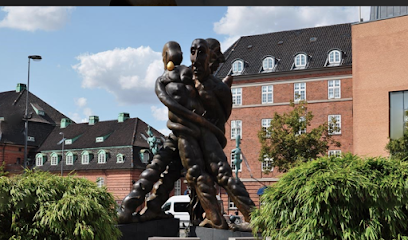
Odense St.
0.7 km
Central rail and bus hub of Funen, Odense Station links Denmark’s mainlines with the city’s historic heart, light rail and cultural sights in one integrated complex.

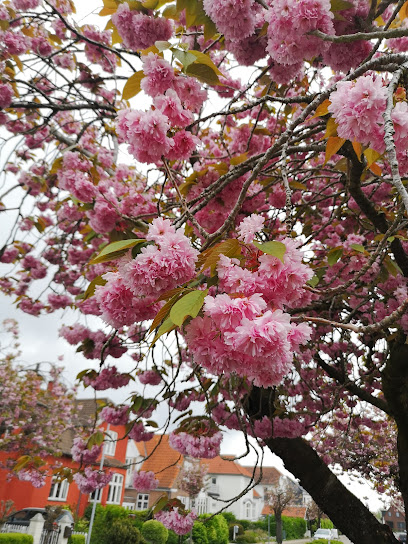
Kirsebærtræer, Ny Kongevej
1.7 km
Odense's longest cherry blossom avenue, where community passion transforms a neighborhood street into springtime magic.
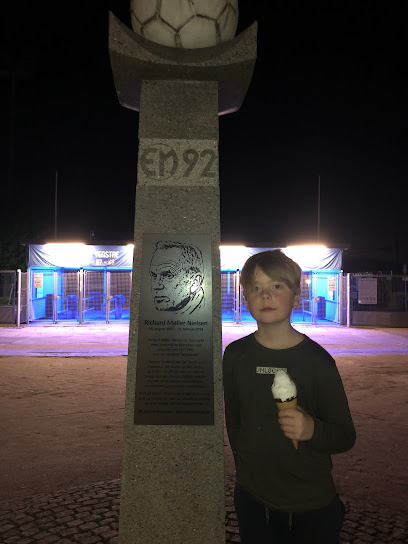
EM-statue-1992 (Richard Møller Nielsen)
2.3 km
Small in size but huge in symbolism, this Odense statue honours the local coach who led Denmark to its unforgettable Euro 1992 triumph.
TheDoorOdense
3.2 km
Experience innovative architecture and 600 years of seafaring history at the award-winning M/S Maritime Museum, nestled below Helsingør’s iconic waterfront.
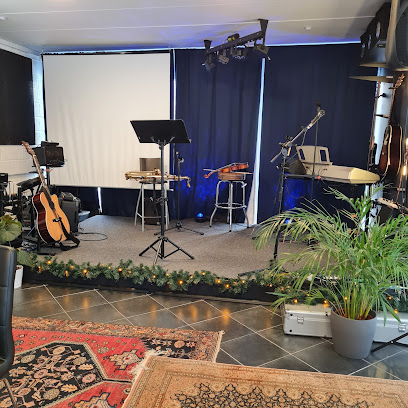
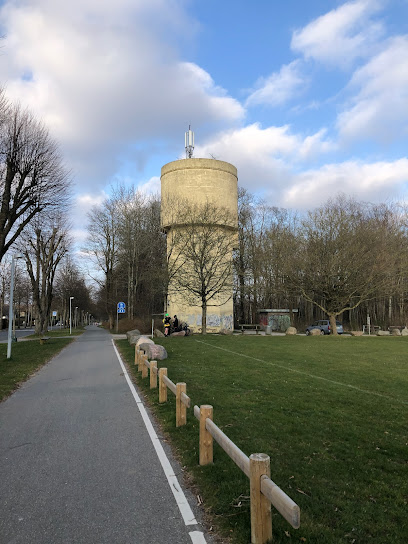
Det gamle vandtårn
3.7 km
A striking red-brick monument to Odense's industrial heritage and early 20th-century urban modernization.
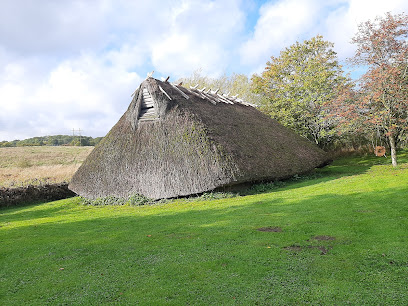
Jernalderlandsbyen Odins Odense
5.1 km
Discover Danish and international art at Bredgade Kunsthandel, an elegant gallery in central Copenhagen’s historic Frederiksstaden near top cultural landmarks.
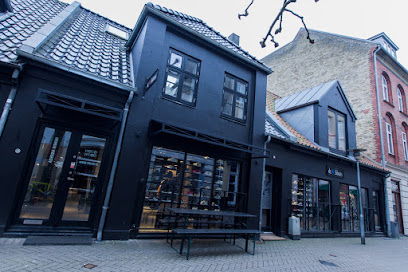
Sortehusene
7.3 km
Historic black houses preserving working-class resilience on Odense's waterfront.
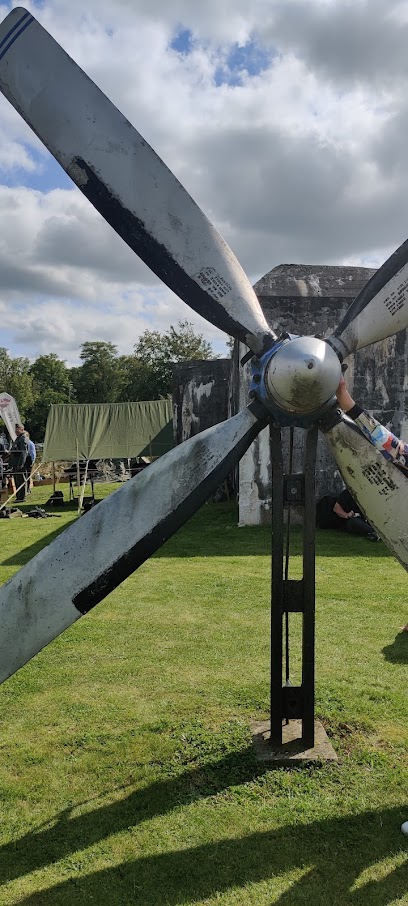
Besættelsesmuseum Fyn... Besættelsesmuseum Fyn er kun åben den første søndag i måneden fra kl 11 til 15.
9.4 km
An immersive, architecturally acclaimed underground museum in Helsingør, bringing Denmark’s rich maritime history to life beside the legendary Kronborg Castle.
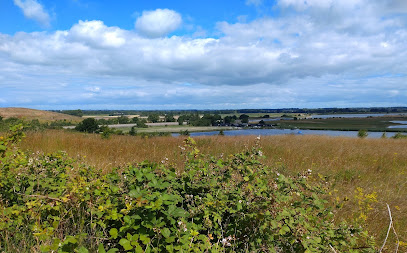
Sanderumgaard v/Erik Vind
10.3 km
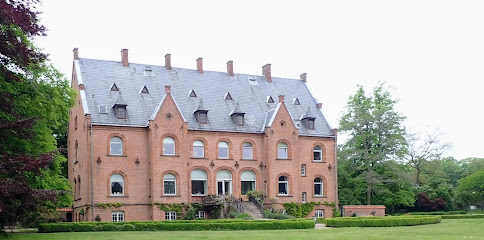
Discover Sanderumgaard, Funen’s enchanting Romantic-era landscape park: a blend of historic estate, poetic gardens, and serene lakes just beyond Odense.
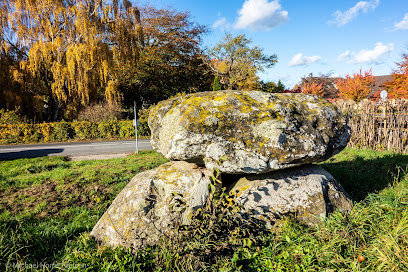
Rolfshøj
13.1 km
A quiet Neolithic long barrow in the fields near Ferritslev Fyn, where a simple stone chamber and grassy mound bring Funen’s prehistoric past close at hand.
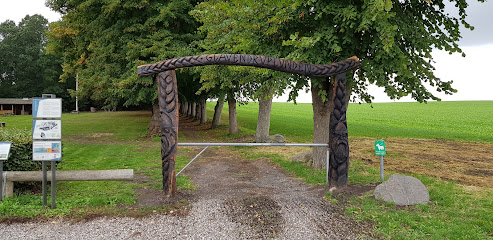
The Glavendrup Stone
14.1 km
Denmark's longest runic inscription, carved with divine invocation and protective curse.
Unmissable attractions to see

The maiden jump
0.1 km
Walk through history at The Funen Village in Odense, where 19th-century farmsteads, gardens, and local traditions offer a full-senses journey into rural Denmark.
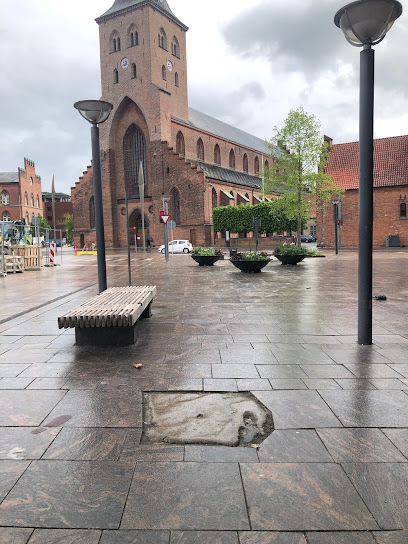
Odense Cathedral - St. Canute's Church
0.1 km
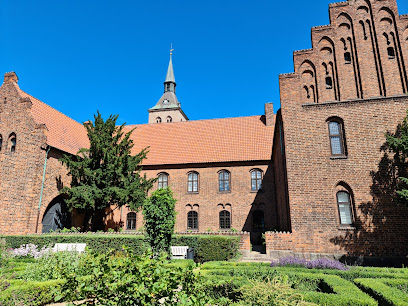
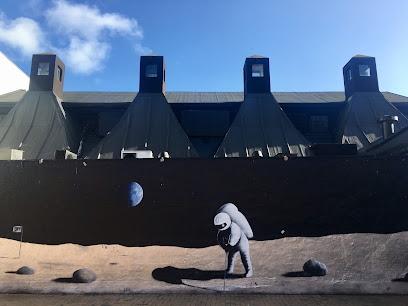
A vibrant tribute to Hans Christian Andersen’s timeless tales, this lively mural transforms central Odense into a colorful celebration of Denmark’s literary heritage.
The Darning Needle
0.2 km
A provocative Hans Christian Andersen–inspired granite sculpture on Odense’s main shopping street, where a simple needle becomes a playful, ambiguous urban conversation.

Eventyrhaven
0.2 km
Riverside lawns, fairy-tale sculptures and seasonal blooms create a peaceful Hans Christian Andersen–inspired refuge in the very heart of Odense.
Odense City Hall
0.2 km
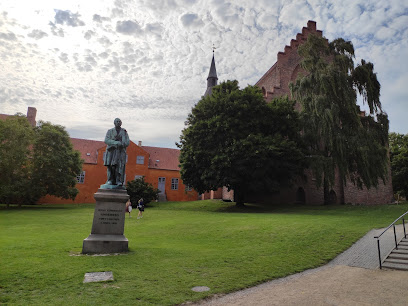
Enjoy serene lawns, mature trees, and recreational paths in Nyborg’s central green park—a scenic spot for relaxation and community just steps from historical landmarks.

Den Flyvende Kuffert Eventyrskulptur
0.2 km
A bronze suitcase poised for takeoff above a shimmering fountain, this H.C. Andersen–inspired sculpture turns a small Odense square into a quiet fairytale scene.

Vægmaleri
0.2 km
Discover the tranquil beauty of Sneglehøjen in Odense, a serene natural retreat perfect for leisurely walks and family outings.

Bispens lysthus
0.2 km
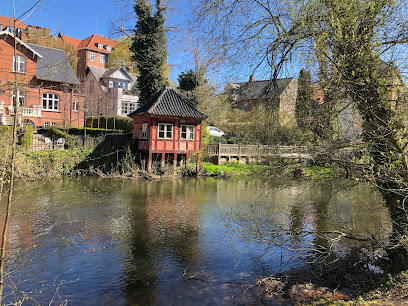
A tiny red timber pavilion on stilts above Odense Å, Bispens Lysthus blends riverside calm, ecclesiastical history and postcard-perfect charm in the city’s green heart.
Klokkedybet
0.2 km
A quiet, story-rich bend of Odense River where legends of a sunken bell and Hans Christian Andersen’s fairytale imagination deepen an otherwise modest city waterscape.

St. Alban's Church
0.3 km
Experience the heart of Danish comedy at Odense Comediehuus, where culture and laughter intertwine in the vibrant city center.

Odense Noble Virgin Convent
0.3 km
Discover Thomas Dambo’s eco-friendly giant troll, Hans Hulehånd, hidden along Odense’s scenic canal—blending public art, folklore, and a touch of adventure for all ages.

Washing Site at Odense River
0.4 km
A modest riverside platform where washerwomen toiled, the Washing Site at Odense River quietly preserves the everyday world that shaped Hans Christian Andersen’s childhood.

Klods Hans billedevæg
0.4 km
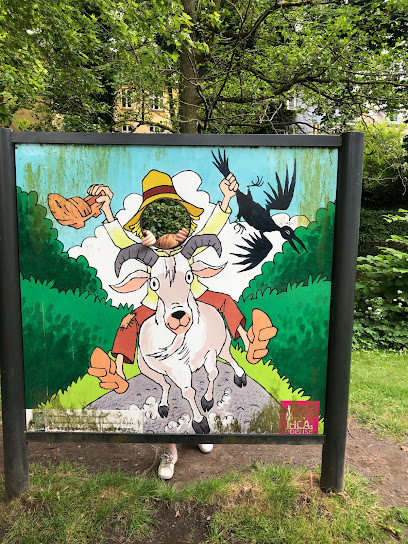
A small but vibrant picture wall where Hans Christian Andersen’s bold misfit, Klods Hans, steps off the page and into the streets of historic Odense.
Tidens Samling
0.4 km
Hands-on time travel through 20th‑century Danish homes, fashion and design inside Odense’s historic Brandts Klædefabrik complex.
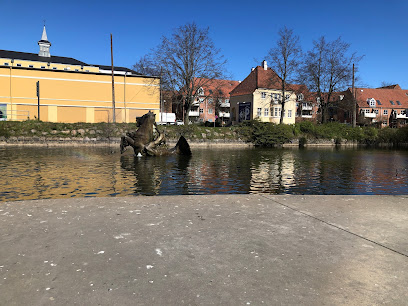
The Sea Horse
0.4 km
A powerful Andersen-inspired sea horse and mermaid burst from the Odense River, marking a poetic gateway between city streets and leafy Munke Mose park.
Essential places to dine

Druen & Bønnen
0.2 km
Cosy Danish–French bistro and café in the heart of Odense, serving comforting classics, plant‑friendly dishes and relaxed all‑day meals on lively Vestergade.

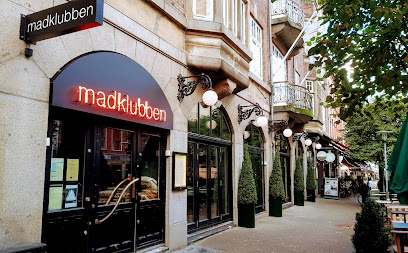
Restaurant Madklubben Odense
0.2 km
Big-hearted, central Odense brasserie serving modern seasonal comfort food in iconic premises, with space for everything from weekday lunches to festive gatherings.
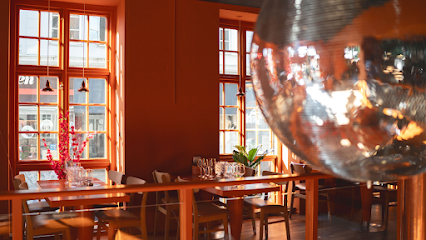
Rivalen restaurant & bar
0.2 km
Contemporary Danish dining with innovative flair in Odense's vibrant city center.
Restaurant Klosterkroen
0.2 km
A cozy, inn-style restaurant in central Odense serving generous portions of traditional Danish comfort food in nostalgic, candlelit surroundings.

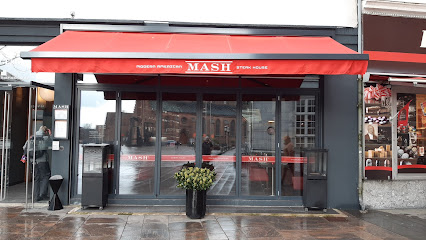
MASH - Restaurant Odense
0.2 km
Modern American steakhouse vibes in a historic Odense brewery yard, serving premium cuts, bold wines and cocktails in a low‑lit, cosmopolitan setting.
The Burger Odense
0.2 km
Quality flame-grilled burgers in casual comfort at the heart of Odense.

Café Kræz
0.2 km
Central Odense café by day, vibrant weekend bar by night with European cuisine and live entertainment.

A Hereford Beefstouw - Odense
0.2 km
For nearly 50 years Odense’s quintessential Danish steakhouse, now closed but still shaping the character and culinary memory of Vestergade 13.

Café Skt. Gertrud
0.2 km
Classic French café and weekend cocktail bar in Odense's vibrant city center since 1986.

UBN
0.2 km
Lively city-centre brasserie in historic Odense, serving seasonal comfort food and stone-oven pizzas alongside a serious cocktail bar with 300+ spirits.

Restaurant Bacchus
0.2 km
Authentic French fine dining in an intimate Odense setting, where classical technique meets refined hospitality.
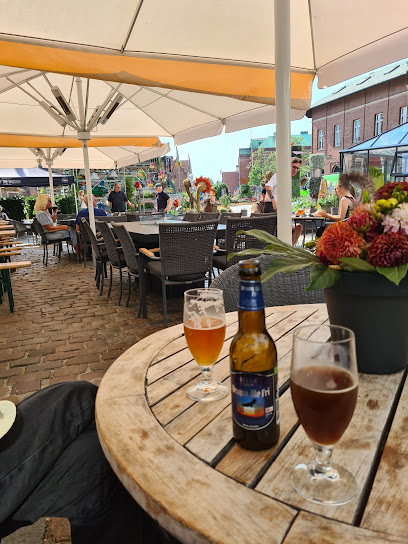
Den Lille Smalle
0.2 km
Cozy Odense café beloved for exceptional smoothie bowls, quality coffee, and genuine Danish hygge.

Amy's Bar & Winehouse
0.2 km
A cozy, social hub in central Odense renowned for its expertly chosen wines, relaxed atmosphere, and local flavor—perfect for an authentic Danish evening out.

Vietnam Street Food / Restaurant Odense
0.3 km
Casual Vietnamese street-food spot in central Odense, serving pho, bánh mì and noodle bowls in a bright, unfussy setting ideal for quick, flavourful meals.
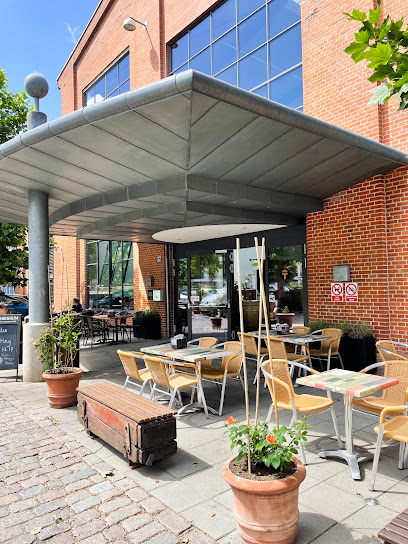
Olivia Brasserie - Restaurant Odense
0.3 km
French-inspired brasserie cooking, relaxed café energy and cobbled-lane atmosphere in the heart of Odense’s historic Vintapperstræde.
Markets, malls and hidden boutiques

Moby Disc
0.1 km
Odense’s long-standing record shop, where forty thousand-plus vinyl and CD titles, cozy aisles and music-savvy staff keep the spirit of crate-digging alive.
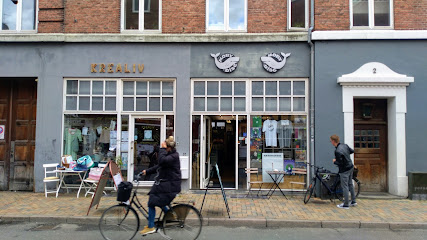
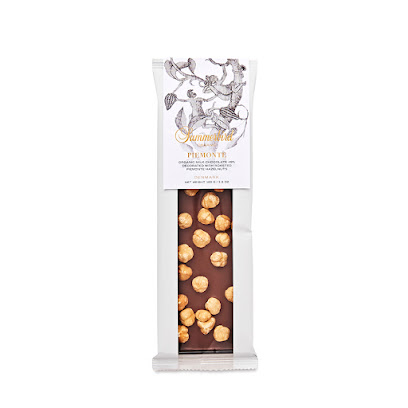
Summerbird
0.1 km
Refined Danish chocolaterie and gift shop in central Odense, showcasing elegant marzipan, pralines, and design-led treats perfect for thoughtful, gourmet gifting.
All About Kids
0.1 km
A welcoming children’s universe in central Odense, combining Scandinavian-style toys and décor with a calming baby lounge and practical stroller rentals.
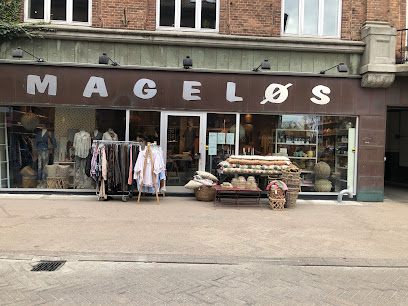
Dr. Adams
0.1 km
Curated Scandinavian fashion boutique celebrating independent style since 1994.
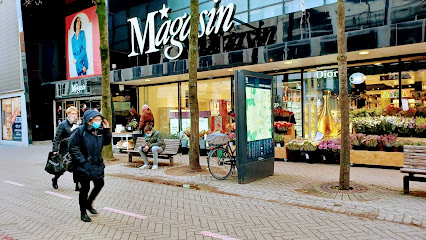
Magasin Odense
0.1 km
Odense’s classic multi-level department store, blending Danish style, fashion, beauty, homewares and cosy café stops under one roof on lively Vestergade.
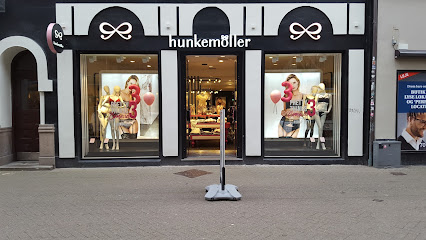
Hunkemöller Danmark A/S
0.1 km
Central Odense lingerie and swimwear boutique offering feminine designs, expert bra fitting help and relaxed browsing right on the city’s main shopping street.
SEPHORA MAGASIN ODENSE
0.2 km
A sleek, centrally located beauty hub inside Magasin, where international makeup, skincare and fragrance meet Odense’s city-center shopping life.

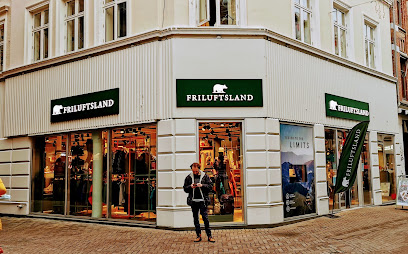
Friluftsland
0.2 km
Compact outdoor specialist shop in central Odense, offering quality gear, expert advice and hands-on testing for everything from city showers to Nordic trekking.
Rezet Sneaker Store Odense
0.2 km
Scandinavian-style sneaker boutique in central Odense, blending clean design, curated streetwear and sought-after footwear drops on lively Vestergade.
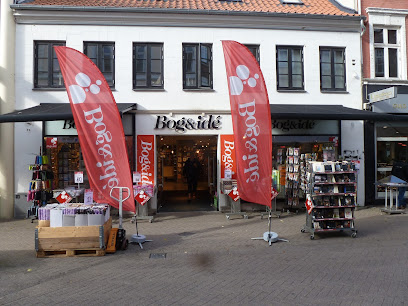
Bog & idé - Odense C
0.2 km
Odense's premier destination for books, games, stationery, and creative supplies in the city centre.
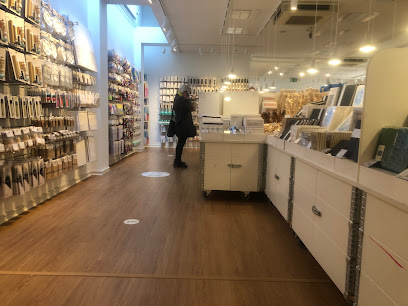
Flying Tiger Copenhagen
0.2 km
A colourful, budget-friendly design playground in central Odense, packed with quirky gifts, stationery, toys and home essentials for spontaneous, feel-good browsing.
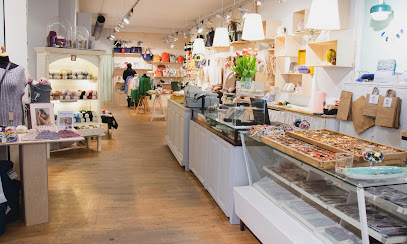
Aunt Green ApS
0.2 km
A long-loved, family-run yarn universe on Odense’s main pedestrian street, where colour, fibre and Scandinavian knitting traditions come together in one cosy shop.
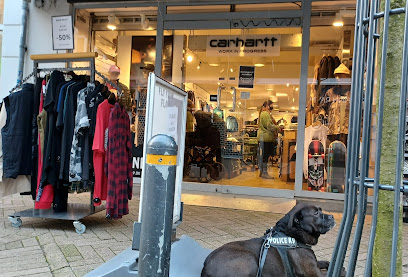
Underground
0.3 km
Curated streetwear and sneakers with urban culture vibes in central Odense.
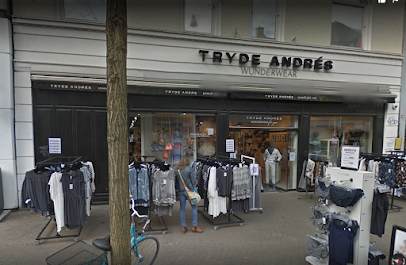
Tryde Andrés - Wunderwear - Odense C
0.3 km
Intimate Danish lingerie and swimwear boutique on Odense’s main shopping street, blending heritage, personal fittings and understated Scandinavian style.
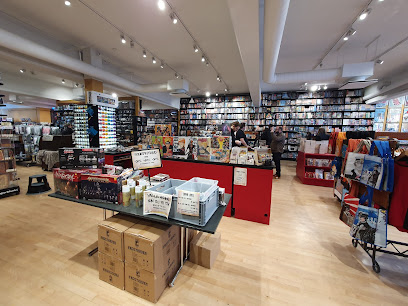
Faraos Cigarer
0.4 km
A vast 600 m² universe of comics, games, miniatures and cosplay, Faraos Cigarer Odense is the city’s colourful hub for Nordic geek culture and tabletop fun.
Essential bars & hidden hideouts

Den Brølende And
0.0 km
Odense’s roaring dance basement where karaoke Thursdays, sing-along party hits and shared buckets of cocktails fuel carefree, late-night dancing on tables.
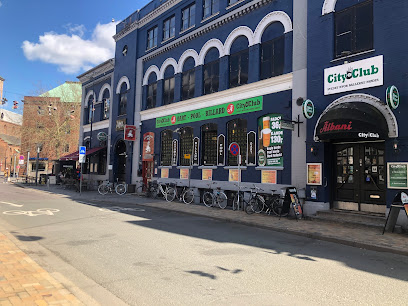
City Club
0.0 km
Odense's casual sports bar where pool, darts, and community spirit meet affordable drinks and good times.
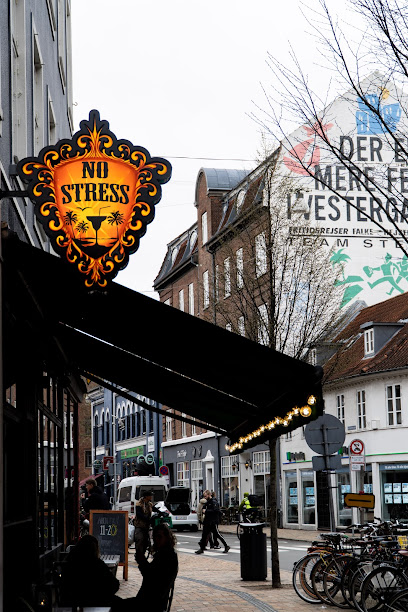
No Stress Odense
0.1 km
Laid‑back cocktail den in central Odense, blending dessert‑inspired drinks, old‑school beats and retro gaming in a cozy living‑room atmosphere.
Champagniet
0.1 km
Intimate champagne bar in Odense’s old town, pairing carefully curated bubbles with cosy hygge vibes and small plates made for slow, sparkling evenings.
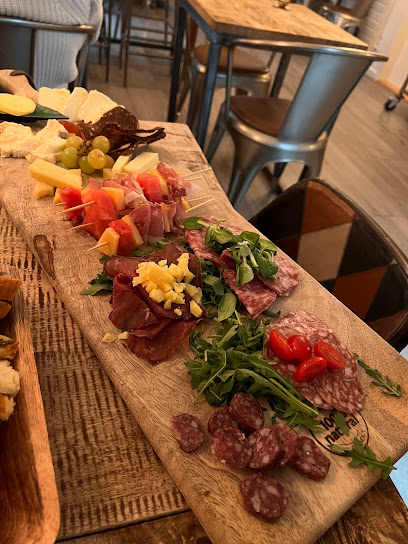
Lalou Vinbar
0.1 km
Intimate Odense wine bar pairing timeless European recipes with a curated list of continental wines in a warm, candlelit setting on Klaregade.

Tingstedet
0.2 km
Smoky, lively and unapologetically brown, Tingstedet is Odense’s cellar bar where cheap beers, close tables and local stories fuel long, unpretentious nights.
June Bar
0.2 km
Intimate candlelit cocktails, shareable tapas and a warm, relaxed buzz right in the heart of Odense’s nightlife district.
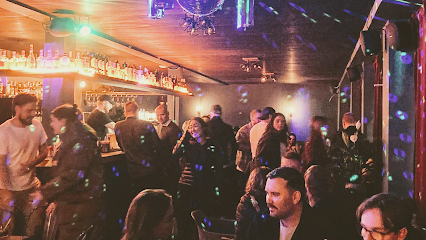
Bootleggers Craft Beer Bar - Odense C
0.2 km
Urban craft beer sanctuary on Odense’s Gråbrødre Plads, pouring rotating specialty brews, free popcorn and laid-back good times from afternoon until late night.
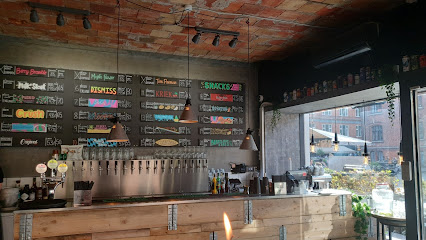
James Dean Bar
0.2 km
Retro 1950s vibes and karaoke nights in the heart of Odense's nightlife scene.
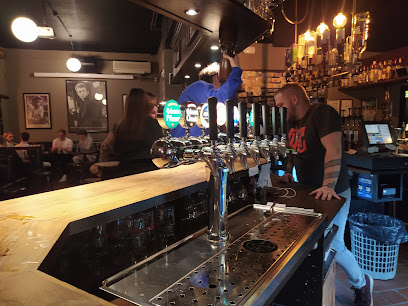
Proud Mary Odense
0.2 km
Big, boisterous and central, Proud Mary Pub Odense turns a former arcade into a vast English-style party pub with sports screens, cocktails and dancing till late.
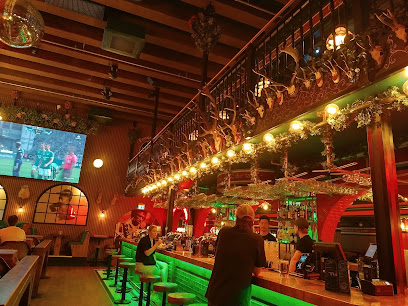
The Old Irish Pub
0.3 km
Odense's multi-level music venue where Irish tradition meets electronic beats across three unforgettable floors.

Christian Firtal
0.3 km
Odense's premier craft beer specialist with rotating taps and expert bartenders in a cozy pedestrian street setting.

LA Tequila Bar Odense
0.3 km
Basement tequila shots, loud beats and a young crowd turn this Odense city‑centre bar into a compact late‑night party zone on weekend nights.
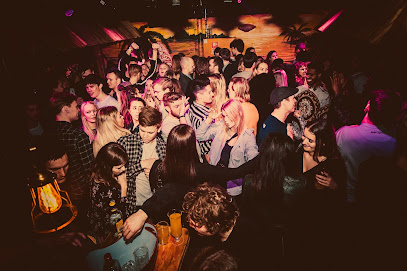
Grand Bar & Lounge
0.3 km
Sophisticated cocktails and refined ambiance in a historic 1897 building at the heart of Odense.

The Boat House
0.3 km
A cozy, spirits-focused bar in central Odense, famed for its extensive whisky shelves, creative cocktails and laid-back themed evenings in soft, lounge-like surroundings.
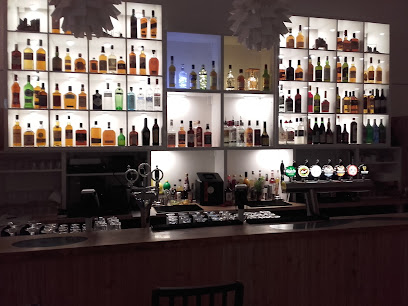
Nightclubs & after hour spots

Dansebar Odense
0.2 km
Lively central Odense nightclub with mainstream hits, colorful lights and a sociable dance floor vibe from late evening into the early hours.
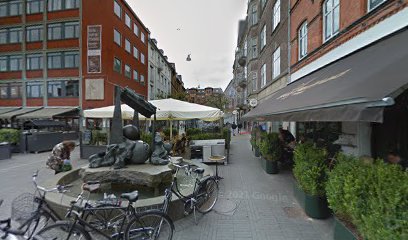
Boogie Dance Café
0.4 km
Odense's oldest disco where retro charm meets genuine community dancing.
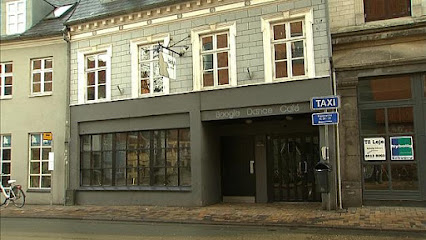
BUTCHERS Odense
0.5 km
High-energy nightclub on Odense’s Overgade, mixing pounding bass, lights and late-night drinks in a central old-town setting steps from major sights.
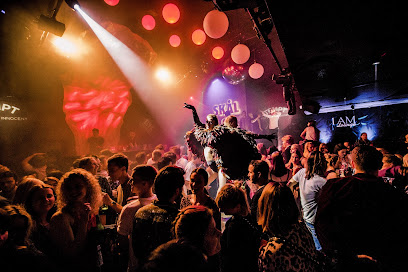
The slaughterhouse Nightclub & Eventhus
0.9 km
Experience industrial-cool nights, live music, and eclectic parties at The Slaughterhouse Nightclub & Eventhus, Odense’s dynamic hub for nightlife and contemporary culture.
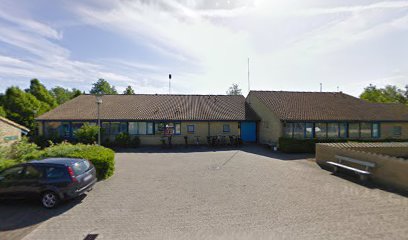
Dance Odense, Funen Square Dance Club
5.2 km
Community-driven square dancing in a cozy Odense neighborhood hall, where callers, patterns and shared rhythm turn an ordinary evening into a friendly social event.
Muzirkus
26.3 km
Nyborg's independent music sanctuary where local bands rehearse, collaborate, and perform since 1974.
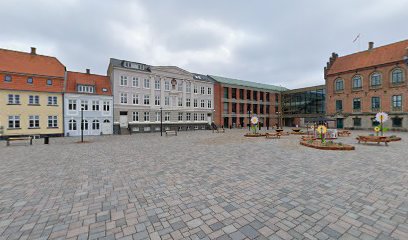
KJ's bodel
27.0 km
Laid‑back local nightspot on Nyborg’s main square, mixing simple drinks, sociable bar chatter and a compact dance floor in an unpretentious setting.
Crazy Daisy Svendborg
39.9 km
Compact, high-energy weekend nightclub in central Svendborg, serving mainstream beats, drinks and a sociable dance floor until the early hours.
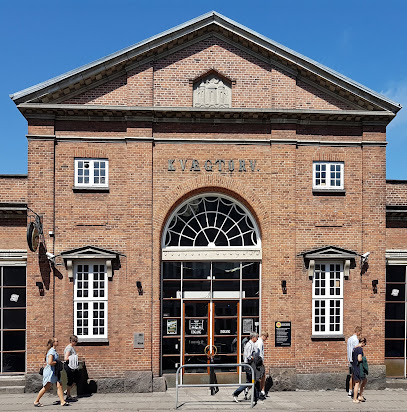
AHA Livestage
43.9 km
Intimate live music and cocktail-driven nightlife in the heart of Fredericia, where high-quality sound and curated events turn selected evenings into standout parties.
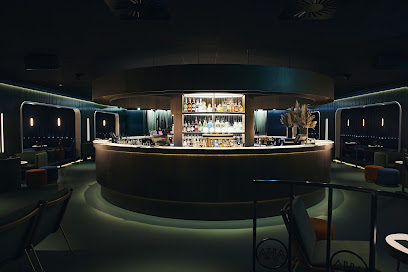
Falkecenter Samsø ApS
48.0 km
Witness awe-inspiring live falconry shows and get up close with eagles, owls, and hawks at Samsø’s premier raptor center, blending living heritage with wilderness spectacle.

Ærø Golf Klub
48.7 km
Distinctive links course on Ærø’s northwest cape, blending historic lighthouse views, Nordic coastlines, and a classic Danish golfing challenge.
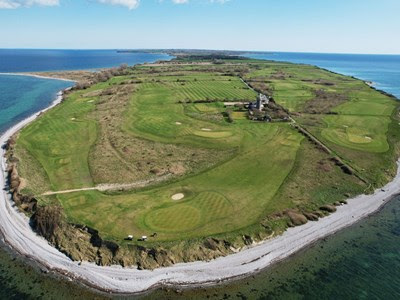
Vinkapellet Samsø
49.0 km
Experience the finest organic and natural wines at Vinkapellet Samsø, a cozy haven for wine enthusiasts in the heart of Brundby.

Samsø Island Distillery
50.4 km
Experience authentic Danish craftsmanship at Samsø Island Distillery, where local botanicals and sustainable practices fuse to create distinctive gin and aquavit on scenic Samsø.
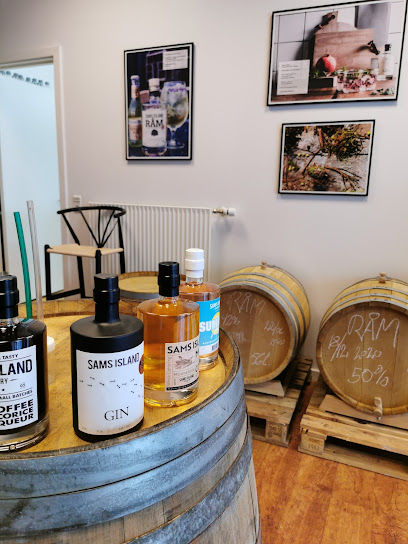
Ræven
50.5 km
Island spirit and Danish hospitality await at Ræven, Samsø—a cozy neighborhood bar with local brews, lively evenings, and a real taste of authentic island life.
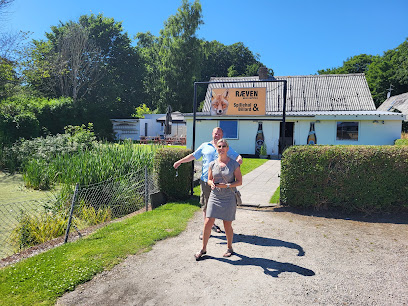
Garagen
51.2 km
Garagen is Samsø’s beloved island bar, famed for live music, a rustic woodland setting, and its welcoming, laid-back vibe—a true hub for locals and travelers alike.
For the vibe & atmosphere seeker
- Tranquil
- Scenic
- Unique
- Casual
- Boutique
For the design and aesthetic lover
- Vintage Styles
- Rustic Designs
For the architecture buff
- Historic
- Landmarks
- Heritage Neighborhoods
For the social media creator & influencer
- Photo Spots
- Selfie Spots
- Architectural Shots
For the eco-conscious traveler
- Public-Transport Accessible
- Locally Managed
For the kind of experience you’re after
- Cultural Heritage
- Photowalk
- Day Trip
- Mindfulness
For how adventurous you want the journey to be
- Easy Access
Location Audience
- Family Friendly
- Senior Friendly
- Child Friendly
- Teen Friendly
- Solo Friendly
- Couple Friendly
- Solo Female Friendly
- Vegetarian Friendly
- Vegan Friendly


