Grenen, North Jutland Travel Guide
Walk to the narrow tip of Denmark’s sandy branch at Skagen, where Skagerrak and Kattegat collide in foaming waves and wild North Sea light.
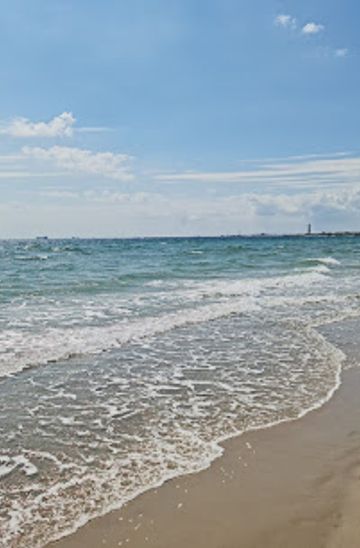
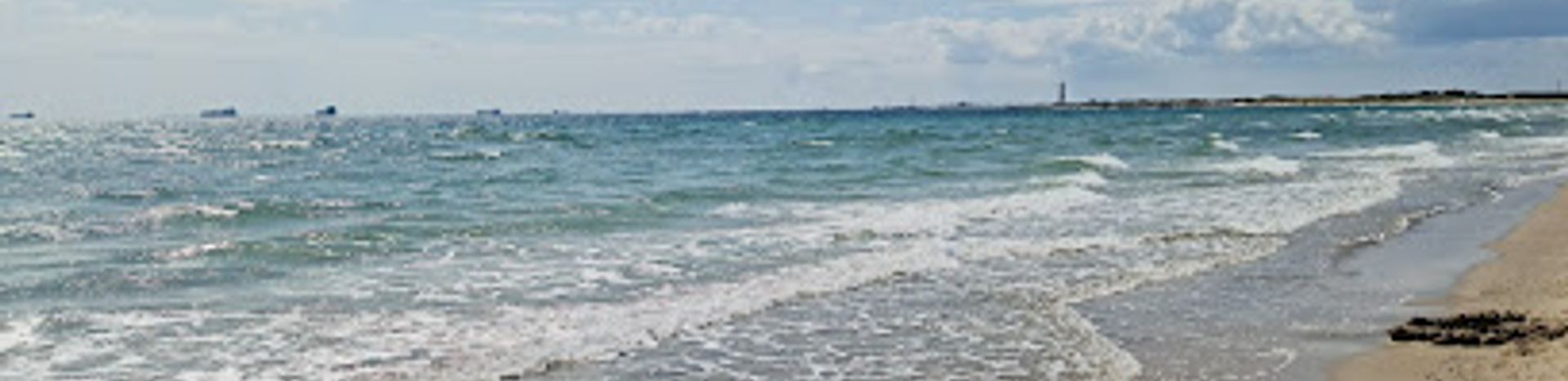
Grenen is the long, curving sand spit at the very tip of Jutland, just north of Skagen, famed as the place where the Skagerrak (North Sea) and Kattegat (arm of the Baltic Sea) collide. Here you can stand with one foot in each sea, watch waves crash together in shifting patterns and feel the raw power of wind and water on a broad, pale-gold beach. Protected dunes, seals hauled out on the shore and superb birdlife make Grenen as rich in nature as it is in drama.
A brief summary to Grenen
- Skagen, DK
- Duration: 1 to 3 hours
- Free
-
 Outdoor
- Mobile reception: 4 out of 5

Know before you go
Hi, I'm Eve. Here are a few practical things to know before exploring Grenen.
- Wear waterproof footwear or sandals you do not mind getting wet; waves often wash over the very tip where you stand between the two seas.
- Bring a windproof layer even in summer, as Grenen is very exposed and the breeze along the sand spit can be surprisingly strong and cool.
- Respect safety signs and never swim at the point; the meeting currents and shifting sandbars create dangerous, unpredictable conditions.
- If you enjoy birdlife, pack binoculars; Grenen is one of Denmark’s finest spots for observing migrating birds of prey and coastal species.
- Visit early morning or late afternoon for softer light, more dramatic shadows on the dunes and a quieter, more contemplative atmosphere.
Do you manage this location?
Take control to get all the benefits, like improved information, better appearance, and stronger visibility across AI-powered discovery. Learn more
Activate your presenceOther nearby places you may find interesting
The closest places of the same kind, if this one is not quite what you had in mind.
Explore Grenen on the Map
A handpicked selection of must-see spots near Grenen, mapped for you.
Getting There
-
Car from Skagen and wider Jutland
From Skagen town, reaching the Grenen parking area by car typically takes about 10–15 minutes, and roughly 90 minutes if you are driving up from Aalborg. The access road ends at a large pay-and-display car park where fees are usually charged by the hour in peak season, in the region of 10–15 DKK per hour. From the car park it is around a 15–20 minute walk along the beach to the tip. Spaces can fill on sunny summer days, so earlier or later visits offer a calmer arrival and easier parking.
-
Local bus from Skagen
Regional buses run between central Skagen and the Grenen parking area in roughly 10–15 minutes, with more frequent departures in the main holiday months and a reduced timetable outside summer. A single adult ticket for this short journey is usually in the range of 20–30 DKK, purchased from ticket machines, kiosks or via mobile apps, depending on the operator. The bus drops you near the main facilities by the dunes; from there you follow the beach on foot to the point, so wear shoes suitable for sand.
-
Bicycle from Skagen
Cycling from Skagen to Grenen takes about 20–30 minutes each way at an easy pace, following a dedicated cycle route towards the headland. Renting a standard city bike in Skagen typically costs around 80–150 DKK for a day, depending on style and season. This option suits most reasonably fit riders and avoids parking concerns, but be prepared for headwinds on the exposed stretches and remember that you must leave the bike near the parking area before continuing on foot along the beach.
-
On foot from Skagen
For those who enjoy longer walks, it takes about 45–60 minutes to hike from the outskirts of Skagen town to the Grenen parking area, and then a further 15–20 minutes along the beach to the tip. The route follows sandy paths and shoreline, with little shade and frequent wind, so it suits visitors comfortable walking several kilometres on uneven ground. There is no charge for access to the trails or beach, but sturdy footwear, layers against wind and sufficient water are important, especially in warm or blustery weather.
For the on-the-go comforts that matter to you
-
 Restrooms
-
 Drink Options
-
 Food Options
-
 Seating Areas
-
 Trash Bins
-
 Information Boards
-
 Visitor Center
Discover more about Grenen
The shifting sandbar at Denmark’s northern edge
Grenen is a long, slender spit of sand projecting from Skagen Odde, the sandy headland that forms the very top of mainland Denmark. Its name means “The Branch”, a nod to the way this pale finger of beach seems to stretch out from Jutland into the sea. Over the past century the currents have pushed so much sand here that the point has grown by roughly a kilometre, and it still creeps slowly northeast, grain by grain, toward Sweden.Walking out along the broad shoreline, you notice how low and open the landscape feels. Behind you lie modest dunes and swells of marram grass; ahead, the sand narrows to a tongue just a few metres wide. There is very little built intrusion here, so your eye is drawn instead to the horizon, to shipping far offshore and to the ceaseless movement of water meeting land.Where Skagerrak and Kattegat collide
What makes Grenen unforgettable is the moment you reach the tip and see two seas visibly colliding. On one side is Skagerrak, part of the North Sea, and on the other is Kattegat, the strait that leads toward the Baltic. The waves arrive from slightly different angles and rhythms, creating a jagged, foaming seam where they clash and rebound off one another.On calmer days you can often trace a line of rougher, churning water that marks this junction; in windier weather the surface becomes a restless tangle of cross‑seas and spray. Standing here with one foot in the chill North Sea and the other in Kattegat is a simple gesture, yet it fixes you in a very precise spot on the map of Europe – the exposed, sea‑washed tip of Denmark.Wildlife, birds and a living coastline
Grenen is also prized as a nature reserve. The constantly shifting sands create shallow lagoons and sandbanks that attract wading birds and, in season, flocks of migrating species pausing before they cross toward the Swedish coast. The wider Skagen Odde area is renowned among birdwatchers as one of Northern Europe’s great spring raptor migration corridors.Along the waterline, grey seals often haul out to rest, basking on the damp sand or bobbing just beyond the breakers. Their bulky shapes and dark eyes are a reminder that these exposed beaches belong to marine life as much as to people. Because powerful currents wrap around the point and hidden sandbars sit just offshore, swimming is prohibited here; it is a place to watch the ocean’s energy rather than to enter it.Stories, shipwrecks and guiding lights
For centuries sailors approached Grenen with caution. The same shallows and currents that build the sand spit also made it a notorious hazard, and many ships have come to grief on the reef. To reduce the danger, early light signals were installed on Skagen’s coast in the 16th and 17th centuries, later replaced by more permanent lighthouses as maritime traffic intensified.Today, the tall Grey Lighthouse south of Grenen and other coastal lights still sweep their beams across the night sea, tying the modern shipping lanes to this long history of navigation. Inland from the beach you may notice traces of wartime bunkers and defensive works, sunken in the dunes and partly claimed by sand, adding another layer to the story of how people have sought to control or at least survive this restless shoreline.Walking the sand and feeling the elements
Visiting Grenen is as much about the journey on foot as the destination. From the end of the access road a generous stretch of beach invites you onward, a 15–20‑minute stroll along firm sand toward the narrowing tip. In strong winds the walk can feel exhilaratingly raw, with gusts blowing sand around your ankles and salt spray in the air, while on bright days the pale beach and blue water create a crisp, almost minimalist seascape.The atmosphere shifts with the weather and season: in spring and autumn the light can be soft and silvery, birds wheel overhead and the horizon blurs into mist; in high summer the sun beats down, the sea deepens to green‑blue and the dunes glow gold. Whatever the time of year, Grenen leaves a clear impression of being at the very edge – a place where land, sea, sky and wind negotiate their boundaries every hour of every day.












Your all‑in‑one travel companion app
Explore expert travel guides, compare and book tours, experiences, hotels, and more—all from the palm of your hand. Download now for seamless trip planning wherever your wanderlust takes you.


Explore More of North Jutland
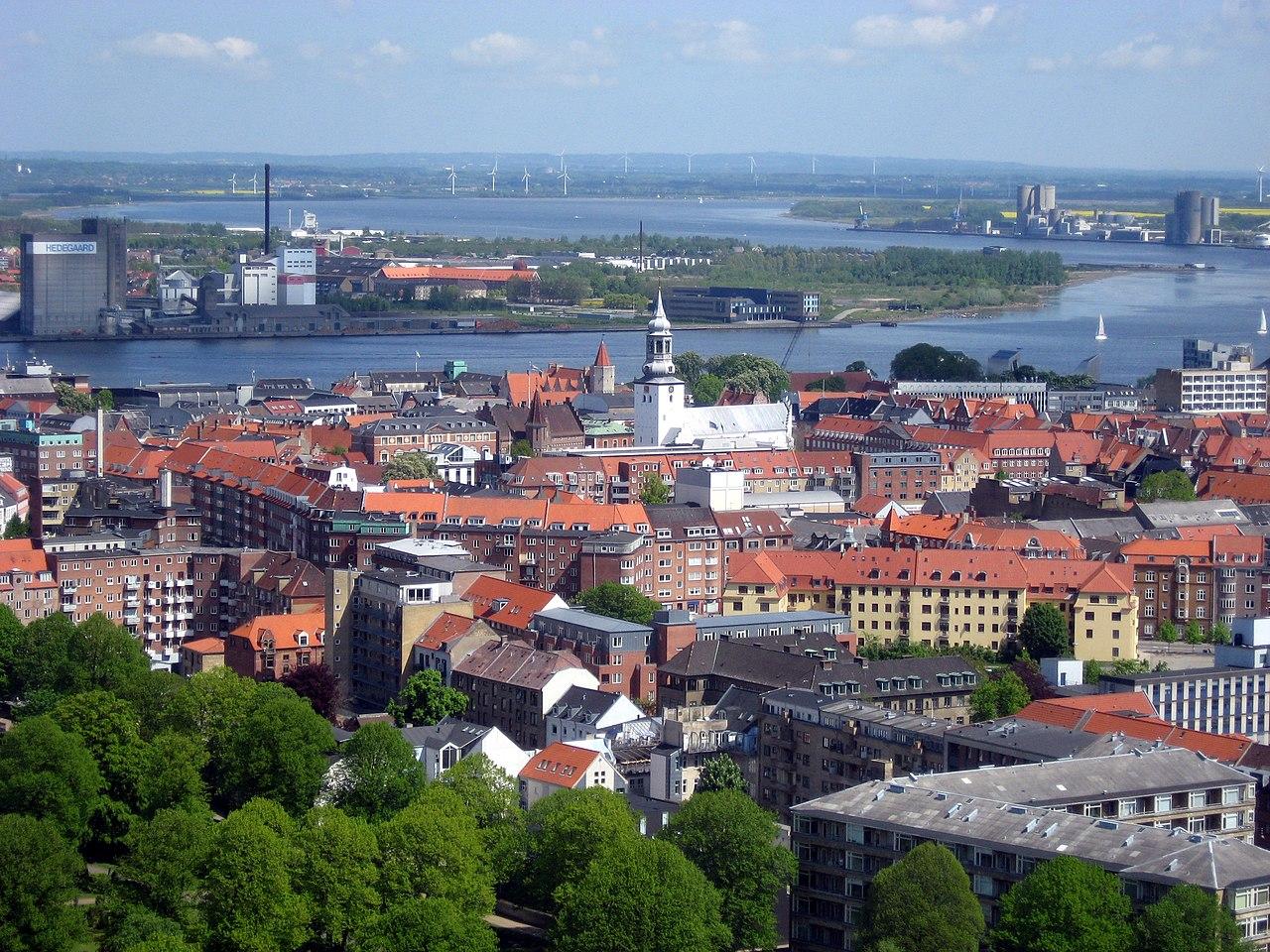
Looking beyond Grenen? Discover North Jutland for broader travel guides, local hot-spots, and regional highlights.
Explore North Jutland