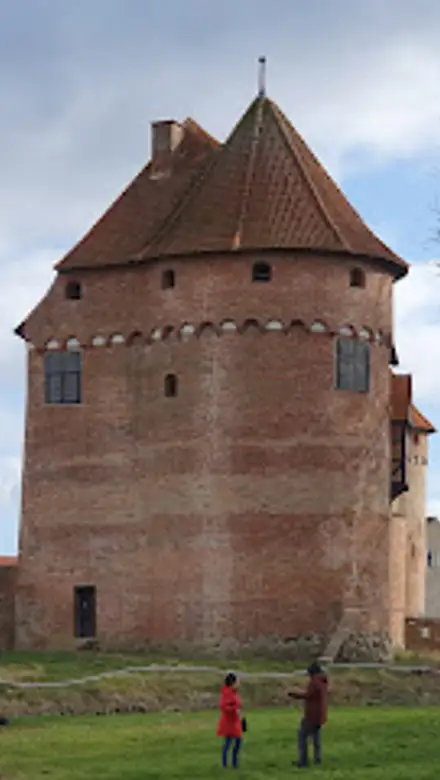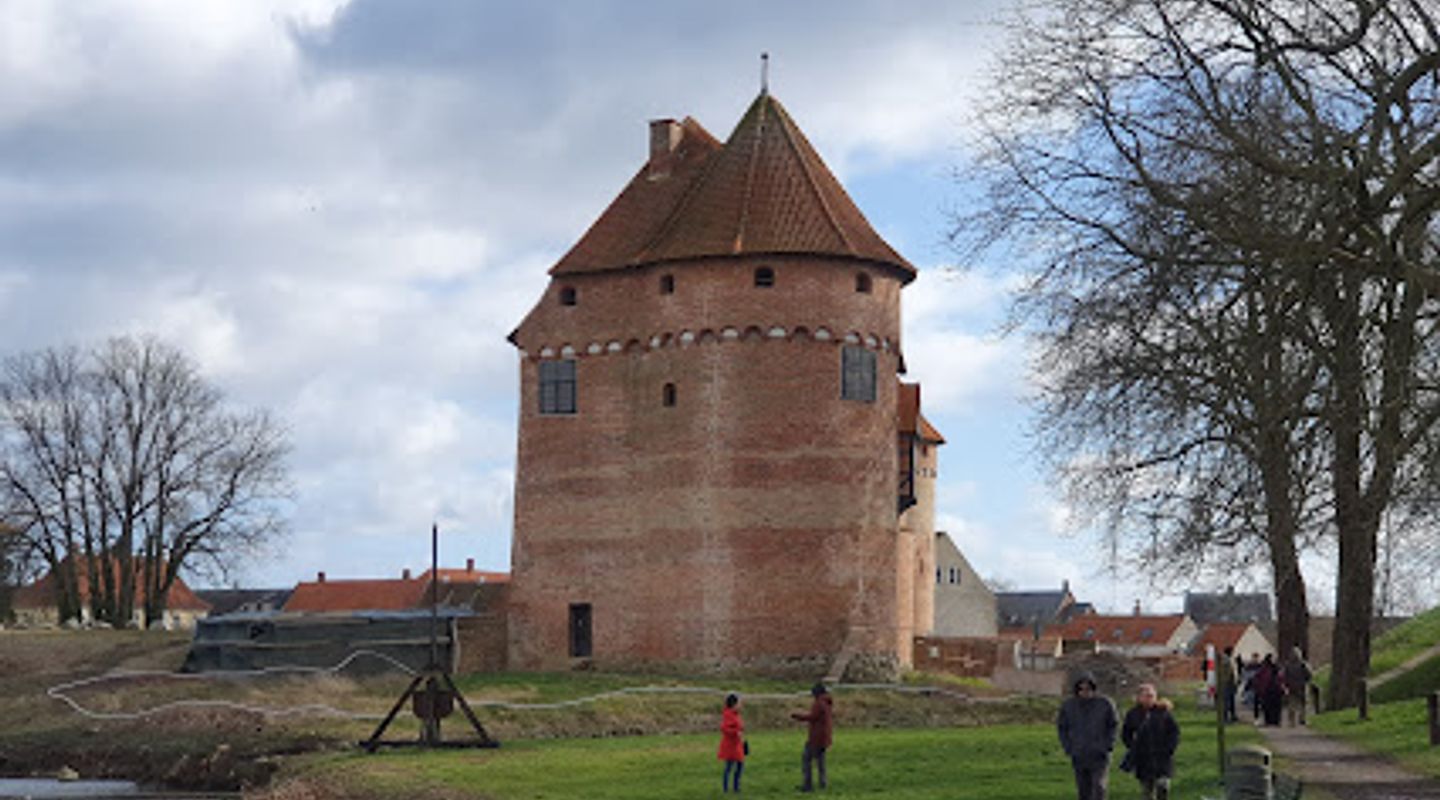
Nyborg Fortress, Funen Travel Guide
Medieval parliament seat where Danish kings shaped a nation's destiny and founded a Nordic empire.
Nyborg Castle stands as one of Denmark's most significant medieval fortifications, built in the late 12th century to defend against Wendish invasions. This royal stronghold hosted the Danehof—Denmark's medieval parliament—where momentous decisions shaped the nation's future, including the adoption of Denmark's first constitution in 1282 and the formation of the Kalmar Union in 1377. Today, visitors explore the restored royal wing, imposing watchtower, and surrounding fortress ramparts while discovering the castle's pivotal role in Scandinavian history.
A brief summary to Nyborg Fortress
- Slotsgade 34, Nyborg, 5800, DK
- Click to display
- Click to display
- Duration: 1.5 to 3 hours
- Mid ranged
-
 Outdoor
- Mobile reception: 4 out of 5

Know before you go
Hi, I'm Eve. Here are a few practical things to know before exploring Nyborg Fortress.
- Visit during April to October when the castle is open Tuesday through Sunday. July offers the longest opening hours (10am–5pm), while other months close at 3pm or 4pm. Verify current hours before visiting due to ongoing restoration work.
- Explore the surrounding fortress ramparts and the picturesque moat system. History enthusiasts should venture approximately 2 kilometres north along the river to the 1659 battle site between Danish and Swedish forces—a significant location for understanding the castle's military context.
- The castle is conveniently located near Nyborg Train Station, making it easily accessible. The town itself is compact and walkable, with restaurants and cafés nearby for refreshment after your visit.
- Allow 2–3 hours to thoroughly explore the castle, royal wing, watchtower, and exhibition spaces. The restoration project continuously enhances visitor experiences, so check for new exhibition wings and interactive displays.
- Combine your castle visit with Nyborg's coastal attractions and cycling routes. The town serves as a gateway to Funen's extensive network of cycle paths and offers over 40 kilometres of scenic coastline with viewpoints overlooking the Great Belt.
Do you manage this location?
Take control to get all the benefits, like improved information, better appearance, and stronger visibility across AI-powered discovery. Learn more about listing your business on Evendo
Activate your presenceOther nearby places you may find interesting
The closest places of the same kind, if this one is not quite what you had in mind.

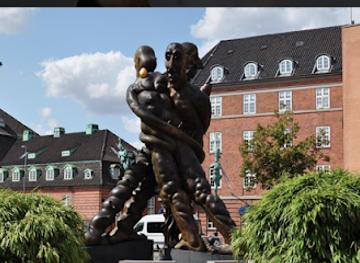
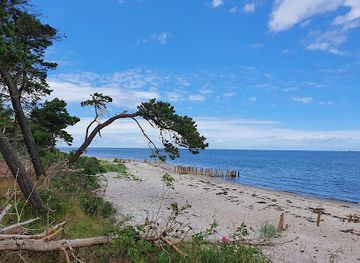
Explore Nyborg Fortress on the Map
A handpicked selection of must-see spots near Nyborg Fortress, mapped for you.
Getting There
-
Train from Copenhagen
Direct trains depart Copenhagen Central Station for Nyborg approximately every 30–60 minutes, with journey times ranging from 1 hour 15 minutes to 1 hour 45 minutes depending on service type. The castle is a 10–15 minute walk from Nyborg Train Station. Standard adult tickets cost approximately 150–250 DKK (20–33 EUR) for a single journey. Regional trains are more economical than high-speed services.
-
Car from Odense
Nyborg lies approximately 30 kilometres south of Odense via the E20 motorway, a drive of 25–35 minutes depending on traffic. The castle has on-site parking available. No motorway toll is required on Danish routes. Petrol costs vary; budget approximately 50–80 DKK (7–11 EUR) for fuel from Odense.
-
Bicycle via Funen Cycle Routes
Nyborg is integrated into Funen's extensive cycle network, with dedicated cycle paths connecting to towns across the island. From Odense, the cycling distance is approximately 30 kilometres via mapped routes, requiring 2–3 hours depending on fitness level and route selection. The town is flat and cyclist-friendly, with bike rental services available in Nyborg and surrounding areas.
-
Bus from Regional Towns
Regional bus services connect Nyborg to nearby towns on Funen. Journey times and frequencies vary by route; typical services run several times daily. Fares are generally 40–100 DKK (5–13 EUR) depending on distance. Check local transport operator schedules for current timetables.
For the on-the-go comforts that matter to you
-
 Restrooms
-
 Food Options
-
 Seating Areas
-
 Information Boards
-
 Visitor Center
Discover more about Nyborg Fortress
A Medieval Fortress Born from Royal Ambition
Nyborg Castle emerged in the late 12th century as part of Denmark's strategic defence system against the Wends. Construction began around 1193 under royal initiative, creating an ambitious fortification featuring ten-metre-high ring walls, two substantial stone buildings, and an elaborate moat system fed by water channelled from the River Vindinge Å, approximately five kilometres away. This engineering feat ensured perpetual water defences around both castle and town—a system that continues to function to this day. The original structure rose two storeys high and stretched roughly 28 metres in length, with architectural details still visible in the preserved royal wing, including an arched doorway and bricked-up window from this formative period.The Seat of Medieval Power and Parliament
Nyborg Castle's true significance lies in its role as Denmark's political heart during the Middle Ages. The castle hosted the Danehof—the royal parliament where Denmark's most influential nobles, bishops, and landowners gathered annually to make decisions of national consequence. In 1282, the Danehof witnessed a watershed moment when nobles and bishops curtailed King Erik Klipping's authority through a coronation charter, establishing what many historians recognise as Denmark's first constitution. This document mandated annual parliamentary assemblies at Nyborg and established the legal framework governing the realm. The castle's great halls echoed with debates on law, justice, and succession that would reverberate through centuries of Scandinavian history.Architectural Evolution and Royal Expansion
The castle underwent significant transformation during the 14th century. Around 1300, King Erik Menved commissioned an imposing watchtower—originally standing approximately 36 metres high—whose base remains visible today. Later, during the reign of Queen Margrethe I (1376–1412), the royal wing expanded southward with an additional storey and a grand new great hall, coinciding with the construction of Nyborg's Church of Our Lady. These additions reflected the castle's growing importance as a symbol of royal authority and a venue for increasingly elaborate state ceremonies, feasts, and tournaments that demonstrated Danish power to foreign dignitaries and domestic nobility alike.Fortifications and Strategic Defence
Beyond the castle itself, Nyborg developed into a comprehensive fortress complex protecting Denmark's interests. By the 1550s, King Christian III replaced the medieval fortifications with a larger, modernised structure featuring three-quarter-round earthworks at each corner—dimensions that largely define the fortress today. The fortress underwent further modernisation during the Swedish occupation of 1658–59, reflecting its enduring strategic value. The town's defensive walls, discernible in modern street layouts, and the fortress's distinctive 40-metre gate—Denmark's longest—stand as tangible reminders of eight centuries of military engineering and national defence.Pivotal Moments in Scandinavian History
Nyborg Castle witnessed decisions that shaped the entire Nordic region. In 1354, during a Danehof assembly amid the devastation of the Black Plague, King Valdemar Atterdag's parliament made the pragmatic decision to abolish hand and head mutilation as punishment—Denmark simply could not afford to lose more citizens. More dramatically, in 1377, Queen Margrethe I secured the Danehof's support for naming her young son Oluf as the future king of Denmark, Norway, and Sweden. This nomination, made against the alternative candidacy of Albrecht of Mecklenburg, proved foundational to the Kalmar Union—a personal union that would bind the Nordic kingdoms together for over four centuries and ultimately keep Greenland and the Faroe Islands within the Danish realm to the present day.Restoration and Contemporary Access
Nyborg Castle is currently undergoing comprehensive restoration and reconstruction as part of an ambitious heritage project. The initiative includes thorough restoration of the original royal wing, construction of a new exhibition wing, reconstruction of the ring wall, a new bridge connection, and elevation of the watchtower to 22 metres. This project aims to make Denmark's most important medieval and Renaissance cultural monument fully accessible to visitors, with recreated outlines of the original construction and grounds making the castle's history visually comprehensible. The restoration ensures that one of Northern Europe's most historically significant fortifications will continue to educate and inspire visitors for generations to come.












Your all‑in‑one travel companion app
Explore expert travel guides, compare and book tours, experiences, hotels, and more—all from the palm of your hand. Download now for seamless trip planning wherever your wanderlust takes you.


Explore More of Funen
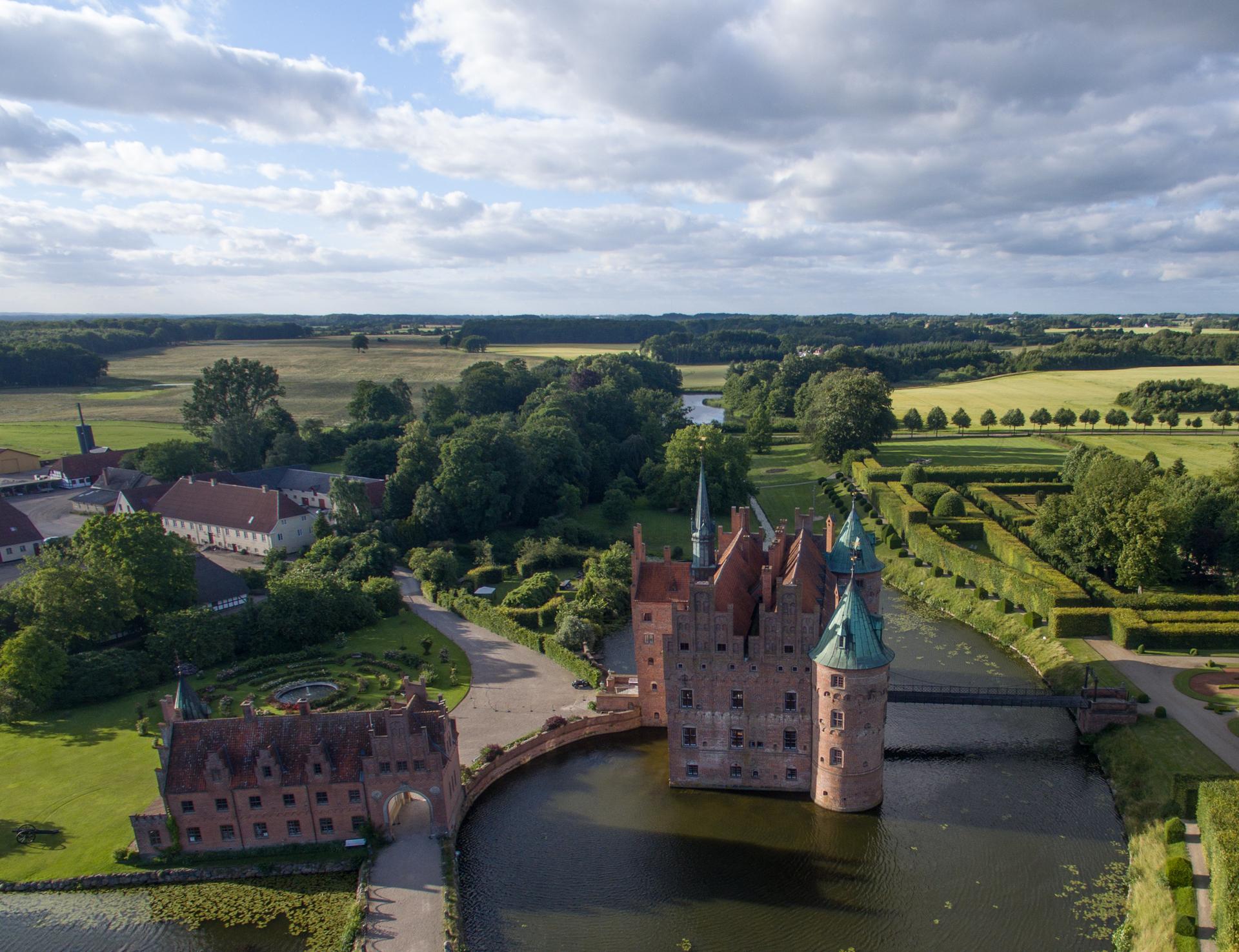
Looking beyond Nyborg Fortress? Discover Funen for broader travel guides, local hot-spots, and regional highlights.
Explore Funen