
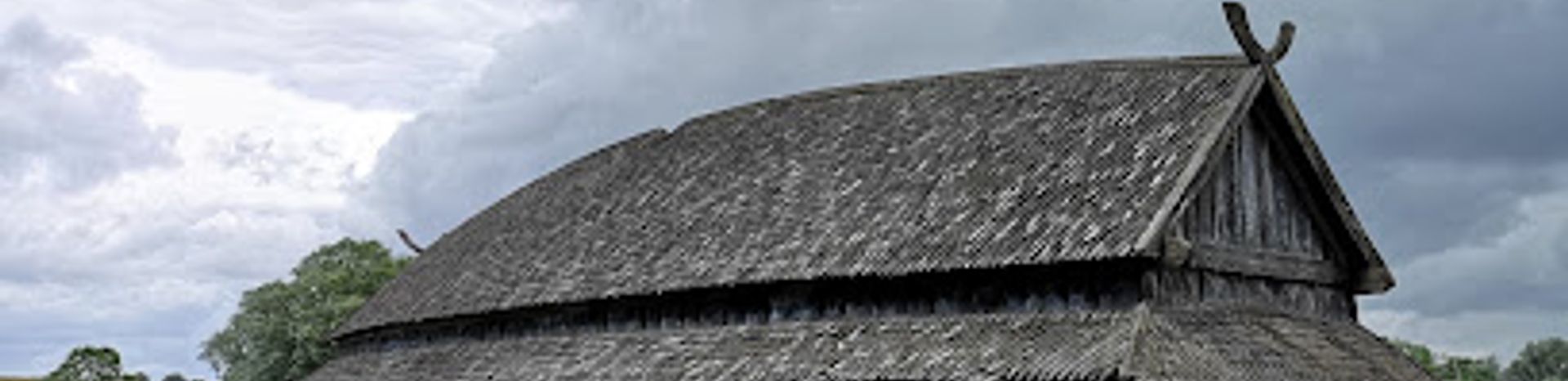
The Viking Fortress Trelleborg
Perfectly circular earthworks, a hands-on museum and living-history experiences bring Harald Bluetooth’s 10th‑century Viking fortress vividly to life near Slagelse.
Set in gentle countryside west of Slagelse, the Viking Fortress Trelleborg is one of Denmark’s best-preserved circular ring fortresses, built around 980 AD under King Harald Bluetooth. Now a UNESCO World Heritage Site, it combines an evocative earthwork ring, reconstructed longhouse, Viking village and an engaging museum that showcases weapons, jewelry, everyday objects and burial finds. In summer, living-history events and a major Viking festival bring the site vividly to life.
A brief summary to The Viking Fortress Trelleborg
- Trampestien Tude Ådal, Slagelse, 4200, DK
- Visit website
- Duration: 2 to 4 hours
- Mid ranged
-
 Mixed
Mixed
- Mobile reception: 4 out of 5
Local tips
- Plan at least two hours so you can explore the museum, walk the circular ramparts and visit both the reconstructed longhouse and Viking village without rushing.
- Check seasonal opening hours and festival dates in advance; the museum closes in winter, and July festival days can be much busier but also more atmospheric.
- Wear sturdy shoes and windproof layers—the walk around the ramparts is exposed, and paths can be muddy after rain despite being generally easy.
- Bring water and snacks if you visit outside peak season, when on-site café options may be limited or closed.
- Families can look for hands-on activities such as replica shields, costumes or craft demonstrations, which are more common during school holidays and summer.

For the on-the-go comforts that matter to you
- Restrooms
- Drink Options
- Drinking Water
- Food Options
- Seating Areas
- Sheltered Areas
- Trash Bins
- Information Boards
- Visitor Center
Getting There
-
Car from Copenhagen
From central Copenhagen, driving to Trelleborg via the E20 motorway towards Slagelse typically takes about 1 to 1.25 hours, depending on traffic. Once near Slagelse, follow local signs toward the fortress area, where there is free outdoor parking close to the museum entrance. Fuel and toll costs vary by vehicle, but you should budget roughly 120–200 DKK for a return trip, including fuel and any potential bridge or road charges.
-
Train and bus from Copenhagen
Take an intercity or regional train from Copenhagen to Slagelse Station, a journey of about 1 to 1.25 hours with departures at least twice per hour during the day; standard adult fares are usually in the 120–180 DKK range one way, depending on time and ticket type. From Slagelse, connect to a local bus towards the Tude Valley or Hejninge area, with combined bus time of roughly 20–35 minutes, then walk on easy rural paths for about 20 minutes to reach the fortress. Local bus tickets typically cost around 24–36 DKK per segment, and services are less frequent in evenings and on weekends, so checking timetables in advance is important.
-
Bike from Slagelse town
From Slagelse town centre, cycling to Trelleborg is a pleasant ride of about 8–10 km through gently undulating countryside, usually taking 30–45 minutes each way at a moderate pace. The route makes use of minor roads and cycle-friendly stretches, but surfaces vary and there may be short sections with mixed traffic, so reflective gear and lights are useful outside daylight hours. If you need to rent a bicycle, expect to pay around 100–200 DKK per day from local or regional providers, and be prepared for wind exposure on open stretches near the fortress.
The Viking Fortress Trelleborg location weather suitability
-
 Clear Skies
-
 Mild Temperatures
-
 Any Weather
-
 Cold Weather
Discover more about The Viking Fortress Trelleborg
A Viking stronghold in the Tude Valley landscape
Trelleborg sits on softly rolling terrain near the Tude Valley, where rivers, marsh and low hills once formed a natural defence system. When the fortress was built around 980 AD, this area connected to the Great Belt through shallow waterways, allowing Viking ships to glide almost up to the ramparts. Today the landscape is calmer and largely agricultural, but the broad grassy ring and surrounding fields still hint at the strategic importance this site once held in controlling movement between Zealand and Funen. Walking the ramparts, you see the perfectly circular outline that defines the Viking ring fortresses. From above, the geometry is striking; on the ground, the scale is what impresses, with high embankments and deep ditches that would have been daunting obstacles for any attacker. Skylarks, wind in the grass and views across open countryside now replace the clash of weapons, yet the earthworks still give a powerful sense of military order and royal authority.Harald Bluetooth’s royal fortress
Archaeological dating shows that the timber used at Trelleborg was felled in the late 10th century, tying the fortress to King Harald Bluetooth’s ambitious building programme. He unified much of Denmark and converted it to Christianity, and ring forts like Trelleborg were part of his effort to control territory and trade routes. The site’s design is mathematically precise: a circular rampart with two main roads crossing at right angles in the centre, creating four equal quarters. Each quarter originally held a group of longhouses laid out in strict symmetry, forming neat squares around open courtyards. Reconstructions and ground markings help you imagine around 1,300 people living here—warriors, craftsmen, families and enslaved people—supported by workshops, storerooms and stables. Finds of silver, bronze and gold working show that Trelleborg was not just a military base but also a production centre, plugged into wider trade networks.Archaeology, battle scars and distant origins
Excavations in the 20th century uncovered a wealth of artefacts that illuminate daily life. Pottery shards, keys, combs, needles and tools point to a community that cooked, mended, traded and worshipped within these walls. More dramatic are the weapons and the traces of conflict: axe heads, arrow points and shield remains, along with evidence of burning in parts of the fortress. Several mass graves discovered near the site contain warriors who died violent deaths. Analysis of teeth and bones has indicated that many of these men came from what is now Norway and Poland, suggesting that Harald Bluetooth relied on foreign allies and mercenaries to garrison his strongholds. This mix of origins underlines Trelleborg’s place in a wider Baltic world of shifting alliances, dynastic marriages and seaborne warfare.Museum, reconstructed longhouse and Viking village
The modern museum beside the earthworks weaves these discoveries into a clear narrative. Exhibits include original weapons, jewellery, tools and fragments of the fortress’ structure, complemented by models that show how the perfect circle, gates and streets worked together. Skeletons and burial goods, including material from sacrificial wells, offer a more intimate glimpse of individual lives and deaths. Just outside, a large reconstructed Viking longhouse lets you step inside a timber hall much like those that once lined the inner streets. Dark wooden beams, central hearths and low doorways give a tangible feel for Viking domestic space. A short walk away, the reconstructed village of Slagløse presents different building types inspired by finds from across the Viking world, helping you picture the kind of settlement that might have supplied or surrounded a fortress like Trelleborg.UNESCO recognition and seasonal living history
In 2023, Trelleborg and four other Danish ring fortresses were inscribed as a single UNESCO World Heritage Site, recognised for their unique architecture and exceptional testimony to the power of the Jelling dynasty. This status has sharpened focus on preservation, interpretation and research, ensuring that paths, signage and reconstructions are managed with care for the archaeological layers beneath. During the main season, the site often hosts demonstrations of crafts such as blacksmithing and textile work, and on selected days you may encounter costumed interpreters explaining weapons, tactics or everyday chores. The highlight of the year is a major Viking festival, when hundreds of reenactors turn the fields into a bustling market and battlefield, with staged clashes recalling rival kings and their armies. Outside these busier weeks, Trelleborg’s grassy ring and open skies make it a tranquil place to wander, reflect and let the early medieval past take shape in your imagination.Iconic landmarks you can’t miss

Breddysse Stones
4.8 km
A modest Neolithic dolmen in the fields near Slagelse, where ancient burial stones, open skies, and quiet farmland meet in a quietly powerful landscape.

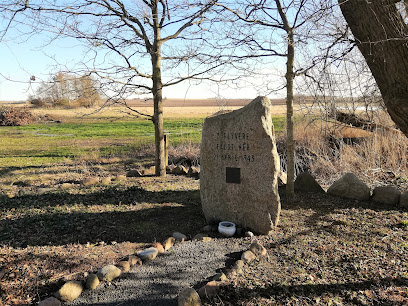
RAF Memorial Stone
4.9 km
Small rural monument, big wartime story: a quiet Danish field where seven RAF airmen are remembered with a single steadfast stone.
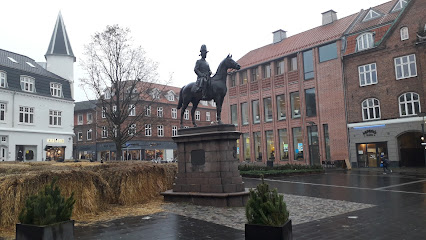
Rytterstatue af Christian IX
5.7 km
Bronze king on horseback surveys Slagelse from Schweizerpladsen—a citizen-honored tribute to Christian IX's enduring reign, sculpted with poised majesty.
Vandtrappen
5.7 km
A small yet compelling ceramic water sculpture in Slagelse’s Rosengården, where stepped cascades and quiet sound turn an everyday square into a contemplative urban pause.

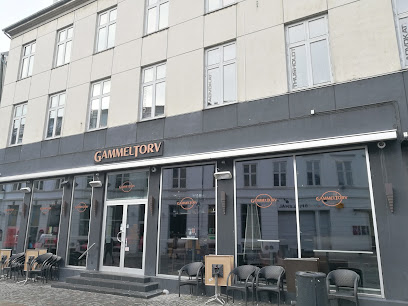
Gammeltorv
5.8 km
Copenhagen's 12th-century heart: Renaissance fountain, Neoclassical facades, and Strøget buzz in one timeless square.
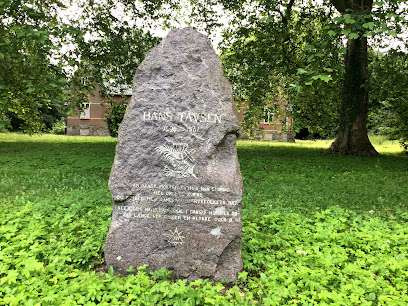
Mindesten for Hans Tausen
6.2 km
A modest granite stone in a quiet Slagelse green, marking the birthplace of Denmark’s Lutheran Reformation story at the former Antvorskov monastery.
Stendysse ved Blæsinge
7.7 km
A modest Neolithic stone tomb in the fields near Blæsinge, offering a quiet roadside glimpse into western Zealand’s Stone Age landscape and rituals.

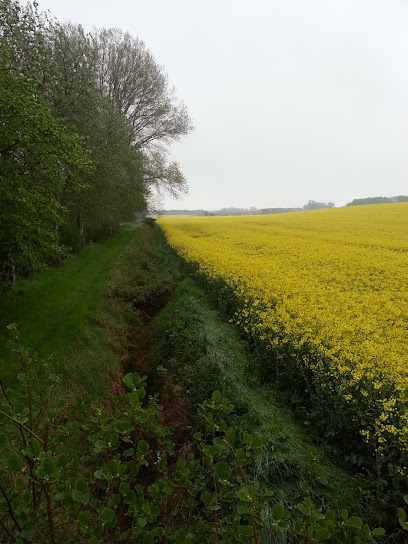
Træ-cirklerne ved Birkendegård
30.3 km
Subtle traces in the fields east of Kalundborg reveal a vast Neolithic ring monument, Denmark’s “Stonehenge”, encircling the hill of Overdrevsbakken.
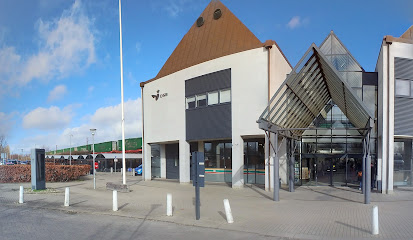
Nyborg St.
30.6 km
A historic rail gateway on Funen’s east coast, Nyborg Station links castle town charm with fast, modern connections across Denmark via the Great Belt.
Nyborg Vold
31.0 km
Stroll the grassy ramparts and mirror-still moats that once guarded Denmark’s medieval power center, now a peaceful green belt wrapping historic Nyborg.

Lerchenborg Gods
31.3 km
An impeccably symmetrical Baroque–Rococo manor near Kalundborg, where preserved architecture, parkland and quiet countryside evoke centuries of Danish noble life.
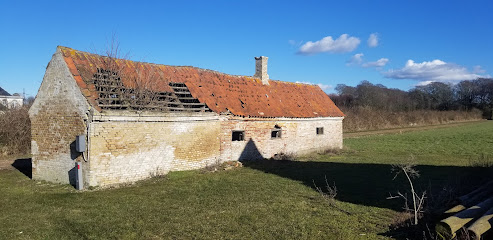
Erik Ballings Plads
31.3 km
Where Danish cinema's greatest visionary is celebrated through iconic characters and cultural memory.
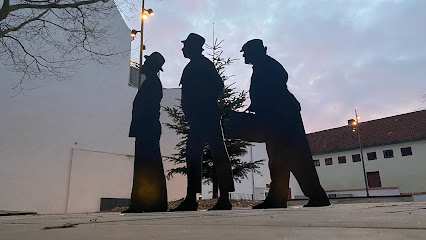
Mindesmærke for kaptajn Peter Bredal
31.4 km
A solemn memorial to a 17th-century Danish captain whose frozen fleet became legend.
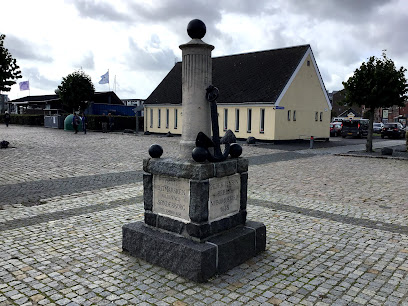
Nyborg Fortress
31.6 km
Medieval parliament seat where Danish kings shaped a nation's destiny and founded a Nordic empire.
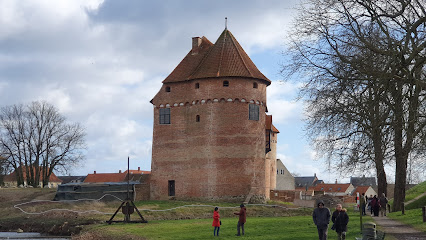
Den Hvide Jomfru
31.7 km
A modest white monument on Nyborg’s old fortress embankment, Den Hvide Jomfru blends legend, landscape and history into a quiet, atmospheric pause.
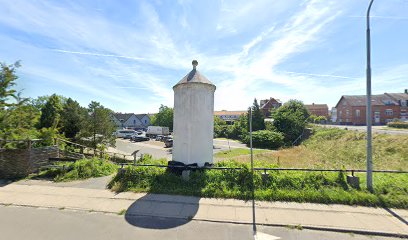
Unmissable attractions to see

Trelleborg - Museum of the Viking Age
0.4 km
A thousand-year-old Viking ring fortress where Harald Bluetooth’s warriors, longhouses and legends still shape the windswept fields of West Zealand.

Kong Slags Dysse
2.5 km
Experience Denmark's largest organic vineyard with award-winning wines and scenic tours in Karrebæksminde.

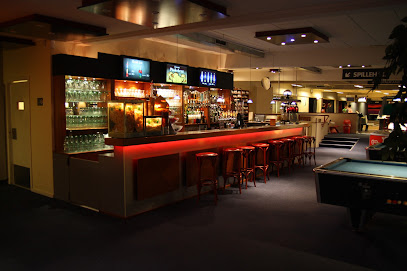
Restaurant Superbowl & Golfcenter Slagelse
5.3 km
Slagelse's premier entertainment complex blending bowling, golf, dining, and games for unforgettable family fun.
Slagelse Museum
5.5 km
Step into old Slagelse at this intimate town museum, where recreated shops, homes and changing exhibitions bring West Zealand’s everyday history vividly to life.

Slagelse Model Jernbane Klub
5.5 km
An attic above Slagelse Station where Danish railway history is reimagined in detailed 1:45 scale, run by passionate model train enthusiasts.

Vægmaleri
5.6 km
Experience the fusion of history and modern art at Slagelse's vibrant street mural by Peter Skensved.
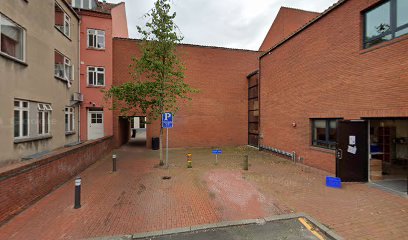
Gerlev Legepark
5.9 km
A three-hectare open-air playground where traditional Nordic games, Viking-inspired challenges and low-tech fun turn West Zealand’s fields into one huge shared game board.

Vægmaleri - VestsjællandsCentret
5.9 km
A splash of urban colour on the side of VestsjællandsCentret, this open-air mural adds creative flair to everyday shopping streets in the heart of Slagelse.

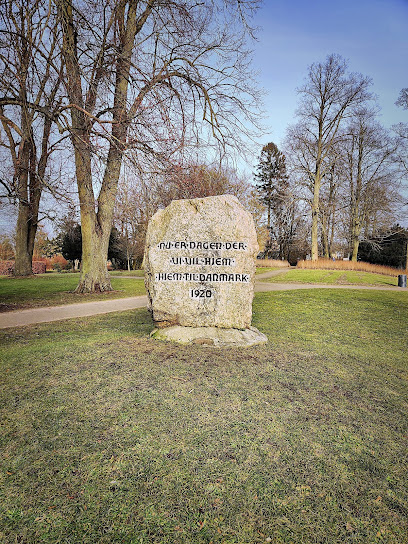
Genforeningssten i Slagelse
6.0 km
Diskret granitsten på en lille jordhøj i Slagelse, hvor genforeningen i 1920 er hugget i sten midt i et roligt, grønt anlæg.
Øen i søen
6.0 km
A tiny green island in a calm lake, Øen i søen offers an easy escape into water, sky and quiet lawns just a short stroll from everyday Slagelse life.
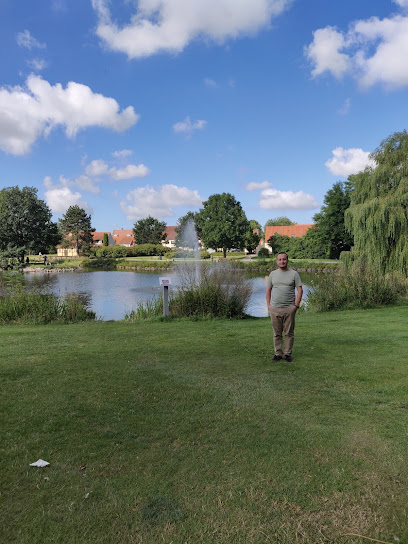
Lystanlægget Slagelse
6.1 km
Historisk bypark med søer, blomsterbede og roligt hverdagsliv – et grønt åndehul med legeplads, stier og plads til picnic, lige ved centrum af Slagelse.

Antvorskov Klosterruin, Slagelse
6.1 km
Atmospheric monastery and castle ruins on Slagelse’s edge, where low stone walls, open grass and big skies trace the story of a powerful medieval order.

Amphiteater
6.4 km
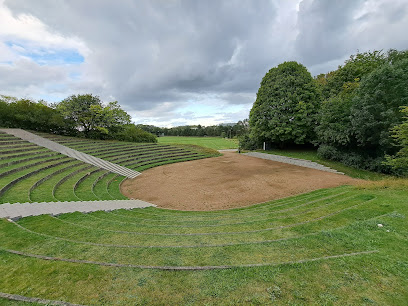
A small open-air stage carved into the greenery of Slagelse, where local performances, picnics and quiet pauses share the same gently sloping grassy bowl.
Stillinge Strand
6.6 km
A gently shelving sandy beach near Slagelse, where shallow waters, fine sand and wide sunsets create a relaxed slice of Danish west-coast seaside life.

Danish Forsorgshistorisk Museum
7.0 km
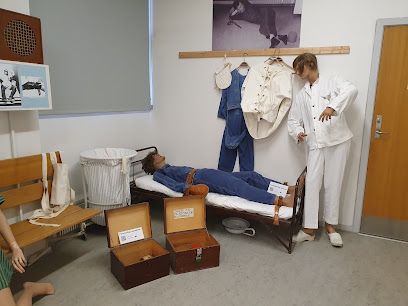
A powerful museum inside the former Andersvænge institution, tracing Denmark’s stark history of disability care from segregation and control to rights and inclusion.
Essential places to dine

Tayyib Food
3.6 km
Denmark's only kebab producer with integrated meat-cutting and butchery operations.
Kantine
4.1 km
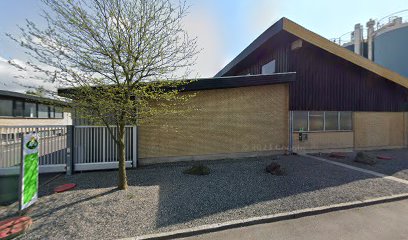
Unfussy, canteen‑style dining on Karolinevej in Slagelse, serving hearty everyday meals and coffee to locals, workers and curious visitors on a budget.
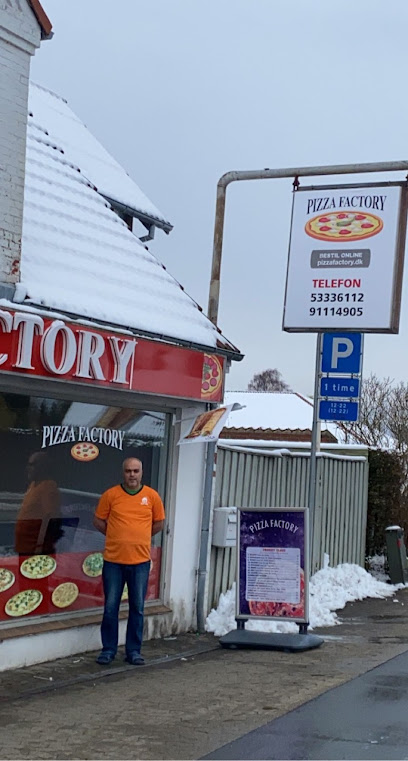
PIZZA FACTORY
4.3 km
Casual neighborhood pizzeria and grill in western Slagelse serving generously topped pizzas, kebab, burgers and family-friendly fast food at moderate prices.
strippen på prærien
4.7 km
Savor pristine angler fish in Slagelse's cozy seafood sanctuary, where fresh catches meet Danish simplicity and warm hospitality.

Grill Mania
4.7 km
Casual central Slagelse grill joint serving hearty fast-food favorites, ideal for quick lunches, easy dinners, and takeaway on the go.
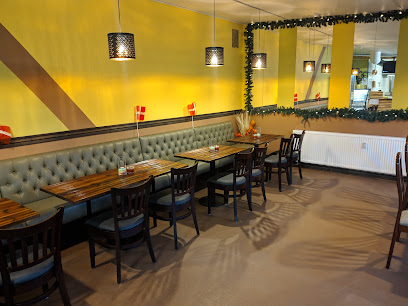
Downtown
5.3 km
Straightforward pizza and grill in central Slagelse, serving generous comfort food, long hours and easy takeaway from a relaxed, family-friendly setting.
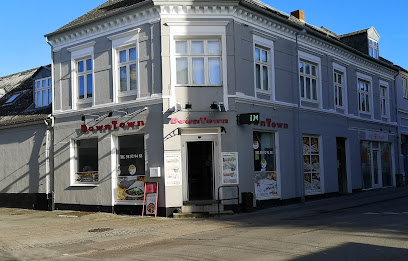
Viking Pizza
5.3 km
Straightforward Bredegade pizzeria in central Slagelse, serving classic Danish‑style pizzas, burgers and grill dishes for quick, budget‑friendly meals and easy takeaway.
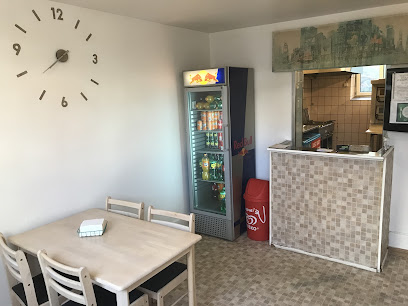
Country og Western House ApS
5.5 km
Experience authentic Danish flavors at Country og Western House ApS in Slagelse - a must-visit for food lovers.
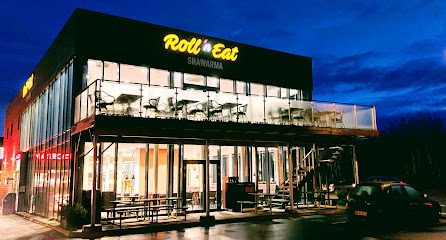
Roll 'n Eat - Slagelse
5.5 km
Denmark's first kebab drive-thru serving fresh shawarma and quality fast food in Slagelse.
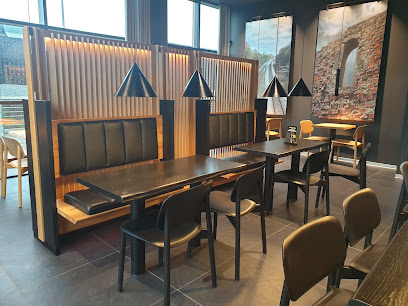
Sunset Boulevard
5.5 km
Modern Danish fast-food stop in Slagelse offering burgers, sandwiches and quick, casual meals with long opening hours and convenient takeaway options.
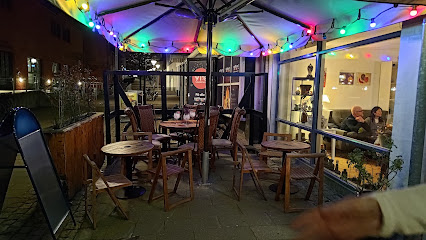
Caféteket
5.6 km
Cosy vegan café-bar in central Slagelse, blending homemade plant-based comfort food with retro interiors, vintage porcelain and an intimate, living-room atmosphere.
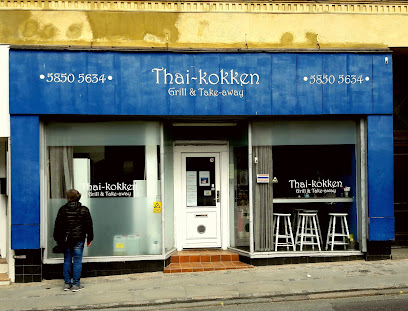
Thai-Kokken Grill & Takeaway
5.6 km
Casual Thai grill and takeaway in central Slagelse, serving box menus, curries and stir-fries for easy dinners, quick pick-ups and convenient local catering.
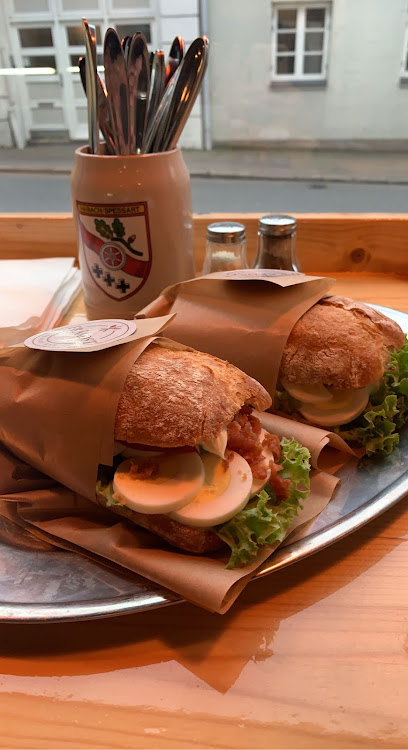
Fråkost
5.6 km
Fresh Danish sandwiches and smørrebrød crafted with quality ingredients in casual Slagelse lunch spot.
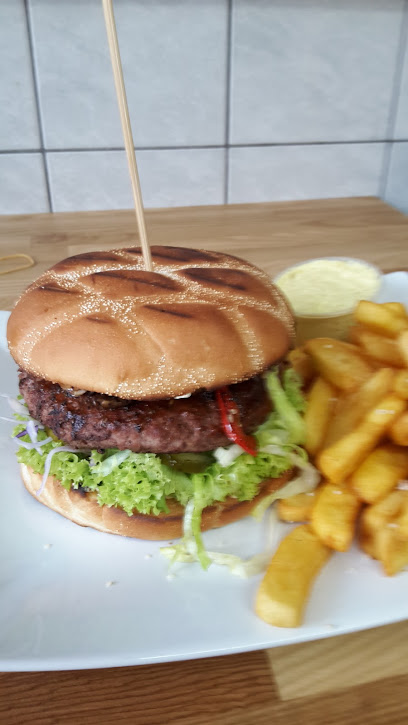
Slagelse Lille Køkken
5.6 km
Compact fast-food favorite in central Slagelse serving generous burgers, barbecue-style chicken and hearty takeaway meals at friendly prices.
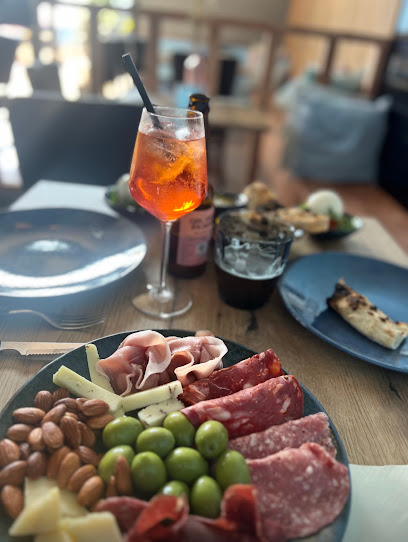
MA TEO Madbar Slagelse
5.6 km
Neighbourhood Italian madbar in Slagelse serving Neapolitan pizza, antipasti and easygoing drinks in a relaxed, evening-only setting with dine-in and takeaway.
Markets, malls and hidden boutiques

Dansk
4.0 km
Straightforward, family-focused fashion in Slagelse, with seasonal styles and familiar brands for kids, teens and adults gathered under one practical roof.

Frede's Neat Things
4.1 km
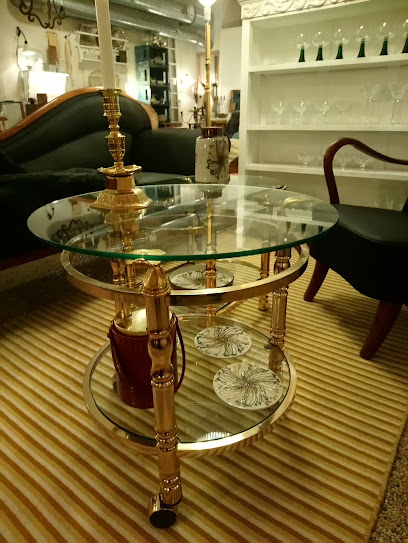
Curated vintage and antique treasures in the heart of Slagelse for collectors and design enthusiasts.
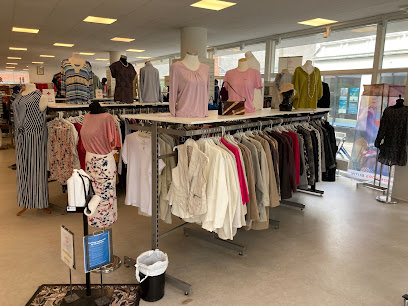
Red Cross charity shop - Slagelse
5.7 km
Volunteer-run second-hand treasure trove in central Slagelse, where ever-changing bargains meet everyday Danish life and each purchase supports Red Cross humanitarian work.
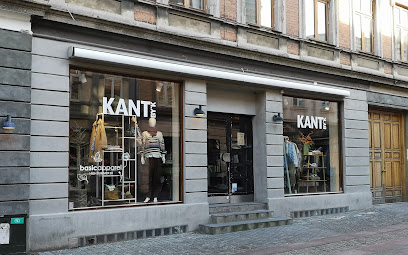
Kant By K
5.7 km
Cosy women’s fashion boutique in central Slagelse, blending Scandinavian style, personal styling advice and a relaxed, small-town atmosphere on Rosengade.
Only Curves
5.7 km
Stylish plus-size fashion that celebrates curves with quality, comfort, and contemporary flair in the heart of Slagelse.
Sophie B
5.7 km
Local women’s boutique in central Slagelse, blending relaxed Scandinavian style, personal advice and a compact, easy-to-browse selection of wearable pieces.
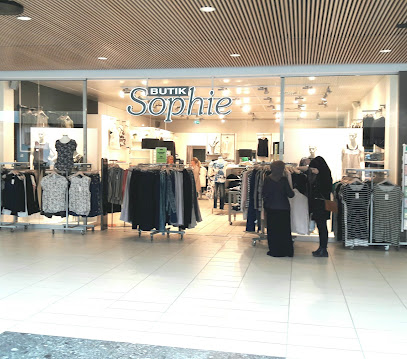
Templet
5.7 km
Handcrafted jewellery and watches celebrating life's precious moments in central Slagelse.
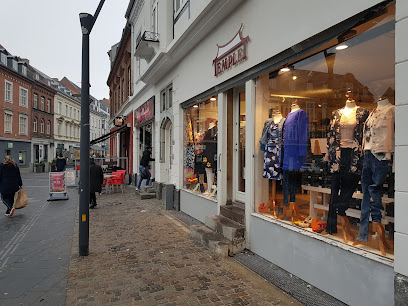
Bazar Slagelse
5.7 km
Denmark's largest specialty supermarket bringing 2,000+ global flavors to Slagelse since 2009.
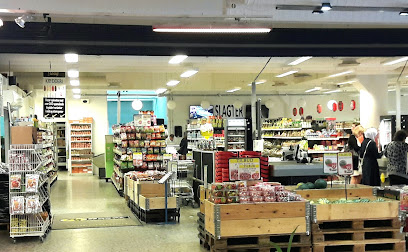
Concept
5.7 km
Central Slagelse boutique for modern Scandinavian-inspired womenswear, shoes and accessories, ideal for a relaxed browse and a wearable Danish-style souvenir.
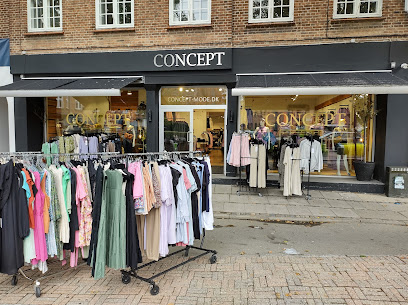
Butik Sophie Vestsjællandscenteret
5.7 km
Intimate women’s fashion boutique inside modern Vestsjællandscentret, offering Scandinavian-style outfits and relaxed browsing in the heart of Slagelse.
Rådhuskroen v/Inge & Hother Nielsen
5.7 km
A quietly traditional clothing shop on Schweizerpladsen, where personal service, classic garments and a local, owner‑run feel define the experience.
Javahuset
5.7 km
Premium coffee and curated gifts in Slagelse's charming city center.
NIELSENs
5.7 km
Bright, modern clothing store in central Slagelse, bringing Scandinavian high-street style for women, men and children together in one convenient indoor stop.
Kop & Kande
5.7 km
Central Slagelse homeware and gift shop stocking Danish kitchen gear, tableware and decor, ideal for practical souvenirs and thoughtful presents all year round.
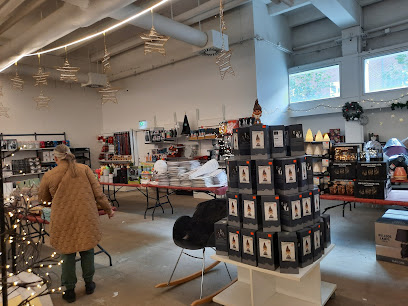
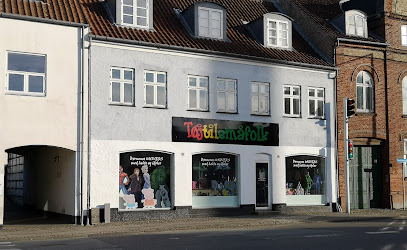
Tøjtilsmåfolk.dk
5.7 km
Colourful, character-filled children’s boutique in the heart of Slagelse, specialising in playful, practical clothes for babies and young kids in a cosy local setting.
Essential bars & hidden hideouts

Teater Cafe'en
5.4 km
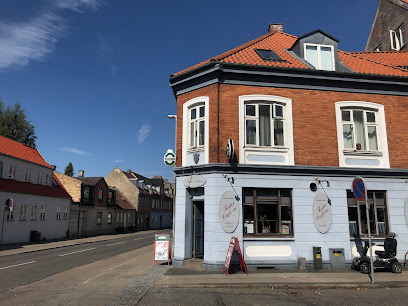
Cosy neighbourhood bar in central Slagelse, blending café calm by day with a sociable, theatre-tinged bar atmosphere late into the weekend nights.
The Red Rubin
5.4 km
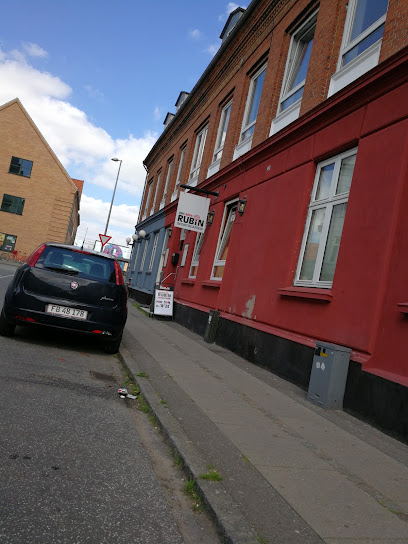
Cozy, no‑nonsense neighborhood bar in central Slagelse, serving straightforward drinks and a relaxed local vibe from daytime until the early hours.
Cafe 23
5.5 km
Low‑key, old‑school brown bar in central Slagelse, serving inexpensive drinks and a slice of everyday Danish nightlife in a worn but welcoming setting.
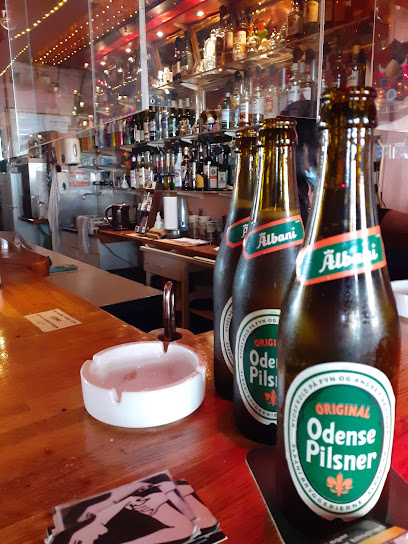
Cafe Viking.
5.6 km
Unpretentious local bar in central Slagelse, serving inexpensive drinks and everyday Danish pub atmosphere from midday into the late evening.
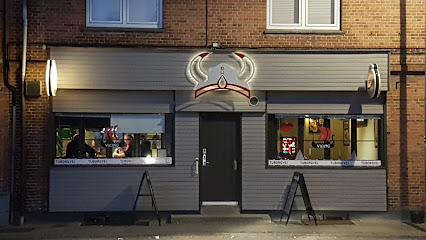
Rosen Bodega
5.7 km
Unpretentious neighborhood bodega in central Slagelse, pouring inexpensive drinks and local character in a relaxed, lived-in bar setting.
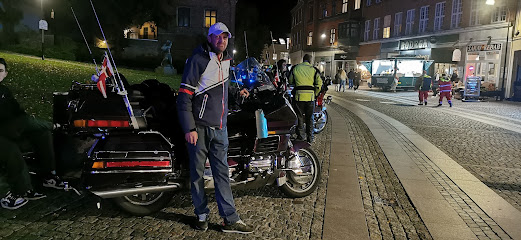
Gecco Bar & Natklub
5.7 km
Slagelse's premier late-night cocktail bar and nightclub, serving craft drinks until dawn.
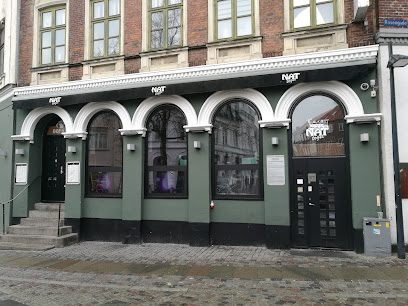
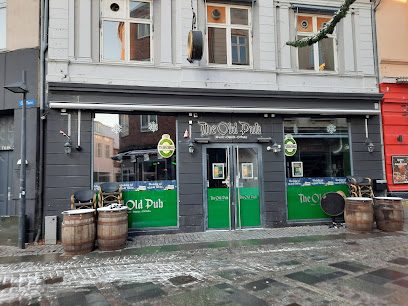
The Old Pub
5.8 km
Lively Irish-style pub on Slagelse’s Fisketorvet, mixing late-night live music, casual drinks and dance-floor energy from Thursday to Saturday.
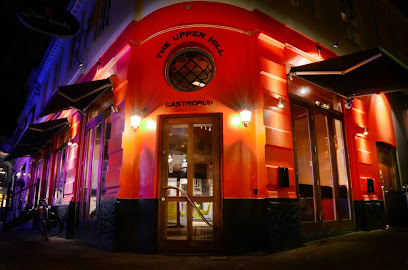
The Upper Hill
5.8 km
Cozy Irish-style pub in central Slagelse, serving generous pub dishes, broad beer and gin selections, live sports and music, plus outdoor tables on Fisketorvet.
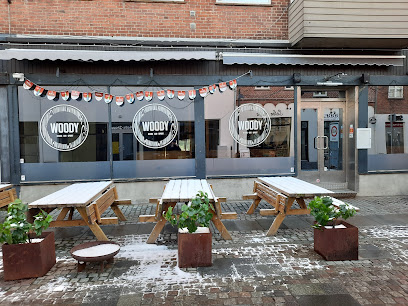
WOODY - Sport
5.8 km
Slagelse's premier weekend sports bar for craft beer, gin, and late-night social entertainment.
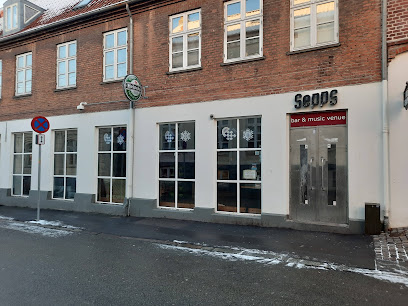
Café Sepps
5.8 km
Laid-back, smoky student bar in central Slagelse with cheap drinks, alternative music, live jam nights and a relaxed, come-as-you-are neighborhood atmosphere.
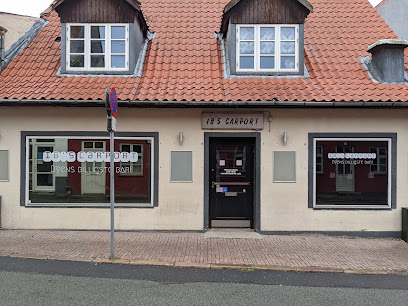
Ibs Carport
5.8 km
Unpretentious late‑night bar in central Slagelse, serving generous budget‑friendly drinks and billiards in a compact, sociable setting open on weekend nights only.
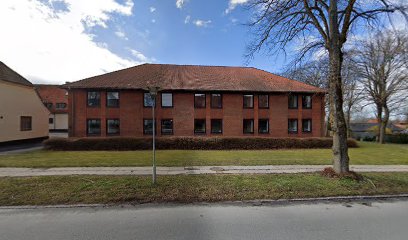
Slagelse Jazzklub
6.1 km
Intimate jazz evenings in a historic high school setting, where shared meals, swing bands and local community keep Western Zealand’s live jazz tradition thriving.
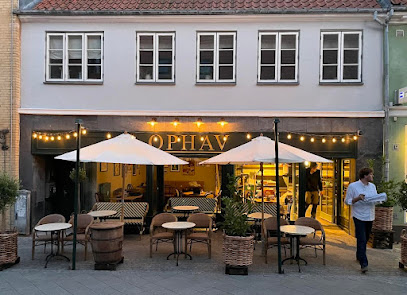
Ophav
31.3 km
Nyborg's refined casual dining hub blending bar, restaurant, and café culture with seasonal local cuisine.
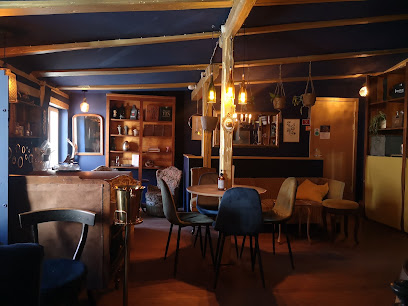
Laboratoriet Nyborg
31.3 km
Atmospheric wine bar and bottle shop in a historic 1824 apothecary laboratory, tucked in a Nyborg courtyard and serving carefully chosen wines, snacks and coffee.
Phønix I/S
31.3 km
Cozy, no-frills bar and burger spot in central Nyborg, serving cold beers, simple comfort food, and relaxed local nightlife just off the town’s historic streets.
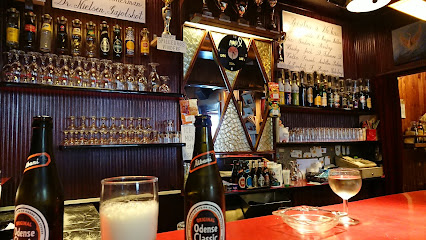
Nightclubs & after hour spots

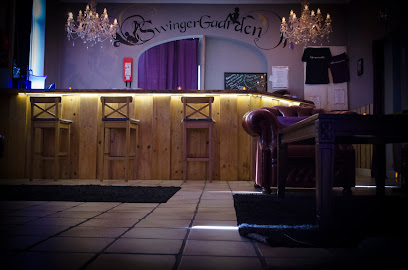
Swingergaarden
13.4 km
Discreet countryside swingers club near Slagelse, offering themed adult nights, intimate play spaces and a rules-based, consent-focused environment for open-minded guests.
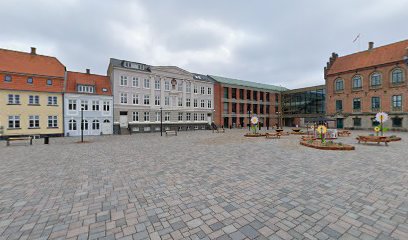
KJ's bodel
31.4 km
Laid‑back local nightspot on Nyborg’s main square, mixing simple drinks, sociable bar chatter and a compact dance floor in an unpretentious setting.
Muzirkus
32.6 km
Nyborg's independent music sanctuary where local bands rehearse, collaborate, and perform since 1974.
Juviklubben
33.6 km
Intimate Kalundborg live music hub and youth club, where generations meet for close-up concerts, casual bar nights and a laid-back, community-driven vibe.
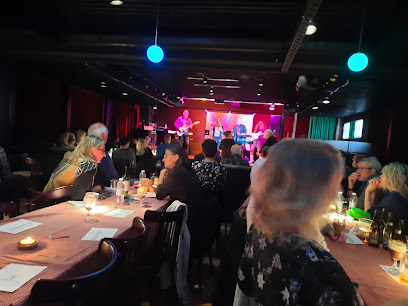
Crazy Daisy Næstved
36.3 km
High‑energy weekend nightclub in central Næstved, packing loud beats, flashing lights and a late‑night local crowd into a compact, classic Danish town‑club setting.
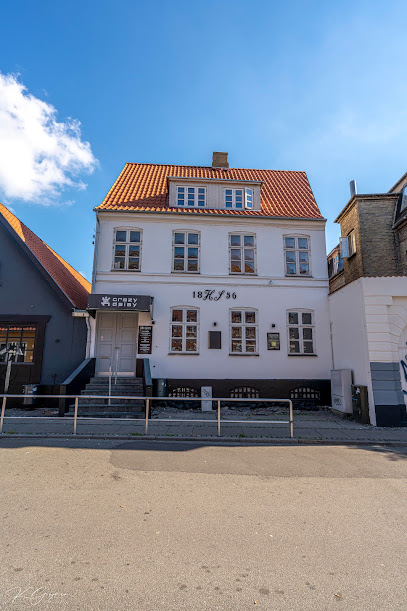
Avenue Næstved
36.4 km
Lively nightspot and flexible event hall in central Næstved, mixing dancefloor energy, festive dinners, stand-up comedy and themed parties under one roof.
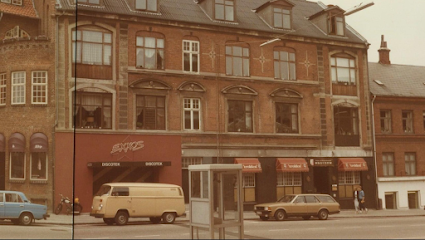
Club El Diablo
48.5 km
Adults-only entertainment venue offering a discreet, welcoming atmosphere for private social experiences.
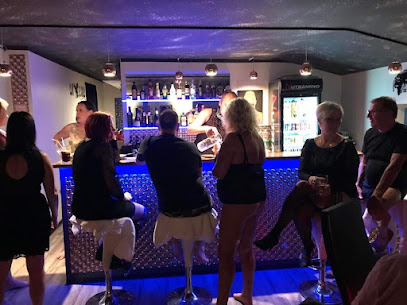
Dance Odense, Funen Square Dance Club
51.6 km
Community-driven square dancing in a cozy Odense neighborhood hall, where callers, patterns and shared rhythm turn an ordinary evening into a friendly social event.
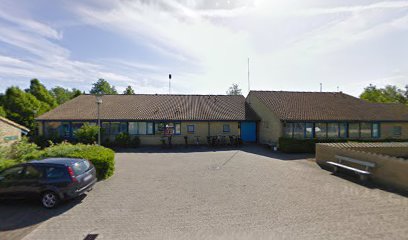
BUTCHERS Odense
55.0 km
High-energy nightclub on Odense’s Overgade, mixing pounding bass, lights and late-night drinks in a central old-town setting steps from major sights.
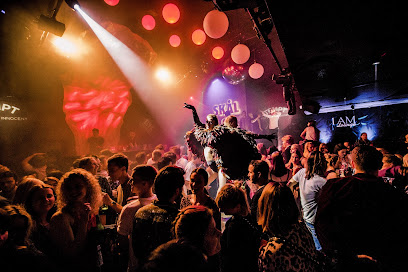
Boogie Dance Café
55.3 km
Odense's oldest disco where retro charm meets genuine community dancing.
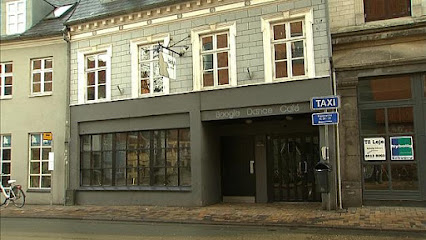
Dansebar Odense
55.5 km
Lively central Odense nightclub with mainstream hits, colorful lights and a sociable dance floor vibe from late evening into the early hours.
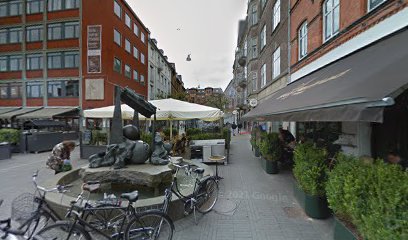
Grand Bar & Lounge
55.6 km
Experience timeless elegance and expertly crafted cocktails at Odense's Grand Bar & Lounge, nestled within the historic First Hotel Grand.

Crazy Daisy Svendborg
55.7 km
Compact, high-energy weekend nightclub in central Svendborg, serving mainstream beats, drinks and a sociable dance floor until the early hours.
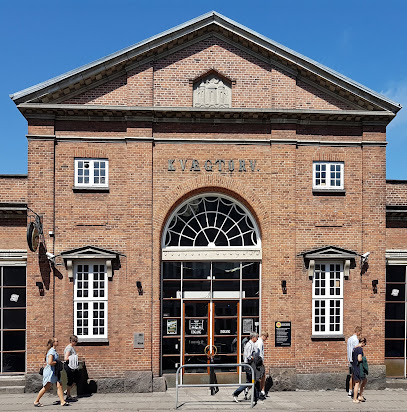
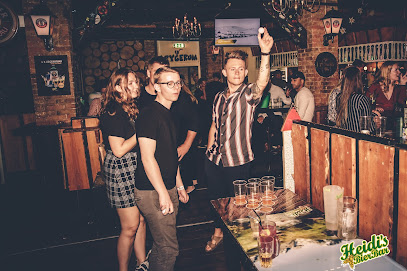
Heidi's Bier Bar Odense
55.8 km
Dance on tables, drink large beers, and celebrate Alpine-style year-round in Odense's most uninhibited nightclub.
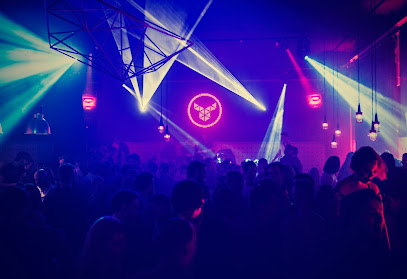
The slaughterhouse Nightclub & Eventhus
56.1 km
Experience industrial-cool nights, live music, and eclectic parties at The Slaughterhouse Nightclub & Eventhus, Odense’s dynamic hub for nightlife and contemporary culture.
For the vibe & atmosphere seeker
- Scenic
- Fun-filled
- Unique
- Casual
For the design and aesthetic lover
- Rustic Designs
For the architecture buff
- Historic
- Landmarks
- Parks & Gardens
- Sacred Sites
- Heritage Neighborhoods
For the view chaser and sunset hunter
- Iconic Views
- Panoramas
- Sunset Spots
For the social media creator & influencer
- Instagrammable
- Photo Spots
- Selfie Spots
- Reel-Friendly
- Architectural Shots
For the eco-conscious traveler
- Low Impact
- Public-Transport Accessible
- Locally Managed
For the kind of experience you’re after
- Cultural Heritage
- Photowalk
- Adventure Photo Shoot
- Day Trip
- Festival / Event Nearby
For how adventurous you want the journey to be
- Easy Access
Location Audience
- Family Friendly
- Senior Friendly
- Child Friendly
- Teen Friendly
- Solo Friendly
- Couple Friendly
- Solo Female Friendly
- Vegetarian Friendly
- Vegan Friendly


