Background

Amager: Copenhagen's Island Escape

Discover Amager: Copenhagen's vibrant island blending modern architecture, tranquil nature, and historic charm, offering a unique escape just minutes from the city center.

4.4

Amager, an island and district just east of Copenhagen's city center, offers a captivating blend of urban life and natural beauty. Once considered Copenhagen's backwater, Amager has transformed into a vibrant area with modern architecture, expansive nature parks, and inviting beaches. Explore the historic Dragør fishing village, discover innovative designs in Ørestad, or relax in the vast Kalvebod Fælled wetlands. With easy access to the city center and the airport, Amager provides a unique and diverse experience for every traveler, showcasing a fascinating contrast between its working-class roots and its modern aspirations. Whether you're seeking outdoor adventures, cultural experiences, or simply a relaxing escape, Amager promises a memorable visit.

A brief summary to Amager

  • DK

Local tips

  • Explore Naturpark Amager by bike; rent one at the Nature Center Amager for easy access to the park's diverse landscapes and trails.
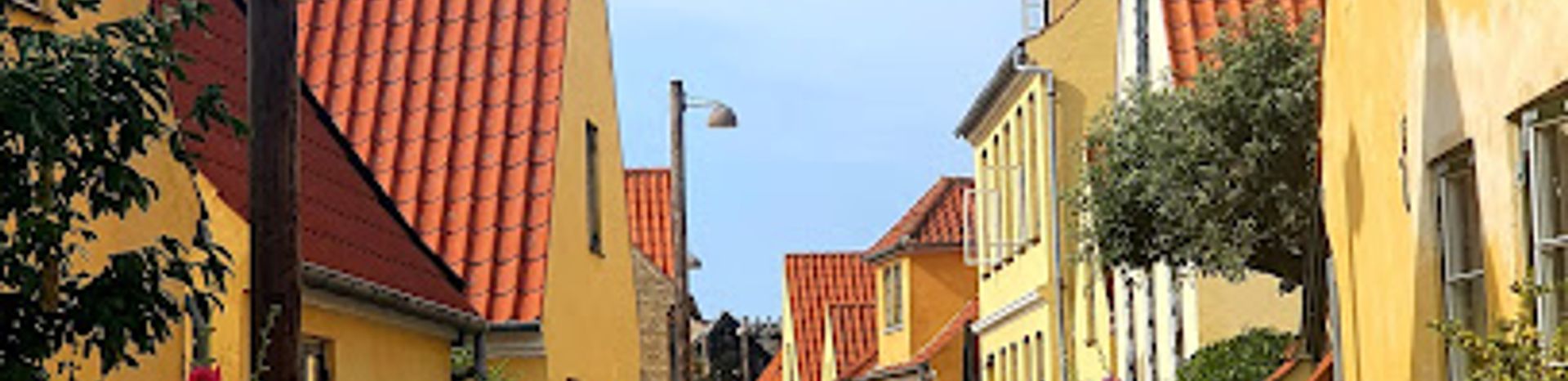
  • Visit Dragør for a taste of old-world charm; wander its cobblestone streets and enjoy fresh seafood at the harbor.
  • Take the Metro to Amager Strandpark for a refreshing swim and sunbathing during the summer months; pack a picnic to enjoy on the beach.
widget icon

Getting There

  • Public Transport

    From Copenhagen Central Station, take Metro line M2 (yellow line) directly to Amager. Several stops along the line provide access to different parts of the island, including Amager Strand (for the beach), Øresund (close to the National Aquarium), and Christianshavn (for the northern part of Amager). A single ticket costs approximately 24 DKK and is valid for a specific number of zones, ensure you purchase a ticket covering all the zones you will be travelling through. The journey takes approximately 10-15 minutes depending on the destination.

  • Taxi/Ride-Share

    Taxis and ride-sharing services (like Uber) are readily available throughout Copenhagen. A taxi from Copenhagen Central Station to Amager Strandpark will cost approximately 170-210 DKK and take around 10-15 minutes, depending on traffic. Ride-sharing services may offer slightly lower fares, but prices can fluctuate based on demand.

  • Bicycle

    Copenhagen is a bicycle-friendly city, and cycling to Amager is a popular option. From the city center, follow the designated bike lanes towards Amager. The ride to Amager Strandpark takes approximately 15-20 minutes. Bike rentals are widely available throughout Copenhagen, with prices typically starting around 100 DKK for a day.

Unlock the Best of Amager

Buy tickets

    No tickets available

Book tours with entry

    No tours available

Book tours without entry

    No tours available

Discover more about Amager

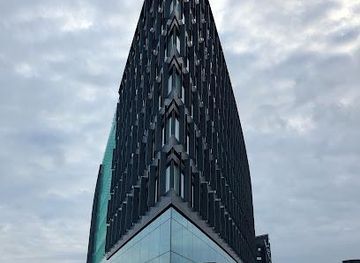
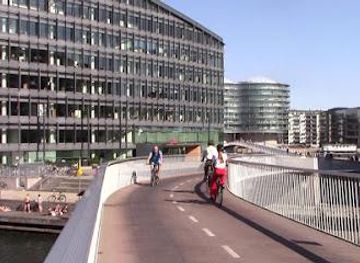
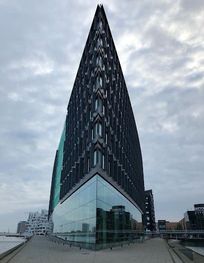
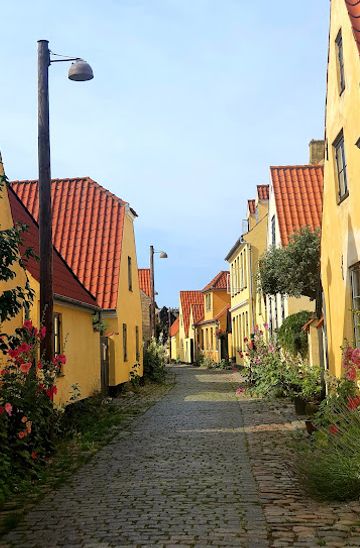
Amager, pronounced 'Ama'r,' is an island and district located east and southeast of Copenhagen's city center. Spanning approximately 96 square kilometers, it's a diverse landscape that encompasses everything from modern urban developments to tranquil natural reserves. For many years, Amager was considered the less glamorous sibling of Copenhagen, often used as a waste depot and overlooked by locals. However, this perception has dramatically shifted in recent decades, with Amager now celebrated for its unique blend of urban innovation and unspoiled nature. Amager's history is deeply intertwined with Copenhagen's. In the early 16th century, King Christian II invited Dutch farmers to settle on the island, tasking them with growing fresh vegetables for the royal court and the city's inhabitants. These Dutch farmers brought with them advanced agricultural techniques, transforming Amager into a fertile and prosperous region known as the 'kitchen of Copenhagen.' The legacy of these early settlers can still be seen in the architecture and cultural traditions of the charming village of Dragør, located on the island's southeastern coast. As Copenhagen expanded, Amager gradually became integrated into the city. In the 19th century, the construction of Sundbyerne marked the beginning of urbanization on the island. However, it wasn't until the late 20th and early 21st centuries that Amager truly experienced a renaissance. The construction of the Øresund Bridge, connecting Copenhagen to Malmö, Sweden, spurred significant development, transforming the island into a vital transportation hub and a desirable residential area. Today, Amager is a vibrant and dynamic district that offers a wide range of experiences for visitors. One of the most striking features of the island is the contrast between its urban and natural landscapes. In the Ørestad district, you'll find cutting-edge architecture, including the iconic 8TALLET and Tietgenkollegiet, which have won international acclaim for their innovative designs. This area showcases Copenhagen's commitment to sustainable urban development and offers a glimpse into the future of city living. In stark contrast to the modern architecture of Ørestad, Amager also boasts vast expanses of unspoiled nature. Naturpark Amager, a protected natural area covering more than one-third of the island, provides a sanctuary for wildlife and a tranquil escape for city dwellers. Here, you can explore forests, wetlands, and meadows, home to diverse flora and fauna, including rare bird species and grazing Highland cattle. The park offers numerous opportunities for outdoor activities, such as hiking, cycling, birdwatching, and horseback riding. Amager Beach Park, another popular attraction, is a 4.6 km stretch of sandy beach that offers a refreshing escape during the summer months. Originally constructed in the 1930s and expanded in 2005 with an artificial island, the beach park provides ample space for sunbathing, swimming, and water sports. The lagoon, separated from the sea by the artificial island, is a safe and shallow area perfect for families with young children. For those interested in history and culture, the charming fishing village of Dragør is a must-see destination. With its well-preserved 18th and 19th-century houses, cobblestone streets, and picturesque harbor, Dragør offers a glimpse into Amager's maritime past. The Dragør Museum showcases the village's history and cultural heritage, while the harbor is a popular spot for strolling and enjoying fresh seafood. Amager also offers a range of cultural and entertainment venues. Amager Bio, a renowned concert hall, hosts a diverse program of music, theater, and film events. The National Aquarium Denmark, Den Blå Planet, is another popular attraction, featuring a vast collection of marine life from around the world. Whether you're interested in exploring modern architecture, immersing yourself in nature, delving into history and culture, or simply relaxing on the beach, Amager offers a diverse and rewarding travel experience. Its unique blend of urban and natural landscapes, combined with its rich history and vibrant cultural scene, makes it a destination that appeals to a wide range of travelers. With its convenient location and easy access to Copenhagen's city center, Amager is an ideal base for exploring the Danish capital and its surrounding region. Amager's transformation from a forgotten backwater to a thriving and dynamic district is a testament to Copenhagen's commitment to innovation, sustainability, and quality of life. As you explore this fascinating island, you'll discover a place that seamlessly blends the old and the new, the urban and the natural, and the local and the global. Amager is more than just an island; it's a microcosm of Copenhagen itself, a place where you can experience the best of Danish culture and hospitality.

Popular Experiences near Amager

Popular Hotels near Amager

Select Currency