
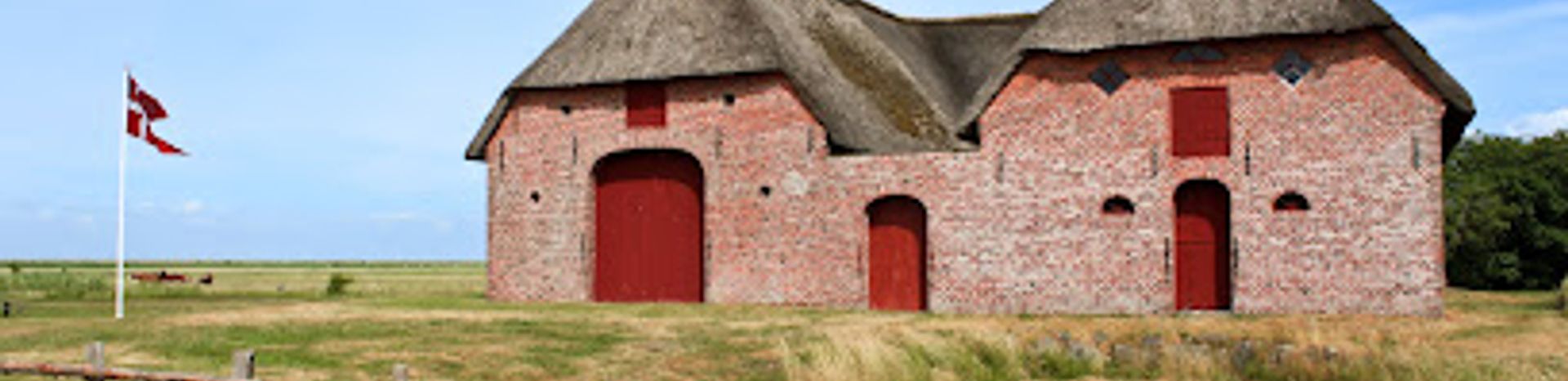
Nationalmuseets Kommandørgård
An opulent 18th-century whaler's home showcasing Arctic maritime wealth, Dutch tiles, and a sperm whale skeleton.
Step into an 18th-century whaler's home on the Danish island of Rømø, where ornate interiors, hand-painted Dutch tiles, and a dramatic sperm whale skeleton reveal the opulent lives of Arctic sea captains. This beautifully preserved farmstead, now part of the National Museum of Denmark, showcases the maritime wealth and cultural refinement that defined the region's golden age of whaling.
A brief summary to Nationalmuseets Kommandørgård
- Juvrevej 60, Rømø, 6792, DK
- +4574755276
- Visit website
- Duration: 1.5 to 2.5 hours
- Budget
-
 Mixed
Mixed
- Mobile reception: 4 out of 5
- Tuesday 10 am-4 pm
- Wednesday 10 am-4 pm
- Thursday 10 am-4 pm
- Friday 10 am-4 pm
- Saturday 10 am-4 pm
- Sunday 10 am-4 pm
Local tips
- Visit during Easter, summer, or autumn when the museum is open; winter closures mean limited access. Check opening hours in advance, as seasonal schedules vary.
- Allow 1.5 to 2 hours to fully explore the main house, outbuildings, and the whale skeleton in the barn without rushing.
- Wear comfortable walking shoes; the farmyard has uneven surfaces and steps. The interior features narrow doorways and period furnishings typical of the era.
- The café offers a peaceful spot to rest and enjoy views over the Wadden Sea; arrive early in the day for the best light and fewer crowds.
- Combine your visit with exploration of nearby Rømø attractions, including Lakolk Beach and the Tipperne bird sanctuary, both within easy reach by car or bike.

For the on-the-go comforts that matter to you
- Restrooms
- Drink Options
- Food Options
- Seating Areas
- Information Boards
Getting There
-
Car
From the Wadden Sea National Park visitor hub or mainland, cross the causeway linking the mainland to Rømø island. The farmhouse is located in the open pastoral landscape north of the island and is easily identified by its distinctive red-tiled roof and whalebone arch at the main entrance. Parking is free and generally available on the grounds; additional parking is nearby if the main lot is full. Journey time from the causeway is approximately 15–20 minutes depending on your starting point.
-
Local Bus
Local buses serve Rømø island with stops near Juvrevej, within walking distance of the museum. A single fare costs approximately 24–28 DKK. Bus service is limited outside the high season (May–September), so check schedules in advance. Journey time from Havneby harbour or central villages is typically 10–15 minutes.
-
Taxi
Taxis are available from Rømø's main ferry terminal, Havneby harbour, or village centers. Journey time to Kommandørgården is approximately 10 minutes. Expect fares in the range of 130–180 DKK depending on your departure point and season.
-
Bicycle
Rømø is well-suited to cycling, with dedicated bike paths connecting villages and attractions. From Havneby or Lakolk, allow 20–30 minutes by bike to reach the museum. The terrain is flat and the roads are generally quiet; bike rentals are available at several locations on the island.
Nationalmuseets Kommandørgård location weather suitability
-
 Any Weather
-
 Clear Skies
-
 Mild Temperatures
Discover more about Nationalmuseets Kommandørgård
A Whaler's Legacy in the Wadden Sea
Nationalmuseets Kommandørgård stands as one of Denmark's most evocative windows into 18th-century maritime prosperity. Built around 1748 on the windswept island of Rømø, this striking timbered farmhouse was home to one of the island's most influential families during an era when local sea captains—known as kommandører—commanded whaling expeditions across the Arctic Ocean. Though not originally built by a captain, the house earned its name due to its architectural grandeur and the wealth it displays, rivaling the estates of the island's most celebrated seafarers. The farmstead sits on a gentle rise overlooking the vast, treeless marshlands of the Wadden Sea, a UNESCO World Heritage site. From this vantage point, you can sense the isolation and ambition that defined life on this remote Danish island, where fortunes were made through dangerous voyages to polar waters in pursuit of whale oil and seal pelts.Opulence and Imported Treasures
Stepping through the heavy wooden doors reveals an interior of unexpected luxury. The National Museum of Denmark has meticulously restored the house to reflect its appearance in the 1770s, preserving rooms adorned with hand-painted decorative panels, grand oak furniture, and walls lined with Dutch tiles—some of the finest examples of 18th-century tilework in Europe. These imported materials, along with wallpapers and furnishings from the Netherlands, Germany, and England, testify to the international trade networks that connected this remote island to the broader European economy. Every room tells a story of ambition and cultural refinement. The detailed joinery and painted panels showcase exceptional craftsmanship, while the carefully arranged period furnishings invite visitors to imagine the daily lives of the family who once inhabited these spaces. The kitchen garden and historic outbuildings complete the picture of a self-sufficient estate that nonetheless enjoyed the comforts of distant trade.The Whale Skeleton and Maritime Heritage
In the barn stands one of the museum's most striking exhibits: the complete skeleton of a sperm whale that stranded on Rømø's shores in 1996. This massive creature serves as a tangible reminder of the forces that 18th-century whalers confronted during their expeditions to the Arctic. The skeleton's sheer size conveys the danger and audacity of these voyages, which could last months or years and often ended in tragedy. The presence of whalebone architectural elements throughout the estate—including decorative arches—further emphasizes the central role of whaling in the family's identity and wealth. These remnants of polar expeditions, displayed within an elegantly furnished farmhouse, create a compelling contrast between domestic refinement and the brutal realities of maritime commerce.Architectural Significance and Restoration
The house itself is a masterpiece of 18th-century Danish rural architecture. Its red-tiled roof and distinctive timber framing are visible from across the open landscape, making it a landmark on the island. The National Museum's restoration work has been meticulous, preserving original features while making the interior accessible to modern visitors. The layout of rooms, the quality of materials, and the attention to decorative detail all reflect the owner's status and the cosmopolitan influences that reached even this remote corner of Denmark. Accessibility is limited by the age and character of the building; visitors with reduced mobility may find steps and uneven surfaces challenging, particularly in the farmyard and outbuildings. Dogs are welcome on the grounds but not inside the museum or café.A Café with Panoramic Views
The museum's café offers a comfortable space to reflect on your visit while enjoying views across the Wadden Sea marshlands. The limited but welcoming menu provides refreshment after exploring the house and its grounds, allowing visitors to linger in this historically rich setting.Iconic landmarks you can’t miss

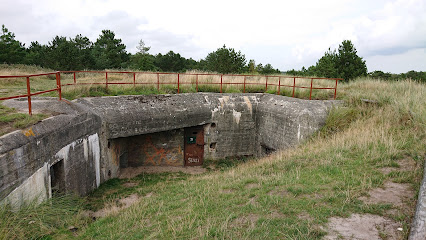
Bunker
2.3 km
A concrete relic of World War II occupation, standing silent in Denmark's westernmost forest.
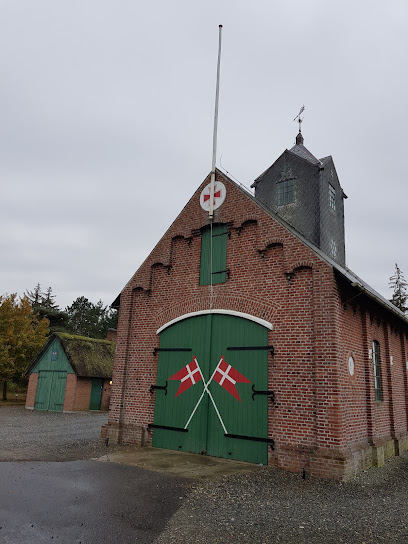
Gamle Redningsstation
6.2 km
Compact red-brick lifeboat station turned firehouse, telling Rømø’s quietly dramatic story of storms, shipwrecks and island resilience along the Wadden Sea.
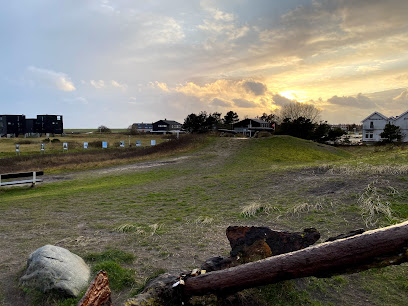
Kanonenhügel
8.8 km
A modest grassy mound above Havneby harbour where two 17th‑century cannons, wide Wadden Sea views and Rømø’s maritime past quietly meet.
Rømø-Sylt Linie GmbH & Co. KG
18.2 km
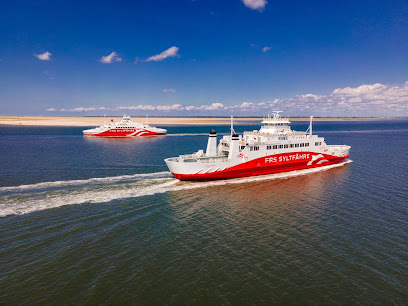
Experience the stunning Rømø-Sylt Ferry journey, connecting two beautiful islands with breathtaking views of the North Sea.
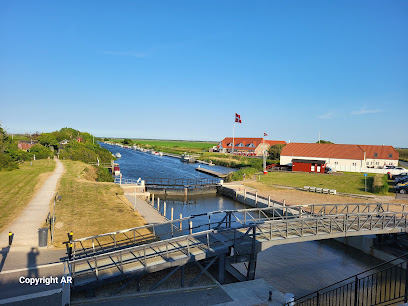
Kammerslusen Ribe
20.7 km
Discover Copenhagen's Black Diamond: A fusion of modern architecture and cultural heritage on the waterfront.
Æ Kåver
20.8 km
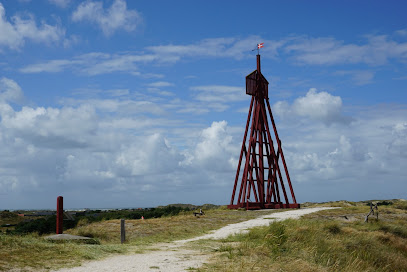
Reborn wooden seamark on Fanø’s southern edge, Æ Kåver recalls 17th‑century seafaring in a wild Wadden Sea landscape of wind, sand and wide horizons.
Sønderho Church
21.2 km
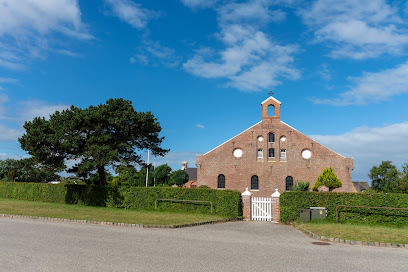
An 18th‑century island church filled with Denmark’s largest flotilla of votive ships, anchoring Sønderho’s seafaring history in a tranquil Wadden Sea village.
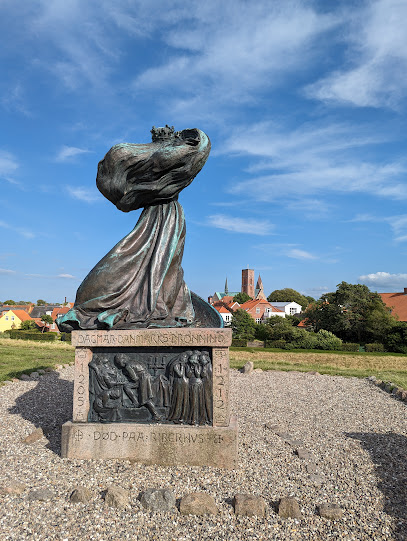
Queen Dagmar of Bohemia
22.3 km
A contemplative statue on Ribe’s former castle hill, honouring the gentle 13th‑century Queen Dagmar where her life and legend became entwined with Denmark’s history.
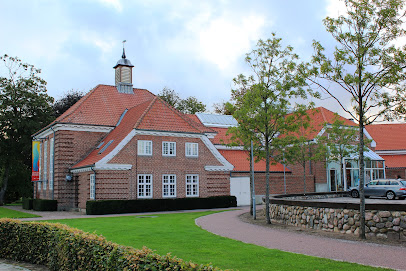
Museet Ribes Vikinger
22.5 km
A graceful neo-Gothic Anglican church in central Copenhagen, St Alban’s offers British heritage, tranquil interiors, and a picturesque setting amid city icons.
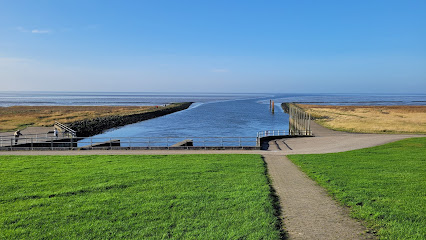
Vidåslusen
23.6 km
Discover Vidåslusen in Højer, Denmark: A historic sluice offering stunning Wadden Sea views, local cuisine, and a gateway to the Tøndermarsken marshlands.
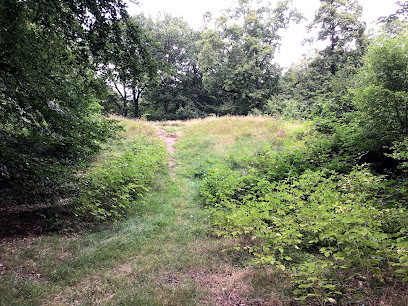
Galgebakken
23.7 km
Denmark's haunting reminder of the witch hunts that claimed eleven lives in Ribe between 1572 and 1652.
Højer Sluse
24.6 km
Discover the historic Højer Sluse, a gateway to the Wadden Sea National Park, offering insights into coastal defense and the region's unique natural beauty.
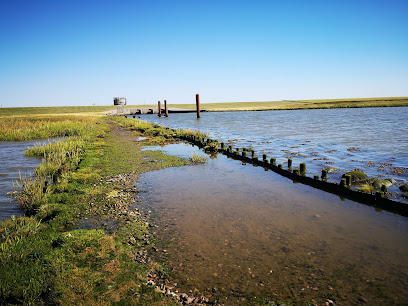
Sønderho Gl. Fuglekøje
25.2 km
Step into history at Sønderho Gl. Fuglekøje, Fanø’s authentic duck decoy, where Danish coastal tradition, wildlife, and island heritage come to life in tranquil heathland.
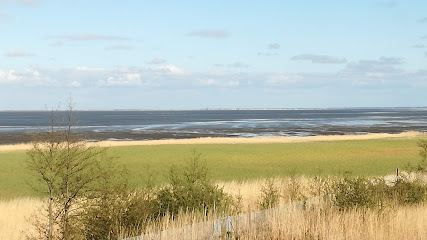
Skovlegeplads
25.3 km
Discover Skovlegeplads in Fanø, where nature meets adventure in a delightful playground for families and children.
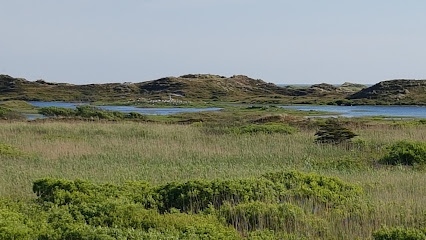
Pælebjerg - Det højeste punkt på Fanø
26.3 km
Fanø's windswept summit offering panoramic North Sea views and access to scenic dune forest trails.
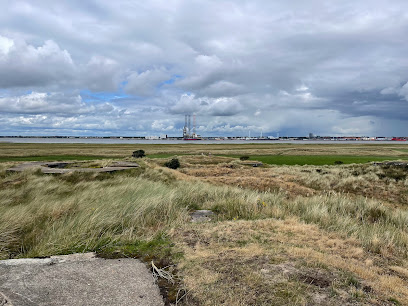
Unmissable attractions to see

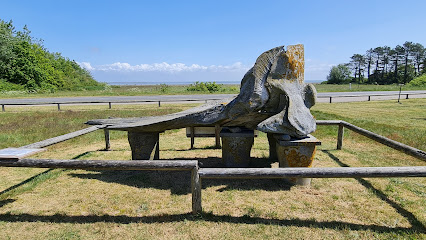
Hvalkæbehegn ved Hvalfangergården
0.9 km
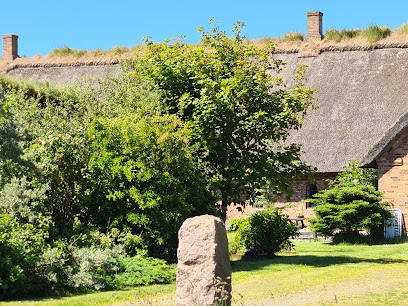
A modest Rømø farmhouse fence built from towering whale jawbones, preserving the island’s dramatic whaling past in a single, striking roadside stop.
Havegærde Af Hvalunderkæber
1.0 km
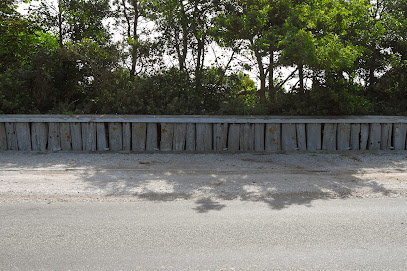
A surreal village fence of towering whale jawbones, Havegærde Af Hvalunderkæber turns a Juvre farmhouse garden into a powerful reminder of Rømø’s whaling past.
Turbåden Mandøpigen
1.4 km
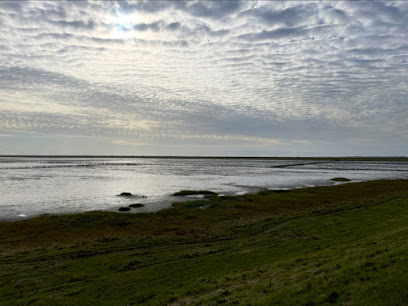
Intimate Wadden Sea crossings by Turbåden Mandøpigen, gliding between Rømø, Mandø and the mainland past seals, oysters and vast tidal landscapes.
Rømø shooting area
1.9 km
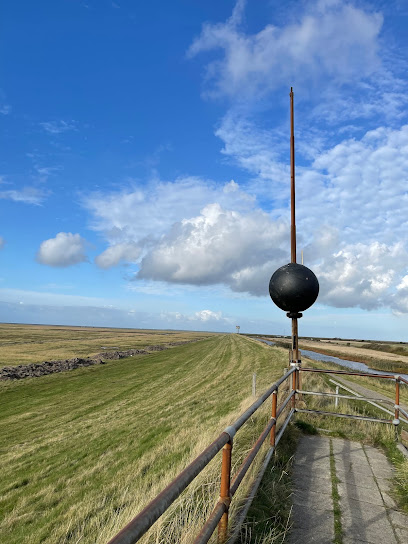
Vast dunes and heathland at Rømø’s wild northern tip, where military training grounds and protected nature meet under the wide Wadden Sea sky.
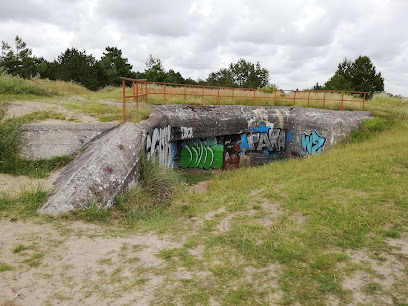
Garagebunker
2.2 km
A low concrete wartime bunker half-hidden in Rømø’s dunes, the Garagebunker quietly reveals the island’s strategic past amid heather, pines and North Sea wind.
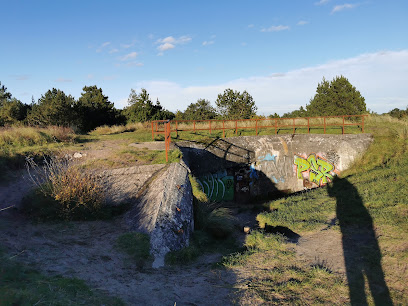
Mammutbunkeren
2.2 km
A colossal World War II radar bunker half-buried in Rømø’s dunes, Mammutbunkeren offers a stark, atmospheric encounter with coastal military history.
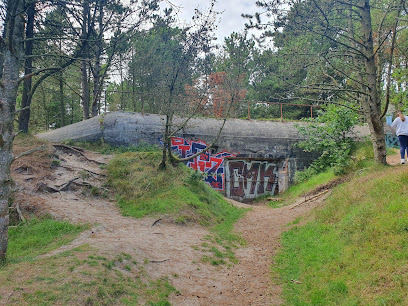
Bunker und Bunkertour Römö
2.2 km
Guided wartime exploration beneath the pines of Rømø, where hidden Second World War bunkers and radar relics meet tranquil dunes, heather and coastal forest.
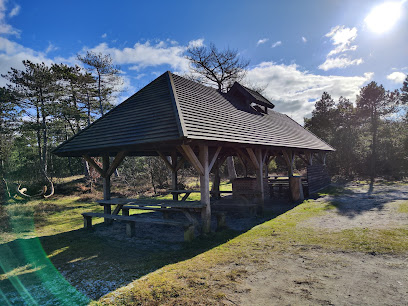
Bålpladsen
2.2 km
A rustic campfire circle amid Rømø’s dunes and heather, where woodsmoke, wide skies and simple outdoor cooking create an authentic taste of Danish hygge.
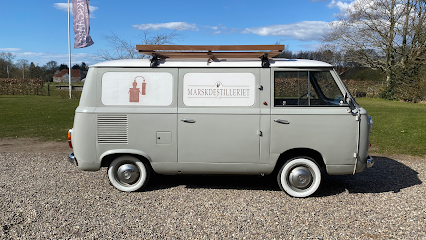
Marskdestilleriet
2.6 km
Modern island distillery on Rømø, transforming Wadden Sea marshland and coastal botanicals into refined gins, aquavits and relaxed tastings with a view.
Naturcenter Tønnisgård
2.7 km
Intimate nature center in a thatched farmhouse, opening a window onto Rømø’s dunes, wildlife and the ever-changing Wadden Sea National Park.
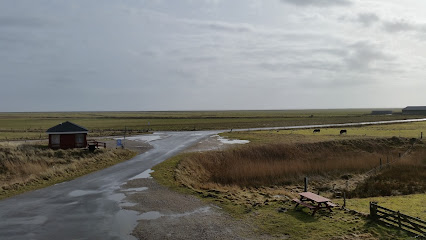
Juvre Sand
4.0 km
A vast off-limits tidal landscape at Rømø’s northern tip, where bird-filled Wadden Sea flats double as a Danish military training ground watched from a safe dyke-top perch.
Rømø
4.0 km
A windswept Wadden Sea island where endless beaches, tidal wildlife and sea-breezy adventures meet historic farmhouses and unhurried North Sea light.
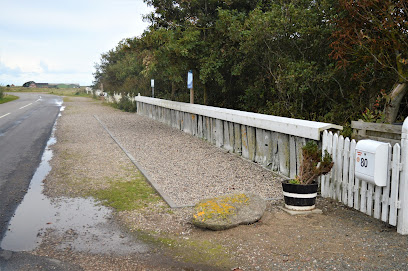
Rømødæmningen
4.2 km
A 9.2 km ribbon of road across the Wadden Sea, Rømødæmningen links Jutland and Rømø with sweeping horizons, rich birdlife and a powerful sense of open sky.
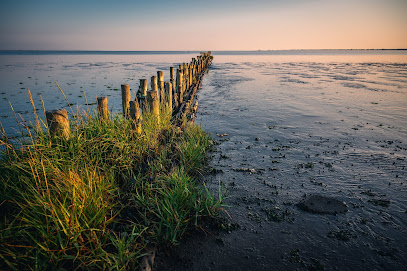
Lakolk
4.7 km
Vast Wadden Sea sands, car-friendly shoreline and wind-filled skies make Lakolk the wide-open beach heart of Rømø’s North Sea coast.
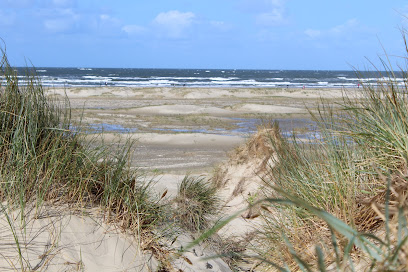
Famous Rømø Beach
5.0 km
An immense North Sea strand where you can drive on the sand, chase the wind with kites and sails, and wander for kilometres between dunes, sky and sea.
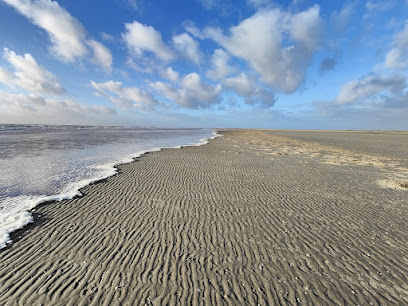
Essential places to dine

Asia kitchen(Sushi , Wok, Buffet)
4.3 km
Casual sushi, wok and buffet dining at Lakolk Butikscenter, pairing Asian comfort food with the windswept dunes and wide beaches of Rømø’s North Sea coast.
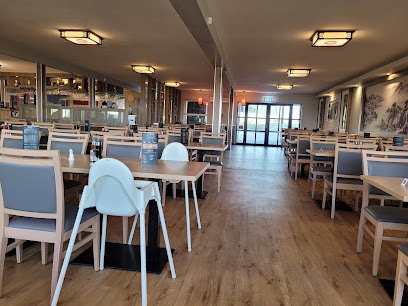
Café Fru Dax
4.4 km
Lively beachside café at Lakolk on Rømø, famed for towering soft ice, generous café dishes and an easygoing seaside atmosphere steps from the wide sandy shore.
Café Hr. Dax
4.5 km
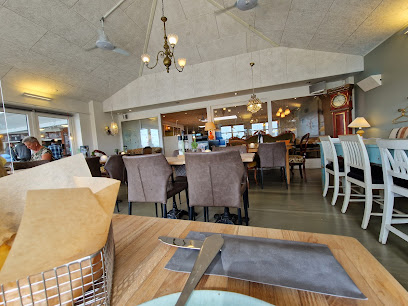
Casual seaside café-restaurant in Lakolk Butikscenter, serving hearty comfort food and sweet treats just behind Rømø’s vast, windswept Lakolk Beach.
Cafeteria Lakolk
4.5 km
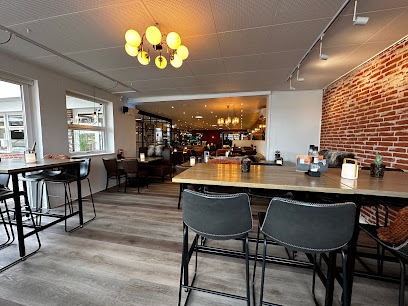
Straightforward seaside canteen in Lakolk Butikscenter, serving hearty beach-holiday favourites just a short walk from Rømø’s famously wide, wind-swept sands.
Rømø Pizza & Pasta Restaurant
4.5 km
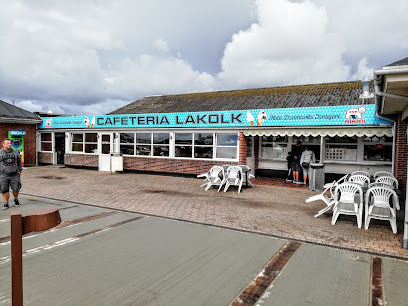
Casual Italian-style pizzas and pastas in the heart of Lakolk Butikscenter, ideal for hungry beachgoers and holiday families on windswept Rømø.
Roland Imbiss
4.5 km
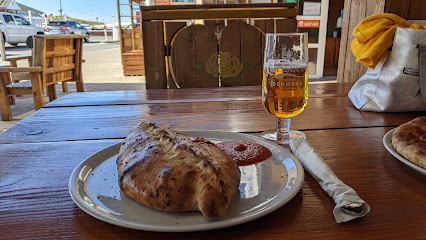
Beachside grill at Lakolk Strand serving hearty, no-fuss takeaway to sandy, windblown Rømø beachgoers a few steps from the roaring North Sea.
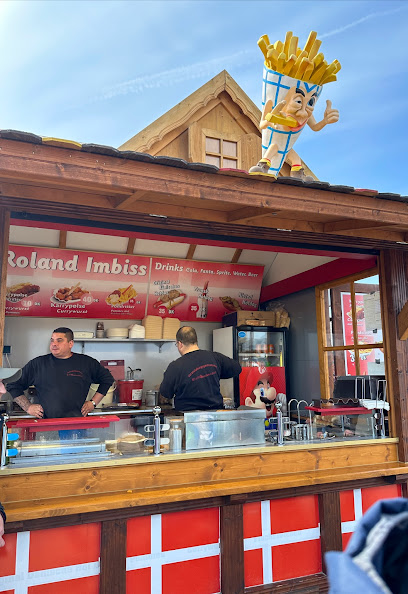
MEGA GRILL
8.8 km
Straightforward Danish grill bar in Havneby, serving hearty fast food and takeaway for hungry beachgoers exploring the windswept island of Rømø.
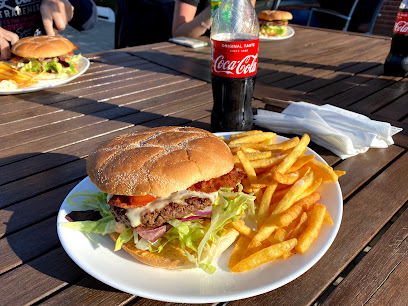
Rømø Pandekagehus
8.8 km
Casual island café in Havneby serving generous sweet and savoury pancakes, ideal for a relaxed break between Rømø’s vast beaches and harbour walks.
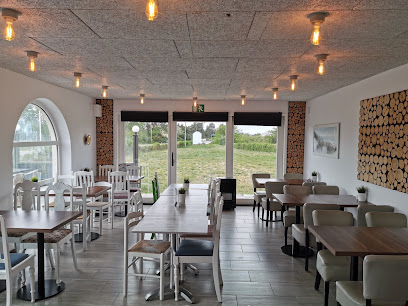
Ristorante Europa Rømø
8.8 km
Casual Italian pizzas and hearty plates in the harbour town of Havneby, a relaxed refuelling stop between Rømø’s wild beaches and the Wadden Sea.
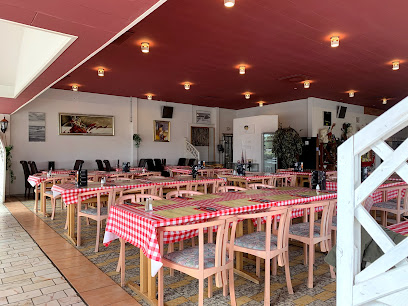
HAVNEBY KRO RESTAURANT
8.8 km
Hearty Danish inn fare and island hospitality at a traditional kro by the harbor in Havneby, gateway to Rømø’s wide beaches and the Wadden Sea.
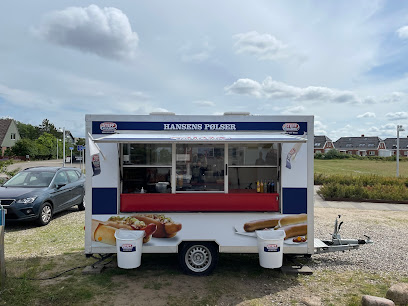
Hansens pølser
8.8 km
Casual harbor-side hot dog stand on Rømø serving classic Danish sausages and ice cream to beach-goers, cyclists and locals in laid-back Havneby.
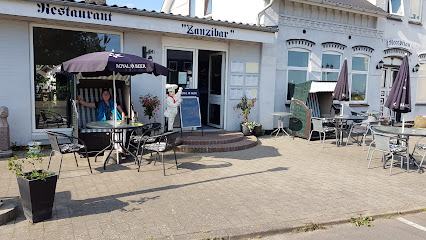
Havnekiosken Rømø
8.8 km
Authentic harbour kiosk serving grilled burgers and fresh fish with Wadden Sea views.
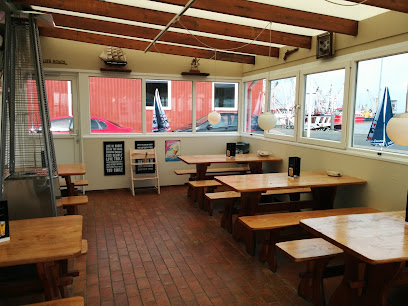
Otto & Ani's Fisk
8.9 km
Fresh-caught seafood by the harbor where fishing boats unload their daily catch.
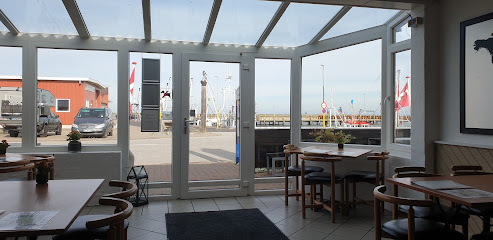
Frankel 5
8.9 km
Cosy seaside café-restaurant on Rømø serving fresh fish and Danish comfort dishes with wide Wadden Sea views and a relaxed, coastal atmosphere.
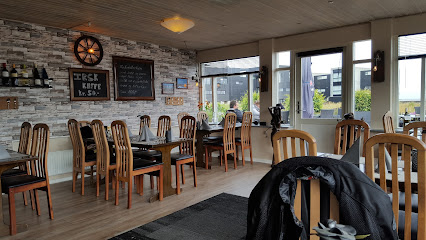
Restaurant Diget
9.0 km
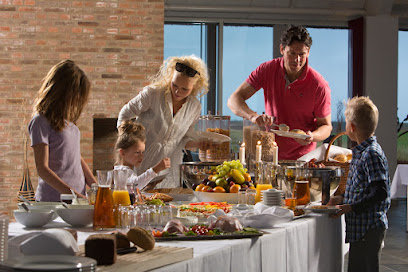
Panoramic golf-course views, generous brunches and flexible gourmet dining inside Enjoy Resorts Rømø, with terrace seating and on-site leisure activities next door.
Markets, malls and hidden boutiques

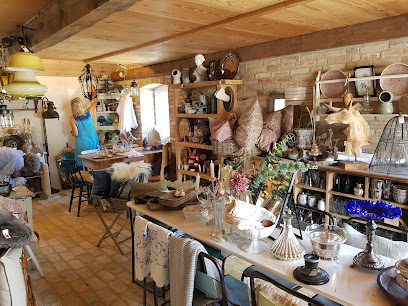
Cafe Hattesgaard
2.6 km
Atmospheric café-meets-antique emporium set in a historic farmhouse on Rømø, known for legendary cakes, local hospitality, and one-of-a-kind vintage finds.
Elisabeth
3.8 km
A cozy Fanø clothing boutique offering understated Scandinavian style, curated island-ready outfits, and a calm coastal atmosphere in an intimate setting.

By Vicky
4.3 km
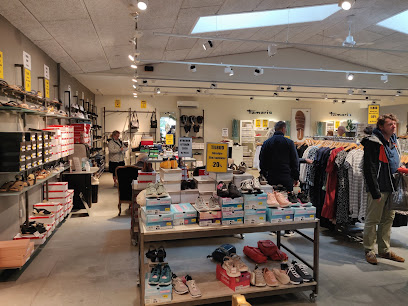
Contemporary women's fashion and footwear on Denmark's island of Rømø, with 16+ years of style expertise.
Rømø Lys
4.3 km
Handcrafted candles, Danish design and gourmet gift baskets in a cosy Lakolk shop, just steps from Rømø’s vast North Sea beach.
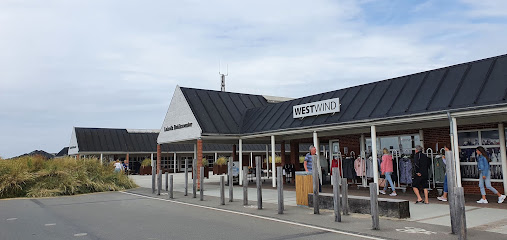
Westwind Lakolk
4.3 km
Premium outdoor apparel and gear steps from Denmark's widest beach on windswept Rømø island.
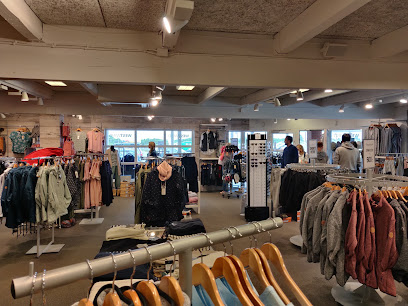
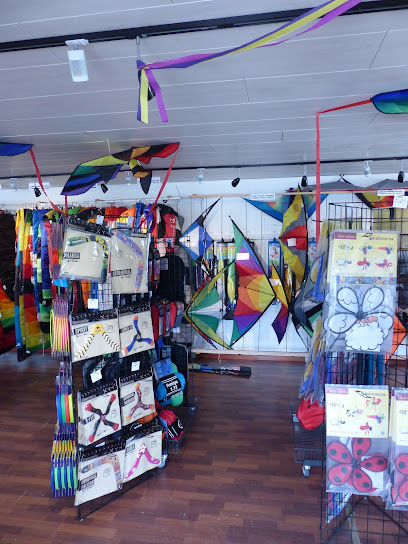
Metropolis Drachen
4.3 km
Specialist kite shop in Lakolk Butikscenter, where Rømø’s steady North Sea winds, colourful kites and practical advice meet just behind the island’s vast beach.
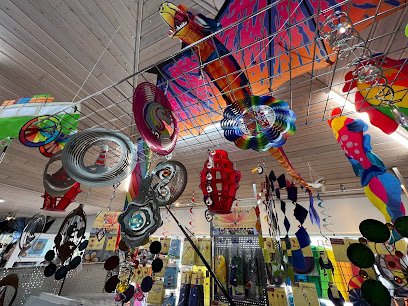
Ny Form Rømø
4.4 km
Affordable sportswear and outdoor gear at the birthplace of Ny Form, perfectly tuned to Rømø’s wind, sand and sea-focused holiday life.
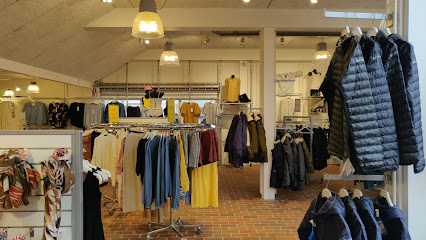
Rømø Bolsjeri og Ishus
4.4 km
Cheerful seaside sweet shop and ice-cream house where traditional Danish boiled candy and generous cones meet Rømø’s windswept beach holiday vibe.
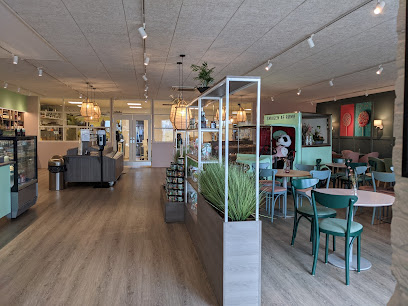
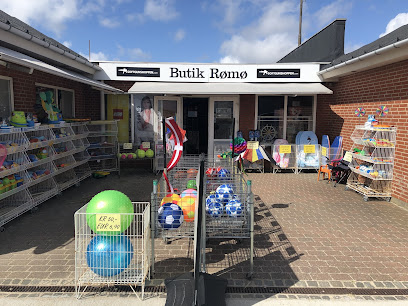
Butik Rømø
4.4 km
Toys, airsoft gear, and kites in charming Lakolk Butikscenter near the beach.
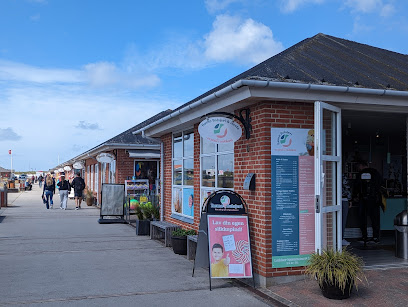
Lakolk Butikscenter
4.4 km
Laid-back coastal shopping, cafés and beach essentials at the sandy heart of Rømø, just a short stroll from the sweeping drive-on shores of Lakolk Beach.
Elisabeth v/Arie Levi
4.5 km
Handcrafted leather and travel goods in Rømø's coastal shopping heart, steps from Denmark's widest beach.
Ib's Gavecenter v/Mona Pedersen Ib
4.5 km
Cosy coastal gift shop in Lakolk Butikscenter, offering seaside souvenirs, Danish home décor and thoughtful keepsakes just moments from Rømø’s wide sandy beach.
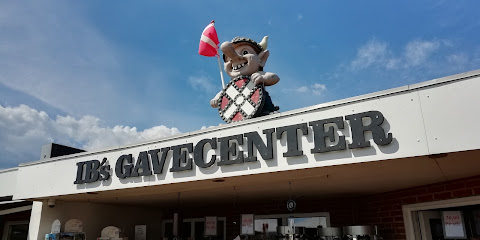
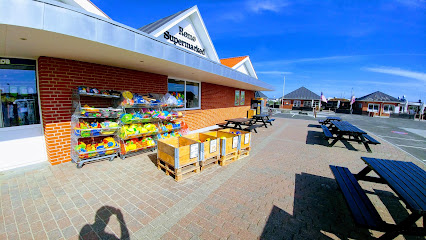
Rømø Supermarked
4.6 km
Practical island supermarket in Lakolk Butikscenter, supplying beachgoers and holiday homes on Rømø with everyday groceries in a relaxed coastal setting.
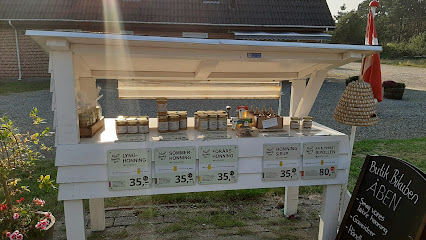
Atzen Honning Rømø
7.6 km
Small island honey farm turning Rømø’s heather, flowers and sea breeze into distinctive honeys and sweet souvenirs just outside the harbor town of Havneby.
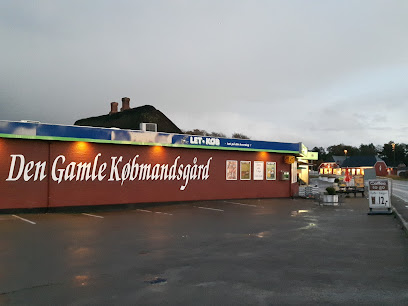
Den Gamle Købmandsgård
7.8 km
A homely island supermarket in historic farm buildings, blending fresh groceries, bakery treats, ice‑cream and garden minigolf into one easy Rømø stop.
Essential bars & hidden hideouts

Mødestedet
13.5 km
Cozy wine bar on Skærbæk’s main street, where locals and visitors share unhurried glasses of wine, simple snacks and relaxed conversation from day to evening.
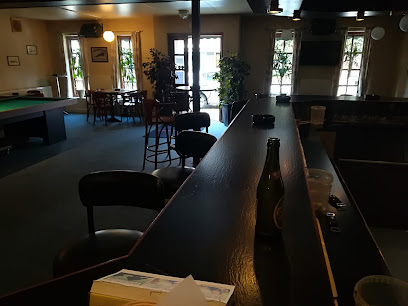
Bodega Pubs v/ Kim
13.6 km
Cozy local bodega in Skærbæk serving cold beer, simple drinks, and laid-back Danish bar culture in a friendly, down-to-earth neighborhood setting.
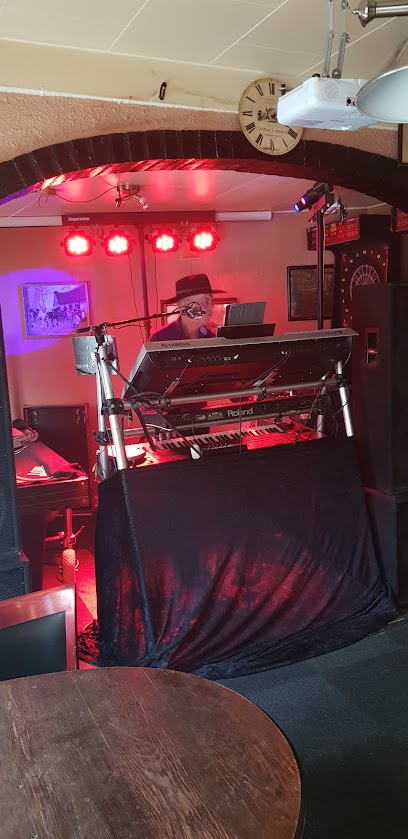
Termansens
22.1 km
Intimate jazz and live music in a centuries-old townhouse, where Ribe’s historic charm meets cozy, small-scale culture house vibes after dark.
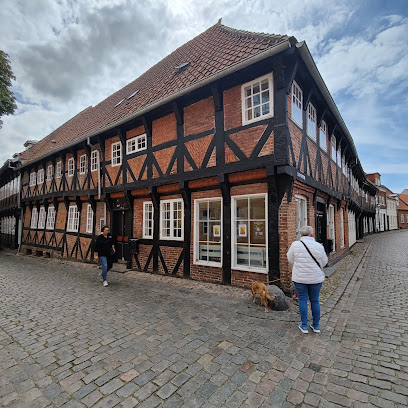
Klubben 1811
22.1 km
Casual, spacious bar in Ribe’s old town, mixing sports, pool and cold beer in a bright, easygoing setting just steps from the city’s medieval streets.
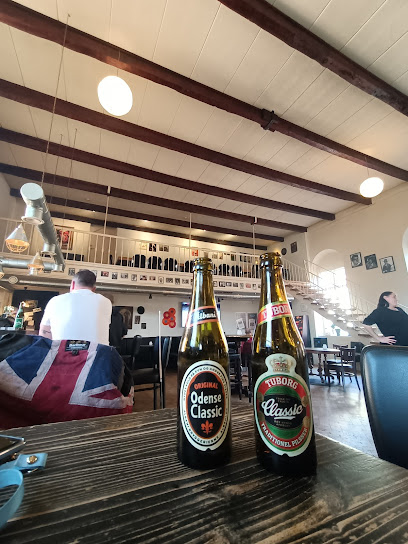
Stenbohus
22.3 km
Cosy, timeworn bar in the heart of Ribe, blending historic surroundings with easygoing drinks, local character and relaxed late‑night atmosphere.
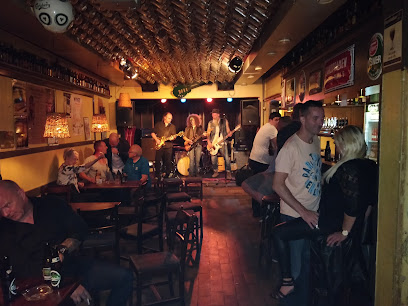
Strygejernet
22.3 km
Intimate corner pub in Ribe’s old town, pairing rustic coziness, smoke-free comfort and friendly bar life with simple drinks, games and unhurried evenings.
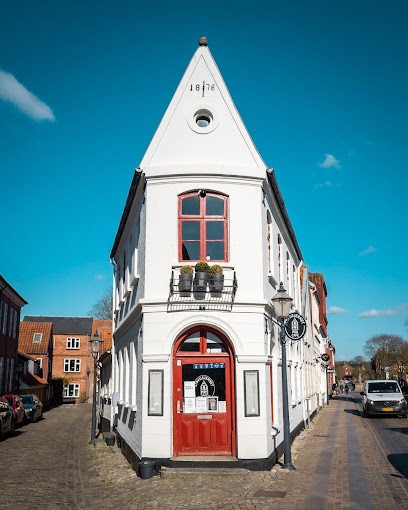
Café Valdemar
22.6 km
A compact late‑night bar and disco in the heart of historic Ribe, blending casual drinks, chart‑driven beats and a friendly weekend crowd on Sct Nicolaj Gade.
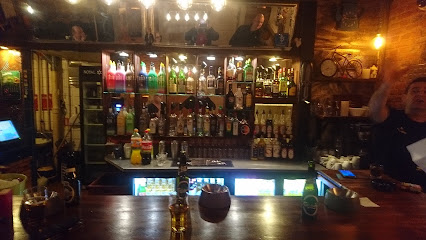
Vin For Dig Ribe
22.6 km
Cosy neighbourhood wine shop and intimate vinbar in Ribe, pairing curated bottles with generous takeaway tapas and relaxed Danish hygge.
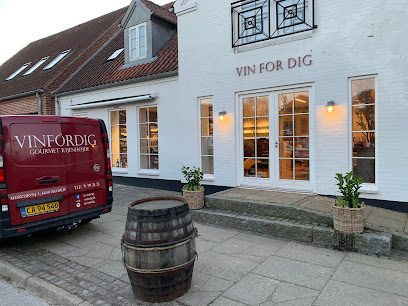
Grosmann's
28.3 km
Small-town Danish hygge in a tiny cocktail bar on Kirkegade, where classic drinks, warm lighting and everyday village life meet in laid-back South Jutland style.
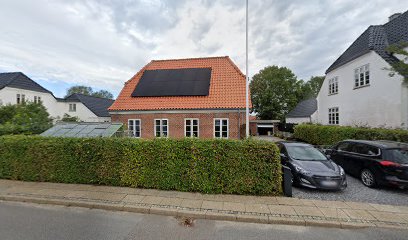
Kabyssen
30.5 km
Fanø's cherished community bar serving authentic Danish island hospitality with live music and genuine warmth.
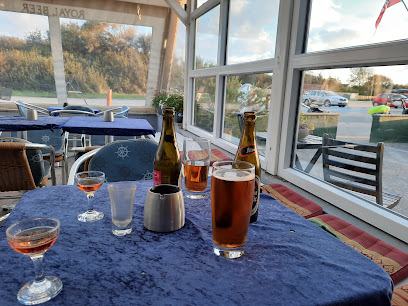
TimeOut Bar
32.4 km
Unpretentious bodega-style beer hall in central Tønder, pouring simple drinks and late-night conversation for locals and curious travelers alike.
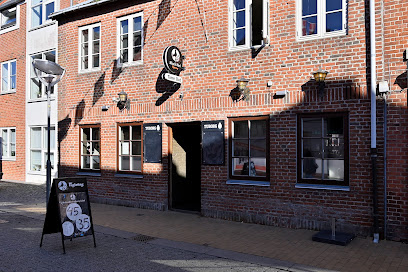
Hjørnekroen
32.8 km
Cosy corner bar in Nordby where Fanø’s island life, live music nights and classic Danish bodega charm come together over draught beer and easy conversation.
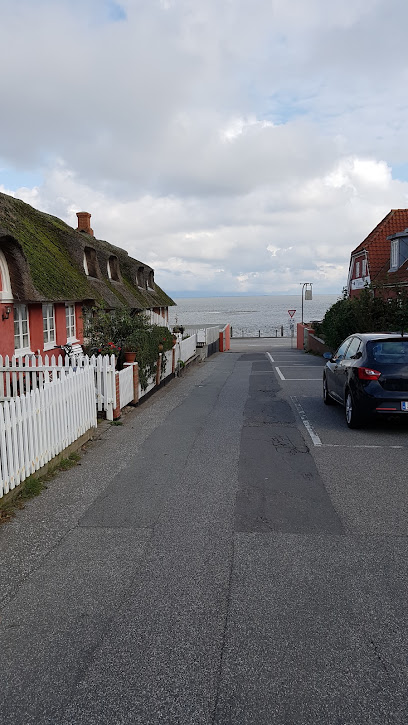
Dokken City Beach
33.6 km
A pocket of sand, deckchairs and drinks on Esbjerg Harbour, Dokken City Beach turns the working waterfront into a relaxed urban seaside escape.
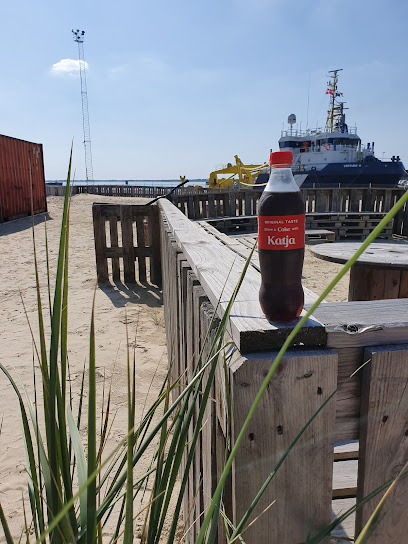
Teddy’s Corner
33.6 km
Unpretentious local bar in Toftlund offering simple drinks, small‑town hygge and an easygoing glimpse into everyday South Jutland nightlife.
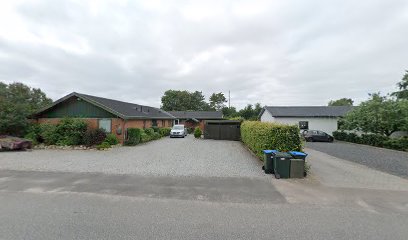
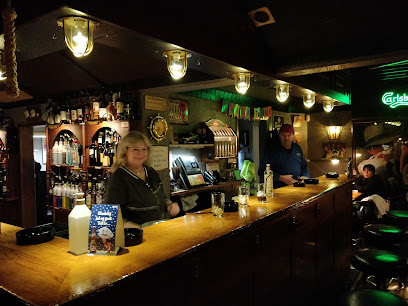
Dowdi Pub Bar
33.9 km
Old-school brown pub in central Esbjerg with inexpensive beers, wood‑panelled charm and a relaxed, local crowd from daytime regulars to late‑night lingerers.
Nightclubs & after hour spots

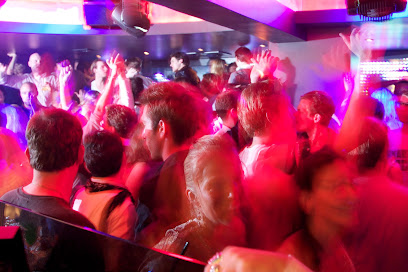
Rotes Kliff
27.3 km
Experience the vibrant nightlife of Rotes Kliff in Sylt, a premier disco club and cocktail bar perfect for unforgettable evenings.
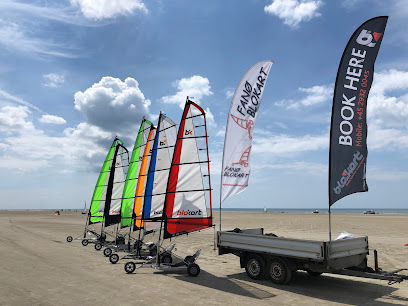
Fanø Blokart
28.0 km
Experience high-speed land sailing on the scenic sands of Fanø, where wind, adventure, and stunning North Sea landscapes converge at Fanø Blokart.
Club Fanø Rindby
30.5 km
Vital hub for kite sports, fatbiking, and Nordic coastal adventure on Fanø, pairing local expertise with welcoming spirit in the island’s scenic Rindby beach area.
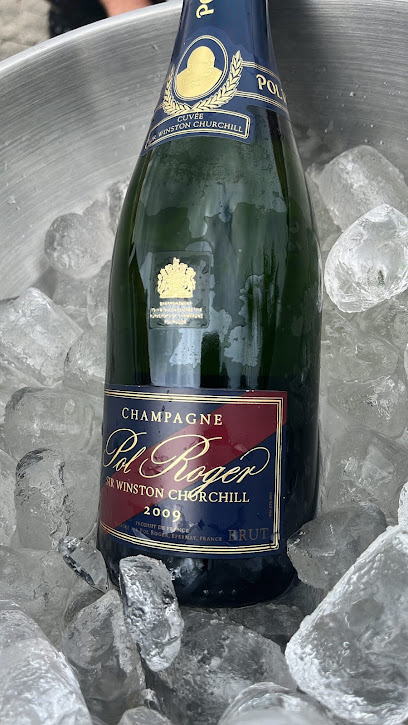
P2 Champagne & Cocktail Tønder
32.5 km
Intimate champagne and cocktail lounge bringing late-night sparkle and city-style glamour to the historic heart of Tønder.
Al Capone
32.5 km
Tønder’s sole nightclub, Al Capone blends a rustic 1920s‑inspired mood, late‑night beats and strong drinks into an intimate speakeasy‑style party den.
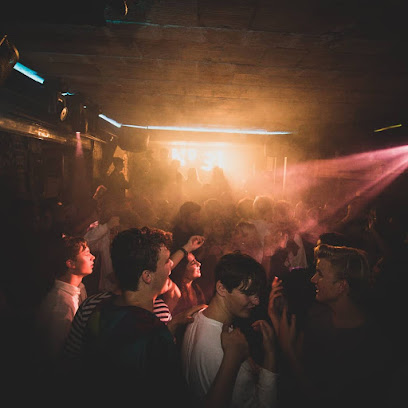
No.31 - Bar & Natklub
34.1 km
Compact, high-energy nightclub on Esbjerg’s Skolegade, blending late-night bar vibes, loud DJ sets and a youthful dance floor in the heart of the city.
Bilka-søen
38.8 km
Esbjerg's energetic nightclub delivering vibrant music, dancing, and social entertainment in a lively atmosphere.
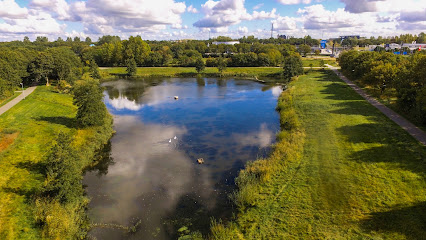
Crazy Daisy Vejen
50.3 km
High-energy disco club in central Vejen, bringing late-night music, dancing and big-city nightclub vibes to a compact South Jutland town.
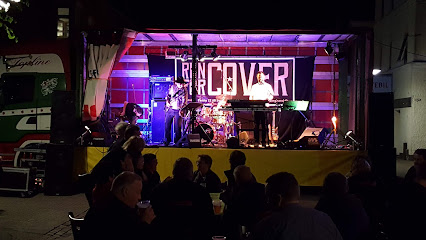
Fishi
56.7 km
Compact, no-frills nightclub in Vejen with loud beats, simple drinks and a friendly small-town crowd that keeps the dance floor moving late into the night.
Koldingtivet Engen
67.9 km
Compact Kolding disco where locals pack the dance floor, mainstream hits fill the speakers and late-night energy turns a modest venue into a full-bodied club night.
Discoteque Tordenskiold
68.3 km
Kolding's legendary two-floor discotheque and cultural institution since 1973.
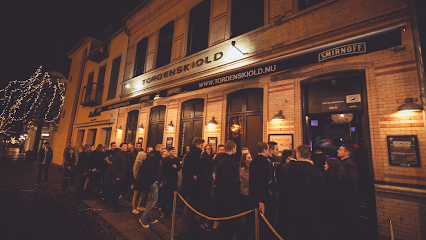
Mørks Kælder
68.5 km
Modern basement nightclub in central Kolding, pouring drinks and classic dance tunes for a grown-up crowd late into the weekend night.
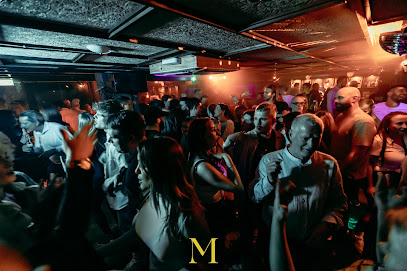
Pitstop
68.7 km
Small, central and loud, Pitstop is Kolding’s alternative live music stronghold, blending intimate gigs, late-night dancing and laid-back bar vibes in a historic building.
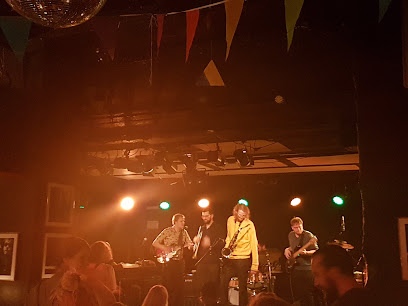
Jazz 6000
68.9 km
An essential stop in Kolding for jazz lovers, Jazz 6000 brings world-class live music, community spirit, and a cozy club atmosphere to southern Denmark.
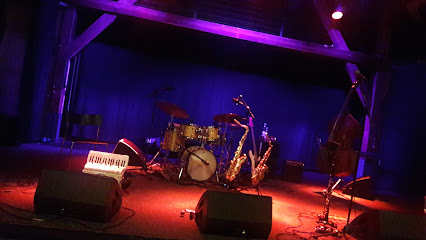
Liglad Day & Nightlife
69.8 km
Compact late-night club on Grindsted’s main street, mixing local vibes, DJs and simple drinks for weekend nights that run into the early hours.
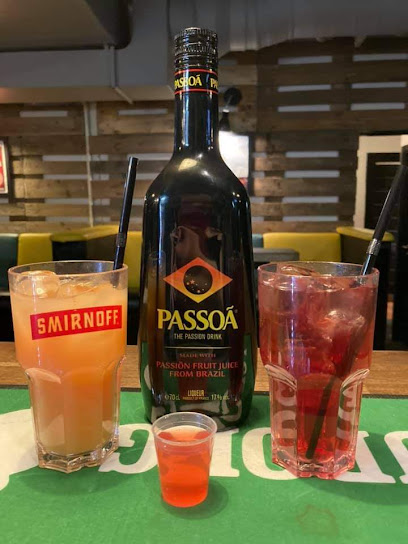
For the vibe & atmosphere seeker
- Romantic
- Scenic
- Unique
- Tranquil
For the design and aesthetic lover
- Vintage Styles
- Rustic Designs
For the architecture buff
- Historic
- Heritage Neighborhoods
For the view chaser and sunset hunter
- Panoramas
- Iconic Views
For the social media creator & influencer
- Photo Spots
- Architectural Shots
For the eco-conscious traveler
- Protected Area
- Locally Managed
For the kind of experience you’re after
- Cultural Heritage
- Myth & Legends
- Day Trip
- Photowalk
For how adventurous you want the journey to be
- Easy Access
Location Audience
- Family Friendly
- Senior Friendly
- Solo Friendly
- Couple Friendly


