Rasteplads Travel Guide
Free Guide: A modest causeway lay-by that opens directly onto the vast skies, tidal flats and birdlife of Denmark’s UNESCO-listed Wadden Sea National Park.


A brief summary of Rasteplads
A modest causeway lay-by that opens directly onto the vast skies, tidal flats and birdlife of Denmark’s UNESCO-listed Wadden Sea National Park.
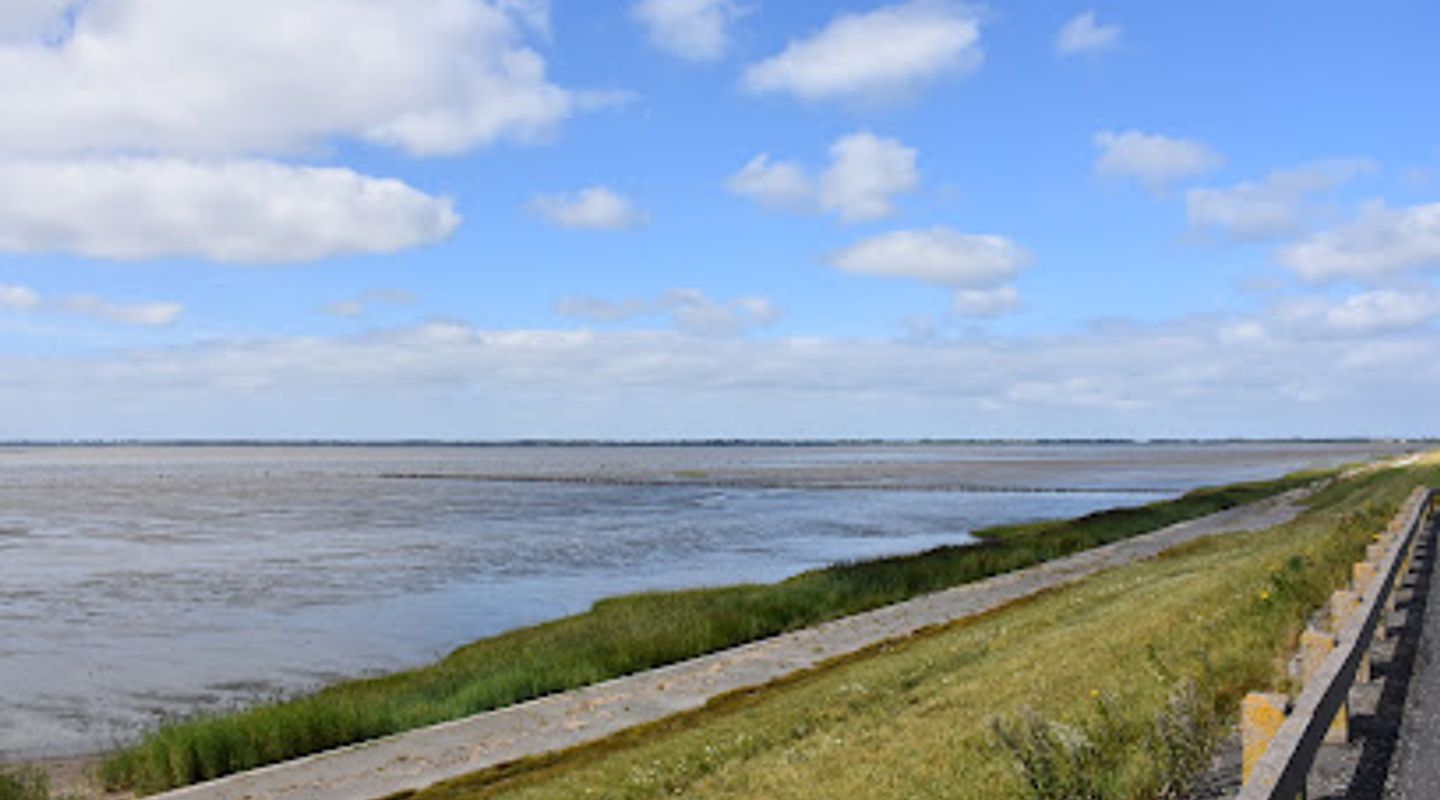
Låningsvejen Rasteplads is a simple coastal stopping place on the causeway between Ribe and Mandø, set directly behind the protective dike on the edge of the UNESCO-listed Wadden Sea National Park. Travelers pause here to stretch their legs, breathe the salty North Sea air and step out toward the tidal flats when conditions allow. With big skies, birdlife and shifting tides, this modest parking area doubles as an atmospheric nature lookout and classic roadtrip pause in southwest Jutland.
On-site amenities
 Trash bins
 Information boards
 Seating areas
Opening hours
- Every dayOpen 24 hours
Opening hours as listed on the venue’s Google Business Profile. Hours can change for services and special events, so check with the venue before you go.
- Address
- Låningsvejen rasteplads, 6760 Ribe
Getting there
Car from Ribe town centre
Bicycle from Ribe and nearby campsites
Guided Mandø tractor bus via Låningsvejen
Discover more about Rasteplads
A quiet pause on the Mandø causeway
Låningsvejen Rasteplads is little more than a compact parking area beside the dike west of Ribe, yet its setting makes it feel far bigger than its footprint suggests. You are on the low-lying causeway that links the mainland to Mandø, surrounded by flat marshland and wind-shaped grasses. Cars, campervans and cyclists pull in here to rest, check the tide tables and take in the wide North Sea horizon before continuing toward the tidal island.Behind the low embankment, the road feels exposed to wind and weather, a reminder that this landscape is constantly shaped by the sea. The simplicity of the facilities keeps the focus squarely on the natural setting: this is a functional roadside stop that just happens to sit in the middle of a world-class coastal ecosystem.
Gateway to the UNESCO Wadden Sea landscape
Climb the few meters over the dike and the scene opens into the immense Wadden Sea, a national park and UNESCO World Heritage landscape stretching along the coasts of Denmark, Germany and the Netherlands. Twice a day, tides flood in and retreat, revealing gleaming mudflats and shallow channels. From the rasteplads you can often see the transition in motion: water sliding over the flats, rivulets changing course and seabirds following the edge of the tide.On clear days the views run far across the tidal plain, with Mandø and other low islands sitting just above the horizon. The area is an important resting and feeding ground for migratory birds, and even a short stop can bring sightings of geese, waders or swirling flocks of starlings in season. The sense of space and light is striking, especially in the long evenings of late spring and early autumn.
Walking the edge of the tidal flats
From the dike near the rasteplads, informal paths lead down toward the outer marsh and firm sections of the tidal flats. When conditions are safe and the tide is out, many visitors step a little way onto the wet sand to feel the soft ground underfoot and listen to the faint popping of tiny shellfish in the mud. The air is heavy with salt and seaweed, and the only constant sound is the wind, broken by distant bird calls.This is also a place where caution is essential. The tidal range in the Wadden Sea is considerable, and water can rise surprisingly quickly across the seemingly flat surface. Local signs and information stress the importance of checking tide times and avoiding long ventures onto the flats without proper guidance. Låningsvejen itself is periodically covered at high tide further west, underlining how dynamic and potentially hazardous this environment can be.
Seasonal moods and changing light
In summer, the rasteplads sees a steady trickle of holiday traffic, from day trippers heading for Mandø to campervans seeking a quiet overnight stop with a view. The grasses along the dike are green, skylarks rise from the meadows and sunsets linger over the water late into the evening. The flat landscape makes even small changes in weather feel dramatic, with distant showers and patches of blue sky clearly visible along the horizon.Outside the main season, the mood becomes more austere but equally compelling. Autumn storms drive grey clouds low over the marshes, and winter brings crisp air, migrating waterfowl and frost-rimmed pools in the salt meadows. Spring feels like a turning point, when light returns and birdlife intensifies. Because the site is open and unsheltered, strong winds are common year-round, adding to the sense of exposure and wildness.
A simple stop with a powerful sense of place
Låningsvejen Rasteplads does not offer elaborate services, but it does provide enough space to rest, observe and appreciate the fragile coastal environment. The dike path functions as a natural viewing platform, while the adjacent marsh and mudflats invite short exploratory walks for those prepared and aware of the tides. Information panels in the wider area help explain the significance of the Wadden Sea as a protected habitat and the long human struggle to manage land and water here.For drivers and cyclists between Ribe and Mandø, this modest lay-by becomes a natural pause point: somewhere to make a hot drink, adjust gear, or simply stand on the dike and watch the water line creep in or out. The combination of easy roadside access and sweeping sea views makes it an understated but memorable waypoint in southwest Jutland, encapsulating the character of the Wadden Sea coast in a single, windswept stop.
Evendo Review Centre
 Google
Guest reviews
Best time to go
Quietest: Jan, Feb & Mar · before 3am
Busy times are Evendo estimates for a typical year, to help you plan. Actual crowds vary with events, school holidays and the weather.
Explore Rasteplads on the map
A handpicked selection of must-see spots near Rasteplads, mapped for you.
Get your free copy of our complete guide to Rasteplads, delivered straight to you.
Everything on this page, from opening hours and how to get there to Eve’s tips and the best time to go, in one PDF you can read offline, print or share.
Already have an account? Sign in
Your Rasteplads guide is ready.
We'll send it to · Not you? Sign out

Getting your guide ready…
We are putting together a fresh copy of the Rasteplads guide. This can take up to a minute.
This can take a few moments. If your browser asks, choose Allow so the download can start. You'll find the guide in your Downloads folder.
Nothing happened? Download it again
Sorry, the guide is taking longer than usual. Please try again in a minute, or get it by email instead.
Other nearby places you may find interesting
The closest places of the same kind, if this one is not quite what you had in mind.
-
Rømø A wind-swept Wadden Sea island of endless sand, tidal flats and maritime heritage, where drivable beaches, kites and wild dunes meet North Sea light and migrating birds.
-
The North Sea Oceanarium Northern Europe’s largest North Sea–focused aquarium, blending giant tanks, playful seals, outdoor adventure zones, and hands‑on marine science in coastal Hirtshals.
-
Saltholm A low, wind-swept Øresund island of meadows, marsh and birdlife, Saltholm offers a rare taste of near-urban wilderness just off Copenhagen’s coastline.
-
Wadden Sea National Park Walk on the seabed, witness starling murmurations, and explore Europe's most dynamic tidal wilderness.
-
The Little Mermaid Copenhagen’s most famous mermaid sits quietly on a harbor rock, a small bronze figure whose fairy-tale melancholy and seaside setting have become a symbol of the city.
Swipe for more places
More to explore near Rasteplads

 Best experiences near Rasteplads
 Best hotels near Rasteplads
 Best landmarks near Rasteplads
 Best attractions near Rasteplads
 Best shops near Rasteplads
 Best restaurants near Rasteplads
 Best bars near Rasteplads
Do you manage this location?
Take control to get all the benefits, like improved information, better appearance, and stronger visibility across AI-powered discovery.
Explore more

Explore more of The North Sea Islands
Discover the North Sea Islands of Denmark: idyllic sandy beaches, vibrant local culture, and unique natural landscapes await you on Fanø, Rømø, and Mandø.
Explore The North Sea Islands
Explore more of Denmark
Discover Denmark: A perfect blend of history, modern design, and the cozy concept of hygge. Explore vibrant cities, serene landscapes, and world-class cuisine.
Explore Denmark