Amager: Copenhagen's Island Escape
Discover Amager: Copenhagen's Island Escape with Nature, Beaches, and Modern Architecture – A Unique Blend of Urban and Natural Delights Awaits!
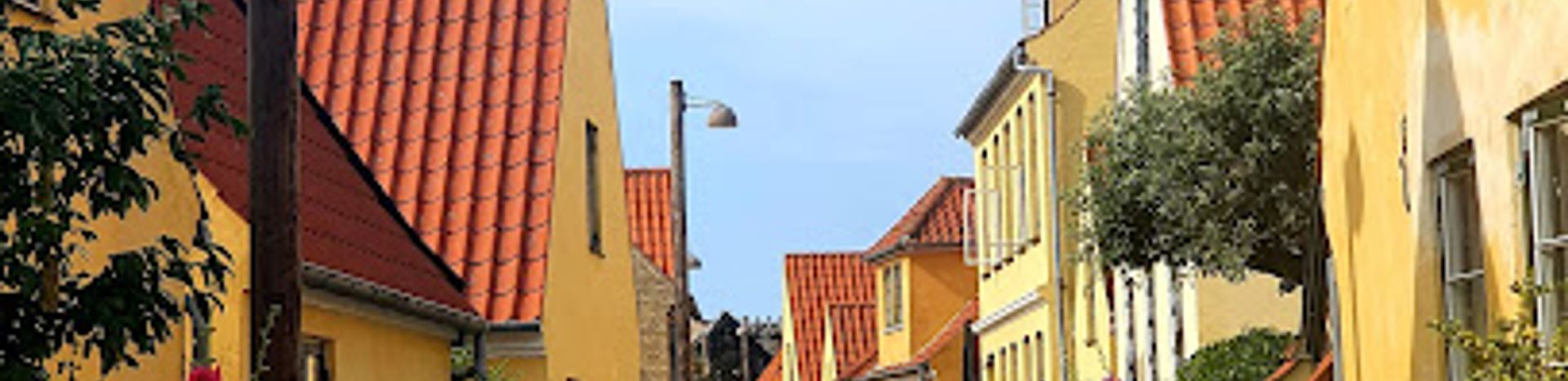
Amager, an island and district southeast of Copenhagen's city center, offers a diverse blend of experiences. Once considered the city's backwater, it has transformed into a vibrant area boasting modern architecture, expansive nature parks, and inviting beaches. Explore the historic fishing village of Dragør, discover innovative urban developments in Ørestad, or relax on the sandy shores of Amager Strandpark. With easy access to the city center and a unique atmosphere, Amager provides a refreshing escape with a mix of cultural attractions, outdoor activities, and local charm. Whether you're interested in exploring nature, enjoying waterfront activities, or delving into local history, Amager offers a multifaceted experience that complements Copenhagen's urban landscape.
A brief summary to Amager
- DK
Local tips
- Explore Naturpark Amager by bike to discover hidden trails and diverse landscapes, offering a refreshing escape from the city.
- Visit Dragør, a charming fishing village on Amager's coast, to experience traditional Danish culture and picturesque harbor views.
- Enjoy a swim at Amager Strandpark, but be aware it can get crowded on sunny days; visit early or on weekdays for a more relaxed experience.

Getting There
-
Public Transport
From Copenhagen Central Station, take the M2 metro line directly to stations along Amager, such as Amagerbro, Øresund, or Amager Strand. A single ticket costs approximately 24 DKK and the journey takes about 10-15 minutes depending on your destination on the island. Alternatively, several bus lines (e.g., 5A, 31) connect various points in Copenhagen to Amager. Check the Movia app for real-time schedules and routes.
-
Taxi/Ride-Share
Taxis and ride-sharing services (like Uber) are readily available throughout Copenhagen. A taxi ride from Copenhagen Central Station to Amager typically costs between 150-200 DKK and takes approximately 10-15 minutes, depending on traffic and the specific destination on Amager.
-
Driving
If driving from Copenhagen city center, cross one of the bridges connecting to Amager (e.g., Langebro, Knippelsbro). Parking availability varies across Amager. Some areas, particularly near Amager Strandpark, offer free parking, while others require payment. Paid parking zones typically cost 18-36 DKK per hour during the day, with lower rates in the evening and overnight. Check local signage for specific rates and restrictions. Q-Park Amager Strandpark offers a max day rate of 170 DKK.
Discover more about Amager
Iconic landmarks you can’t miss

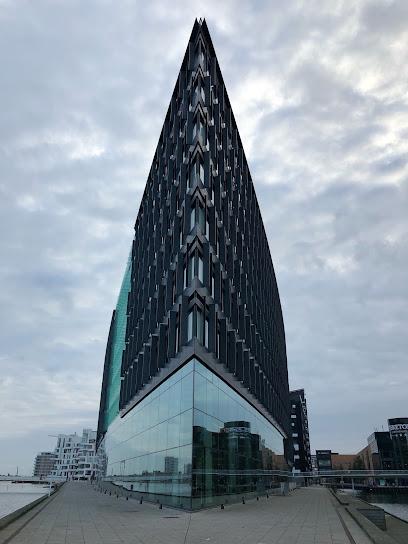
Havneholmen 33
6.3 km
Striking waterfront media headquarters in Copenhagen’s Havneholmen district, where modern Danish office architecture meets busy cycle bridges and harbour life.
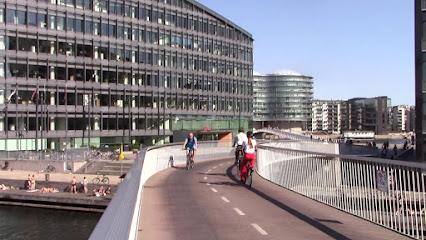
Cykelslangen
6.4 km
An elevated orange ribbon over Copenhagen’s harbor where cyclists glide above the water and visitors glimpse the city’s everyday bicycle culture in motion.
Krudhuset
6.7 km
Marvel at St. Alexander Nevsky Church, Copenhagen’s ornate Russian Orthodox landmark crowned by golden onion domes, blending history, artistry, and spiritual serenity.
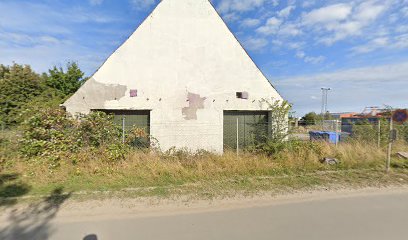
Circle Bridge
7.0 km
A five-masted circle of light and steel where art, everyday crossings and Copenhagen’s maritime history meet above the waters of Christianshavn Canal.
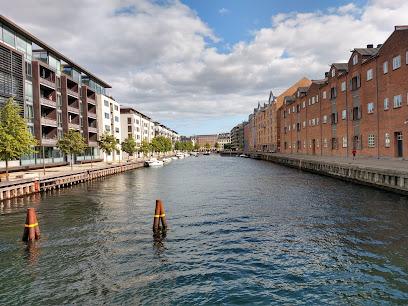
Copenhagen By Mie & Friends
7.0 km
Discover Copenhagen’s historic Botanical Garden, a serene oasis with Victorian glasshouses, winding paths, and thousands of rare plant species in the city’s heart.
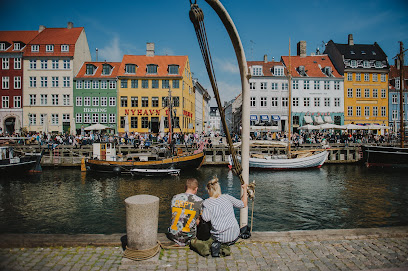
The Stable Boy's House
7.1 km
A modest former service house on Frederiksholms Kanal, quietly recalling the working lives behind Copenhagen’s royal stables and the grandeur of nearby Christiansborg.
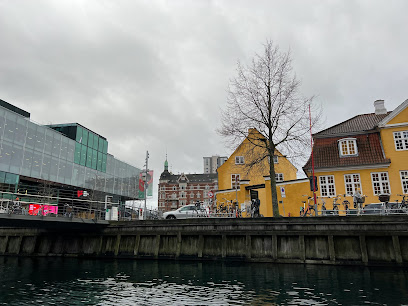
Copenhagen Central Post Building
7.1 km
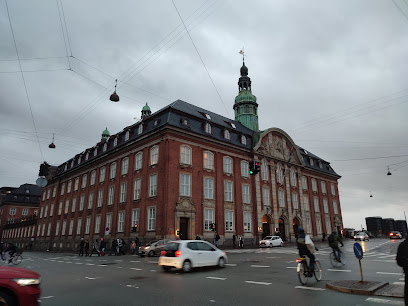
A majestic neo-Baroque landmark intertwining Denmark’s postal history with Vesterbro’s vibrant urban fabric, located beside Copenhagen’s bustling central railway station.
Knippelsbro
7.2 km
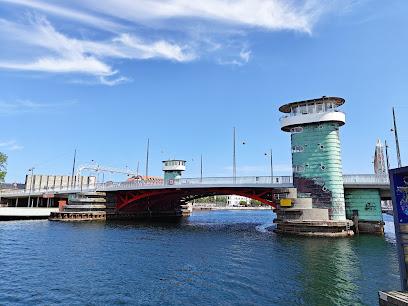
Copper-topped towers, lifting roadway and harbor breezes make Knippelsbro a compact, characterful bridge linking historic Slotsholmen with canalside Christianshavn.
Ny Carlsberg Glyptotek
7.2 km
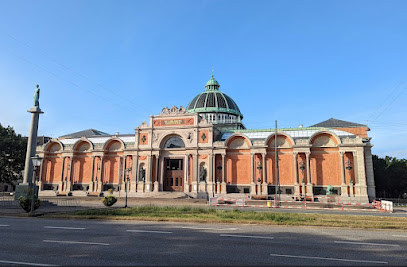
Explore the rich art and history at Ny Carlsberg Glyptotek, a cultural gem in Copenhagen featuring masterpieces from ancient to modern times.
The War Museum
7.2 km
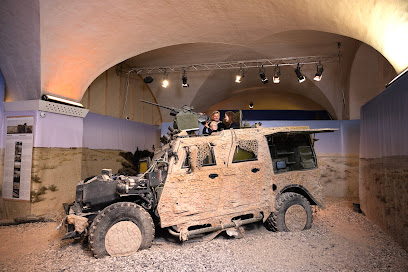
Explore 500 years of Danish military history in Copenhagen's historic arsenal.
C.F. Tietgens Hus
7.2 km
A Neoclassical monument to Danish banking heritage and industrial vision, built for one of history's most influential entrepreneurs.
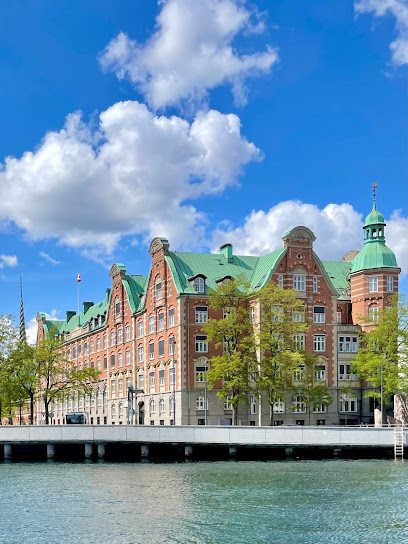
Christianshavns Kanal
7.2 km
Baroque grandeur and natural beauty meet at Denmark's Ledreborg Park, home to stately gardens, forested trails, cultural events, and peaceful countryside escapes.
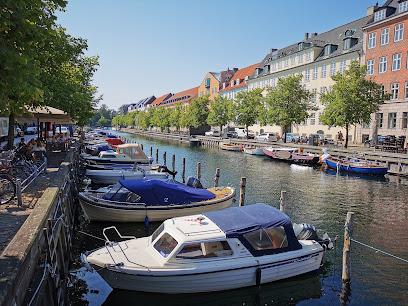
Søren Aabye Kierkegaard by Louis Hasselriis
7.2 km
Discover Nordic art, culture, and cuisine from Iceland, Greenland, and the Faroe Islands at North Atlantic House, a historic waterfront warehouse in Copenhagen.
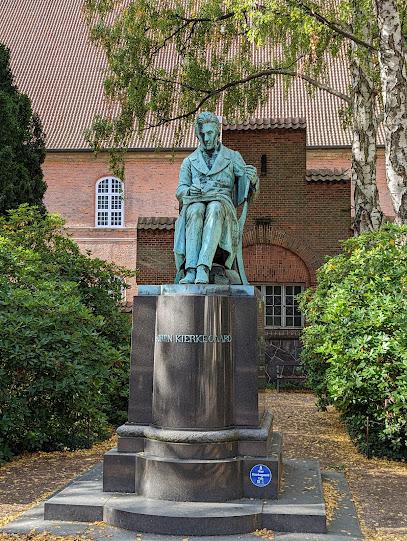
Frederiksholms Kanal
7.3 km
Discover Aarhus’s Latin Quarter—a picturesque maze of cobblestone streets, vibrant cafés, indie boutiques, art galleries, and an unmistakable creative spirit.
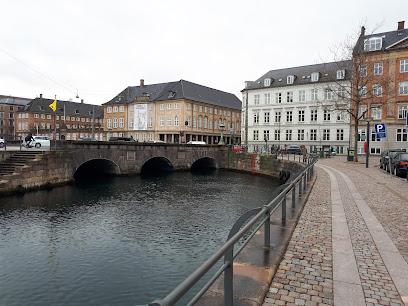
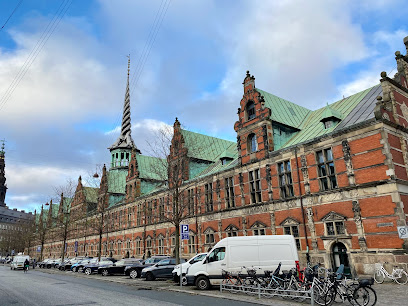
Børsen
7.3 km
Copenhagen's legendary Dragon Spire and Dutch Renaissance masterpiece—a 400-year-old trading hub bearing witness to centuries of Danish commerce.
Unmissable attractions to see

Field's
2.8 km
Scandinavia-scale shopping, dining and entertainment under one sleek roof in Copenhagen’s modern Ørestad district, from fashion and design to cinema, trampolines and a vast hypermarket.
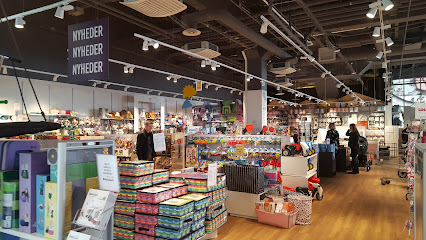
Arne Jacobsens Allé 12
2.9 km
A vast, light-filled shopping town under one roof in Copenhagen’s Ørestad district, mixing fashion, daily essentials, dining and shelter from the Danish weather.
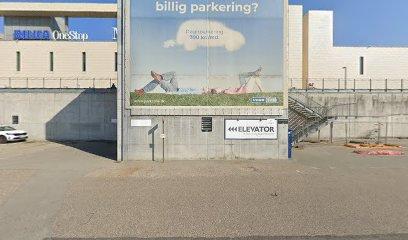
Bella Center Copenhagen
3.5 km
Copenhagen’s powerhouse convention and exhibition centre, combining vast flexible halls, sleek Nordic design and direct metro access in the modern Ørestad district.
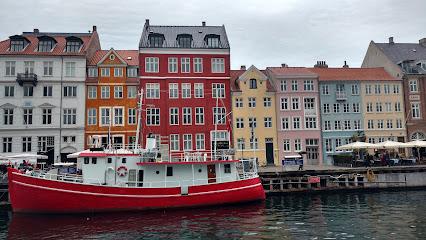
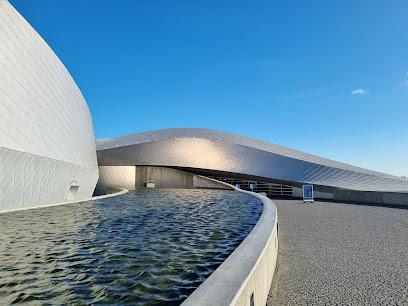
Den Blå Planet
4.4 km
Northern Europe's largest aquarium where sharks swim overhead and sea otters steal your heart.
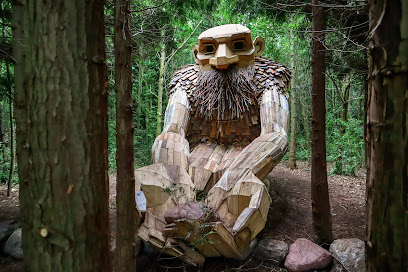
Bjarke Cirkelsten af Thomas Dambo
4.6 km
A kneeling wooden troll guarding a mystical stone circle in the Danish forest.
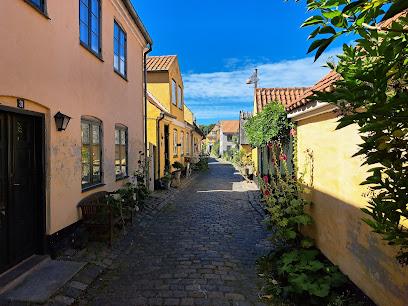
Dragør havn
4.7 km
Historic Dragør Havn blends centuries of maritime heritage with a working waterfront, cosy quayside cafés and wide Øresund views just south of Copenhagen.
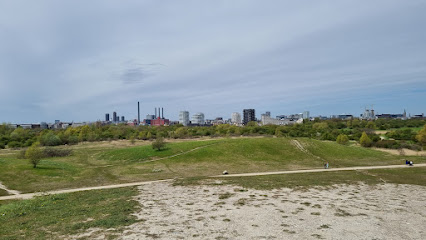
Amager Fælled
4.9 km
Semi-wild meadows and wetlands brushing against Copenhagen’s skyline, Amager Fælled is the city’s closest taste of open Danish nature.
St. Anne's Church
4.9 km
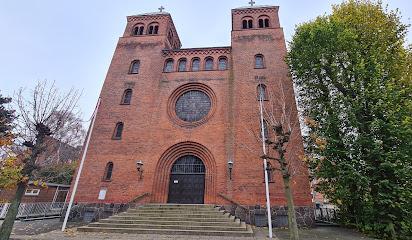
Elegant red-brick Catholic church on Amager, blending early 20th-century Art Nouveau architecture with a calm, light-filled interior and living parish life.
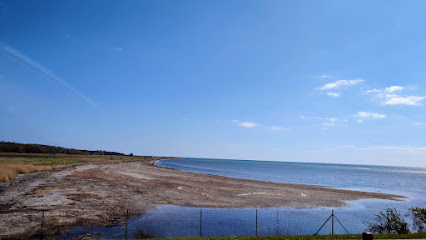
Kalvebod Fælled
5.1 km
A vast reclaimed seabed turned wild urban commons, where big skies, grazing herds, rich birdlife and long trails create a rare sense of wilderness beside Copenhagen.
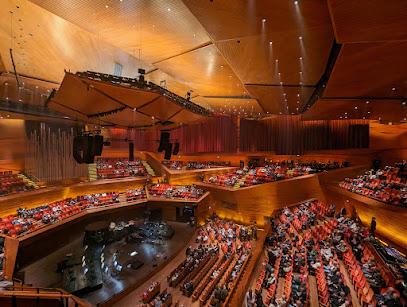
DR Koncerthuset
5.3 km
Copenhagen’s bold blue concert house, where world-class acoustics, striking Jean Nouvel architecture and Denmark’s national ensembles meet under one dramatic roof.
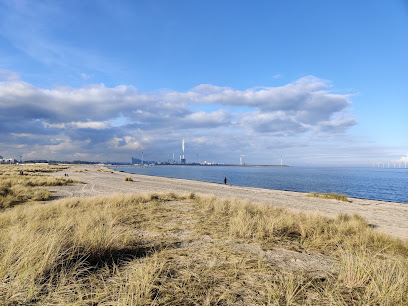
Amager Beachpark
5.6 km
Copenhagen's 4.6 km urban beach with lagoons, artificial island, and Øresund Bridge views.
Valby Beach
5.8 km
Modest urban shoreline where Valby Park’s lawns meet the calm waters of Kalveboderne, offering low-key swimming, picnics and everyday Copenhagen harbour life.

Kongelundsfortet
5.9 km
A First World War coastal fort turned green refuge, where concrete ramparts, bird-filled meadows and wide sea views create a relaxed slice of Copenhagen’s defence history.
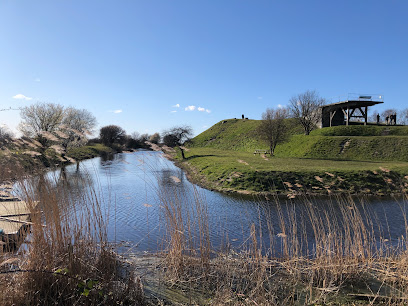
Amager Beach Park
6.1 km
Copenhagen’s long, sandy front porch on the Øresund, where dunes, lagoons and a city promenade turn everyday life into a seaside escape.
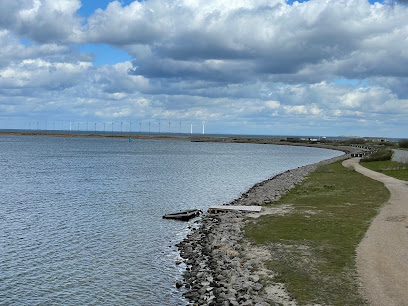
Islands Brygge
6.3 km
Copenhagen’s former industrial quay reborn as a sun-soaked harbourfront of swimming decks, lawns and laid-back city life along the inner waterfront.
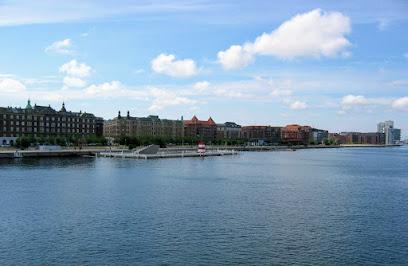
Essential places to dine

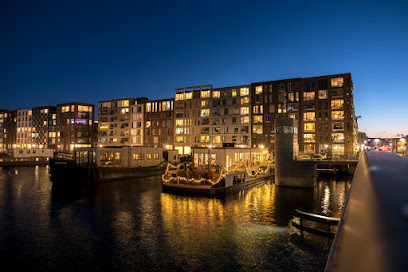
Restaurant Vandvid
5.3 km
Organic, seasonal Nordic cooking served on a gently rocking houseboat in Sydhavnen, where harbor life, simple design and water views frame every meal.
The Harbour
6.4 km
Calm, contemporary harbourfront dining inside Copenhagen Island hotel, pairing generous breakfasts and modern Nordic-inspired dishes with sweeping water views.
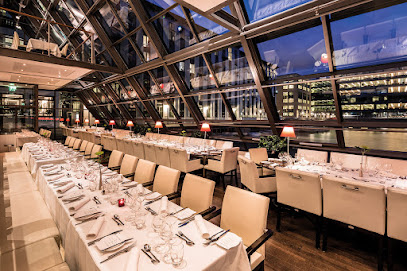
MASH Penthouse
6.7 km
Skyline steakhouse on the 12th floor of Tivoli Hotel, blending premium cuts, crafted cocktails and sweeping Copenhagen views in a chic, velvety penthouse setting.
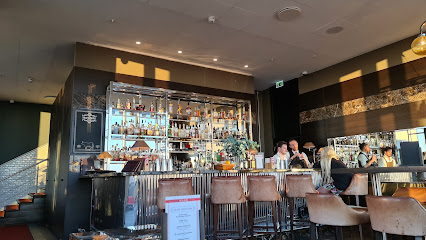
Je t'aime
6.8 km
Intimate Vesterbro bistro where candlelight, classic French dishes and a well‑chosen wine list bring a touch of Paris to a quiet Copenhagen side street.
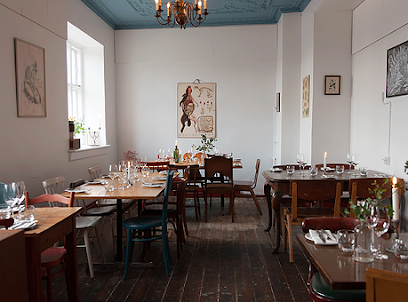
Restaurant Lola
6.8 km
Bold, travel-inspired cooking and inventive smørrebrød served in a sunny 17th‑century house with a leafy garden hideaway on Christianshavn’s historic ramparts.
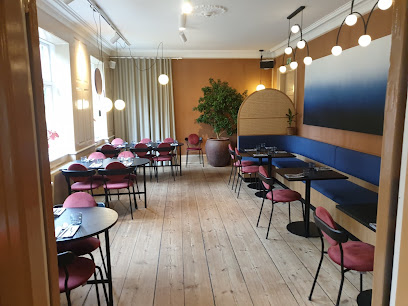
Kadeau
6.9 km
Bornholm’s wild pantry, refined in a serene Christianshavn dining room, where a seasonal New Nordic tasting menu and two-star precision define an intimate evening.
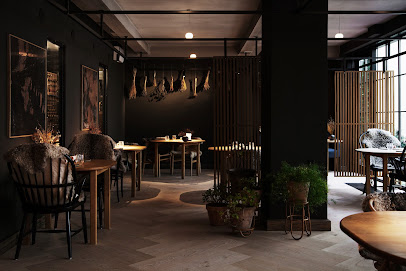
Kødbyens Fiskebar
7.0 km
Industrial-chic seafood in Copenhagen’s former Meatpacking District, where ultra-fresh Nordic fish, natural wines and a buzzing bar scene meet under one concrete roof.
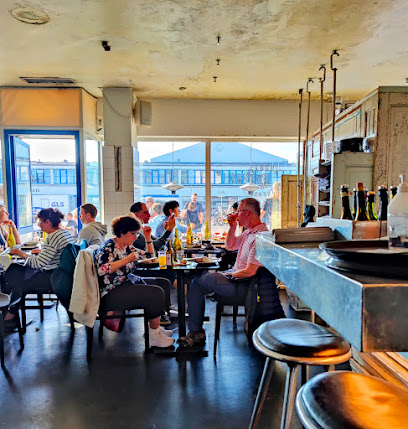
No. 2
7.0 km
Relaxed Nordic brasserie by the Copenhagen waterfront, pairing Michelin‑level know‑how with harbour views, seasonal Danish produce and polished yet informal service.
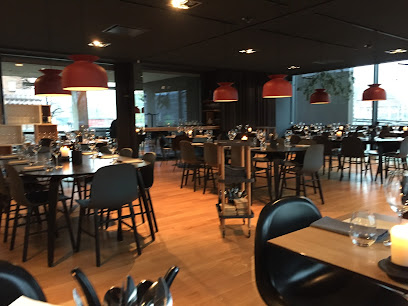
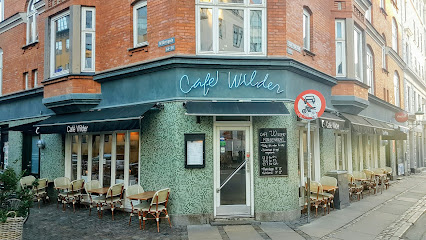
Cafe Wilder
7.1 km
A cherished French bistro where Parisian charm meets Copenhagen authenticity on the historic streets of Christianshavn.
Fleisch
7.1 km
A contemporary restaurant and butcher shop in Copenhagen’s Meatpacking District, Fleisch combines Nordic meat traditions with creative, communal dining in an atmospheric urban setting.
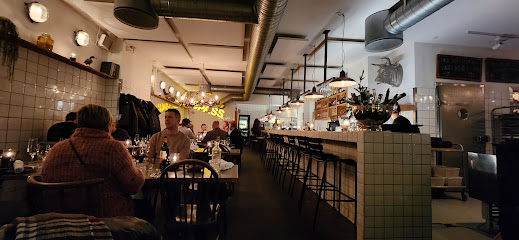
Paté Paté
7.1 km
Paté Paté offers Mediterranean-inspired dining and expertly curated wines in Vesterbro’s Meatpacking District, blending industrial charm with vibrant Copenhagen culinary culture.
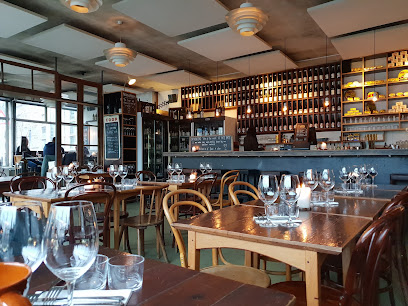
Restaurant Noi
7.1 km
Experience modern Nordic cuisine in a stylish, contemporary setting at Restaurant Noi, a favorite for seasonal dining in the heart of central Copenhagen.
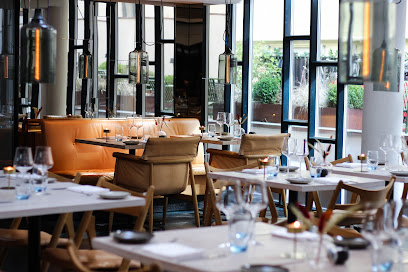
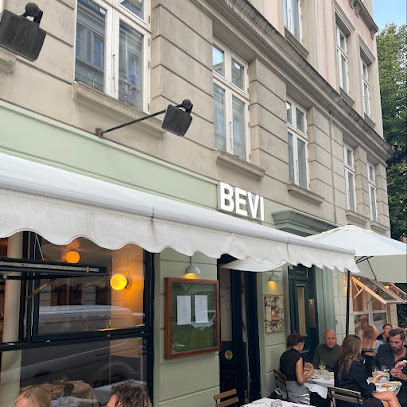
Bevi Bevi
7.2 km
Experience authentic Italian cuisine and exquisite wines at Bevi Bevi, a charming restaurant in the heart of Copenhagen.
Restaurant Kanalen
7.2 km
Seasonal Danish cooking and relaxed Nordic elegance in a historic canalside house on Christianshavn, where boats glide past your table and the water sets the mood.
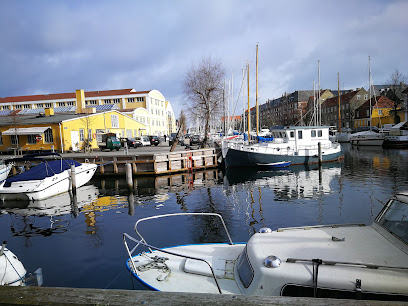
Restaurant Karla
7.3 km
Century-old Danish restaurant serving beloved classics and authentic smørrebrød in the heart of Copenhagen, steps from major museums and city attractions.
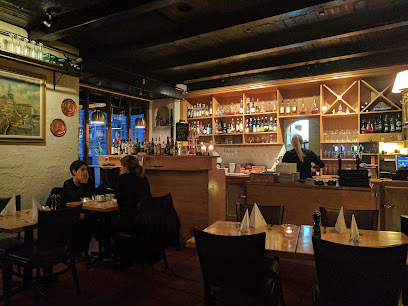
Markets, malls and hidden boutiques

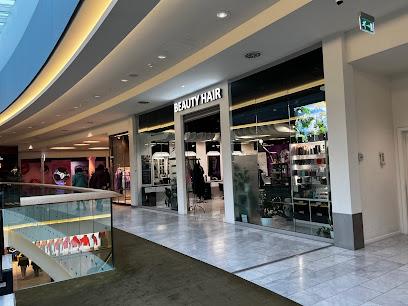
Fisketorvet Copenhagen Mall
6.4 km
Scandinavia's premier shopping destination with 120+ brands, world-class cinema, and waterfront charm.
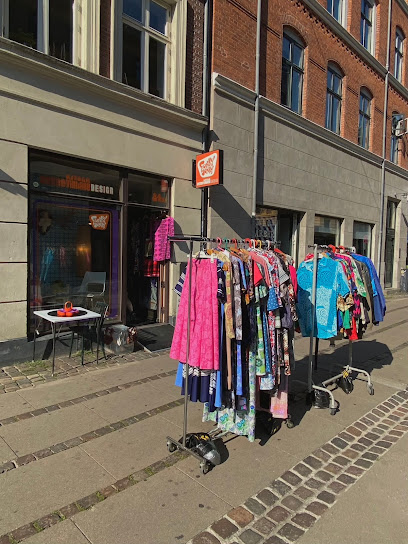
Funky Junky
7.3 km
Discover Vesterbro’s Funky Junky—a vibrant vintage store featuring retro furniture, unique fashion, and Danish design, perfectly reflecting Copenhagen’s creative soul.
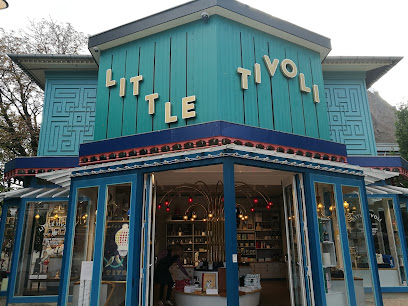
Tivoli Gift Shop
7.3 km
A compact slice of Tivoli Gardens magic just outside the park gates, perfect for picking up Copenhagen souvenirs before or after your visit.
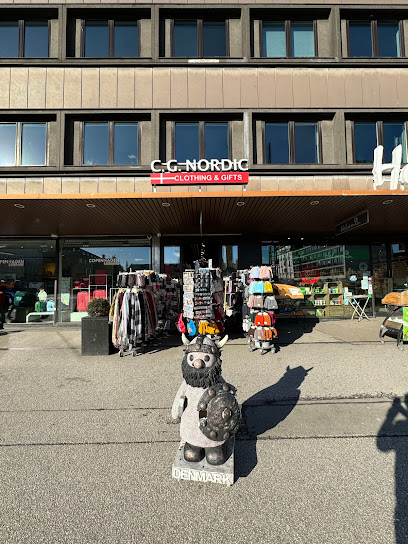
C. G. Nordic clothing and gifts
7.6 km
A small Vesterbro boutique where Nordic clothing, cozy textiles and design-led gifts capture the understated charm of contemporary Scandinavian style.
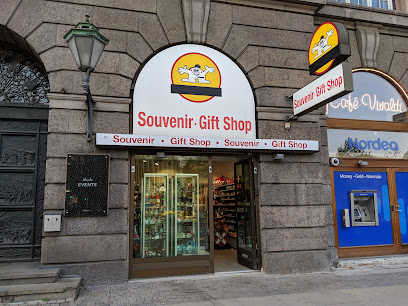
Souvenir Gift Shop
7.6 km
Compact, central and colourful, this Vesterbrogade gift shop is a quick and easy stop for Copenhagen-themed souvenirs between Tivoli, Vesterbro and the Central Station.
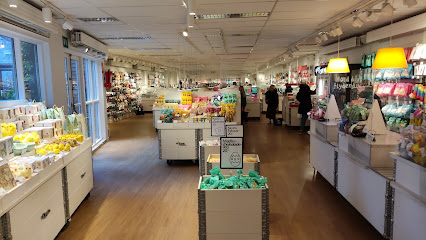
Flying Tiger Copenhagen
7.6 km
Compact, colorful and full of playful Danish design, this Vesterbrogade shop turns everyday essentials, gifts and games into a fun, low-cost treasure hunt.
Wonderful Souvenirs
7.6 km
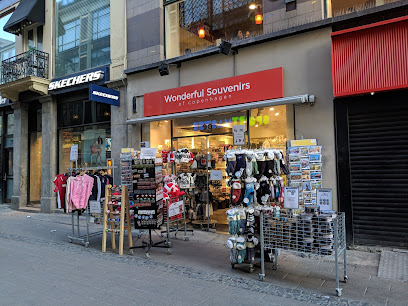
Compact, colourful and central, Wonderful Souvenirs on Frederiksberggade is a one-stop Strøget shop for easy Copenhagen-themed gifts and keepsakes.
Danish Souvenirs
7.7 km
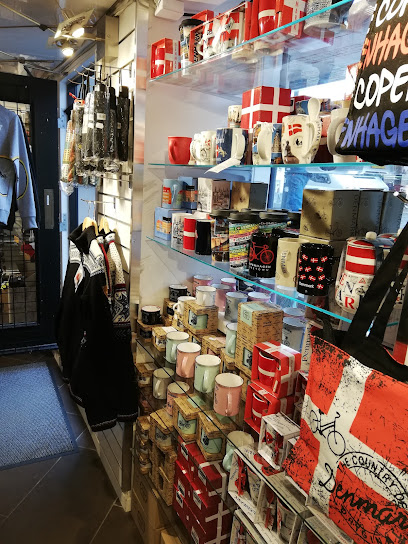
Central Copenhagen souvenir hub on Højbro Plads, packed with Danish icons, practical travel extras and long opening hours just steps from Strøget.
Viking Souvenirs
7.7 km
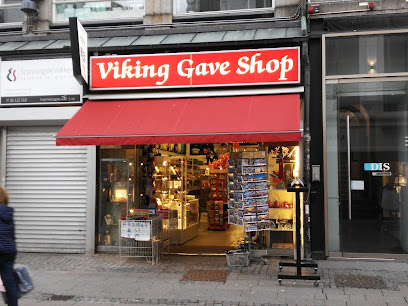
Lively Strøget souvenir shop packed with Viking‑themed gifts, Danish icons and suitcase‑friendly mementos, ideal for quick last‑minute presents in central Copenhagen.
Læderstræde
7.7 km
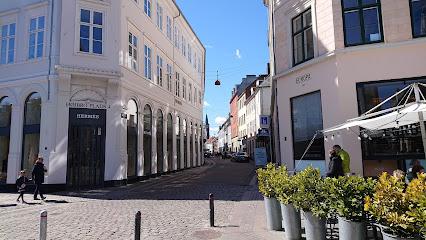
Læderstræde is a historic pedestrian street in central Copenhagen, offering a blend of independent boutiques, cozy cafés, and authentic Danish ambiance year-round.
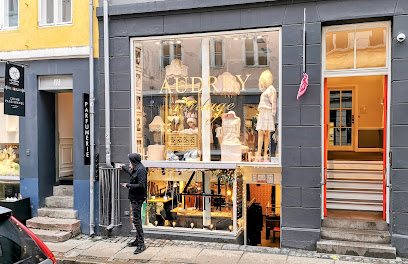
Audrey Vintage
7.7 km
Curated vintage fashion in Copenhagen's heart, where timeless style meets sustainable shopping.
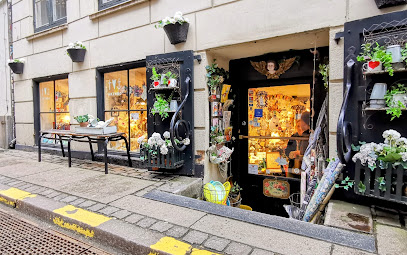
Akimbo
7.7 km
A cosy basement gift shop in Copenhagen’s old town, packed with colourful design, quirky treasures and hygge-infused souvenirs on charming Hyskenstræde.
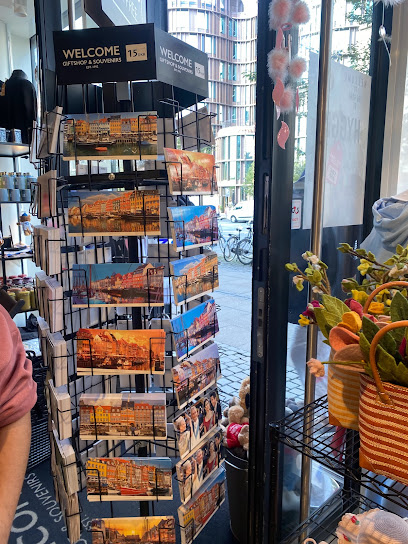
Souvenir Shop
7.7 km
Compact, convenient and central, this Frederiksberggade souvenir shop on Strøget is a quick one‑stop for classic Copenhagen gifts and mementos.
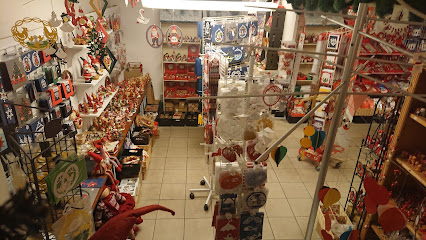
Danish Art & Christmas Shop
7.7 km
A cosy, year‑round Christmas haven in a historic Copenhagen townhouse, filled with Danish‑designed ornaments, paper art and festive hygge moments.
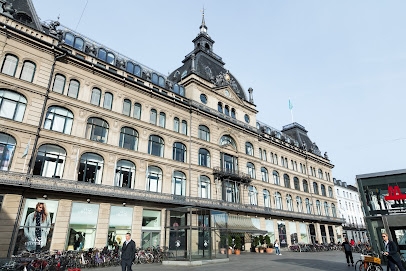
Magasin du Nord
7.7 km
Experience Danish elegance, international fashion, and gourmet food in Copenhagen’s historic Magasin du Nord—an iconic department store blending tradition and style since 1894.
Essential bars & hidden hideouts

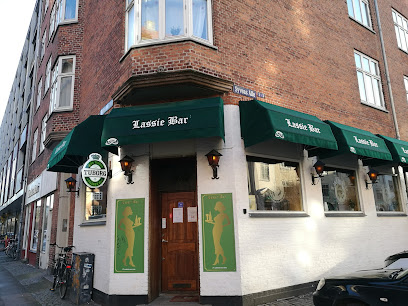
Lassie Bar
6.0 km
A classic Amager brown bar where bottled beer, schnapps and neighborhood chatter create a quietly authentic slice of everyday Copenhagen nightlife.
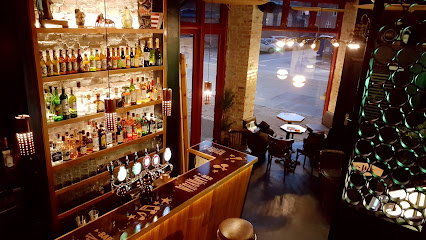
Whammy Bar
6.1 km
Colourful neighbourhood bar on Amager serving generous cocktails, draft beers and American‑style comfort food to a friendly crowd of locals and visitors.
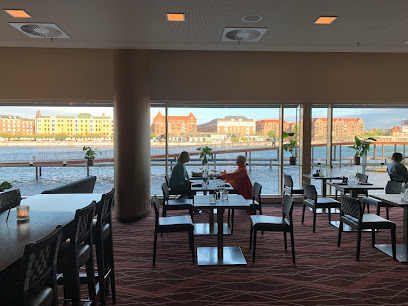
Pier5 Bar
6.7 km
Waterfront cocktails and harbor views in Copenhagen's contemporary hotel bar.
Jolene Bar
6.9 km
Industrial‑chic, late‑night beats in Copenhagen’s Meatpacking District, blending laid‑back bar vibes with a no‑frills, LGBTQ‑friendly dance floor.
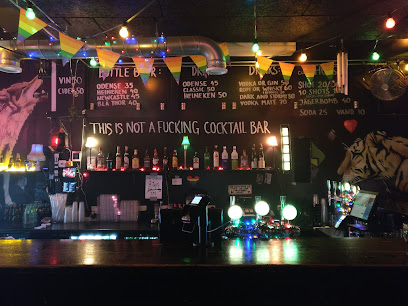
Mesteren & Lærlingen
7.0 km
Discover the lively bar scene at Mesteren & Lærlingen, where cocktails meet vibrant DJ beats in the heart of Copenhagen's nightlife.
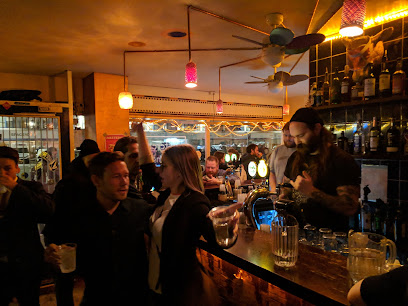
Eiffel bar
7.1 km
Experience the cozy atmosphere of Eiffel Bar in Copenhagen, where friendly service meets affordable drinks in a charming setting.
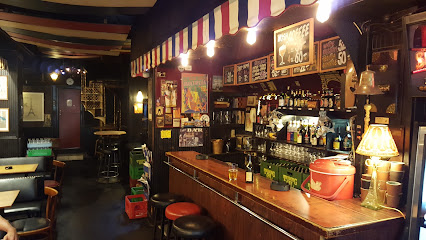
The Marble Bar
7.1 km
An intimate marble-clad cocktail hideaway inside Nobis Hotel Copenhagen, serving Scandinavian-inflected drinks and quiet luxury steps from Tivoli Gardens.
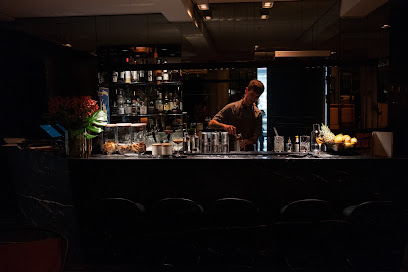
Freddys Bar
7.2 km
A cozy, low-lit Vesterbro brown bar where cheap beer, classic jukebox tunes and walls packed with memorabilia create an easygoing slice of everyday Copenhagen.
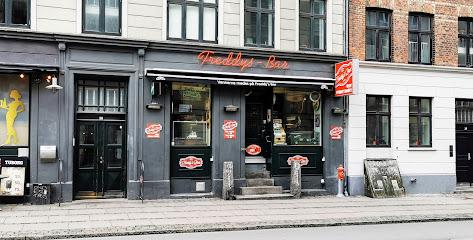
1656 Cocktail Bar
7.2 km
Hidden behind an unmarked door in Vesterbro, 1656 serves inventive cocktails in a dimly lit, speakeasy-style hideaway made for slow, late-night conversations.
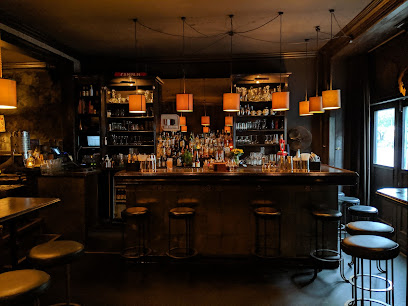
Spunk
7.3 km
Experience the vibrant nightlife at Spunk, a lively bar in Copenhagen offering a diverse drinks menu and an inviting atmosphere for all.
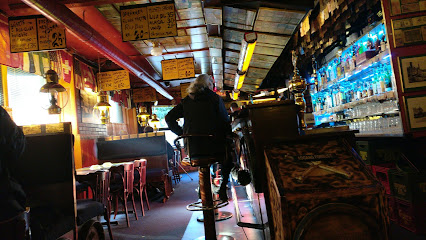
Jernbanecafeen
7.3 km
Densely decorated, railway‑themed pub opposite Copenhagen Central Station, where model trains, red carpets and cold beer create a lively Vesterbro living room.
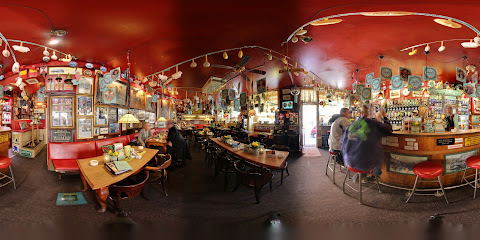
The Storm Inn Copenhagen
7.3 km
Experience the warmth of The Storm Inn in Copenhagen, a cozy pub offering a wide selection of drinks in a welcoming atmosphere.
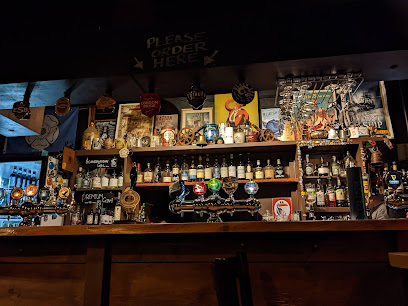
Riesen Bar
7.4 km
Experience the vibrant nightlife of Copenhagen at Riesen Bar, where great drinks and lively atmosphere come together for an unforgettable evening.
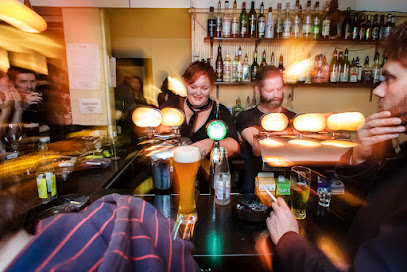
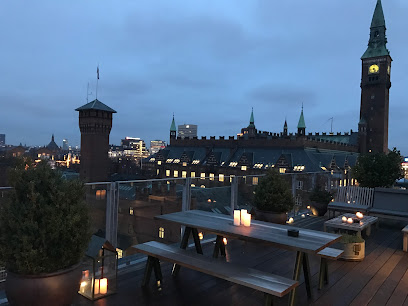
The Rooftop Bar
7.4 km
Compact rooftop oasis atop Hotel Danmark, pairing 360-degree Copenhagen views with cocktails, bubbles and golden-hour sunsets above the city’s historic heart.
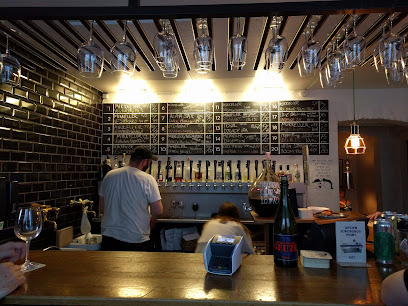
Mikkeller Bar
7.4 km
Explore Mikkeller Bar in Vesterbro, Copenhagen, a haven for craft beer lovers with a diverse selection and welcoming atmosphere.
Nightclubs & after hour spots

KB3
6.9 km
Discover the pulse of Copenhagen's nightlife at KB3, a lively night club in Vesterbro offering unforgettable music and vibrant experiences.
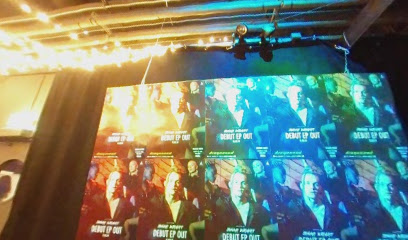
Baggen
7.0 km
Discover the electrifying atmosphere of Baggen, where Copenhagen's nightlife comes alive with vibrant music and unforgettable experiences.
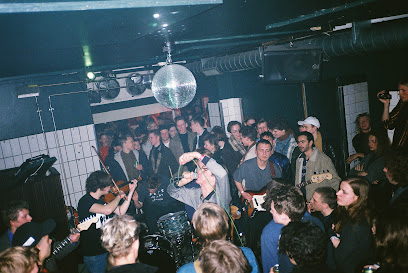
The Union
7.1 km
Discover the vibrant nightlife at The Union, Copenhagen's premier night club offering electrifying music and an unforgettable experience.
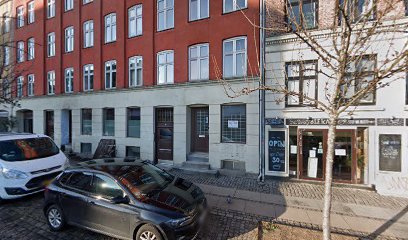
Dollhouse Striptease Nightclub
7.3 km
Experience the vibrant nightlife of Copenhagen at Dollhouse Striptease Nightclub, where adult entertainment meets unforgettable performances.
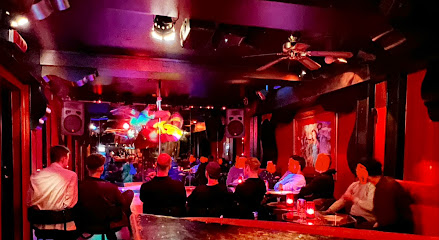
CristalClubCopenhagen
7.3 km
Dive into Copenhagen's nightlife at Cristal Club, where upscale ambiance meets electrifying music and unforgettable experiences.
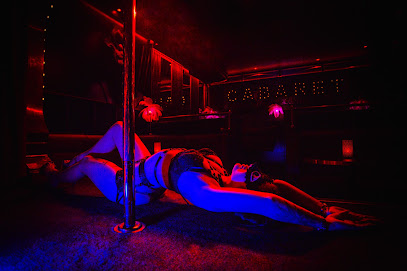
Club Mambo
7.4 km
Experience the energetic nightlife of Copenhagen at Club Mambo, a vibrant night club offering salsa dancing, cocktails, and delicious dining.
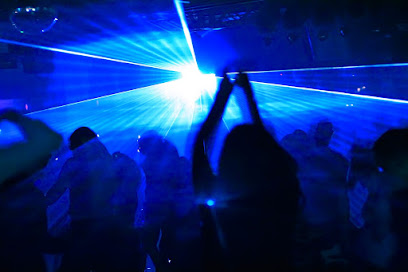
Vela Lesbian Lgbtq+ NightClub
7.5 km
Experience the inclusive spirit and vibrant nightlife at Vela Lesbian LGBTQ+ Nightclub in Copenhagen, where every night is a celebration of love and diversity.
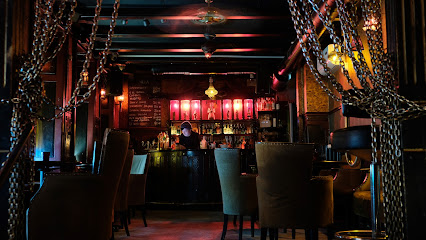
Module
7.6 km
Discover the ultimate nightlife experience at Module Night Club in Copenhagen, where world-class DJs and an electrifying atmosphere await.
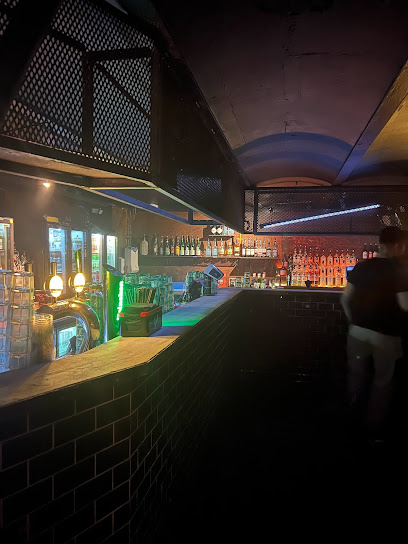
Never Mind
7.6 km
Experience the vibrant nightlife of Copenhagen at Never Mind, where electrifying music meets an eclectic crowd for unforgettable nights.
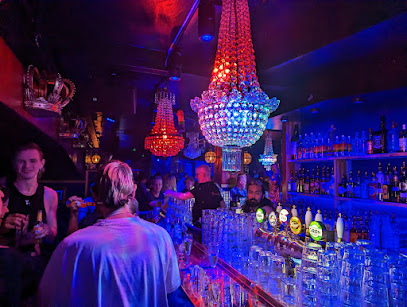
Den Anden Side
7.7 km
Discover the electrifying nightlife of Copenhagen at Den Anden Side, a techno haven for party lovers and night owls.
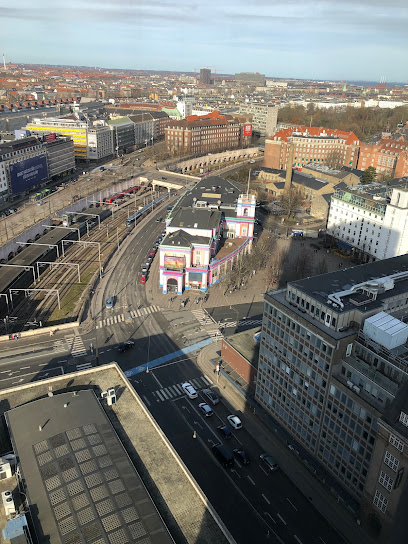
Dorsia
7.7 km
Central Copenhagen nightclub with late‑night DJs, cocktails and an image‑conscious crowd packed into a dark, modern interior off busy Kattesundet.
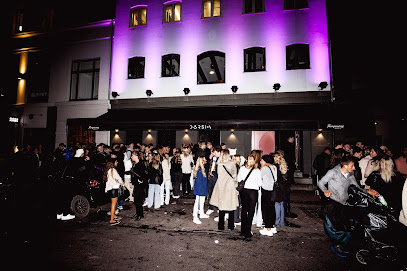
Chateau Motel
7.7 km
Discover the lively nightlife of Copenhagen at Chateau Motel, a top destination for cocktails and dancing in a vibrant atmosphere.
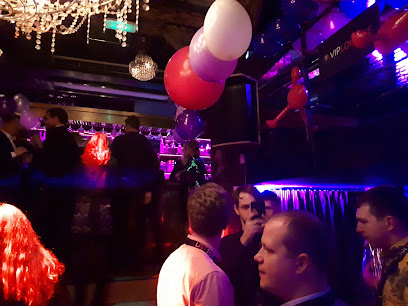
G*A*Y Copenhagen Nightclub
7.8 km
Experience the heart of LGBTQ+ nightlife at G*A*Y Copenhagen Nightclub, where vibrant energy and inclusive atmosphere await every visitor.
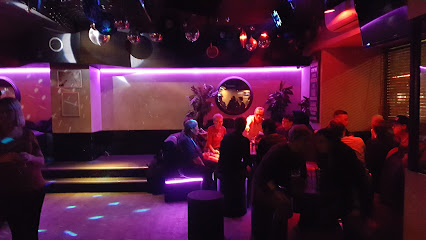
Miami Bar
7.8 km
Discover Copenhagen's nightlife at Miami Bar, where cocktails and dancing create unforgettable nights in a vibrant atmosphere.
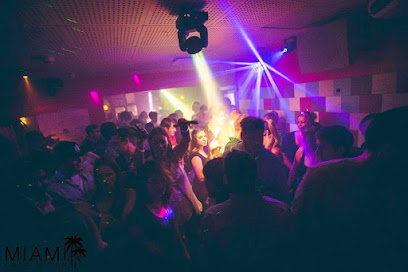
Hive
7.8 km
Copenhagen's premier high-end nightclub with cutting-edge design, VIP service, and immersive themed experiences.