

Suwannee River, Florida Travel Guide
Discover the tranquil beauty of the Suwannee River in Florida, where natural wonders and rich history combine to create an unforgettable experience.
The Suwannee River, winding through northern Florida, is a serene and picturesque destination. Known for its dark tannin-stained waters and lush surrounding forests, this river offers a peaceful escape from the hustle and bustle of everyday life. The river stretches over 200 miles and is a haven for nature lovers, kayakers, and anglers alike. Whether you're paddling through its gentle currents or exploring the Suwannee River State Park, there’s no shortage of natural beauty to take in. The park is home to a variety of wildlife, including deer, turtles, and numerous bird species. Hiking trails weave through the forests, providing ample opportunities for spotting flora and fauna. For a touch of history, visit the Suwannee River Heritage Trail. Along the trail, you’ll find historical markers and remnants of old settlements that tell the story of the river’s past. The town of White Springs, known for its natural mineral springs, is a charming stop where you can learn about the region's culture and history. Whether you're seeking adventure or relaxation, the Suwannee River offers something for everyone. With its tranquil waters, scenic landscapes, and rich history, it's a destination worth exploring.

Know before you go
Hi, I'm Eve. Here are a few practical things to know before exploring Suwannee River.
- Bring insect repellent, especially during the summer months, as mosquitoes can be prevalent near the river.
- Check the water levels before planning a kayaking or boating trip, as they can vary throughout the year.
- Visit in the spring or fall for the best weather and fewer crowds.
- Explore the Suwannee River Heritage Trail for a mix of scenic views and historical insights.
- Don't miss the town of White Springs for a taste of local culture and history.
Explore Suwannee River: Things to Do, Places to Eat, Hotels & More
Handpicked recommendations for top attractions, local dining, accommodations, and more

Best attractions in Suwannee River
Top-rated picks
Best Attractions

Ichetucknee Springs State Park
Experience the serenity of crystal-clear springs and lush landscapes at Ichetucknee Springs State Park, a true Florida natural treasure.

Spirit of the Suwannee Music Park & Campground
Experience the blend of nature and music at Spirit of the Suwannee Music Park & Campground, your ultimate outdoor getaway in Florida.

Fanning Springs State Park
Discover the serene beauty of Fanning Springs State Park, a perfect getaway for nature lovers and families seeking adventure in Florida's stunning landscapes.

Stephen Foster Folk Culture Center State Park
Explore Stephen Foster Folk Culture Center State Park—a treasure trove of Florida's folk music heritage and stunning natural landscapes.

Best landmarks in Suwannee River
Top-rated picks
Best Landmarks
Ichetucknee Springs State Park
Explore the enchanting Ichetucknee Springs State Park, Florida's natural paradise for tubing, hiking, and wildlife watching in a serene landscape.

Spirit of the Suwannee Music Park & Campground
Discover the Spirit of the Suwannee Music Park & Campground, where music meets nature in a breathtaking Florida setting, perfect for outdoor adventures.

Fanning Springs State Park
Explore Fanning Springs State Park, a serene destination with crystal-clear springs, lush landscapes, and exciting outdoor adventures in Florida.

Suwannee River State Park
Explore Suwannee River State Park: A natural oasis featuring scenic trails, rich wildlife, and the serene beauty of the Suwannee River in Florida.

Best restaurants in Suwannee River
Top-rated picks
Best Restaurants

Big Wood BBQ and Grill
Experience authentic Southern flavors at Big Wood BBQ and Grill in Live Oak – where every bite tells a delicious story!

Great Outdoors Restaurant
Experience the best of American cuisine at Great Outdoors Restaurant in High Springs, featuring live music and a vibrant bar atmosphere.

Cedar River Seafood
Experience fresh Florida seafood at Cedar River Seafood, where every dish captures the coastal spirit with local flavors.

Pink Flamingo Diner
Discover the vibrant flavors of Americana at Pink Flamingo Diner in High Springs - where every meal is served with a side of nostalgia!

Best bars in Suwannee River
Top-rated picks
Best Bars

Suwannee Belle Landing
Discover the taste of the sea at Suwannee Belle Landing, a seafood gem in Old Town, Florida, offering fresh dishes and stunning river views.

Fat Belly's
Explore the flavors of White Springs at Fat Belly's, a grill and breakfast restaurant offering hearty comfort food in a welcoming atmosphere.

The Branford Gathering
Discover the taste of American cuisine at The Branford Gathering, where flavor meets Southern hospitality in beautiful Branford, Florida.

Chiefland Billiards & Sports Bar
Discover Chiefland Billiards & Sports Bar, where delicious grill cuisine meets an exciting sports bar atmosphere in Chiefland, Florida.

Best nightclubs in Suwannee River
Top-rated picks
Best Nightclubs

Spirit of the Suwannee Music Park & Campground
Experience the fusion of music and nature at Spirit of the Suwannee Music Park & Campground in Florida, a must-visit destination for music lovers.

Suwannee Belle Landing
Savor the freshest seafood at Suwannee Belle Landing, where riverfront dining meets a vibrant atmosphere in Old Town, Florida.
Suwannee River Rendezvous Resort
Explore the natural beauty and adventure at Suwannee River Rendezvous Resort, a perfect campground for outdoor enthusiasts in Florida.

High Dive
Discover vibrant nightlife at High Dive in Gainesville, featuring live music, a beer garden, and an energetic bar atmosphere.

Best shops in Suwannee River
Top-rated picks
Best Shops

Suwannee River State Park
Explore the natural beauty of Suwannee River State Park, where adventure meets tranquility in the heart of Florida's wilderness.

Scaff's Branford IGA
Experience the charm of Scaff's Branford IGA, where local flavors and community spirit come together in a delightful grocery shopping experience.

Suwannee River Ace Hardware
Discover quality home improvement supplies at Suwannee River Ace Hardware, where expert advice meets friendly service in Branford, Florida.

Suwannee Hardware & Feed
Discover the charm of Suwannee Hardware & Feed, where practical meets unique in the heart of White Springs, Florida.

Explore Suwannee River on the Map
A handpicked selection of must-see spots in Suwannee River, mapped for you.
Suwannee River Essentials
-
Suwannee River is located in northern Florida, stretching from the Okefenokee Swamp in Georgia to the Gulf of Mexico in Florida. The nearest major airport is Jacksonville International Airport, approximately 85 miles to the east. From Jacksonville, you can rent a car and drive to the Suwannee River area. Alternatively, Gainesville Regional Airport is about 60 miles south of the river and offers regional flight options. Public transportation options are limited, so renting a car is the most convenient way to reach and explore the area.
-
Once you are in the Suwannee River area, having a car is essential for getting around. While some small towns along the river may offer limited public bus services, they are not reliable for comprehensive travel. Local taxi services and ride-sharing options like Uber and Lyft are available in larger towns but can be sparse in more rural areas. Renting a car will give you the flexibility to explore the various parks, springs, and towns along the river at your own pace.
-
The official currency in the United States is the U.S. Dollar (USD). Credit and debit cards are widely accepted in most establishments, including restaurants, hotels, and shops. However, it is advisable to carry some cash, especially when visiting rural areas and smaller businesses that may not accept cards. ATMs are available in larger towns along the Suwannee River, but it is wise to withdraw enough cash beforehand if you plan to venture into more remote areas.
-
The Suwannee River area is generally safe for tourists, but it is always important to take standard precautions. Avoid walking alone at night in unfamiliar areas and keep an eye on your belongings in crowded places. While there are no specific high-crime areas targeting tourists, be cautious in more isolated parts of the river, especially at night. Wildlife encounters are also a consideration; be aware of alligators and snakes, and follow local guidelines for safety.
-
In case of emergency, dial 911 for immediate assistance. The Suwannee River area is served by local police and medical facilities in nearby towns. It is recommended to have travel insurance that covers medical emergencies. For minor health issues, there are pharmacies in larger towns where you can purchase over-the-counter medications. Familiarize yourself with the location of the nearest hospital or urgent care center in case of a medical emergency.
-
Fashion: Do dress comfortably and appropriately for outdoor activities. Lightweight, breathable clothing is recommended, and don't forget your swimwear if you plan to enjoy the springs. Religion: Do respect local customs when visiting historical churches or cemeteries along the river. Public Transport: Do plan your travel ahead as public transport is limited. Don't rely solely on public buses or taxis. Greetings: Do greet people with a friendly 'hello' or 'hi.' Southern hospitality is prevalent, and locals appreciate politeness. Eating & Drinking: Do try local Southern cuisine, including dishes like fried catfish and hushpuppies. Don't litter; keep the natural beauty of the area pristine.
-
To experience Suwannee River like a local, spend time at the various springs such as Ichetucknee Springs and Ginnie Springs. Engage with locals at farmers' markets or small-town diners to learn about the area's culture and history. Participate in outdoor activities like canoeing, kayaking, or tubing down the river. For a unique experience, visit during one of the local music festivals, such as the Suwannee River Jam, which brings together a mix of music, food, and Southern hospitality.
When is the best time to visit Suwannee River?
Useful Local Phrases for Suwannee River
You don't need to speak the language perfectly. Even learning a few simple words can make conversations warmer—and locals usually appreciate the effort.
— Eve

Here are the phrases I use most often in Suwannee River. Try a few—you'll be surprised how far they go! 😊
❤️
-
- HelloHowdy
[haw-dee] - GoodbyeSee ya
[see yah] - YesYep
[yep] - NoNah
[nah] - Please/You're welcomePlease/No problem
[pleez/no problem] - Thank youThanks
[thanks] - Excuse me/SorryPardon me/My bad
[par-dun me/my bad] - How are you?How y'all doin'?
[how y'all doin'] - Fine. And you?Doin' good. How 'bout you?
[doin' good. how 'bout y'all] - Do you speak English?Ya speak English?
[yah speak English?] - I don't understandI ain't gettin' it
[I ain't get-tin' it]
- HelloHowdy
-
- I'd like to see the menu, pleaseCan I check out the menu, please
[can I check out the menu, please] - I don't eat meatI don't eat meat
[I don't eat meat] - Cheers!Cheers!
[Cheers!] - I would like to pay, pleaseI'd like to settle up, please
[I'd like to settle up, please]
- I'd like to see the menu, pleaseCan I check out the menu, please
-
- Help!Help!
[Help!] - Go away!Git!
[git!] - Call the Police!Call the Sheriff!
[call the sheriff!] - Call a doctor!Get a doc!
[get a doc!] - I'm lostI'm disoriented
[I'm disoriented] - I'm illI'm sick
[I'm sick]
- Help!Help!
-
- I'd like to buy...I wanna buy...
[I wanna buy...] - I'm just lookingJust browsin'
[just browsin'] - How much is it?How much does it cost?
[how much does it cost?] - That's too expensiveThat's pricey
[that's pricey] - Can you lower the price?Can ya cut the price?
[can ya cut the price?]
- I'd like to buy...I wanna buy...
-
- What time is it?What time is it?
[what time is it?] - It's one o'clockIt's one o'clock
[it's one o'clock] - Half past (10)Half past (10)
[half past (10)] - MorningMornin'
[mornin'] - AfternoonAfternoon
[afternoon] - EveningEvenin'
[evenin'] - YesterdayYest'day
[yest'day] - TodayToday
[today] - TomorrowTomorra
[tomorra] - 1One
[one] - 2Two
[two] - 3Three
[three] - 4Four
[four] - 5Five
[five] - 6Six
[six] - 7Seven
[seven] - 8Eight
[eight] - 9Nine
[nine] - 10Ten
[ten]
- What time is it?What time is it?
-
- Where's a/the...?Where's a/the...?
[where's a/the...?] - What's the address?What's the address?
[what's the address?] - Can you show me (on the map)?Can you show me (on the map)?
[can you show me (on the map)?] - When's the next (bus)?When's the next (bus)?
[when's the next (bus)?] - A ticket (to ....)A ticket (to ....)
[a ticket (to ....)]
- Where's a/the...?Where's a/the...?
History of Suwannee River
-
Long before European explorers set foot in Florida, the Suwannee River was home to the Timucua people. The river provided them with abundant resources, including fish, game, and fertile grounds for farming. The Timucua built their villages along its banks, creating a thriving community that utilized the river for transportation and trade.
-
In the 16th century, Spanish explorers, including Hernando de Soto, navigated the Suwannee River as they ventured through Florida. The river became a crucial part of the Spanish mission system in the 17th century, with missions established to convert the Timucua and other indigenous tribes to Christianity. These missions marked significant cultural and social changes along the river.
-
The Suwannee River played a strategic role during the Seminole Wars in the 19th century. The dense swamps and forests along the river provided refuge for the Seminole people as they resisted removal from their lands. The river's challenging terrain made it a natural stronghold, and several battles and skirmishes took place in its vicinity.
-
By the mid-19th century, the advent of steamboats transformed the Suwannee River into a bustling commercial route. Steamboats transported goods and passengers between inland Florida and coastal ports, fostering economic growth in the region. The river's accessibility helped establish towns and industries along its banks, contributing to Florida's development.
-
One of the most enduring cultural legacies of the Suwannee River is its association with the famous song 'Old Folks at Home' by Stephen Foster. Written in 1851, the song nostalgically references the river, despite Foster never having visited Florida. The melody became an anthem of sorts, embedding the Suwannee River into the American cultural consciousness.
-
During the Great Depression, the Civilian Conservation Corps (CCC) played a pivotal role in developing Suwannee River State Park. Established in 1936, the park preserves the natural beauty of the river and provides recreational opportunities for visitors. The CCC's work included building trails, picnic areas, and other infrastructure that still benefits the park today.
-
In recent decades, the Suwannee River has been the focus of numerous environmental conservation efforts. Organizations and government agencies have worked to protect its water quality, wildlife habitats, and natural beauty. Initiatives include pollution control, habitat restoration, and sustainable tourism practices, ensuring the river remains a cherished natural resource for future generations.
Cities in Suwannee River
Browse our curated selection of top destinations, scenic points, and must-visit spots in the area.



Neighbouring destination travel guides
Browse our curated selection of top destinations, scenic points, and must-visit spots in the area.


Your all‑in‑one travel companion app
Explore expert travel guides, compare and book tours, experiences, hotels, and more—all from the palm of your hand. Download now for seamless trip planning wherever your wanderlust takes you.


Explore More of North Florida

Looking beyond Suwannee River? Discover North Florida for broader travel guides, local hot-spots, and regional highlights.
Explore North FloridaExplore More of Florida

Looking beyond Suwannee River? Discover Florida for broader travel guides, local hot-spots, and regional highlights.
Explore FloridaSuwannee River in Photos
Browse through our photo collection highlighting the charm and character of the destination.




The Majestic Suwannee River: Florida's Hidden Gem
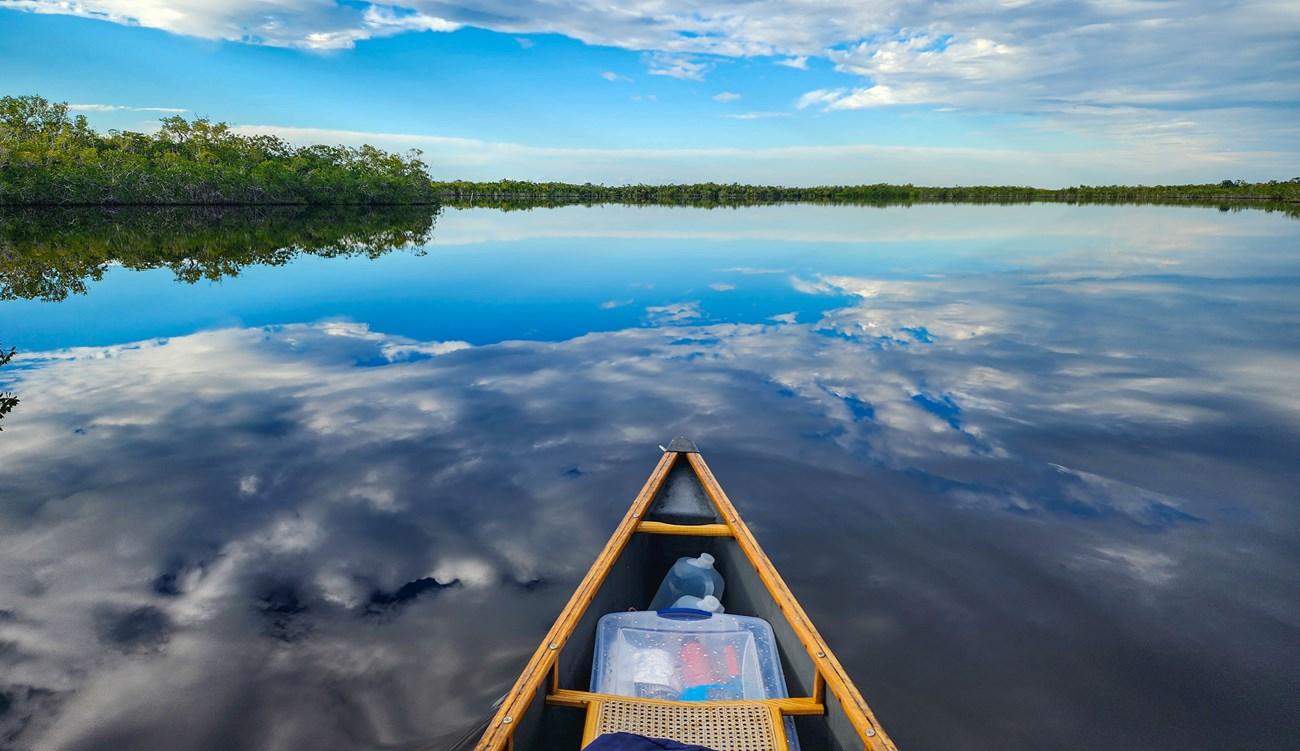
The Suwannee River, winding through northern Florida, is a serene and picturesque destination. Known for its dark tannin-stained waters and lush surrounding forests, this river offers a peaceful escape from the hustle and bustle of everyday life. The river stretches over 200 miles and is a haven for nature lovers, kayakers, and anglers alike. Whether you're paddling through its gentle currents or exploring the Suwannee River State Park, there’s no shortage of natural beauty to take in. The park is home to a variety of wildlife, including deer, turtles, and numerous bird species. Hiking trails weave through the forests, providing ample opportunities for spotting flora and fauna. For a touch of history, visit the Suwannee River Heritage Trail. Along the trail, you’ll find historical markers and remnants of old settlements that tell the story of the river’s past. The town of White Springs, known for its natural mineral springs, is a charming stop where you can learn about the region's culture and history. Whether you're seeking adventure or relaxation, the Suwannee River offers something for everyone. With its tranquil waters, scenic landscapes, and rich history, it's a destination worth exploring.