Best Landmarks in Erfurt
Planning a trip to Erfurt? Discover the best landmarks in Erfurt with history, expert tips, and routes. Free on web or the Evendo app.


The best landmarks in Erfurt
Erfurt, a charming city in Germany, offers visitors a rich tapestry of history and culture to explore. From the iconic Erfurt Cathedral, with its stunning gothic architecture and impressive interior, to the picturesque Merchants' Bridge, the oldest inhabited bridge in Europe, there is no shortage of landmarks to admire. The Krämerbrücke, lined with quaint shops and cafes, is a must-visit for those seeking a taste of medieval Germany. Additionally, the Augustinian Monastery, where Martin Luther lived as a monk, provides a fascinating glimpse into the city's religious past. With its blend of architectural wonders and historical significance, Erfurt is a destination that promises a memorable and enriching experience for all who visit.
- Top rated
- Closest to the centre
- A–Z
39 landmarks
-
Tourist attraction4.7★11,724 reviews
Domplatz
Discover the stunning Domplatz in Erfurt, a historic square that captivates visitors with its breathtaking architecture and rich cultural significance. This iconic landmark is surrounded by the majestic Erfurt Cathedral and the St. Severus Church, offering a glimpse into the city’s medieval past. Don't miss the chance to explore the vibrant atmosphere, local markets, and charming cafés that line the square, making it a perfect spot to relax and soak in the beauty of Erfurt.
Open 24 hours
-
Garden4.5★10,603 reviews
Egapark
Egapark in Erfurt is more than just a garden; it's a sprawling oasis of horticultural artistry and recreational delight. Covering 36 hectares, this park offers a vibrant tapestry of themed gardens, including a rose garden with over 600 varieties, a Japanese garden exuding tranquility, and a dazzling display of seasonal flowerbeds. Beyond the blooms, Egapark features playgrounds, a petting zoo, and the German Horticultural Museum, making it a perfect destination for families and garden enthusiasts alike. Whether you're seeking a peaceful stroll amidst nature's beauty or an engaging day of exploration, Egapark promises an unforgettable experience. Its meticulously maintained landscapes and diverse attractions make it a standout destination in Thuringia, drawing visitors year-round with its ever-changing displays and events. The park's rich history, dating back to the 1961 National Horticultural Exhibition, adds to its allure, solidifying its place as a cherished landmark and a testament to Erfurt's commitment to green spaces and community engagement.
Daily 9:00–18:00
-
Catholic cathedral4.7★4,989 reviews
Erfurt Cathedral
Erfurt Cathedral, or St. Mary's Cathedral, is a stunning example of Gothic architecture and a significant religious landmark in Germany. Rising majestically over the Domplatz, the cathedral's origins trace back to the 8th century, with its current Gothic form dating to the 14th and 15th centuries. Visitors are captivated by its towering spires, intricate stonework, and the grand staircase leading to its entrance. Inside, the cathedral houses invaluable treasures, including the Gloriosa bell, the tomb of Count von Gleichen, and stunning stained-glass windows. The cathedral is not only a place of worship but also a venue for concerts and events, making it a vibrant cultural hub in Erfurt. Its historical importance, architectural grandeur, and spiritual atmosphere make it a must-see destination for any traveler.
-
Historical landmark4.6★2,550 reviews
Market Square
Weimar's Market Square, or 'Markt', is the city's vibrant heart, steeped in history and surrounded by stunning architecture. Admire the iconic Town Hall, blending Gothic and Renaissance styles, and the Goethe statue, a tribute to Weimar's celebrated poet. The square buzzes with activity, hosting local markets and events that showcase the local culture. Quaint shops, inviting cafes, and traditional restaurants line the square, offering authentic German cuisine. It's an ideal starting point for exploring Weimar's attractions, including the Bauhaus Museum and Nietzsche Archive. As the sun sets, the illuminated buildings create a picturesque setting for an evening stroll, capturing the essence of Weimar's rich heritage. During the Christmas season, the Market Square transforms into a magical Christmas market, complete with a towering Christmas tree, festive stalls, and the scent of mulled wine.
Open 24 hours
-
Monument4.6★2,164 reviews
Goethe-Schiller-Denkmal
The Goethe-Schiller Monument, a bronze double statue in Weimar's Theaterplatz, immortalizes the friendship and collaboration of Johann Wolfgang von Goethe and Friedrich Schiller, two of Germany's most revered literary figures. Created by Ernst Rietschel in 1857, the monument stands as a symbol of the Weimar Classicism movement and the city's rich cultural heritage. The statue, cast from melted-down Turkish cannons, depicts the poets at equal height, despite Goethe being shorter in reality, to emphasize their equal contribution to German literature. Flanked by significant historical buildings, the monument serves as a focal point for exploring Weimar's old town, attracting visitors from around the globe to pay homage to these literary giants and delve into the era of Weimar Classicism. Its enduring presence and artistic significance make it a must-see landmark, embodying the spirit of German intellectual and artistic achievement. The monument also has copies in cities across the United States and even Shanghai.
Open 24 hours
-
Historical landmark4.8★1,737 reviews
Krämerbrücke
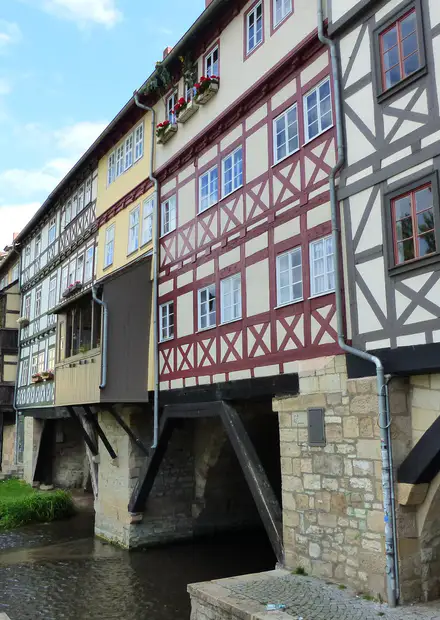
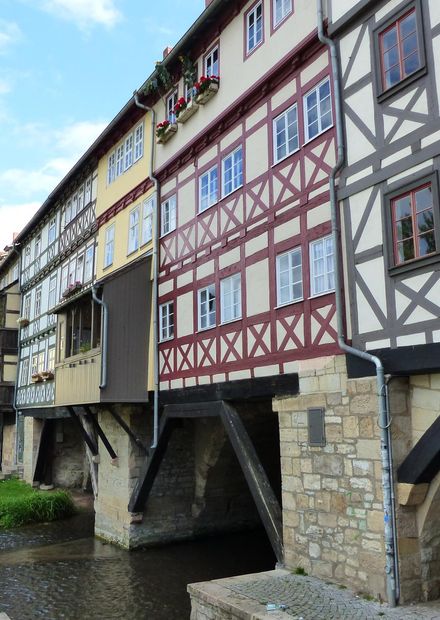
The Krämerbrücke, or Merchant's Bridge, is a unique medieval landmark in Erfurt, Germany. Dating back to 1325, this stone arch bridge is lined with charming half-timbered houses, making it one of the few inhabited bridges remaining in the world. For over 500 years, it has been continuously inhabited, longer than any other bridge in Europe. Today, the 32 buildings on the bridge house a variety of artisan shops, galleries, and boutiques offering traditional crafts, Thuringian specialties, and unique souvenirs. A stroll across the Krämerbrücke is a journey through history, offering a glimpse into medieval life and a chance to experience the vibrant atmosphere of this architectural gem. Don't miss the opportunity to climb the tower of the Church of St. Aegidius at the bridge's eastern end for panoramic views of the bridge and Erfurt's old town.
Open 24 hours
-
State park4.4★1,370 reviews
Hirschgarten
The Hirschgarten, nestled in the heart of Erfurt, offers a tranquil escape from the city's hustle and bustle. This historic park, dating back to the 18th century, was once the city's first public green space, providing a respite for locals. Today, it continues to be a beloved spot for relaxation and recreation, featuring ample seating, lush greenery, and a spacious playground. Its central location, easily accessible by public transport and surrounded by shops and cafes, makes it a convenient and inviting destination for both tourists and locals seeking a peaceful retreat. The park's blend of history, natural beauty, and modern amenities creates a unique and welcoming atmosphere.
Open 24 hours
-
Monastery4.6★1,211 reviews
Protestant Augustinian Monastery Erfurt
The Augustinian Monastery in Erfurt, Germany, is a captivating blend of medieval architecture and profound historical significance. Founded in the 13th century, it's most renowned as Martin Luther's home from 1505 to 1511, where he lived as an Augustinian friar and developed the theological foundations that would ignite the Reformation. Today, the monastery serves as a living church, a conference center, and a place of pilgrimage, offering visitors a chance to explore Luther's cell, admire stunning stained glass, and delve into centuries of religious and cultural heritage. Its location in Erfurt's Altstadt makes it easily accessible and a central point for exploring other historical landmarks. The monastery provides a unique opportunity to step back in time and connect with a pivotal moment in European history.
-
Park4.3★1,234 reviews
City Park (Stadtpark)
Escape the urban bustle in Erfurt's City Park, a verdant retreat south of the main train station. Established in 1908 on the site of a former fortification, this 6.5-hectare park offers winding pathways, playgrounds, and tranquil spaces for relaxation. Admire the Amur cork trees and the ancient mulberry tree, or discover sculptures like Arthur Lewin-Funcke's 'Bathing Woman'. The park hosts events throughout the year, providing a vibrant community atmosphere. Whether you're seeking a peaceful stroll, a family outing, or a moment of serenity, the City Park provides a refreshing escape in the heart of Erfurt. Don't miss the impressive staircase at the northern entrance and the Sorgebrunnen fountain.
Open 24 hours
-
State park4.3★656 reviews
Brühler Garten
Escape the bustle of Erfurt in the serene Brühler Garten, a 1.5-hectare park nestled in the heart of the city's Brühl district. This green haven boasts a rich history, evolving from a medieval fortification and burial ground to a Kurmainzer pleasure garden and, finally, a beloved municipal park. Stroll along its shaded allee, admire the diverse plantings, and discover remnants of its past, including historic gravestones. With a playground, bandstand, and accessible facilities, the Brühler Garten offers a peaceful retreat for locals and tourists alike, seamlessly blending history, nature, and recreation. It serves as a vital green link between the inner city and the historic old town, offering a tranquil escape and a glimpse into Erfurt's layered past.
Open 24 hours


Old Synagogue
The Old Synagogue in Erfurt stands as one of the best-preserved medieval synagogues in Europe, offering a captivating glimpse into Jewish life during the Middle Ages. Dating back to the 11th century, with significant expansions in the 13th and 14th centuries, it now functions as a museum showcasing the rich history of Erfurt's Jewish community. Visitors can explore the synagogue's original architecture, including its Romanesque gemel window and Gothic rose window, and delve into exhibits featuring the Erfurt Treasure, a remarkable hoard of medieval coins, jewelry, and artifacts discovered nearby. The Old Synagogue, along with the nearby Mikveh and Stone House, forms part of Erfurt's UNESCO World Heritage site, recognized for its exceptional preservation and historical significance.
Tue–Sun 10:00–18:00

Bernd the bread
Meet Bernd das Brot, a beloved yet perpetually pessimistic loaf of bread who has become a cult figure in Germany. This two-meter-tall statue, located on Fischmarkt in Erfurt's Altstadt, commemorates the iconic character from the children's television channel KiKA. Known for his signature catchphrase "Mist!" (Crap!), Bernd's grumpy demeanor and fatalistic outlook have endeared him to both children and adults for over two decades. The statue has become a popular photo spot and a symbol of Erfurt, offering visitors a quirky and memorable experience in the heart of the city. While you're there, explore the vibrant Fischmarkt, surrounded by historic buildings and local shops, and discover other Kika figures scattered throughout Erfurt.
Open 24 hours

Barfüßerkirche
The Barfüßerkirche, or Discalced Church, stands as a poignant reminder of Erfurt's rich history and the ravages of World War II. Originally built in the 14th century as a Franciscan monastery church, it was one of the most significant mendicant churches in Germany. Though largely destroyed by bombing in 1944, the restored choir houses a museum of medieval art, including stunning 13th-century stained glass. The haunting ruins of the nave offer a unique glimpse into Gothic architecture and the enduring spirit of Erfurt. Located near the Schlösserbrücke bridge, it's a must-see for history buffs and art enthusiasts alike. Martin Luther himself preached here, adding to its historical significance. Today, the Barfüßerkirche serves as a venue for theatrical performances, blending history with contemporary culture. A visit offers a powerful reflection on the past and a celebration of resilience.
Thu–Sat 15:00–18:00

Maus und Elefant KIKA
In the heart of Erfurt, on the bustling Anger square, stand the delightful statues of Maus and Elefant, characters from the popular German children's television show 'Die Sendung mit der Maus' (The Show with the Mouse). These iconic figures have become a beloved symbol of the city, offering a whimsical photo opportunity for families and tourists alike. The statues are strategically placed in the city center, making them easily accessible and a fun addition to any Erfurt sightseeing tour. More than just photo ops, Maus and Elefant represent Erfurt's strong connection to children's media, as the city is home to KiKA, the German children's channel. Spotting these figures is a must-do for families visiting Erfurt, offering a chance to connect with a cherished part of German childhood and create lasting memories. The statues serve as a reminder of the joy and wonder of childhood, making them a heartwarming addition to Erfurt's rich cultural landscape. A visit to Maus and Elefant is a delightful experience for visitors of all ages.
Open 24 hours

Peterskirche
The Peterskirche, or St. Peter's Church, crowns the Petersberg citadel in Erfurt, offering a glimpse into Thuringia's rich Romanesque past. Originally the abbey church of a Benedictine monastery founded in 1060, the current structure, dating back to the 12th century, stands as one of the region's oldest and most significant examples of Romanesque architecture. Despite enduring periods of secularization, use as a storage facility, and partial demolition, the church retains its monumental dignity. Today, after renovations, the Peterskirche serves as a venue for exhibitions and events, allowing visitors to explore its architectural details and experience its historical atmosphere. The panoramic views of Erfurt from the Petersberg add to the allure, making it a compelling destination for history enthusiasts and sightseers alike. Its imposing presence and historical importance make it a must-see landmark in Erfurt.
Tue–Sun 10:00–18:00

Breitstrom Castle Bridge
The Breitstrom Castle Bridge, a picturesque stone arch bridge in Erfurt's Altstadt (Old Town), offers a delightful glimpse into the city's rich history. Spanning the Breitstrom river, this pedestrian bridge provides stunning views of the surrounding architecture and serves as a vital link between the old city center and the charming Schlösserstraße. Its serene atmosphere and central location make it a perfect spot for a leisurely stroll, offering a moment of tranquility amidst the bustling city. The bridge's elegant design and historical significance contribute to Erfurt's unique character, making it a must-see for visitors exploring the city's cultural heritage. Whether you're admiring the architecture, enjoying the peaceful ambiance, or simply passing through, the Breitstrom Castle Bridge provides a memorable experience.
Open 24 hours

Erfurt Altstadt
Erfurt's Altstadt (Old Town) is a captivating journey through time, boasting one of Germany's best-preserved medieval city centers. Wander through cobblestone streets, admire the half-timbered houses, and explore iconic landmarks like the Erfurt Cathedral and Krämerbrücke, Europe's longest inhabited bridge. Steeped in history, the Altstadt offers a vibrant cultural scene with museums, galleries, and traditional Thuringian restaurants. From the majestic Domplatz to the charming Wenigemarkt, Erfurt's Altstadt is a treasure trove of historical and architectural gems, offering an immersive experience for every traveler. Discover the Old Synagogue, a UNESCO World Heritage site, and delve into the city's rich Jewish heritage. Whether you're exploring the Petersberg Citadel or simply enjoying the atmosphere, Erfurt's Altstadt promises an unforgettable experience.

Fischmarkt
The Fischmarkt (Fish Market) in Erfurt is more than just a square; it's the vibrant heart of the city's Altstadt (Old Town). Historically a bustling marketplace since its first mention in 1293, it evolved into the city's social and commercial hub. Today, it's framed by magnificent Renaissance patrician houses like the Haus zum Roten Ochsen and the Haus zum Breiten Herd, showcasing Erfurt's rich past. The neo-Gothic Rathaus (Town Hall) dominates the square, a testament to Erfurt's civic pride. With its lively atmosphere, historical significance, and architectural beauty, the Fischmarkt is a must-see destination, offering a captivating glimpse into Erfurt's cultural heritage and a perfect starting point to explore the city's many attractions.
Open 24 hours

Festungsmauer Zitadelle Petersberg
The Zitadelle Petersberg, a remarkably preserved baroque fortress, dominates Erfurt's skyline, offering visitors a captivating journey through military history and stunning panoramic views. Built in the 17th century, this imposing citadel was once a strategic stronghold, witnessing sieges and occupations by various European powers. Today, it invites exploration of its vast grounds, underground tunnels, and historical exhibits. Wander along the massive stone walls, delve into the intriguing listening passages, and discover the secrets held within this impressive monument. With its blend of historical significance, architectural grandeur, and scenic vistas, the Zitadelle Petersberg promises an unforgettable experience for history buffs and casual tourists alike. The fortress is also known for its accessibility, offering panoramic views, and an elevator.

Bepflanzter Schriftzug Erfurt
The Bepflanzter Schriftzug Erfurt, a vibrant floral installation, welcomes visitors to the heart of Erfurt's Altstadt. This eye-catching landmark, translating to "Planted Erfurt Lettering," is a testament to the city's love of flowers and its artistic flair. Positioned near the Bastion Leonhard on the Petersberg, the large, three-dimensional letters spell out "Erfurt" in a visually stunning display. The letters are meticulously planted with colorful flowers that change with the seasons, ensuring a fresh and captivating scene year-round. It serves as a popular spot for photographs, capturing the essence of Erfurt as a 'Blumenstadt' (city of flowers). Its location offers easy access to other attractions, making it a must-see for anyone exploring Erfurt's historic center and enjoying the charm of the old town.
Open 24 hours

Der Römer
Der Römer, a statue of a Roman warrior, stands proudly on Erfurt's Fischmarkt, a symbol of the city's historical independence and resilience. Erected in 1591, it replaced an earlier statue of St. Martin, the patron saint associated with Mainz, after it was torn down during a peasant revolt. The statue, initially dubbed 'Mann auf der Säule' (Man on the Column), gradually assumed the significance of a Roland statue, representing civic liberties. Over the centuries, Der Römer has witnessed Erfurt's transformations, from its medieval trading prominence to its role in the Reformation and its more recent reunification. Today, it remains a focal point, surrounded by the vibrant atmosphere of the Fischmarkt, a testament to Erfurt's enduring spirit and rich cultural heritage. The statue is a reminder of Erfurt's long and complex history, a silent observer of the city's evolution.
Open 24 hours

Das schmalste Haus Erfurts
Erfurt's narrowest house, located at Marktstraße 25, is a captivating architectural curiosity nestled in the heart of the Altstadt (Old Town). While its exact history remains somewhat debated, with some sources attributing the title to the neighboring house at number 23, both structures stand as remarkable examples of slender urban dwellings. These houses, barely 3.5 meters wide, rise four stories high, showcasing a unique adaptation to limited space in a historically dense city center. A stroll along Marktstraße offers a glimpse into Erfurt's past, where ingenuity and resourcefulness shaped the cityscape. The charm of these diminutive buildings lies not only in their size but also in their integration within the vibrant tapestry of Erfurt's main market street, making them a delightful discovery for any visitor exploring the city's historical heart.

Dämmchen
Dämmchen, nestled behind Erfurt's iconic Krämerbrücke, offers a tranquil escape within the city. This small island, cradled by the Gera River's arms, provides picturesque views and a serene atmosphere. Historically, it was part of Erfurt's defense system and later became a popular spot for mills and gardens. Today, Dämmchen invites visitors to stroll along its paths, admire the charming architecture, and enjoy the peaceful ambiance. It's a perfect place to take a break from the bustling city and soak in the beauty of Erfurt's waterways and historic buildings. The island provides unique perspectives of the Krämerbrücke and the surrounding old town, making it a favorite spot for photographers and those seeking a moment of calm.
Open 24 hours

Lucas Cranach Haus
The Lucas Cranach Haus, situated on Weimar's historic Markt, stands as a testament to the city's rich artistic heritage. This Renaissance building, dating back to the mid-16th century, was once home to the renowned painter Lucas Cranach the Elder and later his son. Today, it serves as a cultural landmark, housing the Theater im Gewölbe, an intimate venue for classical plays, and offering visitors a glimpse into the life and times of one of Germany's most influential artistic families. Its location on the Markt, surrounded by other historical buildings, makes it a central point for exploring Weimar's cultural treasures. The house itself is a beautiful example of Renaissance architecture, featuring scrolled gables and vaulted ceilings, making it a must-see for anyone interested in art, history, and theater.

Brunnen Bremer Stadtmusikanten
The Brunnen Bremer Stadtmusikanten, or Bremen Town Musicians Fountain, is a charming and beloved landmark in Erfurt's Altstadt (Old Town). Inspired by the famous Brothers Grimm fairy tale, the fountain depicts the donkey, dog, cat, and rooster stacked upon each other, creating a whimsical and photo-worthy scene. Located on Große Arche, a pedestrian street, the fountain serves as a popular meeting point and a delightful reminder of German folklore. Its presence adds a touch of fairytale magic to the historic city center, making it a must-see for visitors of all ages. The fountain is more than just a sculpture; it's a symbol of hope, friendship, and the pursuit of dreams, resonating with the spirit of Erfurt itself. Whether you're a fan of the fairy tale or simply seeking a picturesque spot, the Bremen Town Musicians Fountain offers a memorable experience in the heart of Erfurt.

Deserteurdenkmal
The Deserteurdenkmal in Erfurt is a poignant memorial dedicated to those who deserted the German Wehrmacht during World War II and to all victims of Nazi military justice. Located in the shadow of the Zitadelle Petersberg, a site with a dark history of military tribunals and executions, the monument serves as a powerful reminder of individual courage and resistance against tyranny. Designed by artist Thomas Nicolai, the abstract arrangement of steel stelae evokes feelings of oppression and the struggle for self-determination. It is a place for reflection on the cost of war and the importance of upholding human rights, drawing visitors to contemplate the past and its relevance to the present.
Open 24 hours

Wenigemarkt
Wenigemarkt, a charming square in Erfurt's Altstadt (Old Town), marks the eastern end of the Krämerbrücke (Merchant's Bridge). This historic marketplace, first documented in 1217, once served as a vital trading hub between Frankish and Slavic merchants. Today, it's a vibrant pedestrian zone brimming with cafes and restaurants, making it a popular spot for tourists and locals alike. The square is framed by well-preserved, traditional buildings, creating a picturesque atmosphere. Don't miss the 'Raufende Knaben' fountain, featuring a bronze sculpture of brawling boys, adding a touch of whimsy to this historical location. Wenigemarkt offers a delightful blend of history, culture, and culinary experiences, making it a must-see destination in Erfurt.

Stadtmauer Am Rosswehr
The Stadtmauer Am Rosswehr, a preserved section of Erfurt's historical city wall, offers a glimpse into the city's medieval defenses. Located in the heart of the Altstadt (Old Town), this landmark showcases impressive stonework and provides a tangible connection to Erfurt's rich history. Visitors can walk alongside the wall, imagining the city's past as a strategic trading center and fortified settlement. The Rosswehr section, in particular, highlights the ingenuity of medieval military architecture, with its strategic positioning and robust construction. A visit here provides a tranquil escape from the bustling city streets and a moment to reflect on Erfurt's enduring legacy. The wall is easily accessible and offers a unique perspective on the city's historical evolution, making it a worthwhile stop for history enthusiasts and casual tourists alike. Its proximity to other key attractions further enhances its appeal, allowing visitors to seamlessly integrate it into their exploration of Erfurt's cultural heritage.

Erfurter Römer
The Erfurter Römer, located in Erfurt's Altstadt (Old Town), is a captivating landmark embodying the city's rich history. It features the Roland statue, a symbol of freedom and justice dating back to the medieval period. The statue stands proudly in the city's main square, surrounded by cobblestone streets, half-timbered houses, and cafes, creating an inviting atmosphere. The Römer serves as a focal point for local culture and heritage, bustling with tourists and locals alike. Exploring the Altstadt district, visitors can discover charming boutiques and sample local cuisine, capturing the essence of Erfurt's historical allure. The statue is a reminder of the city's past struggles for independence and its enduring spirit. A visit to the Erfurter Römer offers an unforgettable experience, showcasing the heart of Erfurt.

Skulptur
Discover the Skulptur in Erfurt, a stunning tourist attraction that beautifully blends modern art with the charm of the historic city. Perfect for art enthusiasts and casual visitors alike, this installation is sure to captivate.
Open 24 hours

Alte Försterei
Escape the bustle of Erfurt at the Alte Försterei, a serene tourist attraction nestled in the Möbisburg-Rhoda borough. This charming locale offers a peaceful retreat with its lush surroundings and historical significance. While its exact history remains somewhat elusive, the Alte Försterei provides a delightful contrast to the city's more bustling attractions. Visitors can enjoy leisurely walks, appreciate the natural beauty, and soak in the tranquil atmosphere. It's an ideal spot for those seeking a quiet moment amidst nature, a welcome respite from the urban landscape. Whether you're a local resident or a tourist exploring Erfurt, the Alte Försterei promises a refreshing and rejuvenating experience.

Urbane Kunst/ Streetart
Discover Erfurt's vibrant street art scene along Puschkinstraße, where urban creativity transforms ordinary spaces into captivating canvases. This evolving collection of murals and graffiti art reflects the city's dynamic spirit and provides a unique lens through which to experience Erfurt's cultural landscape. The highlight is the underpass beneath the railway tracks, which features a comic-style mural based on a Russian fable, adding an element of storytelling to the visual spectacle. More than just decoration, the street art in Puschkinstraße serves as a community project, revitalizing public spaces and fostering a sense of local pride. Whether you're an art enthusiast or simply looking for an offbeat attraction, a stroll along Puschkinstraße offers a refreshing and engaging perspective on Erfurt's artistic expression. The ever-changing nature of street art means there's always something new to discover, making each visit a unique experience. Take your time to explore the details, appreciate the artists' creativity, and reflect on the messages conveyed through these public artworks.
Open 24 hours

Kramer bridge
The Krämerbrücke (Merchant's Bridge) in Erfurt is a unique medieval landmark, famed as one of the only inhabited bridges north of the Alps. Dating back to 1325, this stone bridge is lined with charming half-timbered houses, now home to artisan shops, galleries, and residences. Strolling across the Krämerbrücke is like stepping back in time, offering a glimpse into Erfurt's rich trading history and vibrant cultural scene. Visitors can explore the bridge's unique shops, sample local Thuringian specialties, and admire the architecture that has been preserved for centuries. The Ägidienkirche at the bridge's eastern end offers stunning views of the Krämerbrücke and the surrounding city, making it a must-see destination for any traveler.

Frauenplan
Frauenplan in Weimar is more than just a square; it's a vibrant historical hub where Johann Wolfgang von Goethe lived and worked for nearly 50 years. This central location offers a glimpse into the life of the famous poet and statesman, surrounded by significant cultural landmarks. Today, visitors can explore Goethe's residence, now the Goethe-Nationalmuseum, and immerse themselves in the atmosphere that fostered intellectual dialogue and artistic creation during Weimar's golden age. With its charming cafes, historical buildings, and proximity to other key attractions like the Schiller House, Frauenplan serves as an essential starting point for discovering the rich heritage of Classical Weimar, a UNESCO World Heritage site. The area provides a captivating blend of history, culture, and everyday life, making it a must-see destination for anyone interested in German literature, art, and history. Whether you're strolling through the square, visiting the museum, or simply enjoying the ambiance, Frauenplan offers a unique and enriching experience.

Platz d. Demokratie
Platz der Demokratie, or Democracy Square, in Weimar, Germany, is more than just a pretty plaza; it's a living testament to the city's rich and often turbulent history. Originally named Fürstenplatz (Princes' Square), it was renamed in 1945 by the American occupation forces as a symbol of hope for a democratic future. Ironically, during the Soviet era and the GDR, the name felt like a cruel joke. However, in 1989, the square regained its true meaning as the starting point for peaceful protests in Weimar, echoing the calls for democracy sweeping across East Germany. Today, it's a vibrant public space surrounded by significant landmarks, including the Herzogin Anna Amalia Bibliothek (Duchess Anna Amalia Library), the Fürstenhaus (Princes' House), and the Reithaus. The square is anchored by the Carl August Monument, a tribute to the Grand Duke who played a pivotal role in Weimar's golden age. A visit to Platz der Demokratie offers a chance to reflect on the past while enjoying the beauty of this central Weimar location.

Denkmal Adam Ries
The Adam Ries Monument in Erfurt's Altstadt is a tribute to the renowned mathematician Adam Ries, celebrated for his contributions to arithmetic and making math accessible to the masses. The monument features a detailed statue of Ries, set against the backdrop of Erfurt's historic charm. Visitors can admire the statue's intricate details and enjoy the serene atmosphere. The monument is near other attractions, making it easy to incorporate into a broader exploration of Erfurt's rich history and medieval architecture. It's a perfect spot for reflection, photography, and appreciating the city's cultural heritage. The monument also features an abacus depicted on the pavement, offering an interactive element to learn about Ries's work. A visit during the early morning or late afternoon provides the best lighting for viewing and photography.

Altes Kühlhaus Erfurt
The Altes Kühlhaus Erfurt, or Old Cold Store Erfurt, is a revitalized historical landmark in the Johannesvorstadt district. Originally constructed as a cold storage facility, this impressive building now serves as a vibrant hub for arts, culture, and events. Its striking brick architecture and spacious interiors offer a unique glimpse into Erfurt's industrial past, while its contemporary programming provides a platform for local artists and performers. Visitors can explore art exhibitions, attend live music performances, and immerse themselves in the creative atmosphere. The surrounding Johannesvorstadt neighborhood adds to the charm, with its quaint streets, cafes, and shops, making the Altes Kühlhaus a compelling destination for those seeking a blend of history and modern culture. It's a testament to Erfurt's ability to repurpose its heritage into dynamic spaces for community engagement and artistic expression, offering a refreshing contrast to the city's more well-known historical sites.
Markt 1
Weimar's Markt 1, the central Market Square, is more than just a pretty place; it's the historical and social heart of the city. Framed by meticulously restored buildings, the square offers a captivating glimpse into Weimar's rich past. The square is dominated by the imposing Rathaus (Town Hall) and the Cranachhaus, once home to the famous Renaissance painter Lucas Cranach the Elder. The square hosts a vibrant mix of daily life, from bustling farmers' markets offering local produce to festive events and celebrations throughout the year. Visitors can soak in the atmosphere while enjoying a coffee at one of the many cafes, admiring the architecture, or simply watching the world go by. The square serves as a perfect starting point for exploring Weimar's many cultural attractions, including the Goethe National Museum and the Bauhaus Museum.

Stadtmauerrest
The Stadtmauerrest, or city wall remnant, in Erfurt, Germany, offers a glimpse into the city's medieval defenses. Located in the heart of the Altstadt (Old Town), this historical landmark is a tangible reminder of Erfurt's strategic importance throughout history. While not an extensive or fully intact structure, the remaining section of the wall provides valuable insight into the city's past fortifications. Situated on Kronengasse, the Stadtmauerrest is easily accessible and allows visitors to imagine the scale and strength of the original city defenses. Its proximity to other key attractions in Erfurt's historic center makes it a worthwhile stop for those interested in the city's rich heritage. The visible stonework and preserved features offer a unique perspective on medieval construction and the challenges of urban defense in centuries past. A visit here connects you directly to the stories of Erfurt's resilience and enduring spirit.
Explore Erfurt on the map
A handpicked selection of must-see spots in Erfurt, mapped for you.
More about Erfurt
Erfurt travel guide
Erfurt blends medieval bridges, Gothic churches and leafy squares with Thuringian cuisine, museums and easy access to Germany's cultural heartland.
Tell me more about ErfurtMore to explore in Erfurt

 Best attractions in Erfurt

 Best shops in Erfurt

 Best bars in Erfurt

 Best restaurants in Erfurt

 Best nightclubs in Erfurt

 Best experiences in Erfurt

 Best hotels in Erfurt

 All neighbourhoods in Erfurt
Explore more

Explore more of Germany
Experience Germany: where history meets innovation, and urban energy blends with natural beauty. Discover diverse cultures, delicious cuisine, and stunning landscapes.
Explore Germany
Getting your guide ready…
We are putting together a fresh copy of the Erfurt guide. This can take up to a minute.
This can take a few moments. If your browser asks, choose Allow so the download can start. You'll find the guide in your Downloads folder.
Nothing happened? Download it again
Sorry, the guide is taking longer than usual. Please try again in a minute, or get it by email instead.