

Gellert Hill (Budapest) Travel Guide - Free
Explore Gellert Hill in Budapest with Evendo's free guide. Find the best shops, historic streets, restaurants, and gems on web or mobile.


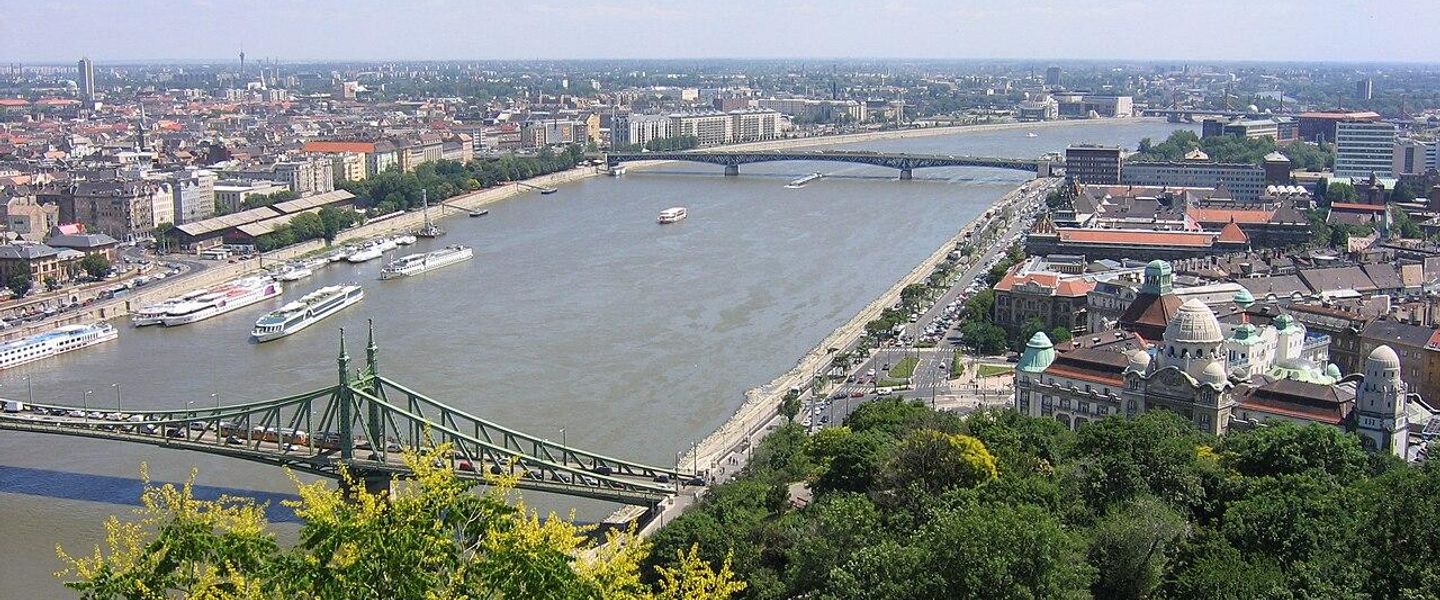


Gellért Hill in Budapest pairs Danube panoramas with the Citadella, Liberty Statue, Cave Church, wooded paths and a layered history of Hungary.
A Hill Above the Danube
Gellért Hill rises steeply above the western bank of the Danube, forming one of Budapest’s most recognisable natural landmarks. Often explored from the riverfront at Gellért tér or from the quieter southern approaches, it offers a markedly different experience from the grand boulevards below: wooded paths, exposed limestone, small terraces and broad views across the city. The summit’s Citadella and Liberty Statue are the best-known sights, although access and restoration work around the fortress complex can change.Read more about Gellert Hill
History in the Landscape
Paths, Baths and Panoramas
Best attractions in Gellert Hill
Gellért Hill’s attractions are concentrated along a dramatic climb from the Danube to the summit. The Cave Church, formed within a natural cavern on the western slope, provides the most distinctive starting point, while the winding paths above it open onto views of the river, bridges, Buda Castle and Pest. At the top, the Citadella remains the hill’s defining fortress, although restoration and access arrangements should be checked before visiting. Nearby, the Liberty Statue stands above the city as both a landmark and a reminder of Hungary’s changing political memory. Smaller pleasures include the tree-lined paths, rocky clearings and shifting viewpoints rather than a large collection of indoor sights. At the foot of the hill, Gellért tér and Gellért Baths extend the visit into Budapest’s bathing and architectural traditions, while the riverfront offers a gentler alternative to the full ascent.
-
Tourist attraction
Gellért Hill
Discover breathtaking views and rich history at Gellért Hill, a scenic natural preserve overlooking the heart of Budapest.
8 min walk · 0.6 km from neighbourhood centre
-
Gellért Hill Cave
Discover the enchanting Gellért Hill Cave in Budapest, a unique fusion of natural beauty and spiritual heritage, offering breathtaking views and rich history.
-
Tourist attraction
St. Gerard Sagredo Statue
Discover the St. Gerard Sagredo Statue in Budapest, a beautiful tribute to history offering stunning views of the city and a glimpse into Hungary's rich cultural heritage.
5 min walk · 0.4 km from neighbourhood centre
-
Historical landmark
Gellert Hill Waterfall
Explore the enchanting Gellert Hill Waterfall in Budapest, a serene historical landmark offering stunning views and a peaceful escape into nature.
5 min walk · 0.4 km from neighbourhood centre



Best landmarks in Gellert Hill
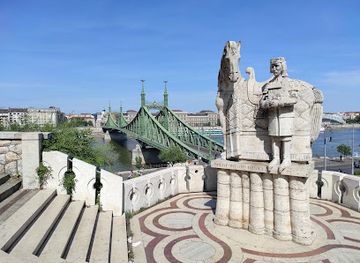
The Citadella is Gellért Hill’s principal architectural landmark, a nineteenth-century Habsburg fortress built on the summit after the suppression of the 1848–49 Hungarian Revolution and War of Independence. Its heavy walls and elevated position express the strategic importance once attached to controlling the Danube and the two halves of the city. The Liberty Statue, erected in 1947, forms the hill’s most recognisable silhouette and has acquired a layered meaning as Hungary’s political system changed. On the lower slope, the Cave Church is a landmark of religious architecture adapted to a natural cavern and remains associated with the Pauline order. The hill itself is also significant: its limestone outcrops, wooded contours and viewpoints create a natural monument that frames Budapest’s riverfront, while Gellért tér below links the landscape with the city’s historic bathing culture.
-
Spa
Gellért Thermal Bath
Experience the healing waters and stunning architecture of Gellért Thermal Bath, a historic oasis in the heart of Budapest, perfect for relaxation and rejuvenation.
15 min walk · 1.2 km from neighbourhood centre
-
Fortress
Citadella
Experience the breathtaking views and rich history of the Citadella fortress in Budapest, a perfect blend of culture and natural beauty.
8 min walk · 0.6 km from neighbourhood centre
-
Catholic church
Gellért Hill Cave
Discover the Gellért Hill Cave, a serene church nestled in Budapest's iconic hill, combining faith, nature, and breathtaking views of the city.
14 min walk · 1.1 km from neighbourhood centre
-
Historical landmark
Gellért Hill
Discover breathtaking views and historical treasures at Gellért Hill, a must-see natural landmark in the heart of Budapest.
11 min walk · 0.9 km from neighbourhood centre


Explore Gellert Hill on the map
A handpicked selection of must-see spots in Gellert Hill, mapped for you.
Best hotels in Gellert Hill
Best restaurants in Gellert Hill
Dining options are limited on the upper slopes of Gellért Hill, where the landscape is primarily devoted to paths, monuments and woodland. The strongest choice is to eat around Gellért tér and the neighbouring streets at the foot of the hill, where cafés, bakeries and restaurants serve Hungarian dishes alongside contemporary Central European and international cooking. A short walk towards Bartók Béla út brings a broader concentration of cafés, casual restaurants and independent venues, though that commercial corridor belongs to the adjacent urban district rather than the hill itself. The area also benefits from its proximity to Budapest’s bathing culture, with food and coffee easily combined with a visit to Gellért Baths. Visitors should not expect a market-led food scene or a dense restaurant quarter on the summit; the appeal is the contrast between a hill walk and the everyday dining streets below.
-
Restaurant
Búsuló Juhász
Experience the rich flavors of Hungary at Búsuló Juhász, where tradition meets elegance in a stunning hilltop setting.
9 min walk · 0.7 km from neighbourhood centre
-
Restaurant
Hemingway Restaurant
Discover exquisite Hungarian cuisine at Hemingway Restaurant in Budapest - where tradition meets modern gastronomy.
5 min drive · 1.6 km from neighbourhood centre
-
Tapas
La Nube Tapas & Wine Restaurant
Discover La Nube Tapas & Wine Restaurant: Your gateway to authentic Spanish cuisine with an extensive selection of wines in Budapest.
5 min drive · 1.5 km from neighbourhood centre
-
Bistro
ProSit Buda Bistro
Discover ProSit Buda Bistro - where traditional Hungarian flavors meet modern bistro style in an inviting setting.
5 min drive · 1.6 km from neighbourhood centre


Best bars in Gellert Hill
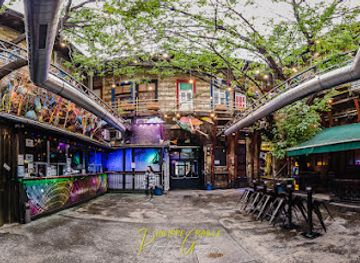
Gellért Hill is quiet after dark and is not a Budapest nightlife district. The upper paths, Citadella surroundings and wooded slopes are primarily suited to sightseeing rather than late-night entertainment, while the riverside at Gellért tér has a calmer evening atmosphere than the central club quarters. For drinks, visitors generally descend to the cafés, bars and restaurants around Gellért tér or continue towards Bartók Béla út, where the adjacent neighbourhood provides more choice without the concentration of ruin bars found elsewhere in the city. Evening walks can be rewarding for the illuminated bridges and city views, but the steep paths become harder to navigate in darkness. Live music, theatres and larger nightclubs are more characteristic of other parts of Budapest, so Gellért Hill works best as a sunset or early-evening setting rather than a bar-hopping base.
-
Bar
360 Bar
Discover breathtaking views and exquisite cocktails at 360 Bar, Budapest's premier rooftop destination for unforgettable experiences.
6 min drive · 2.1 km from neighbourhood centre
-
Bar
Szatyor Bár
Experience the vibrant atmosphere of Szatyor Bár in Budapest, where artisanal cocktails and local culture come together in a unique bar setting.
5 min drive · 1.6 km from neighbourhood centre
-
Bar
Palack Wine Bar
Experience the best of Hungarian wines at Palack Wine Bar, a cozy haven in Budapest with an extensive selection and delightful atmosphere.
16 min walk · 1.3 km from neighbourhood centre
-
Bar
BarCraft Buda
Discover the vibrant BarCraft Buda, a cocktail lover's paradise in Budapest offering a unique blend of creative drinks and a friendly atmosphere.
17 min walk · 1.4 km from neighbourhood centre


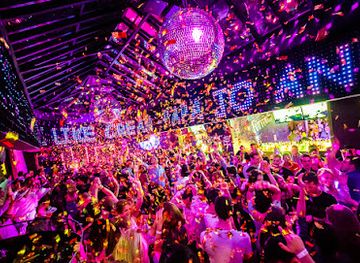
Best nightclubs in Gellert Hill
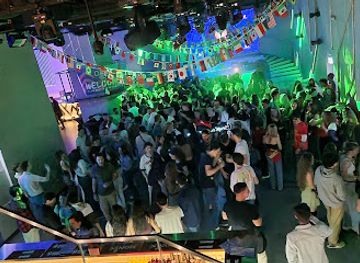
Gellért Hill is quiet after dark and is not a Budapest nightlife district. The upper paths, Citadella surroundings and wooded slopes are primarily suited to sightseeing rather than late-night entertainment, while the riverside at Gellért tér has a calmer evening atmosphere than the central club quarters. For drinks, visitors generally descend to the cafés, bars and restaurants around Gellért tér or continue towards Bartók Béla út, where the adjacent neighbourhood provides more choice without the concentration of ruin bars found elsewhere in the city. Evening walks can be rewarding for the illuminated bridges and city views, but the steep paths become harder to navigate in darkness. Live music, theatres and larger nightclubs are more characteristic of other parts of Budapest, so Gellért Hill works best as a sunset or early-evening setting rather than a bar-hopping base.
-
Night club
Instant-Fogas Complex
Discover the heartbeat of Budapest's nightlife at Instant-Fogas Complex, where vibrant music and great drinks create unforgettable nights.
6 min drive · 2.1 km from neighbourhood centre
-
Night club
Ötkert
Explore Budapest's vibrant nightlife at Ötkert, where eclectic cocktails and lively music create unforgettable nights.
14 min walk · 1.1 km from neighbourhood centre
-
Night club
Club Heaven Budapest
Discover the heartbeat of Budapest's nightlife at Club Heaven, where music, dance, and vibrant energy come alive every weekend.
10 min walk · 0.8 km from neighbourhood centre
-
Night club
Peaches And Cream Club
Discover the buzzing nightlife of Budapest at Peaches And Cream Club, where unforgettable music and vibrant crowds await you.
6 min drive · 2.0 km from neighbourhood centre

Best shops in Gellert Hill
Shopping is not a major reason to climb Gellért Hill, whose summit has no large retail quarter and whose slopes are mainly open space and residential streets. The most practical options are around Gellért tér and on the approach towards Bartók Béla út, where visitors find everyday shops, cafés, bakeries and independent businesses rather than a dedicated souvenir market. The neighbouring Bartók Béla út area is known for its cultural and creative atmosphere, with galleries, bookshops and small design-oriented venues interspersed with cafés, although it lies outside the hill’s core landscape. A visit to Gellért Hill therefore suits travellers interested in combining a walk and panoramic views with local street life below, rather than those seeking luxury brands, antiques or a large traditional market. For broader shopping, central Pest offers a much denser retail selection.
-
Grocery store
Füge Shop and Café
Discover gourmet delights and cozy café vibes at Füge Shop and Café, Budapest's charming culinary oasis offering unique local flavors.
7 min walk · 0.6 km from neighbourhood centre
-
Gift shop
Szputnyik shop D20
Explore Szputnyik Shop D20 in Budapest for unique vintage clothing, stylish gifts, and exquisite jewelry that embody the city's eclectic charm.
5 min drive · 1.7 km from neighbourhood centre
-
Gift shop
The Biggest Souvenir Shop-Market in Budapest
Explore Budapest's largest gift shop, where unique souvenirs and local crafts come together to celebrate Hungarian culture.
12 min walk · 1.0 km from neighbourhood centre
-
Clothing store
Retrock Designer Vintage Store
Explore the eclectic world of fashion at Retrock Designer Vintage Store in Budapest, where vintage meets contemporary style.
17 min walk · 1.3 km from neighbourhood centre


Gellert Hill essentials
Getting There
Getting Around
Safety
Emergency Situations
Do's and Don'ts
Local Tips

From Eve
Local phrases worth knowing
You don't need to get them perfect. A few words go a long way, and locals appreciate the effort.
Basics
| English | Local | Say it |
|---|---|---|
| Hello | Szia | [see-ah] |
| Goodbye | Viszontlátásra | [vee-zont-la-tash-ra] |
| Yes | Igen | [ee-gen] |
| No | Nem | [nem] |
| Please/You're welcome | Kérem | [key-rem] |
| Thank you | Köszönöm | [kur-zur-nurm] |
| Excuse me/Sorry | Elnézést | [el-nay-zayst] |
| How are you? | Hogy vagy? | [hoj vaj] |
| Fine. And you? | Jól vagyok. És te? | [yol vaj-ock. ays teh] |
| Do you speak English? | Beszélsz angolul? | [be-sails on-go-lull] |
| I don't understand | Nem értem | [nem air-tem] |
Eating & Drinking
| English | Local | Say it |
|---|---|---|
| I'd like to see the menu, please | Szeretnék látni az étlapot, kérem | [seh-ret-nayk laht-nee oz ate-lo-pot, key-rem] |
| I don't eat meat | Nem eszem húst | [nem es-em hoost] |
| Cheers! | Egészségedre! | [edge-say-gehd-reh] |
| I would like to pay, please | Fizetnék, kérem | [fee-zeht-nayk, key-rem] |
Emergencies
| English | Local | Say it |
|---|---|---|
| Help! | Segítség! | [she-geet-sayg] |
| Go away! | Menj el! | [me-nyell] |
| Call the Police! | Hívd a rendőrséget! | [heed aw ren-dur-say-get] |
| Call a doctor! | Hívj egy orvost! | [heev ayg or-vosht] |
| I'm lost | Elvesztem | [el-vest-em] |
| I'm ill | Beteg vagyok | [be-teg vaj-ock] |
Shopping
| English | Local | Say it |
|---|---|---|
| I'd like to buy... | Szeretnék vásárolni... | [seh-ret-nayk va-shar-ol-nee] |
| I'm just looking | Csak nézelődöm | [chak nay-zeh-lo-dome] |
| How much is it? | Mennyibe kerül? | [men-nyi-beh keh-rool] |
| That's too expensive | Ez túl drága | [ez tool dra-gah] |
| Can you lower the price? | Le tudnád engedni az árat? | [leh tud-naad en-geh-dnee oz ah-rat] |
Time & Numbers
| English | Local | Say it |
|---|---|---|
| What time is it? | Mennyi az idő? | [men-nyi oz ih-duh] |
| It's one o'clock | Egy óra van | [edge oh-rah von] |
| Half past (10) | Fél tizenegy | [fail tee-zen-edge] |
| Morning | Reggel | [reh-ggel] |
| Afternoon | Délelőtt | [day-leh-lote] |
| Evening | Este | [eh-sheh] |
| Yesterday | Tegnap | [teg-nap] |
| Today | Ma | [mah] |
| Tomorrow | Holnap | [hol-nap] |
| 1 | Egy | [edge] |
| 2 | Kettő | [ket-to] |
| 3 | Három | [ha-rom] |
| 4 | Négy | [nayg] |
| 5 | Öt | [uh-t] |
| 6 | Hat | [hot] |
| 7 | Hét | [hayt] |
| 8 | Nyolc | [nyoltz] |
| 9 | Kilenc | [key-lentz] |
| 10 | Tíz | [teaz] |
Transport & Directions
| English | Local | Say it |
|---|---|---|
| Where's a/the...? | Hol van a...? | [hol von ah] |
| What's the address? | Mi a cím? | [mee ah cheem] |
| Can you show me (on the map)? | Meg tudnád mutatni (a térképen)? | [meg tud-naad moo-tat-nee ah tare-kay-pen] |
| When's the next (bus)? | Mikor jön a következő (busz)? | [me-core yern ah keh-vet-ke-zoe boos] |
| A ticket (to ....) | Egy jegy (.....-ra) | [edge yedj (ra)] |
History of Gellert Hill
The Hill of Saint Gerard
Gellért Hill takes its Hungarian name from Saint Gerard, or Gellért, a Benedictine bishop who helped King Stephen I promote Christianity in Hungary. Medieval tradition places Gerard’s death on the hill during the pagan uprising of 1046, when he was thrown from the height towards the Danube. Although the exact details belong partly to religious legend, the association became firmly embedded in Budapest’s historical landscape. The hill was also known by the earlier name Kelenhegy, and its steep slopes, caves and elevated position distinguished it from the developing settlements on the river plain.
Vineyards and Urban Expansion
Before the modern city surrounded it, Gellért Hill was valued for its elevated terrain, vineyards and views over the Danube. Its lower slopes gradually became connected with the growth of Buda, river traffic and the expanding settlements that would later form Budapest in 1873. Religious associations remained important, particularly around the cave on the western slope, while roads and built-up districts increasingly pressed against the hill. The contrast between cultivated slopes and dense urban development is still visible in the transition from Gellért tér and Kelenhegyi út to the wooded upper paths.
The Citadella and Habsburg Control
After the defeat of the Hungarian Revolution and War of Independence of 1848–49, the Habsburg authorities constructed the Citadella on the summit between 1850 and 1851. The fortress was intended to control both Buda and Pest, as well as the Danube crossing, and its position gave it a powerful military and political presence. Though the stronghold’s active military role diminished, the building remained a visible reminder of imperial authority. The hill’s commanding views, once useful for surveillance and defence, later became one of its principal attractions for visitors.
The Cave Church and Twentieth-Century Memory
The Cave Church, or Sziklatemplom, was created in the natural cavern on the hill’s Danube-facing side in the 1920s and became associated with the Pauline order, Hungary’s historic monastic community. The church was closed by the communist authorities in 1951 and the entrance was sealed, reflecting the period’s restrictions on religious institutions. It reopened after the political changes of 1989–90. Higher on the hill, the Liberty Statue was erected in 1947 as a memorial to the Soviet victory in Budapest; after the end of communist rule, its surrounding inscriptions were revised, while the statue itself remained a prominent part of the city skyline.
Gellert Hill in Photos
Browse through our photo collection highlighting the charm and character of the destination.
Neighbourhoods near Gellert Hill
The closest neighbourhoods to Gellert Hill, if you have time for more than one stop.
-

-

-

-


Swipe for more neighbourhoods
Explore more

Explore more of Budapest
Budapest pairs Danube panoramas, grand bridges, thermal baths, historic cafés and lively neighbourhoods with Hungary’s distinctive cuisine, culture and history.
Explore Budapest