Lake Nojiri Naumann Elephant Museum: A Journey into Prehistoric Japan
Explore fossils of ancient elephants & extinct deer, plus tools of early humans at this unique museum by scenic Lake Nojiri in Nagano.
The Lake Nojiri Naumann Elephant Museum showcases the fossils of Naumann's elephant and other creatures from the Ice Age, discovered around Lake Nojiri. It offers a glimpse into the lives of these animals and the people who hunted them, some 40,000 years ago.
A brief summary to Lake Nojiri Naumann Elephant Museum
- 287-5 Nojiri, Shinano, Nojiri, Kamiminochi District, Nagano, 389-1303, JP
- +8126-258-2090
- Visit website
- Monday 9 am-5 pm
- Tuesday 9 am-5 pm
- Wednesday 9 am-5 pm
- Thursday 9 am-5 pm
- Friday 9 am-5 pm
- Saturday 9 am-5 pm
- Sunday 9 am-5 pm
Local tips
- Check the museum's website for information on special exhibitions and events that take place throughout the year.
- Consider visiting during the week for a more relaxed experience, as weekends can be crowded with families and school groups.
- The museum has a children's discovery corner where kids can try their hand at uncovering fossils and other activities.

Getting There
-
Public Transport
From Nagano Station, take the Shinano Railway Kita-Shinano Line to Kurohime Station. The journey takes approximately 35 minutes and costs ¥640. From Kurohime Station, take a Nagaden bus to Lake Nojiri. The bus ride is about 10 minutes and costs ¥200. The museum is a short walk from the bus stop.
-
Taxi
From Kurohime Station, a taxi to the Lake Nojiri Naumann Elephant Museum takes about 10 minutes. Expect to pay around ¥1,500 - ¥2,000. Taxi services are usually available at the station.
Discover more about Lake Nojiri Naumann Elephant Museum
Iconic landmarks you can’t miss

Myoko-Togakushi Renzan National Park
12.0 km
Discover Japan's natural beauty: Hike volcanic peaks, ski powder snow, and explore ancient shrines in Myoko-Togakushi Renzan National Park.
Kagami ike pond
15.7 km
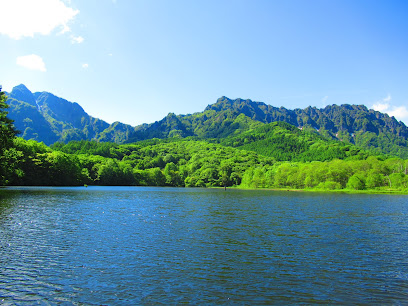
Discover the tranquil beauty of Kagami Ike Pond in Togakushi, a picturesque haven perfect for nature lovers and photographers seeking peace and serenity.
Heiwa Kannon Statue, DaihiDen Temple
22.1 km
Find serenity at the Heiwa Kannon Statue in Yamanochi, a symbol of peace and Japanese spirituality amidst stunning mountain views.
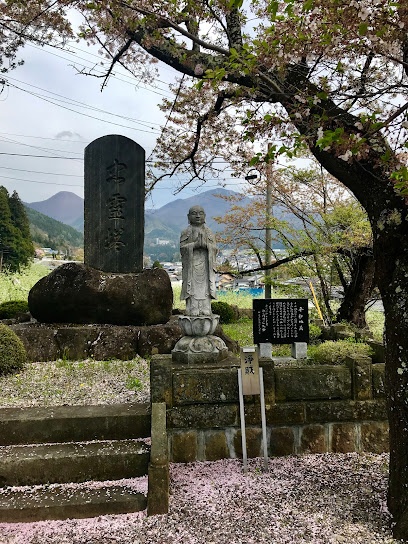
Jigokudani Valley
25.2 km
Observe wild Japanese Macaques in their natural habitat at Jigokudani Monkey Park, famous for its snow monkeys bathing in hot springs.
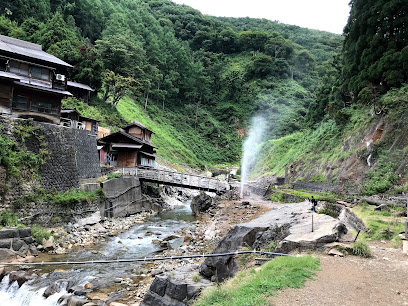
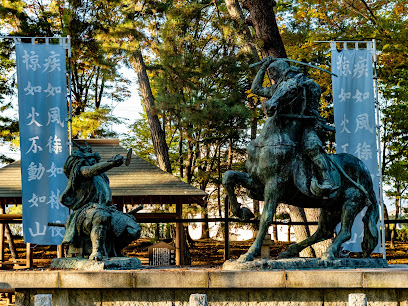
Kawanakajima Old Battlefield
26.8 km
Discover the historical significance and serene beauty of Kawanakajima Old Battlefield, a key site of Japan's samurai battles in Nagano.
日本最高所 水準点標石 (No.10809)
35.0 km
Discover the breathtaking beauty of Japan's Highest Water Source, a serene tourist attraction in Gunma's Agatsuma District, perfect for nature lovers and photographers.
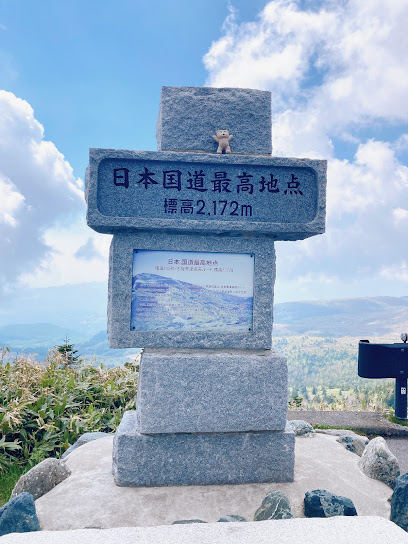
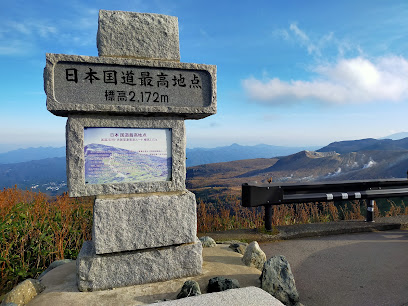
Highest Point of Japan’s National Routes
35.0 km
Explore the stunning heights of Nakanojo at the Highest Point of Japan’s National Routes, where breathtaking views and rich history await.
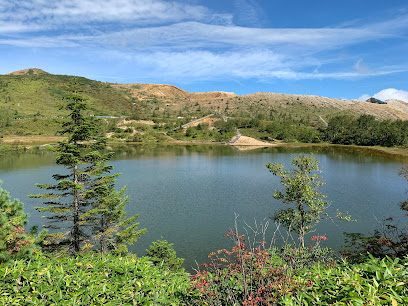
Yugama
36.1 km
Experience the breathtaking beauty of Yugama, a stunning volcanic crater in Kusatsu Onsen, renowned for its mineral-rich waters and serene landscapes.
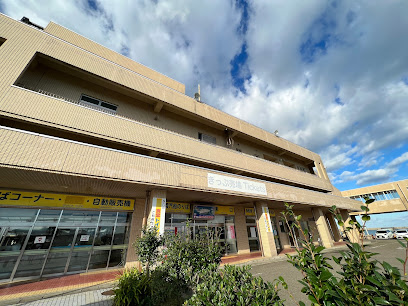
Naoetsu Port Sado Ferry Terminal
39.2 km
Discover the Naoetsu Port Sado Ferry Terminal, your gateway to Sado Island's stunning landscapes, rich culture, and vibrant local experiences.
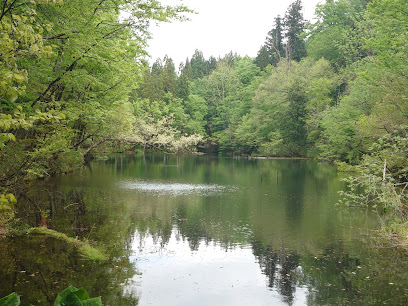
Ryugakubo water spring
40.9 km
Discover Ryugakubo Water Spring in Niigata: pristine waters, tranquil scenery, and ancient legends await in this hidden Japanese gem.
Kusatsu Hot spring Tourist Association.
42.0 km
Your information center for exploring Kusatsu Onsen, one of Japan's most famous hot spring resorts, offering guidance, maps, and event details.
Hoshitouge Terraced Rice Field
43.3 km
Experience the breathtaking beauty of Hoshitouge Terraced Rice Field, a harmonious blend of nature and traditional agriculture in Niigata, Japan.
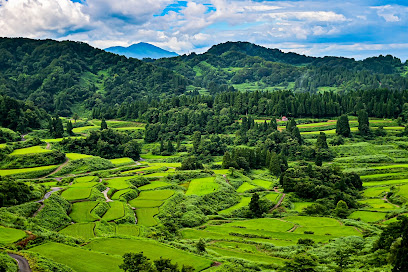
Hoshitoge
43.4 km
Discover the breathtaking beauty of Hoshitoge Rice Terraces in Tokamachi, Niigata: a photographer's dream and a testament to rural Japan.
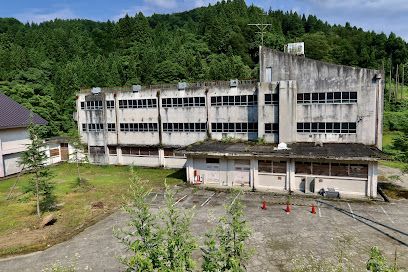
The Last Classroom
46.1 km
Step back in time at The Last Classroom, an art installation in a former school, part of the Echigo-Tsumari Art Field in Niigata, Japan.
Echigo Matsunoyama Kyororo Forest School
47.1 km
Explore the natural science and art of Japan's snow country at Echigo Matsunoyama Kyororo Forest School in Tokamachi.
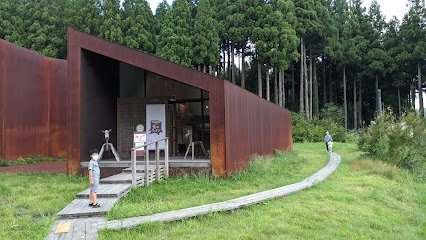
Unmissable attractions to see

Lake Nojiri
1.8 km
Explore the tranquil beauty of Lake Nojiri in Nagano, Japan - a perfect getaway for nature lovers and adventure seekers alike.
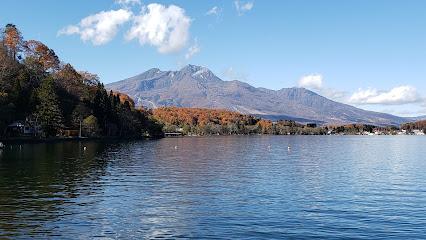
Issa Memorial Museum
2.6 km
Explore the life and poetry of Kobayashi Issa at this tranquil museum in Nagano, surrounded by inspiring natural beauty.
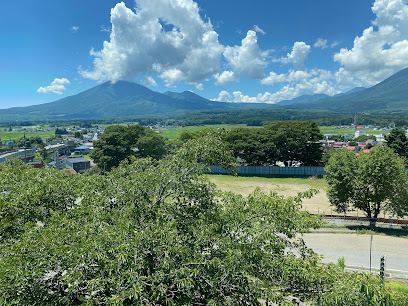
Kurohime Kogen Snow Park
4.0 km
Experience winter fun for the whole family at Kurohime Kogen Snow Park, Nagano: skiing, snow play, and stunning mountain views.
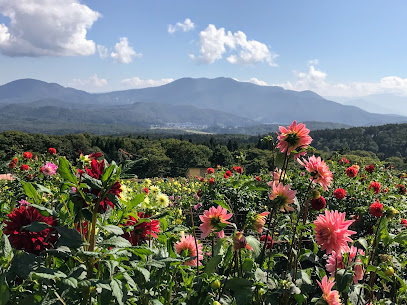
Kurohime Kogen
4.4 km
Discover Nagano's Kurohime Kogen: A scenic highland escape with year-round outdoor activities and stunning mountain views.
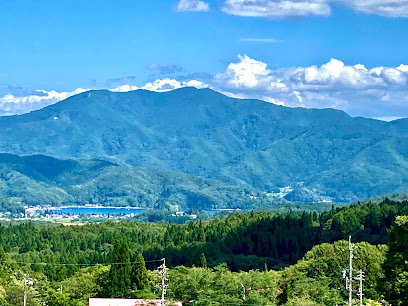
Myoko Kogen Visitor Center
4.6 km
Explore the wonders of Myoko Kogen Visitor Center, your essential guide to outdoor adventures and cultural experiences in Niigata Prefecture.
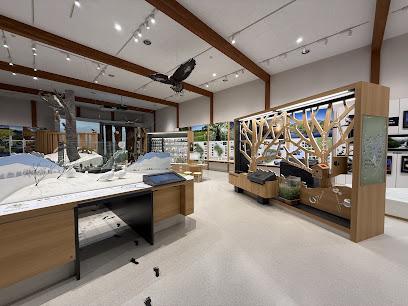
Mt. Madarao
6.1 km
Discover the breathtaking beauty of Mt. Madarao in Nagano – a perfect destination for hiking, skiing, and experiencing Japan's stunning landscapes.
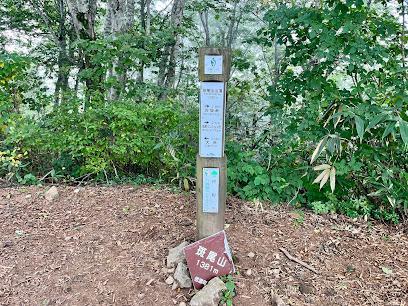
Madarao Mountain Resort
7.8 km
Explore the pristine slopes of Madarao Mountain Resort, where powder snow meets breathtaking views and endless winter adventures await.
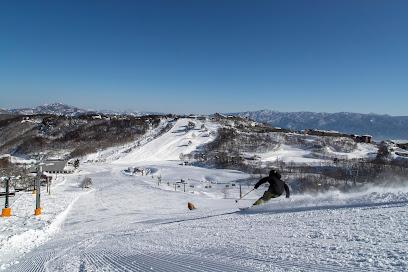
Numanohara Wetlands
8.0 km
Escape to the tranquil beauty of Nagano's Numanohara Wetlands, where serene walking trails meet diverse flora in a highland oasis.
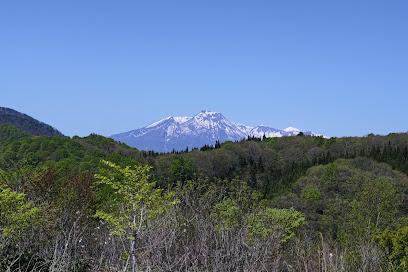
Madarao Kogen
8.4 km
Experience the thrill of winter sports and the beauty of nature at Madarao Kogen, Nagano's premier ski resort offering family-friendly fun and cultural charm.
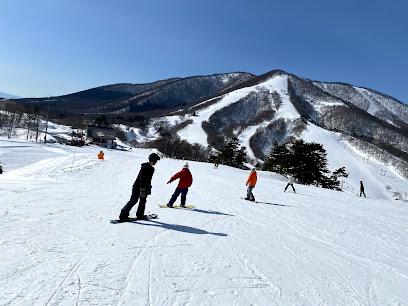
Kids’ Ninja Village
14.3 km
Explore the enchanting Kids' Ninja Village in Togakushi, Nagano - where adventure, culture, and fun come together for an unforgettable family experience.
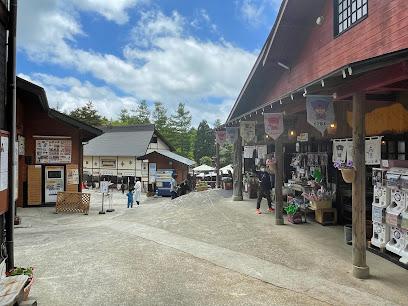
Togakushi Forest Botanical Garden
14.6 km
Discover Nagano's natural beauty at Togakushi Forest Botanical Garden, a haven for birdwatching, hiking, and serene forest walks.
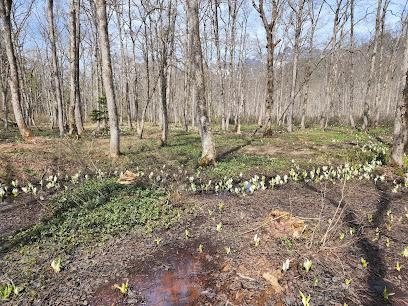
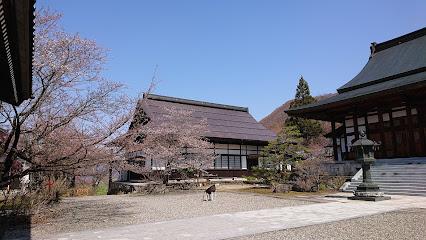
Kokugonji
15.6 km
Discover the tranquility of Kokugonji, a historic Buddhist temple in Nakano, Nagano, where peace and spirituality converge amidst breathtaking landscapes.
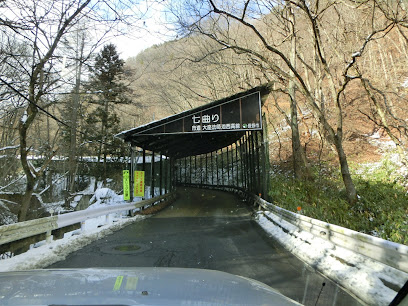
Nanamagari/Seven bends
18.1 km
Discover the tranquil beauty of Nanamagari in Nagano, Japan, with its serene river bends, lush landscapes, and peaceful walking trails.
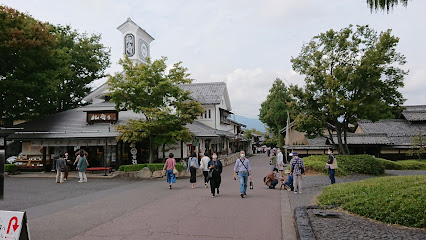
Hokusai Museum
18.2 km
Explore the enchanting Hokusai Museum in Obuse, a treasure trove of Japanese art showcasing the genius of Katsushika Hokusai.
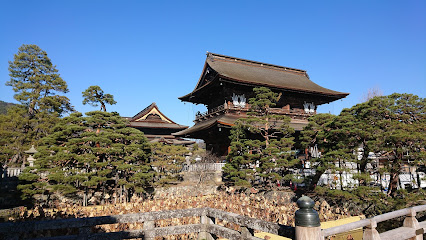
Zenkōji temple
19.0 km
Discover the spiritual heart of Nagano at Zenkōji Temple, a stunning Buddhist site filled with history, culture, and tranquility.
Essential places to dine

Arrowhead Tavern (Nojiri Coffee)
0.2 km
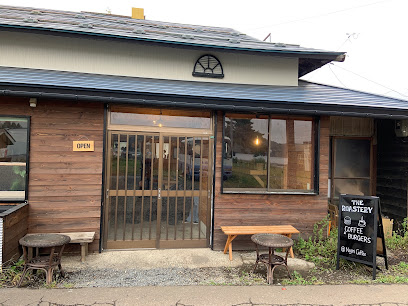
Discover authentic burgers and burritos at Arrowhead Tavern in Nojiri—an unforgettable culinary experience amidst Nagano's stunning landscapes.
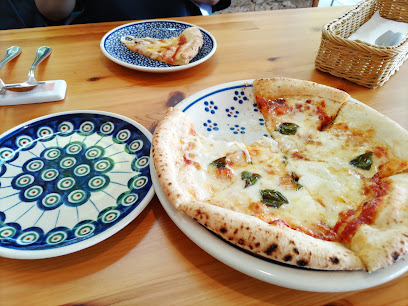
Funagoya 舟小屋
0.3 km
Experience authentic Italian cuisine at Funagoya in Shinano, Nagano - where every dish is crafted with passion and freshness.
Guest House LAMP
0.8 km
Experience tranquility at Guest House LAMP: A restaurant-café offering delicious cuisine and serene wellness retreats in picturesque Nagano.

Lumber Jack
0.9 km
Discover authentic Japanese flavors in the serene setting of Nojiri at Lumber Jack - where every meal is a celebration of nature and tradition.
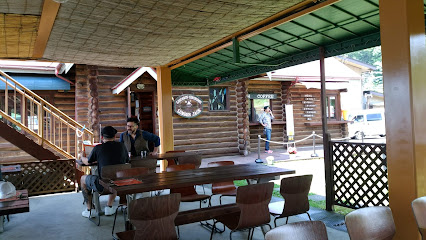
Capitan Italian Restaurant
1.0 km
Discover authentic Italian flavors at Capitan Italian Restaurant in Shinano, Nagano – home of delicious pizzas and warm hospitality.
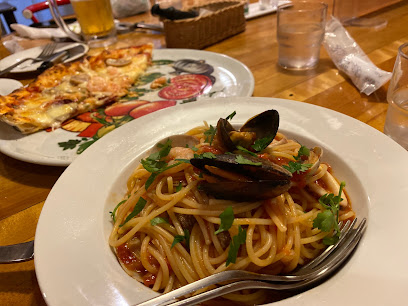
Trattoria Terla
2.5 km
Experience authentic Italian cuisine at Trattoria Terla in Shinano - where fresh ingredients meet traditional recipes in a charming setting.
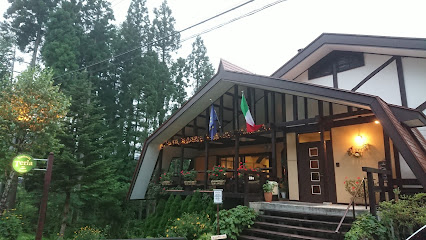
Onjaku
2.8 km
Experience exquisite Kaiseki dining at Onjaku in Nagano, where seasonal ingredients meet traditional Japanese culinary artistry.
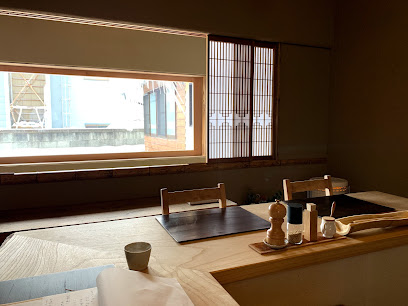
Soba-dokoro Takasawa
4.1 km
Discover authentic handmade soba noodles in a serene setting at Soba-dokoro Takasawa in Nagano's beautiful Shinano region.
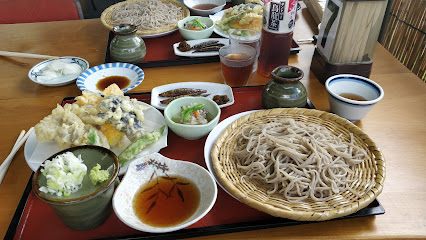
Pinchi's Place Bar & Restaurant
4.4 km
Experience authentic Japanese cuisine in a warm atmosphere at Pinchi's Place Bar & Restaurant in Shinano, Nagano.
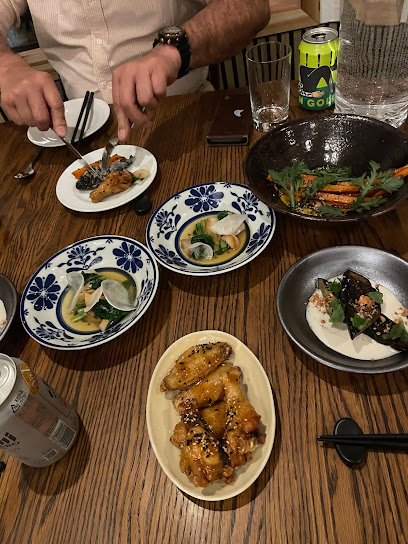
NICOLI
6.7 km
Discover authentic Italian flavors at NICOLI in Nagano, where every meal offers a taste of Italy's rich culinary heritage.
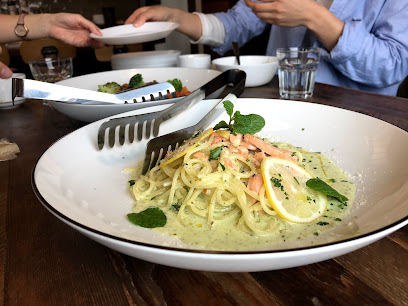
A.I.R. Myoko
7.2 km
Experience authentic Japanese cuisine at A.I.R. Myoko—where traditional flavors meet modern comfort in beautiful Akakura.
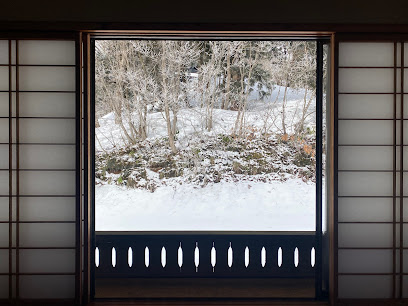
UNJAUNE MADARAO / あんじゃね斑尾
8.0 km
Experience gourmet hamburgers in Nagano's breathtaking landscapes at Unjaune Madarao—perfect for post-ski meals and culinary adventures.
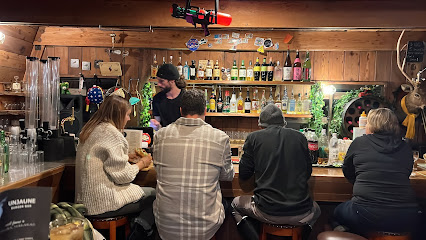
Uzuraya
14.8 km
Discover the heart of Japanese cuisine at Uzuraya – home to hand-crafted soba noodles in stunning Togakushi, Nagano.
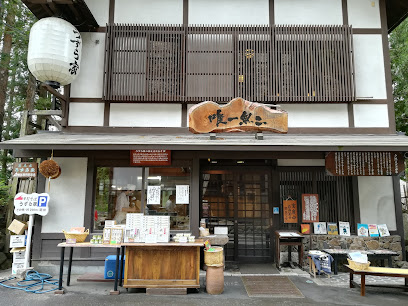
Yayoiza
19.5 km
Experience the essence of traditional Japanese cuisine at Yayoiza in Nagano - where every meal is a masterpiece of flavor.
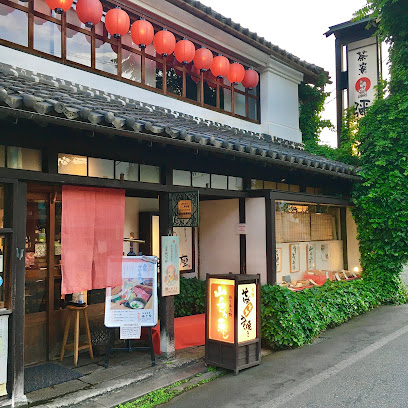
Sky Restaurant Hakuba
20.5 km
Experience exquisite Western cuisine at Sky Restaurant Hakuba while enjoying breathtaking views of Nagano's majestic mountains.
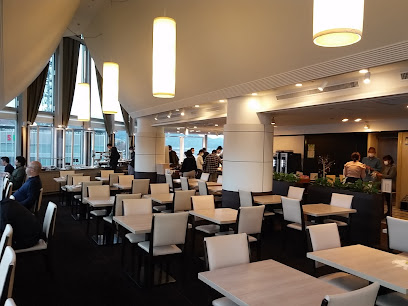
Markets, malls and hidden boutiques

Lollipop スキー・スノーボード・カフェ
1.0 km
Discover the perfect blend of winter sports and cozy relaxation at Lollipop Ski & Snowboard Café in Nagano's stunning Nojiri area.
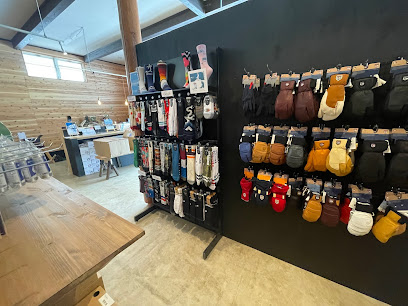
Roadside Station Shinano
2.2 km
Explore the delights of Roadside Station Shinano, a charming stop for travelers offering local souvenirs, delicious cuisine, and a respite in Nagano's beautiful landscapes.
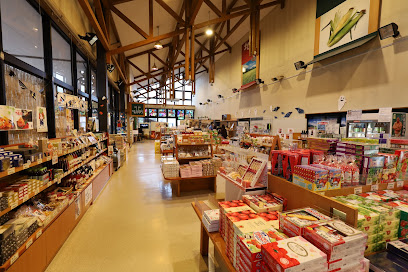
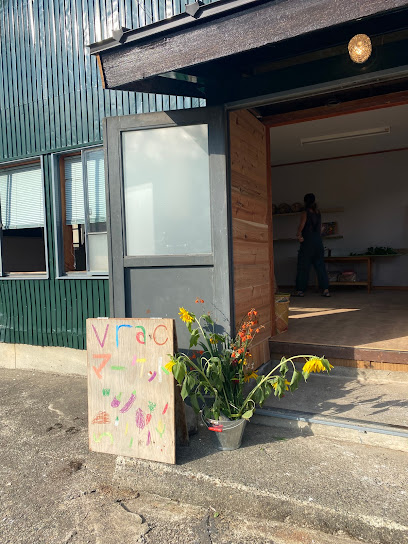
vrac market/canteen(バラックマーケット/食堂)
2.5 km
Explore Vrac Market in Nagano – a charming natural goods store offering organic delights and a taste of local culture.
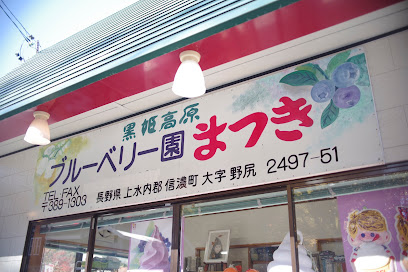
Blueberry Matsuki
2.7 km
Discover the sweet taste of craftsmanship at Blueberry Matsuki, a charming ice cream shop in Nagano's scenic Shinano region.
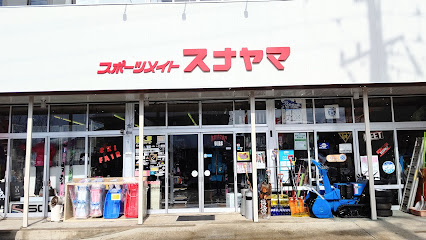
Sports Mate Sunayama
2.8 km
Discover quality sporting gear at Sports Mate Sunayama, your go-to store for bicycles, motorcycles, and ski equipment in Nagano.
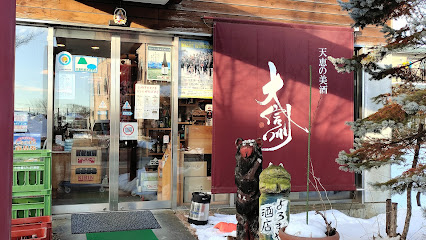
Yorozuya Liquor Store
2.8 km
Explore the finest selection of Japanese liquors at Yorozuya Liquor Store in Shinano, Nagano, where tradition meets taste.
Shinano Shobo
2.8 km
Discover the charm of Shinano Shobo, a cozy bookstore in Nagano, where literature and local culture intertwine seamlessly.
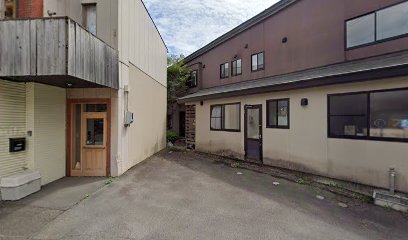
Minemura Liquor Store
3.6 km
Explore the finest selection of local and international liquors at Minemura Liquor Store in scenic Nagano, Japan.
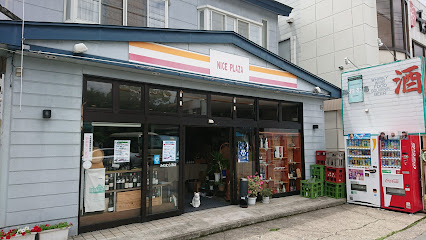
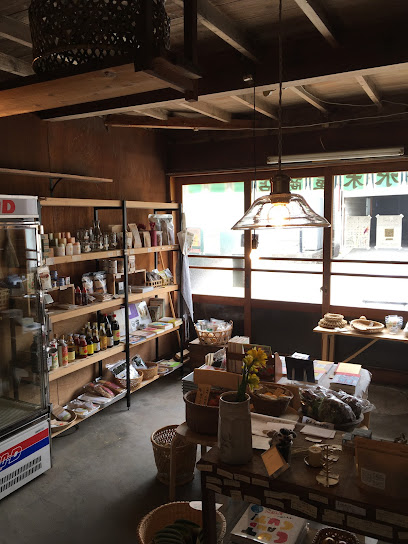
siki
3.6 km
Explore Siki, a natural goods store in Nagano, offering an authentic selection of organic products and local flavors for health-conscious travelers.
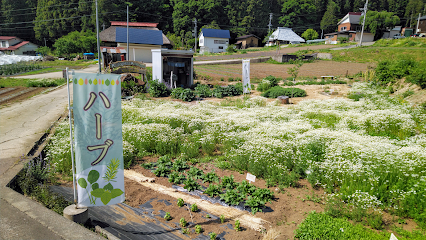
オープンガーデンkurumaya-ハーブ
4.1 km
Discover the tranquility and beauty of Kurumaya Herb Garden, a unique herb shop in Nagano, blending nature's gifts with wellness and serenity.
First Supermarket Furuma Store
4.2 km
Explore the First Supermarket Furuma Store in Shinano for a taste of local and international flavors in a vibrant grocery environment.
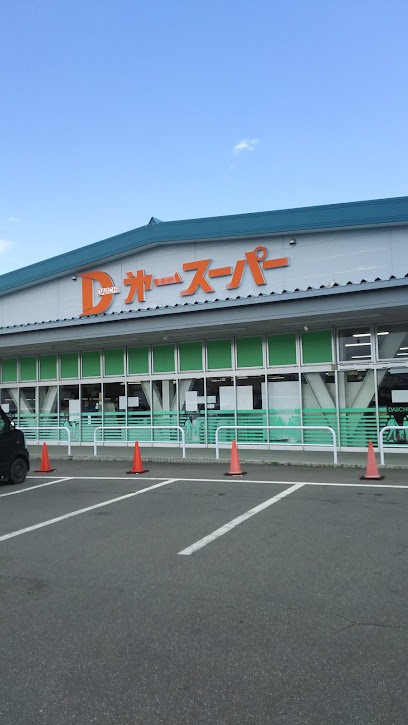
Centotto Gelato
4.3 km
Discover the exquisite flavors of Centotto Gelato, a charming ice cream shop in Shinano, Nagano, perfect for sweet indulgence.
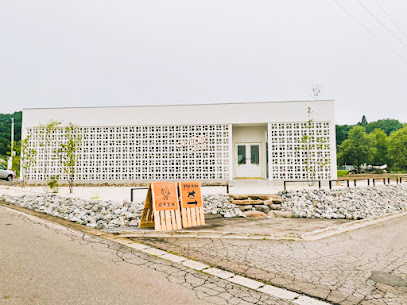
OND WORK SHOP
6.5 km
Explore the exquisite craftsmanship of leather goods at OND WORK SHOP in Nagano, where tradition meets artistry in every handmade piece.
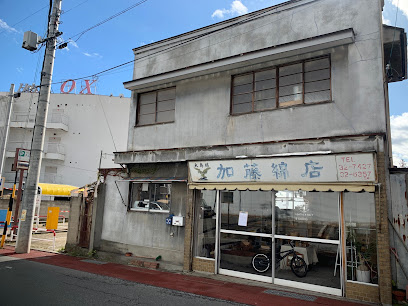
JOEYS CUSTOM BOOTFITTING
7.3 km
Joey's Custom Bootfitting in Myoko - Your one-stop shop for premium snowboard rentals, expert fittings, and a cozy après-ski experience.
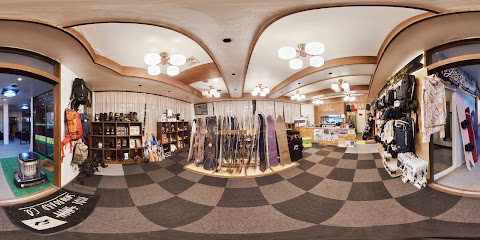
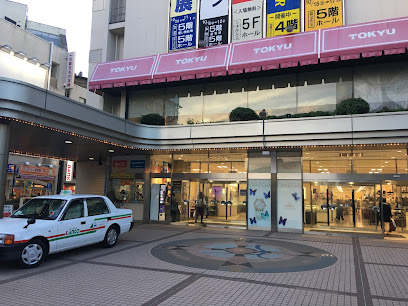
Nagano Tokyu Department Store
20.9 km
Discover the essence of shopping in Nagano at the vibrant Nagano Tokyu Department Store, where local culture meets modern retail.
Essential bars & hidden hideouts

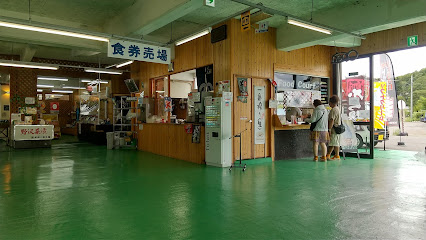
フードコート ラインプラザ
0.2 km
Experience a culinary paradise at フードコート ラインプラザ in Nagano, Japan, where diverse flavors come together to delight every palate.
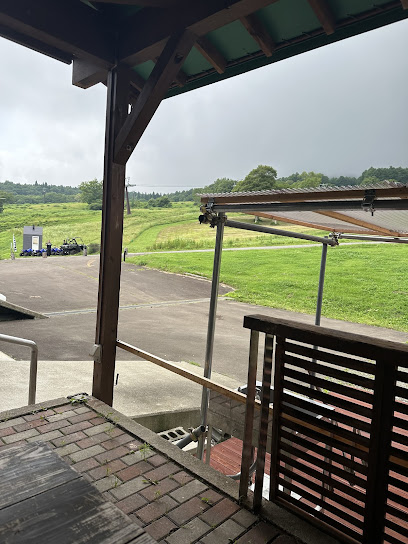
Kitchen Komugi
4.1 km
Experience the best of Nagano with delightful pizzas and crepes at Kitchen Komugi, a cozy gem in the heart of Nojiri.
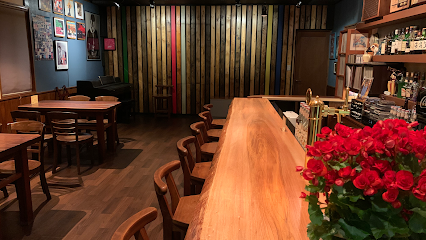
Booze shelter ブーズシェルター
4.2 km
Experience the warm ambiance and unique drink offerings at Booze Shelter, a cozy bar in the heart of Nagano, perfect for unwinding after a day of adventures.
Aqua Bar @ AkakuraKanko
7.1 km
Discover the tranquil Aqua Bar @ AkakuraKanko in Myoko, where stunning mountain views and refreshing drinks create the perfect escape.
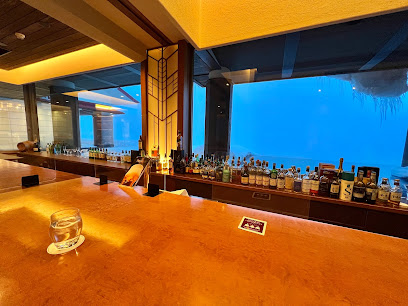
Bar A.I.R.
7.3 km
Discover the charm of Bar A.I.R., a cozy wine bar in Myoko, offering an exquisite selection of wines and a delightful atmosphere for relaxation.
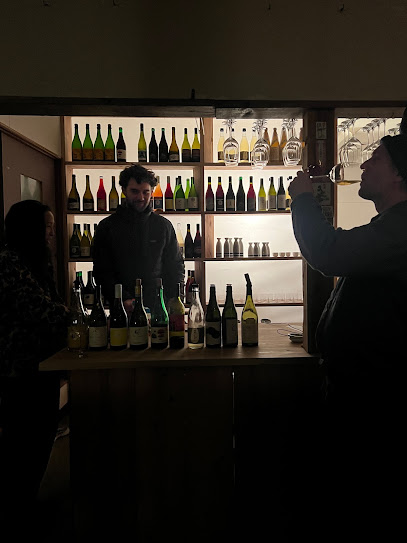
The Avenue - Restaurant & Bar
7.7 km
Experience the unique fusion of local and international flavors at The Avenue, a must-visit restaurant and bar in Myoko.
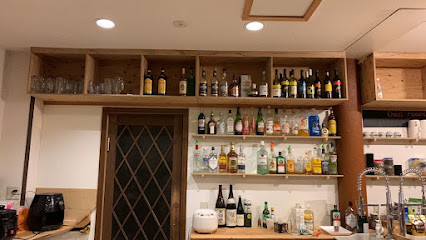
The Sundeck
7.8 km
Discover The Sundeck in Madarao - a charming bar with stunning views and a cozy atmosphere perfect for unwinding after a day of adventure.
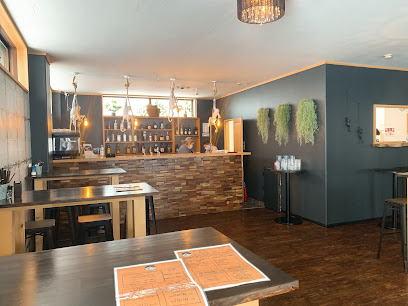
Drop Off Bar
8.0 km
Experience the warm ambiance and delightful cuisine at Drop Off Bar, a must-visit bar-restaurant in Myoko, Niigata.
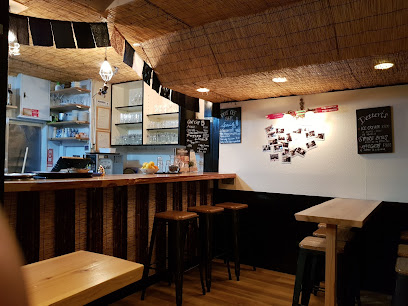
Madarao Jazzy
8.0 km
Discover Madarao Jazzy: A delightful bar and restaurant offering exquisite local cuisine and drinks in the heart of the beautiful Madarao region.
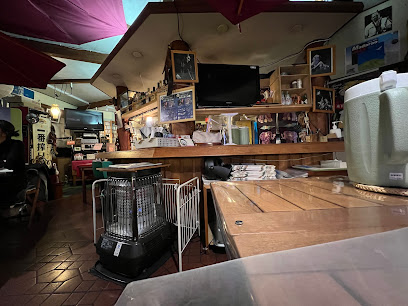
Tap That!
8.0 km
Experience the vibrant nightlife at Tap That! in Iiyama, where local brews and a friendly atmosphere await every visitor.
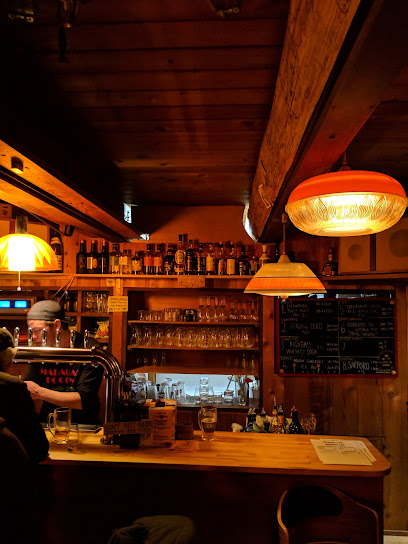
Peppermint Blues
8.1 km
Discover the vibrant nightlife in Iiyama at Peppermint Blues, a lively bar offering a unique blend of cocktails, local brews, and live music.
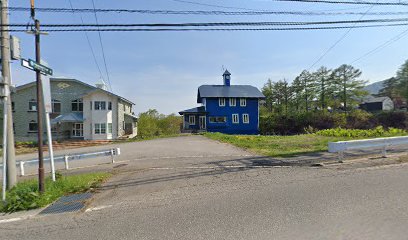
End Bar
8.1 km
Experience the warmth of Myoko at End Bar, where delightful drinks and a welcoming atmosphere await every traveler.

音楽堂MAMI
9.2 km
Discover the vibrant sounds of jazz at 音楽堂MAMI, a cozy club in Nagano perfect for music lovers seeking an unforgettable experience.
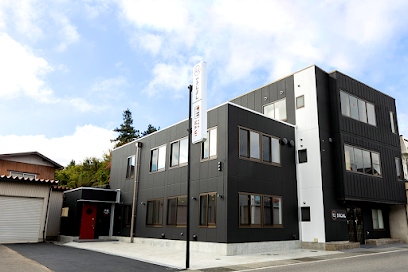
スポーツBARフィオ
13.9 km
Dive into the excitement at スポーツBARフィオ, a premier sports bar in Iiyama, where every game feels like a celebration.
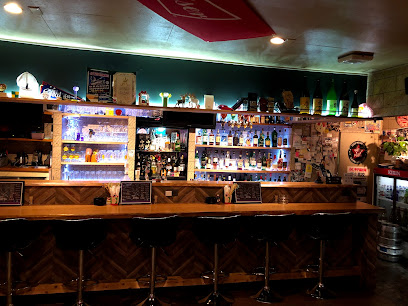
Bird
19.9 km
Experience the vibrant nightlife of Nagano at Bird, a cozy bar offering a delightful selection of drinks and a friendly atmosphere perfect for socializing.
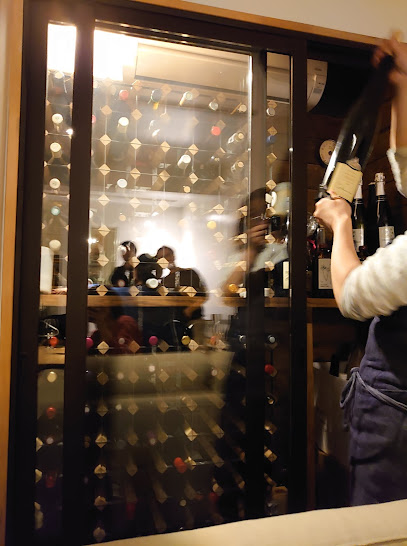
Nightclubs & after hour spots

クラブ DreamStar
20.1 km
Dive into the pulsating nightlife of Nagano at クラブ DreamStar, where music, dance, and unforgettable memories await!
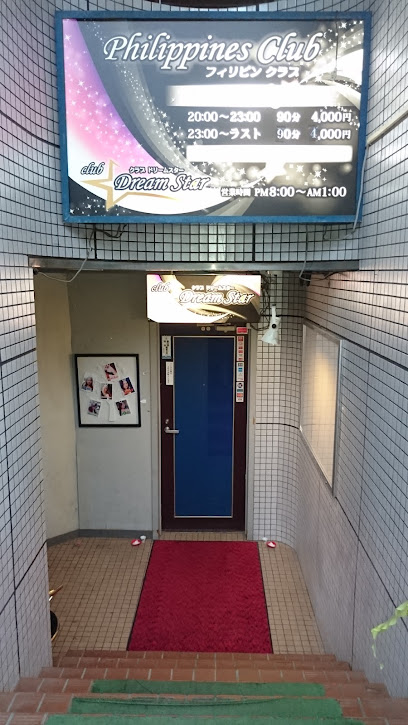
the Venue
20.8 km
Experience the vibrant nightlife at The Venue, Nagano's top night club offering great music, dance, and unforgettable moments.

Shinano Dream Club
22.1 km
Dive into the exciting nightlife at Shinano Dream Club, Suzaka's premier destination for music, dancing, and unforgettable moments.

くろゆり
98.4 km
Explore the joy of karaoke at くろゆり in Hida, Gifu, where unforgettable nights and vibrant entertainment await every visitor.