

Bronx (New York City) Travel Guide - Free
Explore Bronx in New York City with Evendo's free guide. Find the best shops, historic streets, restaurants, and gems on web or mobile.


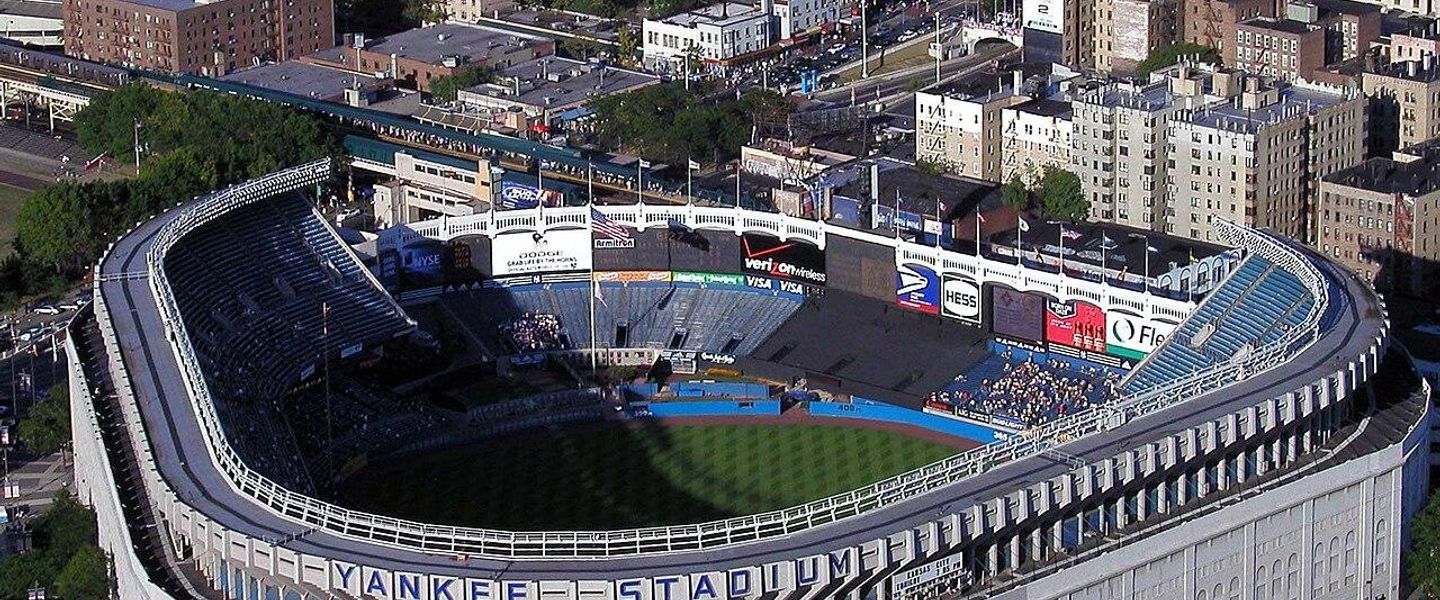


Bronx, New York City, combines Yankee Stadium, the Bronx Zoo, Arthur Avenue’s Italian food culture, botanical gardens, waterfront parks and hip-hop history.
A Borough of Distinctive Districts
The Bronx is New York City’s northernmost borough, stretching from the Harlem River to Long Island Sound and from dense urban neighbourhoods to broad parkland and waterfront. It is not a single, uniform district: Mott Haven, Fordham, Belmont, West Farms, Morris Park, Kingsbridge, Riverdale and other communities each have their own character. Together they create a borough shaped by immigrant commerce, strong local institutions, Caribbean and Latin American cultures, public housing, grand parks and a deep tradition of community activism.Read more about Bronx
Parks, Gardens and Landmarks
Culture and Everyday Life
Best attractions in Bronx
The Bronx’s attractions range from major cultural institutions to expansive landscapes and strongly local commercial streets. The Bronx Zoo occupies a large section of Bronx Park, while the New York Botanical Garden offers formal gardens, woodland and changing horticultural displays nearby. Yankee Stadium is the borough’s best-known sporting destination, and the Edgar Allan Poe Cottage in Fordham preserves the modest house where Poe spent his final years in New York. Arthur Avenue and the adjacent Belmont area invite visitors to explore Italian-American bakeries, delis and food shops rather than a single formal attraction. In Riverdale, Wave Hill combines gardens, woodland paths and Hudson River views, while Pelham Bay Park, Orchard Beach and City Island provide a coastal counterpoint. The Bronx Museum of the Arts, centrally located near the Grand Concourse, presents contemporary art with strong connections to the borough and the wider city.
-
Garden
Wave Hill Public Garden & Cultural Center
Explore Wave Hill Public Garden & Cultural Center in the Bronx, a serene retreat blending stunning gardens and cultural experiences in New York City.
21 min drive · 7.1 km from neighbourhood centre
-
Exhibit
Bug Carousel
Experience the fascinating world of insects at the Bug Carousel in Bronx Zoo - a delightful ride for all ages surrounded by nature's wonders.
17 min walk · 1.4 km from neighbourhood centre
-
Botanical garden
Everett Children's Adventure Garden, NYBG
Explore nature's wonders at the Everett Children's Adventure Garden in the Bronx, a vibrant, interactive space for families at the New York Botanical Garden.
7 min drive · 2.2 km from neighbourhood centre
-
Zoo
Jungle World
Immerse yourself in the tropical wonders of Jungle World at Bronx Zoo, where exotic wildlife and lush landscapes await every visitor.
12 min walk · 1.0 km from neighbourhood centre


Best landmarks in Bronx
Yankee Stadium is the Bronx’s most recognisable modern landmark, occupying a prominent position beside the Harlem River and carrying the history of one of American baseball’s most influential teams. The Grand Concourse provides an architectural spine through the west Bronx, lined in places by Art Deco apartment buildings and civic structures from the borough’s major urban expansion. The Edgar Allan Poe Cottage is a small but significant literary landmark in Fordham, while the Bronx County Courthouse and the Bronx Museum of the Arts contribute to the civic and cultural landscape around the Concourse. In Belmont, Arthur Avenue’s shopfronts and food businesses are important markers of Italian-American community history even where individual buildings are not monumental. Further north, the Bronx River, Pelham Bay Park and Wave Hill reveal the borough’s less urban geography and its enduring relationship with landscape.
-
Garden
Wave Hill Public Garden & Cultural Center
Immerse yourself in nature and art at Wave Hill Public Garden & Cultural Center, a serene retreat with stunning views and vibrant gardens in the Bronx.
21 min drive · 7.1 km from neighbourhood centre
-
Park
Poe Park
Discover the tranquil beauty and cultural richness of Poe Park in the Bronx, a perfect escape for nature lovers and literary enthusiasts alike.
10 min drive · 3.3 km from neighbourhood centre
-
Museum
Bartow-Pell Mansion Museum
Explore the elegance of Bartow-Pell Mansion Museum, a historic gem in the Bronx, where architecture meets rich history and beautiful gardens.
17 min drive · 5.8 km from neighbourhood centre
-
Museum
The Van Cortlandt House Museum
Discover the historic Van Cortlandt House Museum in Bronx, NY, where 18th-century American history comes alive amidst beautiful park scenery.
17 min drive · 5.7 km from neighbourhood centre


Explore Bronx on the map
A handpicked selection of must-see spots in Bronx, mapped for you.
Best hotels in Bronx
Best restaurants in Bronx
Dining in the Bronx is closely tied to its many immigrant communities and distinct commercial corridors. Arthur Avenue in Belmont remains the borough’s most established food destination, with Italian-American bakeries, pastry shops, cheese and speciality-food stores, pizzerias and restaurants concentrated around East 187th Street and nearby avenues. Elsewhere, visitors find Caribbean, Latin American, West African, Albanian, kosher and contemporary American cooking, often along busy avenues rather than in a single restaurant quarter. City Island is associated with seafood restaurants and a maritime setting, while the South Bronx has developed a growing collection of restaurants, cafés and bars around neighbourhood arts and stadium districts. Restaurant identities and opening arrangements change, so the most useful approach is to explore a specific area and distinguish long-standing family businesses from newer venues rather than treating the borough as one uniform food scene.
-
Italian
Pine Restaurant
Experience authentic Italian cuisine in the Bronx at Pine Restaurant – where flavor meets tradition in a welcoming atmosphere.
6 min walk · 0.5 km from neighbourhood centre
-
Puerto Rican
Made in Puerto Rico Latin Cuisine Bronx NY
Experience authentic Puerto Rican cuisine with live music and vibrant atmosphere at Made in Puerto Rico Latin Cuisine in Bronx NY.
10 min drive · 3.2 km from neighbourhood centre
-
Italian
Antonio's Trattoria
Discover authentic Italian cuisine at Antonio's Trattoria in Bronx - where tradition meets flavor in every dish.
6 min drive · 2.1 km from neighbourhood centre
-
American
Wicked Wolf Bronx
Discover Wicked Wolf Bronx: A lively dining spot blending American comfort food with Irish tradition in an inviting atmosphere.
15 min drive · 4.9 km from neighbourhood centre


Best bars in Bronx
The Bronx’s nightlife is varied but more dispersed than Manhattan’s traditional entertainment districts. Arthur Avenue and nearby Belmont offer restaurants, wine bars and low-key evening venues, while the South Bronx has bars, lounges and cultural spaces around the Grand Concourse and Yankee Stadium, with activity shaped by concerts and sporting fixtures. The borough’s musical importance is especially visible through hip-hop history, community arts programming and occasional DJ, dance and live-performance events, although the scene is not confined to one permanent club strip. City Island has a more relaxed restaurant-and-bar atmosphere, and Riverdale is comparatively residential after dark. Visitors should check individual venues and event listings rather than expect a concentrated nightlife area or assume that all establishments operate late.
-
Bar
Bronx Alehouse
Discover Bronx Alehouse: A lively bar offering delicious American cuisine and an extensive craft beer selection in the heart of the Bronx.
16 min drive · 5.3 km from neighbourhood centre
-
Pub
McDermott's Pub
Discover the quintessential Bronx experience at McDermott's Pub, where great food, drinks, and a lively atmosphere await you.
5 min drive · 1.6 km from neighbourhood centre
-
Bar
Howl At The Moon Grill & Bar
Experience the vibrant atmosphere and delicious flavors at Howl At The Moon Grill & Bar in the Bronx, a perfect stop for tourists and food lovers alike.
7 min drive · 2.3 km from neighbourhood centre
-
Bar
The Punch Bowl
Discover The Punch Bowl, a cozy Irish pub in the Bronx offering hearty meals, a wide selection of drinks, and a warm atmosphere for every visitor.
16 min drive · 5.4 km from neighbourhood centre


Best nightclubs in Bronx
The Bronx’s nightlife is varied but more dispersed than Manhattan’s traditional entertainment districts. Arthur Avenue and nearby Belmont offer restaurants, wine bars and low-key evening venues, while the South Bronx has bars, lounges and cultural spaces around the Grand Concourse and Yankee Stadium, with activity shaped by concerts and sporting fixtures. The borough’s musical importance is especially visible through hip-hop history, community arts programming and occasional DJ, dance and live-performance events, although the scene is not confined to one permanent club strip. City Island has a more relaxed restaurant-and-bar atmosphere, and Riverdale is comparatively residential after dark. Visitors should check individual venues and event listings rather than expect a concentrated nightlife area or assume that all establishments operate late.
-
Grill
Mingles Ultra Lounge
Discover the vibrant Mingles Ultra Lounge, where American and Caribbean flavors meet an electrifying nightlife experience in the Bronx.
15 min drive · 5.1 km from neighbourhood centre
-
Lounge
The Living Room Il
Discover the lively atmosphere of The Living Room Il, a vibrant Bronx lounge perfect for socializing and enjoying local nightlife.
19 min drive · 6.5 km from neighbourhood centre
-
Night club
Patron New York
Discover the vibrant nightlife of the Bronx at Patron New York, a premier night club and bar, where music and culture collide in an unforgettable experience.
13 min drive · 4.4 km from neighbourhood centre
-
Night club
Union Rincoena Inc
Dive into the vibrant nightlife at Union Rincoena Inc, a premier night club in the Bronx, where music and dance come alive until dawn.
13 min drive · 4.5 km from neighbourhood centre


Best shops in Bronx
Shopping in the Bronx is strongest where everyday commerce and food culture overlap. Arthur Avenue and East 187th Street form the borough’s best-known specialist shopping area, with Italian bakeries, pastry counters, delis, cheese shops, butchers and imported-food retailers alongside restaurants and cafés. Fordham Road is a major commercial corridor with national chains, independent businesses and heavy pedestrian traffic, while the Grand Concourse and Southern Boulevard offer further local retail in different neighbourhood settings. The Bronx Terminal Market near Yankee Stadium provides a large contemporary retail complex rather than a traditional street market. Visitors interested in books, records, clothing or crafts will find options scattered across the borough rather than concentrated in a single curated shopping quarter, so shopping is best combined with a particular neighbourhood’s food, architecture or cultural attractions.
-
Shopping mall
Bronx Terminal Market 11
Experience the vibrant blend of shopping and dining at the Bronx Terminal Market, a cultural gem in the heart of the Bronx.
18 min drive · 6.0 km from neighbourhood centre
-
Shopping mall
The Shops at Marble Hill
Discover a vibrant shopping experience at The Shops at Marble Hill, featuring diverse stores, delicious dining, and a lively atmosphere in The Bronx.
15 min drive · 4.9 km from neighbourhood centre
-
Shopping mall
The Shops at Bruckner
Explore the vibrant shopping scene at The Shops at Bruckner, where diverse stores meet delicious dining in the heart of the Bronx.
7 min drive · 2.4 km from neighbourhood centre
-
Shopping mall
Riverdale Crossing
Experience the lively atmosphere of Riverdale Crossing, a premier shopping mall in the Bronx with diverse stores and dining options.
16 min drive · 5.2 km from neighbourhood centre


Bronx essentials
Getting There
Getting Around
Safety
Emergency Situations
Do's and Don'ts
Local Tips

From Eve
Local phrases worth knowing
You don't need to get them perfect. A few words go a long way, and locals appreciate the effort.
Basics
| English | Local | Say it |
|---|---|---|
| Hello | Yo | [Yo] |
| Goodbye | Later | [Lay-ta] |
| Yes | Yeah | [Yeah] |
| No | Nah | [Nah] |
| Please/You're welcome | Please/No problem | [Pleez/No prob-lem] |
| Thank you | Thanks | [Thanks] |
| Excuse me/Sorry | My bad | [Maah bad] |
| How are you? | What's good? | [Wha's good?] |
| Fine. And you? | Chillin. You? | [Chill-in. You?] |
| Do you speak English? | You speak English? | [You speak En-glish?] |
| I don't understand | I don't get it | [I don't get it] |
Eating & Drinking
| English | Local | Say it |
|---|---|---|
| I'd like to see the menu, please | Let me see the menu, yo | [Let me see the menu, yo] |
| I don't eat meat | I don't do meat | [I don't do meat] |
| Cheers! | Salud! | [Sa-lud] |
| I would like to pay, please | Let me pay, yo | [Let me pay, yo] |
Emergencies
| English | Local | Say it |
|---|---|---|
| Help! | Yo, help! | [Yo, help!] |
| Go away! | Get lost! | [Get lost!] |
| Call the Police! | Call the cops! | [Call the cops!] |
| Call a doctor! | Get a doc! | [Get a doc!] |
| I'm lost | I'm lost, yo | [I'm lost, yo] |
| I'm ill | I'm sick | [I'm sick] |
Shopping
| English | Local | Say it |
|---|---|---|
| I'd like to buy... | I wanna cop... | [I wanna cop...] |
| I'm just looking | I'm browsing | [I'm browsing] |
| How much is it? | How much this? | [How much this?] |
| That's too expensive | That's mad pricey | [That's mad pricey] |
| Can you lower the price? | Can you do better? | [Can you do bet-ta?] |
Time & Numbers
| English | Local | Say it |
|---|---|---|
| What time is it? | What's the time? | [Wha's the time?] |
| It's one o'clock | It's one | [It's one] |
| Half past (10) | Half past ten | [Half past ten] |
| Morning | Mornin | [Morn-in] |
| Afternoon | Afternoon | [Afternoon] |
| Evening | Evenin | [Even-in] |
| Yesterday | Yestaday | [Yes-ta-day] |
| Today | Today | [Today] |
| Tomorrow | Tomorra | [Tomor-ra] |
| 1 | One | [One] |
| 2 | Two | [Two] |
| 3 | Three | [Three] |
| 4 | Four | [Four] |
| 5 | Five | [Five] |
| 6 | Six | [Six] |
| 7 | Seven | [Seven] |
| 8 | Eight | [Eight] |
| 9 | Nine | [Nine] |
| 10 | Ten | [Ten] |
Transport & Directions
| English | Local | Say it |
|---|---|---|
| Where's a/the...? | Where the... at? | [Where the... at?] |
| What's the address? | What's the addy? | [What's the addy?] |
| Can you show me (on the map)? | Can you show me (on the map)? | [Can you show me (on the map)?] |
| When's the next (bus)? | When's the next (bus)? | [When's the next (bus)?] |
| A ticket (to ....) | A ticket (to ....) | [A ticket (to ....)] |
History of Bronx
Lenape Land and Colonial Beginnings
Before European settlement, the lands now called the Bronx were used by Lenape communities, whose territory extended across the wider region. The borough’s name derives from Jonas Bronck, a Swedish-born settler who established a farm east of the Harlem River in the seventeenth century; the river and later the surrounding mainland took the name Bronck’s land. Dutch and English colonial settlement gradually reshaped the area through farms, estates and roads, although much of the present Bronx remained rural for centuries. Estate names and surviving landscapes, particularly around the Bronx River and northern sections, preserve traces of this earlier period even as the borough was later absorbed into the expanding city.
Annexation and Rapid Urban Growth
The Bronx developed rapidly after parts of Westchester County were annexed to New York City in stages during the nineteenth century, with the major consolidation taking place in 1898. Bridges across the Harlem River, new roads, elevated railways and subway extensions connected formerly separate settlements to Manhattan and encouraged apartment construction. Grand Concourse, laid out in the early twentieth century, became a defining boulevard for the west Bronx, while neighbourhoods such as Morrisania, Kingsbridge and Fordham grew around transport links and commercial centres. The Bronx Zoo, opened in 1899, and the New York Botanical Garden, established in 1891, reflected the era’s investment in large civic and educational institutions.
Migration, Industry and Community Life
During the twentieth century, the Bronx became home to successive waves of Jewish, Irish, Italian, African American, Caribbean and Latin American residents. Arthur Avenue developed a strong Italian-American commercial identity, while the South Bronx became associated with manufacturing, apartment-house neighbourhoods, music, churches and community organisations. Robert Moses-era infrastructure projects, including the Cross Bronx Expressway, disrupted established communities and contributed to displacement and physical division from the 1950s onward. In the 1970s, severe disinvestment and arson damaged housing across parts of the South Bronx, but residents, block associations and local organisations formed housing cooperatives and community projects that resisted abandonment.
Hip-Hop and Cultural Renewal
The Bronx is widely recognised as one of the birthplaces of hip-hop culture. In the 1970s, DJs, MCs, breakdancers and graffiti artists developed new forms of music and performance at parties and community gatherings, including events associated with neighbourhood venues and parks. The movement grew from local creativity amid economic hardship rather than from a single building or officially bounded site. Later decades brought extensive housing rehabilitation, new cultural institutions, waterfront projects and commercial investment, although redevelopment has also raised questions about affordability and displacement. Today the borough’s cultural identity combines those ongoing debates with internationally influential music history, long-established communities and newer civic and arts initiatives.
Bronx in Photos
Browse through our photo collection highlighting the charm and character of the destination.
Neighbourhoods near Bronx
The closest neighbourhoods to Bronx, if you have time for more than one stop.
-
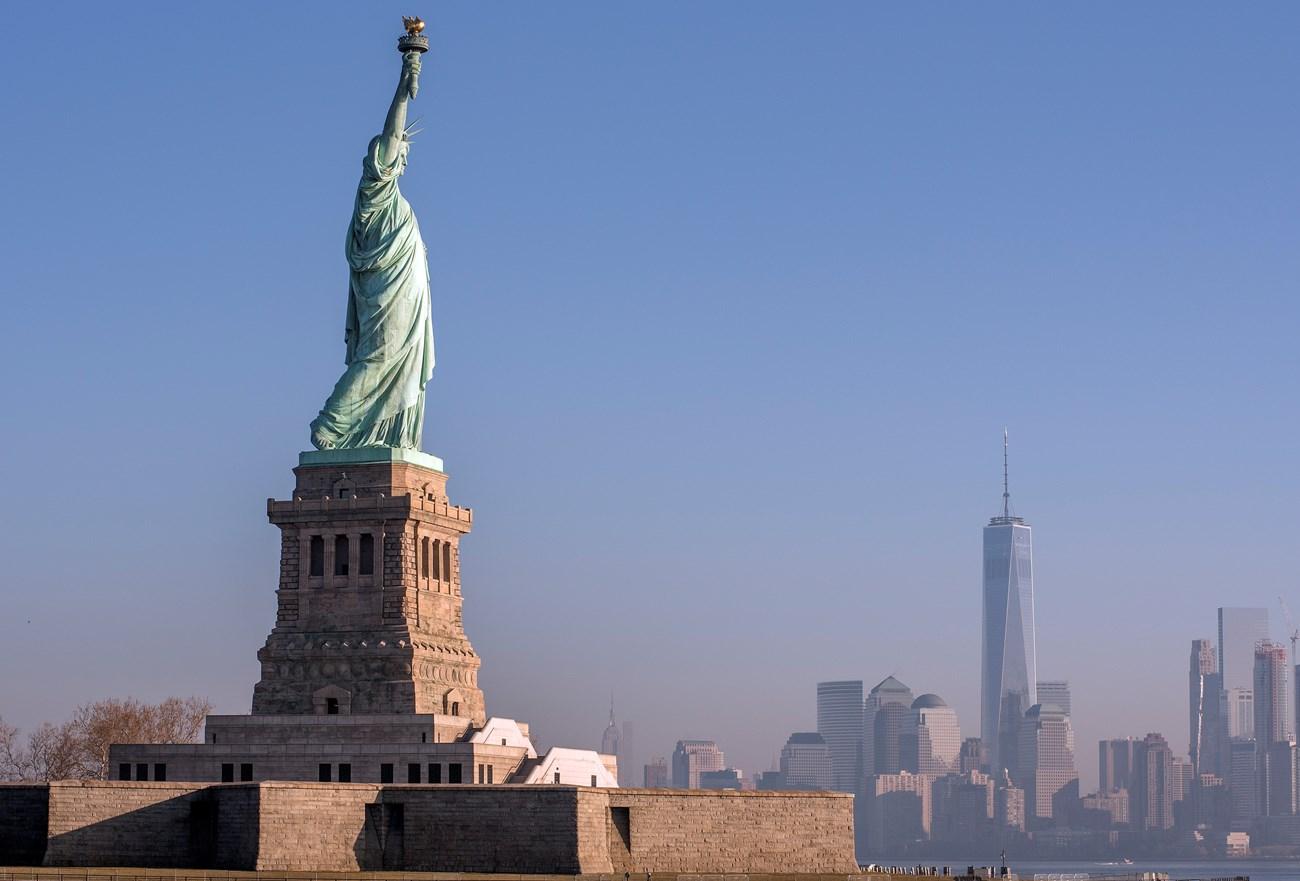 Manhattan
, New York City’s best-known borough, pairs skyscraper avenues with historic neighbourhoods, museums, parks, waterfront walks and global dining.
-

-

-


Swipe for more neighbourhoods
Explore more

Explore more of New York City
New York City pairs world-famous landmarks, immigrant neighbourhoods, museums, Broadway and dynamic food culture across five boroughs for memorable sightseeing.
Explore New York City