

Center City (Philadelphia) Travel Guide - Free
Explore Center City in Philadelphia with Evendo's free guide. Find the best shops, historic streets, restaurants, and gems on web or mobile.


Center City Philadelphia blends historic squares, grand museums, Reading Terminal Market, theatre, dining and walkable streets in Pennsylvania’s core.
A Walkable Urban Core
Center City is Philadelphia’s broad central district, stretching across a dense mix of historic quarters, commercial streets, civic spaces and leafy residential blocks. Independence Hall and the Liberty Bell sit in the eastern part of the area, while City Hall anchors the westward axis of Market Street and Broad Street. Between them, visitors encounter old brick streets, grand nineteenth-century buildings, contemporary towers, theatre marquees, university and cultural institutions, and neighbourhoods with distinct personalities rather than one uniform centre.Read more about Center City
Squares, Markets and Institutions
Everyday Philadelphia
Best attractions in Center City
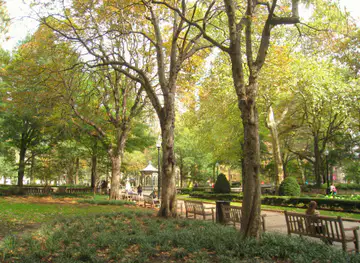
Center City’s attractions range from nationally significant historic sites to everyday urban spaces. Independence Hall and the Liberty Bell are in the eastern historic core, where visitors can also explore the President’s House site and the landscaped paths of Independence National Historical Park. Reading Terminal Market offers a more contemporary way to experience Philadelphia through food, produce and conversations with vendors. Around City Hall, Dilworth Park, LOVE Park and the broad Benjamin Franklin Parkway create a sequence of civic and cultural spaces leading towards Logan Square and major museums beyond the immediate commercial centre. Rittenhouse Square and Washington Square reward slower walks, while the Pennsylvania Convention Center, the Kimmel Cultural Campus and the Academy of Music add event-led attractions. Historic streets, public art, architectural details and changing views of City Hall make the district particularly suited to self-guided exploration.
-
Historical place
Independence National Historical Park
Explore the birthplace of American democracy at Independence National Historical Park, home to Independence Hall and the iconic Liberty Bell.
17 min walk · 1.4 km from neighbourhood centre
-
Park
JFK Plaza (Love Park)
Discover JFK Plaza, also known as Love Park, an iconic urban oasis in Philadelphia featuring stunning sculptures and a vibrant atmosphere.
2 min walk · 0.2 km from neighbourhood centre
-
Park
Spruce Street Harbor Park
Experience the vibrant energy of Spruce Street Harbor Park, a scenic urban oasis in Philadelphia that blends recreation, relaxation, and community spirit.
7 min drive · 2.2 km from neighbourhood centre
-
Park
Washington Square
Explore the historic Washington Square, a serene park in Philadelphia, rich in history and perfect for relaxation amidst the city's vibrant atmosphere.
16 min walk · 1.3 km from neighbourhood centre


Best landmarks in Center City
Center City’s landmarks express Philadelphia’s political, commercial and cultural history. Independence Hall is the district’s defining civic monument, associated with the Declaration of Independence and the United States Constitution, while the nearby Liberty Bell has become a powerful national symbol. Philadelphia City Hall dominates the central street grid with its elaborate Second Empire design and statue of William Penn above the tower. Reading Terminal Market and its former railway setting represent the importance of transport and food distribution to the nineteenth-century city. Rittenhouse Square, Washington Square and Logan Square retain the logic of William Penn’s planned public squares, although their landscapes and surrounding buildings have evolved. The Academy of Music, Broad Street theatres, the Pennsylvania Convention Center and the patterned façades around Chestnut and Walnut streets add architectural evidence of Center City’s commercial and entertainment growth.
-
Historical place
Independence National Historical Park
Explore the heart of American history at Independence National Historical Park, home to the Liberty Bell and Independence Hall.
17 min walk · 1.4 km from neighbourhood centre
-
Historical landmark
Liberty Bell
Explore the Liberty Bell in Philadelphia, a historic landmark symbolizing freedom and independence, rich in American heritage and culture.
16 min walk · 1.3 km from neighbourhood centre
-
Historical landmark
Independence Hall
Explore Independence Hall, the historic site where the Declaration of Independence and Constitution were born, in the heart of Philadelphia.
17 min walk · 1.4 km from neighbourhood centre
-
Park
Washington Square
Discover the historic beauty of Washington Square, a serene park in the heart of Philadelphia, rich in culture and perfect for relaxation.
16 min walk · 1.3 km from neighbourhood centre


Explore Center City on the map
A handpicked selection of must-see spots in Center City, mapped for you.
Best hotels in Center City
Best restaurants in Center City
Center City contains one of Philadelphia’s broadest dining landscapes, from long-established restaurants and hotel dining rooms to cafés, bakeries, casual counters and international kitchens. Reading Terminal Market is the district’s most concentrated food destination, combining Pennsylvania Dutch specialities, prepared meals, desserts, produce and stalls associated with Philadelphia’s long market culture. Around Midtown Village and Washington Square West, restaurants and bars occupy former shopfronts and historic commercial buildings, while the blocks near Rittenhouse Square offer a mixture of polished dining, cafés and independent businesses. Chinatown, at the eastern edge of the commonly understood central area, contributes Chinese, Vietnamese and other Asian cuisines. Visitors should distinguish table-service tipping from counter-service purchasing, and should check current arrangements directly because menus, operators and opening patterns change.
-
Restaurant
El Vez
Discover El Vez in Philadelphia - an eclectic Mexican restaurant serving delicious tacos and vibrant brunch options in a lively atmosphere.
5 min walk · 0.4 km from neighbourhood centre
-
Restaurant
The Dandelion
Experience authentic British cuisine at The Dandelion in Philadelphia's Rittenhouse Square—where hearty meals meet cozy pub vibes.
6 min walk · 0.5 km from neighbourhood centre
-
Cuban
Cuba Libre Restaurant & Rum Bar
Experience authentic Cuban cuisine and vibrant cocktails at Cuba Libre Restaurant & Rum Bar in Philadelphia's lively Center City.
6 min drive · 1.8 km from neighbourhood centre
-
Restaurant
Talula's Garden
Discover the exquisite flavors of American cuisine in a beautiful garden setting at Talula's Garden in Philadelphia.
14 min walk · 1.2 km from neighbourhood centre


Best bars in Center City
Center City’s nightlife is varied rather than concentrated in a single strip. Midtown Village and Washington Square West are known for a dense mix of bars, restaurants and late-evening venues, while Rittenhouse has cocktail bars, hotel lounges and more discreet drinking rooms. Broad Street and the Avenue of the Arts draw audiences to the Academy of Music, the Kimmel Cultural Campus and other performance venues, making theatre and concerts central parts of the evening scene. Around Old City, near the eastern side of Center City, historic buildings contain bars and clubs, though the area is geographically distinct from the newer nightlife around Midtown Village. Visitors should expect differences in atmosphere from one block to the next, with residential streets requiring consideration after dark and event nights bringing heavier pedestrian traffic.
-
Irish pub
McGillin's Olde Ale House
Discover the charm of McGillin's Olde Ale House, Philadelphia's oldest tavern, offering delicious Irish cuisine and a vibrant atmosphere.
4 min walk · 0.3 km from neighbourhood centre
-
Bar
Good Dog Bar
Discover the unique blend of a lively bar and dog cafe at Good Dog Bar in Philadelphia, where pets are always welcome.
5 min walk · 0.4 km from neighbourhood centre
-
Bar
Time
Discover Time in Philadelphia: A premier bar and jazz club offering exquisite dining and live music in a vibrant atmosphere.
5 min walk · 0.4 km from neighbourhood centre
-
Bar
Strangelove's
Discover Strangelove's in Philadelphia: A bar with an inviting atmosphere, delicious food, and an extensive craft beer selection that captures the essence of local nightlife.
9 min walk · 0.7 km from neighbourhood centre


Best nightclubs in Center City
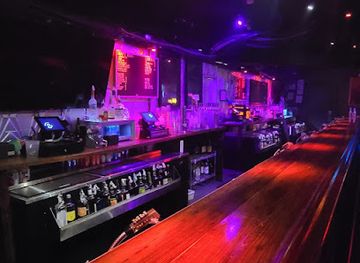
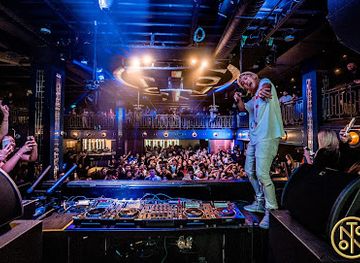
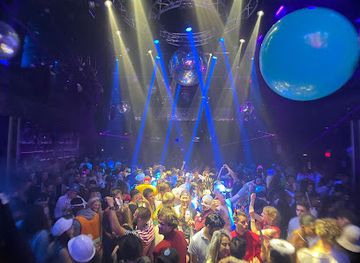
Center City’s nightlife is varied rather than concentrated in a single strip. Midtown Village and Washington Square West are known for a dense mix of bars, restaurants and late-evening venues, while Rittenhouse has cocktail bars, hotel lounges and more discreet drinking rooms. Broad Street and the Avenue of the Arts draw audiences to the Academy of Music, the Kimmel Cultural Campus and other performance venues, making theatre and concerts central parts of the evening scene. Around Old City, near the eastern side of Center City, historic buildings contain bars and clubs, though the area is geographically distinct from the newer nightlife around Midtown Village. Visitors should expect differences in atmosphere from one block to the next, with residential streets requiring consideration after dark and event nights bringing heavier pedestrian traffic.
-
Night club
Concourse
Experience the electrifying atmosphere of Concourse, a trendy night club in Philadelphia, perfect for music lovers and nightlife enthusiasts.
3 min walk · 0.2 km from neighbourhood centre
-
Night club
Prestige by Vesper
Discover Philadelphia's nightlife at Prestige by Vesper, a vibrant night club and sports bar in Rittenhouse Square. A must-visit for tourists!
5 min walk · 0.4 km from neighbourhood centre
-
Night club
NOTO Philadelphia
Discover the heartbeat of Philadelphia's nightlife at NOTO, where music, dance, and unforgettable events come to life.
10 min walk · 0.8 km from neighbourhood centre
-
Night club
Voyeur Nightclub
Discover the electrifying nightlife of Voyeur Nightclub in Philadelphia, where music and entertainment create unforgettable experiences in the heart of the city.
7 min walk · 0.5 km from neighbourhood centre

Best shops in Center City
Shopping in Center City ranges from historic market browsing to department-store corridors, independent boutiques and specialist retailers. Reading Terminal Market is the central food-shopping experience, with stalls selling prepared dishes, baked goods, produce and regional products rather than conventional souvenirs alone. Chestnut, Walnut and Market streets contain a changing mixture of national retailers, local businesses and large commercial premises, while the blocks around Rittenhouse Square and Midtown Village are associated with boutiques, beauty businesses, design shops and smaller specialist stores. Antique and book browsing is more scattered than concentrated in one market, so visitors should explore side streets rather than expect a single continuous retail district. Chinatown adds groceries, bakeries, restaurants and culturally specific goods near the eastern edge of Center City, illustrating how shopping patterns shift across a few blocks.
-
Gift shop
Omoi Life Goods
Explore Omoi Life Goods in Philadelphia for unique gifts, handcrafted candles, stylish accessories, and more, perfect for every occasion.
5 min drive · 1.7 km from neighbourhood centre
-
Gift shop
Open House Store
Explore Philadelphia’s artistic spirit at Open House Store, a charming gift shop filled with unique treasures and local artistry.
5 min walk · 0.4 km from neighbourhood centre
-
Gift shop
Philadelphia Independents
Explore Philadelphia Independents for unique gifts, locally crafted treasures, and a taste of the city's vibrant culture.
5 min drive · 1.7 km from neighbourhood centre
-
Gift shop
Ten Thousand Villages
Discover unique fair trade gifts and support global artisans at Ten Thousand Villages in Philadelphia, a treasure trove of ethical craftsmanship.
5 min walk · 0.4 km from neighbourhood centre


Center City essentials
Getting There
Getting Around
Safety
Emergency Situations
Do's and Don'ts
Local Tips

From Eve
Local phrases worth knowing
You don't need to get them perfect. A few words go a long way, and locals appreciate the effort.
Basics
| English | Local | Say it |
|---|---|---|
| Hello | Hey | [hey] |
| Goodbye | Later | [lay-ter] |
| Yes | Yeah | [yeah] |
| No | Nah | [nah] |
| Please/You're welcome | Please/No problem | [please/no problem] |
| Thank you | Thanks | [thanks] |
| Excuse me/Sorry | Excuse me/Sorry | [excuse me/sorry] |
| How are you? | How you doin'? | [how you doin'] |
| Fine. And you? | I'm good. You? | [I'm good. You?] |
| Do you speak English? | You speak English? | [you speak English?] |
| I don't understand | I don't get it | [I don't get it] |
Eating & Drinking
| English | Local | Say it |
|---|---|---|
| I'd like to see the menu, please | Can I see the menu? | [can I see the menu?] |
| I don't eat meat | I don't eat meat | [I don't eat meat] |
| Cheers! | Cheers! | [cheers!] |
| I would like to pay, please | Can I pay now? | [can I pay now?] |
Emergencies
| English | Local | Say it |
|---|---|---|
| Help! | Help! | [help!] |
| Go away! | Get lost! | [get lost!] |
| Call the Police! | Call the cops! | [call the cops!] |
| Call a doctor! | Get a doctor! | [get a doctor!] |
| I'm lost | I'm lost | [I'm lost] |
| I'm ill | I'm sick | [I'm sick] |
Shopping
| English | Local | Say it |
|---|---|---|
| I'd like to buy... | I wanna buy... | [I wanna buy...] |
| I'm just looking | Just browsing | [just browsing] |
| How much is it? | How much does it cost? | [how much does it cost?] |
| That's too expensive | That's too pricey | [that's too pricey] |
| Can you lower the price? | Can you give a discount? | [can you give a discount?] |
Time & Numbers
| English | Local | Say it |
|---|---|---|
| What time is it? | What time is it? | [what time is it?] |
| It's one o'clock | It's one | [it's one] |
| Half past (10) | Half past ten | [half past ten] |
| Morning | Morning | [morning] |
| Afternoon | Afternoon | [afternoon] |
| Evening | Evening | [evening] |
| Yesterday | Yesterday | [yesterday] |
| Today | Today | [today] |
| Tomorrow | Tomorrow | [tomorrow] |
| 1 | One | [one] |
| 2 | Two | [two] |
| 3 | Three | [three] |
| 4 | Four | [four] |
| 5 | Five | [five] |
| 6 | Six | [six] |
| 7 | Seven | [seven] |
| 8 | Eight | [eight] |
| 9 | Nine | [nine] |
| 10 | Ten | [ten] |
Transport & Directions
| English | Local | Say it |
|---|---|---|
| Where's a/the...? | Where's the...? | [where's the...?] |
| What's the address? | What's the address? | [what's the address?] |
| Can you show me (on the map)? | Can you show me (on the map)? | [can you show me (on the map)?] |
| When's the next (bus)? | When's the next (bus)? | [when's the next (bus)?] |
| A ticket (to ....) | A ticket (to ....) | [a ticket (to ....)] |
History of Center City
William Penn’s Planned Centre
Center City developed within Philadelphia’s original plan, laid out under William Penn in the late seventeenth century with a regular grid, broad streets and public squares. The central area between the Delaware and Schuylkill rivers was intended to provide a spacious alternative to the crowded European cities Penn knew. Washington Square, Franklin Square, Rittenhouse Square and Logan Square preserve parts of that plan, although each has changed substantially over time. The eastern section around Independence Hall became the political centre of the new Pennsylvania colony and later the early United States, while the area west of Broad Street gradually absorbed homes, churches, businesses and civic institutions as Philadelphia expanded.
The Early Republic and Commercial Growth
The blocks around Fifth and Market streets gained national importance during the revolutionary and early republican period. Independence Hall, then the Pennsylvania State House, was the setting for the Continental Congress and the Constitutional Convention, while nearby streets housed printers, merchants, craftsmen and public institutions. As Philadelphia grew during the nineteenth century, central commerce moved beyond the original colonial core. Department stores, banks, hotels, theatres and professional offices appeared along Chestnut, Market and Broad streets, creating the mixed civic and commercial landscape that still defines much of Center City.
Markets, Railways and Urban Expansion
Nineteenth-century transport and market infrastructure changed the scale of central Philadelphia. The Reading Terminal complex, completed in the 1890s, combined a major railway station with a market below it and drew farmers, commuters and shoppers into the district. Broad Street became an important north–south avenue, while theatres and music halls helped establish the area as the city’s principal entertainment centre. Immigration and internal migration added new languages, religious institutions, shops and restaurants to the central streets. Some of these communities later formed the basis of areas now recognised as Chinatown, Midtown Village and other overlapping Center City districts.
Modern Renewal and a Diverse Core
Twentieth-century Philadelphia brought department-store closures, suburban competition, highway planning and periods of disinvestment to parts of the central district. Civic projects and preservation efforts nevertheless protected major historic buildings and public squares, while the redevelopment of former industrial and market spaces introduced new offices, apartments, hotels and cultural venues. The restored Reading Terminal Market, the Pennsylvania Convention Center and improvements around City Hall strengthened Center City’s visitor economy. Today the area remains a layered urban core, combining colonial landmarks, Victorian commercial architecture, modern towers, established immigrant businesses, theatres, residences and public spaces.
Center City in Photos
Browse through our photo collection highlighting the charm and character of the destination.
Neighbourhoods near Center City
The closest neighbourhoods to Center City, if you have time for more than one stop.
-
-

-
-

-


Swipe for more neighbourhoods
Explore more

Explore more of Philadelphia
Philadelphia combines Revolutionary history, world-class museums, cheesesteaks and lively neighbourhoods with riverfront trails and celebrated American landmarks.
Explore Philadelphia