

Cultural District (Fort Worth) Travel Guide - Free
Explore Cultural District in Fort Worth with Evendo's free guide. Find the best shops, historic streets, restaurants, and gems on web or mobile.


Cultural District Fort Worth brings world-class museums, modern architecture, gardens, family attractions and Western culture beside Camp Bowie Boulevard.
Museums Along Camp Bowie Boulevard
Fort Worth’s Cultural District occupies the city’s western side, where Camp Bowie Boulevard and University Drive frame a remarkable concentration of museums, performing-arts venues, gardens and public spaces. It is less a conventional shopping neighbourhood than a purpose-built cultural quarter, with broad roads, generous lawns and landmark buildings spaced across an area that rewards walking between visits. The district’s principal institutions include the Kimbell Art Museum, the Modern Art Museum of Fort Worth, the Amon Carter Museum of American Art and the Fort Worth Museum of Science and History.Read more about Cultural District
Architecture and Public Life
Art, Science and Western Heritage
Best attractions in Cultural District
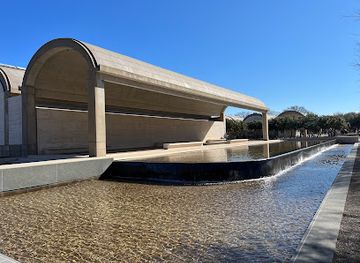
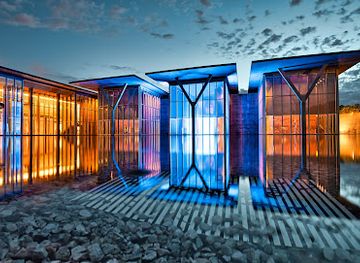
The Cultural District’s main attraction is its exceptional cluster of institutions within a relatively walkable area. The Kimbell Art Museum is known for Louis I. Kahn’s carefully lit galleries and an important collection spanning European, Asian, African and pre-Columbian art, while the Modern Art Museum of Fort Worth presents modern and contemporary works in Tadao Ando’s striking concrete-and-glass building. The Amon Carter Museum of American Art explores American painting, photography and sculpture, including works connected to the American West. Families and science enthusiasts can turn to the Fort Worth Museum of Science and History, and the National Cowgirl Museum and Hall of Fame adds stories of women in the American West. Nearby, the Fort Worth Botanic Garden offers a contrasting landscape of themed gardens, while Will Rogers Memorial Center and Dickies Arena bring exhibitions, performances, rodeo events and large-scale gatherings to the district.
-
Botanical garden
Fort Worth Botanic Garden
Explore the enchanting Fort Worth Botanic Garden, a botanical haven filled with diverse plant life, historical charm, and serene landscapes perfect for relaxation.
4 min walk · 0.3 km from neighbourhood centre
-
Art museum
Kimbell Art Museum
Explore the Kimbell Art Museum in Fort Worth, Texas, where art, architecture, and culture unite in a breathtaking setting.
15 min walk · 1.2 km from neighbourhood centre
-
Science museum
Fort Worth Museum of Science and History
Explore the Fort Worth Museum of Science and History, where curiosity meets knowledge in an engaging and family-friendly environment.
12 min walk · 0.9 km from neighbourhood centre
-
Modern art museum
Modern Art Museum of Fort Worth
Explore contemporary masterpieces at the Modern Art Museum of Fort Worth, where art meets architecture in a stunning cultural experience.
16 min walk · 1.3 km from neighbourhood centre


Best landmarks in Cultural District
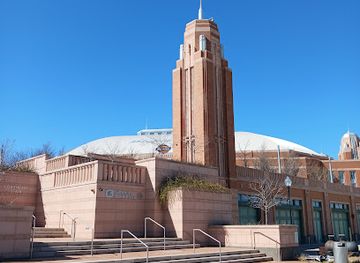
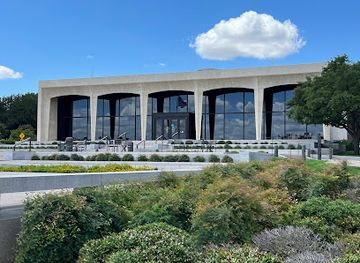
The Cultural District’s landmarks are chiefly its major buildings and civic grounds. Louis I. Kahn’s Kimbell Art Museum, opened in 1972, is celebrated for its restrained concrete structure, cycloid vaults and carefully controlled natural light. Across the landscaped setting, the Modern Art Museum of Fort Worth presents Tadao Ando’s later architectural language through concrete walls, glass façades and reflecting pools. The Amon Carter Museum of American Art is another defining institution, established in 1961 and closely associated with American art and the visual culture of the West. Will Rogers Memorial Center, opened in 1936, remains an important civic and exhibition complex, while Dickies Arena has added a contemporary event landmark to its grounds. The National Cowgirl Museum and Hall of Fame gives the district a distinctive regional symbol, connecting its museum landscape with the histories of women in the American West.
-
Event venue
Will Rogers Memorial Center
Experience the vibrant culture of Fort Worth at the Will Rogers Memorial Center, a multifaceted venue for events, exhibits, and entertainment in Texas.
11 min walk · 0.9 km from neighbourhood centre
-
Art museum
Kimbell Art Museum
Discover the Kimbell Art Museum in Fort Worth, where world-class art, stunning architecture, and serene gardens come together to create an unforgettable cultural experience.
15 min walk · 1.2 km from neighbourhood centre
-
Modern art museum
Modern Art Museum of Fort Worth
Discover contemporary creativity at the Modern Art Museum of Fort Worth, where art meets architecture in an inspiring cultural experience.
16 min walk · 1.3 km from neighbourhood centre
-
Museum
Amon Carter Museum of American Art
Discover the Amon Carter Museum of American Art in Fort Worth, Texas: A hub of American creativity with a diverse collection and free admission.
16 min walk · 1.2 km from neighbourhood centre
Explore Cultural District on the map
A handpicked selection of must-see spots in Cultural District, mapped for you.
Best hotels in Cultural District
Best restaurants in Cultural District
Dining in the Cultural District is shaped by its museums, event venues and broad Camp Bowie Boulevard setting rather than by a single dense food street. Museum cafés provide convenient pauses between galleries, with the Kimbell and Modern offering particularly memorable architectural settings for a light meal or refreshment when services are operating. Along and near Camp Bowie Boulevard, visitors find a mixture of independent cafés, casual restaurants and established dining rooms suited to pre- or post-museum meals. The surrounding area also connects towards the West 7th and University areas, where the choice becomes broader, although those districts should be treated as nearby rather than part of the Cultural District itself. On concert, rodeo and arena evenings, advance planning is sensible because demand rises around Dickies Arena and Will Rogers Memorial Center. The local food experience is therefore best understood as a flexible combination of museum dining, neighbourhood restaurants and event-night options.
-
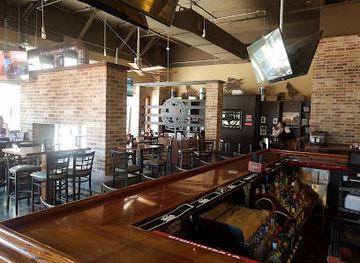
Hamburger
Rodeo Goat
Experience the best burgers in Fort Worth at Rodeo Goat - where flavor meets creativity in every bite.
16 min walk · 1.3 km from neighbourhood centre
-
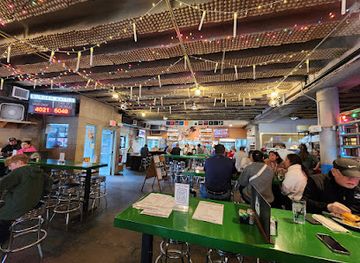
American
Mash'D
Experience innovative American cuisine at Mash'D in Fort Worth's Cultural District - where flavor meets creativity.
18 min walk · 1.4 km from neighbourhood centre
-
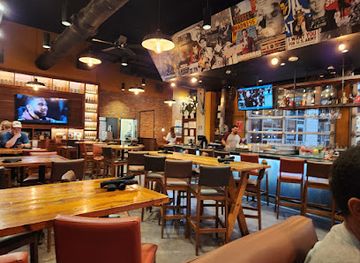
New American
The Social House
Discover the flavors of New American cuisine at The Social House in Fort Worth’s Cultural District – where great food meets vibrant ambiance.
18 min walk · 1.4 km from neighbourhood centre
-
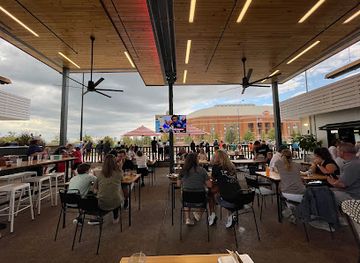
Mexican
Taco Heads- Cultural District
Experience innovative Mexican cuisine at Taco Heads in Fort Worth's Cultural District – where every taco tells a story.
10 min walk · 0.8 km from neighbourhood centre
Best bars in Cultural District
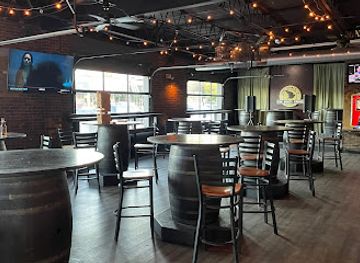
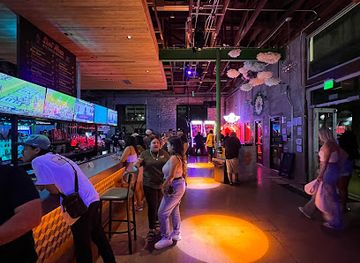
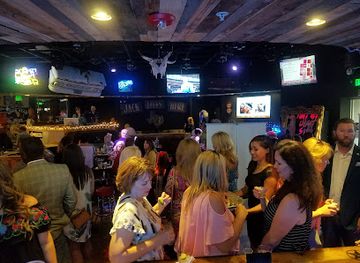
Nightlife in the Cultural District is linked more closely to performances, exhibitions, arena events and dining than to a concentrated club scene. The district can become lively before and after concerts at Dickies Arena, theatre programmes at Casa Mañana and major events at Will Rogers Memorial Center, while the museums occasionally provide evening openings, talks or cultural programmes. Traditional bars and late-night venues are more numerous in nearby West 7th and the University area than among the museums themselves, so visitors should distinguish those adjacent entertainment zones from the Cultural District proper. After dark, the area’s broad campuses and institutional spaces feel quieter between events, with evening activity focused around scheduled performances and restaurants along Camp Bowie Boulevard. Checking venue calendars and arranging transport in advance is particularly useful when several large events coincide.
-
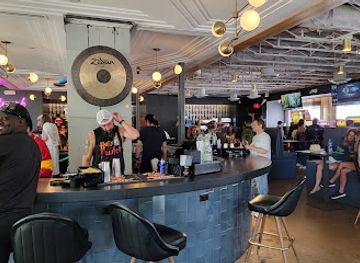
Bar
Kung Fu Saloon
Discover the lively atmosphere of Kung Fu Saloon, where craft cocktails meet arcade fun in the heart of Fort Worth's Cultural District.
17 min walk · 1.4 km from neighbourhood centre
-
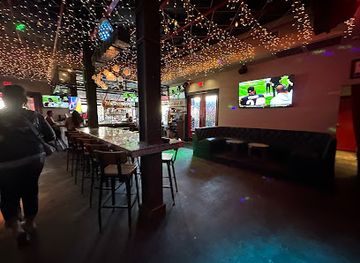
Lounge
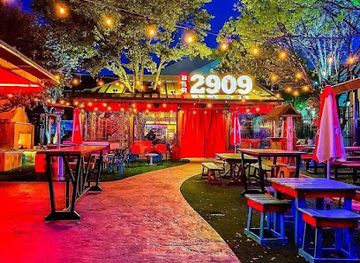
BAR 2909
Experience the vibrant atmosphere of BAR 2909 in Fort Worth's Cultural District, where cocktails and live music create unforgettable nights.
16 min walk · 1.3 km from neighbourhood centre
-
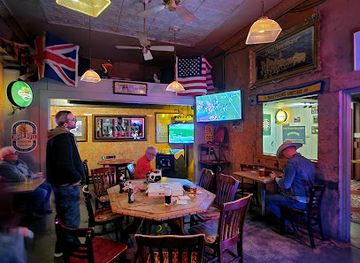
Bar
Ye Olde Bull & Bush
Experience the vibrant atmosphere of Ye Olde Bull & Bush in Fort Worth, where live music meets delicious pub fare in a charming setting.
9 min walk · 0.7 km from neighbourhood centre
-
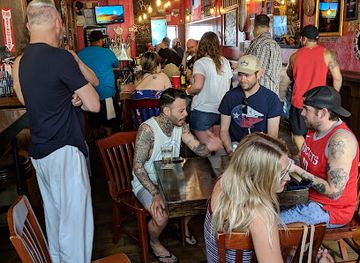
Pub
The Mad Hatter Neighborhood Pub - Fort Worth
Discover The Mad Hatter Neighborhood Pub – a Fort Worth gem offering delicious food and drinks in a friendly, lively atmosphere.
5 min drive · 1.7 km from neighbourhood centre
Best nightclubs in Cultural District
Nightlife in the Cultural District is linked more closely to performances, exhibitions, arena events and dining than to a concentrated club scene. The district can become lively before and after concerts at Dickies Arena, theatre programmes at Casa Mañana and major events at Will Rogers Memorial Center, while the museums occasionally provide evening openings, talks or cultural programmes. Traditional bars and late-night venues are more numerous in nearby West 7th and the University area than among the museums themselves, so visitors should distinguish those adjacent entertainment zones from the Cultural District proper. After dark, the area’s broad campuses and institutional spaces feel quieter between events, with evening activity focused around scheduled performances and restaurants along Camp Bowie Boulevard. Checking venue calendars and arranging transport in advance is particularly useful when several large events coincide.
-
Lounge
BAR 2909
Discover BAR 2909, Fort Worth's chic lounge offering a vibrant atmosphere, eclectic drinks, and an unforgettable nightlife experience.
16 min walk · 1.3 km from neighbourhood centre
-
Bar
The Durty Crow
Discover Fort Worth's nightlife at The Durty Crow, a local bar offering craft beers, signature cocktails, and vibrant atmosphere in the Cultural District.
18 min walk · 1.4 km from neighbourhood centre
-
Night club
Backyard
Discover Backyard in Fort Worth, a vibrant night club with outdoor games, an extensive drink menu, and a perfect atmosphere for unforgettable nights.
17 min walk · 1.3 km from neighbourhood centre
-
Bar
Hooky
Discover Hooky in Fort Worth - A Dynamic Bar and Dance Club, Perfect for a Night Out with Friends and Immersing in Local Culture.
16 min walk · 1.3 km from neighbourhood centre
Best shops in Cultural District
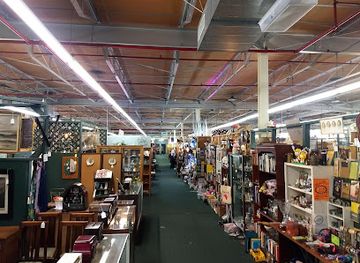
Shopping in the Cultural District is secondary to its museums and cultural venues, with the most distinctive purchases found inside museum shops rather than along a dedicated retail street. The Kimbell, Modern, Amon Carter, science museum and National Cowgirl Museum shops typically focus on exhibition catalogues, art books, design objects, educational goods and Western-themed gifts, although stock and opening arrangements vary. Camp Bowie Boulevard offers some nearby everyday retail and independent businesses, but it is not a concentrated market district. Visitors seeking a larger range of boutiques, specialist shops and general retail can continue towards nearby University Park Village or West 7th, which lie outside the Cultural District. The strongest local retail identity therefore comes from institution-led design, art and heritage merchandise, with occasional event-related vendors at Will Rogers Memorial Center rather than a permanent craft or antiques market.
-
Shopping mall
Artisan Circle
Discover Artisan Circle in Fort Worth: A premier shopping mall blending local culture, diverse shops, and delightful dining experiences.
18 min walk · 1.4 km from neighbourhood centre
-
Shopping mall
University Park Village
Discover upscale shopping, delightful dining, and a vibrant atmosphere at University Park Village in Fort Worth, Texas.
14 min walk · 1.2 km from neighbourhood centre
-
Antique store
Montgomery Street Antique Mall
Explore the Montgomery Street Antique Mall in Fort Worth, Texas for an unforgettable shopping experience filled with unique antiques and vintage treasures.
10 min walk · 0.8 km from neighbourhood centre


Cultural District essentials
Getting There
Getting Around
Safety
Emergency Situations
Do's and Don'ts
Local Tips

From Eve
Local phrases worth knowing
You don't need to get them perfect. A few words go a long way, and locals appreciate the effort.
Basics
| English | Local | Say it |
|---|---|---|
| Hello | Howdy | [haw-dee] |
| Goodbye | See ya | [see yuh] |
| Yes | Yup | [yuhp] |
| No | Nope | [nohp] |
| Please/You're welcome | Please and thank ya | [pleez and thank yuh] |
| Thank you | Much obliged | [muhch uh-blahy-jed] |
| Excuse me/Sorry | Pardon me | [pahr-dn me] |
| How are you? | Howdy | [haw-dee] |
| Fine. And you? | Fine. And you? | [fahyn. And yuh?] |
| Do you speak English? | Ya speak English? | [yuh speak ing-glish?] |
| I don't understand | I don't reckon | [ahy dohnt rek-uhn] |
Eating & Drinking
| English | Local | Say it |
|---|---|---|
| I'd like to see the menu, please | Can I see the bill, please | [kan ahy see thuh bil, pleez] |
| I don't eat meat | I don't eat meat | [ahy dohnt eet meet] |
| Cheers! | Cheers! | [cheers] |
| I would like to pay, please | I'd like to settle up, please | [ahyd lahyk tuh set-l uhp, pleez] |
Emergencies
| English | Local | Say it |
|---|---|---|
| Help! | Help! | [help] |
| Go away! | Git! | [git] |
| Call the Police! | Call the Law! | [kawl thuh law] |
| Call a doctor! | Call a sawbones! | [kawl uh saw-bonz] |
| I'm lost | I'm turned around | [ahym turnd uh-round] |
| I'm ill | I'm feelin' poorly | [ahym feel-in pawr-lee] |
Shopping
| English | Local | Say it |
|---|---|---|
| I'd like to buy... | I reckon I'll take... | [ahy rek-uhn ayl teyk] |
| I'm just looking | I'm just browsin' | [ahym juhst brow-zin] |
| How much is it? | How much fer that? | [haw much fer that?] |
| That's too expensive | That's a mite pricey | [thats uh mahyt prahy-see] |
| Can you lower the price? | Kin ya do any better on the price? | [kin yuh doh en-ee bet-er awn thuh prahys?] |
Time & Numbers
| English | Local | Say it |
|---|---|---|
| What time is it? | What's the time? | [whats thuh tahym] |
| It's one o'clock | It's one o'clock | [its wun uh-klok] |
| Half past (10) | Half past (10) | [haf past (ten)] |
| Morning | Mornin' | [morn-in] |
| Afternoon | Afternoon | [af-ter-noon] |
| Evening | Evenin' | [ee-vuh-nin] |
| Yesterday | Yest'day | [yes-t-day] |
| Today | Today | [toh-day] |
| Tomorrow | Tomorrow | [toh-mor-row] |
| 1 | One | [wun] |
| 2 | Two | [too] |
| 3 | Three | [three] |
| 4 | Four | [fawr] |
| 5 | Five | [fahyv] |
| 6 | Six | [siks] |
| 7 | Seven | [sev-uhn] |
| 8 | Eight | [ayt] |
| 9 | Nine | [nahyn] |
| 10 | Ten | [ten] |
Transport & Directions
| English | Local | Say it |
|---|---|---|
| Where's a/the...? | Where's the...? | [wheres thuh] |
| What's the address? | What's the address? | [whats thuh ad-dress] |
| Can you show me (on the map)? | Kin ya show me (on the map)? | [kin yuh show me (awn thuh map)] |
| When's the next (bus)? | When's the next (bus)? | [whens thuh nekst bus] |
| A ticket (to ....) | A ticket (to ....) | [uh tik-it (tuh)] |
History of Cultural District
From Camp Bowie to Cultural Quarter
The district developed along the western approach of Camp Bowie Boulevard, a major Fort Worth thoroughfare named for Colonel James Bowie and associated with the city’s early twentieth-century expansion. Before the area became known for museums, its broad avenues and large parcels supported civic, educational and recreational uses on the edge of the established city. The location offered room for substantial buildings and public grounds while remaining connected to downtown by road and streetcar-era transport corridors. That combination of accessibility and available land later made the area suitable for a concentrated cultural campus rather than the fine-grained commercial pattern found in older central districts.
Will Rogers Memorial Center
A decisive change came with the creation of Will Rogers Memorial Center, which opened in 1936 as a civic and exhibition complex named for the Texas-born humourist and commentator Will Rogers. Its grounds and facilities strengthened Fort Worth’s identity as a centre for livestock shows, equestrian competitions, conventions and Western culture. The complex helped establish the western side of the city as a destination for large public events, while its architecture and landscape gave the emerging district a substantial civic presence. The annual Fort Worth Stock Show and other events connected the area to the region’s ranching traditions without making it solely an agricultural venue.
A Museum Campus Takes Shape
The Cultural District’s modern identity formed through a series of major museum commissions after the Second World War. The Amon Carter Museum of American Art opened in 1961 to house Amon G. Carter’s collection, particularly works associated with the American West and American art. Louis I. Kahn’s Kimbell Art Museum followed in 1972, creating an internationally recognised setting for European and Asian art. These institutions established the district as a serious centre for art and architecture, while the Fort Worth Museum of Science and History and the National Cowgirl Museum broadened its educational and regional focus.
Contemporary Expansion
The district continued to evolve through new cultural and performance spaces. The Modern Art Museum of Fort Worth opened its current Tadao Ando-designed building in 2002, bringing contemporary art and a strong architectural counterpoint to Kahn’s Kimbell. The nearby Bass Performance Hall, although located downtown rather than within the Cultural District, strengthened Fort Worth’s wider performing-arts network, while Casa Mañana and the Will Rogers complex continued to support theatre and major events in the district. Dickies Arena, opened in 2019 on the Will Rogers grounds, added a large contemporary venue for concerts, sport and rodeo-related programming.
Cultural District in Photos
Browse through our photo collection highlighting the charm and character of the destination.
Neighbourhoods near Cultural District
The closest neighbourhoods to Cultural District, if you have time for more than one stop.

Swipe for more neighbourhoods
Explore more

Explore more of Fort Worth
Fort Worth blends Old West heritage, world-class art museums, historic districts, Texas cuisine and lively cultural attractions near Dallas today.
Explore Fort Worth