Blitz Memorial, Lancashire Travel Guide
A solemn tribute in Liverpool honoring the resilience and memory of civilians lost during the World War II Blitz bombings.
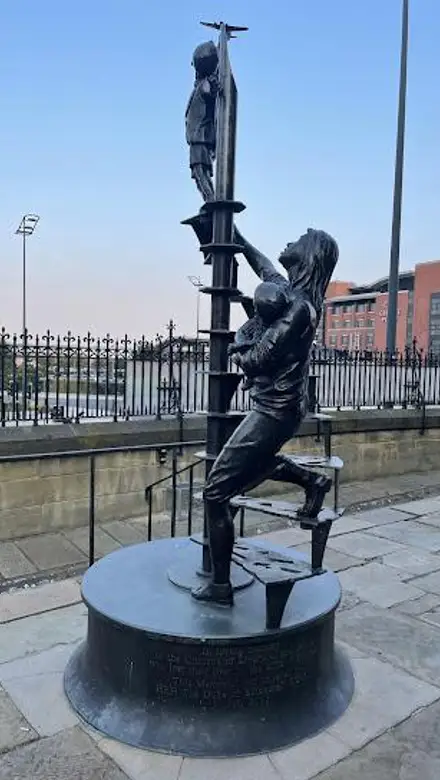
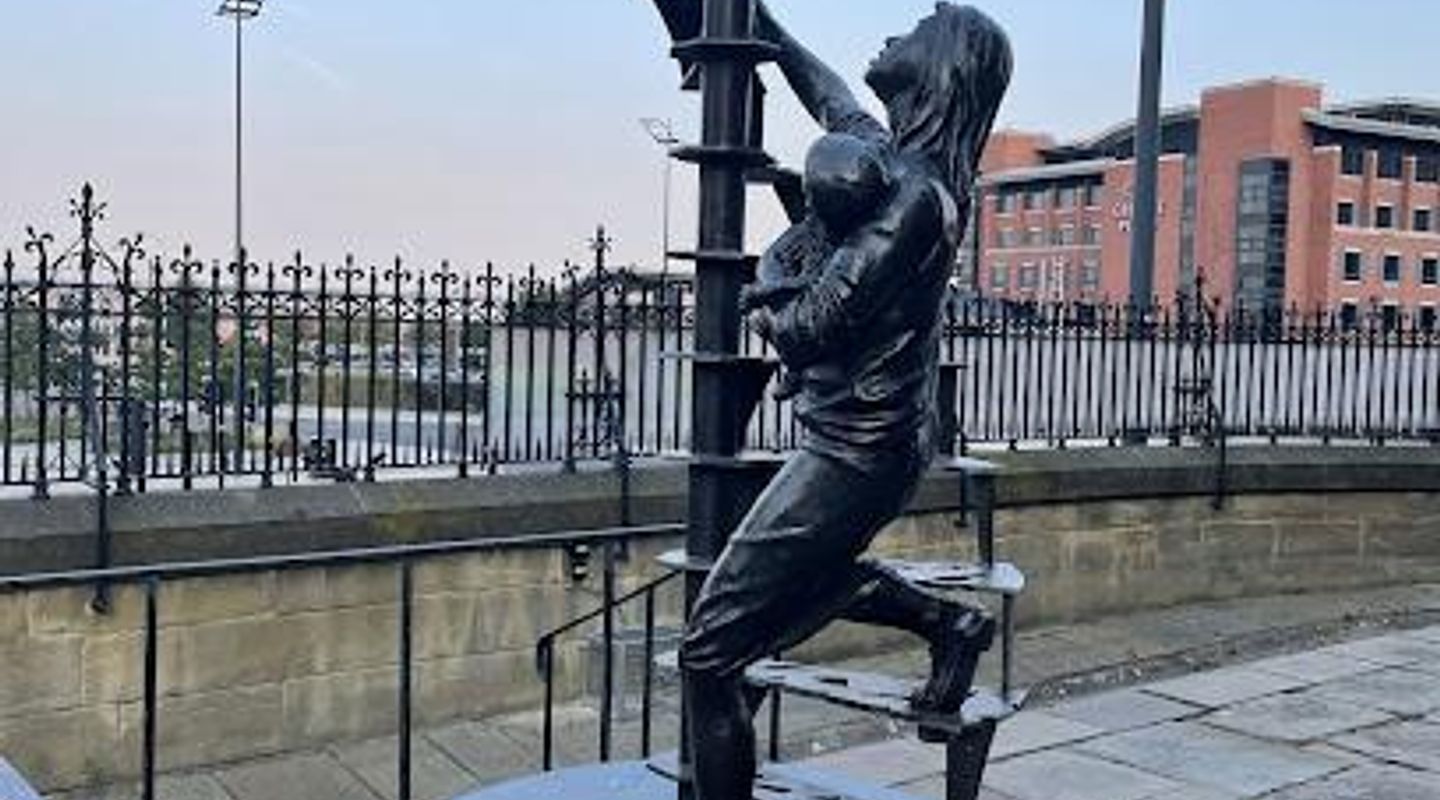
The Blitz Memorial in Liverpool stands as a solemn tribute to the thousands of civilians who lost their lives during the intense German bombing raids of World War II. Located on the A5036 near Liverpool's city centre, this historical landmark commemorates the resilience and enduring spirit of the city through poignant sculptures and inscriptions. It offers visitors a reflective space to honor the memory of those affected by the Liverpool Blitz, one of the most devastating episodes in the city's history.
A brief summary to Blitz Memorial
- A5036, Liverpool, Liverpool, L2 8TZ, GB
- Duration: 0.5 to 1.5 hours
- Free
-
 Outdoor
- Mobile reception: 4 out of 5

Know before you go
Hi, I'm Eve. Here are a few practical things to know before exploring Blitz Memorial.
- Visit early morning or late afternoon for a quieter, more reflective experience.
- Consider joining a guided tour to gain deeper historical insights about the Blitz and the memorial.
- Bring a camera to capture the poignant details and surroundings of the memorial.
- Check local schedules for commemorative events or ceremonies, especially around Remembrance Day.
Do you manage this location?
Take control to get all the benefits, like improved information, better appearance, and stronger visibility across AI-powered discovery. Learn more about listing your business on Evendo
Activate your presenceOther nearby places you may find interesting
The closest places of the same kind, if this one is not quite what you had in mind.
Explore Blitz Memorial on the Map
A handpicked selection of must-see spots near Blitz Memorial, mapped for you.
Unlock the Best of Blitz Memorial
Buy tickets
-
No tickets available
Book tours with entry

Book tours without entry
-
No tours available
Getting There
-
Public Transport
Take the Merseyrail train to Liverpool Central station, followed by a 15-minute walk along the A5036 road to reach the memorial. Trains run frequently, with tickets costing approximately £3-£5 one way.
-
Bus
Several city buses serve routes near the A5036 area. From Liverpool One bus station, buses 10, 17, or 26 take about 10-15 minutes. A single fare costs around £2.50. Note that service frequency may reduce on weekends.
-
Taxi
A taxi ride from Liverpool city centre to the Blitz Memorial takes roughly 5-10 minutes depending on traffic, with fares typically between £6 and £10. Taxis are widely available but can be in higher demand during peak hours.
-
Walking
If you are near the Albert Dock or Liverpool city centre, walking to the memorial is a pleasant option, taking about 15-20 minutes on mostly flat, paved paths. Suitable for most fitness levels and wheelchair accessible.
For the on-the-go comforts that matter to you
-
 Seating Areas
-
 Information Boards
-
 Trash Bins
Discover more about Blitz Memorial
A Testament to Liverpool’s Wartime Endurance
The Blitz Memorial in Liverpool serves as a powerful reminder of the city's experience during World War II, when it endured sustained and heavy bombing by German forces. Liverpool was a critical port for the British war effort, making it a prime target. The memorial honors the thousands of civilians who perished during these air raids, particularly during the May Blitz of 1941, when over 1,900 people were killed and tens of thousands were left homeless. This site stands not only as a remembrance of loss but also as a symbol of the city’s unyielding spirit in the face of adversity.Historical Significance and Symbolism
Erected by the citizens of Liverpool, the memorial commemorates those who gave their lives during the air attacks from 1939 to 1945. It marks the communal grave of 554 victims buried at Anfield Cemetery and reflects the collective grief and respect of the community. The memorial’s design and inscriptions evoke the sacrifices made by ordinary people, including the young men and women who lived through the fear and destruction of the Blitz. Its presence near the city centre ensures that the memory of the Blitz remains an integral part of Liverpool’s historical landscape.Architectural and Artistic Features
The memorial is crafted with solemn dignity, featuring stonework and inscriptions that convey remembrance and resilience. While the original memorial has faced deterioration over the decades, restoration efforts have aimed to preserve its integrity and accessibility. Plans include enhancing the site with poppy-lined pathways and improving wheelchair access, ensuring that the memorial remains a respectful and inclusive space for reflection. Its location near notable landmarks like St. Nicholas Place and the River Mersey adds to its contemplative atmosphere.Context Within Liverpool’s War Legacy
Liverpool’s role in the war extended beyond the bombing; it was the main link for war materials arriving from North America and played a pivotal role in the Battle of the Atlantic. The Blitz Memorial complements other local sites of remembrance, such as the shell of St Luke’s Church and the Captain Johnny Walker statue, which collectively narrate the city’s wartime story. Together, these landmarks provide a comprehensive view of Liverpool’s sacrifices and contributions during World War II.Visitor Experience and Reflection
Visitors to the Blitz Memorial encounter a tranquil and respectful environment that encourages contemplation of the profound human cost of war. The memorial’s location allows for quiet moments amid the urban bustle, with views of the nearby waterfront enhancing the reflective mood. It is a place where history is palpably felt, offering insight into the resilience of a community that endured immense hardship yet emerged with an unconquered spirit.Ongoing Preservation and Community Importance
Recognizing the memorial’s significance, Liverpool Council and local groups have committed to its restoration and upkeep. This ensures that future generations can connect with the city’s history and honor those who suffered during the Blitz. The memorial stands as a vital educational and commemorative site, fostering awareness of the past while promoting peace and remembrance in the present day.












Your all‑in‑one travel companion app
Explore expert travel guides, compare and book tours, experiences, hotels, and more—all from the palm of your hand. Download now for seamless trip planning wherever your wanderlust takes you.


Explore More of Lancashire
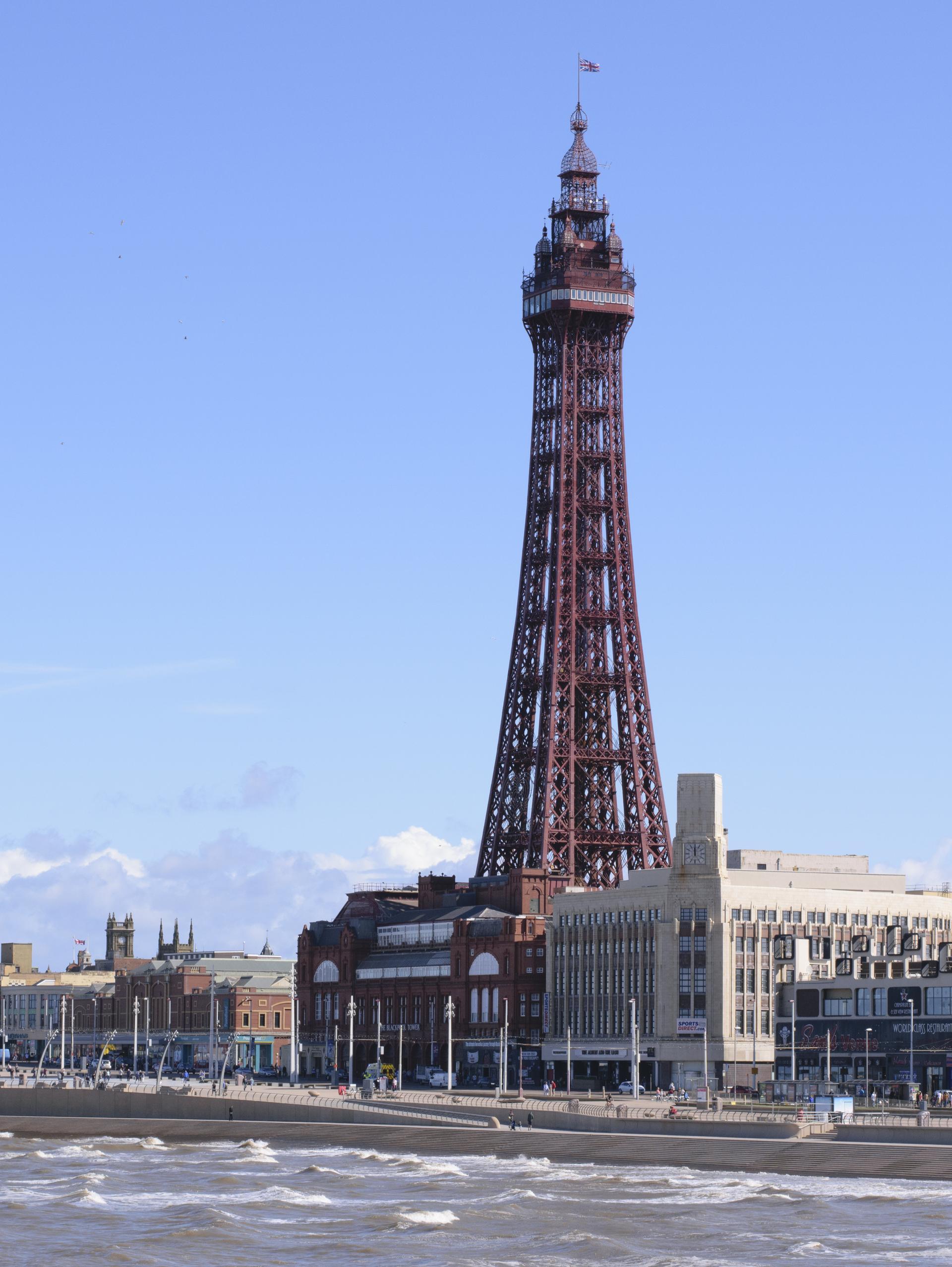
Looking beyond Blitz Memorial? Discover Lancashire for broader travel guides, local hot-spots, and regional highlights.
Explore Lancashire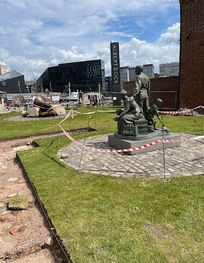
A powerful bronze tribute at Royal Albert Dock honoring Liverpool’s migrant heritage and the hopeful journeys to the New World.
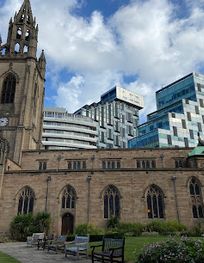
Historic Anglican parish church in Liverpool, symbolizing centuries of maritime heritage and resilience through tragedy and renewal.