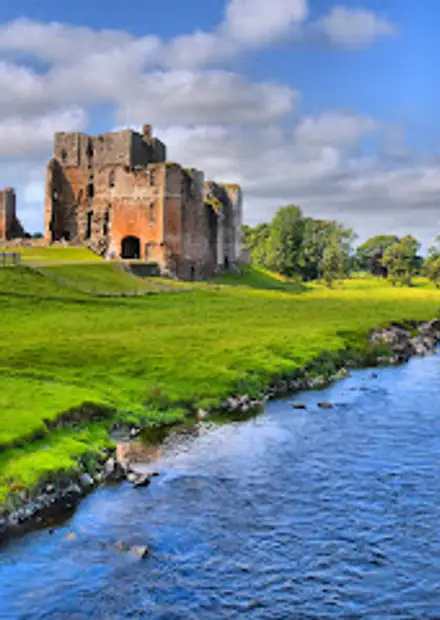
Best Landmarks Near Brougham Castle (Cumbria)
Planning a trip to Brougham Castle? Discover the best landmarks nearby with history, expert tips, and routes. Free on web or the Evendo app.


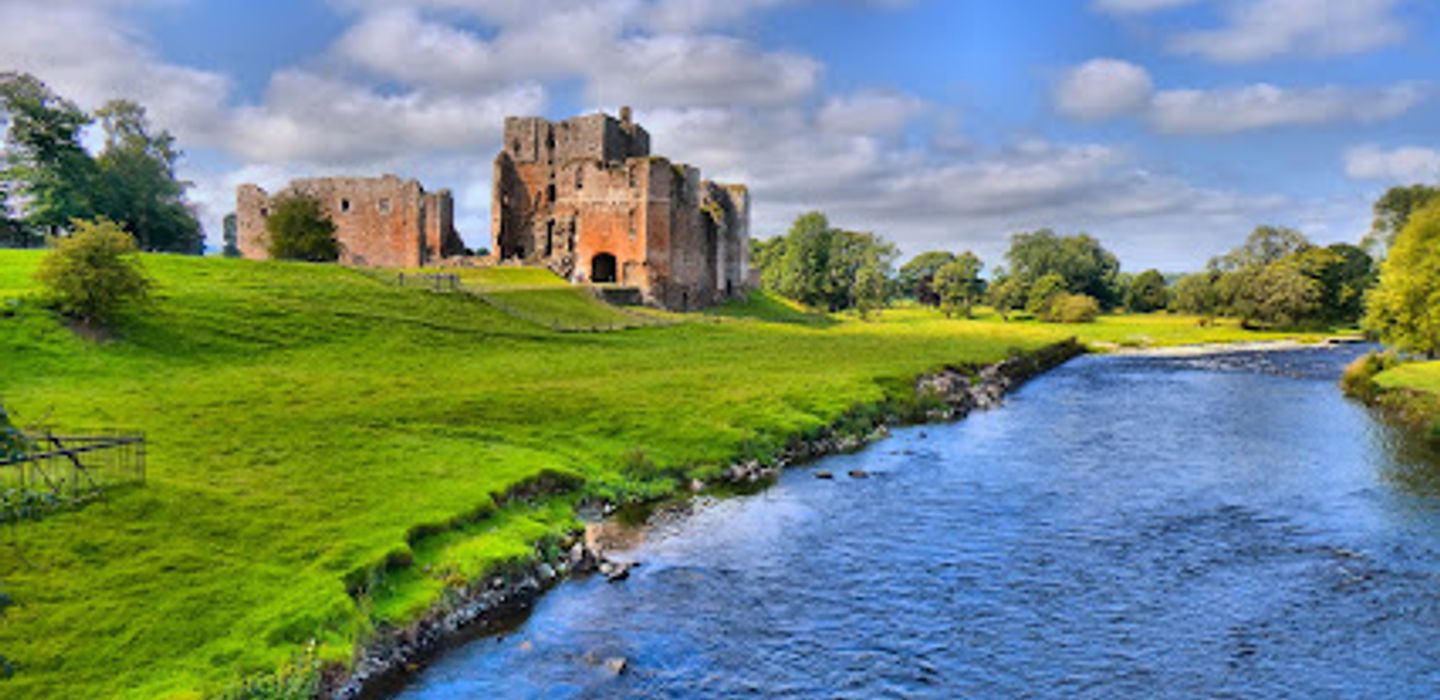
The best landmarks near Brougham Castle
- Top rated
- Closest to Brougham Castle
- Price level: low to high
- Time to spend: shortest first
- A–Z
73 landmarks
-
Sculpture4.6★8,299 reviews
Angel of the North
Rising from a former coal-mining hillside near Gateshead, the Angel of the North is a colossal steel sculpture by Antony Gormley. Standing 20 meters tall with a 54-meter wingspan, it has become a powerful symbol of the North East of England. The sculpture is free to visit at any time, with a car park and paths allowing close access. Its outstretched wings frame dramatic skies and sweeping views across the surrounding landscape, making it a deeply atmospheric place for reflection, photography, and quiet contemplation.
Open 24 hoursTime to spend 0.5–2 hrs
-
Historical landmark4.6★5,329 reviews
Castlerigg Stone Circle
Castlerigg Stone Circle is a prehistoric Neolithic stone circle located near Keswick in Cumbria, England. Comprising 38 standing stones arranged in a circle about 30–33 meters in diameter, it dates back over 4,000 years to around 3200 BC. The site is renowned for its dramatic hilltop setting with panoramic views of surrounding fells including Helvellyn and High Seat. Managed by English Heritage and owned by the National Trust, it remains one of Britain's earliest and most atmospheric stone circles, attracting visitors interested in ancient history, archaeology, and scenic beauty.
Open 24 hoursTime to spend 0.5–2 hrs
-
Historical landmark4.6★5,258 reviews
Hadrian's Wall
Hadrian's Wall is a 73-mile-long Roman frontier stretching across northern England from Wallsend to Bowness-on-Solway. This UNESCO World Heritage Site showcases ancient forts, milecastles, turrets, and museums that reveal the military and civilian life of Roman Britain. Visitors can explore well-preserved ruins like Housesteads and Chesters forts, enjoy breathtaking landscapes, and walk the Hadrian's Wall Path, a historic trail through dramatic countryside and heritage sites.
Price level $$Time to spend 1–8 hrs
-
Castle4.5★5,271 reviews
Lancaster Castle
Lancaster Castle stands majestically atop a hilltop in the heart of Lancaster, a Grade 1 Listed Building with nearly 1,000 years of history. Built on the site of three successive Roman forts, this fortress has served as a symbol of power, justice, and imprisonment throughout the centuries. Today, visitors can explore its atmospheric courtyards, join guided tours through historic wings and chambers, and discover the stories of famous trials, executions, and the Lancashire Witches. The castle remains an essential destination for understanding England's complex past.
Daily 9:30–17:00Price level $Time to spend 1.5–3 hrs
-
Shopping Centre4.3★2,819 reviews
The Riverwalk
The Riverwalk in Durham is a vibrant riverside destination offering a blend of shopping, dining, and leisure experiences. Featuring high street and independent retailers, a cinema, gym, and arcade, it overlooks the scenic River Wear and sits close to Durham’s historic landmarks. Open daily with a lively atmosphere, it’s ideal for families, friends, and solo visitors seeking entertainment and relaxation in the heart of the city.
Daily 9:00–24:00Price level $$Time to spend 1–5 hrs
-
Abbey4.7★1,840 reviews
Hexham Abbey
Hexham Abbey stands as one of Northumberland's most significant historical landmarks, welcoming over 120,000 visitors annually to its sacred grounds. Founded in 674 AD by Saint Wilfrid, this working church seamlessly blends Anglo-Saxon, Norman, and Gothic architecture across thirteen centuries of continuous worship. The free admission, combined with exceptional features like the 7th-century crypt, Roman stonework, and medieval treasures, makes it an unmissable destination for history enthusiasts and spiritual seekers alike.
Daily 10:00–16:00Time to spend 1.5–3 hrs
-
Cathedral4.7★1,831 reviews
Carlisle Cathedral
Carlisle Cathedral, located in the heart of Carlisle, England, is a historic Anglican cathedral renowned for its stunning medieval architecture, including England’s largest Flowing Decorated Gothic east window and a breathtaking Victorian starry ceiling. With over 900 years of history, it offers visitors a peaceful sanctuary, rich exhibitions, and free entry. The cathedral is a vibrant community hub hosting concerts, exhibitions, and guided tours, set within tranquil green precincts in the bustling city centre.
Mon–Fri 7:30–18:30 · Sat–Sun 7:30–17:00Time to spend 0.5–2 hrs
-
Historical landmark4.8★1,770 reviews
Ribblehead Viaduct
The Ribblehead Viaduct is a striking 19th-century railway viaduct spanning the Ribble Valley in the Yorkshire Dales National Park. With 24 massive stone arches soaring 32 meters high across a 440-yard length, it is a testament to Victorian engineering and human endurance. Visitors can explore the viaduct on easy walking trails, visit the nearby Ribblehead Station Visitor Centre to learn about its history, and enjoy breathtaking panoramic views of the surrounding Dales landscape.
Open 24 hoursTime to spend 1–3 hrs
-
Mountain peak4.8★1,579 reviews
Scafell Pike
England's highest mountain at 978 metres (3,209 feet), Scafell Pike dominates the Lake District landscape as part of the iconic National Three Peaks Challenge. This dramatic peak attracts thousands of hikers annually seeking to conquer its challenging terrain, rocky ridges, and rewarding summit views. Located in the Southern Fells, it stands as a war memorial dedicated to those lost in World War I, managed by the National Trust since 1919.
Time to spend 3–9 hrs
-
Castle4.5★1,613 reviews
Middleham Castle
Middleham Castle stands as one of England's most historically significant medieval ruins, commanding the landscape of North Yorkshire with its imposing Norman keep. Built in the late 12th century and developed by the powerful Neville family, this fortress became the childhood home of King Richard III and played a pivotal role in the Wars of the Roses. Today, visitors can explore the substantial remains of the great tower, climb spiral staircases to the battlements for panoramic views, and discover artifacts including a replica of the famous Middleham Jewel in the on-site exhibition. The castle's dramatic history—from royal residence to political prison—is brought to life through interpretive displays and the tangible presence of medieval architecture.
Daily 10:00–17:00Price level $Time to spend 1.5–3 hrs


Lanercost Priory
A remarkably well-preserved medieval Augustinian priory founded in 1169 in the valley of the River Irthing, near Brampton in Cumbria. Built partly from stones salvaged from nearby Hadrian's Wall, Lanercost endured centuries of Scottish raids during the Wars of Independence and briefly served as a royal residence when King Edward I convalesced here in 1306–07. Today, English Heritage manages the atmospheric ruins while the priory church continues as an active parish church, creating a unique blend of monastic heritage and living worship.
Sat–Sun 10:00–16:00Price level $$Time to spend 1.5–3 hrs

Furness Abbey
Furness Abbey stands as one of northern England's most impressive monastic ruins, set within 45 acres of grounds near Barrow-in-Furness. Once the second most powerful Cistercian monastery in Britain after Fountains Abbey in Yorkshire, this 12th-century foundation retains remarkable architectural fragments including the ornate chapter house, cloister buildings, and substantial portions of the abbey church. The site combines medieval grandeur with an intimate, contemplative atmosphere, offering visitors a tangible connection to 900 years of monastic history through both the physical ruins and an on-site museum housing significant archaeological discoveries.
Daily 10:00–17:00Price level $Time to spend 1.5–3 hrs

Cauldron Falls
Cauldron Falls, also known as West Burton Falls, is a picturesque 6-meter waterfall cascading into a deep plunge pool on Walden Beck in the village of West Burton, North Yorkshire. Located within the Yorkshire Dales National Park, this easily accessible natural attraction features a distinctive cauldron-shaped pool formed by centuries of water erosion. The falls inspired artist J.M.W. Turner during his travels through the Dales in 1816. A short walk from the charming village green, the site offers opportunities for wild swimming, photography, and peaceful riverside exploration amid stunning moorland scenery.
Open 24 hoursTime to spend 0.5–3 hrs

Sweetheart Abbey
A hauntingly beautiful 13th-century Cistercian ruin in Dumfries and Galloway, Scotland, founded by Lady Dervorguilla in memory of her husband John Balliol. The abbey's romantic name—Dulce Cor, meaning 'Sweet Heart'—stems from the poignant legend of Dervorguilla carrying her husband's embalmed heart in an ivory casket after his death. Today, the striking red-sandstone ruins stand gracefully against the Solway Firth landscape, enclosed by one of Scotland's most impressive precinct walls.
Daily 10:00–16:30Time to spend 1–2.5 hrs

Ambleside Roman Fort
Ambleside Roman Fort, also known as Galava, is a historic Roman military site dating back to the 1st and 2nd centuries AD, located on the northern shore of Lake Windermere near Ambleside. Once a strategic supply base housing up to 500 soldiers, the fort guarded vital Roman roads and facilitated regional control. Today, visitors can explore the atmospheric ruins, including exposed stone walls, granaries, and the commandant’s house, set amidst the stunning Lake District landscape.
Open 24 hoursTime to spend 0.5–1.5 hrs

St. Mary's Cathedral
St. Mary's Cathedral in Newcastle upon Tyne is a stunning Catholic cathedral renowned for its rich history, exquisite stained glass windows, and vibrant community worship. Located on Clayton Street West, it serves as the mother church of the Diocese of Hexham and Newcastle and offers daily masses and a welcoming atmosphere for visitors and worshippers alike.
Time to spend 0.5–2 hrs

Lune Aqueduct
The Lune Aqueduct is a Grade I listed Georgian aqueduct carrying the Lancaster Canal over the River Lune in Lancaster. Completed in 1797, it is Britain’s largest all-masonry aqueduct, spanning 202 metres across five grand arches, 16 metres above the river. Designed by John Rennie and built by Alexander Stevens, it remains a stunning example of industrial heritage and offers scenic walking and cycling routes with panoramic views of the Lune Valley.
Open 24 hoursTime to spend 1–3 hrs

Sycamore Gap
Sycamore Gap, nestled within Northumberland National Park near Hexham, is a dramatic dip along Hadrian's Wall famed for its iconic sycamore tree, known as the Robin Hood Tree. Though the original tree was felled in 2023, the site remains a poignant symbol of natural beauty and Roman heritage, offering stunning views, rich history, and a deeply atmospheric landscape that draws photographers, hikers, and history enthusiasts alike.
Open 24 hoursTime to spend 1–3 hrs

Prebends Bridge
An elegant 18th-century stone bridge spanning the River Wear in Durham's historic centre. Built between 1772 and 1778 by architect George Nicholson, this Grade I listed structure was deliberately positioned to frame spectacular views of Durham Cathedral and the surrounding wooded riverbanks. Originally serving as a private road for the Dean and Chapter of Durham, it now functions primarily as a pedestrian crossing, offering one of England's most iconic postcard perspectives and serving as a beloved gateway to the cathedral for thousands of visitors annually.
Open 24 hoursTime to spend 0.5–2 hrs

Devorgilla Bridge
Devorgilla Bridge in Dumfries is one of Scotland’s oldest surviving stone bridges, originally constructed in the 15th century and rebuilt after 17th-century floods. Spanning the River Nith with six elegant arches, this pedestrian bridge offers scenic river views and connects visitors to the Old Bridge House Museum, showcasing local history. Named after Lady Devorgilla of Galloway, the bridge reflects medieval engineering resilience and Dumfries’ rich heritage.
Open 24 hoursTime to spend 0.5–2 hrs

Denton Hall Turret - Hadrian's Wall
Denton Hall Turret is a historic Roman watchtower built into Hadrian’s Wall, located in the western suburbs of Newcastle upon Tyne. Constructed of large sandstone blocks, it features a stone platform that once supported a ladder to upper floors. This turret, part of a 63-metre surviving section of Hadrian’s Wall, offers a glimpse into Roman frontier defense along the empire’s northern boundary. The site is freely accessible and open during daylight hours.
Open 24 hoursTime to spend 0.5–1.5 hrs

Winter's Gibbet
Winter's Gibbet near Morpeth, Northumberland, is a haunting historical landmark marking the site where William Winter's body was displayed after his 1792 execution. This eerie gibbet recalls a brutal era of justice, with a replica wooden figure now standing where the original once hung, embodying centuries of local lore and morbid fascination.
Open 24 hoursTime to spend 0.5–1.5 hrs

Orchardton Tower
Orchardton Tower, near Castle Douglas in Dumfries and Galloway, is Scotland’s only free-standing round tower house, built around 1455 by John Cairns. This rare medieval structure rises four storeys high with thick stone walls, arrow loops, and a parapet walk, reflecting its defensive purpose during turbulent border times. Though roofless and partly ruined, it offers a fascinating glimpse into 15th-century noble life and local history.
Time to spend 0.5–1.5 hrs

Durham Town Hall
A striking Victorian landmark occupying the heart of Durham's Market Place, Durham Town Hall serves as both a historic civic building and a vibrant events venue. Built in the 19th century, this Grade I listed structure showcases impressive architecture and hosts cultural events, exhibitions, and celebrations throughout the year. Open to the public on select days, it remains a focal point for the city's community life and a must-see destination for heritage enthusiasts.
Time to spend 0.8–2 hrs

Waterloo Monument
Rising 150 feet above Peniel Heugh in the Scottish Borders, the Waterloo Monument is a striking tower built between 1817 and 1824 to commemorate the Battle of Waterloo. Designed by architect Archibald Elliot, this elegant column stands on private land but is accessible via a scenic walk from the Harestanes Visitor Centre. Visitors can borrow a key to climb the spiral staircase and reach the viewing platform, where panoramic views stretch across the surrounding countryside and the Solway Firth. The monument’s classical design and dramatic hilltop setting make it a memorable stop for history lovers and outdoor enthusiasts alike.
Open 24 hoursPrice level $$Time to spend 1.5–3 hrs

Framwellgate Bridge
Framwellgate Bridge, Durham’s oldest surviving bridge, dates back to the early 12th century and stands as a testament to medieval engineering and Norman authority. Rebuilt in the 15th century after devastating floods, this stone arch bridge offers iconic views of Durham Cathedral and the River Wear, marking a historic northern entrance to the city and a vibrant stage for centuries of commerce, defense, and local life.
Open 24 hoursTime to spend 0.5–1.5 hrs

Judges Lodgings Museum
Nestled beneath Lancaster Castle, the Judges' Lodgings Museum is a Grade I listed historic house dating back nearly 400 years. Once home to the Keeper of Lancaster Castle and later to visiting judges of the Assize Courts, it now showcases exquisite Georgian furniture, period rooms, and a captivating Museum of Childhood. Visitors can enjoy a charming garden with traditional games and explore rich local history through engaging exhibits.
Thu–Sun 11:00–16:00Price level $$Time to spend 1–2 hrs

Brunton Turret - Hadrian's Wall
Brunton Turret is one of the finest preserved turrets on Hadrian's Wall, standing 2.5 metres high near Chesters Roman Fort in Northumberland. Built around AD 122 by the Twentieth Legion under Emperor Hadrian's orders, this small stone structure once housed Roman soldiers who monitored the empire's northwestern frontier. The turret sits within a 69-metre section of the original wall, offering visitors a tangible connection to nearly 2,000 years of Roman military history. Free to visit and open year-round, it remains an essential stop along the Chesters Roman Trail.
Open 24 hoursTime to spend 0.5–2 hrs

Lincluden Collegiate Church
Explore the evocative ruins of Lincluden Collegiate Church, a masterpiece of Scottish Gothic architecture built around 1400 by renowned mason John Morrow. Situated on the banks of the River Nith near Dumfries, this scheduled monument preserves the monumental tomb of Princess Margaret and showcases some of Scotland's finest medieval stonework. Originally founded as a Benedictine nunnery in the 1160s, the site was transformed into a collegiate church under the patronage of Archibald the Grim, 3rd Earl of Douglas, whose family lavished it with elaborate decorations and intricate armorial carvings that still grace the ruins today.
Time to spend 0.8–2 hrs

Robert Burns Statue
The Robert Burns Statue stands prominently in Burns Statue Square at the top of Dumfries' High Street. Crafted from fine Italian Carrara marble by sculptor Amelia Robertson Hill and unveiled in 1882, it honors Scotland's national poet. The statue features poetic inscriptions on its plinth and is a central landmark celebrating Burns’ lasting cultural significance in the town where he spent his final years.
Open 24 hoursTime to spend 0.5–1.5 hrs

The Clock Tower
The Clock Tower in Morecambe, Lancashire, is a distinguished Grade II listed building that stands as a prominent historic landmark on the town’s seafront. Built in the early 20th century, this brick and sandstone tower features Elizabethan architectural influences and a cruciform base with corner buttresses. It symbolizes Morecambe’s rich heritage as a Victorian seaside resort and offers visitors a glimpse into the town’s architectural and cultural past.
Open 24 hoursTime to spend 0.5–1.5 hrs

Brow Well
Brow Well, near Ruthwell in Dumfries, Scotland, is a historic spring famed for its iron-rich waters believed to have healing properties since the 1700s. The well is notably linked to Robert Burns, who visited in 1796 seeking relief from rheumatic fever. The site offers a glimpse into local heritage with its rustic charm beside the Solway Firth, attracting visitors interested in history, nature, and Burnsian lore.
Time to spend 0.5–1.5 hrs

Hare Hill - Hadrian's Wall
Hare Hill in Cumbria showcases the tallest surviving stretch of Hadrian's Wall, standing up to 3 metres high. This remarkable Roman frontier relic offers a tangible connection to nearly 2,000 years of history, preserved through medieval incorporation and 19th-century restoration. Visitors can explore this iconic landmark along the Hadrian's Wall Path near Brampton, immersing themselves in the legacy of Roman Britain amidst tranquil rural surroundings.
Open 24 hoursTime to spend 1–3 hrs

Repentance Tower
Perched atop Trailtrow Hill near Hoddom in Lockerbie, Repentance Tower is a striking 16th-century watchtower built by John Maxwell, 4th Lord Herries. Originally constructed in 1565 as a defensive lookout for Hoddom Castle, it bears the enigmatic inscription 'Repentance' above its entrance. Surrounded by historic gravestones and offering panoramic views over the Solway Firth and surrounding countryside, this tower embodies centuries of border history and local lore.
Open 24 hoursTime to spend 1–2.5 hrs

St John the Baptist Church
A Grade I listed medieval parish church dating from around 1130, St John the Baptist stands at the corner of Grainger Street and Westgate Road in Newcastle's city centre. This Anglo-Catholic church features a striking low square tower, cruciform layout with aisles, and remarkable interior treasures including 15th-century woodwork, medieval stained glass depicting Newcastle's oldest coat of arms, and carvings by renowned furniture maker Robert 'Mousey' Thompson. Surrounded by modern buildings yet retaining its quiet simplicity, it remains one of three surviving medieval churches in central Newcastle.
Time to spend 0.5–2 hrs

Windermere and Troutbeck
St Catherines Cottage is a historic Lakeland stone house nestled on the outskirts of Windermere village, at the foot of the Troutbeck Valley. This spacious seven-bedroom property blends traditional charm with modern comforts, offering stunning views of the surrounding fells and a peaceful semi-rural setting. The cottage is surrounded by well-tended gardens and woodland, providing a tranquil retreat in the heart of the Lake District.
Price level $$Time to spend 1–3 hrs

Dumfries
Dumfries Railway Station, located on Lovers Walk in Dumfries, Scotland, is a historic and accessible transport hub on the Glasgow South Western Line. Managed by ScotRail, it offers step-free access to platforms, essential passenger amenities including toilets, Wi-Fi, a waiting room, and a station buffet. The station serves as a vital link connecting Dumfries to Carlisle, Glasgow, and Kilmarnock, blending 19th-century heritage with modern travel conveniences.
Price level $$Time to spend 0.5–2 hrs

Durham Band Stand
Perched on the riverbanks near Durham Racecourse, this elegant bandstand offers one of the city’s most photogenic views, with the majestic Durham Cathedral rising dramatically across the River Wear. A peaceful green space popular for quiet reflection, picnics, and occasional music, it’s a classic riverside retreat in the heart of Durham. The bandstand is freely accessible and works well as a scenic pause on a riverside walk, especially in good weather when the cathedral and wooded peninsula are at their most striking.
Open 24 hoursTime to spend 0.5–1.5 hrs

Market place
Durham Market Place stands as the historic heart of Durham City, a medieval focal point where centuries of commerce and community life converge. Surrounded by the Victorian Town Hall, the Guildhall, and the Church of St. Nicholas, this vibrant square hosts the acclaimed Durham Indoor Market with over 40 independent traders, plus weekly outdoor markets and seasonal events. Whether browsing artisanal goods, sampling local food, or simply soaking in the atmosphere beneath historic architecture, Market Place offers an authentic slice of Durham's enduring character.
Time to spend 1–3 hrs

Culloden Tower
Culloden Tower is a charming historic landmark in Richmond, North Yorkshire, now serving as a unique self-catering holiday let managed by the Landmark Trust. This distinctive tower offers cozy accommodation for up to four guests, blending heritage character with modern comforts in the heart of a picturesque market town. Its location provides easy access to Richmond’s scenic riverside, market square, and cultural attractions, making it an ideal base for exploring the Yorkshire Dales.
Price level $$Time to spend 1–3 hrs

King Edward Monument
The King Edward Monument is a solitary sandstone pillar on Burgh Marsh near Carlisle, marking the spot where King Edward I of England died in 1307 during his campaign against Scotland. Erected originally in 1685 and renewed in the early 19th century, it commemorates Edward’s ambition to unify England and Scotland. Its remote, windswept setting on the Solway Firth border lends it a haunting and historic atmosphere.
Open 24 hoursTime to spend 0.5–2 hrs

Penrith Clock Tower
Erected in 1861, Penrith Clock Tower is a striking neo-Gothic monument located in the heart of Penrith’s Market Square. Built as a memorial to Philip Musgrave, it stands as a symbol of local heritage and Victorian architectural elegance, featuring smooth-dressed ashlar stonework and intricate design. This iconic landmark marks Penrith’s rich history and serves as a focal point for the town’s bustling market area.
Time to spend 0.5–1.5 hrs

Wardlaw Hillfort
Wardlaw Hillfort, perched near Dumfries in Scotland, is a striking prehistoric earthwork offering panoramic views and a tangible connection to ancient defensive landscapes. This moated, triangular hillfort stands as a testament to early settlement and strategic ingenuity, inviting visitors to explore its historic earthworks and the surrounding scenic countryside.
Time to spend 1–3 hrs

Durham Viaduct
The Durham Viaduct is a striking 19th-century railway bridge spanning the River Wear in Durham, England. Built in 1856 by architect T.E. Harrison, it features eight impressive arches soaring 40 meters high and stretches 213 meters in length. This Grade II* listed structure carries the East Coast Main Line and offers panoramic views of Durham’s historic cityscape, including the Cathedral and Castle.
Open 24 hoursTime to spend 0.5–2 hrs

Mossband Residential Park
Mossband Residential Park, located in Kirkgunzeon near Dumfries, offers a tranquil and scenic rural setting for residential park living. Known for its beautiful surroundings and well-maintained grounds, this park provides modern, fully equipped homes with flexible layouts. It appeals to those seeking a peaceful lifestyle close to nature yet within reach of local amenities and charming nearby towns.
Price level $$Time to spend 1–3 hrs

Market Cross Monument
The Market Cross Monument in Carlisle is a Grade I listed historic structure erected in 1682 on Castle Street. It stands on the site of a medieval cross and commemorates Mayor Joseph Reed, featuring sundials and a distinctive lion sculpture atop. This iconic monument marks the historic market centre of Carlisle and reflects the city’s rich heritage as a border market town.
Open 24 hoursTime to spend 0.5–1.5 hrs

St Margaret of Antioch Church
St Margaret of Antioch Church in Durham is a Grade I listed Anglican church with origins dating back to the mid-12th century. It showcases architectural elements from Norman to Victorian eras, including a 12th-century Frosterley Marble font, 14th-century aisles, a 15th-century tower, and 19th-century stained glass. Known for its rich history and vibrant worship tradition, the church remains an active spiritual hub near Durham’s World Heritage site.
Time to spend 0.5–1.5 hrs

Loupin Stanes
Two remarkable prehistoric stone circles situated along the River Esk near Eskdalemuir in the Scottish Borders. Loupin' Stanes features a compact circle of roughly 10 stones with distinctive entrance markers, while Girdle Stanes—a larger, partially eroded semicircle—lies 650 metres downstream. Both date to the Late Neolithic to Early Bronze Age (approximately 2500–1500 BC). The unusual proximity of these two circles, combined with mysterious recumbent stones between them, continues to intrigue archaeologists. Easily accessible from the main road with parking nearby, these ancient monuments offer a tangible connection to Scotland's prehistoric ritual landscape.
Time to spend 1–3 hrs

Keswick War Memorial
The Keswick War Memorial, located at 2 Penrith Rd, Keswick, is a dignified monument honoring local soldiers who sacrificed their lives in the World Wars. Set against the scenic backdrop of the Lake District, this neoclassical cenotaph commemorates men from Keswick, Cockermouth, and Penrith, bearing the names of those lost in both World Wars. It serves as a poignant reminder of sacrifice and local heritage.
Open 24 hoursTime to spend 0.5–1.5 hrs

Morden Tower
Morden Tower is a historic medieval drum tower built around 1290, located on Back Stowell Street along Newcastle upon Tyne's ancient West Walls. This Grade I listed Scheduled Ancient Monument has evolved into a renowned cultural hub since 1964, hosting poetry readings and experimental music events, largely thanks to custodian Connie Pickard. The tower’s intimate, candlelit upper room has welcomed prominent poets from the Beat and Black Mountain movements, making it a landmark of literary heritage in the North East of England.
Open 24 hoursTime to spend 0.5–1.5 hrs

Kirkhead Tower / Summerhouse
Kirkhead Tower, also known as the Summerhouse, is a historic landmark perched near Grange-over-Sands in Cumbria. This charming folly offers panoramic views over Morecambe Bay, the Kent Estuary, and the Lake District fells. Built by the influential Harrington family, the tower stands as a testament to the region’s medieval coastal heritage and provides visitors with a tranquil spot to appreciate the natural beauty and history of the area.
Open 24 hoursTime to spend 0.5–1.5 hrs

Blackfriars Medieval Friary
Blackfriars is a Grade I listed 13th-century Dominican friary in Newcastle's city centre, established in 1239. Once one of the largest friaries in the United Kingdom, it remains the only surviving medieval friary in Newcastle. Today, the restored cloister buildings house craft workshops, a celebrated restaurant, and a cloister garden, preserving centuries of history within its cobbled courtyard.
Price level $$Time to spend 0.5–3 hrs

Dumfries Fountain
Dumfries Fountain, located on High Street in Dumfries, Scotland, is a rare Victorian cast iron fountain unveiled in 1882. Crafted by the Sun Foundry, it is one of only two models ever made and commemorates the arrival of clean water to the town following a cholera outbreak. Recently restored through community efforts, the fountain stands as a symbol of civic pride and Dumfries’ historical heritage.
Time to spend 0.2–1.5 hrs

Guildhall Museum
The Guildhall Museum in Carlisle is housed in a Grade I listed medieval building dating back to 1407, once the meeting place for the city's trade guilds. Located on Fisher Street, it offers visitors a glimpse into Carlisle’s rich history through exhibits dedicated to its guild heritage. Although currently closed for refurbishment, the museum’s historic architecture and unique timber roof structure remain significant highlights.
Price level $$Time to spend 1–2 hrs

Little Dalton Kirk
Little Dalton Kirk is a historic, roofless church ruin near Lockerbie, Scotland, offering a poignant glimpse into early 17th-century ecclesiastical heritage. Abandoned since the 1600s, its secluded rural setting invites reflection on Scotland’s religious and community history amid tranquil countryside surroundings.
Open 24 hoursTime to spend 0.5–1.5 hrs

Durham Tower
Durham Tower is a striking medieval remnant of Newcastle’s 13th-century town wall, standing proudly on W Walls. This semi-circular stone tower, with its vaulted roof and narrow window loops, offers a tangible link to the city’s fortified past. Easily accessible and free to view, it’s a quiet historical gem in the heart of the city, perfect for a brief, atmospheric stop while exploring Newcastle’s heritage.
Time to spend 15–30 min

Durham Obelisk
A hidden 90-foot sandstone tower built in 1850 by local philanthropist William Lloyd Wharton, the Durham Obelisk once served as an astronomical marker for Durham University's observatory. Now largely obscured by dense woodland, this forgotten monument peeks through the trees as a ghostly reminder of the university's early scientific ambitions. Accessible from Wharton Park with views also possible from The Jubilee Walk and Durham Cathedral.
Time to spend 0.5–2 hrs

Herber Tower
Herber Tower is a late 13th-century semi-circular drum tower, part of Newcastle’s medieval town walls. Located at the west angle of the surviving wall section near Stowell Street, it stands as a well-preserved example of the city’s defensive architecture. Once restored and used as a meeting place by the Company of Armourers, Curriers and Feltmakers, it now forms part of a Grade I listed historic ensemble with Morden and Ever Towers, offering a tangible link to Newcastle’s medieval past.
Time to spend 15–45 min

Black Friars Postern Gate Plaque
The Black Friars Postern Gate Plaque marks the historic site of a medieval gateway built in 1280 for the Dominican friars, known as Blackfriars, in Newcastle upon Tyne. It commemorates the friars’ access to their gardens beyond the town walls and reflects the rich heritage of the area, linking to the extensive town walls and the legacy of the Blackfriars friary, one of the city’s oldest medieval religious sites.
Open 24 hoursTime to spend 0.2–1 hr

A Hadrian's Wall Milecastle Plaque
Embedded in the wall of a modern building on Westgate Road, this small black plaque marks the site of Milecastle 4, a Roman fortified gate that once stood on Hadrian’s Wall in Newcastle upon Tyne. Uncovered in 1985, the stone foundations of this 2nd-century milecastle lie beneath the Newcastle Arts Centre, offering a quiet but powerful reminder of the city’s deep Roman roots. It’s a subtle yet evocative stop for history lovers exploring the city centre.
Time to spend 15–30 min

Welcome To England Sign
An iconic roadside marker at the England-Scotland border near Gretna, this simple yet symbolic sign has become a beloved photo stop for travelers crossing between the two nations. Located on the M6 motorway approach, it captures the moment of arrival and serves as a tangible reminder of the cultural and historical boundary that has shaped British identity for centuries.
Open 24 hoursTime to spend 0.2–1 hr

St Aidan and St Cuthbert Stonework
A remarkable collection of medieval stone carvings in Newcastle upon Tyne depicting two pivotal figures of early Northern English Christianity. Located near the Quayside, this stonework showcases intricate artistic craftsmanship and serves as a tangible connection to the 7th-century missionary work that transformed the spiritual landscape of Northumbria. The carvings reflect the artistic heritage and religious significance of Saints Aidan and Cuthbert, whose legacies shaped the region's cultural identity for over thirteen centuries.
Time to spend 0.5–2 hrs

Newcastle city walls
The Newcastle Town Walls are a remarkable medieval defensive structure built during the 13th and 14th centuries to protect the town from Scottish invasion. Stretching approximately 3 kilometres around the medieval city, these stone fortifications once featured six main gates, seventeen towers, and numerous turrets. Today, substantial sections remain visible, particularly along the West Walls near Chinatown and on the eastern side, offering visitors a tangible connection to Newcastle's turbulent medieval past and its strategic importance as a border stronghold.
Open 24 hoursTime to spend 1–3 hrs

Greystoke Pillar
Greystoke Pillar is an 18th-century stone obelisk monument situated beside the B5288 road, about one mile west of Penrith in Cumbria, England. Erected in the late 1700s, this landmark commemorates local heritage and offers a glimpse into the region’s historic landscape. Its simple yet striking form stands as a testament to the area's rural character and historical significance.
Time to spend 0.2–1 hr

Isle Tower
Isle Tower is an early 17th-century stone T-plan tower house located in Bankend near Dumfries, Scotland. Historically significant for guarding the eastern approach to Caerlaverock Castle and a key route into Dumfries, this modest but evocative ruin reflects the defensive architecture of the Scottish Borders region during a turbulent era. Surrounded by tranquil rural landscapes, Isle Tower offers a glimpse into Scotland’s fortified past within the Dumfries and Galloway area.
Open 24 hoursTime to spend 0.5–1.5 hrs

Queensberry Monument
The Queensberry Monument, located in Queensberry Square, Dumfries, is an iconic historical landmark dedicated to Charles Douglas, the 3rd Duke of Queensberry. Erected in 1780, this striking stone column commemorates the Duke's influence and status in the region. It stands as a symbol of Dumfries' rich heritage, connecting visitors to the area's noble past and architectural traditions.
Open 24 hoursTime to spend 0.5–1.5 hrs

Maiden's Bower
Maiden's Bower is a well-preserved Bronze Age round cairn located within Flass Vale Nature Reserve near Durham, England. This scheduled monument stands as a testament to prehistoric burial practices and local history, situated on a ridge overlooking the valley. Surrounded by woodland and grassland habitats, the site offers a tranquil glimpse into ancient times and the natural environment of the area.
Open 24 hoursTime to spend 0.5–1.5 hrs

Durham
Durham Cathedral, a UNESCO World Heritage Site in northeast England, is a stunning example of Norman Romanesque architecture built between 1093 and 1133. Home to the relics of St Cuthbert and the Venerable Bede, it offers breathtaking vaulted ceilings, medieval cloisters, and a towering central spire with panoramic views. Visitors can explore its rich history, art, and monastic heritage, all within the atmospheric cityscape of Durham.
Time to spend 1–3 hrs

Elvet Bridge
Elvet Bridge is a remarkable medieval masonry arch bridge spanning the River Wear in Durham, England. Built between the 12th and 13th centuries, it connects Durham’s historic peninsula with the Elvet area. This Grade I listed structure is renowned for its rich history, architectural evolution, and intriguing legends. Once featuring chapels and a prison, today it serves as a pedestrian thoroughfare and a vivid symbol of Durham’s medieval heritage within its UNESCO World Heritage Site.
Time to spend 0.5–1.5 hrs

Dog & Bicycle Sculpture
A striking bronze sculpture featuring a dog and bicycle stands along the A177 near Durham, North East England. This public art installation captures a moment of whimsy and movement, inviting visitors to pause and engage with its playful composition. Accessible year-round and free to visit, the sculpture has become a beloved landmark for walkers and travelers passing through the region, offering a unique photo opportunity amid the countryside landscape.
Open 24 hoursTime to spend 0.2–1.5 hrs

Maiden Castle Earthwork
Maiden Castle in Durham is an Iron Age promontory fort featuring extensive earthworks, including a wide rampart and ditch system, set on a wooded hill overlooking the River Wear. Though largely wooded today with no visible surface occupation, its defensive structures reveal a complex history of construction phases from prehistoric to medieval times, making it a significant archaeological and historical landmark.
Open 24 hoursTime to spend 1–2.5 hrs

11 Waterloo St
11 Waterloo Street stands as a striking example of Newcastle's architectural evolution, blending Victorian industrial heritage with contemporary urban design. Located in the heart of the city centre, this distinctive building reflects the transformative changes that have reshaped Waterloo Street since the early 19th century. The structure showcases the fusion of historic character and modern sensibility that defines Newcastle's evolving cityscape, making it a notable landmark for those exploring the city's architectural diversity and urban regeneration.
Time to spend 0.5–2 hrs

Richard Grainger Memorial Fountain
The Richard Grainger Memorial Fountain in Newcastle upon Tyne is a historic pink and grey granite fountain and horse trough, erected in 1892 to honor Richard Grainger, a key 19th-century builder who shaped the city’s iconic Neoclassical architecture. Located on Waterloo Street, this elegant memorial reflects Grainger’s lasting legacy in the redevelopment of Newcastle’s city center, including Grainger Town and Grainger Market.
Time to spend 0.2–1 hr
Explore Brougham Castle on the map
A handpicked selection of must-see spots near Brougham Castle, mapped for you.
More about Brougham Castle
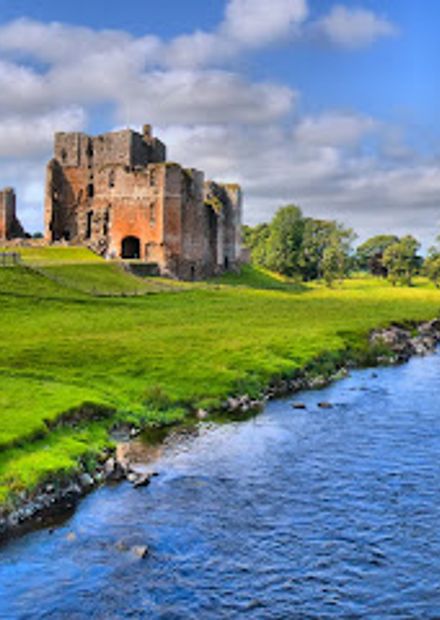
Brougham Castle travel guide
Explore the evocative ruins of Brougham Castle, a medieval fortress with Roman origins overlooking the Eden Valley in scenic Cumbria.
Tell me more about Brougham CastleMore to explore near Brougham Castle

 Best experiences near Brougham Castle
 Best hotels near Brougham Castle
 Best attractions near Brougham Castle
 Best shops near Brougham Castle
 Best bars near Brougham Castle
 Best restaurants near Brougham Castle
Explore more

Explore more of Cumbria
Discover the natural beauty and rich heritage of Cumbria, from the stunning Lake District to historic landmarks and vibrant local culture.
Explore Cumbria
Getting your guide ready…
We are putting together a fresh copy of the Brougham Castle guide. This can take up to a minute.
This can take a few moments. If your browser asks, choose Allow so the download can start. You'll find the guide in your Downloads folder.
Nothing happened? Download it again
Sorry, the guide is taking longer than usual. Please try again in a minute, or get it by email instead.