Background

Brancepeth Castle: A Majestic Medieval Fortress in County Durham

Step back over nine centuries at Brancepeth Castle, a majestic medieval fortress blending noble heritage, rebellion, and timeless stone grandeur in County Durham.

4.5

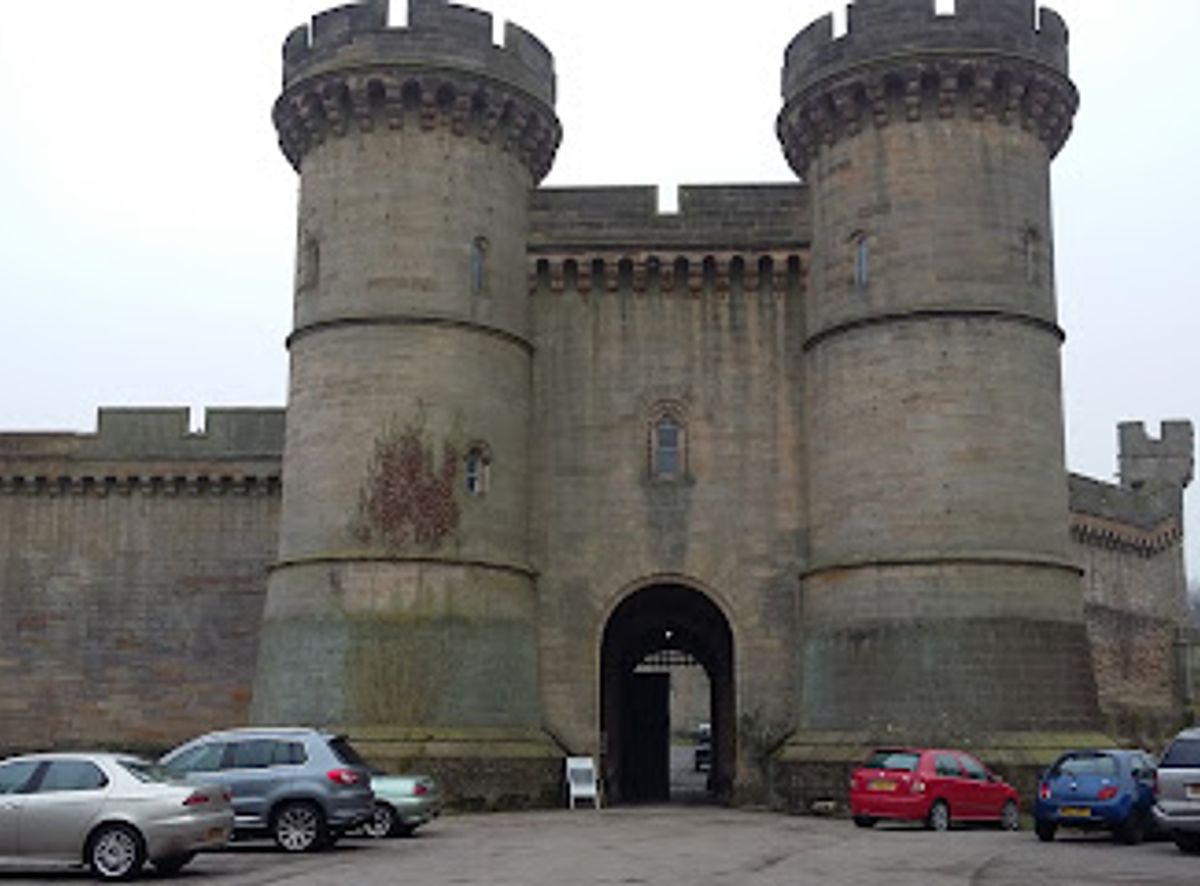
Brancepeth Castle, located in the village of Brancepeth near Durham, England, is a grand medieval fortress with origins dating back over nine centuries. Originally built by the Anglo-Saxon Bulmer family and later expanded by the powerful Neville family, the castle reflects a rich history of noble lineage, rebellion, and restoration. Today, it stands as a symbol of medieval heritage, offering visitors a glimpse into England’s turbulent past through its stone walls, historic rooms, and evocative atmosphere.

A brief summary to Brancepeth Castle

  • Durham, Brancepeth, DH7 8DF, GB
  • +441913789670
  • Visit website
  • Duration: 1 to 3 hours
  • Mid ranged
  • Environment icon Outdoor
  • Mobile reception: 4 out of 5

Local tips

  • Dress warmly when touring inside the castle, as thick stone walls keep interiors cool even on mild days.
  • Book guided tours in advance to benefit from expert insights and stories shared by knowledgeable guides.
  • Explore the castle’s medieval cellar, one of the largest and most atmospheric features on site.
  • Visit during special events like craft fairs or Shakespearean plays to experience the castle’s vibrant cultural life.
widget icon

Getting There

  • Train and Taxi

    From Durham city center, take a train to Durham Station (approximately 15 minutes). From there, a taxi ride to Brancepeth Castle takes about 15 minutes. Train tickets cost around £5-£10 one way, and taxis typically charge £15-£20.

  • Bus Service

    Regular bus services run from Durham Bus Station to Brancepeth village, with a journey time of about 30-40 minutes. Bus fares are approximately £3-£5 one way. Note that service frequency may be limited on weekends and holidays.

  • Car

    Driving from Durham city takes about 20 minutes via the A690 and local roads. Limited parking is available near the castle grounds. Note that the entrance path is unpaved, so care is needed for those with mobility issues.

Brancepeth Castle location weather suitability

  • Weather icon Any Weather
  • Weather icon Rain / Wet Weather
  • Weather icon Clear Skies
  • Weather icon Mild Temperatures

Unlock the Best of Brancepeth Castle

Buy tickets

    No tickets available

Book tours with entry

    No tours available

Book tours without entry

    No tours available

Discover more about Brancepeth Castle

Ancient Foundations and Noble Lineages

Brancepeth Castle’s story begins in the early medieval period, originally founded by the Anglo-Saxon Bulmer family. The last male heir’s daughter married Gilbert De Neuville, a Norman baron who accompanied William the Conqueror, thus passing the estate into the hands of the influential Neville family. The Nevilles, Earls of Westmorland, transformed the castle from a wooden motte-and-bailey into a formidable stone fortress in the 14th century, reflecting their status and power in northern England. The castle was a strategic stronghold during the Wars of the Roses and a center of regional influence for centuries.

Rebellion, Confiscation, and Changing Ownership

In 1569, Brancepeth Castle was confiscated by the Crown following the Neville family's involvement in the Rising of the North, a failed rebellion against Queen Elizabeth I. The castle then passed through various hands, including Robert Carr, Earl of Somerset, who lost it due to scandal, and later to Ralph Cole, a Newcastle MP. The estate also became linked to local lore through Sir Henry Bellaysyse’s daughter, who inspired the famous North Country song about Bobby Shafto. These transitions reflect the castle’s shifting fortunes amid England’s political and social upheavals.

19th-Century Transformation and Architectural Grandeur

In 1796, William Russell, a wealthy Sunderland banker and coal magnate, acquired Brancepeth Castle. His son Matthew Russell spearheaded extensive rebuilding in the early 19th century, employing architects John Paterson and Anthony Salvin to transform the medieval fortress into an elegant Regency residence. The renovations introduced hand-dressed masonry with distinctive diagonal lines and modern conveniences, turning the castle into a social and cultural hub. This period marks the castle’s evolution from a military bastion to a stately home reflecting industrial wealth and refined tastes.

Wartime Roles and 20th-Century Legacy

During World War I, Brancepeth Castle served as a convalescent hospital for wounded soldiers from Newcastle General Hospital. In the Second World War, it became the regimental headquarters for the Durham Light Infantry, with a military camp established nearby. Post-war, the castle remained in private hands but continued to play a role in regional heritage. Margaret Dobson’s restoration efforts in the late 20th century preserved the castle’s fabric and interiors, enabling it to host auctions, craft fairs, and cultural events, maintaining its living connection to history.

A Living Monument of Medieval England

Today, Brancepeth Castle stands as a Grade I listed building embodying over 900 years of English history. Visitors experience its atmospheric rooms, thick stone walls, and medieval cellar, all imbued with stories of noble families, rebellions, and wartime resilience. The castle’s blend of medieval architecture and 19th-century refinements offers a unique window into England’s past, while its ongoing restoration reflects a dedication to preserving this remarkable heritage site for future generations.

Surrounding Village and Cultural Context

The castle is set within the picturesque village of Brancepeth, known for its Norman church and quaint cottages. The village and castle together evoke a strong sense of place, enriched by local legends such as the Brancepeth Brawn, a mythical beast said to have roamed the area. Nearby historical sites like Auckland Castle and Raby Castle complement a visit, situating Brancepeth Castle within a broader tapestry of northern England’s medieval and industrial history.

Busiest months of the year

Busiest hours of the day

Popular Experiences near Brancepeth Castle

Popular Hotels near Brancepeth Castle

Select Currency