

Observation Hide, Durham Travel Guide
Free Guide: A peaceful, well-equipped birdwatching hide in Durham’s woodlands, perfect for observing red squirrels, woodpeckers, and woodland birds in a natural setting.


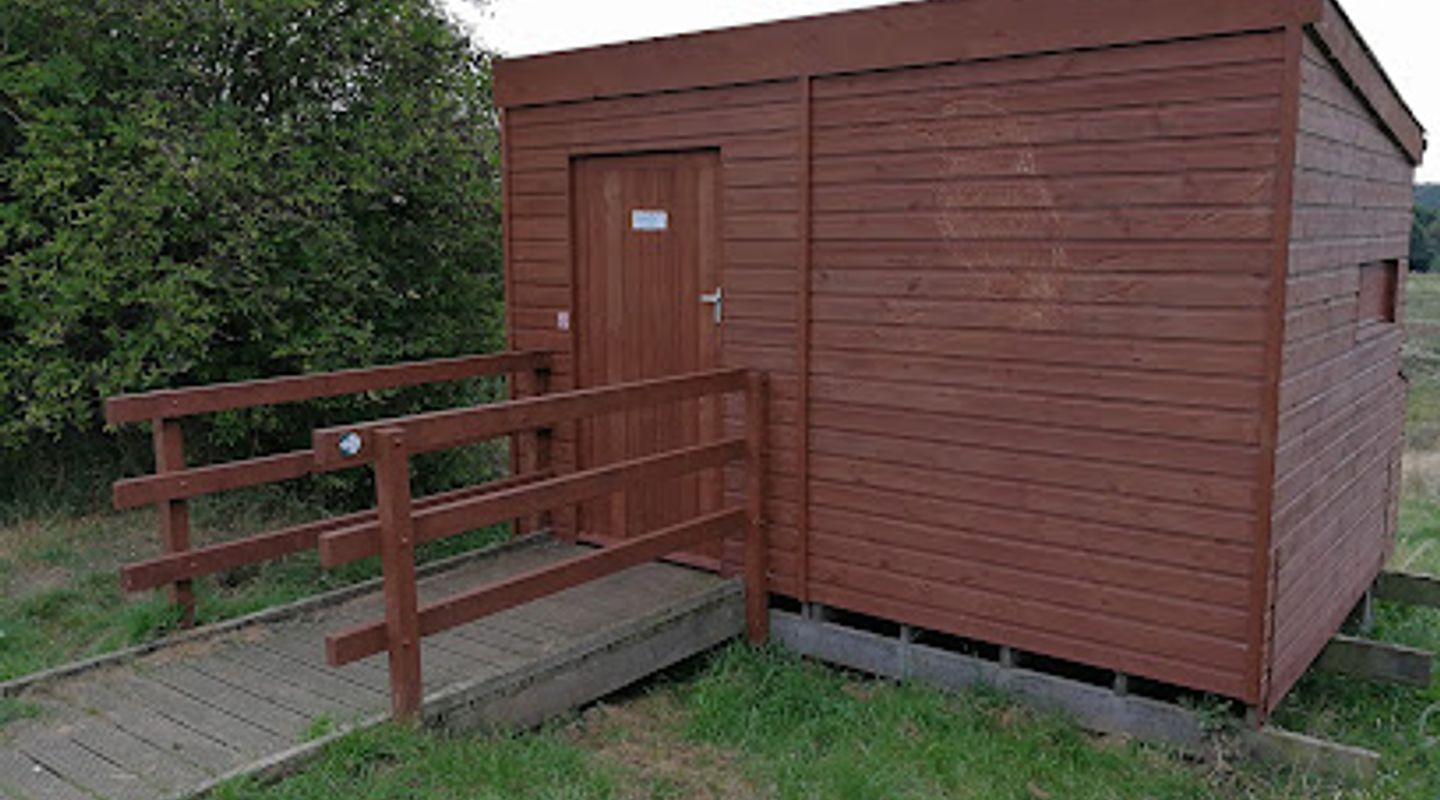
A brief summary of Observation Hide
A peaceful, well-equipped birdwatching hide in Durham’s woodlands, perfect for observing red squirrels, woodpeckers, and woodland birds in a natural setting.
Tucked away in the quiet countryside near Durham, Observation Hide is a purpose-built birdwatching hide offering a peaceful retreat into nature. Designed for wildlife enthusiasts and photographers, it provides a comfortable, well-equipped space to observe red squirrels, woodpeckers, nuthatches, and a variety of woodland birds in a natural setting. The hide is accessed via a short walk through woodland, with refreshments and thoughtful details that enhance the experience. It’s an ideal spot for a quiet day immersed in birdsong and forest life, away from the bustle of the city.
On-site amenities
 Restrooms
 Drink options
 Drinking water
 Food options
 Seating areas
 Sheltered areas
 Trash bins
 Information boards
Opening hours
- Every dayOpen 24 hours
Opening hours as listed on the venue’s Google Business Profile. Hours can change for services and special events, so check with the venue before you go.
- Address
- Unnamed Road, Durham DH1 3ST
Getting there
By car
On foot
Public transport
Discover more about Observation Hide
A Hidden Sanctuary in the Durham Woods
Nestled in the tranquil woodlands just outside Durham, Observation Hide is a carefully designed wildlife hide that blends into the forest landscape. It’s not a formal reserve or visitor centre, but a private, intimate space created for those who love to watch birds and small mammals in their natural habitat. The hide sits in a mature mixed woodland, where the sounds of woodpeckers drumming, nuthatches calling, and the occasional cuckoo drifting through the trees set the tone for a day of quiet observation. The surrounding trees and undergrowth provide cover for red squirrels, which are regular visitors, along with a variety of finches, tits, and other woodland species.
Design and Comfort for Patient Watching
The hide itself is modern, well-built, and thoughtfully laid out to maximise comfort and viewing opportunities. It features a combination of one-way mirrored windows and open, netted viewing sections at different heights, allowing photographers and birdwatchers to get clear, unobtrusive views without disturbing the animals. Inside, there are comfortable seating options, often including padded chairs, and some hides of this type provide camera gimbals or support rails for photographers. The interior is practical and clean, with space for a small group, and it’s common for such hides to include basic refreshments like tea, coffee, milk, and biscuits, making it a welcoming place even on cooler days.
Wildlife and the Rhythm of the Day
Red squirrels are often the star attraction, frequently seen foraging, caching nuts, and moving through the trees around the feeding area. They tend to be most active in the early morning and late afternoon, though one or two may appear throughout the day. Alongside them, a variety of birds visit the feeders and surrounding trees: greater spotted woodpeckers, nuthatches, siskins, redpolls, and great spotted woodpeckers are all typical. The exact mix of species will vary with the season, but the constant background of birdsong and the sudden flash of colour as a bird lands nearby make for a rich and rewarding experience. The hide is positioned so that the sun is often behind the observer, which is ideal for photography and comfortable viewing.
Practical Details and the Visitor Experience
Access to the hide is usually arranged in advance, with visitors meeting a guide or host at a nearby car park or access point. From there, it’s a short walk through the woodland, often crossing a small stream or ford on stepping stones. Visitors are typically asked to remove their boots before entering the hide to keep the interior clean, and footwear is placed on a tray provided. The hide is left with a supply of seeds and nuts, so visitors can replenish feeders if needed, but the emphasis is on quiet, respectful observation rather than heavy intervention. Because it’s a private, managed hide, opening times and access are not fixed in the same way as a public park; booking in advance is essential.
When to Visit and What to Expect
Early morning is often the best time to visit, when woodland birds are most active and red squirrels are busy foraging. The hide can be used throughout the day, but the busiest wildlife activity tends to taper off in the early afternoon. The experience is ideal for photographers, birdwatchers, and anyone seeking a peaceful day in nature, but it’s less suited to very young children or those expecting a highly structured, interactive attraction. The focus is on stillness, patience, and immersion in the natural world, with the reward of close, unobtrusive views of some of Britain’s most charismatic woodland species.
Evendo Review Centre
 Google
Guest reviews
Best time to go
Quietest: Jan, Feb & Dec · before 6am or from 9pm
Busy times are Evendo estimates for a typical year, to help you plan. Actual crowds vary with events, school holidays and the weather.
Explore Observation Hide on the map
A handpicked selection of must-see spots near Observation Hide, mapped for you.
Get your free copy of our complete guide to Observation Hide, delivered straight to you.
Everything on this page, from opening hours and how to get there to Eve’s tips and the best time to go, in one PDF you can read offline, print or share.
Already have an account? Sign in
Your Observation Hide guide is ready.
We'll send it to · Not you? Sign out

Getting your guide ready…
We are putting together a fresh copy of the Observation Hide guide. This can take up to a minute.
This can take a few moments. If your browser asks, choose Allow so the download can start. You'll find the guide in your Downloads folder.
Nothing happened? Download it again
Sorry, the guide is taking longer than usual. Please try again in a minute, or get it by email instead.
Other nearby places you may find interesting
The closest places of the same kind, if this one is not quite what you had in mind.
-
Oriental Museum Britain's premier North East museum of Asian and North African art and archaeology, offering free admission and world-class collections.
-
Botanic Garden Twenty-five acres of global botanical diversity, art, and woodland tranquility minutes from Durham city centre.
-
Finchale Priory Explore the serene 13th-century ruins of Finchale Priory, a riverside medieval retreat steeped in history and surrounded by tranquil woodlands.
-
Museum of Archaeology • Durham University Explore northeast England’s ancient past in a historic university library at the heart of Durham’s UNESCO World Heritage Site.
-
Old Durham Gardens A peaceful 17th-century walled garden and orchard beside the River Wear, open 24/7 with special afternoons in the upper garden from April to September.
Swipe for more places
More to explore near Observation Hide

 Best experiences near Observation Hide
 Best hotels near Observation Hide
 Best landmarks near Observation Hide
 Best attractions near Observation Hide
 Best shops near Observation Hide
 Best restaurants near Observation Hide
 Best bars near Observation Hide
Do you manage this location?
Take control to get all the benefits, like improved information, better appearance, and stronger visibility across AI-powered discovery.
Explore more

Explore more of Durham
Discover the unique blend of history and modernity in Durham. From the iconic Cathedral in England to the vibrant innovation hub in North Carolina.
Explore Durham
Explore more of United Kingdom
Discover the United Kingdom: A blend of rich history, stunning landscapes, and vibrant cities, offering a unique travel experience for every visitor.
Explore United Kingdom
