Duddingston Kirk, Edinburgh Travel Guide
Explore one of Edinburgh’s oldest Norman churches, set beside a tranquil loch with nearly 900 years of rich history and stunning medieval architecture.
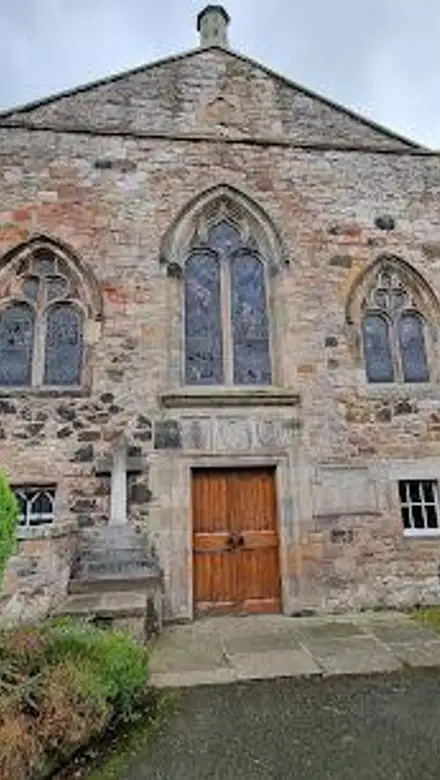
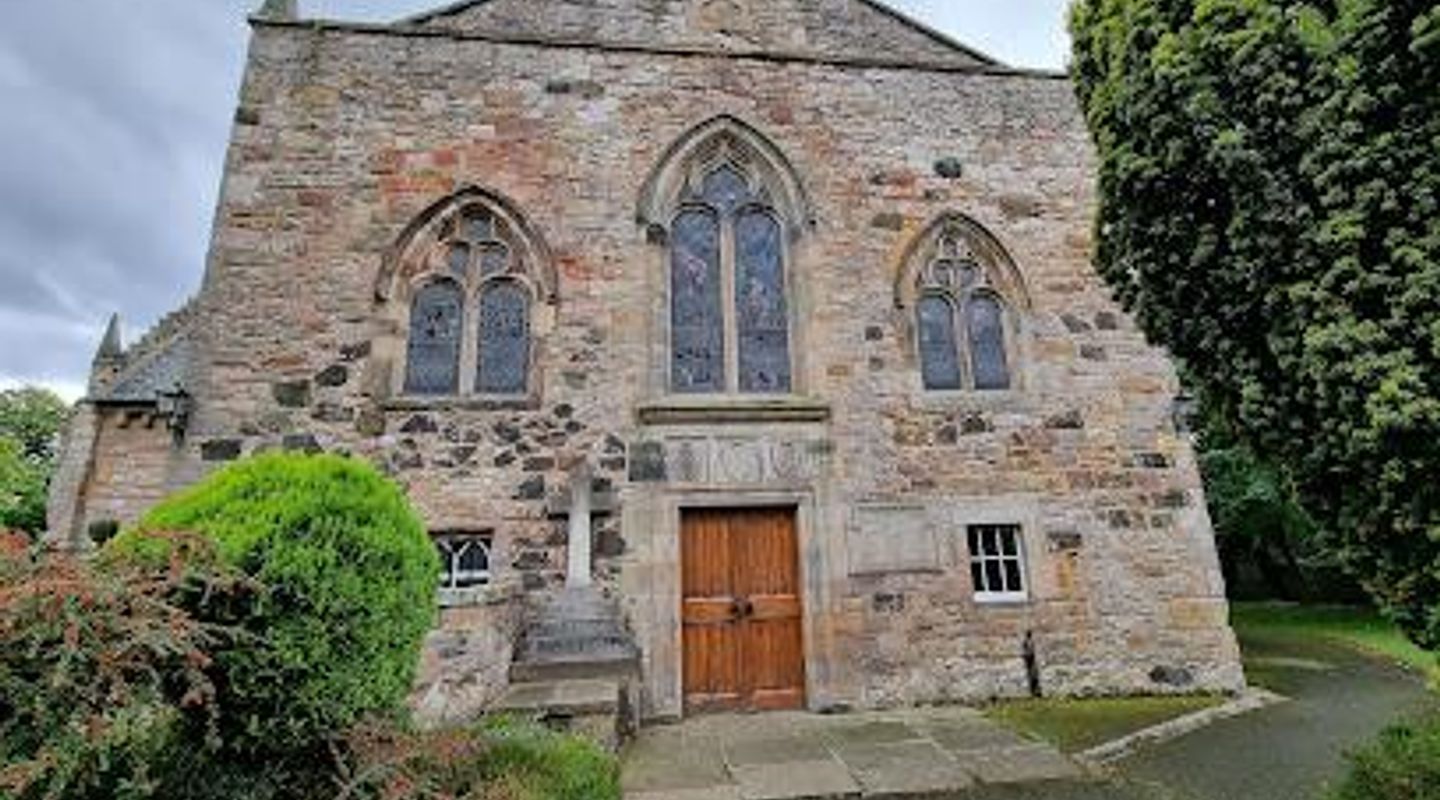
Duddingston Kirk, located on the southeastern slopes of Arthur’s Seat in Edinburgh, is one of Scotland’s oldest churches still in use, with origins dating back to the early 12th century. This Norman-style church overlooks the tranquil Duddingston Loch and features remarkable medieval architecture, including a preserved Norman arch and historic extensions from the 17th and 19th centuries. It remains an active place of worship and a site rich in cultural heritage.
A brief summary to Duddingston Kirk
- 5 Old Church Ln, Edinburgh, Duddingston, EH15 3PX, GB
- Click to display
- Click to display
- Duration: 0.5 to 2 hours
- Free
-
 Outdoor
- Mobile reception: 4 out of 5
- Monday 10 am-6 pm
- Tuesday 10 am-6 pm
- Wednesday 10 am-6 pm
- Thursday 10 am-6 pm
- Friday 10 am-6 pm
- Saturday 10 am-6 pm
- Sunday 10 am-6 pm

Know before you go
Hi, I'm Eve. Here are a few practical things to know before exploring Duddingston Kirk.
- Visit during daylight hours to fully appreciate the Norman arch and the detailed stonework inside the kirk.
- Combine your visit with a walk around Duddingston Loch for scenic views and a connection to the area’s Bronze Age past.
- Check the kirk’s website for special events or services, including occasional use as a venue during the Edinburgh Festival Fringe.
- Bring a camera to capture the picturesque setting of the kirk against Arthur’s Seat and the loch.
- Respect the active worship space by observing silence and appropriate behavior during services.
Do you manage this location?
Take control to get all the benefits, like improved information, better appearance, and stronger visibility across AI-powered discovery. Learn more about listing your business on Evendo
Activate your presenceOther nearby places you may find interesting
The closest places of the same kind, if this one is not quite what you had in mind.
Explore Duddingston Kirk on the Map
A handpicked selection of must-see spots near Duddingston Kirk, mapped for you.
Unlock the Best of Duddingston Kirk
Buy tickets
-
No tickets available
Book tours with entry


Book tours without entry
-
No tours available
Getting There
-
Bus
Take Lothian Buses routes 8 or 44 from central Edinburgh to Duddingston village; the journey typically takes 25–35 minutes. From the bus stop, it is a 10-minute walk along Old Church Lane to the kirk. Buses run frequently but check schedules for weekend service variations. Tickets cost around £2–£4.
-
Train and Walk
Use ScotRail services to Duddingston & Craigmillar station from Edinburgh Waverley; the train ride is approximately 7 minutes. From the station, it is a 20-minute walk to Duddingston Kirk through residential areas and gentle slopes. The walk is accessible but may be challenging for those with mobility issues.
-
Car
Driving from central Edinburgh takes about 15 minutes via London Road (A1). Limited street parking is available near Old Church Lane, but be mindful of residential restrictions. Parking is free but spaces are scarce, especially on weekends.
For the on-the-go comforts that matter to you
-
 Restrooms
-
 Seating Areas
-
 Information Boards
Discover more about Duddingston Kirk
Ancient Foundations and Norman Craftsmanship
Duddingston Kirk stands as a testament to nearly 900 years of Scottish ecclesiastical history. Established in the early 12th century, the church’s Norman architecture is evident in its original south wall and the iconic Norman arch that separates the nave from the chancel. This arch, adorned with a chevron design and masons’ marks, hints at the skilled craftsmanship of medieval stonemasons. The church was originally built on an east–west axis, comprising a chancel, nave, and square tower, with the chancel’s wooden beams believed to date back to the 12th century.Historical Evolution and Architectural Additions
Over centuries, Duddingston Kirk has evolved to meet the needs of its parishioners. In 1631, the north wall of the nave was removed to create the Prestonfield Aisle, an extension funded by Sir James Hamilton of Prestonfield. This addition included a gallery and burial vaults, reflecting the growth of the local community. The 19th century brought further enhancements, including the addition of a bell tower and a small gallery in 1825. These layers of architectural development showcase the church’s continuous adaptation while preserving its medieval character.Setting and Surroundings: A Scenic Sanctuary
Perched on a promontory overlooking Duddingston Loch, the kirk enjoys a serene setting beneath the extinct volcano of Arthur’s Seat. The loch itself is historically significant, once the site of a Bronze Age lake village, adding depth to the church’s landscape. Visitors experience a peaceful atmosphere enhanced by the natural beauty surrounding the church, making it a contemplative spot for reflection and appreciation of Scotland’s heritage.Cultural Significance and Notable Associations
Duddingston Kirk is not only a place of worship but also a cultural landmark. The novelist Sir Walter Scott was ordained an elder here in 1806, linking the church to Scotland’s literary history. Additionally, the kirk has served as a venue during the Edinburgh Festival Fringe, bridging its medieval roots with contemporary cultural life. Its continued use for regular worship highlights its enduring role in the community.Architectural Highlights and Interior Features
Inside, the kirk reveals features such as the remnants of the Rood Screen supported by the Norman arch’s pillars, which historically separated the congregation from the altar. The chancel’s stonework was restored to expose the original sandstone, and traces of the Laird’s Loft and blocked doorways offer glimpses into past ecclesiastical practices. The Prestonfield Aisle’s gallery and vestibule add to the church’s layered interior, reflecting centuries of religious and social history.Visitor Experience and Contemporary Worship
Today, Duddingston Kirk welcomes visitors and worshippers alike, inviting them to enter as guests into a space steeped in history. The church’s tranquil environment, combined with its rich architectural heritage and scenic views, provides a unique experience that connects past and present. Whether attending a service or exploring its historic fabric, visitors gain insight into Scotland’s medieval ecclesiastical traditions and community life.












Your all‑in‑one travel companion app
Explore expert travel guides, compare and book tours, experiences, hotels, and more—all from the palm of your hand. Download now for seamless trip planning wherever your wanderlust takes you.


Explore More of Edinburgh
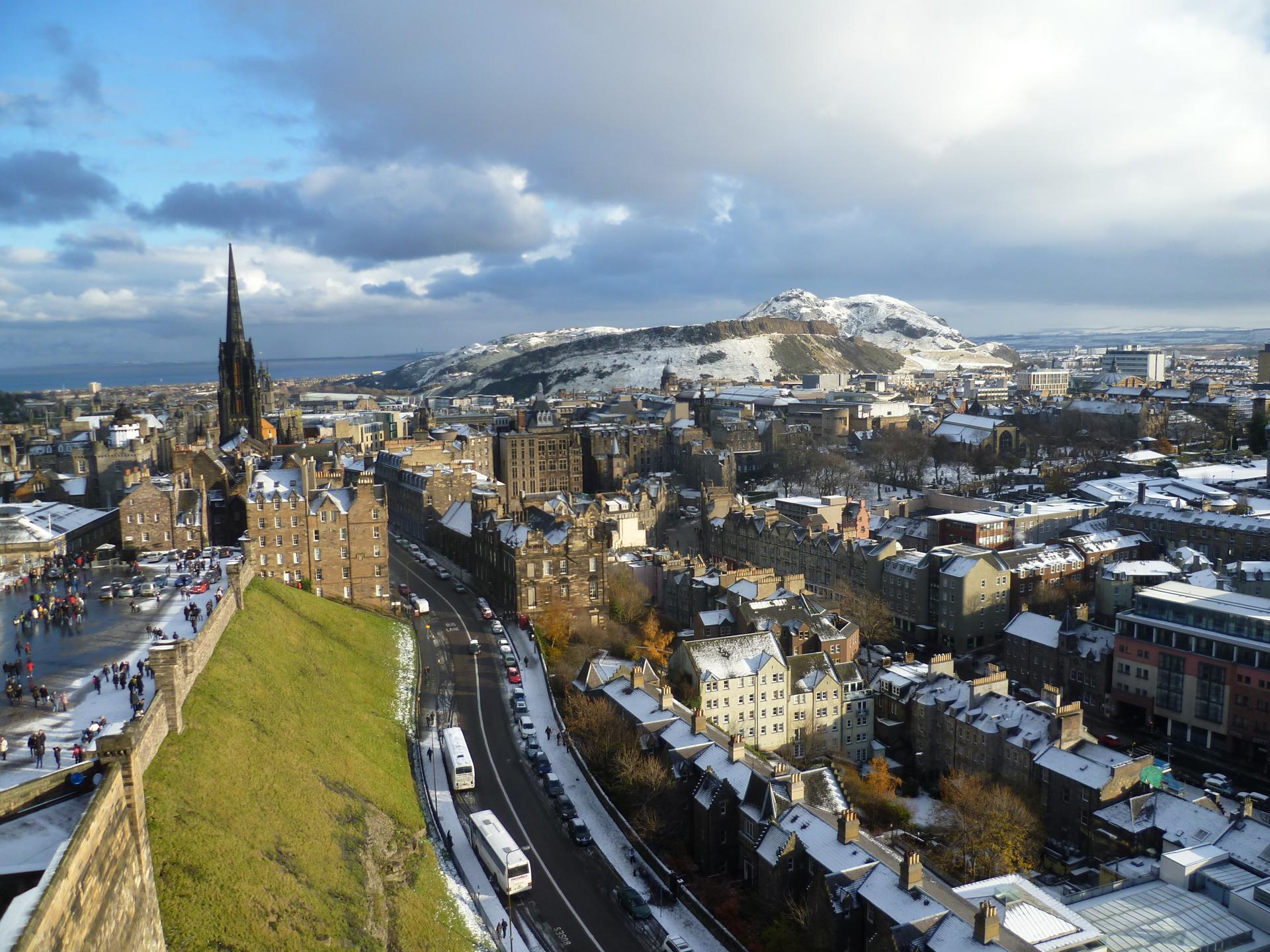
Looking beyond Duddingston Kirk? Discover Edinburgh for broader travel guides, local hot-spots, and regional highlights.
Explore Edinburgh