
The Witches Well, Edinburgh Travel Guide
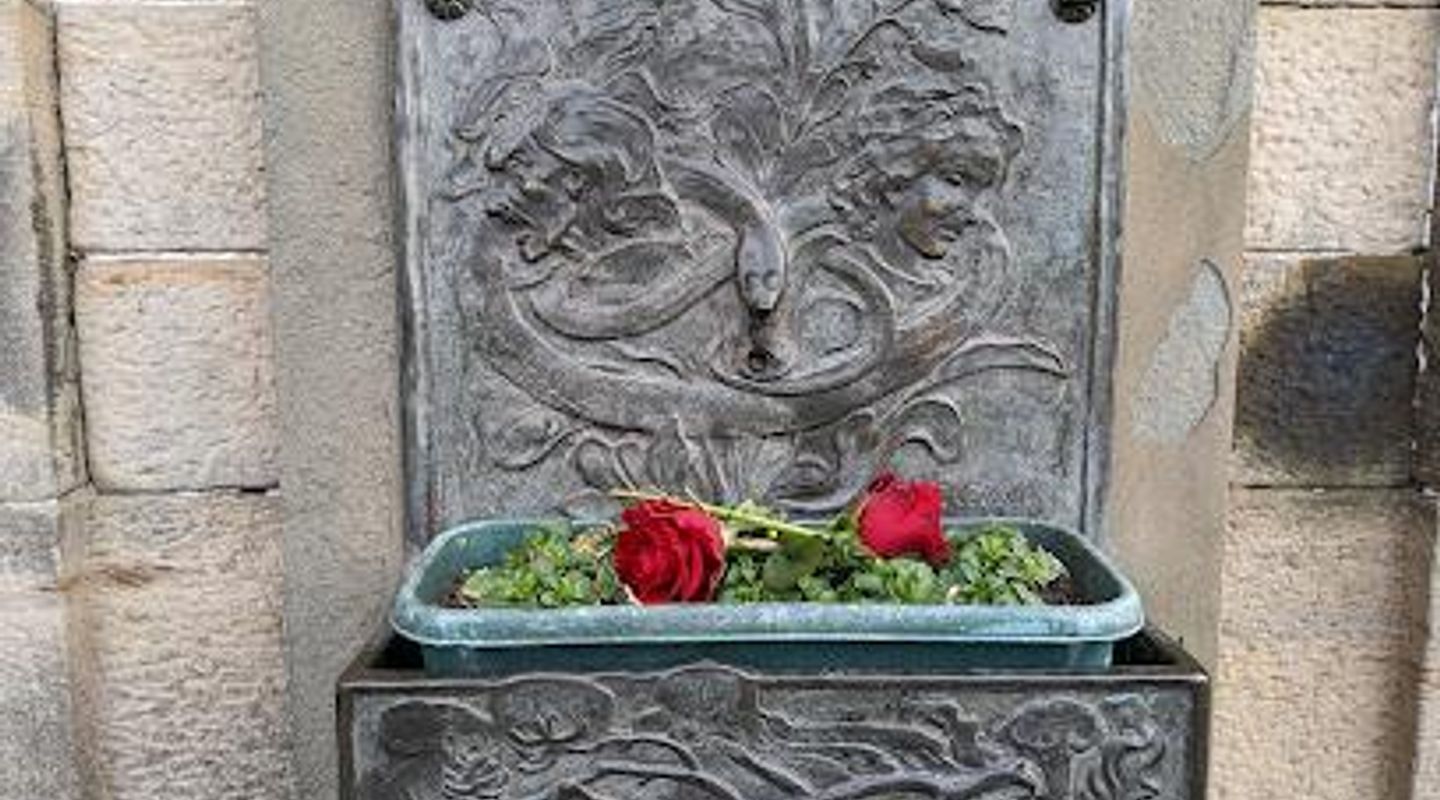
A haunting cast iron memorial beneath Edinburgh Castle honoring the victims of Scotland’s historic witch trials.
Nestled at the foot of Edinburgh Castle’s esplanade, The Witches' Well is a poignant cast iron monument commemorating the hundreds of Scottish women accused and executed for witchcraft between the 15th and 18th centuries. Featuring symbolic bronze reliefs and an inscription, it serves as a somber reminder of Scotland’s dark history of witch trials and reflects on the victims’ tragic fates.
A brief summary to The Witches Well
- Edinburgh, Edinburgh, GB
- Duration: 0.25 to 0.75 hours
- Free
-
 Outdoor
- Mobile reception: 4 out of 5
- Monday 10 am-6 pm
- Tuesday 10 am-6 pm
- Wednesday 10 am-6 pm
- Thursday 10 am-6 pm
- Friday 10 am-6 pm
- Saturday 10 am-6 pm
- Sunday 10 am-6 pm

Know before you go
Hi, I'm Eve. Here are a few practical things to know before exploring The Witches Well.
- Visit during daylight hours to fully appreciate the intricate bronze relief details.
- Combine your visit with Edinburgh Castle and the Royal Mile for a rich historical experience.
- Take a moment to reflect quietly at the memorial, as it honors a tragic chapter in Scottish history.
- Look closely for the symbolic elements like the serpent, foxglove, and the two contrasting heads.
Do you manage this location?
Take control to get all the benefits, like improved information, better appearance, and stronger visibility across AI-powered discovery. Learn more about listing your business on Evendo
Activate your presenceOther nearby places you may find interesting
The closest places of the same kind, if this one is not quite what you had in mind.
Explore The Witches Well on the Map
A handpicked selection of must-see spots near The Witches Well, mapped for you.
Unlock the Best of The Witches Well
Buy tickets
-
No tickets available
Book tours with entry


Getting There
-
Bus
Take Lothian Buses routes 3, 27, or 41 to the Castlehill stop near Edinburgh Castle. The journey from Princes Street takes about 10-15 minutes. Buses run frequently throughout the day with fares around £1.80 to £2.50.
-
Tram
Use the Edinburgh Trams service to the Princes Street stop, then walk approximately 10 minutes uphill to the Castle Esplanade where The Witches' Well is located. Tram fares are about £6 for a single journey from the airport.
-
Walking
From Edinburgh city center, walk 15-20 minutes along the Royal Mile uphill to Edinburgh Castle’s esplanade. The route is paved but includes some inclines; suitable for most visitors with moderate mobility.
For the on-the-go comforts that matter to you
-
 Information Boards
-
 Seating Areas
-
 Restrooms
-
 Drink Options
-
 Food Options
Discover more about The Witches Well
A Somber Tribute at Edinburgh Castle Esplanade
The Witches' Well is a modest yet deeply meaningful monument located on the lower esplanade wall beneath Edinburgh Castle, near the Royal Mile. Commissioned in 1894 by Sir Patrick Geddes and designed by artist John Duncan, this cast iron fountain stands near the very site where many accused witches were executed by burning or hanging during Scotland’s intense witch hunts. Though small and easy to overlook amid the grandeur of the castle, the memorial’s detailed bronze reliefs and inscriptions evoke the tragic legacy of those who suffered under fear and superstition.Symbols of Witchcraft and Duality
The monument’s bronze artwork is rich with symbolism. It features serpents representing wisdom and evil, foxglove plants associated with healing and witchcraft, and an owl symbolizing night-time activities. Two heads dominate the relief: one serene and beautiful, representing innocence and misunderstood knowledge, and the other a wicked old crone, symbolizing the feared ‘evil’ witch. The inscription reflects this duality, acknowledging that some accused witches were thought to use their knowledge for harm while others sought only to heal or protect. Roman numerals mark the years 1479 and 1722, framing the period when witch trials were most prevalent in Scotland.Historical Context of Scotland’s Witch Hunts
Between the 15th and 18th centuries, Scotland was gripped by widespread witch hunts, with an estimated 3,000 to 4,000 people—mostly women—tortured, tried, and executed for alleged witchcraft. Edinburgh’s Castlehill was a notorious execution site, where many met their deaths amid brutal trials fueled by fear and religious zealotry. King James VI’s obsession with witchcraft, sparked by storms during his voyage from Denmark and the infamous North Berwick Witch Trials, intensified persecution. The Witches’ Well stands as a solemn reminder of this grim chapter in Scottish history.Artistic and Cultural Significance
Designed by John Duncan, a notable Victorian artist and friend of Geddes, the Witches’ Well combines art with historical memory. The fountain once spouted water beneath the snake’s head, symbolizing cleansing and renewal, though it is no longer operational. The plaque installed in 1912 adds interpretative context, though modern historians critique some of its assumptions about witches’ knowledge and intentions. Despite this, the monument remains a rare and powerful cultural landmark, encouraging reflection on past injustices and the evolution of societal attitudes toward fear and prejudice.Modern Reflections and Memorial Efforts
Today, The Witches’ Well is both a tourist attraction and a place of remembrance. It invites visitors to contemplate the tragic consequences of superstition and injustice. There have been calls for a national memorial and official pardons for those persecuted, underscoring the continuing relevance of this history. The well’s discreet location near Edinburgh Castle’s entrance means it often surprises those who discover it, offering a quiet space for reflection amid the bustling city.Visiting and Appreciating the Site
Though small, The Witches’ Well’s intricate design and profound symbolism reward close attention. Its proximity to Edinburgh Castle and the Royal Mile makes it accessible to visitors exploring the city’s historic heart. The monument’s evocative imagery and inscription invite contemplation of Scotland’s complex past, making it an essential stop for those interested in history, art, and cultural memory.












Your all‑in‑one travel companion app
Explore expert travel guides, compare and book tours, experiences, hotels, and more—all from the palm of your hand. Download now for seamless trip planning wherever your wanderlust takes you.


Explore More of Edinburgh
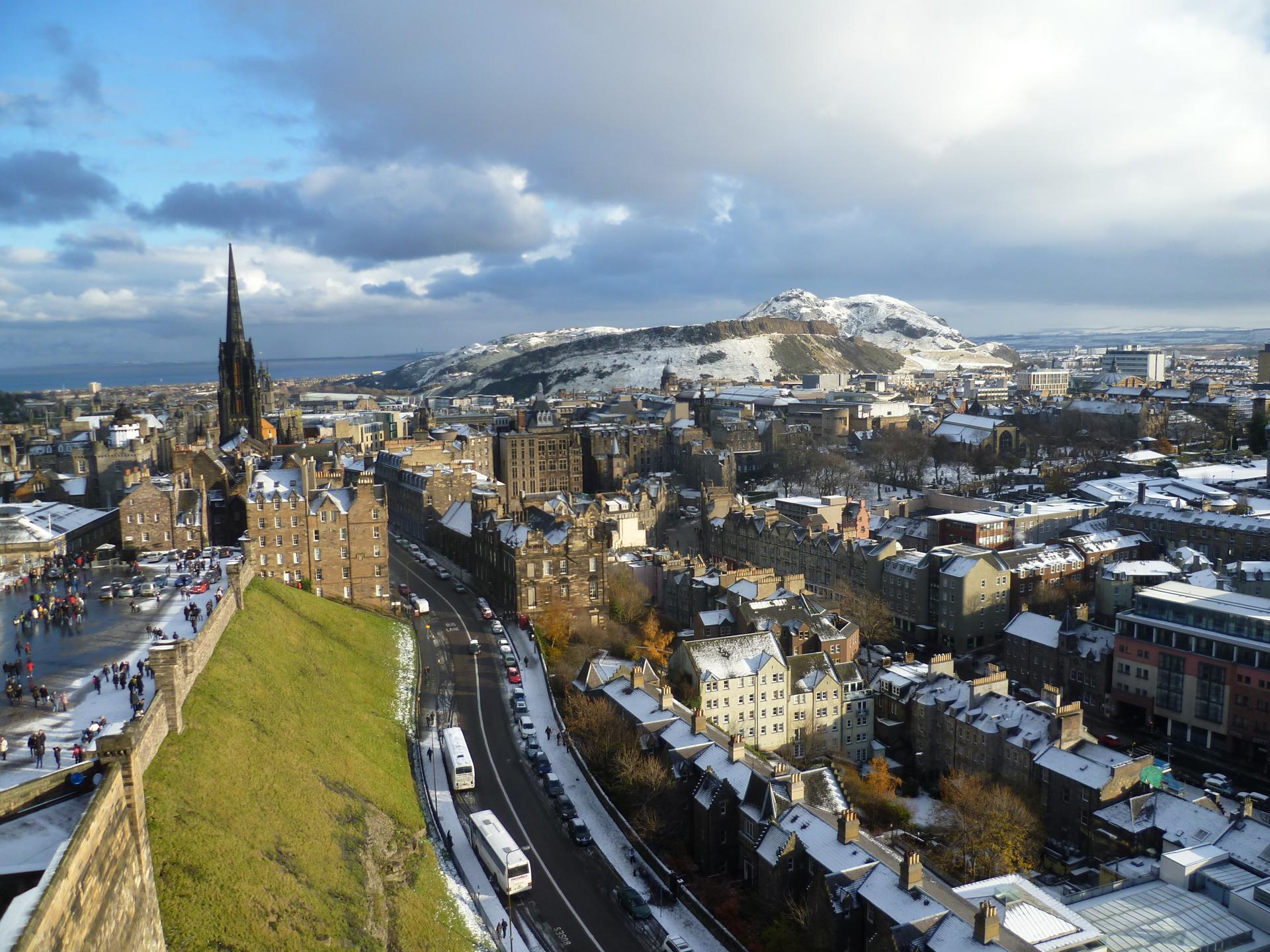
Looking beyond The Witches Well? Discover Edinburgh for broader travel guides, local hot-spots, and regional highlights.
Explore Edinburgh
A modest stone tribute nestled in Edinburgh’s Princes Street Gardens celebrating the enduring legacy of Robert Louis Stevenson.
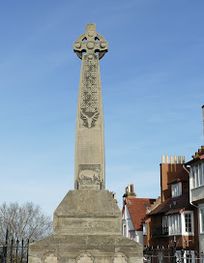
A Victorian-era Celtic cross honouring Scottish soldiers from the 1857 Indian Rebellion, set on Edinburgh Castle's historic esplanade.
