
Princess Louise, London Travel Guide
London's most exquisite Victorian gin palace, where 1891 opulence meets authentic heritage hospitality.
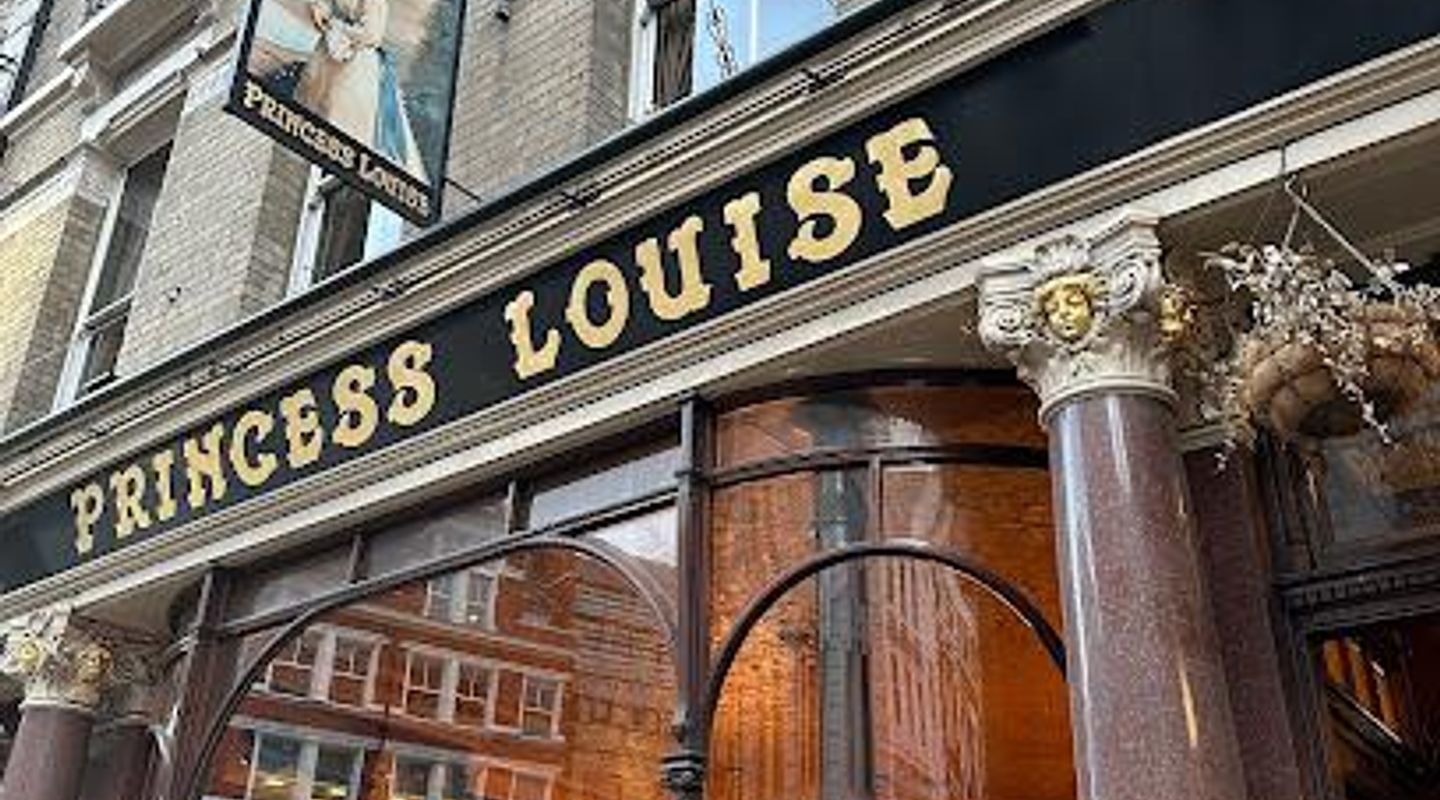
A Grade II-listed Victorian pub built in 1872 on High Holborn, the Princess Louise is one of London's finest surviving examples of 19th-century public house design. Its opulent interior features ornate mirrors, intricate tilework, mahogany partitions with etched glass screens, and a striking central island bar. Named after Queen Victoria's artistic daughter, this Sam Smith's establishment preserves seven intimate drinking spaces and maintains authentic period charm while serving traditional British fare.
A brief summary to Princess Louise
- 208 High Holborn, London, WC1V 7EP, GB
- Click to display
- Duration: 0.75 to 2.5 hours
- Budget
-
 Indoor
- Mobile reception: 4 out of 5
- Monday 12 pm-11 pm
- Tuesday 12 pm-11 pm
- Wednesday 12 pm-11 pm
- Thursday 12 pm-11 pm
- Friday 12 pm-11 pm
- Saturday 12 pm-11 pm
- Sunday 12 pm-11 pm

Know before you go
Hi, I'm Eve. Here are a few practical things to know before exploring Princess Louise.
- Arrive early in the afternoon for a quieter experience and better chance of securing one of the seven intimate snugs partitioned by mahogany and etched glass.
- Do not miss the Grade II-listed urinals—they are architectural features worthy of inspection and represent authentic Victorian craftsmanship.
- Use the discreet stairway to the right of the entrance to access the upstairs function room and dining area, avoiding the crowded main bar.
- Respect the pub's no-swearing and no-mobile-phone policies; these rules preserve the contemplative Victorian atmosphere that makes the space special.
- Study the tilework, mirrors, and etched glasswork in detail—each element represents the craftsmanship of Victorian artisans and tells the story of 19th-century design.
Do you manage this location?
Take control to get all the benefits, like improved information, better appearance, and stronger visibility across AI-powered discovery. Learn more about listing your business on Evendo
Activate your presenceOther nearby places you may find interesting
The closest places of the same kind, if this one is not quite what you had in mind.
Explore Princess Louise on the Map
A handpicked selection of must-see spots near Princess Louise, mapped for you.
Unlock the Best of Princess Louise
Buy tickets
-
No tickets available
Book tours with entry


Book tours without entry

Getting There
-
London Underground
Holborn station on the Central and Piccadilly lines is approximately 150 metres away. Exit via the Kingsway exit and follow High Holborn eastbound; the Princess Louise is located at number 208. Journey time from central London zones typically ranges from 10–20 minutes depending on your starting point. Trains run every 2–5 minutes during peak hours.
-
Bus
Multiple bus routes serve High Holborn, including routes 8, 25, 38, 55, and 242. Journey times vary from 15–40 minutes depending on traffic and your starting location. Buses run frequently throughout the day, typically every 5–15 minutes. The nearest bus stops are directly outside or within 50 metres of the pub.
-
Walking
The Princess Louise is centrally located on High Holborn between Chancery Lane and Drury Lane. Walking from Covent Garden takes approximately 10–12 minutes; from the British Museum approximately 12–15 minutes; from Leicester Square approximately 8–10 minutes. The area is flat and well-lit with clear pavements, making it accessible for most mobility levels.
-
Taxi or Ride-Hailing
Taxis and ride-hailing services (Uber, Bolt) are readily available throughout central London. Journey times from nearby attractions typically range from 5–15 minutes depending on traffic. Fares vary but expect approximately £8–20 from nearby central London locations. High Holborn has taxi ranks and designated drop-off points.
For the on-the-go comforts that matter to you
-
 Restrooms
-
 Drink Options
-
 Food Options
-
 Seating Areas
-
 Information Boards
Princess Louise location weather suitability
-
 Any Weather
Discover more about Princess Louise
A Victorian Masterpiece Frozen in Time
Built in 1872 and completely remodelled in 1891, the Princess Louise stands as one of London's most splendid surviving examples of Victorian gin palace architecture. The exterior presents a modest Italianate facade, but stepping through its doors transports visitors into an era of theatrical grandeur and meticulous craftsmanship. The interior was designed by the otherwise obscure architect Arthur Chitty, whose vision created a space of such sumptuous fantasy that it remains virtually unchanged more than a century later. Every architectural element—from the soaring ceilings to the marble counters—speaks to the ambitions of Victorian publicans who viewed their establishments as palaces for ordinary people.The Artistry of Materials and Design
The pub's decorative scheme represents the pinnacle of Victorian decorative arts. Tiles by W. B. Simpson & Sons cover walls and floors in intricate patterns, while etched glasswork signed by R. Morris and Son adorns the mahogany partitions that divide the space. Enormous engraved and gilt mirrors reflect light throughout the interior, amplifying the sense of space and luxury. Portland stone columns support an ornate crimson and gold ceiling, and the bar itself features a distinctive U-shaped island counter that allowed Victorian staff to move efficiently among patrons. The Grade II-listed urinals are themselves architectural curiosities, worthy of inspection for their period authenticity and decorative detail.Seven Intimate Drinking Spaces
The pub's most distinctive feature is its division into seven separate drinking areas, each originally designed to serve different clientele and occasions. These spaces are separated by mahogany partitions with decorative etched glass panels, creating a labyrinthine layout that feels both intimate and theatrical. During the mid-20th century, these internal screenwork dividers were removed, fundamentally altering the pub's character. In 2008, Sam Smith's undertook an expensive and meticulous restoration, reinstating the lost partitions based on surviving etched glazing and historical interior plans. This restoration returned the pub to its original Victorian configuration, creating snugs and small bars at the front, rear, and sides that provide secluded corners for quiet conversation or contemplation.The Royal Connection and Historical Significance
The pub takes its name from Princess Louise, the sixth child and fourth daughter of Queen Victoria and Prince Albert. Born in 1848, Princess Louise was an accomplished artist and sculptor whose talents earned her the unofficial position of secretary to her mother between 1866 and 1871. She was known as the Queen's most beautiful daughter and was regarded as something of a character—a woman who enjoyed smoking, dabbled in nude painting, and was frequently the subject of court gossip. Her marriage to the future Duke of Argyll in 1871 marked a turning point in her life, and the pub's construction the following year may have been intended as a tribute to this notable royal figure. Princess Louise died in 1939, having left an indelible mark on Victorian society and the artistic world.A Living Heritage Pub
As a Sam Smith's tied house, the Princess Louise maintains strict policies that reflect its historical character: no swearing, no mobile phones, and no live music or televisions. These rules preserve the contemplative atmosphere that distinguishes it from modern pubs. The establishment serves food from lunchtime, with a menu that balances traditional British fare—steak and kidney pudding, bangers and mash—alongside more contemporary dishes. A large function room upstairs, accessible via a discreet stairway, provides additional dining and event space. The pub's location on High Holborn places it within walking distance of London's Theatreland, the Courts of Justice, and historic Fleet Street, ensuring that its walls have absorbed countless conversations and stories across nearly 150 years.The Experience of Authentic Victorian Leisure
Visiting the Princess Louise offers a rare opportunity to experience Victorian public life as it was genuinely lived. The pub's segregated rooms, each with direct access to the marble-effect bar, allow visitors to choose their level of social engagement—from the bustling central bar to quiet corners where solitude and reflection are cherished. Early arrival is advisable for securing one of the highly prized snugs, particularly during peak hours. The pub's popularity with both locals and visitors means it can become crowded, yet even at capacity it maintains an air of civility and quiet respect. Timing a visit for early afternoon offers the possibility of experiencing the pub in relative tranquility, when only the occasional clink of glassware breaks the silence and the full architectural splendour can be properly appreciated.












Your all‑in‑one travel companion app
Explore expert travel guides, compare and book tours, experiences, hotels, and more—all from the palm of your hand. Download now for seamless trip planning wherever your wanderlust takes you.


Explore More of London
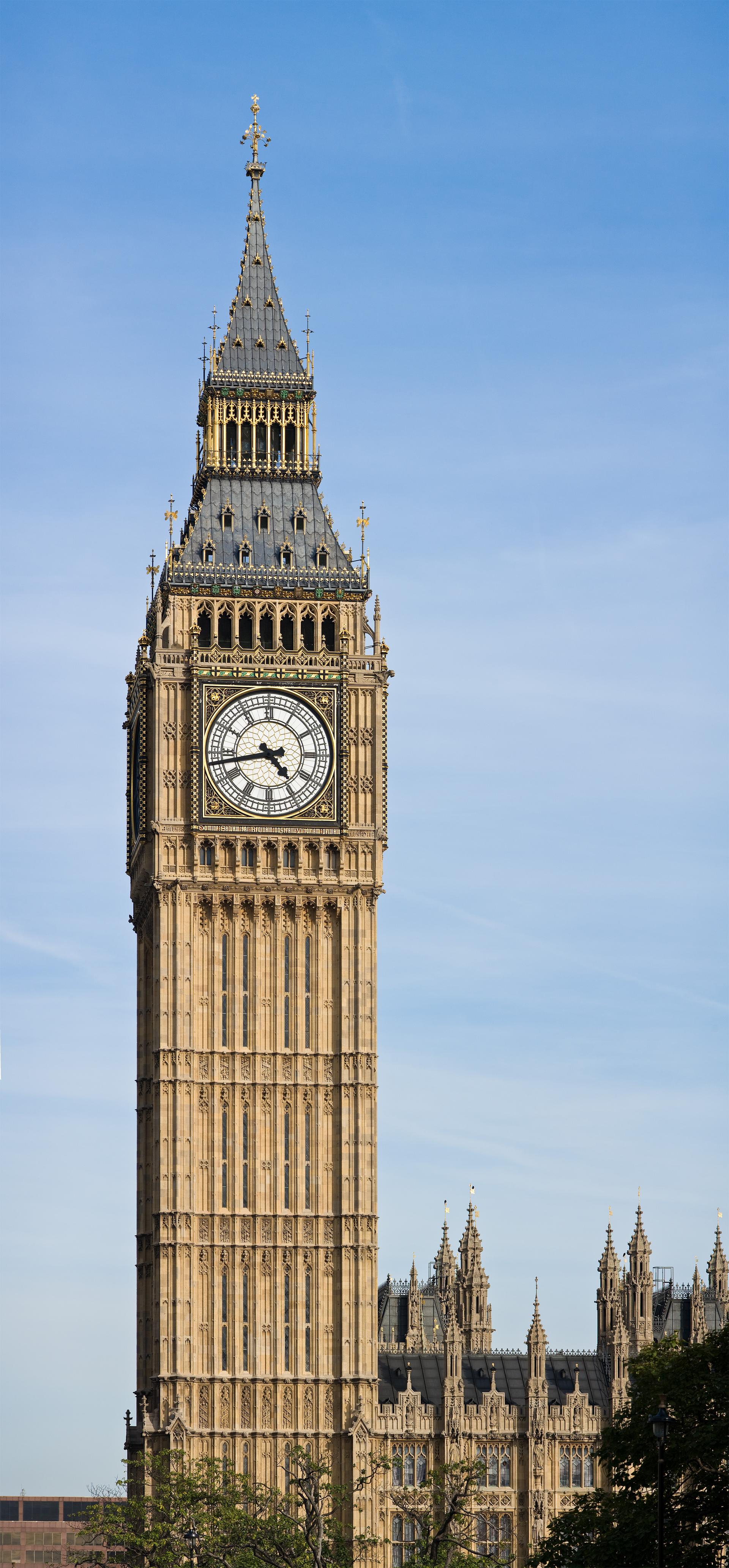
Looking beyond Princess Louise? Discover London for broader travel guides, local hot-spots, and regional highlights.
Explore London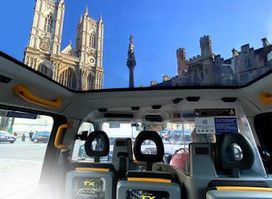
Discover London’s rich history and iconic landmarks in a traditional black taxi with Visit London Taxi Tours, where every ride is a unique adventure.
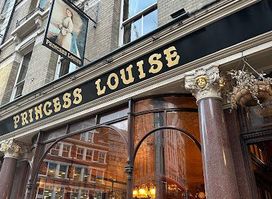
Experience the rich history and vibrant atmosphere of Princess Louise, a must-visit gastropub in London's Holborn district.
