
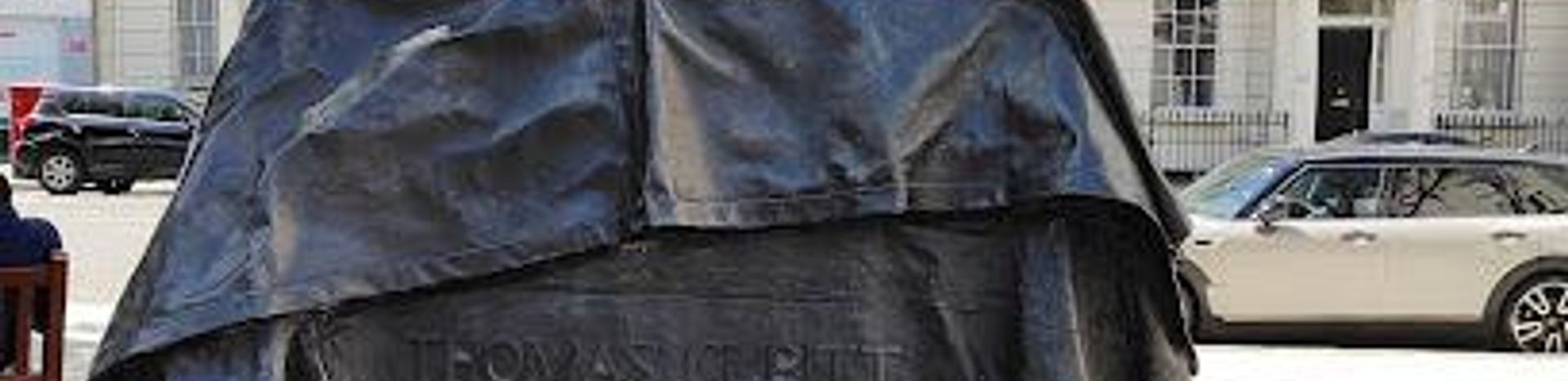
Thomas Cubitt Statue in Pimlico, London
Honoring Thomas Cubitt, the visionary master builder who shaped London’s Belgravia and Pimlico with innovation and craftsmanship.
The Thomas Cubitt Statue at 75 Denbigh Street, Pimlico, honors the master builder whose visionary work shaped large parts of London, including Belgravia and Pimlico. The bronze sculpture depicts Cubitt standing behind a stack of bricks with a brick measure in hand, symbolizing his pioneering role in 19th-century urban development and architecture. Located in a tranquil residential area near the Thames, the statue celebrates Cubitt’s legacy in transforming London’s cityscape.
A brief summary to Thomas Cubitt statue
- 75 Denbigh St, London, Pimlico, SW1V 2EY, GB
- Visit website
- Duration: 0.25 to 1 hours
- Free
-
 Outdoor
- Mobile reception: 4 out of 5
Local tips
- Visit during daylight hours to appreciate the statue’s detailed craftsmanship and the surrounding tranquil Pimlico neighborhood.
- Combine your visit with a walk along the nearby Thames or a stop at the Tate Britain gallery for a cultural day out.
- Bring a camera to capture the statue against the backdrop of Pimlico’s elegant residential streets.
- Look for subtle architectural details in the surrounding area that reflect Cubitt’s neoclassical style.

For the on-the-go comforts that matter to you
- Seating Areas
- Information Boards
Getting There
-
Bus
Several London bus routes serve Denbigh Street and nearby Pimlico, with frequent services running approximately every 5-15 minutes. A typical journey from Victoria Station takes around 10-15 minutes. Single fares cost around £1.75 with an Oyster card or contactless payment.
-
London Underground
Pimlico Underground Station on the Victoria Line is about a 10-minute walk from the statue. Trains run every 2-5 minutes during peak times, with a journey from central London stations typically under 20 minutes. Standard Tube fares apply, around £2.40 per single journey with Oyster or contactless.
-
Taxi / Ride-Hailing
Black cabs and ride-hailing services can reach 75 Denbigh Street directly. Travel times vary with traffic but expect 10-20 minutes from central London. Fares typically range from £8 to £15 depending on distance and time of day.
Thomas Cubitt statue location weather suitability
-
 Any Weather
-
 Clear Skies
-
 Mild Temperatures
Discover more about Thomas Cubitt statue
Legacy of a Master Builder
Thomas Cubitt (1788–1855) was a pioneering British master builder and developer whose innovative approach to construction and urban planning left a lasting imprint on London. Born in Buxton, Norfolk, Cubitt began his career as a ship’s carpenter before founding his own building firm in London in 1810. He revolutionized the building trade by employing all trades under one management, overseeing everything from brick-making to plasterwork. His firm built many notable London neighborhoods, especially Belgravia and Pimlico, which remain celebrated for their elegant, neoclassical terraces and squares.The Statue’s Symbolism and Design
The statue at 75 Denbigh Street commemorates Cubitt’s immense contribution to London’s architectural heritage. It portrays him standing on a raised platform behind a partially uncovered stack of assorted bricks, holding a brick measure in his left hand—an emblem of his craftsmanship and attention to detail. The sculpture captures Cubitt’s role as both a skilled craftsman and an ambitious visionary who transformed marshy, flood-prone land into desirable residential districts.Impact on London’s Urban Landscape
Cubitt’s developments were more than buildings; they were comprehensive urban projects. In Pimlico, he undertook the massive task of raising the ground level with thousands of barge-loads of earth and constructing embankments along the Thames, personally funding much of this infrastructure. His work extended beyond housing to include workshops, stables, and even the east front of Buckingham Palace. His influence shaped the orderly, elegant streetscapes that define much of central London today.Pimlico’s Quiet Charm and Cultural Context
Pimlico, where the statue stands, is a largely residential neighborhood known for its calm atmosphere, subtle architectural charm, and proximity to the Thames. The area offers a slower pace compared to central London’s bustle, with quaint pubs, local boutiques, and cultural highlights like the Tate Britain gallery nearby. The statue fits naturally into this context, offering a tangible link to the area’s 19th-century transformation.Commemorating Innovation and Craftsmanship
The statue not only honors Cubitt’s physical constructions but also his innovative business model. By integrating all trades under one roof and investing in modern machinery and skilled labor, Cubitt set new standards for quality and efficiency in building. His legacy is reflected in the enduring quality of the neighborhoods he developed and in the continued recognition of his name across London.Continuing Influence and Recognition
Thomas Cubitt’s name lives on not just in the statue but also in various pubs, streets, and buildings named after him. His firm eventually merged into Holland, Hannen & Cubitts, which contributed to many iconic British structures. The statue in Pimlico stands as a testament to his lasting impact on London’s architectural and urban development history.Iconic landmarks you can’t miss

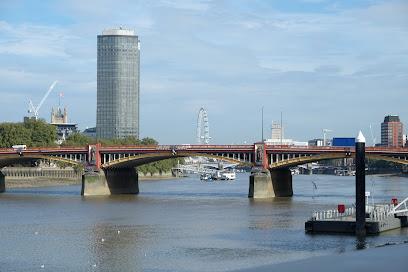
Vauxhall Bridge
0.8 km
Vauxhall Bridge: Historic iron origins meet modern steel, linking London’s south and north banks with art and engineering heritage.
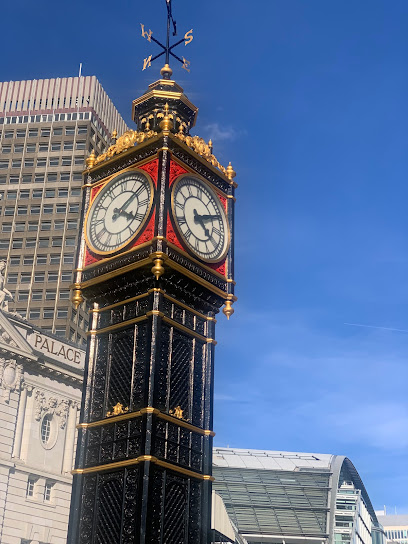
Little Ben Clock
0.9 km
Discover Little Ben, London’s charming miniature clock tower echoing Big Ben’s grandeur and symbolizing enduring Franco-British friendship.
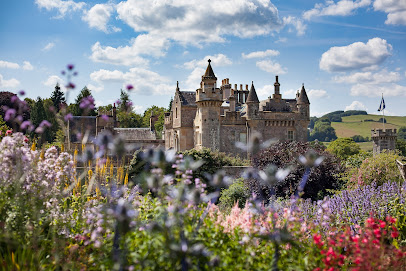
Historic Houses
1.2 km
Explore the heart of Britain's heritage through Historic Houses, a gateway to centuries-old castles, gardens, and stately homes across the UK.
Southbank House
1.3 km
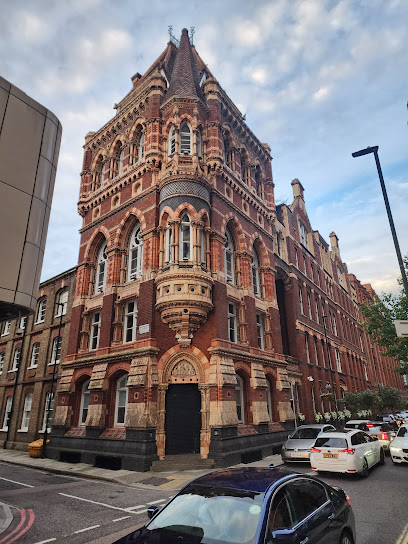
Historic terracotta landmark in Lambeth, blending Victorian pottery heritage with modern creative workspaces.
Statue of George V
1.4 km
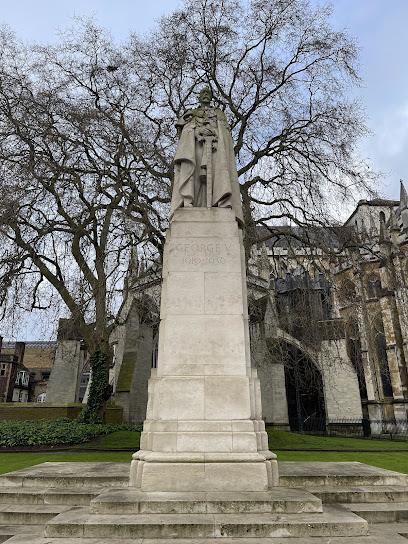
A dignified white Portland stone statue honoring King George V, standing proudly in Westminster’s historic Old Palace Yard.
Cockpit Steps
1.5 km
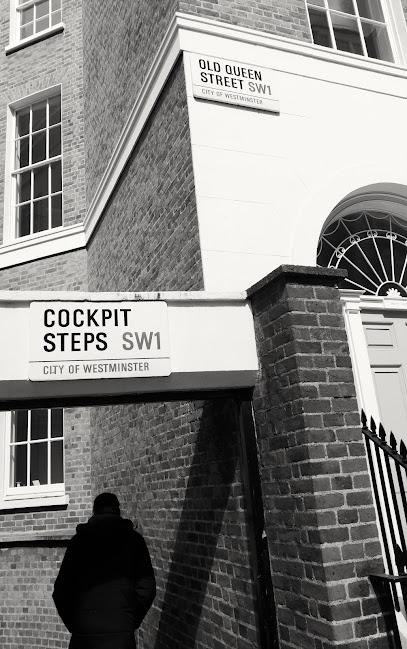
Discover Cockpit Steps, a hidden historic passage in Westminster where London’s royal cockfighting past meets ghostly legend and quiet charm.
Lambeth Palace
1.5 km
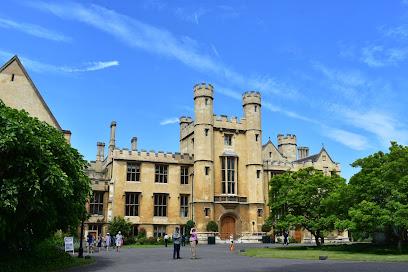
Eight centuries of ecclesiastical power where the Church and Crown converge on the Thames
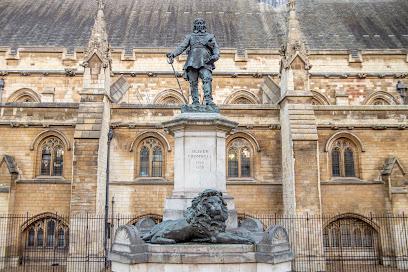
Statue of Oliver Cromwell
1.5 km
A commanding bronze tribute to Oliver Cromwell, standing outside Westminster Hall as a symbol of Britain’s turbulent 17th-century history and contested legacy.
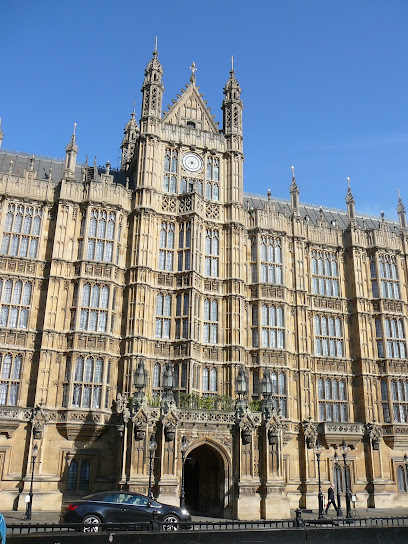
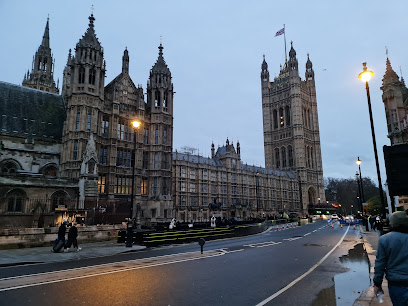
Palace of Westminster
1.5 km
Discover the grandeur of the Palace of Westminster, an iconic symbol of British democracy and a must-visit landmark in London.
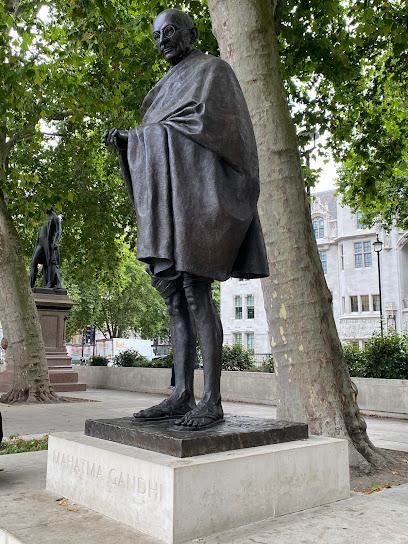
Mahatma Gandhi statue
1.6 km
Visit the Mahatma Gandhi statue in Parliament Square, a symbol of peace and non-violence nestled among London's historic landmarks.
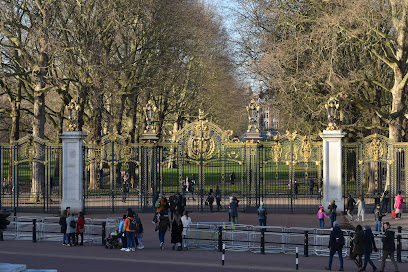
Canada Gate
1.6 km
An ornate gilded gateway at Green Park’s entrance, celebrating Canada’s historic ties with the UK opposite Buckingham Palace.
Millicent Garrett Fawcett Statue
1.6 km
Honoring Millicent Garrett Fawcett, the first woman commemorated in Parliament Square, inspiring equality through her iconic statue and legacy.
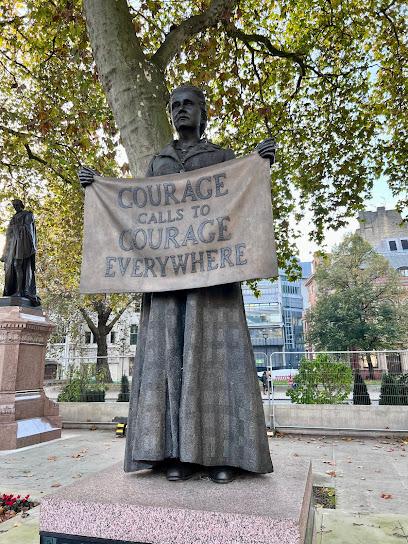
Parliament Square Garden
1.6 km
Where Westminster's political heart meets a tranquil green sanctuary beneath the shadow of Big Ben.
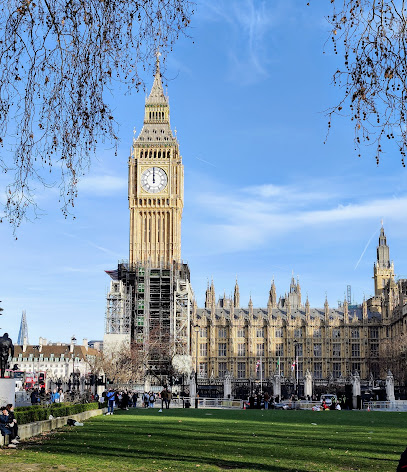
Westminster Hall
1.6 km
Step into Westminster Hall, a majestic medieval masterpiece that has witnessed a millennium of British history, law, and monarchy.
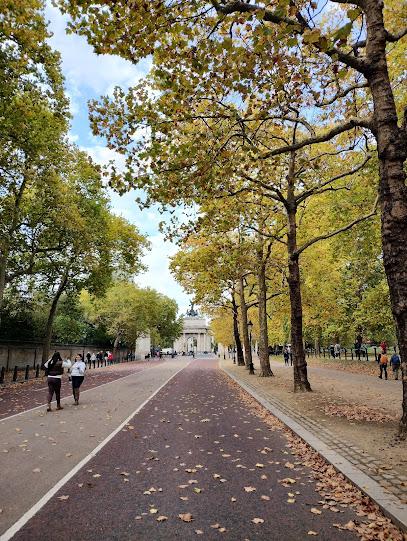
Constitution Hill
1.6 km
A ceremonial royal route honouring centuries of monarchy and Commonwealth sacrifice in the heart of Westminster.
Unmissable attractions to see

St Saviours Church
0.3 km
Discover the soaring Gothic spire and rich Victorian heritage of St Saviour's Church, a timeless landmark in the heart of Pimlico, London.
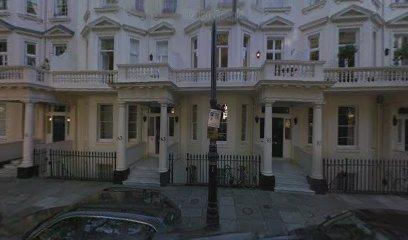
Golden Tours, Bulleid Way Departure Point
0.7 km
Explore the best of London with Golden Tours at Bulleid Way, offering diverse guided tours and experiences for every traveler.
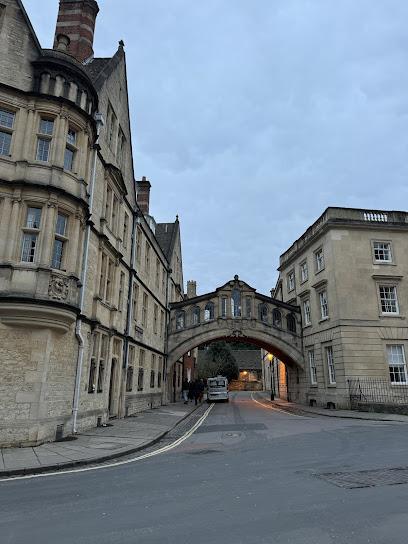
Tate Britain
0.8 km
Discover 500 years of British art at Tate Britain, home to Turner’s masterpieces and iconic works from the Pre-Raphaelites to contemporary artists.
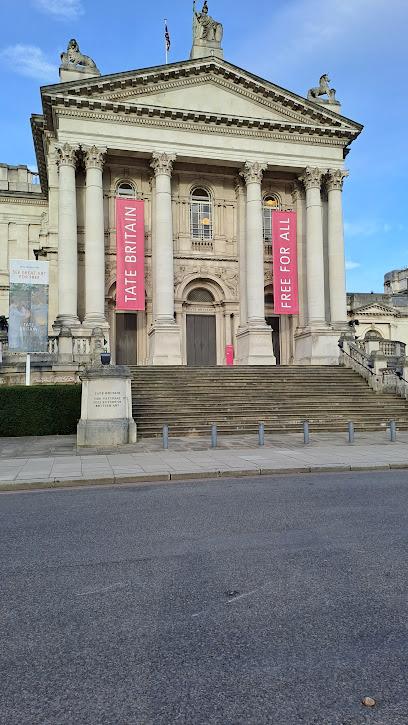
Westminster Cathedral
0.8 km
Discover Westminster Cathedral’s stunning neo-Byzantine architecture, vibrant mosaics, and serene spiritual atmosphere in the heart of London’s Victoria district.
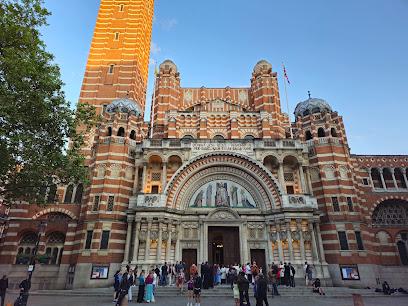
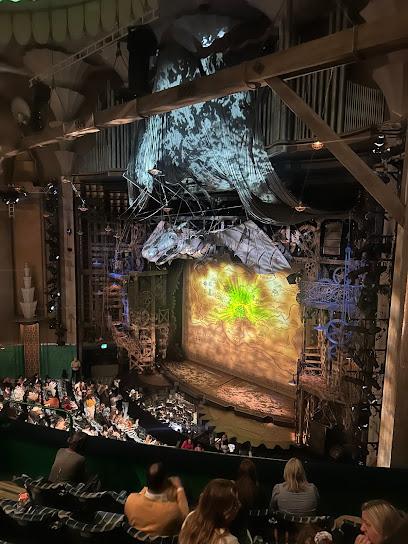
Wicked The Musical
0.8 km
Experience the magical, award-winning West End musical that redefines the witches of Oz with spectacular music and stunning stagecraft.
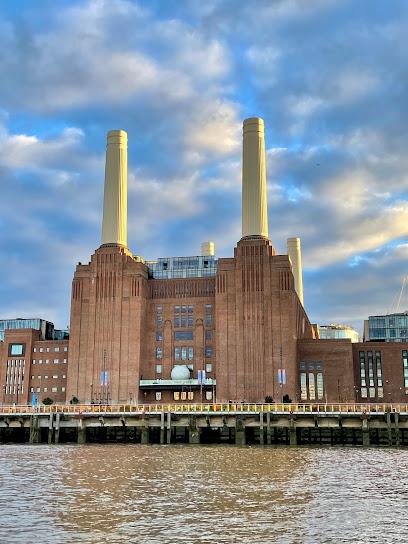
Battersea Power Station
0.8 km
Discover Battersea Power Station, where iconic history meets vibrant riverside living with shops, dining, culture, and year-round events.
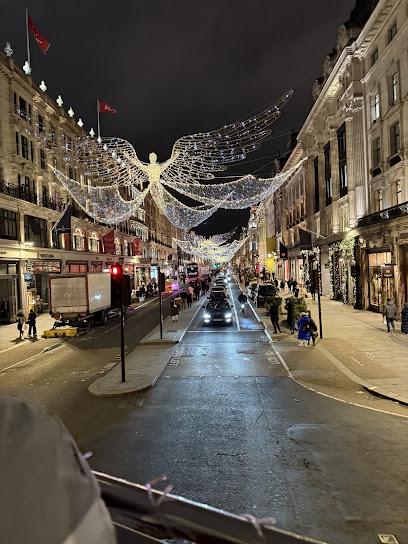
Big Bus Tours London
0.8 km
Explore London’s iconic landmarks at your own pace with Big Bus Tours’ flexible hop-on hop-off routes and panoramic open-top buses.
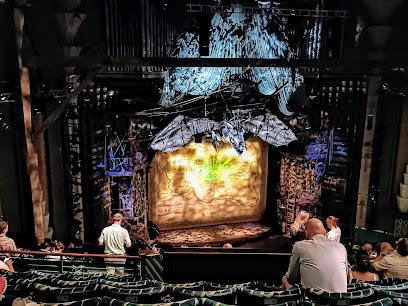
Apollo Victoria Theatre
0.8 km
Experience the magic of West End theatre at Apollo Victoria, home to the spectacular musical Wicked and a landmark of London’s performing arts scene.
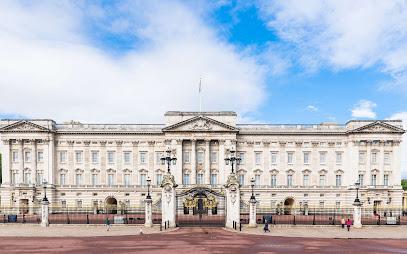
Buckingham Palace Rd
0.9 km
Historic street linking Buckingham Palace to Chelsea, blending royal heritage with vibrant London life and key transport hubs.
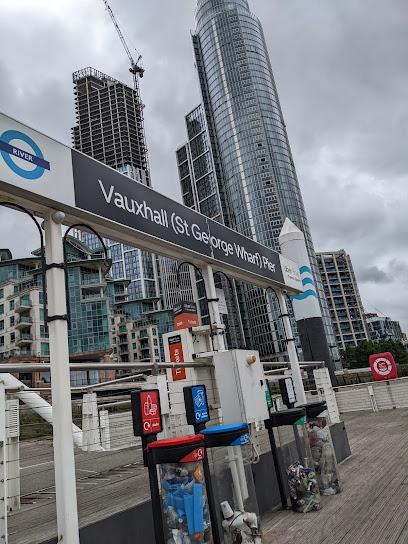
St George Wharf
0.9 km
Experience vibrant riverside living in London’s iconic St George Wharf, blending modern architecture, stunning Thames views, and unbeatable connectivity.
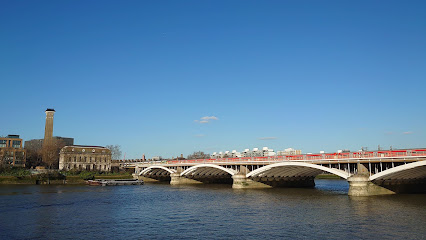
Chelsea Bridge
0.9 km
A striking self-anchored suspension bridge over the Thames, linking Chelsea and Battersea with historic charm and dazzling night illumination.
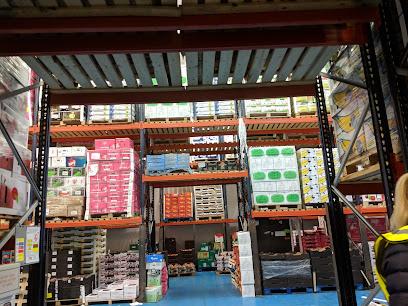
New Covent Garden Market
0.9 km
The UK’s largest wholesale fruit, vegetable, and flower market, bustling with early-morning trade and rich London heritage.
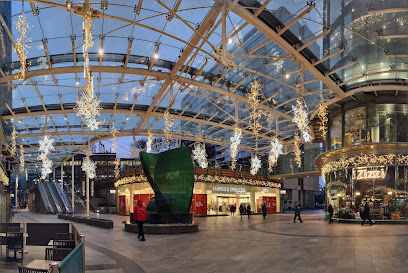
Cardinal Place
1.0 km
Urban shopping oasis blending retail buzz, rooftop serenity, and innovative design over London's Underground in vibrant Victoria.
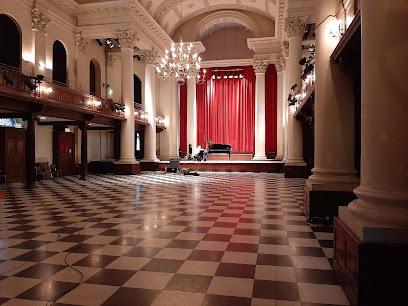
Sinfonia Smith Square
1.2 km
Experience world-class classical music in a stunning 18th-century Baroque concert hall at the heart of Westminster.
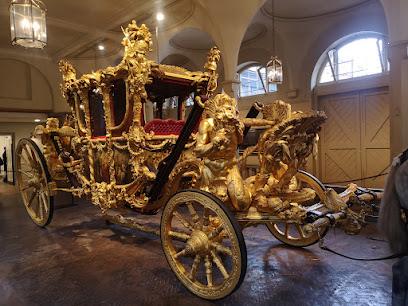
The Royal Mews, Buckingham Palace
1.2 km
Discover the historic working stables and royal coaches that have carried British monarchs for centuries at The Royal Mews.
Essential places to dine

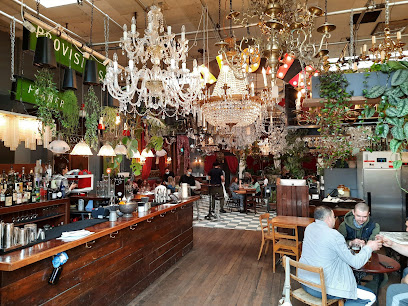
Brunswick House
0.9 km
Experience inventive British cuisine in a stunning Georgian mansion adorned with chandeliers and antiques, blending history and modern dining in Vauxhall.
Bill's Victoria Restaurant
1.0 km
A vibrant British eatery near Victoria Station offering hearty classics, sharing plates, and plant-based dishes in a cozy, casual setting.
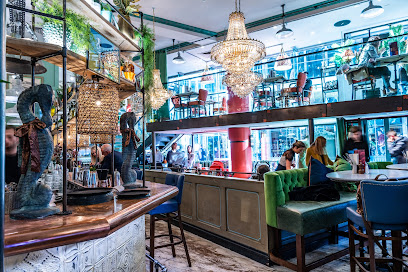
Mio Restaurant & Bar
1.0 km
Authentic Italian flavors and warm hospitality await you in this cozy central London gem with generous portions and great value.
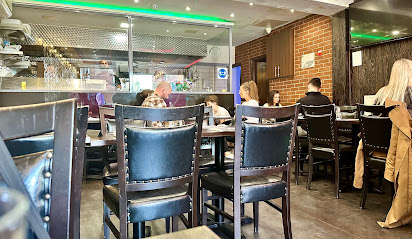
Osteria dell'Angolo
1.0 km
Classic Italian flavors and fresh pasta in a warm, elegant Westminster setting with attentive service and a visible kitchen.
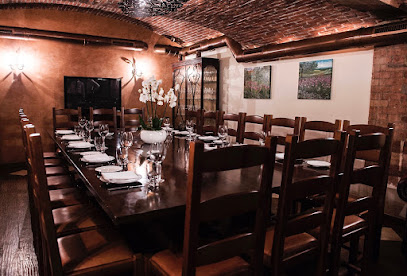
Colosseo Restaurant
1.0 km
Experience authentic Italian flavors and warm hospitality in the heart of London’s Victoria at Colosseo Restaurant.
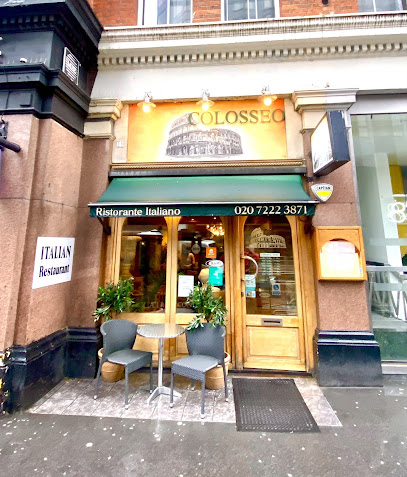
Sapori
1.0 km
Enjoy authentic Italian cuisine with generous portions and a lively atmosphere in the heart of Westminster, London.
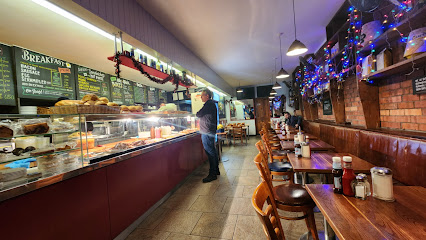
Ma La Sichuan
1.1 km
Experience authentic, boldly spiced Sichuan cuisine in the heart of Westminster with vibrant flavors and a welcoming atmosphere.
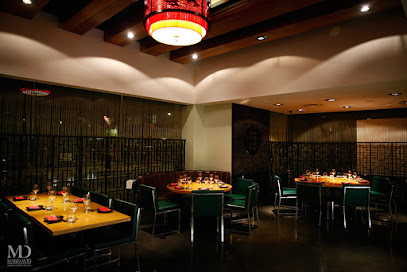
Chez Antoinette Victoria
1.1 km
Authentic French bistro in London’s Victoria offering classic Lyonnais and Parisian dishes in a cozy, Parisian-style setting.
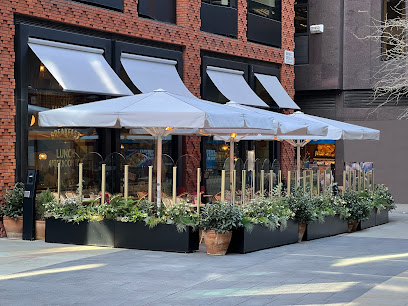
The English Grill
1.1 km
Classic British dining perfected with expertly grilled steaks and seasonal delights in a refined, elegant setting near London’s iconic theatres.

Caxton Grill
1.2 km
Refined British grill cuisine with fresh rooftop garden produce in a relaxed Westminster setting inside St Ermin’s Hotel.
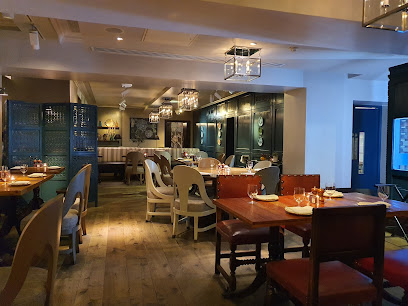
The Pem
1.3 km
Elegant modern British dining in Westminster, honoring heritage with exquisite seasonal menus and refined ambiance.
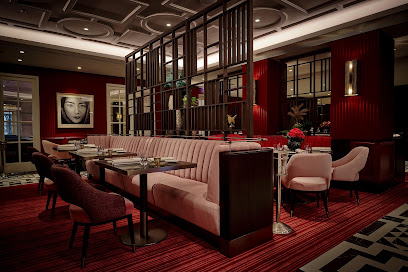
The Grenadier
1.8 km
Discover The Grenadier, a historic and haunted London pub steeped in military legacy and timeless charm in the heart of Belgravia.
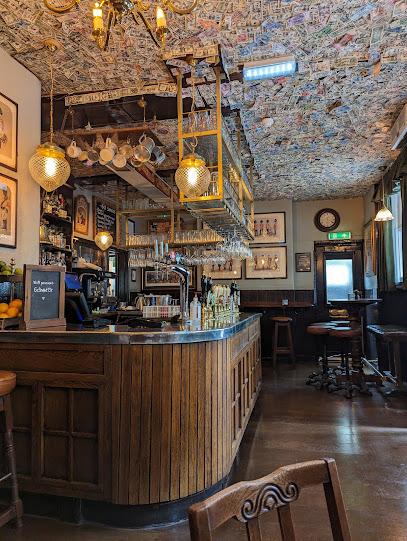
Great British Restaurant
1.9 km
Elegant British dining in the heart of St James’s, blending traditional flavors with modern sophistication in a tranquil hotel setting.
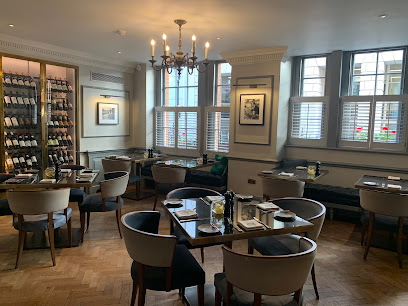
Rabbit
1.9 km
A rustic yet refined modern British bistro on King's Road, celebrating sustainable farm-to-fork dining in the heart of Chelsea.
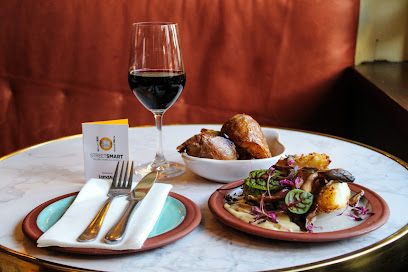
Seven Park Place by William Drabble
2.0 km
An intimate Michelin-starred restaurant in Mayfair offering refined British-French cuisine by Chef William Drabble in an elegant Art Deco setting.
Markets, malls and hidden boutiques

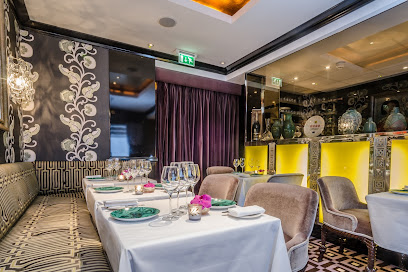
Pop London - Sustainable Fashion Boutique
0.8 km
Discover stylish, affordable sustainable fashion at Pop London, a boutique blending ethical design with community spirit in the heart of London.

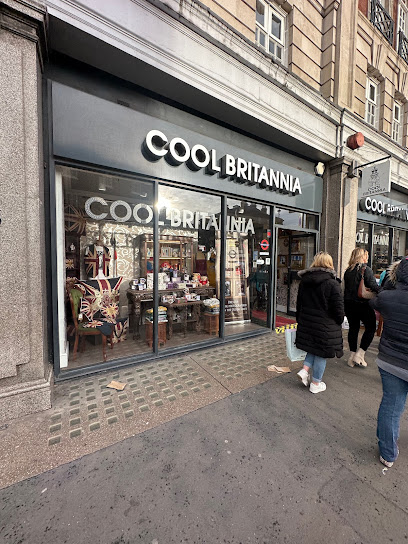
Cool Britannia
1.2 km
Discover authentic British souvenirs and vintage photography moments just steps from Buckingham Palace in a lively and welcoming shop.
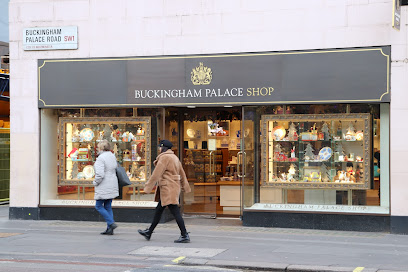
Buckingham Palace Shop
1.2 km
Official royal souvenirs at the palace gates: chinaware, gifts, and memorabilia that bring Buckingham Palace's grandeur home with you. (162 characters)
The Queen's Shop
1.3 km
Exclusive royal gifts and British heritage souvenirs steps from Buckingham Palace, blending luxury, tradition, and timeless elegance in a charming London boutique.
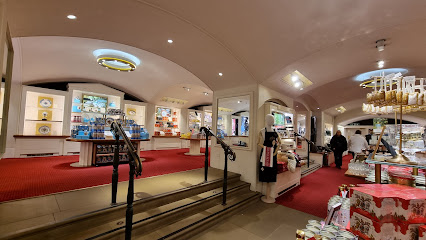
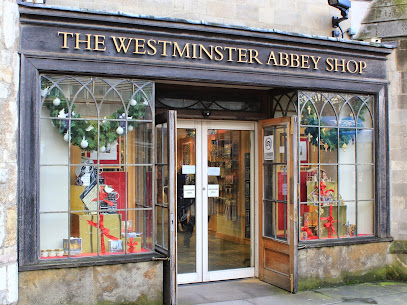
Westminster Abbey Shop
1.4 km
Discover exclusive Abbey-inspired gifts and souvenirs that support Westminster Abbey’s heritage and conservation efforts.
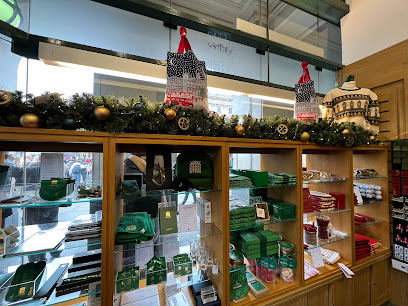
Jubilee Shop (Houses of Parliament Gift Shop)
1.6 km
Discover exclusive British political gifts and souvenirs inside the historic Westminster Hall at the Jubilee Shop, Houses of Parliament.
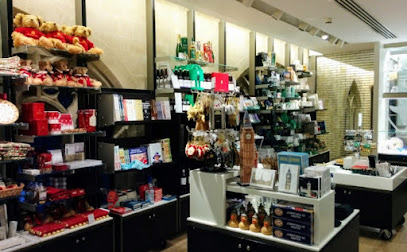
Houses of Parliament Shop
1.7 km
Discover parliamentary pride in souvenirs, books, and gifts at this cozy Bridge Street boutique, steps from Westminster's iconic halls.
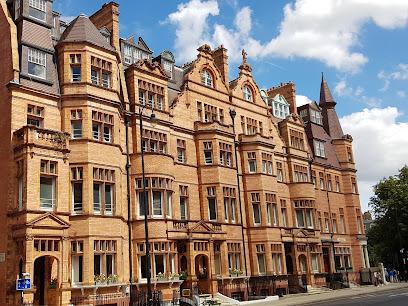
Sloane St
1.7 km
Experience London’s luxury shopping and elegant lifestyle along iconic Sloane Street, home to world-class fashion, fine dining, and prestigious residences.
Hard Rock London Rock Shop
1.8 km
Discover exclusive rock ’n’ roll merchandise and iconic memorabilia at London’s legendary Hard Rock Rock Shop on Old Park Lane.
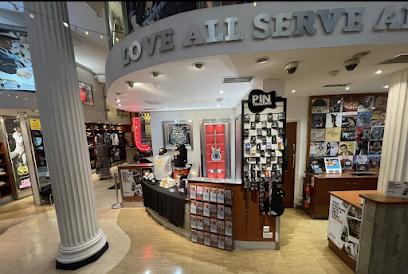
Browns of London
1.9 km
Explore Browns of London for unique handcrafted gifts and local treasures in the heart of the city, perfect for memorable souvenirs from your travels.
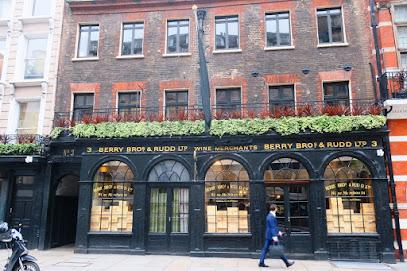
Berry Bros. & Rudd Wine Shop
1.9 km
London’s oldest family-run wine merchant since 1698, blending royal tradition with expert wine and spirits in a historic Pall Mall setting.
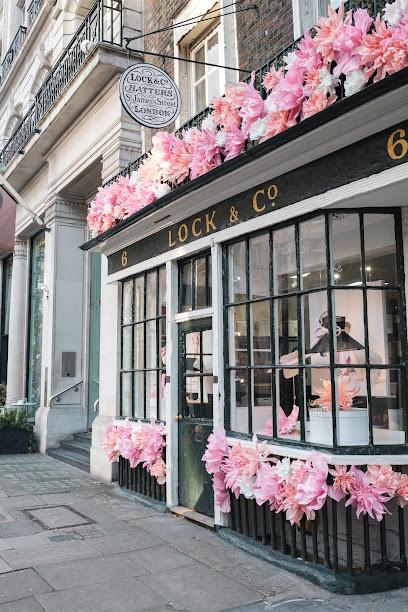
Lock & Co. Hatters
1.9 km
Discover the world’s oldest hat shop, where centuries of British style and craftsmanship come to life in the heart of London.
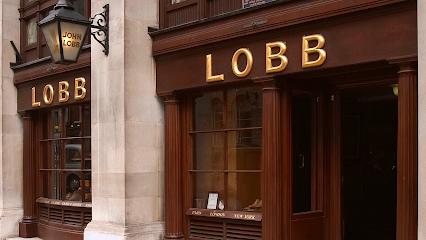
John Lobb St. James
1.9 km
Where 170 years of royal patronage meets handcrafted perfection in every stitch.
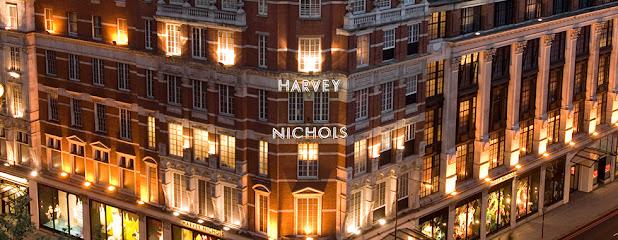
Harvey Nichols
2.0 km
Discover timeless luxury and cutting-edge fashion at Harvey Nichols, Knightsbridge’s iconic department store since 1831.
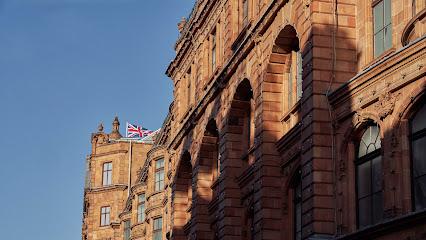
Harrods
2.1 km
Step into the world’s most iconic luxury department store, where shopping, dining, and history blend in the heart of Knightsbridge.
Essential bars & hidden hideouts

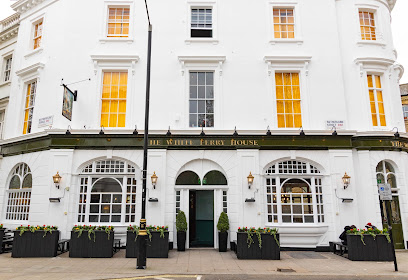
The White Ferry, Victoria (PUBLOVE)
0.6 km
Affordable hostel living meets classic British pub culture in the heart of Pimlico, steps from Victoria Station and London’s iconic sights.
Morpeth Arms
0.7 km
Historic Thameside pub with cask ales, hearty fare, haunted cellars, and MI6 views— a Westminster gem blending Victorian ghosts and modern cheer.
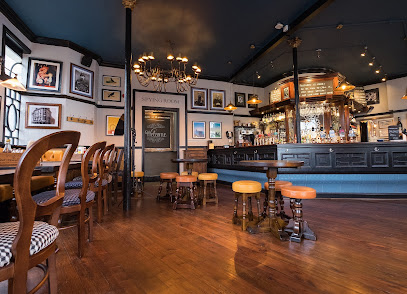
All Bar One Victoria
1.0 km
Sophisticated wines, global bites, and lively vibes on Victoria Street – London's go-to for stylish drinks and casual feasts near Westminster's heart.
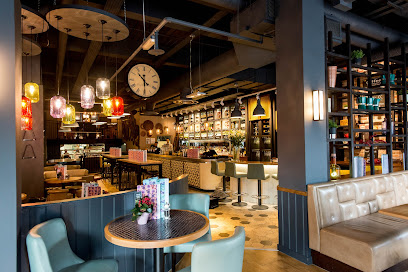
Bbar
1.1 km
Chic Victoria cocktail bar beneath a living wall, blending South African zest with inventive drinks, hearty bites, and unforgettable afternoon teas near Buckingham Palace.
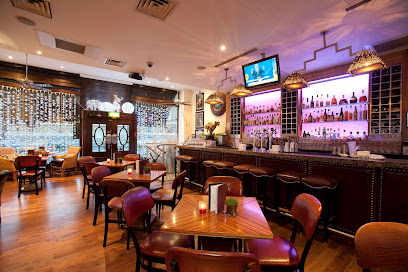
The New York Bar
1.1 km
A polished hotel lounge opposite Buckingham Palace — handcrafted cocktails, tasting events and piano-accompanied afternoons in plush, traditional surroundings.
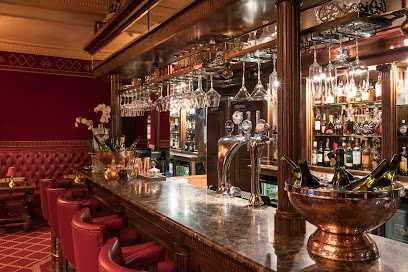
Adam & Eve
1.2 km
Classic Westminster pub pouring real ales and hearty grub amid historic streets—a cozy haven near Parliament and the Abbey for authentic London pints.
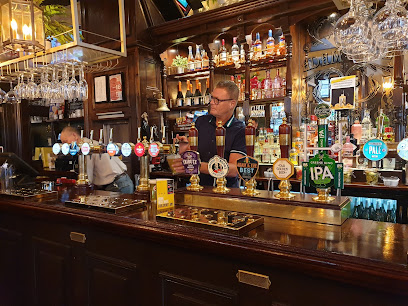
Blue Boar Pub
1.3 km
Traditional Westminster pub serving hearty British classics in a cozy, historic setting near Abbey and Parliament—perfect for ales, roasts, and relaxed evenings.
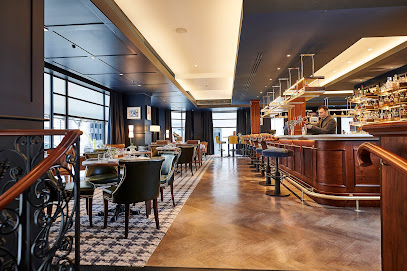
Two Chairmen
1.4 km
Traditional Westminster pub serving hearty pies, fresh ales, and classic British cheer just steps from St. James's Park and Parliament.
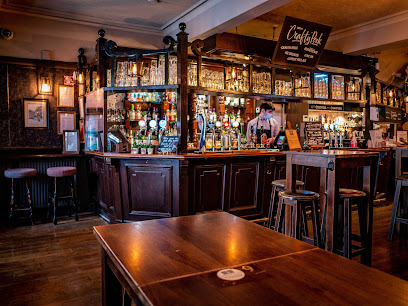
Westminster Arms
1.5 km
Historic Westminster pub with parliamentary division bell, Shepherd Neame ales, and cozy alcoves steps from Abbey and Parliament—timeless British charm in political heart.
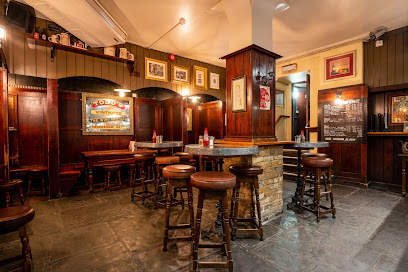
The Red Lion, Parliament Street
1.8 km
A venerable Westminster corner pub — late‑Victorian fittings, political atmosphere and a long history beside Downing Street and Parliament.
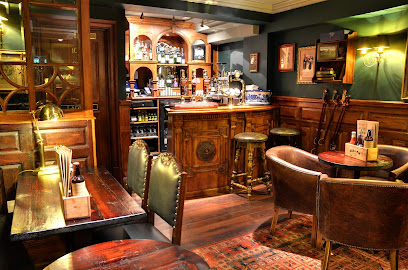
Below
2.0 km
Discover Below at HIDE, a hidden Mayfair cocktail bar offering expertly crafted seasonal drinks and rare spirits beneath a Michelin-starred restaurant.
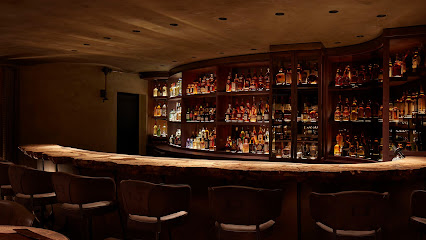
Primo Bar, London
2.1 km
Sophisticated South Bank cocktails and live jazz with Big Ben views—Primo Bar blends daytime lounge ease with electrifying nightly performances in stylish 60s-inspired surrounds.
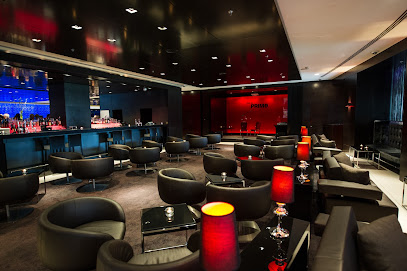
The Spy Bar
2.1 km
Step into London’s secret subterranean bar where espionage history meets masterful cocktails and exclusive, no-photos privacy.
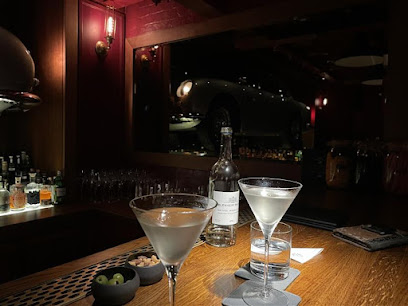
Le Champagne Bar
2.1 km
A compact riverside champagne lounge beside the London Eye—perfect for a celebratory flute and framed Thames views.
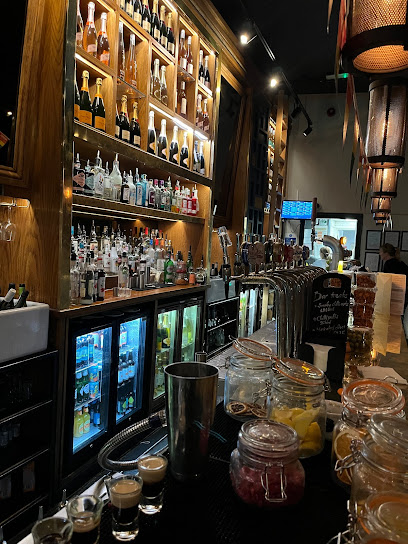
Old Shades
2.2 km
Historic Whitehall pub pouring cask ales and pub classics since 1898, steps from Trafalgar Square—a true taste of London tradition.
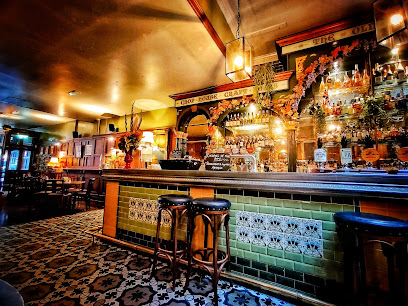
Nightclubs & after hour spots

Union
1.1 km
Vauxhall's relentless nightclub heartbeat: techno-fueled nights stretching to dawn in multi-zone bliss along the Thames.

Lightbox London
1.1 km
Dive into dazzling LED realms at Vauxhall's electrifying nightclub, where lights, beats, and all-night energy create unforgettable weekend escapes.
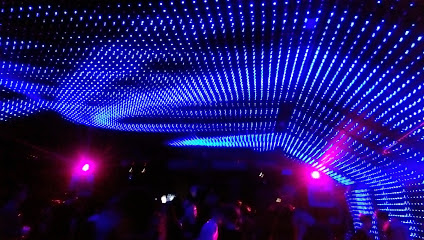
Bootylicious London last Saturday of the month
1.1 km
Late-night Vauxhall institution for raw techno, queer-focused party nights and after-hours clubbing on Albert Embankment.
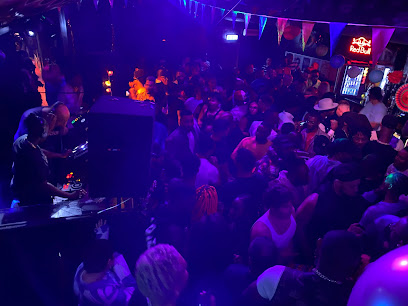
Fire Nightclub
1.2 km
Vauxhall's railway arch behemoth: all-night house marathons, go-go dancers, and dawn-defying beats in London's gay club epicenter.
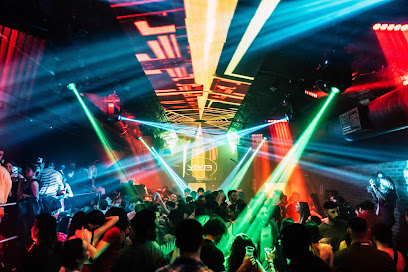
The Boat Show Comedy Club
2.1 km
London’s premier floating comedy club aboard the historic Tattershall Castle, blending laughter with iconic riverside views and vibrant nightlife.
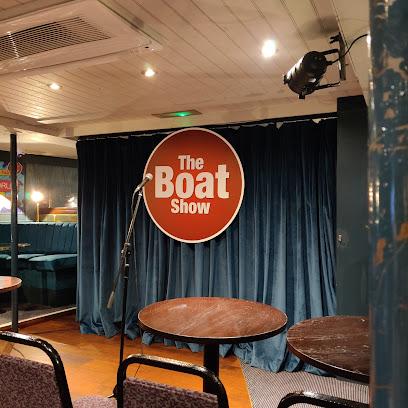
The Scotch of St James
2.1 km
Legendary Mayfair speakeasy where 60s rock stars jammed and today's elite dance till dawn in velvet-clad intimacy.
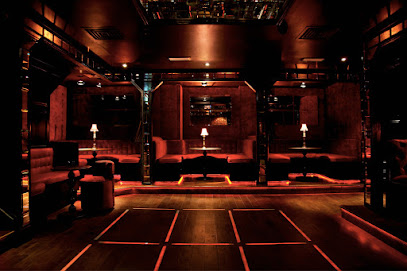
Tabu London
2.1 km
Escape Mayfair's polish for Tokyo's neon-lit Shinjuku alleys at Tabu London—retro gaming vibes, caged dancers, hip-hop beats, and upscale bites fuel epic nights.

STRAWBERRY SUNDAE
2.2 km
Retro rave haven in Waterloo Arches: Daytime hardcore beats, 90s DJ legends, and industrial euphoria from midday to midnight.
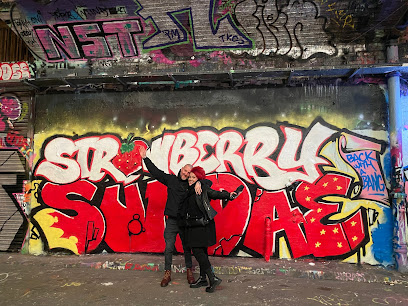
TSQ Club
2.2 km
Dive into Trafalgar Square's nightlife pulse at TSQ Club, where eclectic beats, dazzling lights, and craft cocktails fuel unforgettable weekend nights in London's heart.
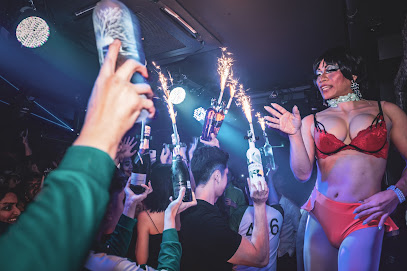
Cirque Du Soul
2.2 km
Dive into Leake Street's graffiti tunnel for soul-stirring electronic nights at this underground nightclub haven.
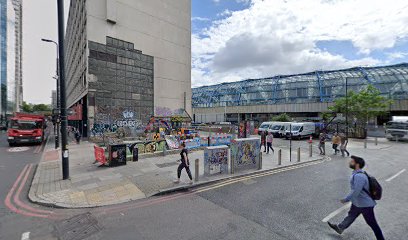
We Are Waterloo
2.2 km
Dive into Leake Street's graffiti heart where street art meets thumping beats in London's ultimate underground nightclub haven.
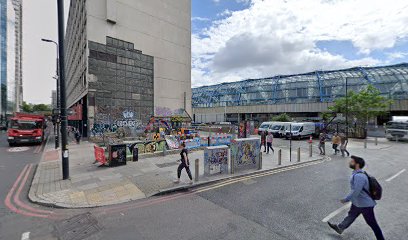
LUXX CLUB LONDON
2.2 km
Experience Mayfair’s premier luxury nightclub with dazzling lights, top DJs, and exclusive VIP vibes at LUXX CLUB LONDON.
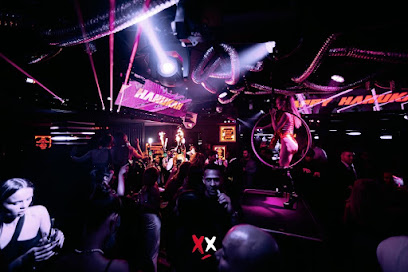
The Cuckoo Club
2.4 km
Exclusive Mayfair nightclub and restaurant blending glamorous design, contemporary cuisine, and vibrant nightlife in London’s upscale scene.
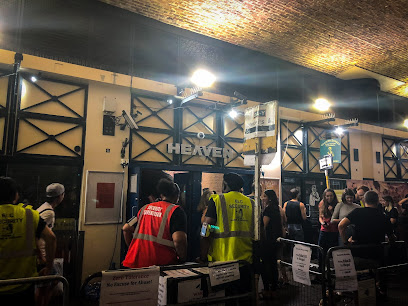
Heaven
2.4 km
London’s iconic gay superclub under the railway arches — big nights, loud music, drag, and late finishes in the heart of the West End.
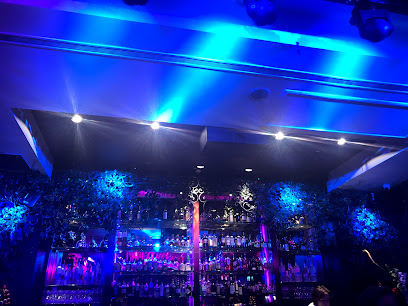
Tiger Tiger London
2.4 km
Experience London’s iconic Haymarket nightclub with six vibrant rooms, lively DJs, and a dynamic party atmosphere just moments from Piccadilly Circus.
For the vibe & atmosphere seeker
- Tranquil
- Scenic
- Unique
- Casual
For the architecture buff
- Historic
- Landmarks
For the view chaser and sunset hunter
- Iconic Views
For the social media creator & influencer
- Photo Spots
- Selfie Spots
For the eco-conscious traveler
- Public-Transport Accessible
For the kind of experience you’re after
- Cultural Heritage
- Photowalk
- Day Trip
For how adventurous you want the journey to be
- Easy Access
Location Audience
- Family Friendly
- Senior Friendly
- Child Friendly
- Couple Friendly
- Solo Friendly


