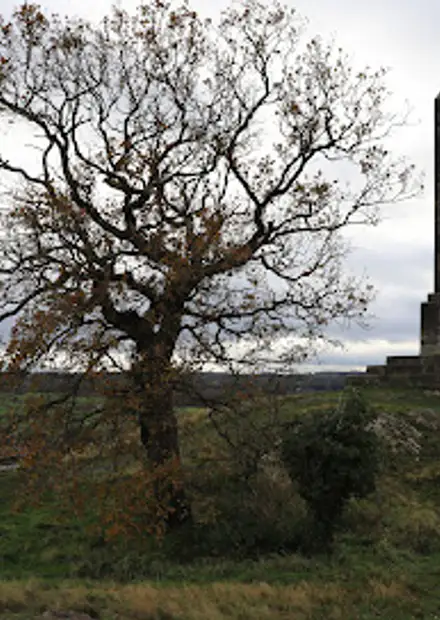
Best Landmarks Near Lilleshall Monument (Sutherland)
Planning a trip to Lilleshall Monument? Discover the best landmarks nearby with history, expert tips, and routes. Free on web or the Evendo app.


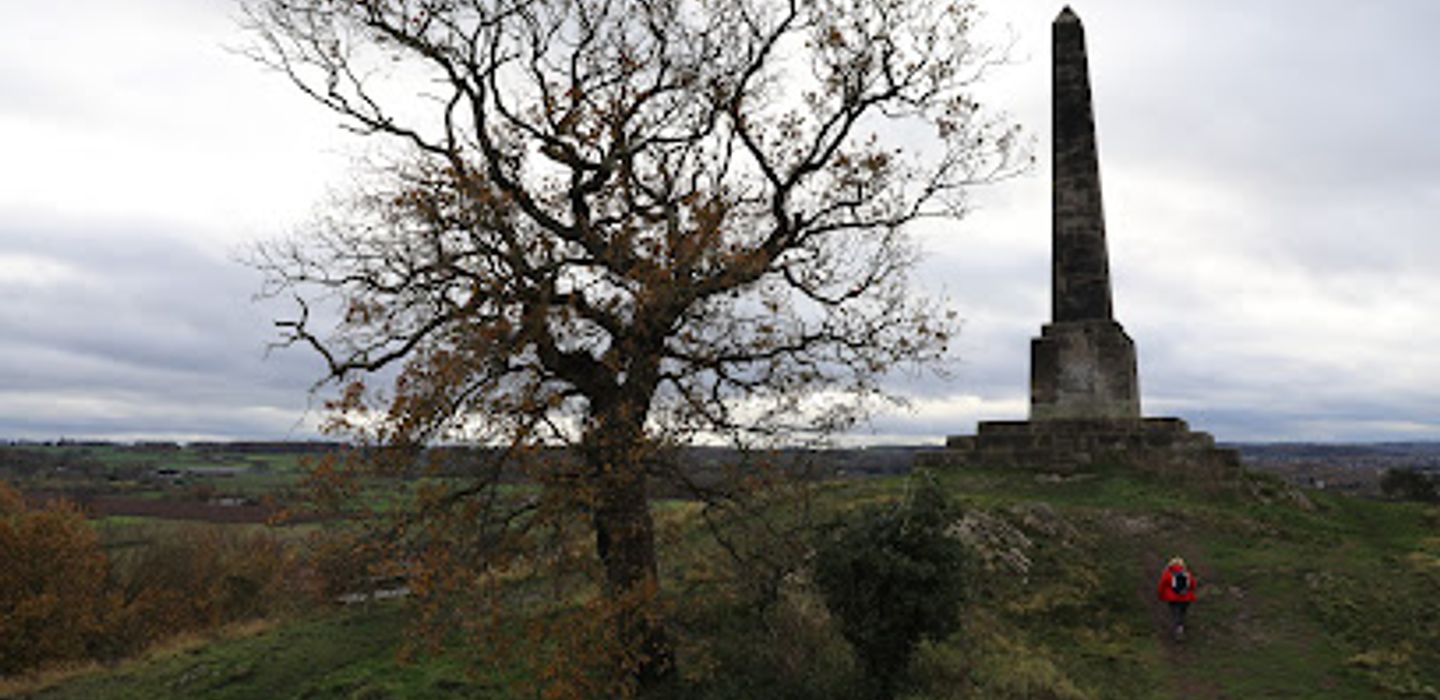
The best landmarks near Lilleshall Monument
- Top rated
- Closest to Lilleshall Monument
- Price level: low to high
- Time to spend: shortest first
- A–Z
73 landmarks
-
Cathedral4.7★8,034 reviews
Chester Cathedral
A magnificent thousand-year-old cathedral in the heart of Chester, founded as a Benedictine Abbey in 1092 and elevated to cathedral status in 1541. This Grade I listed building showcases stunning Gothic architecture, intricate stained glass windows, and the most complete set of monastic buildings in England. Explore soaring vaulted ceilings, peaceful cloisters with a central garden, and climb 216 steps to the tower for panoramic views spanning one city, two countries, and five counties. Free entry year-round except summer and Christmas periods.
Mon–Sat 9:30–18:00 · Sun 10:00–17:00Time to spend 1–3 hrs
-
Museum4.5★8,296 reviews
Birmingham Museum & Art Gallery
Located in Chamberlain Square, Birmingham Museum & Art Gallery is a Grade II* listed building showcasing an extensive collection of art, including Pre-Raphaelite works, industrial heritage, and family-friendly exhibits. Open Wednesday to Sunday from 10am to 5pm, it offers free general admission and features galleries such as the Staffordshire Hoard and Wild City, alongside a tearoom and museum shop.
Wed–Sun 10:00–17:00Time to spend 1–3 hrs
-
Pub4.4★4,203 reviews
The Old Joint Stock Pub & Theatre, Birmingham
Nestled in Birmingham's Temple Row, this Victorian gem blends a grand pub with an intimate 105-seat theatre. Originally a library and bank from 1862, designed by architect Julius Alfred Chatwin, it features ornate decor, a central glass dome, and classic British fare alongside house ales. Upstairs, the theatre hosts professional productions, new writing, and touring shows in a cosy, atmospheric space perfect for musicals, dramas, and cabaret.
Mon–Sat 11:00–23:00 · Sun 12:00–18:00Price level $$Time to spend 1.5–3 hrs
-
Historical landmark4.6★2,596 reviews
Eastgate Clock
Perched atop Chester’s ancient Eastgate, the Eastgate Clock is one of England’s most photographed timepieces, second only to Big Ben. Erected in 1899 to mark Queen Victoria’s Diamond Jubilee, this ornate Victorian clock crowns a site that has been Chester’s main entrance for nearly 2,000 years, from Roman fortress to medieval city gate. Its gilded ironwork and panoramic views from the city walls make it a must-see symbol of civic pride and layered history.
Open 24 hoursTime to spend 0.5–2 hrs
-
Historical landmark4.3★2,481 reviews
Chester Roman Amphitheatre
Step into Roman Britain at Chester’s impressive stone amphitheatre, the largest of its kind in the country. Built around 70 AD for gladiator contests and military drills, this elliptical arena once held up to 7,000 spectators. Today, about two-fifths of the structure is visible, with tiered seating, access corridors and the central arena clearly laid out. Level paths circle the site, making it easy to explore, while steps lead down into the arena itself. Managed by English Heritage, entry is free and open during daylight hours, making it a must-see for history lovers and casual visitors alike.
Open 24 hoursTime to spend 0.5–2 hrs
-
Cathedral4.5★2,146 reviews
Birmingham Cathedral
Birmingham Cathedral, also known as St Philip's Cathedral, is the oldest building in Birmingham city centre still used for its original purpose. Built in 1715 and elevated to cathedral status in 1905, it is a fine example of English Baroque architecture. The cathedral is renowned for its four stunning stained-glass windows by Edward Burne-Jones, restored in 2023, and serves as a spiritual, cultural, and community hub in the city. Entry is free, and it hosts regular services, concerts, and events.
Time to spend 0.5–2 hrs
-
Historical landmark4.7★2,004 reviews
Chester City Walls
The Chester City Walls are a remarkable 2-mile circuit of ancient defensive walls encircling the historic city of Chester, England. Built primarily from local red sandstone, these walls offer a scenic elevated walkway with panoramic views of iconic landmarks such as Chester Cathedral, Eastgate Clock, and the River Dee. Open 24/7 year-round, the walls provide a unique blend of Roman, medieval, and Victorian heritage, making them one of the most complete and accessible city walls in Britain.
Open 24 hoursTime to spend 1–1.5 hrs
-
Cultural landmark4.5★1,283 reviews
Chester Cross
Chester Cross is the historic heart of Chester, a Grade II listed medieval cross standing at the junction of four ancient Roman streets in the city centre. Originally erected in the medieval period, the cross was damaged during the English Civil War and removed, but was painstakingly restored and reinstated in its original position in 1975 using recovered fragments. Today it serves as a vibrant meeting point, civic focal point, and gateway to Chester's famous Rows and distinctive black-and-white Tudor architecture.
Open 24 hoursTime to spend 0.5–2 hrs
-
Historical landmark4.8★1,107 reviews
Castell Dinas Brân
Perched dramatically atop a steep hill overlooking Llangollen in Denbighshire, Castell Dinas Brân is a striking 13th-century Welsh castle ruin. Built by native Welsh princes, this historic fortress crowns an ancient Iron Age hillfort, offering panoramic 360-degree views of the Dee Valley. Accessible via a steep but rewarding climb, the site invites visitors to explore atmospheric ruins steeped in legend, surrounded by wild landscapes and seasonal foraging opportunities.
Open 24 hoursTime to spend 1–3 hrs
-
Anglican church4.6★953 reviews
St. Martin's
St Martin in the Bull Ring is Birmingham’s original parish church, a striking Grade II* listed Gothic Victorian building located in the heart of the city’s bustling Bull Ring shopping district. With origins dating back to 1290 and possible Saxon worship before that, the church features an impressive timber hammerbeam roof, intricate stonework, and a rich history intertwined with Birmingham’s urban development.
Tue–Sun 12:00–17:00Time to spend 0.5–2 hrs


Queens Park Bridge
The Queens Park Suspension Bridge is a historic pedestrian suspension bridge crossing the River Dee in Chester. Opened in 1923 and designed by City Engineer Charles Greenwood, it connects the scenic Groves area with the residential Queens Park suburb. Known for its elegant design and gentle springiness underfoot, the bridge offers picturesque views along the river and is a cherished local landmark.
Open 24 hoursTime to spend 0.5–2 hrs

Solomon’s Temple
Perched atop Grin Low Hill in Buxton, Solomon’s Temple is a distinctive 20-foot Victorian folly built in 1896 on a Bronze Age burial mound. Offering sweeping 360-degree views of Buxton and the Peak District, this historic landmark invites visitors to explore its spiral staircase and enjoy the surrounding Buxton Country Park with woodland trails and sculpture walks. Free to visit, it combines architectural charm, rich history, and breathtaking scenery.
Open 24 hoursTime to spend 1–2.5 hrs

Moreton Corbet Castle
Moreton Corbet Castle is a striking English Heritage site near Shrewsbury featuring over 500 years of architectural evolution. The ruins blend a 13th-century stone castle with a rare Elizabethan south wing of bold Italian-inspired design, damaged during the English Civil War. Free to enter and open during daylight hours, the site offers visitors an intimate glimpse into medieval and Renaissance history with informative interpretation boards throughout. The adjacent church contains impressive Corbet family monuments and Victorian chancel decoration.
Daily 10:00–18:00Time to spend 1–2 hrs

Arbor Low Stone Circle and Gib Hill Barrow
Perched high on remote moorland in the Peak District, Arbor Low is one of Britain's most significant Neolithic henge monuments, sometimes called the 'Stonehenge of the North'. This atmospheric prehistoric site features over 50 fallen limestone stones arranged in an oval formation, surrounded by an earth bank, alongside the nearby Gib Hill Barrow. Accessible via a working farmyard with a small honesty-box contribution, it offers stunning views across the White Peak landscape and remains one of the UK's best-preserved ancient monuments.
Daily 9:00–17:00Price level $Time to spend 0.5–1.5 hrs

Blakesley Hall Museum
Blakesley Hall Museum, built in 1590, is one of Birmingham's oldest and most significant Tudor buildings. This Grade II* listed timber-framed manor house offers an immersive glimpse into the life of a wealthy merchant family during the late Tudor and Stuart periods. Visitors can explore original architectural features, including a rare painted chamber, alongside beautifully maintained gardens that provide a tranquil retreat within the city.
Wed–Fri 11:00–16:00Price level $$Time to spend 1–3 hrs

St Chad's Catholic Cathedral
St Chad's Cathedral in Birmingham is the first Catholic cathedral built in England since the Reformation, designed by Augustus Welby Northmore Pugin in a striking Gothic Revival style. Consecrated in 1841, it serves as the mother church of the Archdiocese of Birmingham and houses the relics of St Chad. The cathedral is renowned for its stunning stained glass, intricate interior decorations, and a remarkable history including surviving a WWII bombing.
Time to spend 0.5–2 hrs

Museum of the Jewellery Quarter
The Museum of the Jewellery Quarter in Birmingham offers a unique glimpse into the city's rich heritage as a historic centre of jewellery manufacturing. Housed in the preserved Smith & Pepper factory, the museum presents an authentic time capsule of a 20th-century jewellery workshop, complete with original tools, machinery, and workbenches. Visitors explore the story of Birmingham’s jewellery craft through guided tours and interactive galleries, revealing over 200 years of craftsmanship and industrial history.
Price level $$Time to spend 1–2 hrs

Croxden Abbey
Croxden Abbey stands as one of Staffordshire's most significant medieval ruins, a 12th-century Cistercian monastery that once housed 70 monks at its peak. Founded in 1176 by Bertram de Verdun, the abbey flourished through the 13th and 14th centuries as a centre of religious devotion and agricultural prosperity, becoming renowned for its wool trade across Europe. Today, managed by English Heritage, the atmospheric ruins reveal towering fragments of the 13th-century church, infirmary, and 14th-century abbot's lodging, set within peaceful countryside bisected by a country lane. Free to enter with informative panels throughout, the site offers visitors a contemplative journey through medieval monastic life.
Daily 10:00–17:00Time to spend 1–2.5 hrs

Llangollen Bridge
Llangollen Bridge, spanning the River Dee in North Wales, is a medieval stone bridge originally built around 1345 by Bishop John Trevor I. Known as one of the 'Seven Wonders of Wales,' it has been widened and rebuilt multiple times, blending historical charm with functional adaptations including a 19th-century railway extension. Its picturesque arches, large stone cutwaters, and riverside setting make it a captivating landmark rich in history and scenic views.
Open 24 hoursTime to spend 0.5–2 hrs

Bridge Gate and Old Dee Bridge
The Bridge Gate and Old Dee Bridge stand as iconic historical landmarks on the River Dee in Chester, England. The Old Dee Bridge, originally built in Roman times and rebuilt in 1387, spans the tidal river, offering scenic views and a glimpse into Chester’s rich medieval past. Adjacent to the bridge is the Bridge Gate, part of Chester’s ancient city walls, providing a striking medieval gateway and vantage point over the river and city.
Open 24 hoursTime to spend 0.5–2 hrs

Admiral Rodney’s Pillar
Admiral Rodney’s Pillar is a striking 54-foot monument atop Breidden Hill near Shrewsbury, Wales, built in 1782 to commemorate Admiral Sir George Brydges Rodney’s naval victories. This Grade II* listed landmark offers panoramic views over the Upper Severn Valley and stands as a symbol of 18th-century maritime heritage. Despite recent structural concerns, it remains a significant cultural and historical site with a dramatic presence on the landscape.
Open 24 hoursTime to spend 1–3 hrs

Sandbach Crosses
The Sandbach Crosses are two elaborately carved 9th-century Anglo-Saxon sandstone crosses located in Sandbach’s Market Square, Cheshire. Recognized as some of the finest surviving Saxon monuments in Britain, these crosses feature biblical scenes such as the Nativity and Crucifixion, intricate vine-scrolls, and symbolic carvings. Originally brightly painted and adorned with jewels, they reflect the religious and cultural significance of early medieval Mercia. The crosses were reassembled in 1816 after being broken up in the 17th century.
Time to spend 0.5–1.5 hrs

Burma Star Island
Burma Star Island is a poignant historical landmark located in Queens Park, Crewe, commemorating the valiant service of the Burma Star Association during World War II. Established in 1968, this memorial honors those who served in the arduous Burma Campaign, set within a tranquil park environment that invites reflection and remembrance. It stands as a testament to courage and sacrifice amidst lush greenery, open daily from early morning to evening.
Daily 7:00–21:00Time to spend 0.5–1.5 hrs

Soho House Museum
Soho House Museum in Birmingham is the beautifully restored 18th-century home of Matthew Boulton, a key figure of the Industrial Revolution and founder of the Lunar Society. The Grade II* listed house showcases Georgian elegance, innovative early technologies like central heating, and displays of silver, ormolu, and clocks produced at Boulton’s Soho Manufactory. The museum’s peaceful gardens and historic interiors offer insight into Birmingham’s industrial heritage and Enlightenment-era innovation.
Price level $$Time to spend 1–2 hrs

Hall of Memory
The Hall of Memory in Birmingham is a solemn war memorial built in the 1920s to honor the 12,320 citizens who died in World War I, later commemorating those lost in subsequent conflicts. Located in Centenary Square, it features striking bronze statues representing the British military services and a quiet interior space for reflection, with free public access during limited hours.
Thu–Sat 10:00–16:00Time to spend 0.5–1.5 hrs

Parish Church of St John the Baptist, Chester
One of England's most significant medieval churches, St John the Baptist stands as a testament to over a thousand years of continuous worship. Originally founded in the 7th century and rebuilt as a Norman cathedral in 1075, this Grade I listed building showcases magnificent Norman architecture with soaring piers and intricate stonework. Though it fell into ruin twice—once in the 16th century and again in the 19th—the church survives as an active parish church in the heart of Chester's historic city centre, welcoming visitors to explore its captivating interior and rich ecclesiastical heritage.
Mon–Fri 11:00–15:00 · Sat 10:00–16:00Time to spend 0.8–2 hrs

Freda's Grave
Tucked within the wild heathland of Cannock Chase, Freda’s Grave is a small but deeply moving memorial to Freda, a Harlequin Great Dane who served as mascot for the 5th (Reserve) Battalion, New Zealand Rifle Brigade during World War I. Located near Brocton, this modest stone marks the resting place of a beloved canine companion whose loyalty touched soldiers far from home. The site is part of a wider network of war-related memorials on the Chase, set in peaceful, open countryside perfect for quiet reflection and short walks through heather and pine.
Open 24 hoursTime to spend 0.5–1.5 hrs

Iron Bridge Tollhouse
Step into the world's first cast-iron bridge, built in 1779 and a defining symbol of the Industrial Revolution. The Iron Bridge Tollhouse, housed in the original toll collection building, offers free entry to explore exhibitions about this engineering marvel. Walk across the historic structure, enjoy panoramic views of the Ironbridge Gorge and River Severn, and discover the fascinating story of how Abraham Darby III and architect Thomas Farnolls Pritchard revolutionized construction with cast iron. A UNESCO World Heritage Site that remains a working pedestrian crossing after more than 240 years.
Daily 10:00–17:00Time to spend 0.8–1.5 hrs

Wychbury Obelisk
The Wychbury Obelisk, standing 26 metres tall on Wychbury Hill near Hagley, is a striking 18th-century neoclassical monument visible for miles. Set atop an Iron Age hillfort site, it offers panoramic views across the Worcestershire countryside and beyond. The hill and obelisk are steeped in history and local folklore, including connections to ancient kingdoms, pagan significance, and a mysterious unsolved murder, making it a captivating landmark for visitors.
Open 24 hoursTime to spend 1–3 hrs

Edgbaston Waterworks Tower
The Edgbaston Waterworks Tower, built around 1870 in Birmingham, is a striking Victorian industrial structure designed by John Henry Chamberlain and William Martin. Originally part of the city’s water supply system, this Grade II listed tower is famed for its architectural grandeur and rumored inspiration for J.R.R. Tolkien’s ‘Two Towers.’ It stands near Perrott’s Folly, together creating a unique historic and literary landmark in the Edgbaston area.
Time to spend 0.5–1.5 hrs

Chester Town Hall
Chester Town Hall, located at 33 Northgate Street, is a striking Grade II* listed building completed in 1869. Designed by William Henry Lynn, this Victorian Gothic Revival structure features a soaring 160-foot tower, richly decorated interiors with stained glass, carved woodwork, and grand assembly rooms. It serves as the ceremonial and civic hub for Chester, hosting events, weddings, and council meetings, while embodying the city's rich historical and architectural heritage.
Mon–Fri 9:00–17:00Time to spend 0.5–2 hrs

Sir Edward Elgar
The Sir Edward Elgar statue in Worcester commemorates one of England’s most celebrated composers, born near the city. This sculpture honors Elgar’s lasting impact on classical music, notably his Enigma Variations and Pomp and Circumstance Marches. Situated in Worcester, the statue offers a cultural landmark celebrating Elgar’s legacy in his native Worcestershire.
Open 24 hoursTime to spend 0.5–1.5 hrs

Galton Bridge
Galton Bridge, located in Smethwick near Birmingham, is a historic cast-iron bridge designed by Thomas Telford and opened in 1829. Originally built to carry a road over the New Main Line of the Birmingham Canal, it was once the highest iron bridge in the world. Since the 1970s, it has been pedestrianised, standing as a testament to early industrial engineering and the transport revolution in the West Midlands.
Open 24 hoursTime to spend 0.5–2 hrs

Flounders' Folly
Flounders' Folly is an 80-foot tall stone tower built in 1838, perched on Callow Hill near Craven Arms in South Shropshire. This striking landmark offers 360-degree views of the surrounding countryside, including the Malverns and Black Mountains. Restored in the early 2000s, the tower is open to visitors seasonally and accessible via scenic walking trails, making it a rewarding destination for history enthusiasts and nature lovers alike.
Open 24 hoursPrice level $Time to spend 1–3.5 hrs

The Selfridges Building
Rising like a giant silver amoeba in the heart of Birmingham, the Selfridges Building is one of the UK’s most striking modern landmarks. Clad in over 15,000 shimmering aluminium discs, this futuristic department store at Bullring redefines shopping as an architectural spectacle. Inside, it’s a curated world of luxury fashion, beauty, gourmet food, and in-store experiences, all beneath a sculptural roof that has become an icon of 21st-century British design. Whether you’re browsing designer rails or simply admiring its otherworldly form, Selfridges is a must-see in the city.
Mon–Sat 9:00–19:00 · Sun 11:00–17:00Price level $$Time to spend 1–4 hrs

Churchill House
Churchill House is a prominent historic building within the University of Chester’s Queen’s Park campus, blending academic purpose with architectural heritage. Situated near the River Dee, it hosts lecture theatres, seminar rooms, and the popular De Gaulle Brasserie, offering striking views of Chester. This vibrant hub serves students and visitors alike, combining modern facilities with a scenic riverside setting in Chester’s lively city environment.
Mon–Sat 10:00–21:00Time to spend 1–3 hrs

King Charles Tower
King Charles Tower, also known as the Phoenix Tower, is a medieval watchtower on Chester's historic City Walls. Dating back to the 13th century, it is famed for its association with King Charles I, who reputedly watched the Battle of Rowton Moor from here in 1645. The tower features distinctive heraldic symbols and steep internal steps, offering insight into Chester's military and guild history.
Sat–Sun 11:59–17:00Price level $Time to spend 0.5–1.5 hrs

Perrott's Folly
Perrott's Folly is a striking 29-metre-high tower built in 1758 by local landowner John Perrott in Edgbaston, Birmingham. Originally constructed as an observatory and fashionable venue, it later served as a weather station. The tower is famous for its possible influence on J.R.R. Tolkien's 'Two Towers' and is a Grade II* listed building. Managed by a local charity, it hosts occasional art events and remains an important heritage landmark requiring ongoing preservation.
Time to spend 0.5–2 hrs

Laura's Tower
Laura's Tower is an enchanting late 18th-century folly perched atop the Norman motte of Shrewsbury Castle in Shropshire, England. Built around 1790 by renowned engineer Thomas Telford as a summerhouse for Laura Pulteney’s 21st birthday, this Grade II listed sandstone tower offers panoramic views over Shrewsbury’s medieval townscape and the surrounding countryside. Though open to the public only on special occasions, its charming architecture and historic significance make it a captivating landmark within the castle grounds.
Open 24 hoursPrice level $Time to spend 1–2 hrs

Chamberlain Memorial
The Chamberlain Memorial Fountain, erected in 1880 in Chamberlain Square, Birmingham, commemorates Joseph Chamberlain’s impactful public service as mayor and statesman. This 20-metre neo-Gothic monument features intricate mosaics by Venetian artisans, a portrait medallion by Thomas Woolner, and a crocketted spire. Despite mixed architectural opinions, it remains a significant historic landmark near Birmingham Museum & Art Gallery.
Open 24 hoursTime to spend 0.2–1 hr

Chester Shot Tower
The Chester Shot Tower, built in 1799, stands as the oldest and tallest shot tower in the UK at 168 feet. A Grade II* listed building, it symbolizes Chester's rich industrial heritage as the last remaining leadworks tower, historically used to produce lead shot for muskets during the Napoleonic Wars. Though interior access is limited, the tower’s striking red-brick facade and canal-side setting make it a compelling historical landmark and a unique glimpse into 18th-century industrial innovation.
Time to spend 0.5–1.5 hrs

Chamberlain Clock
Standing proudly at the heart of Birmingham’s Jewellery Quarter, the Chamberlain Clock is a striking Edwardian cast-iron clock tower erected in 1903 as a memorial to Joseph Chamberlain. Located at the junction of Vyse Street and Warstone Lane, this Grade II listed landmark has long served as a familiar meeting point and symbol of the area’s rich industrial and civic heritage. Recently restored to its former glory, the clock combines ornate Victorian-era craftsmanship with a deep connection to Birmingham’s history, making it a must-see for visitors exploring the city’s historic core.
Mon–Fri 9:00–16:00Time to spend 0.2–1 hr

Pemberton's Parlour
Pemberton's Parlour is a Grade I listed historic landmark located on the northern side of Chester’s ancient city walls. Crafted from distinctive red sandstone, this crenelated tower is a striking example of medieval and Victorian architecture, offering visitors a glimpse into Chester’s rich defensive heritage. Open 24 hours and free to explore, it forms part of the longest and most complete city walls circuit in Britain, providing a unique vantage point over the city’s historic landscape.
Open 24 hoursTime to spend 0.5–1.5 hrs

The Jewellery Quarter Birmingham
Nestled in the heart of Birmingham's north-western city centre, the Jewellery Quarter spans 1.07 square kilometres and houses a vibrant community of 19,000. This historic district, built on Triassic Bunter sandstone ideal for metalworking moulds, buzzes with over 100 workshops, artisan boutiques, and factories crafting exquisite jewellery. Cobblestone streets lined with Victorian architecture lead to the Museum of the Jewellery Quarter, revealing 200 years of industrial legacy. Follow the Charm Bracelet Trail, a bronze pathway with gemstone-inspired plaques guiding you through its creative heart. Beyond gems, discover cafes, pubs, and galleries in repurposed industrial buildings, blending heritage with modern media and design firms. A living testament to craftsmanship, it's a treasure trove for shoppers, history buffs, and explorers seeking unique designs amid a lively urban atmosphere.
Mon–Fri 9:00–16:00Time to spend 1–3 hrs

The Fountain
The Fountain is a distinguished historical landmark located in Dudley's Market Place, West Midlands. This charming structure stands as a testament to the town's rich heritage and serves as a central point within the bustling market area. Known for its architectural character and cultural significance, The Fountain invites visitors to explore Dudley's past amid a lively urban setting.
Open 24 hoursTime to spend 0.5–1.5 hrs

The River
The River is an iconic bronze fountain sculpture located in Victoria Square, Birmingham. Created by sculptor Dhruva Mistry and inaugurated by Diana, Princess of Wales in 1994, it features a monumental reclining female figure symbolizing the life force. Known affectionately as 'The Floozie in the Jacuzzi,' the fountain is one of Europe's largest, with cascading water flowing at 3,000 gallons per minute. Surrounding the main figure are additional sculptures and inscriptions from T.S. Eliot's poetry, blending art, literature, and urban design.
Time to spend 0.5–1.5 hrs

Montgomery War Memorial
The Montgomery War Memorial, a striking white Portland stone column standing 14 meters tall, commemorates those from Montgomeryshire who fell in the First and Second World Wars. Perched on Town Hill, 320 meters above sea level, it offers sweeping views across the Welsh landscape. Originally unveiled in 1923 and restored after structural damage in the 1990s, it remains a solemn tribute to sacrifice and a prominent landmark visible for miles.
Open 24 hoursTime to spend 0.5–2 hrs

Edgar Tower
Edgar Tower is a striking 14th-century medieval gatehouse located in Worcester, England, adjacent to Worcester Cathedral. Originally built as a fortified entrance to the cathedral’s great court, this two-storey stone structure features arrow loops, murder holes, and octagonal turrets. Restored in the 19th century, it stands as a Grade I listed building and Scheduled Monument, offering visitors a glimpse into medieval architecture and history in a tranquil city setting.
Time to spend 0.5–1.5 hrs

Chester War Memorial
Located within the grounds of Chester Cathedral, the Chester War Memorial stands as a solemn tribute to the service and sacrifice of soldiers from Chester and surrounding areas. This elaborate neo-medieval monument was unveiled on May 24, 1922, and features intricate stonework and inscriptions honoring the war dead. The memorial sits in the southwest corner of the Cathedral close, forming part of a larger complex of remembrance spaces that includes the Cheshire Regiment Memorial Garden and commemorative oak tree.
Time to spend 0.5–2 hrs

Portobello Tower
Portobello Tower, located on Dark Lane in Featherstone near Wolverhampton, is an eighteenth-century belvedere built by Henry Vernon to commemorate the 1739 capture of Portobello. This Grade II listed stone tower, now roofless and in a state of disrepair, offers a glimpse into local heritage and once provided magnificent panoramic views over the surrounding parkland and countryside.
Open 24 hoursTime to spend 0.5–1.5 hrs

Ancient Roman Columns, Chester
Standing proudly on Northgate Street in the heart of Chester, these relocated Roman column bases represent fragments of the city's extraordinary Roman past. Originally part of a significant structure within the fortress of Deva Victrix, these columns once supported buildings central to Roman civic and military life. Now positioned outside the Coach House Inn, they serve as tangible reminders of Chester's status as one of Britain's most important Roman legionary fortresses, founded in 79 AD and home to the formidable Legio XX Valeria Victrix.
Open 24 hoursTime to spend 0.2–1 hr

Gem Buildings
Gem Buildings, located on Key Hill in Birmingham's Jewellery Quarter, is a striking Grade II listed historical landmark built in 1913. Originally designed by architects Wood & Kendrick for diamond cutters and polishers Ginder & Ginder, it reflects early 20th-century modern industrial architecture. The building stands near Key Hill Cemetery, part of a historically rich area known for its role in Birmingham's metalworking and jewelry industries.
Time to spend 0.5–1.5 hrs

The Best of Birmingham Trail
The Best of Birmingham Trail is a captivating historical landmark located at 2 Margaret Street in Birmingham city centre. This free trail offers an immersive journey through Birmingham’s rich heritage, connecting 20 key sites including museums, art galleries, churches, and public spaces. It serves as a perfect introduction to the city’s culture, architecture, and ongoing regeneration, inviting visitors to explore the vibrant heart of Birmingham.
Open 24 hoursTime to spend 2–4 hrs

Hob's Moat
Hob's Moat is a historic medieval monument in Solihull featuring an ancient moat surrounded by woodland and open grassland. This small but significant archaeological site preserves the remains of a Norman-era fortification and offers a peaceful retreat with walking trails through natural surroundings. Interpretive signage explains the site's historical importance and the families who once inhabited the fortified dwelling.
Time to spend 0.5–2 hrs

Roman South East Corner Tower
The Roman South East Corner Tower in Chester is a significant remnant of the ancient fortress of Deva Victrix, marking the south-east corner of the Roman legionary fort. This Grade I listed historical landmark reveals the strategic military architecture of Roman Britain, with its stone walls and corner towers forming part of Chester’s original defensive circuit. Situated near Pepper Street and the Roman amphitheatre, it offers a glimpse into Chester’s Roman past within the city’s medieval walls.
Time to spend 0.5–1.5 hrs

Cae-Llywd Bunker
Nestled near Penycae in Llangollen, the Cae-Llywd Bunker stands as a poignant historical landmark reflecting Cold War tensions. This underground facility, built to monitor and respond to nuclear threats, offers visitors a glimpse into mid-20th-century defense strategies amid breathtaking Welsh countryside. Though no longer operational, its preserved state invites exploration of its austere architecture and the era it represents.
Open 24 hoursTime to spend 0.5–1.5 hrs

Welshpool Cockpit
Welshpool Cockpit is a distinctive historic building located at 2 New Street, Welshpool, Wales. Dating back to the mid-18th century, this unique octagonal structure with its slated roof and radial beams reflects the town’s rich heritage. Originally linked to the Castle Inn, it now serves as a notable landmark and the home of the town’s Women's Institute, embodying centuries of local culture and architecture.
Open 24 hoursTime to spend 0.5–1.5 hrs

Wishing Steps
Nestled at the southeastern corner of Chester’s medieval city walls, the Wishing Steps are a historic set of stone steps built in 1785. Steeped in local folklore, the steps are famed for a charming tradition: if you run up and down them without pausing to breathe, your wish is said to come true. Once leading to a now-removed watchtower, these steps offer a unique glimpse into Chester’s rich heritage and the enduring allure of its ancient walls.
Time to spend 0.2–1 hr

Bonewaldesthorne's Tower
A striking medieval gatehouse standing on Chester's northwest corner, Bonewaldesthorne's Tower is an integral part of Britain's most complete Roman and medieval defensive walls. Built between 1322 and 1326, this robust structure once controlled access to the city from the west and served as the gateway to the adjacent Water Tower. Today, visitors can explore its historic architecture from the elevated city walls and occasionally access the interior during special heritage openings, offering a tangible connection to Chester's strategic past.
Time to spend 0.5–2 hrs

War Memorial
The Stourbridge War Memorial, unveiled in 1923 and designed by Ernest W. Pickford with sculpture by John Cassidy, commemorates local servicemen who fought and died in the First World War. Originally located at a busy town junction, it was relocated to Mary Stevens Park in 1968 to accommodate traffic and Remembrance Day ceremonies. The monument features a granite base, bronze panels with battle scenes, inscriptions, and bronze trophies, making it one of Cassidy's most elaborate war memorials.
Time to spend 0.5–1.5 hrs

Aston Cross Clock Tower
The Aston Cross Clock Tower, located in Birmingham's Nechells area, is a Grade II listed Victorian landmark that stands as a testament to the area's rich history. Erected in the mid-19th century, it replaced a medieval cross and features architectural influences reminiscent of Aston Hall. This clock tower remains a prominent and cherished symbol in the local community, blending historical significance with distinctive Victorian design.
Open 24 hoursTime to spend 0.2–1 hr

Walmoor Hill (Douglas Castle)
Walmoor Hill, also known as Douglas Castle, is a grand Elizabethan-style house perched on an elevated site overlooking the River Dee in Chester. Built in the 1890s by the renowned architect John Douglas for his own residence, this striking red sandstone building features distinctive towers, mullioned windows, and a chapel room. Its rich history includes use as a private home, schools, and the Cheshire Fire Brigade headquarters, making it a fascinating heritage landmark.
Time to spend 0.5–2 hrs

The Nine Houses
A striking row of six Grade II listed almshouses dating from 1650, featuring distinctive black-and-white timber-framed architecture on Park Street in Chester's historic city centre. Originally nine dwellings, only six remain today—rescued from near-demolition in the late 1960s and meticulously restored. These charming medieval cottages, with their characteristically small doors and sandstone bases, offer a tangible glimpse into 17th-century life and stand as the only surviving pre-19th-century almshouses in Chester. Perfectly positioned adjacent to the Roman Gardens and within easy walking distance of the city walls.
Time to spend 0.2–1 hr

Knutsford Obelisk
The Knutsford Obelisk is a Grade II listed historic monument located on Chelford Road (A537) in Knutsford, England. Dating back to the mid-18th century, this rusticated stone obelisk is believed to be a memorial to the influential Legh family of Booths Hall. Its distinctive design features Egyptian capitals and is topped by a vase and a 20th-century lantern, symbolizing the town’s rich heritage and connection to local aristocracy.
Time to spend 0.5–1.5 hrs

Fountain
The Fountain stands as a historic landmark in the heart of West Bromwich's High Street, serving as a cherished gathering point and symbol of the town's heritage. This Victorian-era monument reflects the generosity of local benefactors and remains a focal point for both residents and visitors exploring the town centre. Its central location makes it an ideal reference point for navigating the surrounding shops, restaurants, and cultural attractions.
Time to spend 0.2–1 hr

New hall Hill - Historical Signature!
New Hall Hill in Birmingham is a landmark steeped in 19th-century political history, renowned for hosting massive rallies by the Birmingham Political Union advocating parliamentary reform. This site witnessed pivotal events leading to the 1832 Reform Act, which granted Birmingham its first Members of Parliament. Today, it stands as a symbol of working-class activism and the city’s rich heritage in democratic progress.
Time to spend 0.5–1.5 hrs

Workers Memorial
The Workers Memorial in Birmingham is a solemn historical landmark dedicated to honoring workers who have lost their lives or suffered injury due to workplace accidents or illnesses. It serves as a place of remembrance and reflection, commemorating the sacrifices made by workers in pursuit of safer working conditions. The memorial is a focal point for International Workers Memorial Day events held annually on April 28th, highlighting the ongoing fight for workplace safety and workers' rights.
Time to spend 0.2–1 hr

Ffridd Faldwyn, Montgomery
Ffridd Faldwyn is a vast Iron Age hillfort located on a commanding hilltop west of Montgomery in Powys, Wales. Dating back to prehistoric times, it features impressive multi-vallate earthworks that enclose a large area and offer panoramic views of the Severn Valley. The site reveals layers of occupation from the Neolithic through the Bronze Age and Iron Age, making it a significant archaeological and historic landmark in the region.
Time to spend 1–3 hrs

Uffington House, Chester
Uffington House is a striking Victorian mansion built in 1885 for Thomas Hughes, author of Tom Brown's School Days. Located in the picturesque Dee Hills Park area of Chester, this elegant residence exemplifies the architectural ambitions of the late 19th century. The house stands as a testament to Chester's prosperous Victorian era, when wealthy merchants and notable figures commissioned grand homes within the city's expanding suburbs. Today, it remains a notable historical landmark reflecting the city's architectural heritage.
Time to spend 0.5–1.5 hrs

Crypt Chambers
Crypt Chambers, located at 26 Eastgate Street in Chester, is a Grade I listed historical landmark renowned for its stunning Gothic Revival architecture and preserved medieval undercroft. Built in 1858 on the site of a medieval merchant’s house, it forms part of Chester’s famous Rows and offers visitors a unique glimpse into the city’s rich architectural and commercial heritage.
Price level $Time to spend 0.5–1.5 hrs

Eastgate St
Eastgate Street is the vibrant heart of Chester's medieval city centre, renowned for its distinctive black-and-white timber-framed buildings and the iconic Victorian Eastgate Clock. This historic thoroughfare seamlessly blends architectural heritage with modern retail and dining, featuring the unique Chester Rows—elevated medieval shopping galleries found nowhere else in England. Lined with independent shops, cafes, restaurants, and pubs, it offers visitors an immersive experience of Chester's rich past while serving as the primary commercial hub of this ancient walled city.
Price level $$Time to spend 1.5–4 hrs

Town Hall
Chester Town Hall, located on Northgate Street in the heart of Chester, England, is a stunning example of Gothic Revival architecture completed in 1869. Built from banded pink and buff sandstone, it features a striking 160-foot spire and intricate stone sculptures that depict the city's rich history. Originally serving as the city’s administrative center, the building now hosts special events and occasional public tours, embodying Chester’s civic pride and architectural heritage.
Price level $$Time to spend 0.5–2 hrs

Bridge Of Sighs
The Bridge of Sighs in Chester is a historic Grade II listed stone bridge built in 1793, designed by architect Joseph Turner. It spans the Shropshire Canal and once linked Northgate Gaol to the chapel in the Bluecoat Building, allowing condemned prisoners to receive their last rites before execution. This evocative structure is steeped in somber history and offers a poignant glimpse into Chester's past.
Time to spend 0.2–1 hr
Explore Lilleshall Monument on the map
A handpicked selection of must-see spots near Lilleshall Monument, mapped for you.
More about Lilleshall Monument
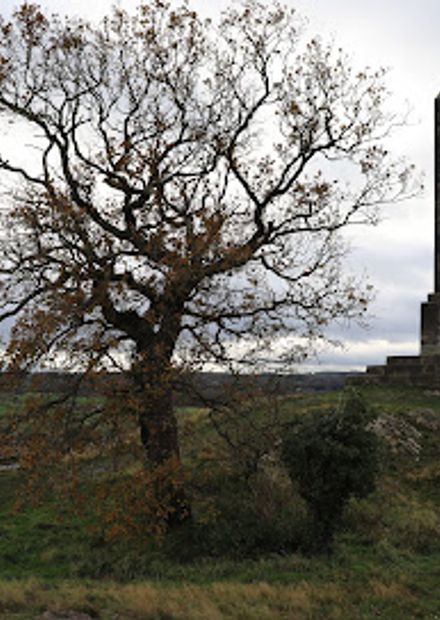
Lilleshall Monument travel guide
Historic 70-foot obelisk atop Lilleshall Hill offering sweeping panoramic views across Shropshire’s countryside and rich local heritage.
Tell me more about Lilleshall MonumentMore to explore near Lilleshall Monument

 Best experiences near Lilleshall Monument

 Best hotels near Lilleshall Monument

 Best attractions near Lilleshall Monument

 Best shops near Lilleshall Monument

 Best bars near Lilleshall Monument

 Best restaurants near Lilleshall Monument
Explore more
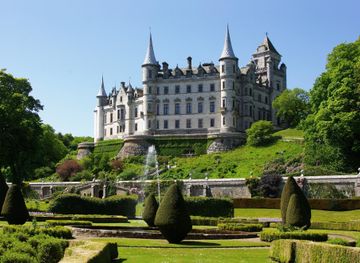
Explore more of Sutherland
Discover Sutherland, the untamed beauty of the Scottish Highlands, where rugged landscapes, serene lochs, and dramatic coastlines await the adventurous traveler.
Explore Sutherland
Getting your guide ready…
We are putting together a fresh copy of the Lilleshall Monument guide. This can take up to a minute.
This can take a few moments. If your browser asks, choose Allow so the download can start. You'll find the guide in your Downloads folder.
Nothing happened? Download it again
Sorry, the guide is taking longer than usual. Please try again in a minute, or get it by email instead.