

Barker Tower Travel Guide
Free Guide: A 14th-century riverside tower guarding York’s medieval waterways with history, defense, and a ferry legacy.


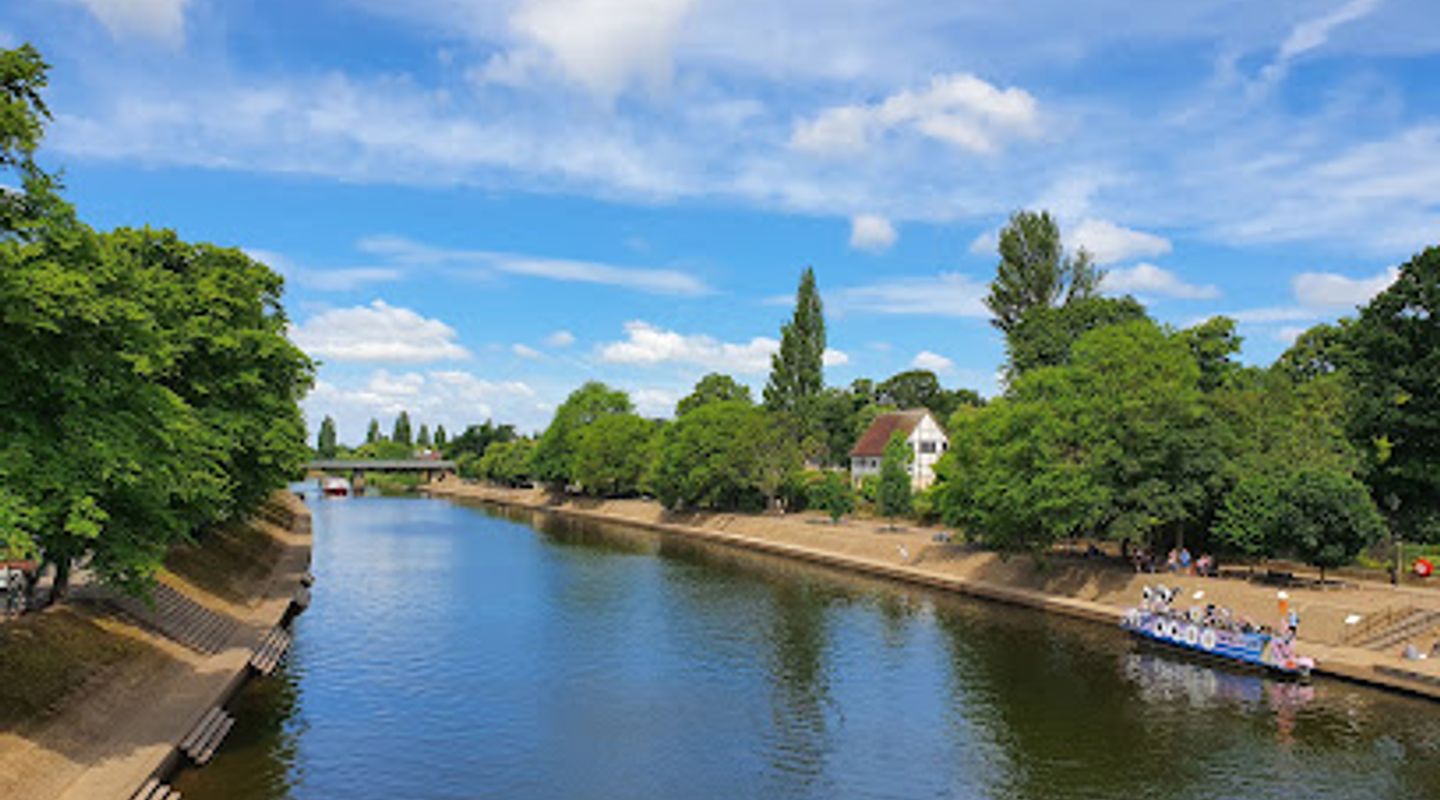
A brief summary of Barker Tower
A 14th-century riverside tower guarding York’s medieval waterways with history, defense, and a ferry legacy.
Barker Tower, a 14th-century riverside defensive structure in York, once guarded the city’s river entrance with a massive iron chain stretched across the River Ouse. It controlled river traffic and collected tolls, later serving as a ferry base and even a mortuary. Positioned opposite Lendal Tower, it remains a striking medieval landmark near Lendal Bridge, embodying York’s rich history of trade, defense, and industry.
On-site amenities
 Restrooms
 Drink options
 Food options
 Seating areas
 Information boards
- Address
- York YO1 6HU
- Website
Getting there
Bus
Walking
Taxi
Discover more about Barker Tower
Guarding York’s River Gateway
Barker Tower was constructed in the 14th century on the west bank of the River Ouse, marking the boundary of medieval York’s city centre. Its primary role was defensive and economic: working in tandem with Lendal Tower on the opposite bank, a massive iron chain was stretched between them to control river traffic entering the city. This chain served both to prevent hostile incursions and to enforce toll payments from boatmen, a vital source of city revenue. Historical records from as early as 1380 name Thomas Smyth as the tower’s 'keeper of the chain', highlighting the tower’s longstanding importance in managing river access.
Ferry Service and Changing Roles
Before the construction of Lendal Bridge in 1863, Barker Tower was the base for a ferry service that transported passengers across the Ouse. The ferry operated year-round, regardless of weather or day, emphasizing its essential role in local transport. After the bridge’s opening, the ferry ceased operation, and Barker Tower’s function evolved. Notably, in the 19th century, the tower was briefly repurposed as a mortuary, reflecting its adaptive reuse over centuries.
Architectural and Industrial Context
The tower retains much of its original medieval appearance, though crenellations once crowning it were replaced with small windows below the roofline. Its name likely derives from the nearby tanning industry; 'Barker' refers to workers who used oak bark to tan leather, a process that required ample water from the river. This connection situates Barker Tower within York’s broader industrial landscape, linking medieval defense with local economic activity.
Historical Significance and Preservation
Barker Tower was integral to York’s city walls and defenses, especially during periods of conflict such as the 1584 rebellion led by the Earl of Northumberland and Westmoreland. Its strategic position and function as part of the city’s fortifications underscore its historical value. Today, the tower is a scheduled ancient monument, preserved as a tangible link to York’s medieval past.
Modern-Day Presence and Visitor Experience
Located near Lendal Bridge and the Yorkshire Museum, Barker Tower now hosts a charming café, offering visitors a chance to enjoy its historic ambiance alongside refreshments. Flooding occasionally isolates the tower from the riverbank and nearby Memorial Gardens, adding to its unique riverside character. Its enduring medieval charm and riverside setting make it a distinctive stop for those exploring York’s rich heritage.
Legacy of River Control and Community Life
Barker Tower’s story encapsulates themes of defense, commerce, and community life in medieval York. From controlling river access with an iron chain to facilitating ferry crossings and supporting local trades, it reflects the dynamic interplay between urban security and economic vitality. Its survival through centuries of change offers a window into the lives and labors of York’s past inhabitants.
Evendo Review Centre
 Google
Guest reviews
Best time to go
Quietest: Jan, Feb & Dec · before 6am or from 11pm
Busy times are Evendo estimates for a typical year, to help you plan. Actual crowds vary with events, school holidays and the weather.
Explore Barker Tower on the map
A handpicked selection of must-see spots near Barker Tower, mapped for you.
Get your free copy of our complete guide to Barker Tower, delivered straight to you.
Everything on this page, from opening hours and how to get there to Eve’s tips and the best time to go, in one PDF you can read offline, print or share.
Already have an account? Sign in
Your Barker Tower guide is ready.
We'll send it to · Not you? Sign out

Getting your guide ready…
We are putting together a fresh copy of the Barker Tower guide. This can take up to a minute.
This can take a few moments. If your browser asks, choose Allow so the download can start. You'll find the guide in your Downloads folder.
Nothing happened? Download it again
Sorry, the guide is taking longer than usual. Please try again in a minute, or get it by email instead.
Other nearby places you may find interesting
The closest places of the same kind, if this one is not quite what you had in mind.
-
-
-

-
-


Swipe for more places
More to explore near Barker Tower

 Best experiences near Barker Tower
 Best hotels near Barker Tower
 Best landmarks near Barker Tower
 Best attractions near Barker Tower
 Best shops near Barker Tower
 Best restaurants near Barker Tower
 Best bars near Barker Tower
Do you manage this location?
Take control to get all the benefits, like improved information, better appearance, and stronger visibility across AI-powered discovery.
Explore more
Explore more of Yorkshire
Discover the timeless charm of Yorkshire, where history meets natural beauty and vibrant city life. Perfect for history buffs, nature lovers, and food enthusiasts.
Explore Yorkshire
Explore more of United Kingdom
Discover the United Kingdom: A blend of rich history, stunning landscapes, and vibrant cities, offering a unique travel experience for every visitor.
Explore United Kingdom
