

St Kilda (Melbourne) Travel Guide - Free
Explore St Kilda in Melbourne with Evendo's free guide. Find the best shops, historic streets, restaurants, and gems on web or mobile.


St Kilda, Melbourne’s seaside quarter, pairs Luna Park, the Palais Theatre, Acland Street cakes, bay sunsets and historic architecture with lively local culture.
Bayfront Character and Historic Streets
St Kilda occupies a curving stretch of Melbourne’s inner-south waterfront, where sandy beaches, palm-lined promenades and grand nineteenth-century villas meet one of the city’s most recognisable entertainment precincts. The neighbourhood’s name is generally linked to the schooner Lady of St Kilda, which anchored in Port Phillip Bay in the early 1840s, and its coastal setting has shaped its identity ever since. St Kilda Pier, the beach and the Esplanade provide broad views across the bay, while Fitzroy Street and Acland Street lead inland through a dense mix of apartments, heritage façades, cafés, bars and small businesses.Read more about St Kilda
Entertainment, Architecture and Everyday Life
Beach, Wildlife and Public Space
Best attractions in St Kilda
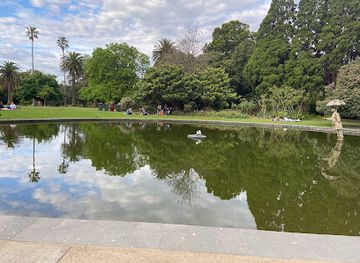
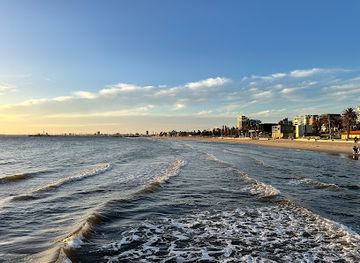
St Kilda’s principal attractions are concentrated around the bay and its historic entertainment precinct. St Kilda Pier extends into Port Phillip Bay and offers a broad outlook towards the Melbourne skyline, while the nearby breakwater is associated with a colony of little penguins that can be viewed under managed conditions after dark. Luna Park, with its dramatic entrance and amusement rides, remains the neighbourhood’s most recognisable recreational landmark, and the Palais Theatre continues the area’s long performance tradition. The St Kilda Sea Baths, Catani Gardens and the Esplanade add architectural and public-space interest, while Acland Street provides a street-level experience of cafés, cake shops and local foot traffic. Visitors can also follow the foreshore path towards Elwood, though that continuation lies beyond St Kilda’s recognised neighbourhood area.
-
Tourist attraction
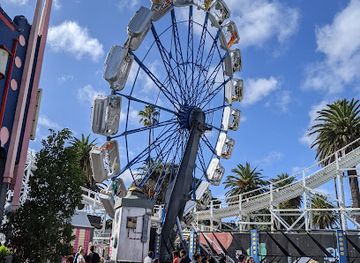
Luna Park Melbourne
Experience vintage thrills and carnival fun at Luna Park Melbourne, St Kilda's iconic amusement park since 1912. A timeless destination for all ages.
5 min walk · 0.4 km from neighbourhood centre
-
Tourist attraction
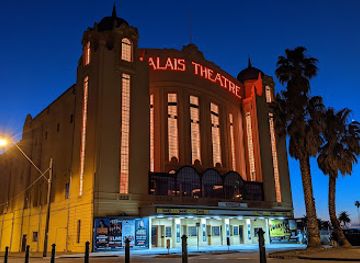
Palais Theatre
Experience the grandeur of Melbourne's Palais Theatre, a historic landmark offering diverse entertainment in a stunning, ornate setting.
6 min walk · 0.5 km from neighbourhood centre
-
Tourist attraction
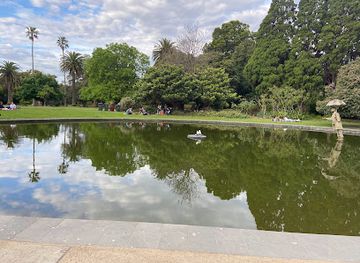
St Kilda Botanical Gardens
Explore the lush landscapes and vibrant flora of St Kilda Botanical Gardens, a serene retreat in Melbourne's vibrant coastal suburb.
5 min walk · 0.4 km from neighbourhood centre
-
Tourist attraction
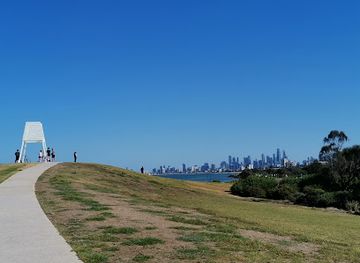
Point Ormond Lookout
Experience breathtaking panoramic views of Port Phillip Bay and Melbourne's skyline at Point Ormond Lookout, a scenic gem in Elwood, Victoria.
5 min drive · 1.7 km from neighbourhood centre
Best landmarks in St Kilda
St Kilda’s landmarks express its development as a bayside resort and entertainment suburb. Luna Park’s enormous entrance face and distinctive amusement-park architecture form an immediate visual marker beside the foreshore, while the Palais Theatre stands as one of the neighbourhood’s most important performance buildings. The St Kilda Sea Baths represent the area’s long bathing and leisure tradition, and the St Kilda Pier remains both a working piece of waterfront infrastructure and a familiar public promenade. Along the Esplanade, surviving villas, apartment buildings and hotel façades reveal the wealth and resort culture of the late nineteenth and early twentieth centuries. Catani Gardens contribute a landscaped civic setting between the built-up streets and the beach. Together, these structures and spaces show how recreation, transport, residential growth and the bay shaped St Kilda’s physical identity.
-
Botanical garden
St Kilda Botanical Gardens
Discover tranquility at St Kilda Botanical Gardens, a lush retreat in St Kilda, featuring diverse plant species, beautiful landscapes, and serene picnic spots.
5 min walk · 0.4 km from neighbourhood centre
-
Scenic spot
Shakespeare Grove Platform
Experience breathtaking views and a vibrant atmosphere at Shakespeare Grove Platform in St Kilda, the perfect scenic getaway for tourists.
8 min walk · 0.6 km from neighbourhood centre
-
Historical landmark
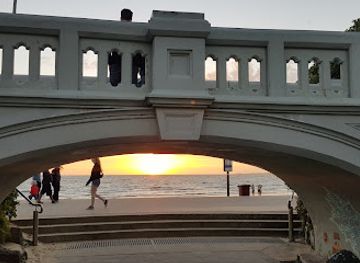
Catani Archway
Explore the Catani Archway, a stunning historical landmark in St Kilda that offers breathtaking views and a glimpse into the area's rich heritage.
9 min walk · 0.7 km from neighbourhood centre
-
Historical landmark
St Kilda Cenotaph
Discover the St Kilda Cenotaph, a serene historical landmark honoring the sacrifices of war heroes amidst the beauty of St Kilda's coastal charm.
12 min walk · 1.0 km from neighbourhood centre

Explore St Kilda on the map
A handpicked selection of must-see spots in St Kilda, mapped for you.
Best hotels in St Kilda
Best restaurants in St Kilda
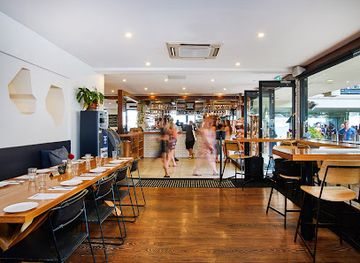
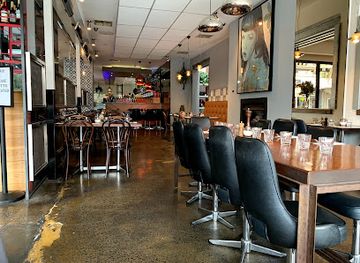
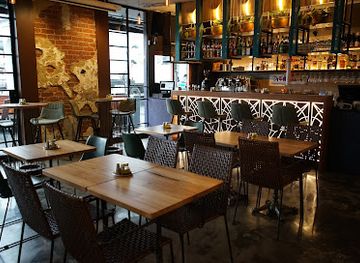
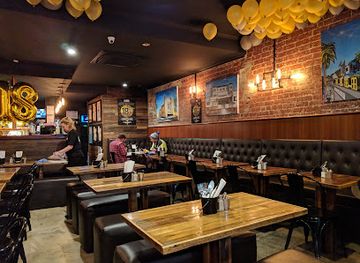
St Kilda’s dining scene is shaped by its seafront position, long history as a resort and mixture of residential and entertainment streets. Acland Street is the most recognisable food corridor, with cafés, cake shops, casual eateries and restaurants occupying a lively strip close to the beach and Luna Park. Fitzroy Street offers a broader restaurant and bar selection, while the Esplanade and waterfront venues focus on views as well as food. The neighbourhood is not defined by one cuisine: menus range from contemporary Australian cooking and European-influenced cafés to modern casual dining and international options reflecting Melbourne’s wider multicultural food culture. Independent coffee shops and bakeries are part of the everyday rhythm, while the St Kilda Sea Baths area provides a more leisure-oriented setting. Conditions, menus and individual businesses change, so visitors should check current information directly.
-
Restaurant
Republica St Kilda Beach
Discover vibrant dining at Republica St Kilda Beach - where modern Australian cuisine meets breathtaking ocean views in Melbourne's iconic beachside destination.
11 min walk · 0.8 km from neighbourhood centre
-
Italian
Rococo St Kilda
Experience authentic Italian cuisine at Rococo St Kilda, where every dish tells a story amidst vibrant surroundings.
3 min walk · 0.2 km from neighbourhood centre
-
Mediterranean
Lady Of St Kilda
Discover Mediterranean flavors at Lady Of St Kilda – where delightful meals meet vibrant cocktails in an inviting atmosphere.
3 min walk · 0.3 km from neighbourhood centre
-
Restaurant
La Roche
Experience delightful breakfasts at La Roche Cafe in St Kilda - where fresh ingredients meet modern Australian cuisine.
2 min walk · 0.2 km from neighbourhood centre
Best bars in St Kilda
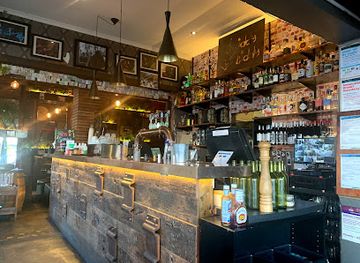
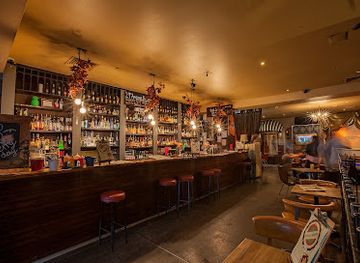
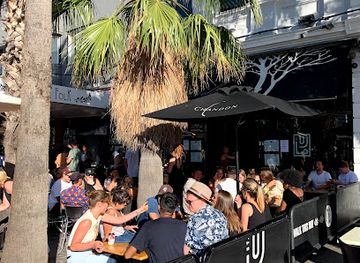
After dark, St Kilda divides into several distinct scenes rather than operating as one continuous nightlife district. Fitzroy Street has the strongest concentration of bars, pubs and late-evening venues, with activity spilling onto pavements and terraces on busy nights. Acland Street combines dining with more relaxed drinking, while the Esplanade and waterfront venues offer a setting oriented towards the bay. The Palais Theatre brings concerts and large performances, and Luna Park may add an amusement-park atmosphere when operating. St Kilda’s nightlife can be energetic around events, but the surrounding residential streets are comparatively quiet and should be treated accordingly. Visitors should check current licensing, event and transport information, particularly when attending a late performance or travelling after the main tram services become less frequent.
-
Irish pub
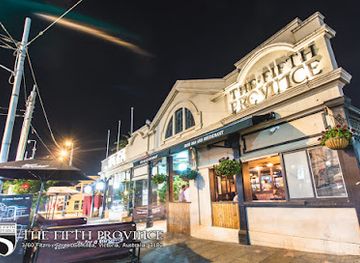
The Fifth Province Irish Bar & Restaurant
Discover the vibrant flavors and authentic atmosphere of The Fifth Province, St Kilda's premier Irish bar and restaurant, offering a taste of Ireland in Australia.
12 min walk · 1.0 km from neighbourhood centre
-
Grill
Iddy Biddy Bar
Discover the vibrant Iddy Biddy Bar in St Kilda, where delightful flavors meet a welcoming atmosphere for an unforgettable dining experience.
4 min walk · 0.3 km from neighbourhood centre
-
Bar
29th Apartment
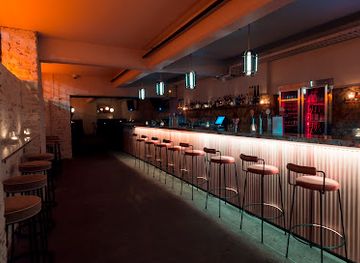
Experience the lively ambiance and delightful cocktails at the 29th Apartment, St Kilda's perfect spot for a fun night out.
11 min walk · 0.9 km from neighbourhood centre
-
Cocktail bar
St LuJa | Cocktail Bar
Discover St LuJa, St Kilda's vibrant cocktail bar, where expertly crafted cocktails and a lively atmosphere create unforgettable nights out.
12 min walk · 0.9 km from neighbourhood centre
Best nightclubs in St Kilda
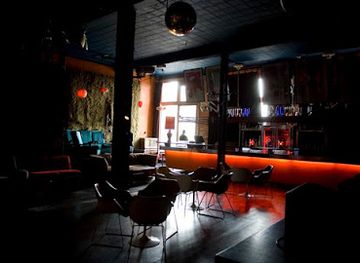
After dark, St Kilda divides into several distinct scenes rather than operating as one continuous nightlife district. Fitzroy Street has the strongest concentration of bars, pubs and late-evening venues, with activity spilling onto pavements and terraces on busy nights. Acland Street combines dining with more relaxed drinking, while the Esplanade and waterfront venues offer a setting oriented towards the bay. The Palais Theatre brings concerts and large performances, and Luna Park may add an amusement-park atmosphere when operating. St Kilda’s nightlife can be energetic around events, but the surrounding residential streets are comparatively quiet and should be treated accordingly. Visitors should check current licensing, event and transport information, particularly when attending a late performance or travelling after the main tram services become less frequent.
-
Club
Revolver Upstairs
Discover the vibrant nightlife at Revolver Upstairs, a unique club and live music venue with a delicious Thai restaurant in Prahran, Melbourne.
6 min drive · 2.1 km from neighbourhood centre
-
Night club
onesixone
Experience the vibrant nightlife at Onesixone, Prahran's top night club offering cocktails, music, and a lively atmosphere for an unforgettable night out.
6 min drive · 2.0 km from neighbourhood centre
-
Night club
Secret Garden Bar
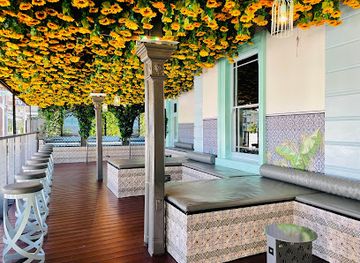
A vibrant nightlife destination in St Kilda, Secret Garden Bar offers cocktails, a beer garden, and live music for an unforgettable experience.
13 min walk · 1.0 km from neighbourhood centre
-
Event venue
The George Lounge
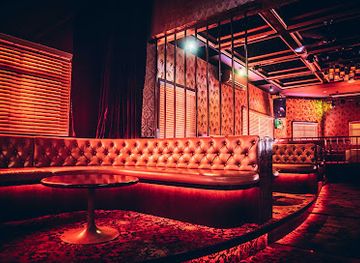
Experience the vibrant nightlife of St Kilda at The George Lounge, a premier event venue and cocktail bar offering unique events and delightful drinks.
12 min walk · 1.0 km from neighbourhood centre
Best shops in St Kilda
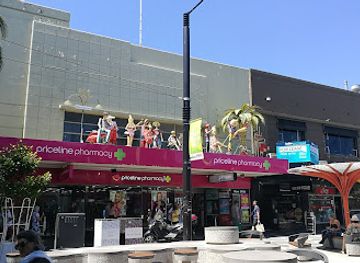
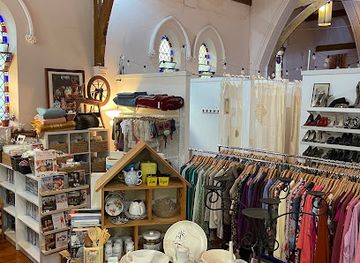
Shopping in St Kilda is focused on everyday independent retail, food businesses and visitor-oriented browsing rather than a single enclosed centre. Acland Street is the best-known commercial strip, combining cake shops, cafés, small retailers and long-established façades close to the beach. Fitzroy Street has a more mixed commercial character, with restaurants, bars, services and specialist businesses interspersed along the main road. Side streets and the area around the Sea Baths add smaller-scale shops, galleries and design-led businesses, although the exact retail mix changes over time. The neighbourhood is a useful place to browse local food and bakery culture, pick up practical beach items or explore independent boutiques without mistaking it for a major department-store district. Visitors interested in larger markets or more extensive vintage shopping may need to continue into adjacent inner suburbs rather than assuming every option is within St Kilda.
-
Shopping mall
Acland Court Shopping Centre
Discover the charm of Acland Court Shopping Centre in St Kilda, where unique boutiques, supermarkets, and delightful cafes await every visitor.
2 min walk · 0.2 km from neighbourhood centre
-
Op Shop
Greeves St.
Explore Greeves St. Op Shop in St Kilda for unique second-hand clothes, vintage finds, and sustainable shopping in a vibrant setting.
9 min walk · 0.7 km from neighbourhood centre
-
Clothing store
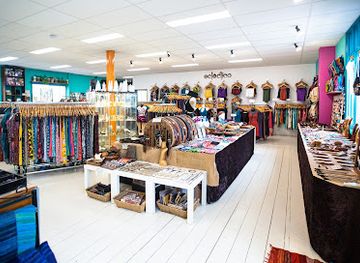
Eclectico
Explore Eclectico in St Kilda for unique fashion finds, stylish accessories, and rare vinyl records that capture the essence of creativity and individuality.
3 min walk · 0.2 km from neighbourhood centre
-
Boutique
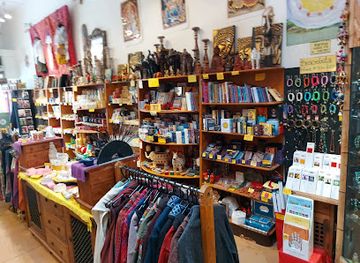
Chakra
Explore Chakra in St Kilda: Your go-to boutique for unique fashion, handmade crafts, and vibrant accessories.
3 min walk · 0.2 km from neighbourhood centre
St Kilda essentials
Getting There
Getting Around
Safety
Emergency Situations
Do's and Don'ts
Local Tips

From Eve
Local phrases worth knowing
You don't need to get them perfect. A few words go a long way, and locals appreciate the effort.
Basics
| English | Local | Say it |
|---|---|---|
| Hello | G'day | [g'day] |
| Goodbye | See ya | [see ya] |
| Yes | Yeah | [yeah] |
| No | Nah | [nah] |
| Please/You're welcome | Please/No worries | [please/no worries] |
| Thank you | Cheers | [cheers] |
| Excuse me/Sorry | Pardon/My bad | [pardon/my bad] |
| How are you? | How ya going? | [how ya going] |
| Fine. And you? | Good. You? | [good. you] |
| Do you speak English? | Speak English? | [speak english] |
| I don't understand | I'm lost | [i'm lost] |
Eating & Drinking
| English | Local | Say it |
|---|---|---|
| I'd like to see the menu, please | Menu, please | [menu, please] |
| I don't eat meat | No meat | [no meat] |
| Cheers! | Cheers! | [cheers] |
| I would like to pay, please | Pay, please | [pay, please] |
Emergencies
| English | Local | Say it |
|---|---|---|
| Help! | Help! | [help] |
| Go away! | Bugger off! | [bugger off] |
| Call the Police! | Get the cops! | [get the cops] |
| Call a doctor! | Get a doc! | [get a doc] |
| I'm lost | Lost | [lost] |
| I'm ill | Sick | [sick] |
Shopping
| English | Local | Say it |
|---|---|---|
| I'd like to buy... | I wanna buy... | [i wanna buy] |
| I'm just looking | Just browsing | [just browsing] |
| How much is it? | How much? | [how much] |
| That's too expensive | Too dear | [too dear] |
| Can you lower the price? | Can you do it cheaper? | [can you do it cheaper] |
Time & Numbers
| English | Local | Say it |
|---|---|---|
| What time is it? | What's the time? | [what's the time] |
| It's one o'clock | It's one | [it's one] |
| Half past (10) | Half ten | [half ten] |
| Morning | Morning | [morning] |
| Afternoon | Arvo | [arvo] |
| Evening | Evening | [evening] |
| Yesterday | Yesterday | [yesterday] |
| Today | Today | [today] |
| Tomorrow | Tomorrow | [tomorrow] |
| 1 | One | [one] |
| 2 | Two | [two] |
| 3 | Three | [three] |
| 4 | Four | [four] |
| 5 | Five | [five] |
| 6 | Six | [six] |
| 7 | Seven | [seven] |
| 8 | Eight | [eight] |
| 9 | Nine | [nine] |
| 10 | Ten | [ten] |
Transport & Directions
| English | Local | Say it |
|---|---|---|
| Where's a/the...? | Where's the...? | [where's the] |
| What's the address? | What's the address? | [what's the address] |
| Can you show me (on the map)? | Can you show me (on the map)? | [can you show me (on the map)] |
| When's the next (bus)? | When's the next (bus)? | [when's the next (bus)] |
| A ticket (to ....) | A ticket (to ....) | [a ticket (to)] |
History of St Kilda
Boon Wurrung Country and Coastal Land
St Kilda lies on the traditional lands of the Boon Wurrung people of the Kulin Nation, whose connection with the coast and the wider Port Phillip region predates European settlement by many thousands of years. The shoreline, wetlands and shallow waters formed part of a living cultural landscape used for movement, fishing and gathering. Colonial descriptions and later urban development often obscured these continuing connections, but recognition of Boon Wurrung custodianship is essential to understanding the area before it became a seaside suburb.
The Naming of St Kilda
The district began to be known as St Kilda in the early 1840s, commonly associated with the schooner Lady of St Kilda, which visited Port Phillip Bay. Early European settlement brought grazing land, rough tracks and coastal camps, followed by subdivision as Melbourne expanded southwards. The area’s position beside the bay made it attractive for villas and recreation, while its relative distance from the early town encouraged a separate village identity. By the middle of the nineteenth century, St Kilda had developed a recognisable settlement, with houses, hotels and commercial premises serving residents and visitors.
A Seaside Resort Takes Shape
Improved roads, public transport and steam-powered connections helped St Kilda become one of Melbourne’s leading seaside resorts during the late nineteenth century. The foreshore was landscaped, bathing facilities developed and substantial homes appeared along streets such as the Esplanade and nearby residential avenues. Fitzroy Street and Acland Street grew as commercial centres, while hotels, cafés and entertainment venues catered to day-trippers and permanent residents. The resulting mixture of villas, terraces, public gardens and seafront structures established much of the urban character still visible today.
Trams, Luna Park and the Palais
Electric tram expansion in the late nineteenth and early twentieth centuries made St Kilda more accessible from central Melbourne and reinforced its role as a leisure destination. Luna Park opened in 1912 on the former site of an earlier amusement venture, introducing a permanent amusement park beside the foreshore. The Palais Theatre, opened in 1927 after earlier entertainment buildings on the site, added a major concert and performance venue. Together with the Sea Baths, cinemas, dance halls and restaurants, these institutions gave St Kilda a strong association with popular entertainment.
Changing Fortunes and Continuing Renewal
After the Second World War, changing leisure habits, suburban expansion and alterations to the waterfront affected St Kilda’s traditional resort economy. Some grand houses and commercial buildings were subdivided or adapted, while the neighbourhood also became associated with artists, musicians, nightlife and a diverse range of residents. Later investment restored or renewed parts of the foreshore, entertainment precinct and residential fabric, although redevelopment has remained a continuing local discussion. Today St Kilda combines heritage buildings and long-established venues with contemporary cafés, apartments and public spaces.
St Kilda in Photos
Browse through our photo collection highlighting the charm and character of the destination.
Neighbourhoods near St Kilda
The closest neighbourhoods to St Kilda, if you have time for more than one stop.
-

-

-


Swipe for more neighbourhoods
Explore more

Explore more of Melbourne
Melbourne combines laneway culture, grand Victorian architecture, major galleries, coastal escapes and a celebrated food scene in Australia's cultural capital.
Explore Melbourne