

Norwalk Islands, Connecticut Travel Guide
Discover the serene beauty and rich history of the Norwalk Islands in Connecticut, where outdoor adventure, wildlife, and tranquil landscapes await.
The Norwalk Islands are a serene and picturesque archipelago located off the coast of Norwalk, Connecticut. Comprising over 25 small islands, this hidden gem offers a unique escape from the hustle and bustle of everyday life. Each island has its own charm, with some being private, while others are open to the public for exploration and enjoyment. Tourists can enjoy a range of outdoor activities such as kayaking, bird-watching, and fishing. The islands are a haven for wildlife, hosting a variety of bird species, including ospreys and herons. Chimon Island, one of the largest in the group, is renowned for its natural beauty and is a perfect spot for a peaceful picnic. For history enthusiasts, the islands also hold historical significance with ruins of old buildings and tales of Prohibition-era smuggling. The best way to explore the Norwalk Islands is by boat. Several local companies offer boat rentals and guided tours, providing a fantastic opportunity to learn about the islands' history and ecology. The calm waters surrounding the islands make for a perfect day of sailing or paddleboarding. Whether you're looking for a quiet retreat or an adventurous day out, the Norwalk Islands promise an unforgettable experience.

Know before you go
Hi, I'm Eve. Here are a few practical things to know before exploring Norwalk Islands.
- Check the tide schedule before planning your visit, as some areas may be inaccessible during high tide.
- Carry insect repellent, especially during the summer months, to keep mosquitoes at bay.
- Pack a picnic and plenty of water, as there are limited facilities on the islands.
- Wear comfortable shoes suitable for walking on uneven terrain.
- Respect private property and stick to designated public areas.
Explore Norwalk Islands: Things to Do, Places to Eat, Hotels & More
Handpicked recommendations for top attractions, local dining, accommodations, and more

Best attractions in Norwalk Islands
Top-rated picks
Best Attractions

Sherwood Island State Park
Experience the serene beauty of Sherwood Island State Park, a picturesque coastal retreat in Connecticut, perfect for relaxation and outdoor adventures.

Tallman Mountain State Park
Explore Tallman Mountain State Park: a natural paradise offering stunning views, diverse wildlife, and perfect trails for every outdoor enthusiast.

Cove Island
Discover Cove Island in Stamford, CT: a stunning blend of sandy beaches and lush parkland offering relaxation and family-friendly fun.

Grace Farms
Discover the tranquil beauty and cultural richness of Grace Farms, a non-profit sanctuary offering nature, art, and community engagement in New Canaan, CT.

Best landmarks in Norwalk Islands
Top-rated picks
Best Landmarks

Calf Pasture Beach
Discover the beauty and charm of Calf Pasture Beach in Norwalk, Connecticut, where relaxation meets recreation by the stunning shores of Long Island Sound.

Lockwood-Mathews Mansion Museum
Discover the splendor of 19th-century architecture and history at the Lockwood-Mathews Mansion Museum in Norwalk, Connecticut.

Sheffield Island Lighthouse
Experience the charm of Sheffield Island Lighthouse, a historic gem in Norwalk, Connecticut, surrounded by breathtaking views and rich wildlife.

Mill Hill Historic Park
Discover Norwalk's heritage at Mill Hill Historic Park, a serene blend of history and nature in Connecticut.

Best restaurants in Norwalk Islands
Top-rated picks
Best Restaurants

Sedona Taphouse
Discover Sedona Taphouse in Norwalk - where American flavors meet an exciting bar atmosphere with craft beers and signature cocktails.

Oak and Almond
Experience the heart of American cuisine at Oak and Almond—Norwalk's go-to spot for delicious meals and vibrant atmosphere.

Rowayton Seafood Restaurant and Market
Experience the freshest seafood in Connecticut at Rowayton Seafood Restaurant and Market - where local flavors meet coastal charm.

Blue Cactus Grill
Discover mouthwatering cheesesteaks and diverse menu options at Blue Cactus Grill in Norwalk - your culinary haven in Connecticut!

Best bars in Norwalk Islands
Top-rated picks
Best Bars

Troupe429
Experience the vibrant nightlife at Troupe429, Norwalk's premier gay bar, featuring live music, karaoke, and a welcoming atmosphere for all.

Boteco Ipanema
Experience the vibrant flavors of Brazil at Boteco Ipanema, Norwalk's premier bar and restaurant for authentic Brazilian cuisine and lively atmosphere.

Sedona Taphouse
Experience the best of American dining at Sedona Taphouse in Norwalk, where culinary creativity meets a vibrant atmosphere and exceptional service.

O'Neill's Irish Pub & Restaurant
Discover authentic Irish cuisine and vibrant live music at O'Neill's Irish Pub & Restaurant in Norwalk, Connecticut, a must-visit for tourists seeking a lively atmosphere.

Best nightclubs in Norwalk Islands
Top-rated picks
Best Nightclubs

Troupe429
Experience the vibrant nightlife at Troupe429, Norwalk's premier gay bar featuring cocktails, karaoke, and live music in a welcoming atmosphere.

The Palms Night Club
Discover Stamford's nightlife at The Palms Night Club, where music, dance, and vibrant ambiance create unforgettable nights.

Ferris Hill Club
Discover the electrifying nightlife at Ferris Hill Club in Norwalk, where top DJs and a vibrant crowd create unforgettable experiences.

Sono Sky Rooftop Bar
Discover the chic Sono Sky Rooftop Bar in Norwalk, CT, where exquisite cocktails and stunning skyline views create an unforgettable experience.

Best shops in Norwalk Islands
Top-rated picks
Best Shops

The Maritime Aquarium at Norwalk
Discover the fascinating marine life and educational adventures at The Maritime Aquarium at Norwalk, a perfect destination for family fun.

Best Buy
Discover the ultimate destination for electronics and home appliances at Best Buy in Norwalk, CT, where technology meets convenience.

Patel Brothers
Explore the vibrant flavors of India at Patel Brothers, your go-to Indian grocery store in Norwalk, offering authentic spices, fresh produce, and delicious snacks.

The SoNo Collection
Explore The SoNo Collection in Norwalk, CT - a premier shopping destination with diverse retail, dining, and entertainment options for every traveler.

Explore Norwalk Islands on the Map
A handpicked selection of must-see spots in Norwalk Islands, mapped for you.
Norwalk Islands Essentials
-
The Norwalk Islands are located off the coast of Norwalk, Connecticut. The nearest major airports are LaGuardia Airport (LGA) and John F. Kennedy International Airport (JFK), both in New York City, and Bradley International Airport (BDL) in Hartford, Connecticut. From these airports, you can rent a car or take a train to Norwalk. The Metro-North Railroad provides frequent service from New York City to Norwalk. Once in Norwalk, you can reach the islands by boat. Several local marinas offer boat rentals, and there are also water taxi services available.
-
Transportation within Norwalk is convenient, with multiple options available. Public buses operated by Norwalk Transit District (WHEELS) cover most areas of the city. For visiting the islands, private boat rentals and water taxis are the best options. Biking is another popular way to explore the mainland, with several bike rental shops available. Ridesharing services like Uber and Lyft are also widely available.
-
The official currency is the US Dollar (USD). Credit and debit cards are widely accepted in Norwalk, including at most restaurants, stores, and service providers. ATMs are plentiful throughout the city and on the mainland areas near the islands. It is advisable to carry some cash for small purchases, especially if you plan to visit local markets or smaller establishments.
-
Norwalk is generally a safe destination for tourists. However, it is advisable to exercise standard precautions. Avoid isolated areas of the islands after dark and keep an eye on your belongings, particularly in crowded areas like beaches and marinas. There are no specific high-crime neighborhoods targeting tourists, but always stay vigilant and aware of your surroundings.
-
In case of emergency, dial 911 for immediate assistance. Norwalk has several medical facilities, including Norwalk Hospital, which provides comprehensive emergency services. It is recommended to have travel insurance that covers medical emergencies. For minor health issues, there are pharmacies in the city where you can purchase over-the-counter medications. For maritime emergencies, contact the US Coast Guard or local marine patrol.
-
Fashion: Do dress comfortably and appropriately for outdoor activities. Bring swimwear for beach visits and sturdy shoes for hiking. Avoid overly formal attire. Religion: Do respect local customs and traditions, even though there are no specific religious restrictions. Public Transport: Do be courteous to drivers and fellow passengers. Don't litter or engage in loud conversations. Greetings: Do greet people with a friendly smile or a handshake. Eating & Drinking: Do try local seafood and other delicacies. Don't leave large tips in casual dining spots; 15-20% is customary in more formal settings.
-
To experience the Norwalk Islands like a local, consider visiting during the weekdays to avoid the weekend crowds. Pack a picnic and spend a day at Sheffield Island, where you can tour the historic lighthouse. Engage with local fishermen and boaters, as they can offer unique insights and stories about the islands. Don't miss the chance to try fresh oysters from local oyster farms. Exploring the islands by kayak or paddleboard can provide a more intimate and serene experience compared to larger boats.
When is the best time to visit Norwalk Islands?
Useful Local Phrases for Norwalk Islands
You don't need to speak the language perfectly. Even learning a few simple words can make conversations warmer—and locals usually appreciate the effort.
— Eve

Here are the phrases I use most often in Norwalk Islands. Try a few—you'll be surprised how far they go! 😊
❤️
-
- HelloHowdy
[HAW-dee] - GoodbyeSee ya
[SEE yuh] - YesYup
[YUHP] - NoNah
[NAH] - Please/You're welcomeSure thing
[SHOOR thang] - Thank youThanks a bunch
[THANKS uh bunge] - Excuse me/SorryPardon me
[PAHR-dun me] - How are you?How's it goin'?
[HOWZ it GO-in] - Fine. And you?A-OK. You?
[AY-oh-KAY. Yoo?] - Do you speak English?Ya talk English?
[Yuh TAWK Ing-glish?] - I don't understandI'm lost
[AHM lawst]
- HelloHowdy
-
- I'd like to see the menu, pleaseMenu, please
[MEH-nyoo, please] - I don't eat meatNo meat for me
[NO meat for me] - Cheers!Bottoms up!
[BAH-tuhmz up] - I would like to pay, pleaseCheck, please
[CHEK, please]
- I'd like to see the menu, pleaseMenu, please
-
- Help!SOS!
[ESS-oh-ESS!] - Go away!Scram!
[SKRAM!] - Call the Police!Cops!
[KAWPS!] - Call a doctor!Doc!
[DAWK!] - I'm lostLost
[lawst] - I'm illSick
[sik]
- Help!SOS!
-
- I'd like to buy...Gimme...
[GIM-mee] - I'm just lookingJust browsing
[JUST BROW-zing] - How much is it?Cost?
[COST?] - That's too expensiveToo pricey
[TOO PRY-see] - Can you lower the price?Discount?
[DIS-count?]
- I'd like to buy...Gimme...
-
- What time is it?Time?
[TIME?] - It's one o'clockOne o'clock
[wun uh-KLOCK] - Half past (10)Half past (10)
[haff past (10)] - MorningMornin'
[MORN-in] - AfternoonAfternoon
[AF-ter-NOON] - EveningEvenin'
[EVE-nin] - YesterdayYesterday
[YES-tur-day] - TodayToday
[to-DAY] - TomorrowTomorrow
[to-MOR-row] - 1One
[wun] - 2Two
[too] - 3Three
[three] - 4Four
[FORE] - 5Five
[FIVE] - 6Six
[SIX] - 7Seven
[SEV-en] - 8Eight
[AYT] - 9Nine
[NINE] - 10Ten
[TEN]
- What time is it?Time?
-
- Where's a/the...?Where's the...?
[WHEREZ the] - What's the address?Address?
[uh-DRESS] - Can you show me (on the map)?Show me
[SHOW me] - When's the next (bus)?Next bus?
[NEKS bus] - A ticket (to ....)Ticket
[TIK-it]
- Where's a/the...?Where's the...?
History of Norwalk Islands
-
Long before European settlers arrived, the Norwalk Islands were inhabited by the Siwanoy tribe of the Algonquin nation. These indigenous people utilized the islands for fishing, hunting, and gathering shellfish, leaving behind evidence of their lives in the form of shell middens and stone tools.
-
The Norwalk Islands were first documented by European settlers in the early 17th century. In 1640, Roger Ludlow purchased the land from the Siwanoy tribe, leading to the establishment of the town of Norwalk. The islands played a role in the local economy, providing resources like timber and fish.
-
During the American Revolutionary War, the Norwalk Islands were strategically important due to their location along Long Island Sound. In 1779, British forces led by General William Tryon attacked the town of Norwalk, burning it to the ground. The islands served as points of refuge and observation for both British and American forces.
-
In the 19th century, the Norwalk Islands became a hub for oystering and other maritime industries. The islands were dotted with oyster shanties, and Norwalk became known as the 'Oyster Capital of the World.' The maritime commerce brought prosperity to the area, shaping its economy and culture.
-
During Prohibition in the 1920s, the Norwalk Islands were used by bootleggers to smuggle alcohol. The islands' secluded coves and inlets provided ideal hiding spots for illegal shipments, and colorful stories of clandestine activities have become part of local lore.
-
In World War II, the Norwalk Islands were again of strategic importance. Coastal defenses were established on some of the islands to protect against potential German U-boat attacks. Remnants of these fortifications can still be seen today, serving as a reminder of the islands' military history.
-
In recent decades, there has been a strong focus on conserving the natural beauty and ecological importance of the Norwalk Islands. Organizations like the Norwalk Islands Trust have worked to preserve the islands' habitats for wildlife and ensure that they remain a cherished resource for future generations.
Cities in Norwalk Islands
Browse our curated selection of top destinations, scenic points, and must-visit spots in the area.


Neighbouring destination travel guides
Browse our curated selection of top destinations, scenic points, and must-visit spots in the area.


Your all‑in‑one travel companion app
Explore expert travel guides, compare and book tours, experiences, hotels, and more—all from the palm of your hand. Download now for seamless trip planning wherever your wanderlust takes you.


Explore More of Fairfield County

Looking beyond Norwalk Islands? Discover Fairfield County for broader travel guides, local hot-spots, and regional highlights.
Explore Fairfield CountyExplore More of Connecticut

Looking beyond Norwalk Islands? Discover Connecticut for broader travel guides, local hot-spots, and regional highlights.
Explore ConnecticutNorwalk Islands in Photos
Browse through our photo collection highlighting the charm and character of the destination.




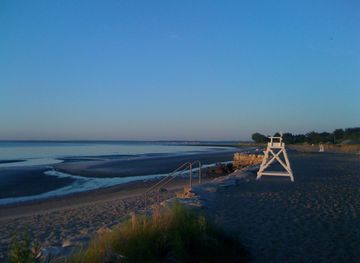
Enchanting Norwalk Islands: A Hidden Gem in Connecticut
The Norwalk Islands are a serene and picturesque archipelago located off the coast of Norwalk, Connecticut. Comprising over 25 small islands, this hidden gem offers a unique escape from the hustle and bustle of everyday life. Each island has its own charm, with some being private, while others are open to the public for exploration and enjoyment. Tourists can enjoy a range of outdoor activities such as kayaking, bird-watching, and fishing. The islands are a haven for wildlife, hosting a variety of bird species, including ospreys and herons. Chimon Island, one of the largest in the group, is renowned for its natural beauty and is a perfect spot for a peaceful picnic. For history enthusiasts, the islands also hold historical significance with ruins of old buildings and tales of Prohibition-era smuggling. The best way to explore the Norwalk Islands is by boat. Several local companies offer boat rentals and guided tours, providing a fantastic opportunity to learn about the islands' history and ecology. The calm waters surrounding the islands make for a perfect day of sailing or paddleboarding. Whether you're looking for a quiet retreat or an adventurous day out, the Norwalk Islands promise an unforgettable experience.