

Sønderho Mølle, Fanø
Wind, flour and island history meet in this beautifully restored 1895 gallery Dutch windmill above the village of Sønderho on Fanø.
Perched on a low hill at the edge of the village of Sønderho on Fanø, Sønderho Mølle is a beautifully restored gallery Dutch windmill from 1895. Saved from demolition in 1928 by the Gamle Sønderho Foundation, it now stands almost as it did in the late 19th century, with its octagonal body, masonry base and encircling gallery. Visitors can step inside the unmanned mill, explore several wooden floors, study the ingenious mechanics and enjoy sweeping views over the Wadden Sea landscape.
A brief summary to Sønderho Mølle
- Vester Land 44, Fanø, 6720, DK
- Visit website
- Duration: 0.5 to 1.5 hours
- Budget
-
 Mixed
Mixed
- Mobile reception: 4 out of 5
Local tips
- Bring a warm layer even in summer; the hilltop location catches strong sea breezes and the gallery can feel surprisingly cool.
- Have Danish cash or MobilePay ready for the small honesty‑box entrance fee, as there is no staffed ticket desk.
- Watch your head and footing on the steep, narrow stairs and low beams; sturdy flat shoes are much safer than sandals.
- Combine your visit with a stroll through Sønderho’s historic lanes to appreciate how the mill fits into the wider cultural landscape.

For the on-the-go comforts that matter to you
- Trash Bins
- Information Boards
- Seating Areas
Getting There
-
Ferry and local bus from Esbjerg
From Esbjerg, take the pedestrian‑ and car‑ferry to Nordby on Fanø; the crossing takes about 12 minutes and typically costs around 50–80 DKK per adult return on foot, more if bringing a car. From Nordby, use the island bus service toward Sønderho, with a journey time of 30–40 minutes depending on stops. Services run regularly in the main season but can be less frequent outside holidays, so check the timetable in advance.
-
Car via ferry to Fanø
Drivers reach Fanø by boarding the car ferry from Esbjerg to Nordby, with a short 12‑minute crossing and vehicle fares generally in the range of 200–350 DKK return depending on size and season. From Nordby it is roughly a 16–18 km drive across the island to Sønderho on paved roads, taking about 20–25 minutes. Parking near the mill is limited to small areas along local roads, and in high season you may need to leave your car in the village and walk the final stretch uphill.
-
Cycling across Fanø
Fanø is well suited to cycling, with relatively flat terrain and quiet roads. Bring your own bike on the Esbjerg–Nordby ferry for a modest supplement, usually around 20–40 DKK, or rent a bicycle in Nordby during the main season. The ride from Nordby to Sønderho is around 60–90 minutes at a relaxed pace, following island roads and paths through dunes and heath. The last approach to the mill involves a short uphill section on a minor road, manageable for most cyclists but more demanding in strong coastal winds.
Sønderho Mølle location weather suitability
-
 Clear Skies
-
 Mild Temperatures
-
 Windy Conditions
-
 Hot Weather
-
 Cold Weather
-
 Any Weather
Discover more about Sønderho Mølle
A historic windmill above Denmark’s most beautiful village
Sønderho Mølle rises above the southern tip of Fanø, just outside the thatched-roof village of Sønderho, long celebrated for its traditional houses and maritime heritage. Built in 1895 as a classic gallery Dutch windmill, it stands on a windswept rise where steady coastal breezes once powered the grinding of grain for the surrounding farming community. The mill narrowly escaped demolition in the 1920s, when industrial milling and changing agriculture made many traditional mills obsolete. In 1928 the Gamle Sønderho Foundation acquired the building specifically to preserve it as part of the island’s cultural landscape, securing a familiar silhouette on the horizon that locals had grown up with.Ingenious Dutch-style construction in timber and brick
Architecturally, Sønderho Mølle is a textbook example of the so‑called Dutch style: an octagonal wooden upper structure mounting on a robust masonry lower floor. The lower level, sometimes called the undermill, anchors the mill into the sandy soil, while the timber body and cap can be rotated toward the wind. Outside, a broad gallery encircles the upper part, giving the miller access to the sails and the brake rope. Inside, the mill is organised over several compact levels: a high grinding loft where the millstones once turned, a low star wheel loft, and a cap loft just beneath the rotating roof. Thick beams, creaking stairways and exposed cogwheels reveal how the cap, axle and sail system transfer the force of the wind down through the structure, an elegant balance of weight, friction and motion refined over centuries.From near ruin to working mill once again
By the time the foundation stepped in, the mill had already suffered from neglect, and over the following decades further deterioration set in. Systematic restoration work began in stages, focusing first on stabilising the structure and later on reconstructing missing elements such as the wind rose and the encircling gallery. A major phase culminated in a reinauguration in the early 1930s and, after additional work, another in 2003, when the mill appeared much as it did in 1895. Today, Sønderho Mølle is again able to grind flour on its traditional stone grinder. On days when the mechanism is in operation, the building hums softly as gears engage and wooden shafts turn. Visitors can sometimes buy small bags of locally milled flour, a tangible link between the restored machinery and the island’s agricultural past.Exploring the interior on your own
The mill is unmanned and usually open during daylight hours from around Palm Sunday to mid‑November, with simple honesty‑box entrance. This self-guided setting encourages slow exploration: you push open the wooden door, step into the cool lower floor and then climb narrow stairs to the higher levels. Each floor reveals different parts of the mechanism, from the great vertical shaft to the gearing that once drove grain hoists and sifters. Because the structure is historic, floors can be uneven and headroom low in places, and the stairways are steep and relatively tight. Families often explore together, and older children with an interest in how things work tend to linger by the cogs and wheels. The absence of modern interventions preserves an authentic feel, though it also means there is limited interpretation on site, so prior reading can enrich the visit.Big skies, sea breezes and wide views
Step out onto the gallery and the mill’s position on its small hill becomes clear. The thatched rooftops and church tower of Sønderho spread out on one side, while in the distance lie salt marshes, dunes and the tidal flats of the Wadden Sea. On clear days, the light shifts constantly over the landscape, and the slow turning of the sails, when the wind cooperates, adds gentle movement to the scene. The surrounding area invites quiet wandering before or after your mill visit. Low vegetation, sandy paths and the ever-present breeze create a distinctly coastal atmosphere. Combined with the village’s preserved streets, Sønderho Mølle forms part of a larger cultural landscape that connects traditional building techniques, seafaring wealth and the long struggle to wrest a living from wind, sand and sea.Practicalities, access and seasonality
Admission to Sønderho Mølle is modest and paid via MobilePay or a simple money box near the entrance, with reduced rates for children and free entrance for members of the local heritage association. The mill is typically open daily in the main season between Easter and mid‑autumn, but it remains unmanned, so visitors move at their own pace and must take care on the stairs and upper levels. The hilltop setting is exposed, so it can feel cool and windy even on bright days; bringing an extra layer is wise outside high summer. Allow at least half an hour to explore the interior and enjoy the views, longer if you are particularly interested in milling technology or planning to combine the visit with a walk into the surrounding village and coastal landscapes.Iconic landmarks you can’t miss

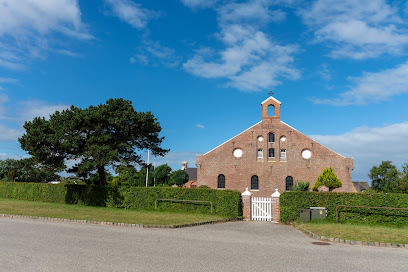
Sønderho Church
0.6 km
An 18th‑century island church filled with Denmark’s largest flotilla of votive ships, anchoring Sønderho’s seafaring history in a tranquil Wadden Sea village.
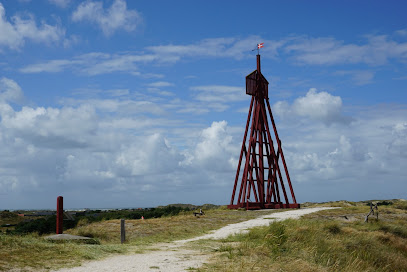
Æ Kåver
0.9 km
Reborn wooden seamark on Fanø’s southern edge, Æ Kåver recalls 17th‑century seafaring in a wild Wadden Sea landscape of wind, sand and wide horizons.
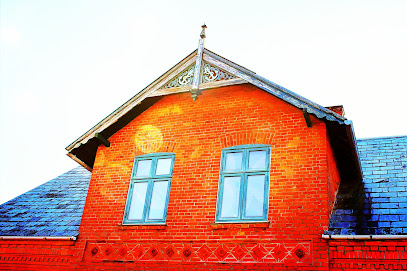
Fano Bed and Boats
10.9 km
Charming seaside bed & breakfast and boat rental in Nordby, Fanø—offering cozy rooms and authentic maritime experiences on Denmark’s storied North Sea island.
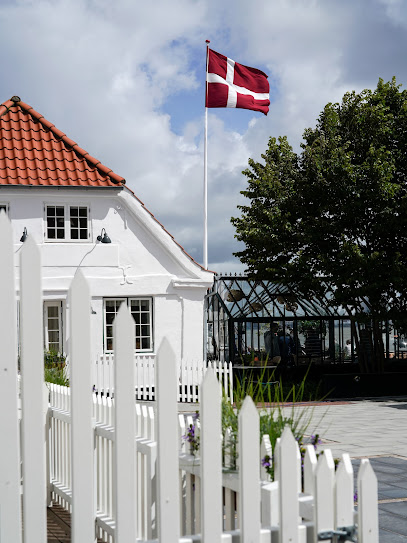
Fanø Krogaard
11.0 km
Experience the timeless charm of Fanø Krogaard, a historic inn blending Nordic cuisine, island tradition, and warm hospitality in the heart of Nordby harbour.
Fanø Tourist Office
11.1 km
Centrally located on Fanø, the Tourist Office is the ideal starting point for discovering authentic island charm, local culture, and practical travel advice.
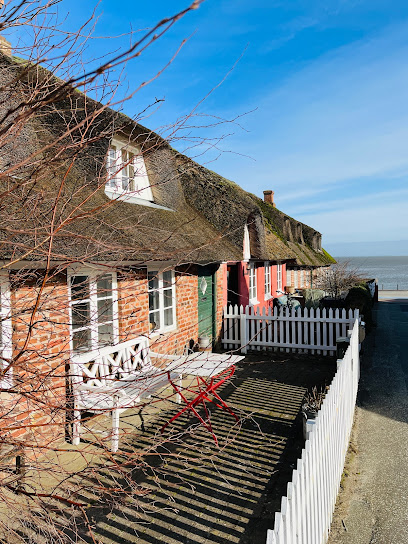
FanøFærgen, Esbjerg
11.9 km
Compact harbor terminal in Esbjerg serving the fast 12‑minute Fanø ferry, linking mainland bustle with island calm in the Wadden Sea UNESCO landscape.
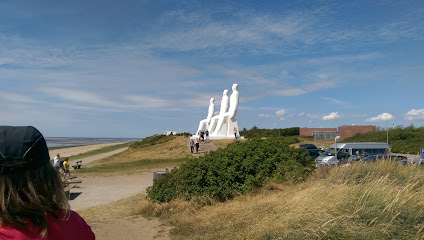
Esbjerg Water Tower
12.3 km
Historic red-brick water tower on a Bronze Age mound overlooking Esbjerg’s harbour, blending medieval-inspired architecture with the story of a young, ambitious port city.
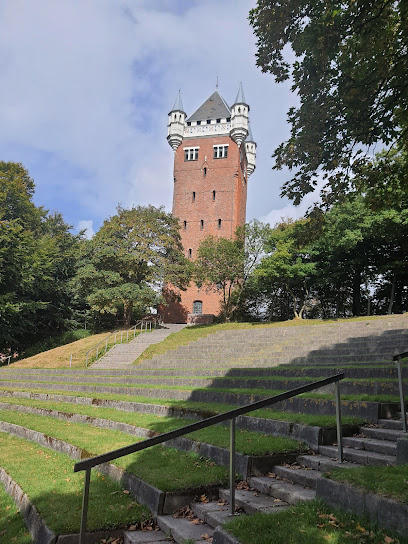
Dronning Louise
12.5 km
Urban beachfront serenity meets Danish royal heritage at Marselisborg Strand, Aarhus’ favorite local escape for swimming, sunbathing, and seaside strolls year-round.
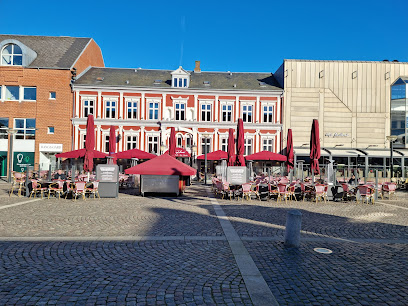
Namaste Esbjerg
12.5 km
Marselisborg Strand is Aarhus’ vibrant urban beach, blending sandy coastline, tranquil bay views, and easy access to city highlights and lush forest parks.
Denmark
12.6 km
Marselisborg Strand is Aarhus’s urban beach escape, offering sandy shores, a classic pier, family-friendly facilities, and beautiful views right at the city’s edge.
Vadehavskysten
12.8 km
An iconic copper bridge tower turned cultural gem, offering harbor panoramas, intimate events, and a taste of Copenhagen’s creative spirit on Knippelsbro.
Kammerslusen Ribe
13.7 km
Discover Copenhagen's Black Diamond: A fusion of modern architecture and cultural heritage on the waterfront.
Begravet bunker
15.4 km
A preserved German WWII bunker revealing the hidden lives of occupation soldiers beneath Danish soil.
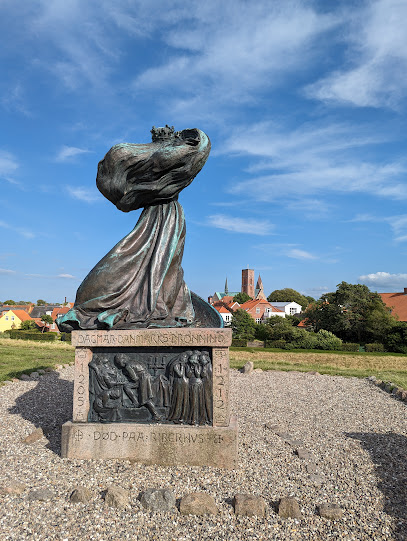
Queen Dagmar of Bohemia
18.7 km
A contemplative statue on Ribe’s former castle hill, honouring the gentle 13th‑century Queen Dagmar where her life and legend became entwined with Denmark’s history.
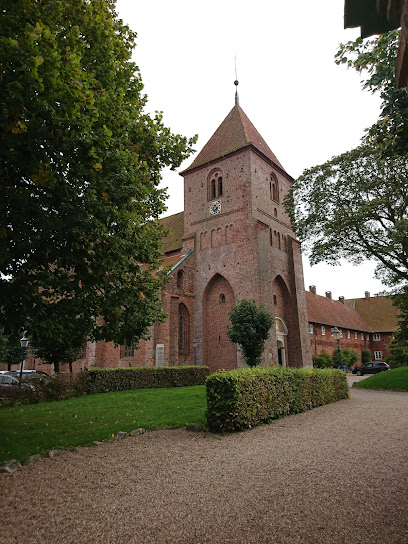
Faldne fra Sønderjyske Krige, Ribe
19.3 km
A solemn memorial to soldiers lost in Denmark's 19th-century Schleswig Wars, set in historic medieval Ribe.
Unmissable attractions to see

Fanø Free Folk Festival
0.8 km
Intimate North Sea festival where experimental folk, improvised sounds and village life meet among dunes, thatched houses and long Nordic summer evenings.
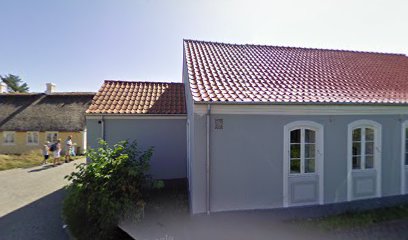
Fanø Kunstmuseum
0.8 km
Intimate island art museum in an old merchant’s house, celebrating Fanø’s luminous Wadden Sea light and a century of coastal-inspired painting.
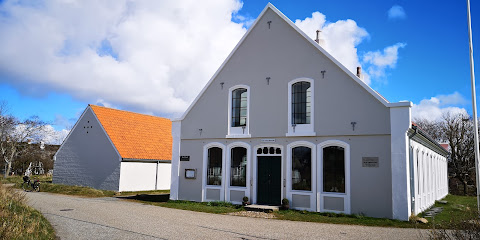
Hannes Hus
0.9 km
Step into a perfectly preserved Fanø skipper’s widow’s cottage and experience everyday island life from the age when sailing ships shaped Sønderho’s world.
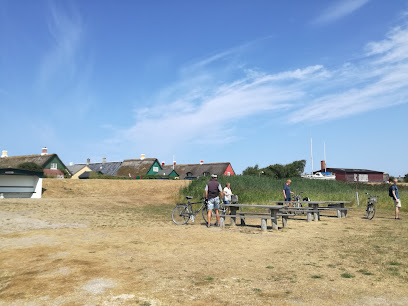
Detrigonometriskestation
0.9 km
A quiet dune top on Fanø where 19th‑century surveyors fixed their instruments, this modest trigonometrical station now offers big skies, wind, and quiet reflection.

Stormflodssøjlen, Sønderho
1.0 km
A slender harbor-side column that quietly records Sønderho’s greatest storm surges, turning Fanø’s gentle Wadden Sea horizon into a vivid story of water and wind.

Mosedalsbjerg
1.5 km
A breathtaking linden-lined street in Møgeltønder, Slotsgaden charms visitors with its historic thatched cottages and scenic path to Schackenborg Castle.

Seal Bank Walk Meeting Point
1.8 km
A windswept beach meeting point at Sønderho, where guided low-tide walks lead across the Wadden Sea seabed to Galgerevet’s thriving seal bank.

Sønderho Gl. Fuglekøje
3.4 km
Historic 19th‑century duck decoy in Fanø’s heathland, where tranquil woodland paths, a restored trapping pond and Wadden Sea views tell the island’s waterfowl story.
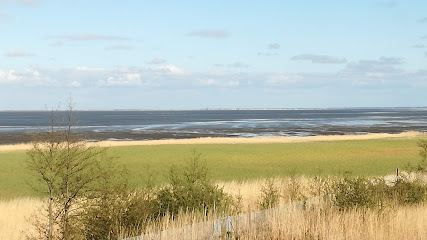
Skovlegeplads
3.8 km
Woodland wonderland on Fanø: a free forest playground with natural equipment, fire pits and storybook corners hidden inside Fanø Klitplantage.
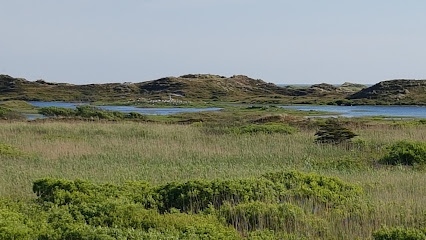
Albue Fuglekøje
4.6 km
A preserved duck decoy tucked into Fanø’s dunes and pines, where quiet paths and old earthworks reveal how islanders once trapped wild ducks for a living.

Pælebjerg - Det højeste punkt på Fanø
5.0 km
A modest 21‑meter summit with big sky views over dunes, heath and plantation, Pælebjerg distills Fanø’s quiet, wind-shaped landscapes into one gentle climb.

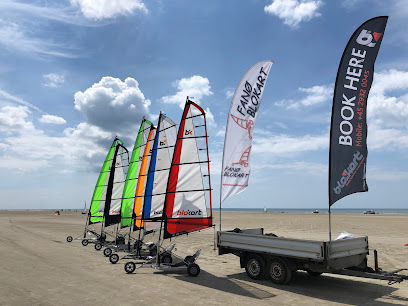
Fanø Blokart
6.8 km
Land-sail across Denmark's legendary beach at speeds up to 50 km/h—no experience needed.
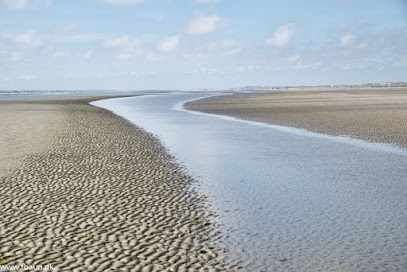
Rindby Strand
8.9 km
Wide, drive-on sands, kite-filled skies and classic Danish dune scenery make Rindby Strand Fanø’s easygoing North Sea playground for long, windblown beach days.

Rindby beach
9.0 km
Vast North Sea sands, drive-on beach freedom, and kite-filled skies make Rindby Beach Fanø’s classic, family-friendly shoreline on Denmark’s wild west coast.
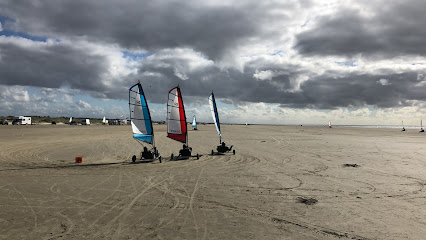
Club Fanø
9.1 km
Island adventure hub offering seal safaris, beach sports, and coastal experiences on Denmark's famous Fanø.
Essential places to dine

Tre Søstre
0.7 km
A cosy island café in Sønderho serving good coffee, simple local bites and creamy ice cream, perfect for a slow midday pause on windswept Fanø.

Cafe Nanas Stue
0.8 km
Historic thatched café in Sønderho blending Fanø comfort food, Dutch tile art and intimate music evenings in one atmospheric village living room.
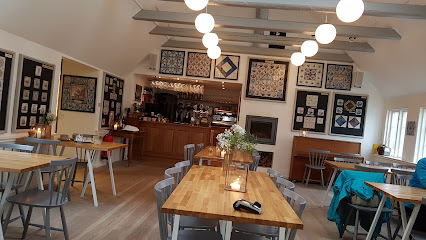
Restaurant/Café Fajancen
0.9 km
Cosy family-run bistro in historic Sønderho, serving Danish–French classics made from local Fanø and Danish ingredients in warmly lit, intimate village-house surroundings.
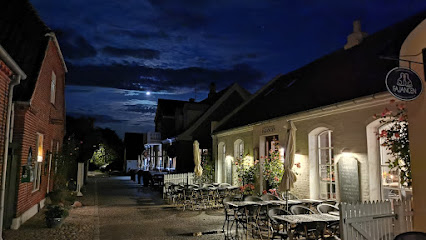
Sønderho Kro
0.9 km
Historic 18th‑century inn on Fanø where thatched-roof charm, gourmet Danish cuisine and Wadden Sea landscapes come together in the heart of Sønderho.
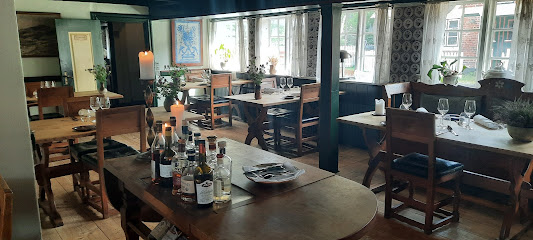
LIGHTHOUSE BURGERS
9.1 km
Gourmet-minded burger bar on Fanø, serving organic local beef, house-made buns and sauces, and a relaxed island atmosphere just a stroll from Nordby’s heart.

Stoppestedet I/S
9.1 km
Casual, family-friendly fast food on holiday island Fanø, serving hearty portions of fish, chips and burgers a short hop from the wide North Sea beach.
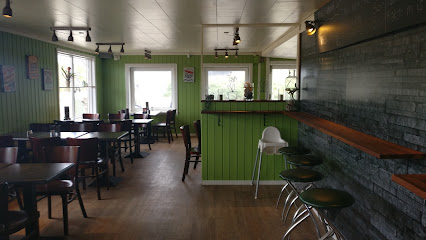
Axel's Kitchen
9.3 km
Authentic Italian pizzeria with indoor playground, celebrating local Fanø ingredients and family moments.
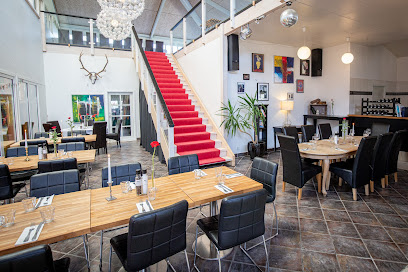
Mandø Kro I/S
9.9 km
Atmospheric village inn on the tidal island of Mandø, pairing classic Danish comfort food with simple rooms and vast Wadden Sea horizons outside the door.

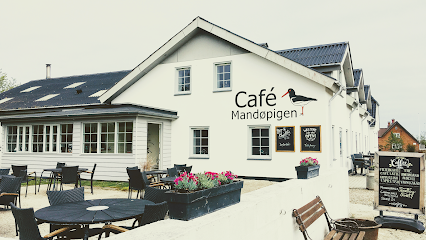
Mandøpigen: Cafe, Turbåd & Lejligheder
10.1 km
Cosy barn‑café and light holiday apartments in the heart of Mandø, serving Wadden Sea flavours just below the dunes of this tide‑shaped island.
KlitHus Mandø
10.1 km
Cozy island inn, café and restaurant at the heart of Mandø, pairing simple coastal rooms and home‑style Danish cooking with the wild drama of the Wadden Sea.
Restaurant Dino
10.3 km
Casual island restaurant in Fanø Bad serving pizzas, Bosnian specialities and Danish comfort food just steps from the North Sea dunes.
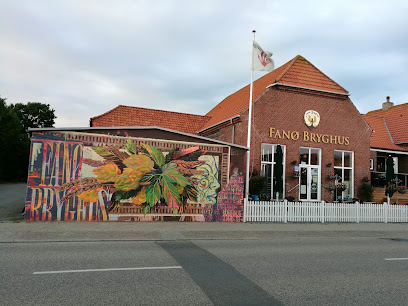
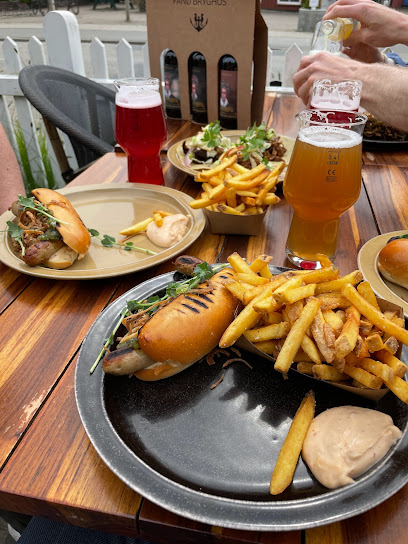
VadeMad
10.3 km
Casual food‑truck dining paired with island‑brewed craft beer, set in the laid‑back courtyard of Fanø Bryghus just a short stroll from the Wadden Sea.
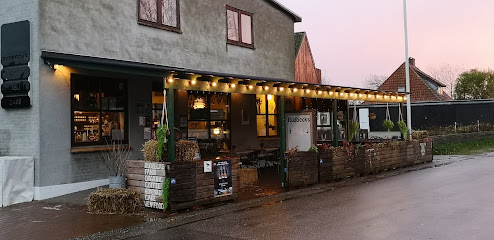
Rudbecks Fanø
10.6 km
Cosy family-run café, deli and wine bar on Fanø’s main street, celebrating local organic produce, Fanø salmon and cheeses in a warm, relaxed village setting.
Tacobørsen
10.7 km
Colorful Mexican-inspired street food on Fanø’s main street, perfect for easy takeout, casual meals and beach picnics between dunes, harbor walks and village strolls.

Restaurant Aroma - Fanø øko Øl
10.7 km
Cosy island restaurant and organic microbrewery in a historic skipper’s villa at the heart of Nordby, pairing house‑brewed Fanø beers with relaxed European plates.
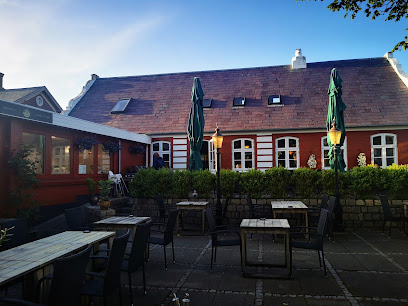
Markets, malls and hidden boutiques

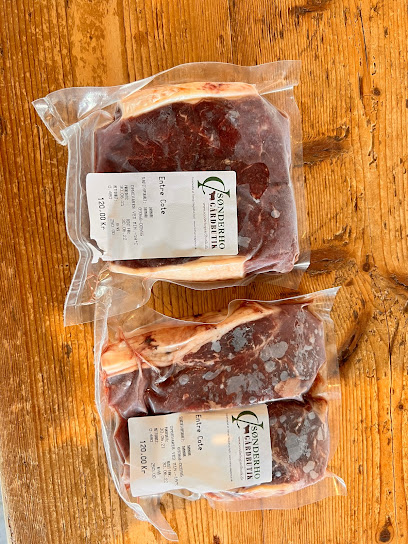
Sønderho Gårdbutik
0.4 km
Authentic Fanø farm shop with organic Highland beef, free-range eggs and carefully selected local specialties at the gateway to the village of Sønderho.
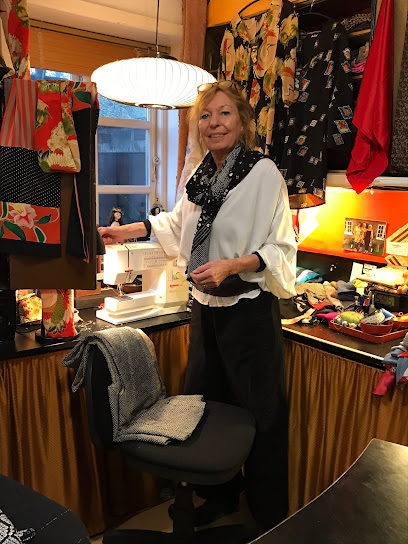
Silken
0.8 km
Intimate silk atelier and boutique on Fanø, where decades of craftsmanship turn Asian fabrics into timeless, island-made garments in a calm, gallery-like setting.
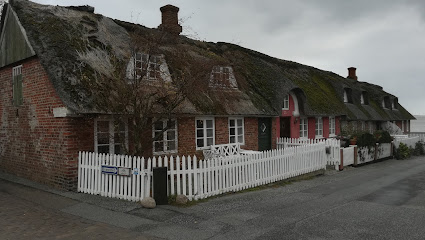
Arbuckle Design
7.2 km
Discover unique fashion accessories that capture the essence of Danish design at Arbuckle Design in Fanø.
Fanø Angus & Merino
8.4 km
Small Fanø farm shop turning island pastures into premium Angus beef and soft Merino yarn, offering an authentic taste – and texture – of Wadden Sea life.

Kunstladen
8.5 km
A colourful Fanø island boutique where Scandinavian design, clothing, gifts and craft supplies fill a bright, welcoming space just behind the dunes of Rindby.
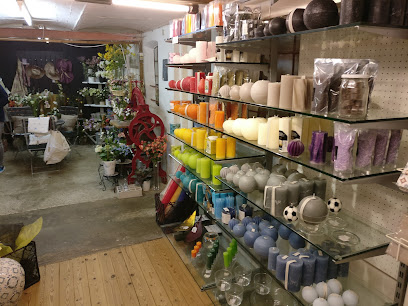
Rindby Supermarked A/S
9.1 km
Spacious island supermarket in Rindby, combining early-morning bakery aromas, full-range groceries and relaxed holiday extras near Fanø’s west coast dunes.
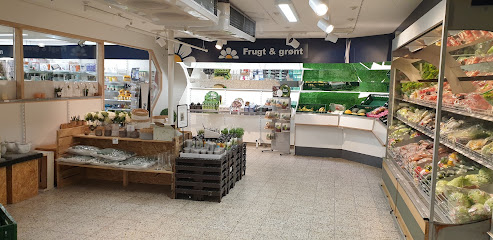
Mission Afrika Genbrug
10.3 km
Cosy Nordby thrift shop where island finds, friendly volunteers and second-hand treasures help fund Mission Afrika’s community projects far beyond Fanø.
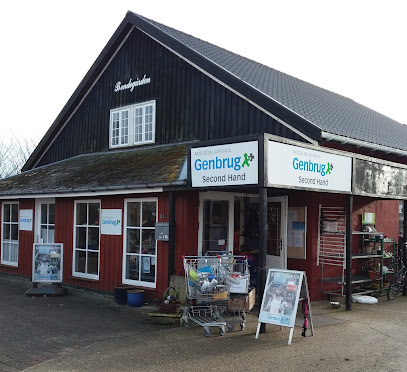
Fanø Lægeurtehave
10.4 km
Traditional herb shop preserving natural wellness practices on Denmark's peaceful Fanø Island.
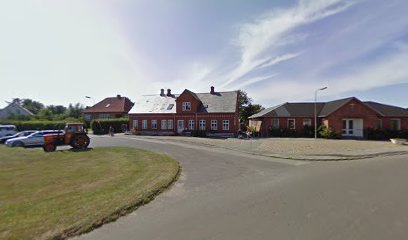
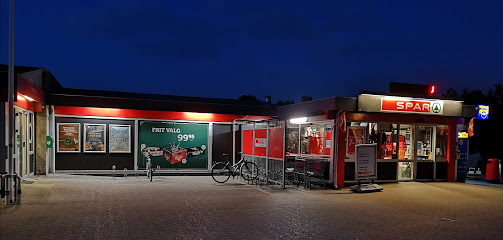
SPAR
10.5 km
Fanø's reliable supermarket steps from the beach, serving locals and visitors daily.
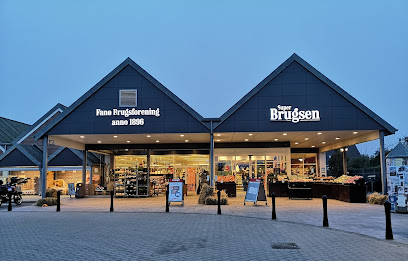
Fanø Brugsforening
10.6 km
Fanø’s friendly SuperBrugsen co-op in Nordby, keeping islanders and visitors stocked with fresh food, Danish staples and everyday essentials near the harbour.
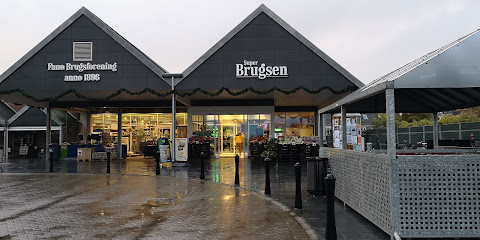
SuperBrugsen
10.6 km
Fanø’s central supermarket hub, blending everyday Danish island life with convenient shopping for self-catering holidays and beachbound visitors in Nordby.
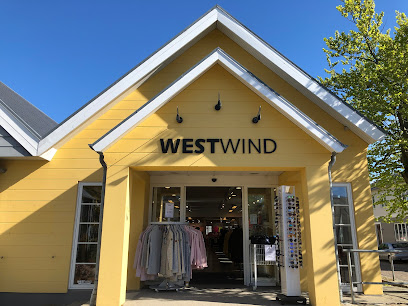
Westwind
10.7 km
Coastal clothing hub on Nordby’s main street, equipping you with practical sports and leisure wear for Fanø’s ever‑changing North Sea weather.
Kulturfabrikken, frkToft
10.7 km
Playful island ceramics with vintage prints, crooked edges and plenty of humor, crafted and displayed in a characterful studio-shop on Fanø’s main street.
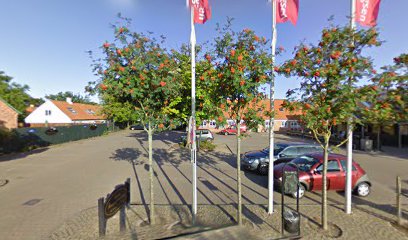
Christel Seyfarth Butik
10.7 km
A vivid studio-store on Fanø where bold fair-isle inspired knitwear, quality yarns and island traditions come together in a richly coloured creative universe.
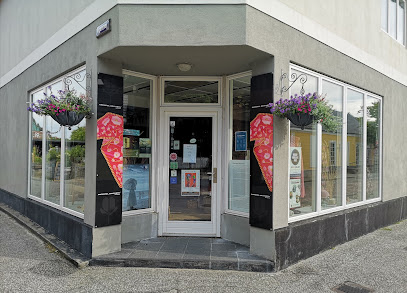
SALT
10.7 km
A small-but-stylish fashion and lifestyle shop in Nordby’s former bank building, SALT blends island charm with Scandinavian design on Fanø’s main street.
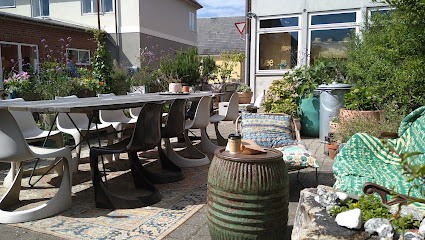
Essential bars & hidden hideouts

Kabyssen
9.1 km
Fanø's cherished community bar serving authentic Danish island hospitality with live music and genuine warmth.
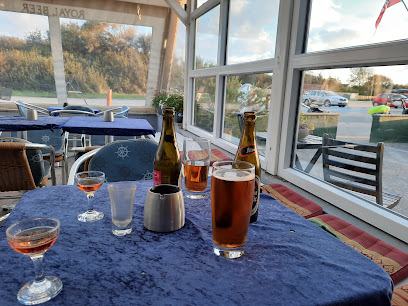
Hjørnekroen
11.1 km
Cosy corner bar in Nordby where Fanø’s island life, live music nights and classic Danish bodega charm come together over draught beer and easy conversation.
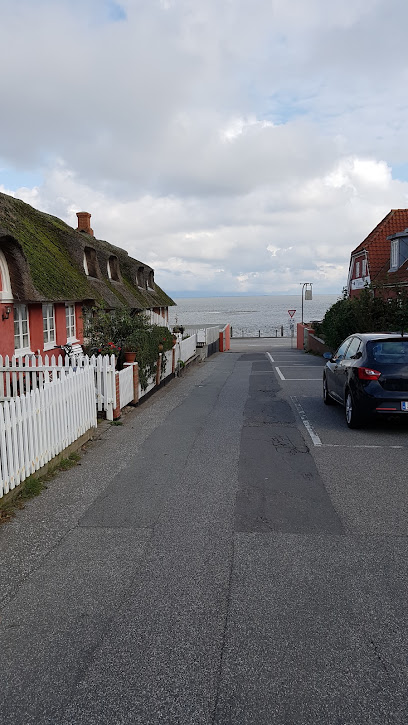
Dokken City Beach
12.0 km
A pocket of sand, deckchairs and drinks on Esbjerg Harbour, Dokken City Beach turns the working waterfront into a relaxed urban seaside escape.
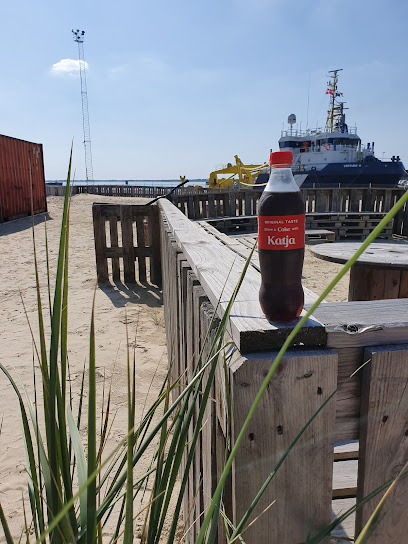
Dowdi Pub Bar
12.4 km
Old-school brown pub in central Esbjerg with inexpensive beers, wood‑panelled charm and a relaxed, local crowd from daytime regulars to late‑night lingerers.
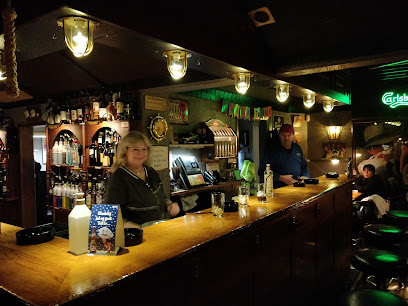
SoHo - Bar & Cocktails
12.4 km
Adults-focused cocktail bar tucked inside Esbjerg Street Food’s old theatre hall, pairing crafted drinks, modern design and a lively, central city atmosphere.
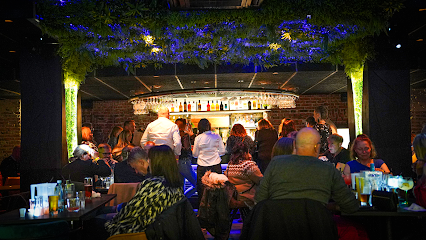
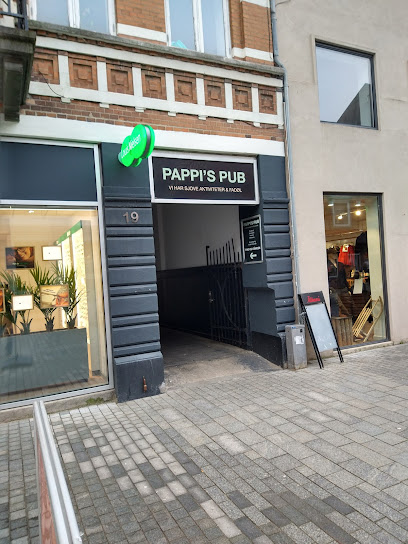
Pappi's pub
12.4 km
Unpretentious, drinks-first bar on Kongensgade offering a simple Danish pub vibe, easy prices and a central stop-off point in the heart of Esbjerg.
Pioner Bar Esbjerg
12.4 km
Late-night Esbjerg bar on Torvet with cheap cold beer, classic party hits from the ’80s to today, and a lively dance floor packed with locals and visitors.
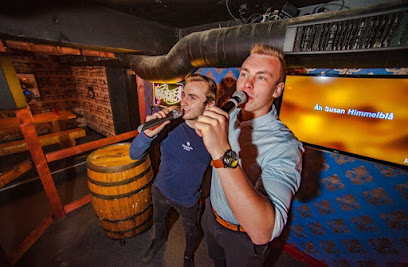
Bjælkehytten - En Vestjysk BierBar
12.5 km
Timber-clad, late-opening beer hut on Esbjerg’s Skolegade, serving easygoing brews and shots in a cosy, West Jutland party atmosphere at the heart of nightlife.
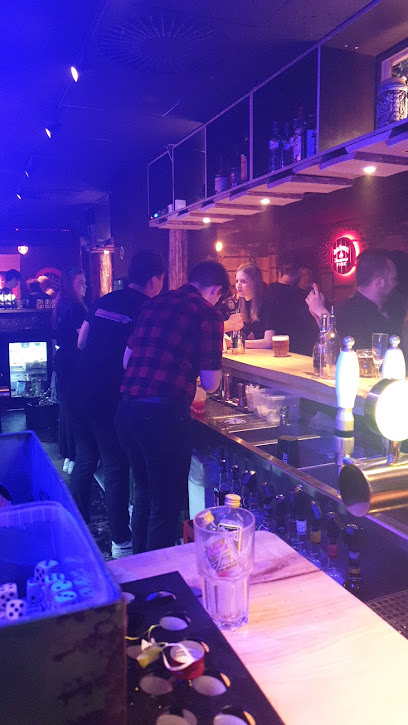
Rustik - Bar & Natklub
12.5 km
High‑energy bar and nightclub on Esbjerg’s Skolegade, mixing industrial style, cocktails and a tightly packed dance floor late into the night.
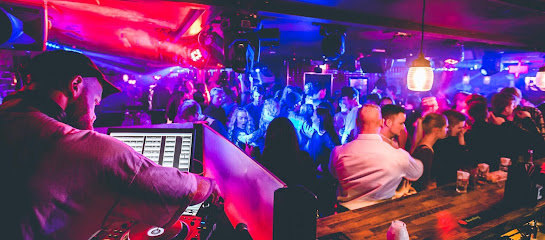
King George
12.5 km
Esbjerg's beloved beer hall where Danish tradition, lively atmosphere, and authentic hospitality converge on Skolegade.
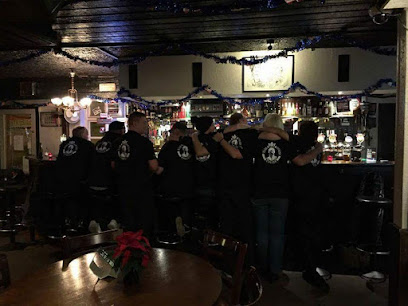
Skræddergården Esbjerg ApS
12.5 km
Adult-friendly dance bar in Esbjerg’s Skolegade nightlife strip, mixing DJ sets, live music nights and easygoing drinks in a former tailor’s house.
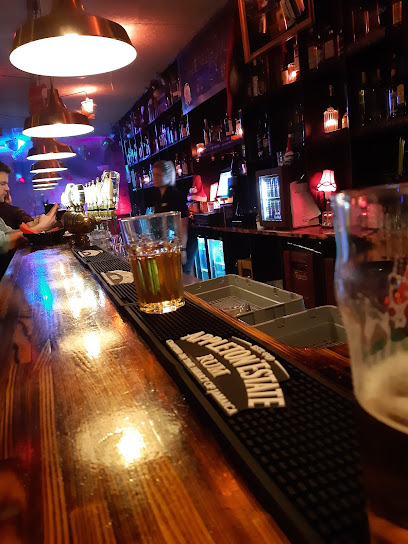
Industrien
12.5 km
Historic Danish bar where 130+ years of tradition meets contemporary hospitality on Esbjerg's vibrant Skolegade.
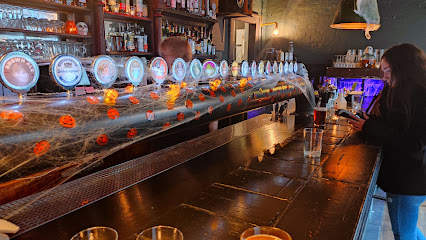
HomeRun Esbjerg
12.5 km
Lively gastro sports bar above Esbjerg’s main square, with wall-to-wall screens, bar games, casual bites and late-night energy on weekends.
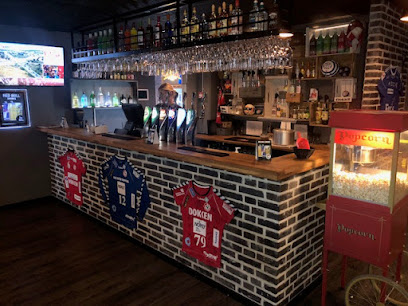
Kasket Karl
12.5 km
Legendary Esbjerg pub on Skolegade, pouring beer and hosting darts, dice and laid‑back evenings since 1975 in a warmly lit, unpretentious setting.
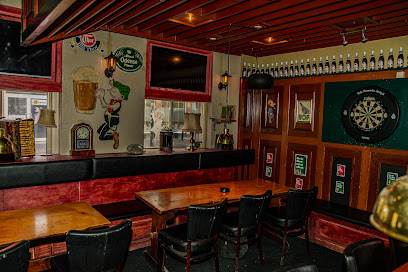
James Bond Esbjerg
12.5 km
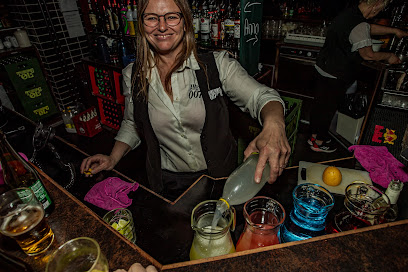
Late-opening dance bar on Skolegade in Esbjerg, where a mature crowd sings along to classic hits and keeps the party going until early morning.
For the vibe & atmosphere seeker
- Scenic
- Tranquil
- Unique
- Relaxing
- Fun-filled
For the design and aesthetic lover
- Rustic Designs
- Vintage Styles
For the architecture buff
- Historic
- Landmarks
- Viewpoints
For the view chaser and sunset hunter
- Iconic Views
- Panoramas
- Sunset Spots
For the social media creator & influencer
- Photo Spots
- Instagrammable
- Architectural Shots
- Selfie Spots
For the eco-conscious traveler
- Low Impact
- Public-Transport Accessible
- Locally Managed
For the kind of experience you’re after
- Cultural Heritage
- Photowalk
- Day Trip
- Roadtrip Stop
- Adventure Photo Shoot
For how adventurous you want the journey to be
- Easy Access
Location Audience
- Family Friendly
- Senior Friendly
- Child Friendly
- Teen Friendly
- Solo Friendly
- Couple Friendly
- Solo Female Friendly
- Business Friendly


