

Kvægtorvet Travel Guide
Free Guide: A former cattle market turned national broadcast hub, Kvægtorvet quietly links Odense’s industrial past with Denmark’s modern media present.


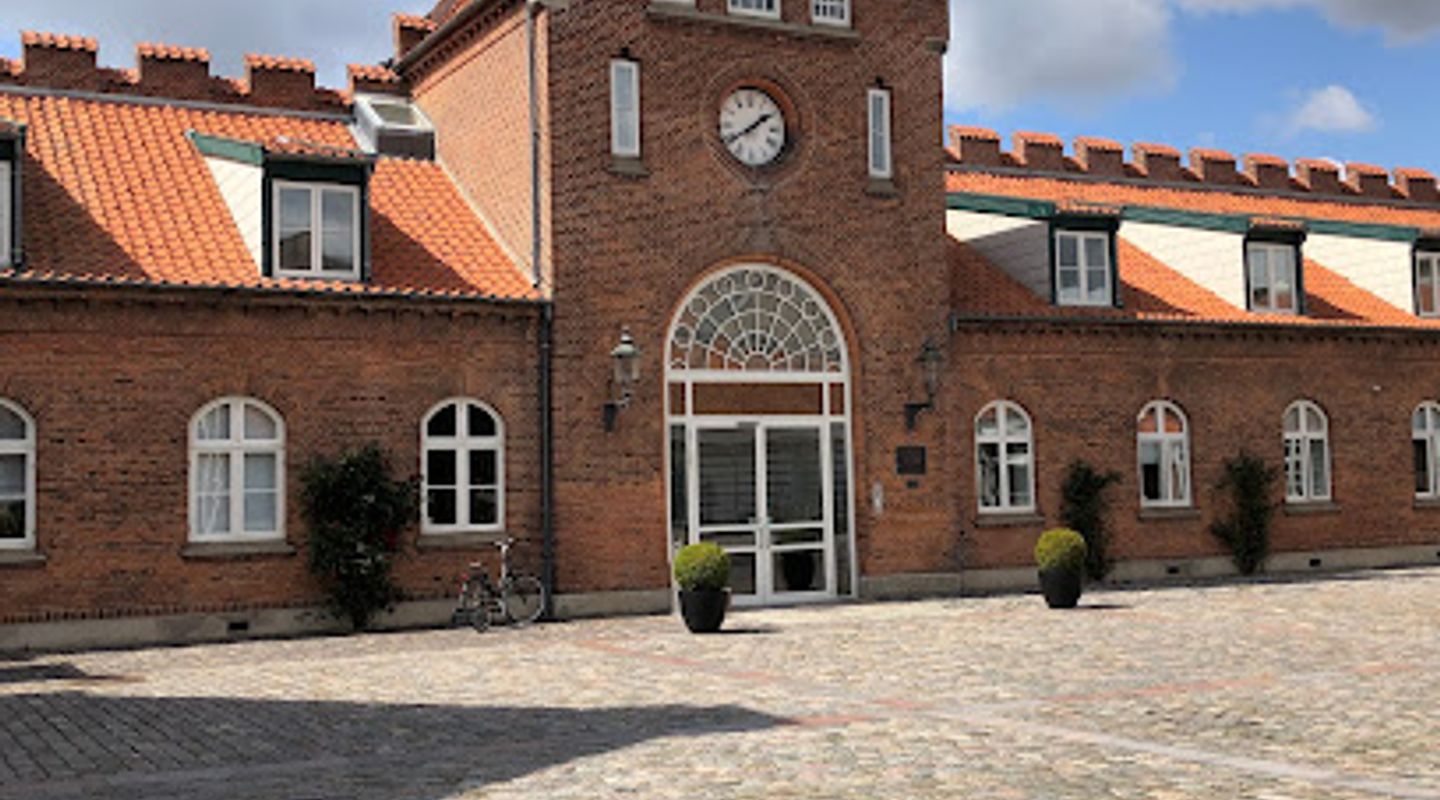
A brief summary of Kvægtorvet
A former cattle market turned national broadcast hub, Kvægtorvet quietly links Odense’s industrial past with Denmark’s modern media present.
Kvægtorvet in central Odense is a former cattle market reborn as a contemporary media estate, best known today as the headquarters of the Danish national broadcaster TV 2. Tucked just north of the historic centre and close to the main station, the complex blends industrial heritage with modern offices and studios. While it is not a classic visitor attraction, its courtyard, façades and buzzing surroundings offer a glimpse into Denmark’s media landscape and Odense’s transition from trading town to modern city.
On-site amenities
 Restrooms
 Drink options
 Drinking water
 Food options
 Seating areas
 Trash bins
 Information boards
- Address
- 5000 Odense
Getting there
On foot from Odense Station
City bus within Odense
Odense light rail (letbane) and short walk
Car or taxi within Odense
Discover more about Kvægtorvet
From Cattle Market to Media Quarter
Kvægtorvet literally means “the cattle market”, and for decades this area on the northern edge of Odense’s old town was a busy trading ground where animals changed hands and farmers met merchants. The rail lines and station next door made it an ideal place for livestock to arrive and leave the city, and the open yards were laid out for pens, auctions and storage rather than pleasure.Over time, as agriculture modernised and trading patterns shifted, the cattle market closed and Odense began looking for a new role for this centrally located plot. Rather than erase the past entirely, a number of existing industrial and utility buildings were adapted, and the name Kvægtorvet survived as a reminder of the site’s working-class roots.
The Home of TV 2 Denmark
Today Kvægtorvet is best known as the main base of TV 2, Denmark’s national commercial public service broadcaster. Behind the low-slung office blocks and studio halls, live news programmes, talk shows and entertainment formats are planned, produced and transmitted to screens across the country.The complex functions as a self-contained media campus with editorial offices, technical facilities and studios clustered around internal courtyards. Although most of the site is closed to casual visitors, simply being here places you at the heart of Denmark’s contemporary media scene, a striking contrast to the nearby medieval streets and church spires.
Architecture Between Rail Lines and Old Town
Architecturally, Kvægtorvet is a study in pragmatic modernism layered onto an industrial plot. Brick and concrete volumes echo the scale of old warehouses, while more recent additions introduce glass, metal cladding and generous windows. The overall impression is functional rather than showy, in keeping with a working broadcast centre.The site is hemmed in by rail infrastructure on one side and the compact grid of Odense C on the other. This setting creates an almost island-like feeling: you can sense the rush of trains and buses nearby, yet the internal courtyards feel slightly removed, with planted beds and simple seating softening the hard edges of the buildings.
Urban Context and Nearby Highlights
Standing at Kvægtorvet you are just a short urban stroll from several of Odense’s best-known cultural sights. The towers of Saint Canute’s Cathedral rise to the south, and the Danish Railway Museum occupies a former engine shed close to the main station. To the west and south, narrow lanes lead into the historic centre with its mix of cobbled streets, half-timbered houses and newer commercial blocks.This location makes Kvægtorvet a quiet but strategic stop for urban explorers who enjoy piecing together how different districts fit and function. It is not a place for long lingering so much as a brief pause to observe how transport, media, heritage and everyday city life intersect.
Experiencing the Atmosphere
As an active workplace rather than a designed viewpoint, Kvægtorvet offers a more understated experience. You might notice staff and guests arriving for studio recordings, technical vehicles coming and going, and office windows glowing after dusk when evening programming is in full flow.The ambience changes through the day: mornings feel purposeful as the news cycle starts up, while later afternoon light can cast a surprisingly warm glow across the brick and concrete façades. For photographers and urbanists, there are rewarding angles capturing tracks, station structures and the TV 2 buildings in a single frame.
Practical Visit Considerations
There is no formal visitor centre, set route or exhibition at Kvægtorvet, so most travellers will experience it briefly while moving between Odense station and the city centre. The flat terrain and paved surfaces make it straightforward for wheelchairs and prams, and the central position ensures good mobile coverage.A short visit here pairs well with time at the nearby railway museum or a walk into the historic core of Odense. Think of Kvægtorvet as a small but telling chapter in the city’s story: a piece of industrial land reimagined as a national media hub, still carrying its original name even as its purpose has completely changed.
Evendo Review Centre
 Google
Guest reviews
Best time to go
Quietest: Jan, Feb & Mar · before 6am
Busy times are Evendo estimates for a typical year, to help you plan. Actual crowds vary with events, school holidays and the weather.
Explore Kvægtorvet on the map
A handpicked selection of must-see spots near Kvægtorvet, mapped for you.
Get your free copy of our complete guide to Kvægtorvet, delivered straight to you.
Everything on this page, from opening hours and how to get there to Eve’s tips and the best time to go, in one PDF you can read offline, print or share.
Already have an account? Sign in
Your Kvægtorvet guide is ready.
We'll send it to · Not you? Sign out

Getting your guide ready…
We are putting together a fresh copy of the Kvægtorvet guide. This can take up to a minute.
This can take a few moments. If your browser asks, choose Allow so the download can start. You'll find the guide in your Downloads folder.
Nothing happened? Download it again
Sorry, the guide is taking longer than usual. Please try again in a minute, or get it by email instead.
Other nearby places you may find interesting
The closest places of the same kind, if this one is not quite what you had in mind.
-
-
-
-
-


Swipe for more places
More to explore near Kvægtorvet

 Best experiences near Kvægtorvet
 Best hotels near Kvægtorvet
 Best landmarks near Kvægtorvet
 Best attractions near Kvægtorvet
 Best shops near Kvægtorvet
 Best restaurants near Kvægtorvet
 Best bars near Kvægtorvet
Do you manage this location?
Take control to get all the benefits, like improved information, better appearance, and stronger visibility across AI-powered discovery.
Explore more
Explore more of Funen
Discover Funen, Denmark's lush island treasure, where fairy tales come to life amidst scenic landscapes, historic castles, and vibrant cultural heritage.
Explore Funen
Explore more of Denmark
Discover Denmark: A perfect blend of history, modern design, and the cozy concept of hygge. Explore vibrant cities, serene landscapes, and world-class cuisine.
Explore Denmark
