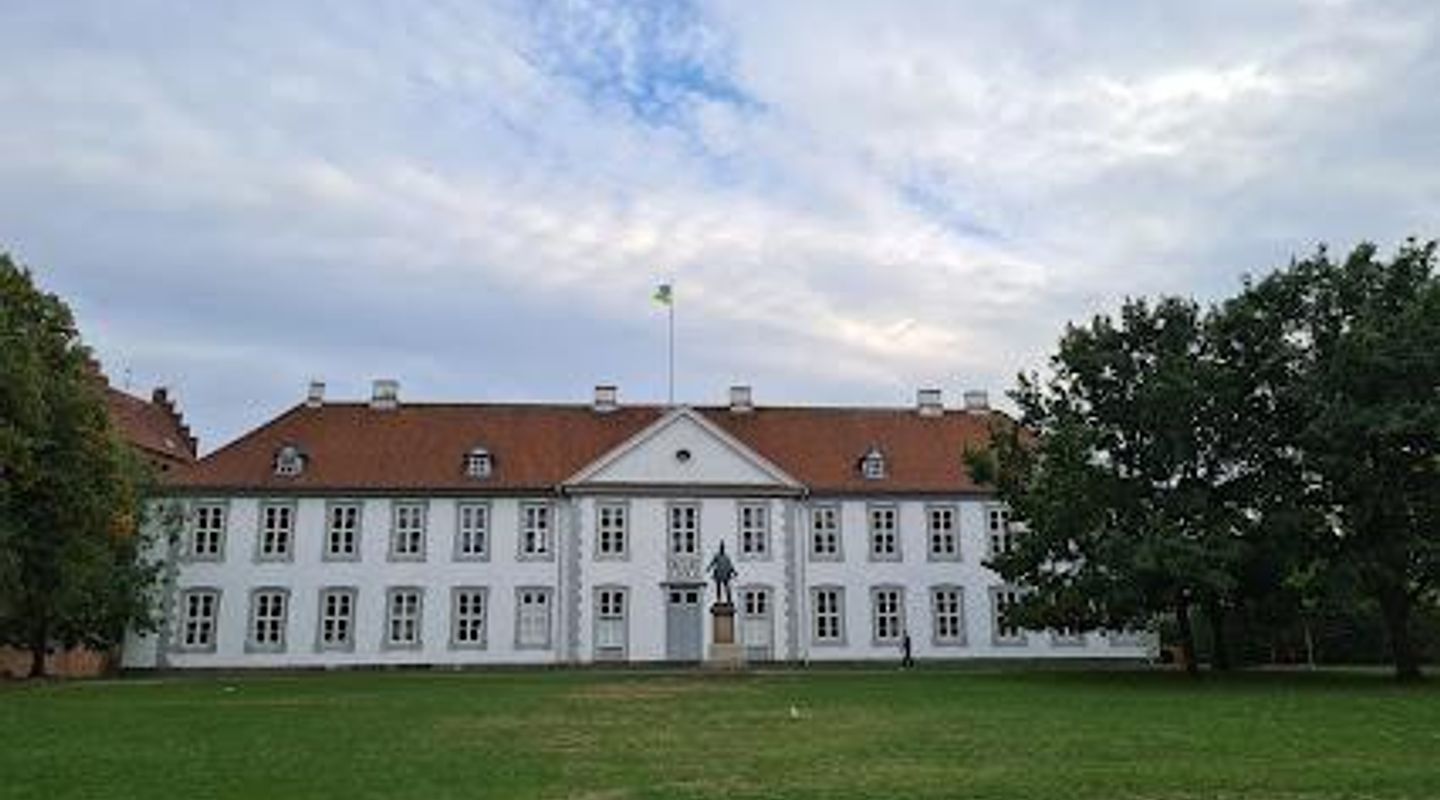
Odense Castle, Odense Travel Guide
Step into Denmark’s Gothic heart at Odense Cathedral—site of St. Canute’s martyrdom, renowned Renaissance art, and centuries of royal and religious history.
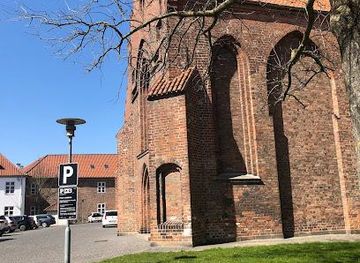
Odense Cathedral, also known as St. Canute's Church, stands as the city’s crowning Gothic landmark. Dating to the 13th century, it was built to honor Denmark's patron saint, King Canute IV, who was martyred in the previous church on this site. Visitors discover centuries-old crypts, soaring vaults, luminous stained glass, and an ambience that embodies Denmark's medieval heart.
A brief summary to Odense Castle
- Nørregade 36, Odense, Odense C, 5000, DK
- Click to display

Know before you go
Hi, I'm Eve. Here are a few practical things to know before exploring Odense Castle.
- Visit early in the morning for a peaceful experience and the best light through the stained-glass windows.
- Be sure to see the Claus Berg altarpiece, a Renaissance masterpiece unique in Denmark.
- Check the official website or local posters for information on scheduled organ concerts or special services.
- Combine your visit with a stroll to nearby Hans Christian Andersen landmarks for a richer historical context.
Do you manage this location?
Take control to get all the benefits, like improved information, better appearance, and stronger visibility across AI-powered discovery. Learn more about listing your business on Evendo
Activate your presenceOther nearby places you may find interesting
The closest places of the same kind, if this one is not quite what you had in mind.
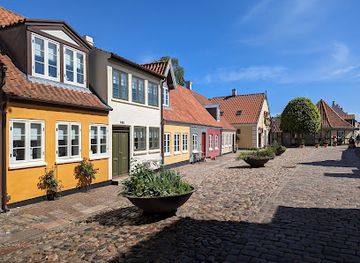

Explore Odense Castle on the Map
A handpicked selection of must-see spots near Odense Castle, mapped for you.
Unlock the Best of Odense Castle
Buy tickets
-
No tickets available
Book tours with entry


Book tours without entry


Getting There
-
Walking
From Odense's central railway station, it’s a 10–15-minute walk through the vibrant city center. Stroll past the lively pedestrian shopping street and into the historic Old Town quarter; the cathedral’s slender spire rises visibly above the rooftops, guiding your way. The approach is mostly flat and accessible, making it straightforward even for those with mobility considerations.
-
Public Transport
Several local city buses serve stops near the central shopping area and the Town Hall, both of which are within a few minutes' walk of the cathedral. A single adult ticket within Odense costs about 24–30 DKK. The cathedral is easy to spot from surrounding plazas and is wheelchair accessible.
-
Taxi
A taxi from Odense’s main train station or nearby hotels typically takes 5–8 minutes, costing around 80–120 DKK depending on traffic and time of day. Taxis can drop you at the main square, just steps from the cathedral’s entrance.
-
Driving/Parking
Parking is available in municipal lots surrounding the Old Town and central shopping area, with rates usually around 16–24 DKK per hour. The cathedral sits within a walkable district; be mindful that spots may fill up quickly during events or peak hours.
Discover more about Odense Castle













Your all‑in‑one travel companion app
Explore expert travel guides, compare and book tours, experiences, hotels, and more—all from the palm of your hand. Download now for seamless trip planning wherever your wanderlust takes you.


Explore More of Odense
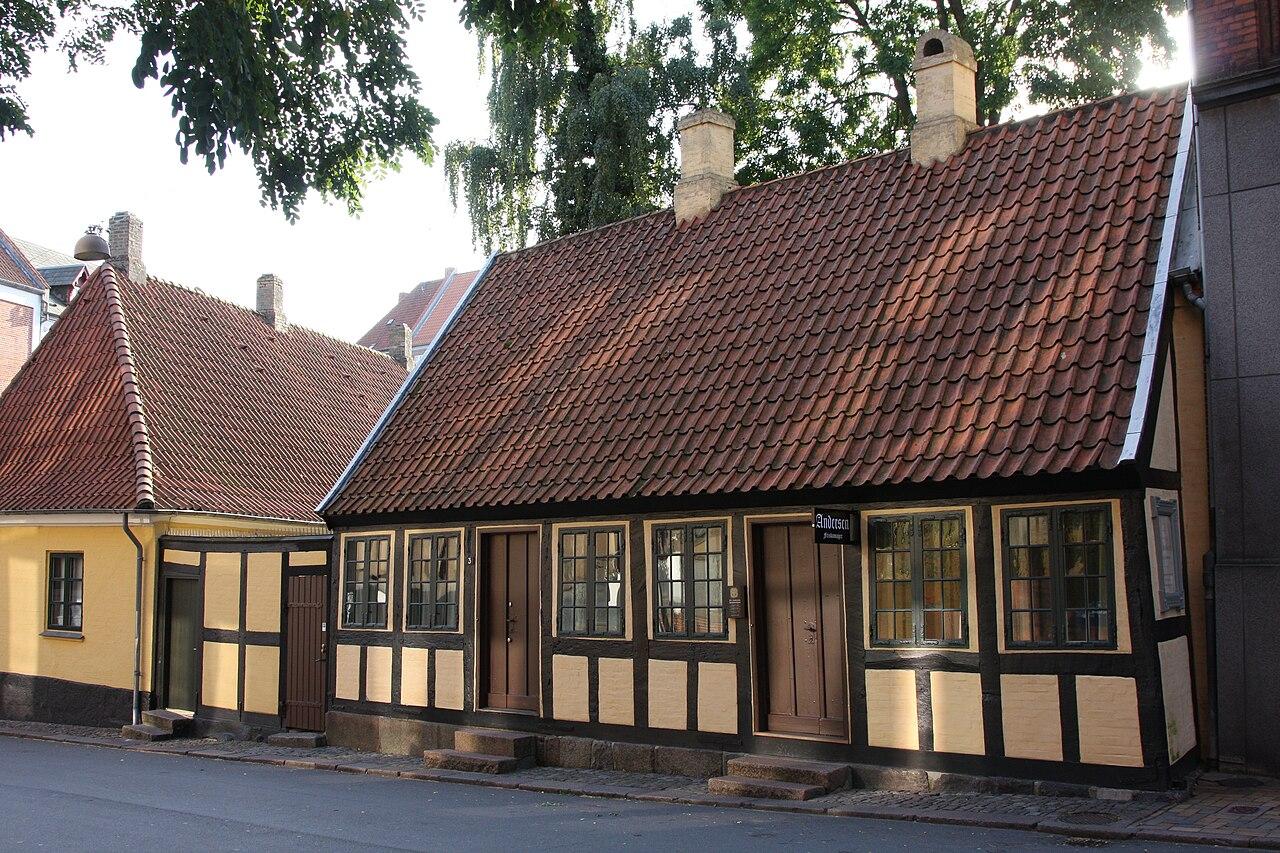
Looking beyond Odense Castle? Discover Odense for broader travel guides, local hot-spots, and regional highlights.
Explore Odense
Cobblestoned Blackfriars Square blends medieval streets, colourful timber houses and a bustling twice‑weekly market in the historic heart of Hans Christian Andersen’s Odense.
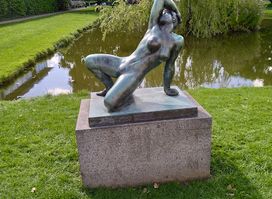
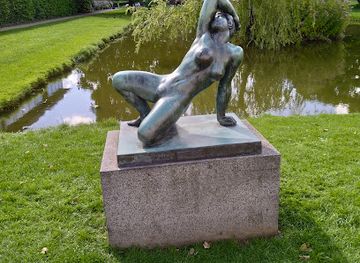
A serene bronze heroine from Greek myth, Gerhard Henning’s Danaë reclines quietly in Odense’s King’s Garden, bridging baroque greenery and modern city life.