Davinde Stenmuseum, Funen Travel Guide
A cosy countryside museum where glacial boulders, sparkling minerals and ancient fossils from the Tarup–Davinde gravel pits reveal Funen’s deep geological past.
Tucked amid the former gravel pits southeast of Odense, Davinde Stenmuseum is a quirky, privately run stone museum dedicated to rocks, minerals and fossils. Inside the modest rural buildings, glass cases brim with glacial boulders, sparkling crystals and ancient sea creatures once buried in the Tarup–Davinde gravel deposits. It is an intimate, hands-on place where geology tells the story of Denmark’s Ice Age landscape, making it an engaging stop for curious families and anyone with a soft spot for stones.
A brief summary to Davinde Stenmuseum
- Udlodgyden 52, Odense Municipality, Odense SØ, 5220, DK
- Click to display
- Click to display
- Duration: 1 to 2 hours
- Budget
-
 Indoor
- Mobile reception: 4 out of 5

Know before you go
Hi, I'm Eve. Here are a few practical things to know before exploring Davinde Stenmuseum.
- Check the museum’s opening hours in advance, as it is privately run with limited, often seasonal days of operation.
- Combine your visit with a walk in the nearby Tarup–Davinde former gravel pits to spot stones and enjoy the lakes and paths.
- Bring a light jacket; the rural buildings can feel cool even on mild days, especially if you linger by the stone displays.
- If visiting with children, encourage them to look for patterns and shapes in the rocks and fossils to make the experience more engaging.
Do you manage this location?
Take control to get all the benefits, like improved information, better appearance, and stronger visibility across AI-powered discovery. Learn more about listing your business on Evendo
Activate your presenceOther nearby places you may find interesting
The closest places of the same kind, if this one is not quite what you had in mind.

Explore Davinde Stenmuseum on the Map
A handpicked selection of must-see spots near Davinde Stenmuseum, mapped for you.
Getting There
-
Car from central Odense
Driving from central Odense to Davinde Stenmuseum typically takes 20–25 minutes, depending on traffic. The route follows regional roads through suburban and rural areas with generally light congestion. There is usually free parking directly at or very near the museum, but spaces are limited on busy days, so arriving earlier in the opening window helps. No tolls are involved, and fuel costs for a return trip are modest given the short distance.
-
Local bus plus short rural walk
From Odense, you can use a regional bus towards the villages southeast of the city, with a journey time usually between 25 and 40 minutes depending on the line and intermediate stops. A standard adult ticket within the Odense area normally costs the equivalent of a few euros one way. Services run less frequently in the evenings and on weekends, so checking the timetable is essential. Expect a short walk on quiet rural roads from the nearest bus stop to reach the museum buildings, which may feel exposed in bad weather.
-
Bicycle from Odense
Cycling from central Odense to Davinde Stenmuseum is a realistic option for confident riders, taking around 35–50 minutes each way at a relaxed pace. The route combines urban cycling infrastructure with quieter country roads, which are generally flat but can be windy. There is no extra cost beyond any bike rental you may arrange in the city. This option suits those comfortable sharing the road with local traffic and is best in daylight and dry conditions.
For the on-the-go comforts that matter to you
-
 Restrooms
-
 Seating Areas
-
 Trash Bins
-
 Information Boards
Discover more about Davinde Stenmuseum
Stones, stories and a rural Funen setting
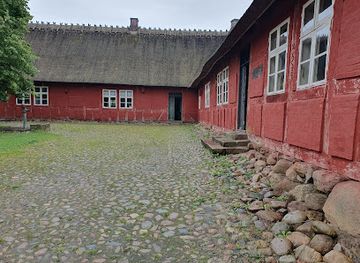
Davinde Stenmuseum sits in the countryside just outside Odense, in the small village of Davinde, surrounded by fields and the rewilded landscape of former gravel pits. From the outside it looks like a typical Funen farmstead, but step through the door and every surface seems to sparkle with rock: shelves, cabinets and tabletops are covered with boulders, crystals and fossils carefully arranged in themed displays.The museum grew out of a private passion for geology and local history, and that personal touch is still visible. Handwritten labels, simple diagrams and maps of the Tarup–Davinde area make the collection feel less like a polished national institution and more like an inviting workshop where someone has been happily collecting for decades and wants to share their finds.From Ice Age boulders to ancient seas
Many of the stones here were dragged to Denmark by the ice sheets that once covered the region. Massive glacial boulders show distinct mineral patterns, helping you see at a glance whether a rock comes from Sweden, Norway or elsewhere in Scandinavia. Beside them, smaller specimens reveal glittering crystal structures when you look closely.Another part of the collection focuses on fossils found in the Tarup–Davinde gravel pits. Here you can trace the outlines of ancient sea urchins, shells and other marine creatures that lived in the sediments long before humans arrived. Simple cross-sections and photos explain how layer upon layer of sand and gravel built up and were later quarried, bringing these long-lost organisms back into the light.Discovering the Tarup–Davinde landscape
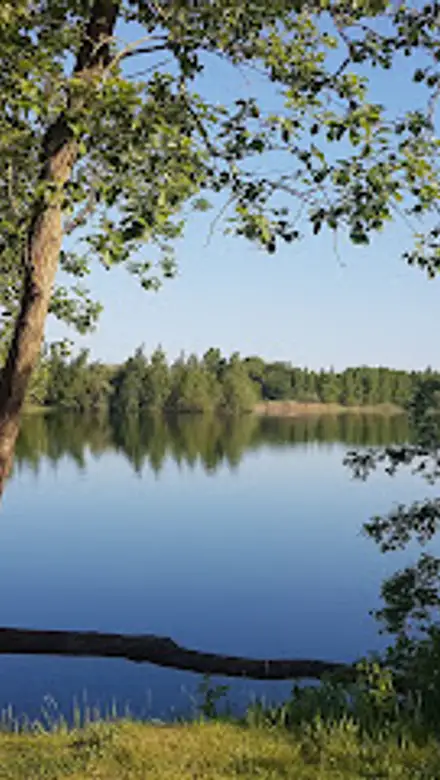
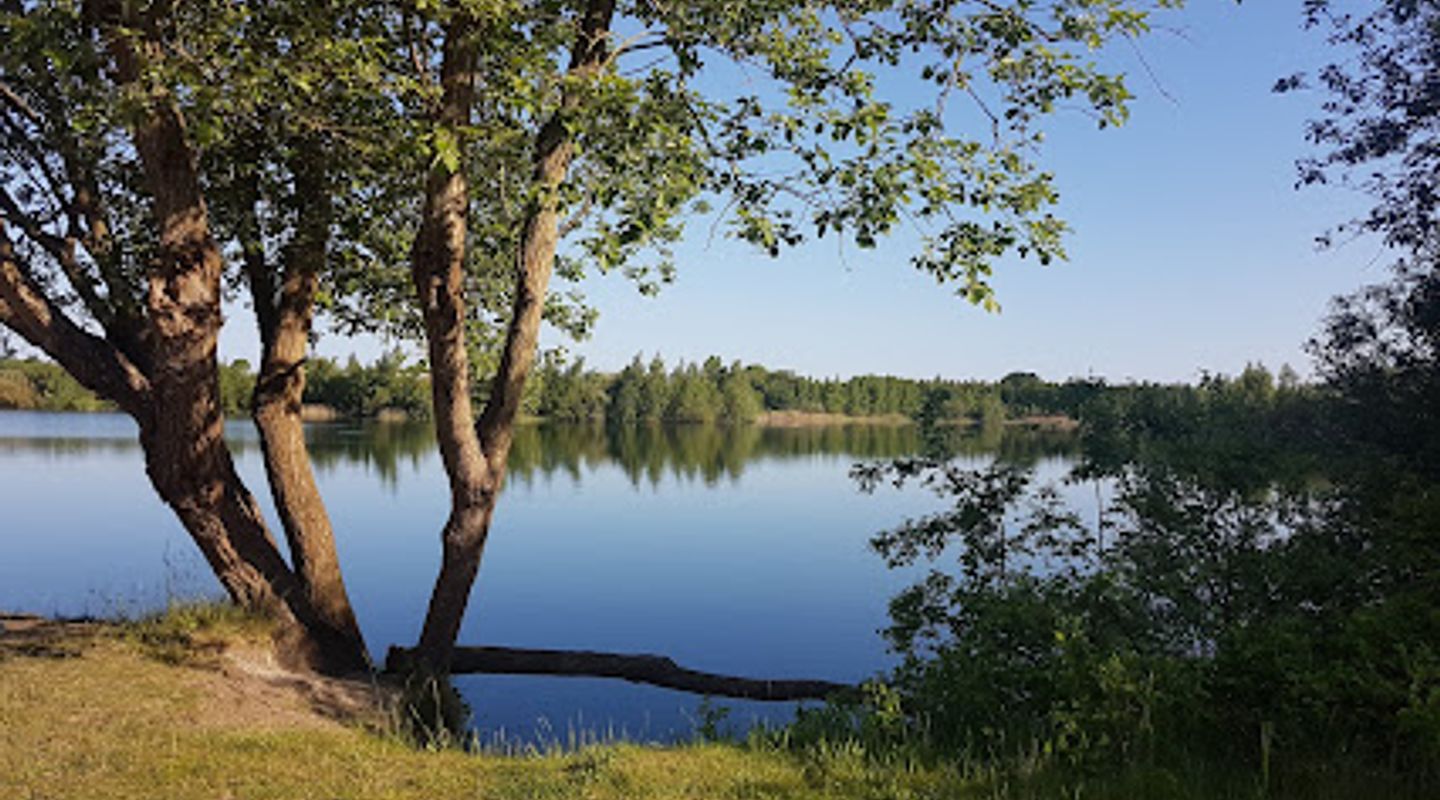
The museum also serves as a gateway to the surrounding Tarup–Davinde area. For decades this was an active gravel extraction zone; now many of the old pits have filled with water, forming small lakes edged by paths and scrub. Inside, you find maps and displays showing where different stones and fossils were uncovered and how the landscape has changed over time.Panels explain how quarrying exposed deposits that would otherwise remain hidden, making this corner of Funen unexpectedly rich for amateur geologists. The result is a landscape where you can still spot interesting rocks along paths and shorelines if you know what to look for, armed with a bit of knowledge from the museum.A hands-on stop for curious minds
Davinde Stenmuseum is compact, and that intimacy makes it easy to explore at your own pace. Children tend to gravitate to the most eye-catching pieces—giant boulders you can touch, unusually shaped stones and fossils that look like flowers pressed in stone. Adults often linger over the labels and diagrams that quietly decode the geological story behind each find.There is no rush; you can move between cabinets comparing textures, colours and shapes, using the displayed guides to match patterns and identify rock types. On certain days, volunteers or the owner may be present to answer questions and share anecdotes about specific finds or memorable days in the gravel pits.Planning your visit and taking it slow
Because this is a small, privately run museum, opening hours are limited and often concentrated on specific days or seasons, so checking them in advance is important. Once inside, you will likely spend an hour or two, depending on your level of interest in geology. The rural position gives the visit a slow, unhurried feel: after browsing the displays, many visitors simply sit for a while, letting the weight of deep time sink in.Combined with a walk in the nearby Tarup–Davinde landscape, a stop at Davinde Stenmuseum becomes a gentle half-day excursion: first you read the rocks indoors, then you step outside into the terrain where they were discovered, seeing the Funen countryside with newly trained geological eyes.












Your all‑in‑one travel companion app
Explore expert travel guides, compare and book tours, experiences, hotels, and more—all from the palm of your hand. Download now for seamless trip planning wherever your wanderlust takes you.


Explore More of Funen
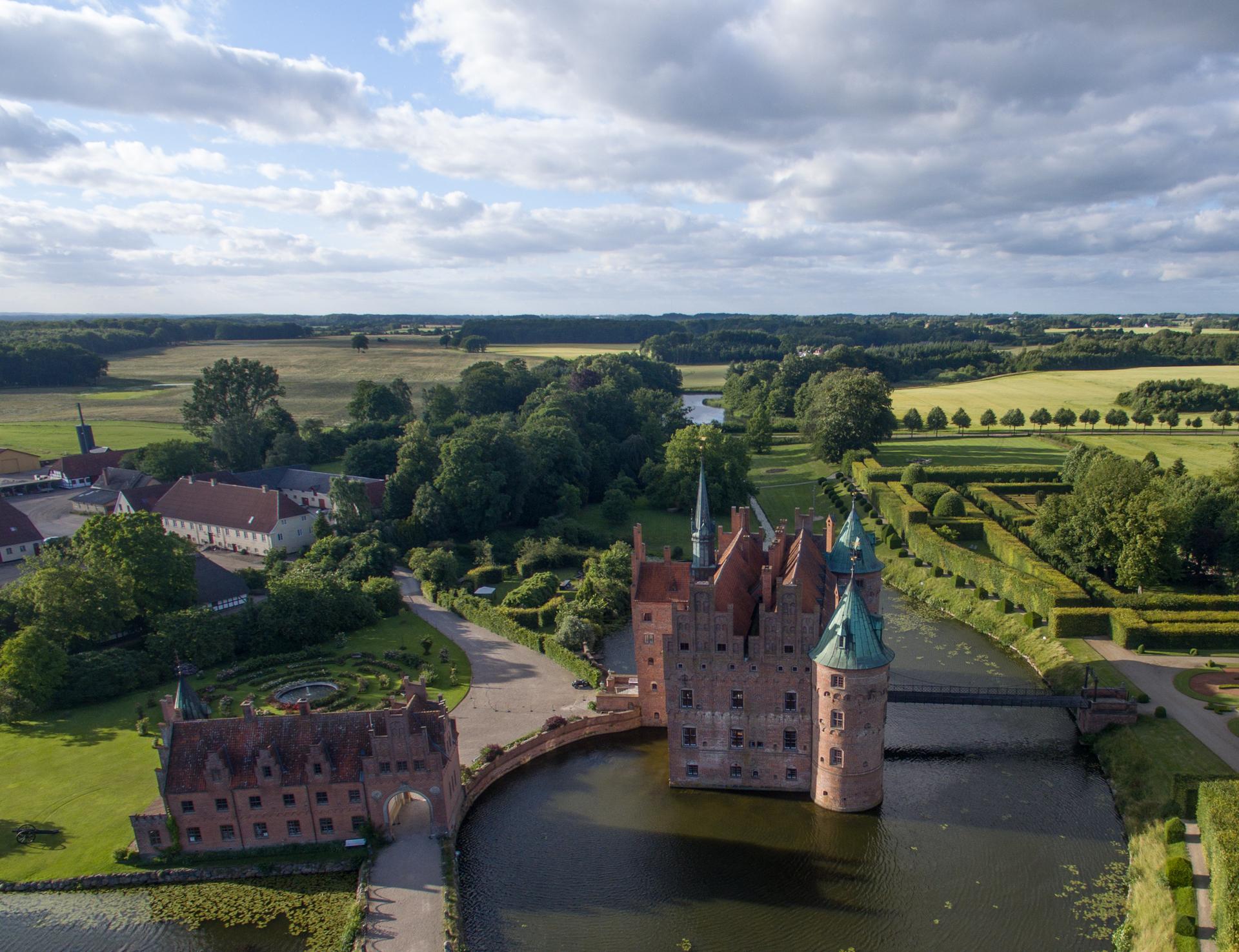
Looking beyond Davinde Stenmuseum? Discover Funen for broader travel guides, local hot-spots, and regional highlights.
Explore Funen
Step into the tiny yellow cottage in Odense where Hans Christian Andersen’s extraordinary imagination grew out of the simplest, humblest of childhood surroundings.
Historic Fyn manor and restored Romantic landscape garden, where peony-filled paths, quiet pavilions and winding waterways create a gently theatrical escape near Odense.