Carl Nielsen Museum, Odense Travel Guide
Free Guide: Compact yet richly layered museum in Odense’s musical quarter, tracing Carl Nielsen’s life, music and partnership with sculptor Anne Marie Carl-Nielsen.


A brief summary of Carl Nielsen Museum
Compact yet richly layered museum in Odense’s musical quarter, tracing Carl Nielsen’s life, music and partnership with sculptor Anne Marie Carl-Nielsen.
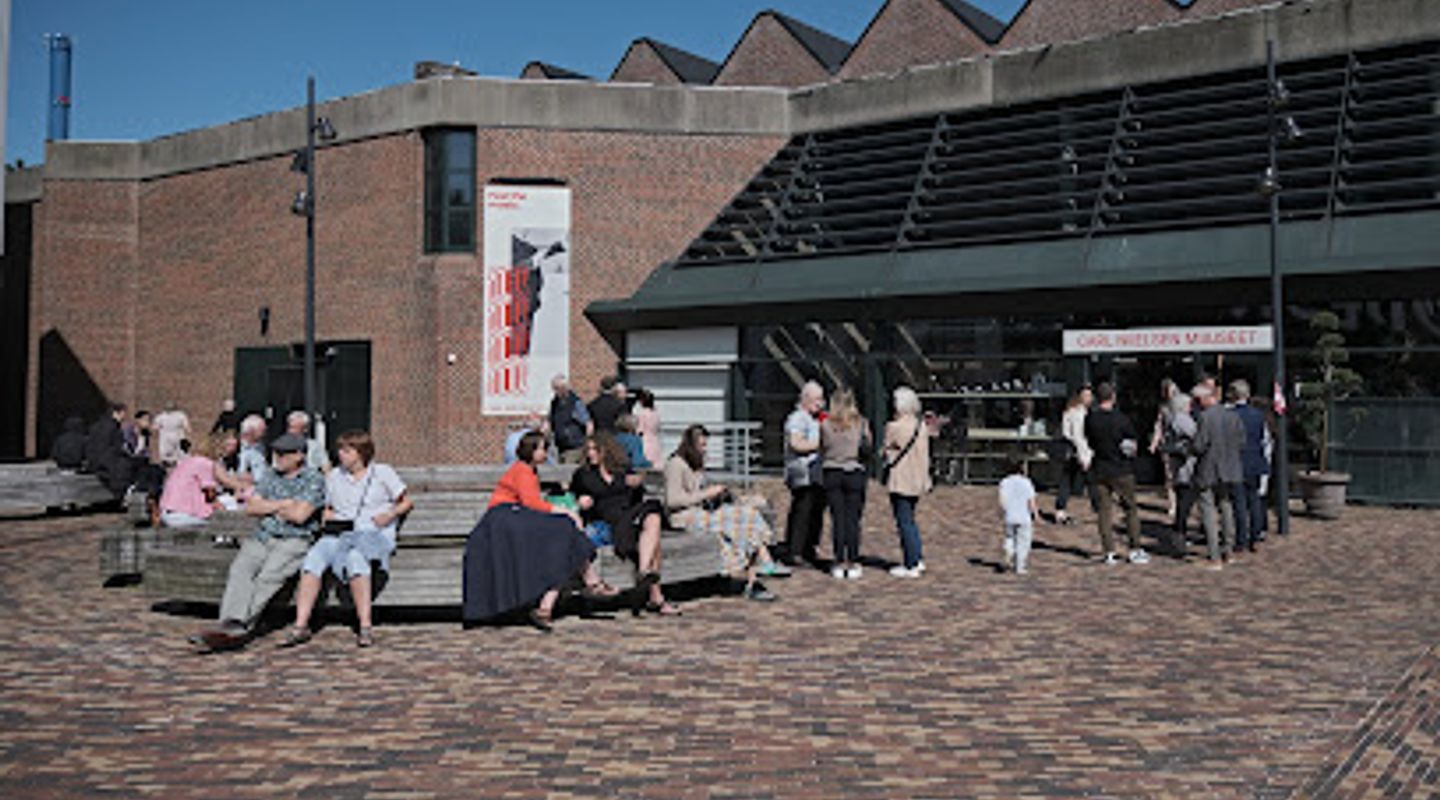
Tucked into Odense’s musical quarter beside the concert hall, the Carl Nielsen Museum celebrates Denmark’s most renowned composer through an intimate, two-level exhibition. Manuscripts, scores and personal objects trace Nielsen’s journey from humble Funen beginnings to national icon, while displays also spotlight his sculptor wife, Anne Marie Carl-Nielsen. Audio stations, images and evocative period pieces bring both their creative worlds and early 20th-century Danish cultural life into sharp, accessible focus.
On-site amenities
 Restrooms
 Drink options
 Food options
 Seating areas
 Sheltered areas
 Trash bins
 Information boards
 Visitor centre
Opening hours
- MonClosed
- Tue10 am–4 pm
- Wed10 am–4 pm
- Thu10 am–4 pm
- Fri10 am–4 pm
- Sat10 am–4 pm
- Sun10 am–4 pm
Opening hours as listed on the venue’s Google Business Profile. Hours can change for services and special events, so check with the venue before you go.
- Address
- Claus Bergs Gade 11, 5000 Odense
- Phone
- Website
Getting there
Light rail and walking
City bus and walking
Bicycle from central Odense
Car within Odense municipality
Discover more about Carl Nielsen Museum
Music, life and legacy in Odense’s cultural heart
Step inside the Carl Nielsen Museum and you are walking into the story of Denmark’s most celebrated composer, told in a compact but carefully curated space beside Odense’s concert hall. The museum is part of Museum Odense and anchors the city’s musical quarter, where performances and exhibitions intersect. Here, the focus is squarely on Nielsen the person as much as the composer, with his life and times unpacked through letters, portraits, photographs and personal belongings.Across two floors, the museum traces Nielsen’s journey from a boy in rural Funen to a figure whose symphonies and songs helped define Danish musical identity. Original scores, early editions of his works and programmes from landmark performances chart the evolution of his style as he challenged the musical norms of his era. The rooms are modest in scale, but dense with narrative detail, encouraging you to pause, read and listen rather than rush through.
Stories of a composer who bent the rules
Nielsen’s reputation rests on his ability to stretch tonality and form without losing a strong sense of melody and rhythm. Exhibition sections explore key themes in his life and music – awakening, resistance, crisis and reconciliation – giving structure to his creative development. Wall texts and listening points introduce you to the symphonies, concertos and songs that made him a national figure, while also hinting at the doubts and tensions behind the confident public persona.Archival photographs and personal letters sketch a man rooted in his Funen upbringing yet keenly engaged with artistic debates across Europe. You see how his folk music background, military band experience and exposure to modernist ideas combined into something distinctly his own. For visitors unfamiliar with classical music, the emphasis on human stories, relationships and everyday objects makes his world approachable rather than intimidating.
A partnership of music and sculpture
One of the museum’s most compelling threads is the artistic partnership between Carl Nielsen and his wife, the sculptor Anne Marie Carl-Nielsen. Displays highlight her role not just as a companion but as a trailblazing artist who created large-scale public works and ecclesiastical commissions at a time when few women worked at that level. Sketches, photographs and reproductions of her sculptures sit alongside his scores, underscoring how both challenged expectations in their respective fields.The presentation gives a sense of a well-connected, culturally active couple in early 20th-century Denmark: studio snapshots, travel mementos and domestic items suggest how home life, artistic experimentation and public duties overlapped. This dual focus turns what might have been a specialist composer museum into a broader portrait of creativity, ambition and negotiation within marriage and society.
An intimate museum made for close looking and listening
The Carl Nielsen Museum is relatively small, so the experience is concentrated and manageable in a single visit. Rather than large galleries, you move through a sequence of rooms that feel almost like extended studies, each with a specific theme or phase of life. This scale encourages slow exploration: you can linger by a display case, follow a timeline, or sit and absorb a musical excerpt without the pressure of a vast circuit.The connection with the neighbouring concert hall is more than physical. Knowing that Nielsen’s works are still performed in the city where he was born adds resonance to hearing them within the museum. For many visitors, the museum functions as a prelude or counterpoint to live music elsewhere in Odense, situating performances within the long arc of his life story.
Planning your visit among Odense’s cultural highlights
Because the exhibition is focused and compact, most people find that an hour or two is enough to see everything at a comfortable pace. This makes the museum easy to combine with other nearby attractions such as Odense’s cathedral, the Danish Railway Museum or the Hans Christian Andersen sites, all within walking distance in the historic centre.The museum generally opens daytime hours several days a week, with extended days in the main season. It is part of a wider network of Museum Odense sites, and at times combined ticketing with Carl Nielsen’s Childhood Home on Funen may be available, allowing you to connect the urban story here with his rural beginnings. Indoors, climate-controlled galleries make this a reliable stop in changeable Danish weather, whether you are seeking a brief cultural interlude or a deeper dive into the life of a composer whose music still echoes well beyond Odense.
Evendo Review Centre
 Google
Guest reviews
Best time to go
Quietest: Jan, Feb & Nov · before 9am or at 6pm or at 7pm
Busy times are Evendo estimates for a typical year, to help you plan. Actual crowds vary with events, school holidays and the weather.
Explore Carl Nielsen Museum on the map
A handpicked selection of must-see spots near Carl Nielsen Museum, mapped for you.
Get your free copy of our complete guide to Carl Nielsen Museum, delivered straight to you.
Everything on this page, from opening hours and how to get there to Eve’s tips and the best time to go, in one PDF you can read offline, print or share.
Already have an account? Sign in
Your Carl Nielsen Museum guide is ready.
We'll send it to · Not you? Sign out

Getting your guide ready…
We are putting together a fresh copy of the Carl Nielsen Museum guide. This can take up to a minute.
This can take a few moments. If your browser asks, choose Allow so the download can start. You'll find the guide in your Downloads folder.
Nothing happened? Download it again
Sorry, the guide is taking longer than usual. Please try again in a minute, or get it by email instead.
Other nearby places you may find interesting
The closest places of the same kind, if this one is not quite what you had in mind.
-
Bunkermuseum Of Odense Step into a fully preserved Cold War command bunker beneath Odense and explore an atmospheric maze of control rooms, exhibits and civil defence history.
-
The Funen Village Step into a living Funen countryside village of thatched farms, mills, orchards and heritage animals, where 18th- and 19th-century rural Denmark comes vividly to life.
-
Tidens Samling Hands-on time travel through 20th‑century Danish homes, fashion and design inside Odense’s historic Brandts Klædefabrik complex.
-
Munke Mose Central Odense’s riverside wetland park where fairy-tale sculptures, grand old trees and easygoing outdoor life meet along the gentle Odense River.
-
Bøgetoppen i Odense Zoo A gentle treetop adventure above Odense Zoo, Bøgetoppen lets you wander through the beech canopy, combining forest views, local nature stories and family-friendly fun.
Swipe for more places
More to explore near Carl Nielsen Museum

 Best experiences near Carl Nielsen Museum
 Best hotels near Carl Nielsen Museum
 Best landmarks near Carl Nielsen Museum
 Best attractions near Carl Nielsen Museum
 Best shops near Carl Nielsen Museum
 Best restaurants near Carl Nielsen Museum
 Best bars near Carl Nielsen Museum
Do you manage this location?
Take control to get all the benefits, like improved information, better appearance, and stronger visibility across AI-powered discovery.
Explore more

Explore more of Odense
Discover Odense, Denmark's enchanting city where fairy tales come to life amidst historic streets, vibrant culture, and scenic beauty.
Explore Odense
Explore more of Denmark
Discover Denmark: A perfect blend of history, modern design, and the cozy concept of hygge. Explore vibrant cities, serene landscapes, and world-class cuisine.
Explore Denmark