Restaurant Aro Travel Guide
Free Guide: Michelin-starred fine dining in a converted Odense machine factory, where local Danish produce, modern Nordic flavors and laid-back service shape a slow, immersive evening.


A brief summary of Restaurant Aro
Michelin-starred fine dining in a converted Odense machine factory, where local Danish produce, modern Nordic flavors and laid-back service shape a slow, immersive evening.
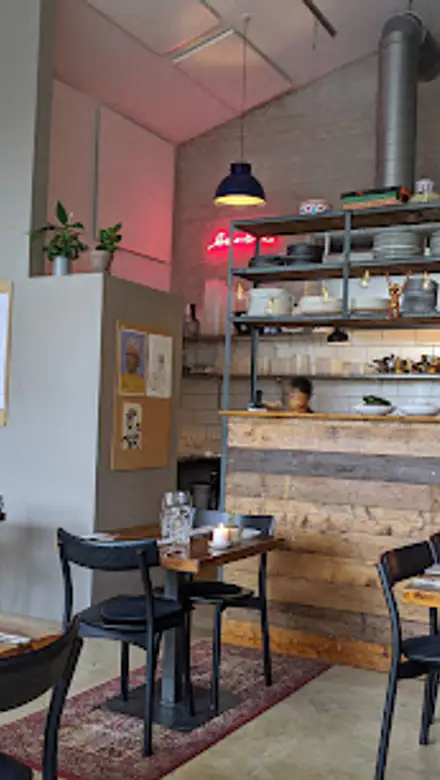
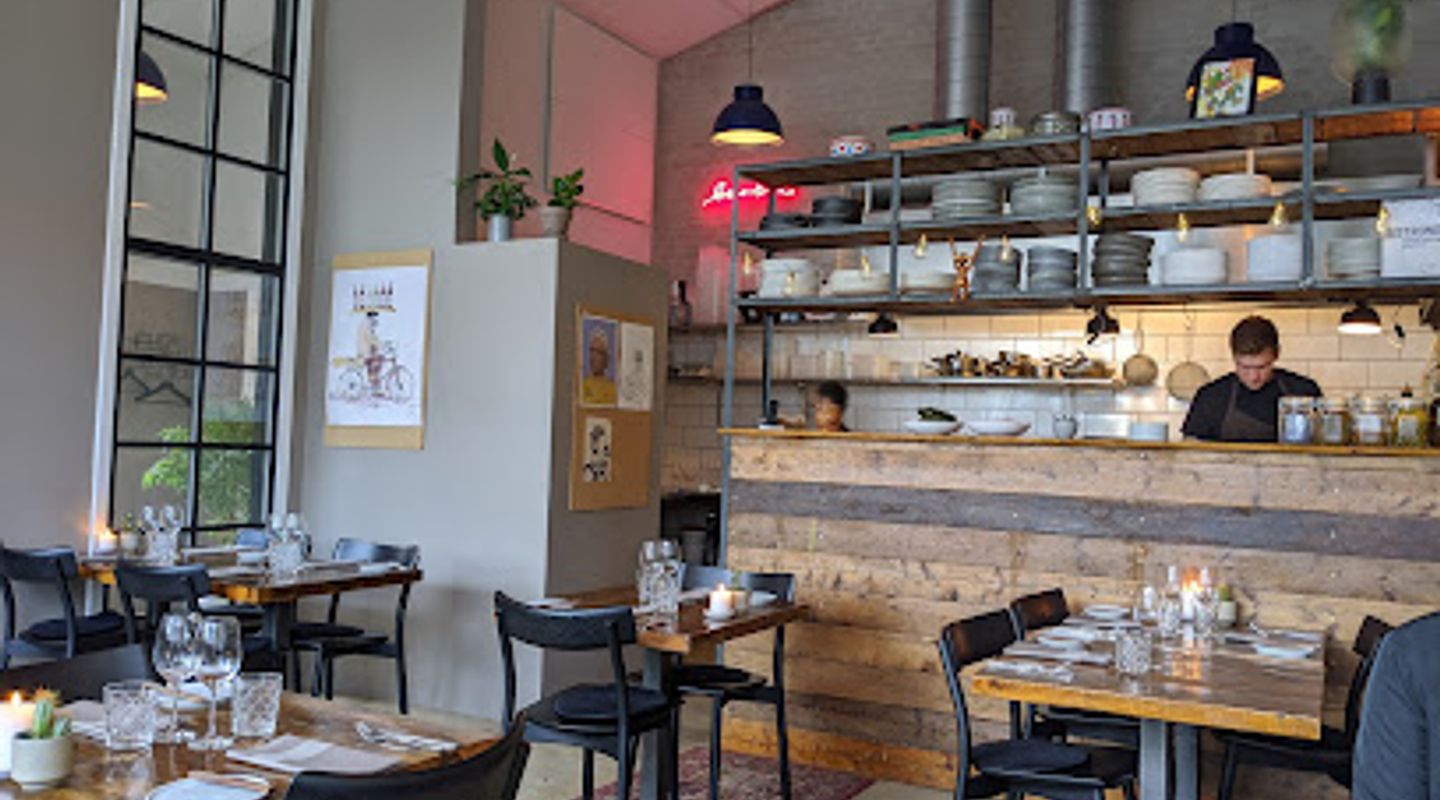
Tucked inside a converted machine factory in Odense’s Østerbro district, Restaurant Aro is an intimate, Michelin-starred fine-dining workshop with a laid-back soul. Around twenty or so guests share a single open room where exposed ducts, concrete and industrial lamps contrast with candlelight and dark wood. The kitchen works with local Danish producers and seasonal ingredients to create playful three- and seven-course tasting menus, paired with thoughtful wines or creative juice pairings in a relaxed, unpretentious setting.
On-site amenities
 Restrooms
 Drink options
 Food options
 Seating areas
 Sheltered areas
 Trash bins
 Information boards
Opening hours
- MonClosed
- TueClosed
- Wed6 pm–12 am
- Thu6 pm–12 am
- Fri6 pm–12 am
- Sat6 pm–12 am
- SunClosed
Opening hours as listed on the venue’s Google Business Profile. Hours can change for services and special events, so check with the venue before you go.
- Address
- Østerbro 32, 5000 Odense
- Phone
- Website
Getting there
City bus from central Odense
Taxi from Odense Station
Bicycle from inner Odense
On foot from central Odense
Discover more about Restaurant Aro
Industrial workshop turned culinary studio
Step into Restaurant Aro and you walk straight into the shell of an old machine factory, reborn as a polished yet understated dining room. The high ceiling, exposed pipes and raw concrete floors still whisper of the former workshop, but the mood is softened by black-stained wood, warm lighting and carefully spaced tables that keep the room intimate rather than echoing. There is a sense of being in a studio more than a traditional dining room, where the focus is firmly on craft and precision.The space is compact, typically seating just over twenty guests, which naturally creates a calm, contained atmosphere. Sketches and details on chipboard panels nod to the idea of work-in-progress, as if you are dining in the middle of an evolving project. Despite the industrial bones, the feeling is far from cold: candles, textiles and the gentle hum of conversation turn the former factory into a cozy evening cocoon.
Seasonal Danish produce at the center of the plate
Aro’s cooking is rooted in modern Nordic sensibilities, with a clear commitment to local and regional sourcing. Vegetables from nearby farms, herbs and coastal plants from Funen’s shores, and carefully selected fish and meats form the backbone of the menu. Rather than overwhelming dishes with technique, the kitchen leans into clarity of flavor, letting a few excellent ingredients tell the story on each plate.The restaurant works with set menus – typically a shorter and a longer sequence – that change with the seasons. One evening might move from delicate snacks built on seafood and crisp greens, to deeper, umami-rich courses centered around shellfish or carefully aged meat, before transitioning into layered desserts balancing acidity, creaminess and subtle bitterness. Each course is composed with a sense of rhythm, so the progression feels like a single, coherent narrative rather than a series of unrelated plates.
Michelin-starred finesse without stiffness
Holders of a Michelin star, the team at Aro combines technical refinement with an unbuttoned, workshop-like service style. Chefs may step out from behind the pass to present dishes, while the front-of-house team moves smoothly around the room, knowledgeable but never theatrical. The intention is formal quality delivered in a way that feels approachable: you are guided through the evening without ceremony getting in the way of enjoyment.Wine is treated with the same seriousness as the food, yet with room for personal preference. Classic pairings sit alongside more adventurous bottles, and there is often an alternative non-alcoholic pairing that mirrors the structure of the wine flight, using juices, infusions and ferments to echo acidity, tannin and depth. This thoughtful approach allows both enthusiasts and curious newcomers to engage with the drinks on their own terms.
An evening built around time and immersion
Dinner at Aro is designed as a full evening experience rather than a quick bite. Courses arrive at a considered pace, giving time to notice the details on each plate, the aromas rising from sauces and the shifting light in the room as the night deepens. Pauses between courses are used to reset the table, pour the next glass, or briefly discuss an ingredient’s origin, adding context without slowing the flow.The soundtrack and lighting contribute quietly to the atmosphere. Music is present but restrained, and the industrial fixtures create pools of light over each table, separating your corner from the rest of the room. It is the kind of place where conversation can stretch unhurried, where you are unlikely to glance at a clock until coffee and the final sweet bites appear, signaling the close of the culinary arc.
Funen terroir, reimagined on the plate
Beyond technique and setting, what defines Aro is its subtle storytelling about Funen and southern Denmark. Local vegetables might be grilled, pickled or charred to heighten their sweetness or earthiness; coastal herbs lend a saline snap to seafood; and dairy from the region underpins silky sauces and desserts. The result is not rustic cooking, but a refined prism through which everyday ingredients appear newly vivid.Small details reinforce this connection to place: the names of farms, fishermen or foragers mentioned in passing, the seasonally shifting palette of colors on the plates, and the interplay of smoke, acidity and freshness that recalls both sea air and forest edge. In this former factory, the surrounding landscape is quietly assembled into a multi-course portrait, making an evening at Aro feel like a concentrated taste of contemporary Danish gastronomy.
Evendo Review Centre
 Google
Guest reviews
Best time to go
Quietest: Jan, Feb & Mar · at 2am or at 12pm or at 1pm
Busy times are Evendo estimates for a typical year, to help you plan. Actual crowds vary with events, school holidays and the weather.
Explore Restaurant Aro on the map
A handpicked selection of must-see spots near Restaurant Aro, mapped for you.
Get your free copy of our complete guide to Restaurant Aro, delivered straight to you.
Everything on this page, from opening hours and how to get there to Eve’s tips and the best time to go, in one PDF you can read offline, print or share.
Already have an account? Sign in
Your Restaurant Aro guide is ready.
We'll send it to · Not you? Sign out

Getting your guide ready…
We are putting together a fresh copy of the Restaurant Aro guide. This can take up to a minute.
This can take a few moments. If your browser asks, choose Allow so the download can start. You'll find the guide in your Downloads folder.
Nothing happened? Download it again
Sorry, the guide is taking longer than usual. Please try again in a minute, or get it by email instead.
Other nearby places you may find interesting
The closest places of the same kind, if this one is not quite what you had in mind.
-
Den Gamle Kro A/S Authentic Danish tradition meets warm hospitality in a historic Odense dining institution.
-
Restaurant Oluf Bagers Gaard Historic 16th‑century merchant’s house serving modern Danish social‑dining menus and refined smørrebrød in a candlelit courtyard setting in central Odense.
-
Sortebro Kro Atmospheric historic inn beside Den Fynske Landsby, where classic Danish kro coziness meets refined, locally rooted Nordic cuisine on the green edge of Odense.
-
Restaurant HOS Contemporary Danish smørrebrød and seasonal tasting menus in a calm, minimalist dining room on lively Kongensgade in the very center of Odense.
-
Restaurant Klosterkroen A cozy, old-inn–style restaurant in central Odense, serving generous portions of classic Danish comfort food amid checkered tablecloths and warm wooden interiors.
Swipe for more places
More to explore near Restaurant Aro

 Best experiences near Restaurant Aro
 Best hotels near Restaurant Aro
 Best bars near Restaurant Aro
Do you manage this location?
Take control to get all the benefits, like improved information, better appearance, and stronger visibility across AI-powered discovery.
Explore more
Explore more of Funen
Discover Funen, Denmark's lush island treasure, where fairy tales come to life amidst scenic landscapes, historic castles, and vibrant cultural heritage.
Explore Funen
Explore more of Denmark
Discover Denmark: A perfect blend of history, modern design, and the cozy concept of hygge. Explore vibrant cities, serene landscapes, and world-class cuisine.
Explore Denmark