Hans Christian Andersen Mural, Funen Travel Guide
A towering black‑and‑white portrait of Hans Christian Andersen on a quiet Odense gable, where fairytale heritage meets contemporary street art in the old town.
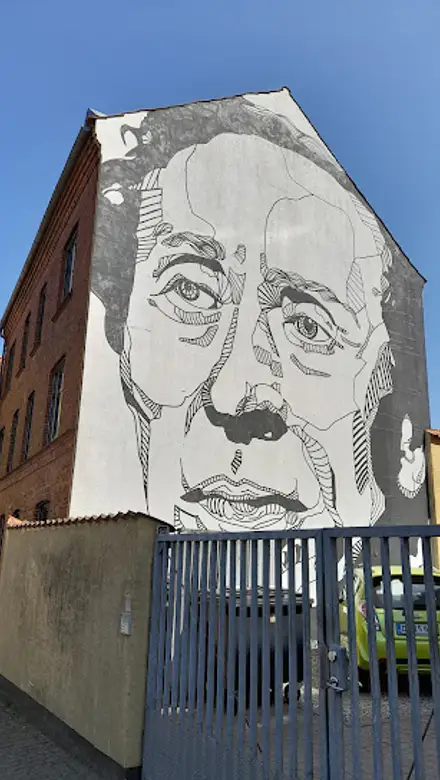
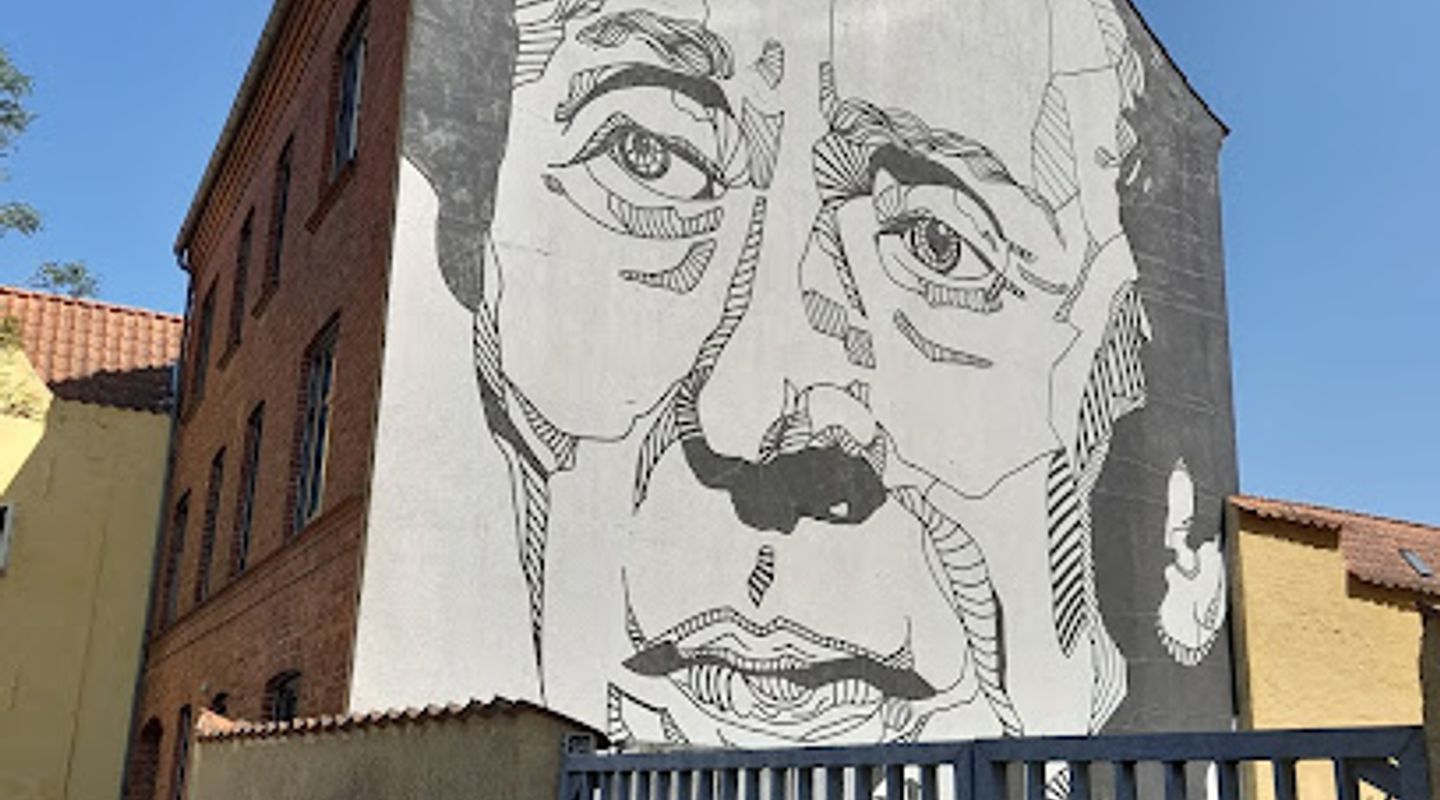
Splashed across the gable of a historic brick house on Bangs Boder in Odense, the Hans Christian Andersen Mural is a striking black‑and‑white portrait of Denmark’s beloved storyteller. Created by local street artist Don John, the 12‑metre‑high artwork gazes towards Andersen’s nearby childhood home and the modern H.C. Andersen House. Set amid cobbled lanes and pastel townhouses, this free, open‑air piece bridges fairytale heritage and contemporary urban art, making it an easy, atmospheric stop on any Hans Christian Andersen themed walk.
A brief summary to Hans Christian Andersen Mural
- Bangs Boder 24, Odense Municipality, Odense C, 5000, DK
- Click to display
- Duration: 0.25 to 0.5 hours
- Free
-
 Outdoor
- Mobile reception: 5 out of 5

Know before you go
Hi, I'm Eve. Here are a few practical things to know before exploring Hans Christian Andersen Mural.
- Bring a wide‑angle lens or use your phone’s ultra‑wide setting to capture the full height of the mural from the narrow street and small parking area.
- Combine a quick stop at the mural with visits to H.C. Andersen’s House and his childhood home nearby to build a themed walk through the historic quarter.
- Aim for early morning or late afternoon light, when the contrast on the black‑and‑white portrait is softer and the cobblestoned street is quieter.
Do you manage this location?
Take control to get all the benefits, like improved information, better appearance, and stronger visibility across AI-powered discovery. Learn more about listing your business on Evendo
Activate your presenceOther nearby places you may find interesting
The closest places of the same kind, if this one is not quite what you had in mind.

Explore Hans Christian Andersen Mural on the Map
A handpicked selection of must-see spots near Hans Christian Andersen Mural, mapped for you.
Unlock the Best of Hans Christian Andersen Mural
Buy tickets
-
No tickets available
Book tours with entry

Book tours without entry
-
No tours available
Getting There
-
Local bus and short walk from Odense Station
From Odense Station, take a city bus towards the central district around Vestergade or Thomas B. Thriges Gade; the ride typically takes 5–10 minutes and a single adult ticket costs about 24–26 DKK within the city zone. Services run frequently throughout the day. From the nearest stop it is an easy 5–10 minute walk on mostly flat pavements through the old town streets to Bangs Boder, suitable for most visitors but with some cobblestones that may be uneven for wheelchairs or strollers.
-
On foot from Odense city centre
If you are already in Odense’s central shopping streets around Vestergade or Flakhaven, reach the mural on foot in around 10–15 minutes. The route leads through mixed pedestrian and low‑traffic streets into the historic quarter. Surfaces alternate between smooth paving and cobblestones, so comfortable footwear is useful and those with limited mobility should allow extra time, especially in wet or icy weather.
-
Bicycle within central Odense
Odense is very bicycle‑friendly, and Bangs Boder sits within the city’s central cycling network. From most downtown hotels or from Odense Station, expect a 5–10 minute ride along marked bike lanes or calm side streets. Many accommodations and rental shops offer city bikes from about 100–150 DKK per day. You can park directly on Bangs Boder or in adjacent lanes, but be respectful of residents’ doorways and limited space.
For the on-the-go comforts that matter to you
-
 Trash Bins
-
 Information Boards
-
 Seating Areas
Discover more about Hans Christian Andersen Mural
A giant face in a quiet cobbled lane
On Bangs Boder, one of Odense’s prettiest old streets, the gable of a tall brick house is dominated by a single monochrome face: Hans Christian Andersen’s. The mural rises several storeys high, roughly 12 metres from ground to roofline, and turns an otherwise ordinary end wall into a dramatic focal point. Against the muted tones of brick and roof tiles, the crisp black‑and‑white portrait feels both bold and surprisingly harmonious.The street itself is narrow and intimate, with cobblestones underfoot and traditional Funen townhouses lining the way. Standing here, the mural feels close enough to touch, yet large enough to dwarf the parked bicycles and low doorways beneath it, creating a powerful sense of scale.Don John’s tribute to Odense’s most famous son
The mural is the work of Danish street artist Don John, who grew up near Odense and is known for intricate, stencil‑based pieces. Here he chose a more contemplative mood: Andersen’s face is rendered in delicate shading, eyes lifted and focused down the street. The effect is less like a static portrait and more like a pause in the writer’s ongoing walk through the city.There is no loud signage or didactic plaque; instead, the artwork speaks through expression and place. Knowing that the author was born just around the corner adds a quiet emotional weight, turning this from a generic mural into a site‑specific homage.Looking towards a childhood and a museum
One of the most evocative details is the direction of Andersen’s gaze. The mural faces toward the area where his modest childhood home still stands and towards the landscaped grounds of the new H.C. Andersens Hus museum. In a single line of sight you can trace a journey from the cramped rooms of his youth to the expansive museum that now celebrates his imagination.Seen this way, the piece becomes a visual bridge between biography and legacy. The old rooftops, church spires and museum structures around Bangs Boder all fall within the mural’s invisible line of vision, as if Andersen is still watching over the city that shaped him.Street art woven into fairytale Odense
Odense is often associated with half‑timbered houses, fairy‑tale statues and leafy parks, yet the mural introduces a contemporary note. It sits comfortably alongside sculptures of the Little Mermaid or The Wild Swans, adding a layer of urban culture to the traditional Hans Christian Andersen trail.Because it is free to see and always accessible, the mural works as an informal open‑air gallery. It is especially striking in soft evening light or under a winter sky, when the stark contrasts of the portrait stand out against the often subdued Danish weather.A brief stop with lasting images
Most visitors spend only a short time here, often pausing en route between Andersen‑related sites in the historic quarter. Yet the mural rewards a slower look: from close up you can study the intricate stencil work and subtle textures of the brick surface; from across the small parking area the full composition, framed by surrounding roofs and chimneys, comes into view.Photographers are drawn to the strong lines and human scale of the surroundings, while literature fans appreciate the chance to see the author depicted not as a bronze statue but as a living, almost cinematic figure on the city wall.Part of a wider walk through Andersen’s world
The mural works best as a highlight within a wider wander through Odense’s old town. From Bangs Boder it is easy to continue along narrow lanes towards museums, churches and riverside parks that all play a part in the city’s storytelling identity. Even if you are only passing through, this towering portrait offers a quick, vivid encounter with Andersen’s presence in his hometown, captured in paint rather than on the page.More to explore near Hans Christian Andersen Mural













Your all‑in‑one travel companion app
Explore expert travel guides, compare and book tours, experiences, hotels, and more—all from the palm of your hand. Download now for seamless trip planning wherever your wanderlust takes you.


Explore More of Funen
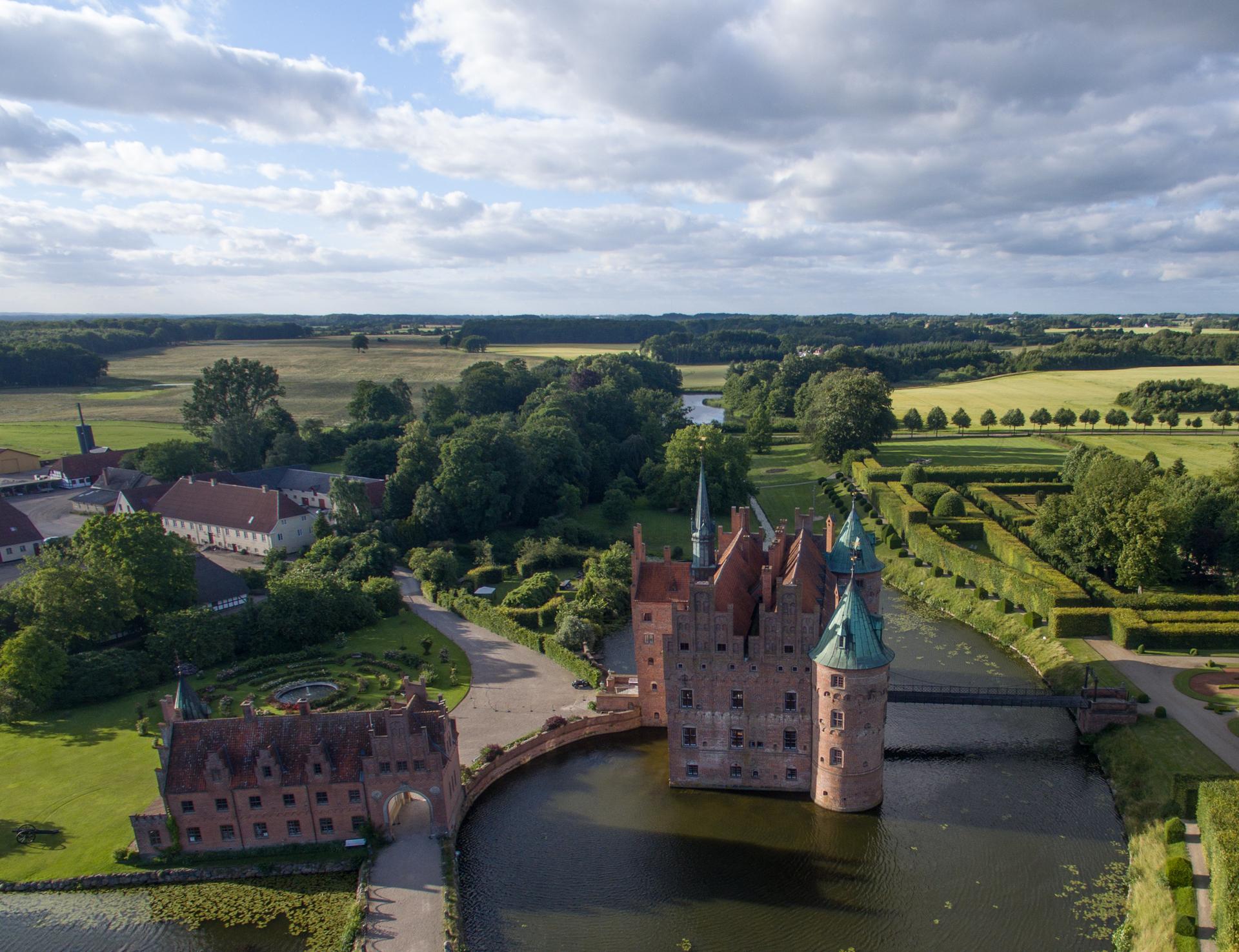
Looking beyond Hans Christian Andersen Mural? Discover Funen for broader travel guides, local hot-spots, and regional highlights.
Explore Funen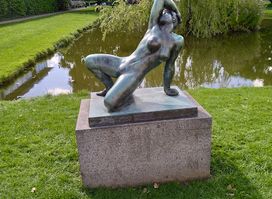
A serene bronze heroine from Greek myth, Gerhard Henning’s Danaë reclines quietly in Odense’s King’s Garden, bridging baroque greenery and modern city life.
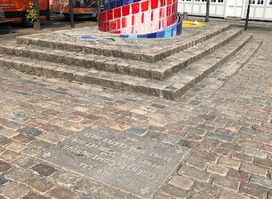
On Sortebrødre Torv, the lost Odense Comediehuus lives on in stories of young H.C. Andersen, vanished footlights and a square that still hums with everyday drama.